Best CRM Software: 10 Tools Compared for Teams in 2026
June 16, 2026


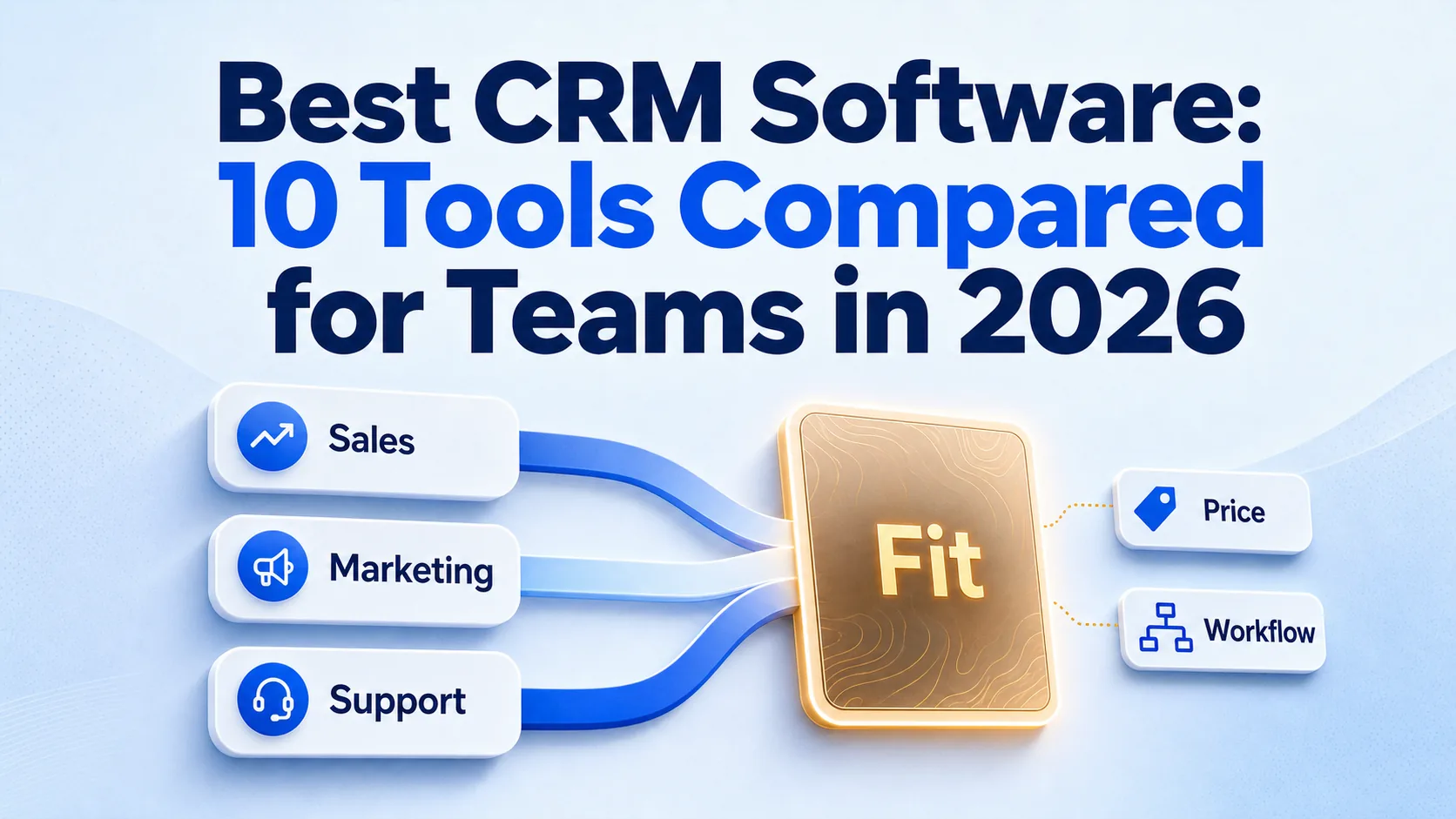
If you’re comparing the best CRM software, start with the tool that matches your sales process, team size, and budget before you compare feature lists.
Customer relationship management (CRM) software is a shared system for tracking contacts, deals, customer history, tasks, and follow-up work.
For most teams in 2026, HubSpot Smart CRM is the best overall pick, Zoho CRM is strongest for small businesses, Pipedrive fits sales-led teams, Salesforce suits enterprise growth, and Microsoft Dynamics CRM makes the most sense for teams already using Microsoft products.
This guide ranks 10 CRM platforms using the pricing, free-plan notes, use-case labels, and limitations available in the research context, so you can build a shortlist without reading a dozen vendor pages.
This ranking favors clear buyer fit over the longest feature list.
We prioritized CRM tools that appeared repeatedly across the research context and had enough pricing, free-tier, trial, and use-case data to compare fairly.
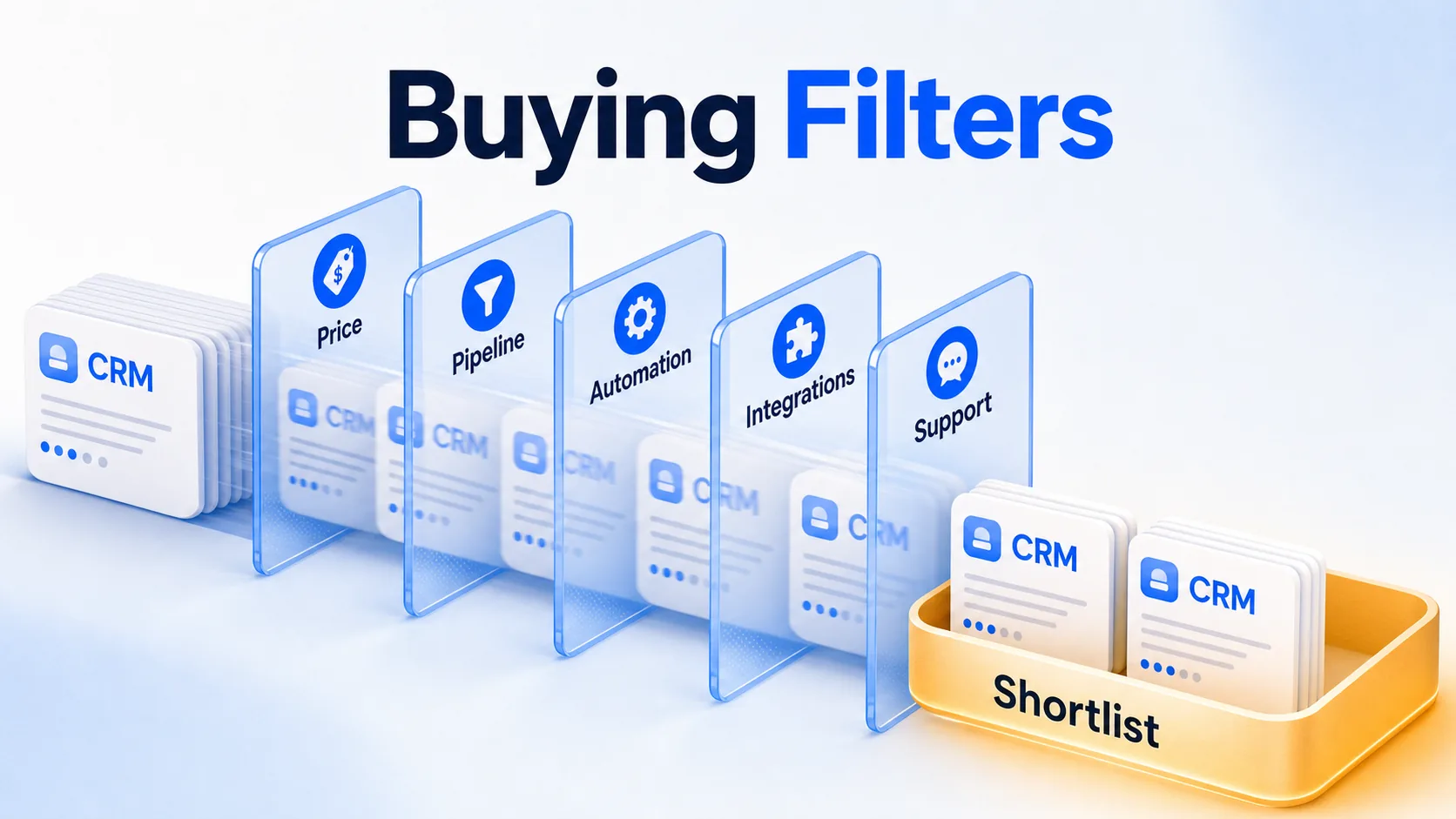
The final order weighs the factors buyers actually compare before they commit:
The list also reflects the research pattern around lead generation software, email marketing software, and sales follow-up workflows, because CRM decisions rarely sit inside one team.
The strongest CRM shortlist balances fit, adoption, and limits.
A tool that looks perfect in a comparison grid still fails if your reps don’t update it, your marketers can’t use the data, or the free tier blocks your real team size.
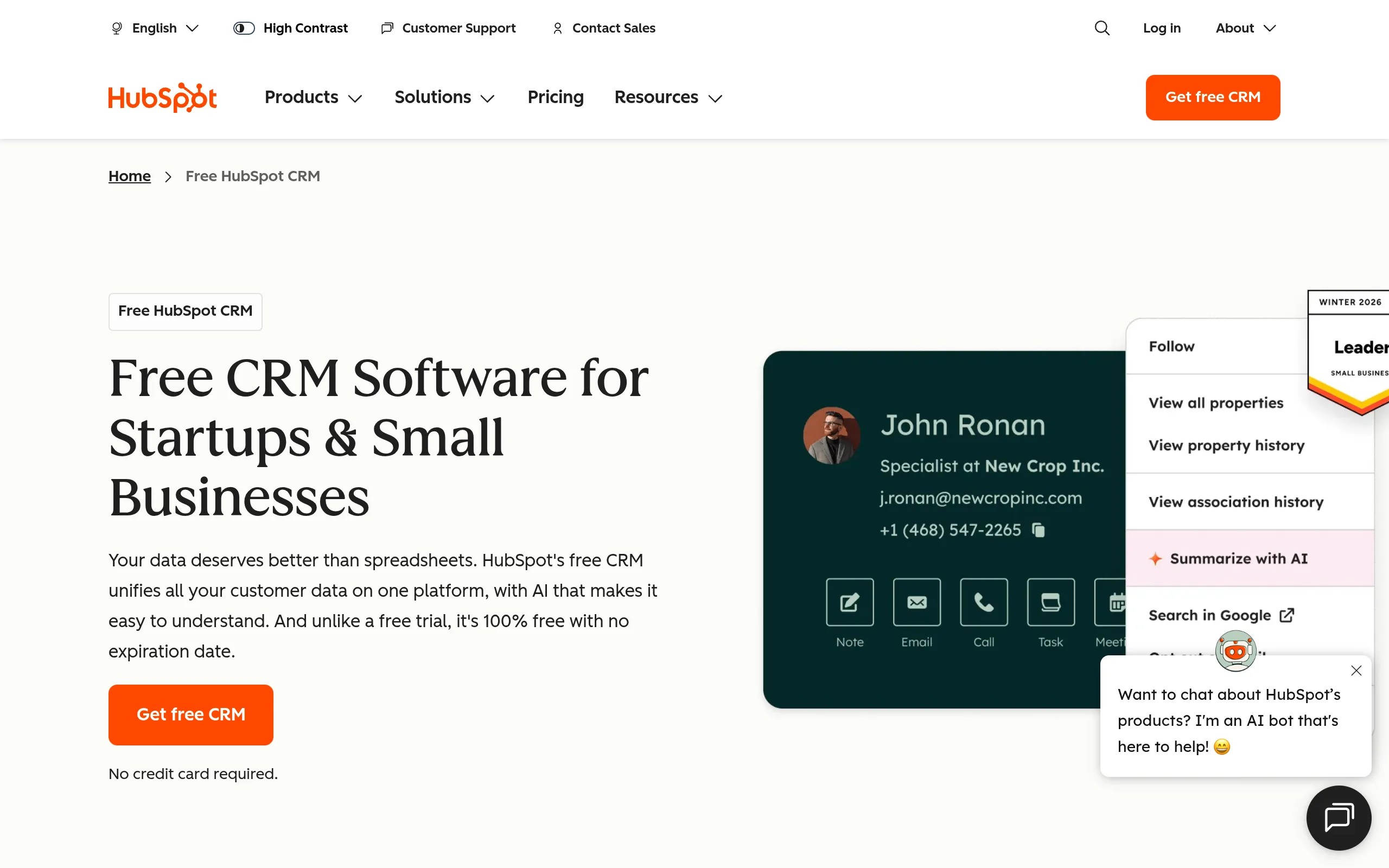
HubSpot Smart CRM is a flexible customer platform for teams that want sales, marketing, and artificial intelligence features in one place.
It earns the top spot because the research context frames it as a strong marketing-focused choice with a free plan and paid plans that start at $10 per user monthly.
Its main advantage is the way marketing tools, company insights, and customer records sit close together, which helps teams connect outreach with deal activity.
The tradeoff is plan sprawl: the research context notes that many tools are split into separate offerings that need their own subscriptions.
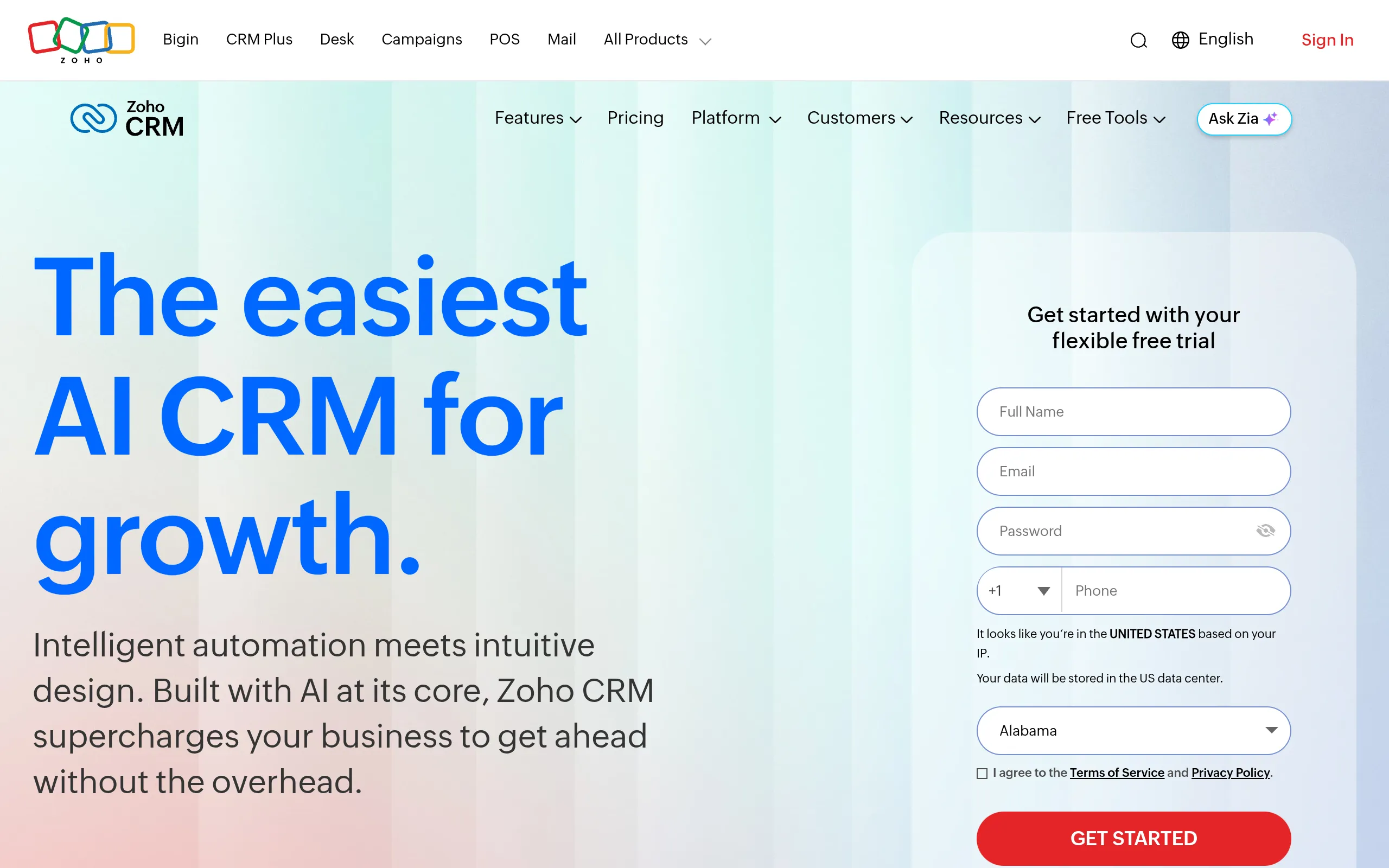
Zoho CRM is a broad sales platform for small teams that want contact management, email, telephony, and integrations without starting on an enterprise system.
The research context repeatedly positions Zoho CRM as a value pick because it has a free plan that supports three users and paid plans that start at $20 per user per month.
It stands out for breadth: email, telephony, social media connections, and over 1,000 third-party software platform integrations are all mentioned in the source material.
The main caveat is capacity, because the free plan is capped at three users and storage limits are described as low.
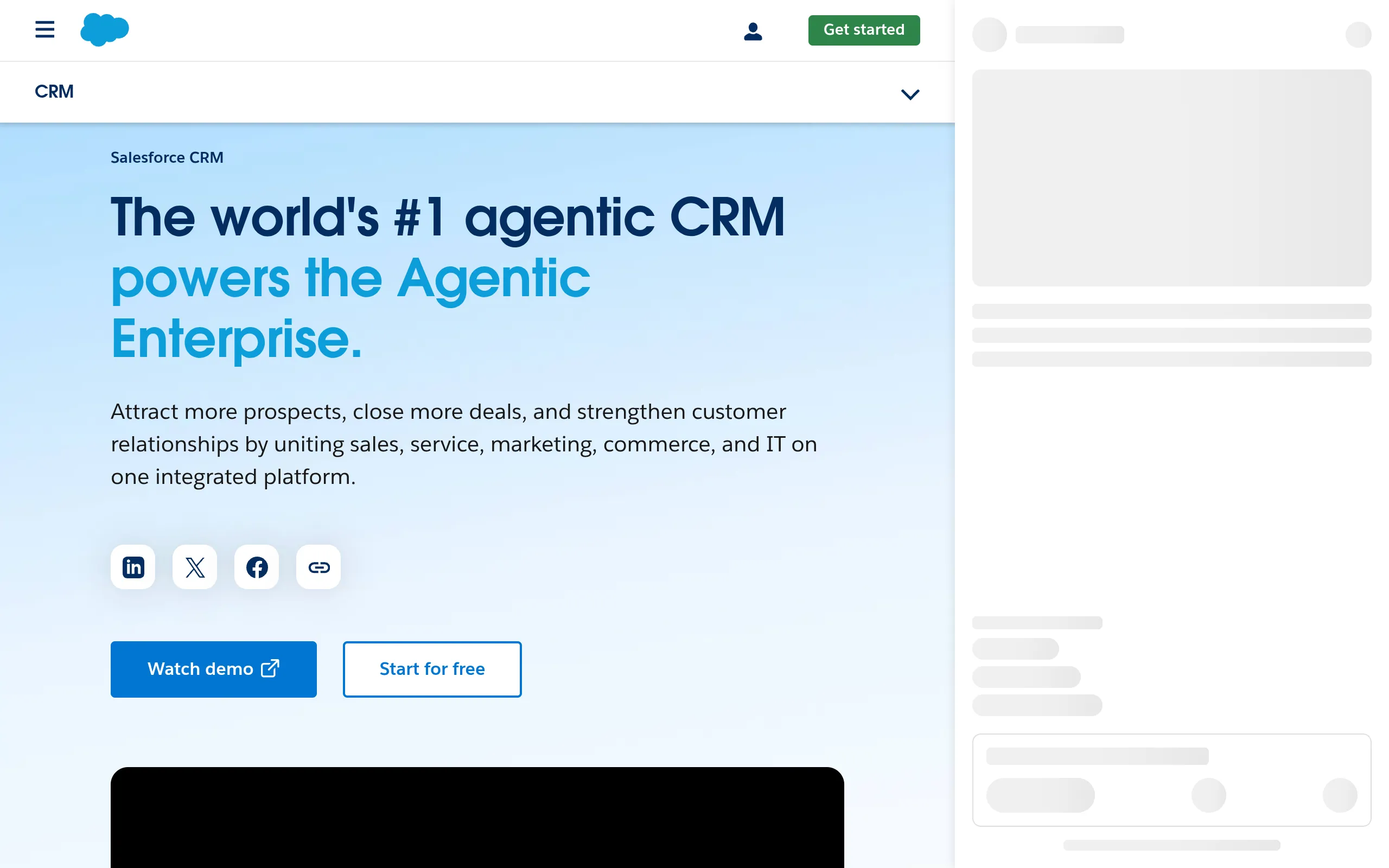
Salesforce is a scalable CRM platform for teams that want a larger ecosystem and room to grow into advanced sales, service, marketing, and automation use cases.
The research context positions Salesforce as a premium platform with a free plan, Starter Suite at $25 per person per month, and Pro Suite at $100.
Its strength is depth: dynamic email marketing tools, sales flows, and lead routing give growing teams more control than a simple contact database.
That depth comes with friction, and the research context calls out a steeper learning curve than lighter CRM tools.
monday CRM is a visual CRM for newer teams that want deal tracking to feel as familiar as task management.
It ranks high because the research context frames it as a good fit for startups and new teams, with a free plan and paid plans that start at $15 per user per month.
Kanban boards and templates help teams organize deals, owners, tasks, and handoffs without building a complex sales system first.
Its limitation is specialization: the research context says it does not have as many bespoke CRM features as competitors.

Pipedrive is a sales-first CRM built for teams that live in pipeline views and move deals stage by stage.
It belongs in the middle of the list because the research context points to pipeline management, integrations, segmentation tools, artificial intelligence, and a drag-and-drop email builder.
The main benefit is focus: it keeps the sales process visible, which helps reps see what needs a follow-up instead of digging through contact notes.
The tradeoff is plan value, since the research context says the platform is costly relative to alternatives with similar basics.
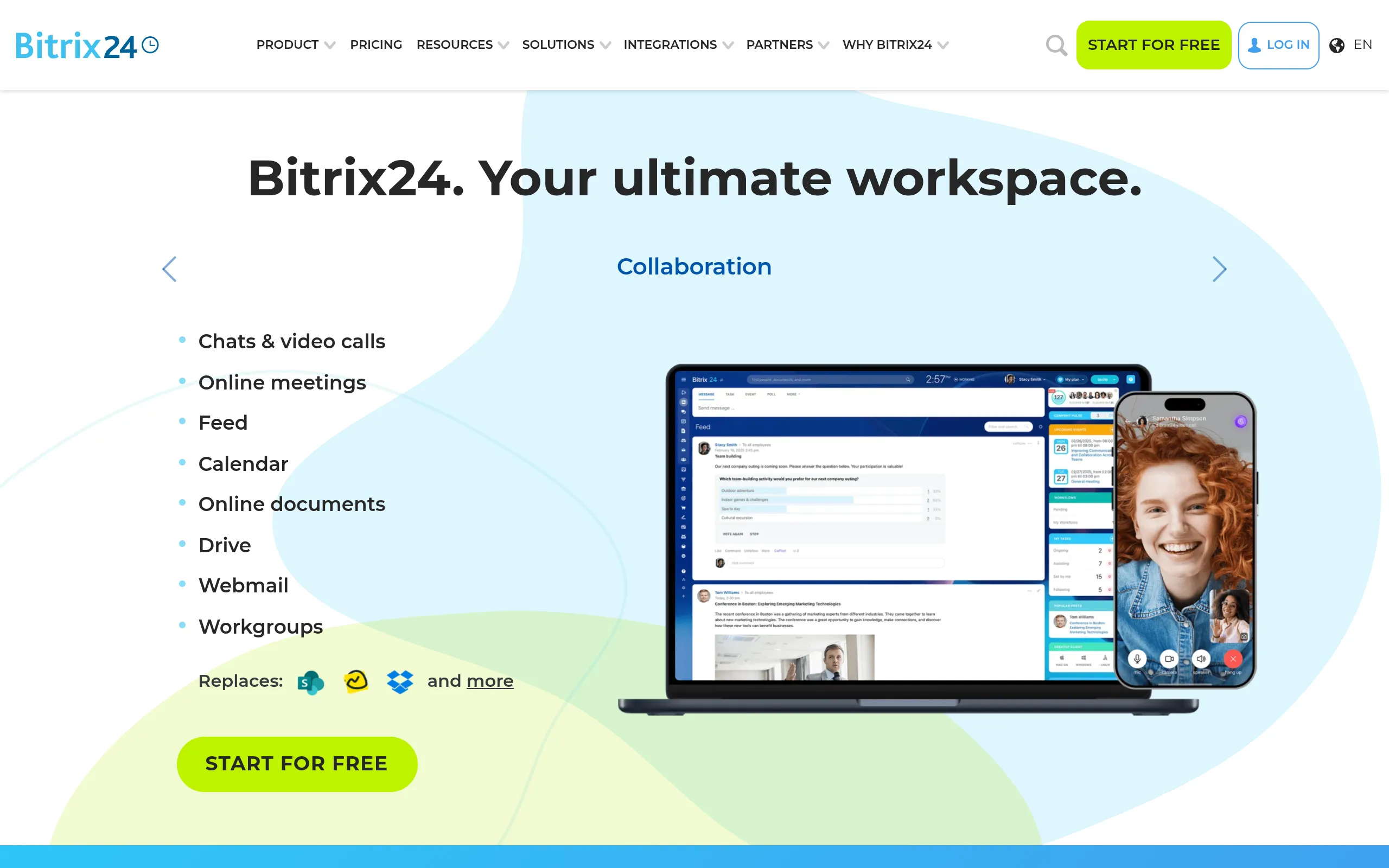
Bitrix24 is a feature-heavy CRM and collaboration platform for teams that want dashboards, reporting, and a free option.
The research context names it as a strong analytics pick, with a free plan and paid plans that range from $61 to $499 per organization monthly.
Its best use case is KPI visibility, because reports and dashboards help teams see sales activity instead of relying on status meetings.
The caution is plan structure: the basic paid plan only supports five users, and support or technical complaints appear in the research context.
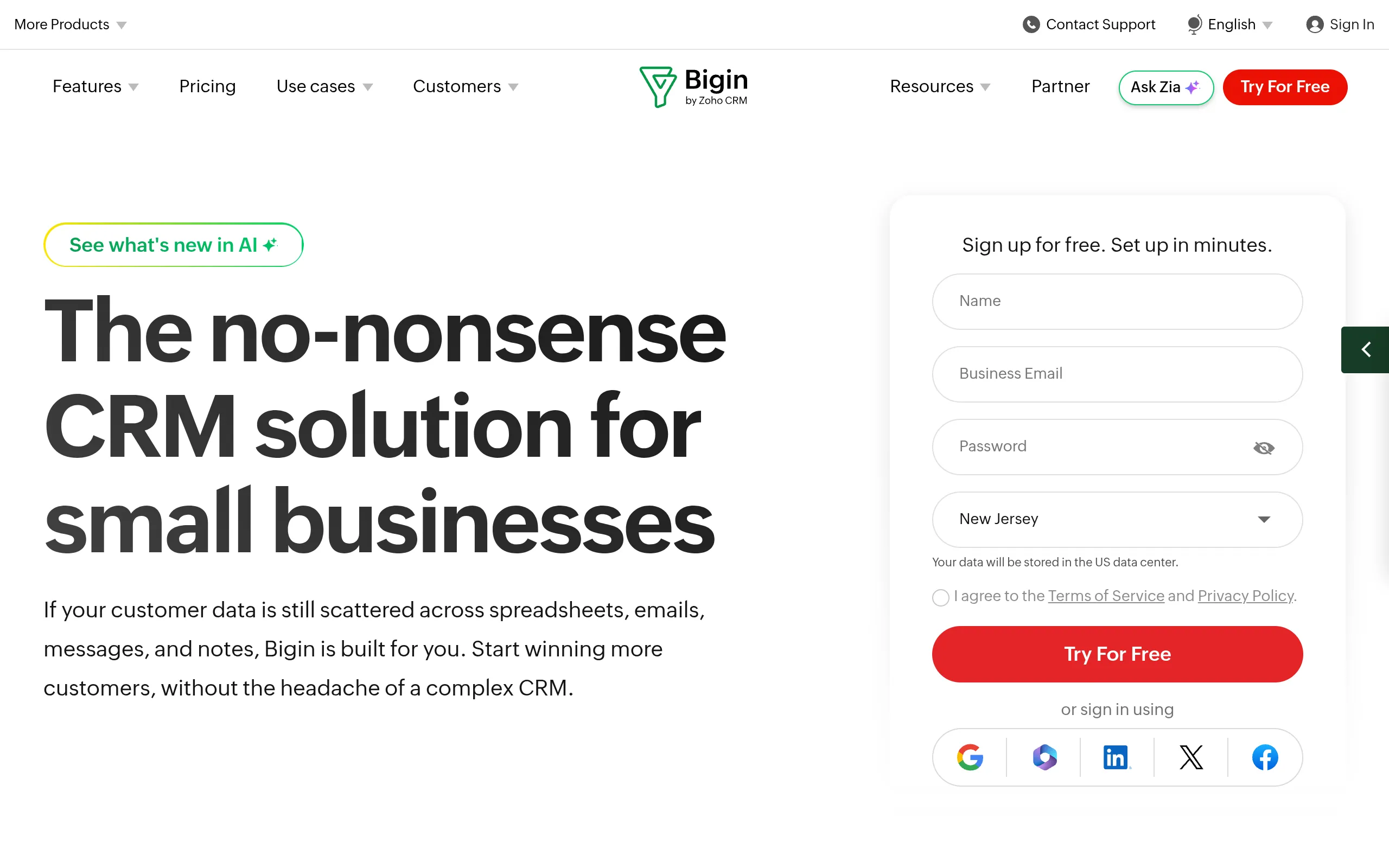
Bigin by Zoho CRM is a starter CRM for small teams that need the basics without a complex setup.
The research context makes Bigin one of the clearest entry-level choices, with a free plan and paid plans that start at $9 per user per month.
It brings multi-channel support, automations, integrations, sales pipelines, and collaboration tools into one small-team package.
Its ceiling is the issue: the research context says it lacks tools suited to complex projects and advanced workflows.
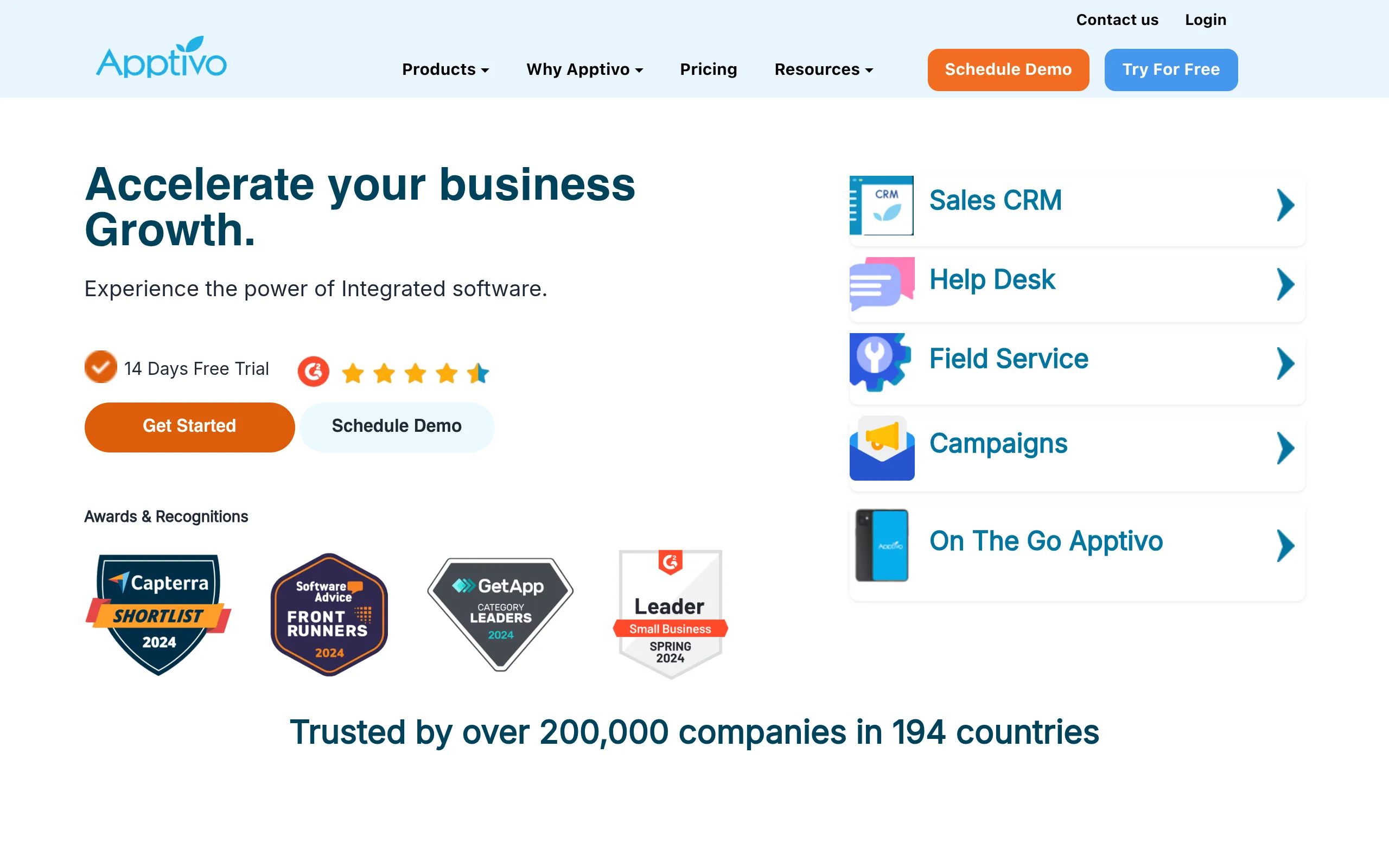
Apptivo is a CRM and workflow platform for teams that want contact management, nurturing, closing, documents, dashboards, campaigns, and telephony support in one system.
It earns its place because the research context frames it as strong for end-to-end workflows, especially when teams want to reduce third-party software sprawl.
The key benefit is operational coverage: Apptivo can handle more than a sales pipeline, which matters when customer work moves across departments.
The warning is adoption, since the research context says the tools have a steep learning curve and the interface is not intuitive.
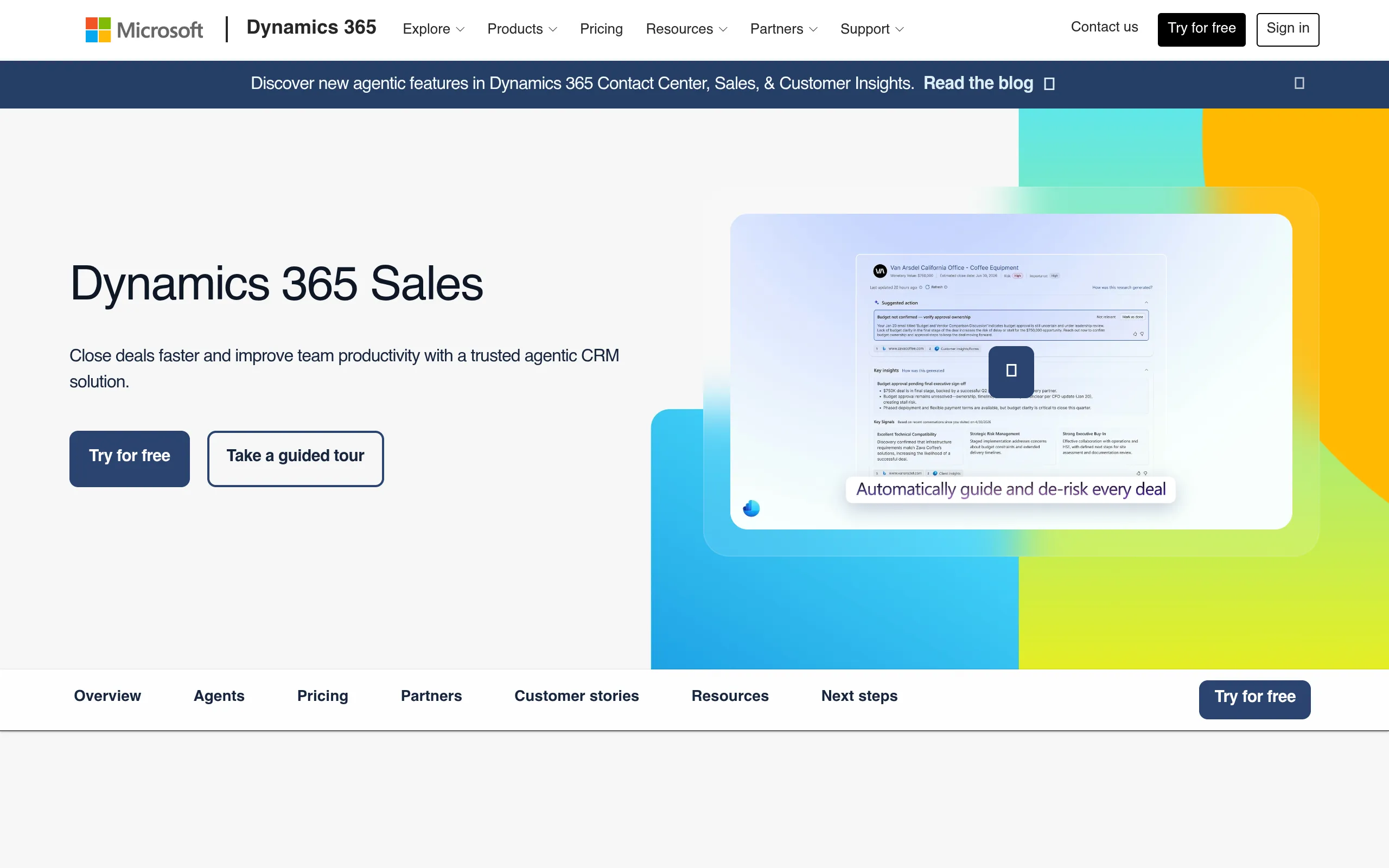
Microsoft Dynamics CRM is a sales platform for teams already invested in Microsoft software.
The research context positions it as the best choice for Microsoft users, with pricing at $65 per user per month billed annually and a 30-day free trial.
Its strongest reason to choose it is ecosystem fit: sales pipelines, automated lead qualifying, AI-assisted customer communication tools, sales forecasting, and Microsoft product integration sit together.
The caveat is plan depth, because the basic plan is described as light on features and AI credits cost extra in lower tiers.
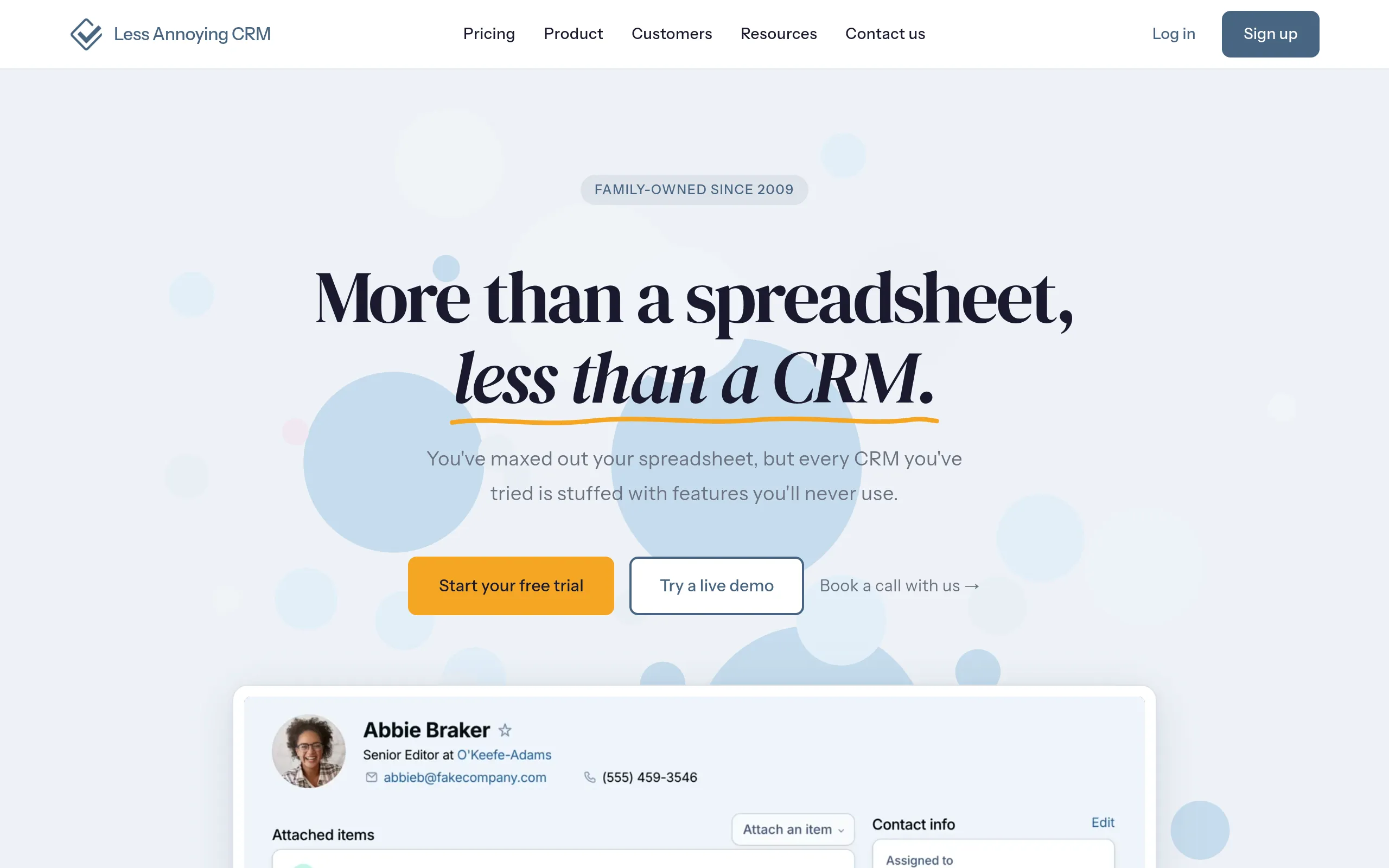
Less Annoying CRM is a simple CRM for small businesses that want clarity over configuration.
It makes the list because the research context repeatedly positions it as a good fit for teams with simple needs, with plans starting at $15 per user per month.
Its value is focus: contacts, tasks, pipeline activity, reminders, and follow-ups stay easy to understand.
That simplicity also limits it, and the research context says it could use more customizability and depth in a few key areas.
This table gives you the fast compare layer: who each CRM fits and what the starting price signal looks like from the research context.
Use it to narrow the list to two or three tools before you book demos or test free plans.
| Name | Best For | Starting Price |
|---|---|---|
| HubSpot Smart CRM | Marketing-focused teams | Free; paid plan starts at $10 per user monthly |
| Zoho CRM | Small businesses that need breadth | Free; paid plans start at $20 per user per month |
| Salesforce | Enterprise-minded teams | Free; Starter Suite at $25 per person per month |
| monday CRM | Startups and new teams | Free; paid plans start at $15 per user per month |
| Pipedrive | Sales pipeline teams | $14 per user per month billed annually |
| Bitrix24 | Analytics and free CRM use | Free; paid plans start at $61 per organization monthly |
| Bigin by Zoho CRM | Small teams starting from scratch | Free; paid plans start at $9 per user per month |
| Apptivo | End-to-end workflows | Lite costs $20 per user per month |
| Microsoft Dynamics CRM | Microsoft users | $65 per user per month billed annually |
| Less Annoying CRM | Simple small-business CRM | $15 per user per month |
How we picked this shortlist: we ranked tools by pricing clarity, free tier or trial availability, buyer fit, pipeline strength, automation, reporting, integrations, support signals, and scalability.
We did not claim hands-on testing, and we did not add ratings because the research context does not provide verified user ratings for these 10 selected tools.
The right CRM changes with the job you need it to do.
Use this section as the final shortcut after the ranked list, especially if you already know your main constraint.
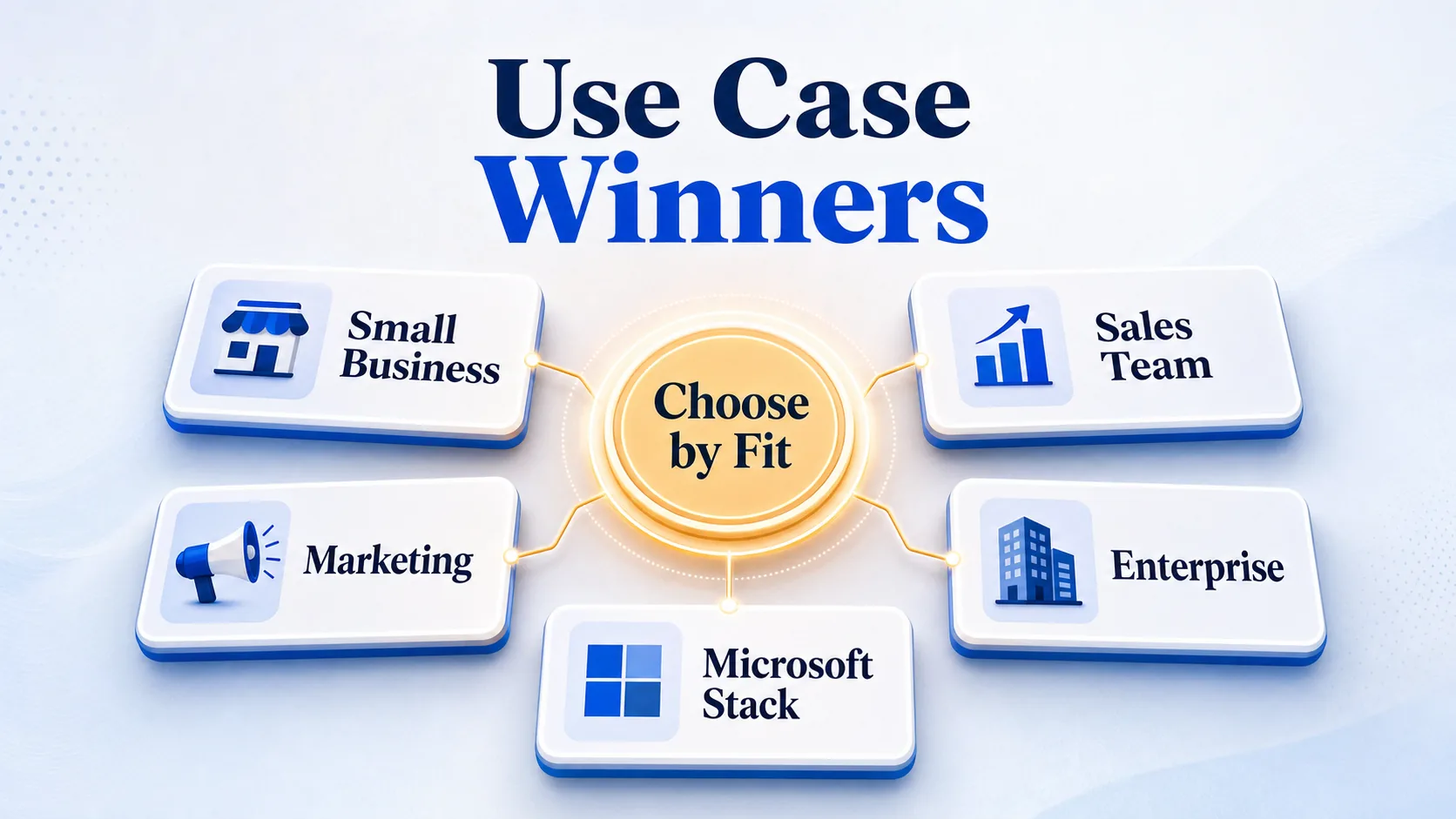
This use-case split is the part most comparison pages underplay.
A CRM that works well for a founder tracking 20 deals won’t automatically fit a multi-team sales organization with lead routing, reporting, and support handoffs.
Starting prices don’t tell you the real operating cost of a CRM.
The number you see first is only useful after you check seats, included features, support, storage, and the setup work needed to make the system useful.
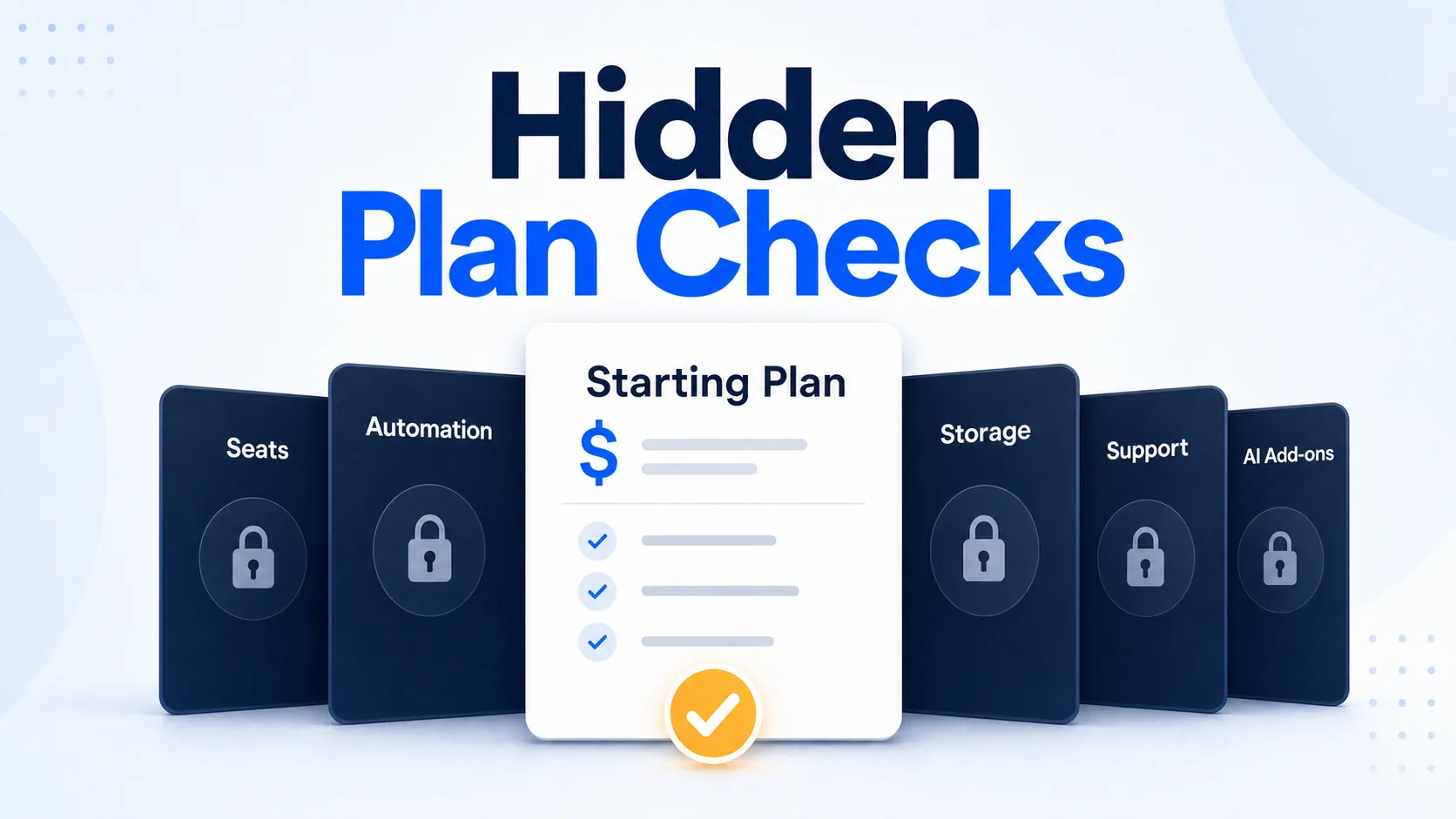
A free plan is ongoing access, while a free trial ends after a set period.
HubSpot Smart CRM, Zoho CRM, Salesforce, monday CRM, Bitrix24, and Bigin have free plans in the research context, while Pipedrive, Apptivo, Microsoft Dynamics CRM, and Less Annoying CRM are framed around trials or paid plans.
User caps decide whether a free CRM works beyond a solo test.
Zoho CRM’s free plan supports three users, HubSpot’s free plan supports two users in the research context, and Bitrix24’s basic paid plan supports five users.
The lowest tier often leaves out the features that make a CRM stick.
Before you pay, check whether automation, reporting, mobile access, integrations, lead routing, and email tools are included in the plan you’re considering.
Add-ons change the real cost once your team starts using the CRM daily.
The research context flags extra costs or complexity around items such as HubSpot hubs, Microsoft AI credits, Zoho storage and backup, and quote-only enterprise plans.
Setup effort matters because a CRM only works when people keep it updated.
Less Annoying CRM and monday CRM fit teams that need quick adoption, while Salesforce, Apptivo, and Microsoft Dynamics CRM make more sense when you’re ready to manage a deeper setup.
Zoho CRM is the strongest small-business pick in this shortlist because it combines a free plan, sales tools, email, telephony, and broad integrations.
Bigin by Zoho CRM is the better fit if your team wants a simpler starting point, while Less Annoying CRM works well if you care more about ease of use than advanced workflow depth.
Less Annoying CRM is the best beginner option in this list because its appeal is simple contact, task, and pipeline management.
monday CRM is another good beginner-friendly choice if your team already thinks in boards, tasks, owners, and templates.
The best CRM to use right now is the one your team will update every day, and for most broad teams this shortlist starts with HubSpot Smart CRM, Zoho CRM, and Salesforce.
If your main job is pipeline discipline, start with Pipedrive.
If your team already runs on Microsoft tools, Microsoft Dynamics CRM is the cleaner shortlist candidate.
Yes, free CRM software is worth using when the user cap and feature limits match your real workflow.
HubSpot Smart CRM, Zoho CRM, Salesforce, monday CRM, Bitrix24, and Bigin all have free plans in the research context, but you should verify user limits before you move team data into one.
Microsoft Dynamics CRM is the best fit for teams that already rely on Microsoft products.
The research context highlights Microsoft software integration, sales pipelines, automated lead qualifying, AI-assisted customer communication tools, and sales forecasting as reasons to consider it.
The honest move is to stop comparing every CRM at once. Pick two or three that fit your use case, test the free plan or trial where available, and run your real workflow through each one before you commit. If you want a broader software shortlist after this, compare the older CRM software roundup and our guide on how CRM software boosts sales.
