AI has moved financial forecasting past pure historical-trend extrapolation — models now consolidate and clean data automatically, run scenario analysis at a speed no manual process could match, and parse earnings calls and news text (via NLP) as an additional input alongside the numbers. This guide covers the techniques behind these tools and the 10 platforms worth knowing.
How AI Financial Forecasting Works
The pipeline starts with data consolidation and cleaning — still where most of the real effort goes, since forecasts are only as good as the data feeding them. From there, models apply time series analysis and machine learning to project forward, run scenario and risk analysis to stress-test assumptions, and increasingly use NLP to fold qualitative signals (earnings call sentiment, news) into what used to be a purely numerical exercise. Explainable AI matters more here than in most domains — a forecast a finance team can’t explain to leadership or auditors is hard to actually use, no matter how accurate it is.
Benefits
Done well, this translates into real gains: more accurate forecasts than manual spreadsheet models typically achieve, faster turnaround from raw data to usable insight, patterns surfaced that a manual review would miss, and better-informed risk mitigation. None of it replaces financial judgment — it changes how much of the mechanical data work a finance team has to do before applying that judgment.
Top Tools Of AI Financial Forecasting
Alteryx
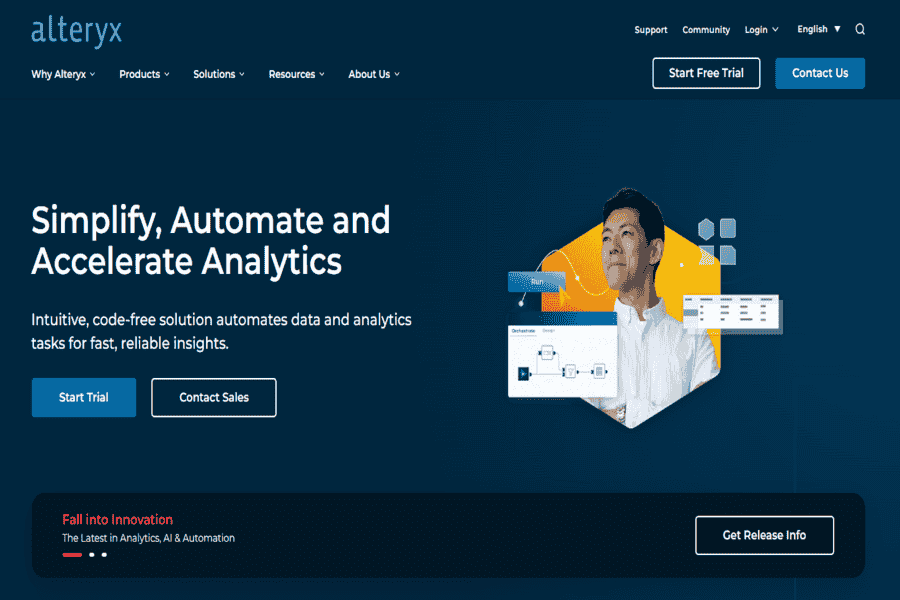
Alteryx is a data analytics platform that supports financial forecasting by enabling users to prepare, analyze, and model data using AI-driven workflows. It is widely used for predictive analytics in finance.
Pros:
- User-friendly interface.
- Automates repetitive financial processes.
- Supports integrations with various data sources.
Cons:
- Expensive for small businesses.
- Requires training to use advanced features.
Pricing Package:
- Free trial available.
- Paid plans start at $5,195/year.
Social Media:
- Facebook: Alteryx Facebook
- Instagram: Alteryx Instagram
- Twitter: Alteryx Twitter
- LinkedIn: Alteryx LinkedIn
- YouTube: Alteryx YouTube
Contact Information:
- Email ID: [email protected]
IBM Planning Analytics
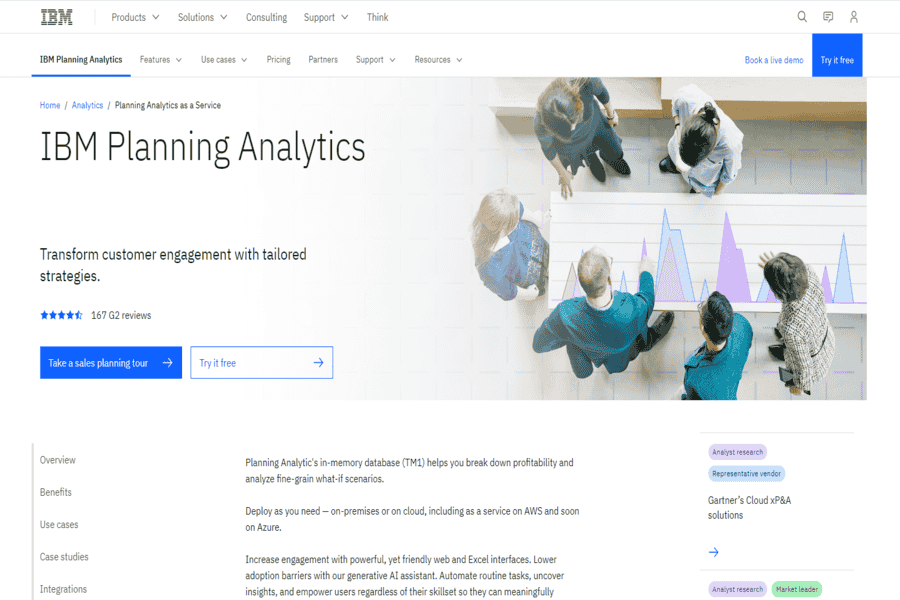
IBM Planning Analytics is an AI-driven tool designed for financial planning, forecasting, and budgeting. It integrates seamlessly with IBM Watson for advanced predictive analytics.
Pros:
- Scalable for enterprises.
- Integrates with existing ERP systems.
- Advanced AI forecasting models.
Cons:
- Expensive for small teams.
- Complex setup process.
Pricing Package:
- Custom pricing based on usage.
Social Media:
- Facebook: IBM Facebook
- Instagram: IBM Instagram
- Twitter: IBM Twitter
- LinkedIn: IBM LinkedIn
- YouTube: IBM YouTube
Contact Information:
- Email ID: [email protected]
SAP Analytics Cloud
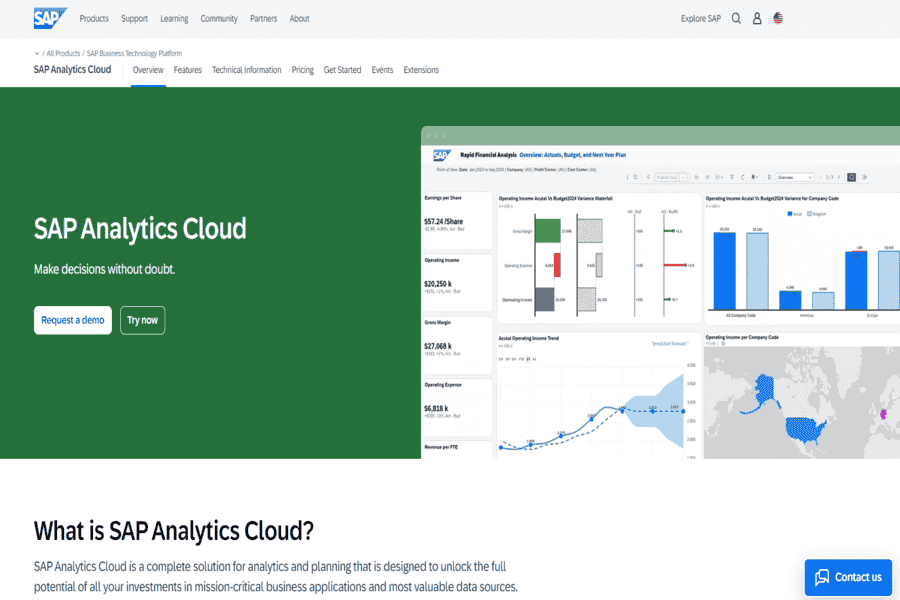
SAP Analytics Cloud is a comprehensive plnancial planning, budgeting, and forecasting. platformIt uses machine learning to deliver predictive insights for financial decision-making.
Pros:
- Integrated with SAP ERP systems.
- Real-time financial analysis.
- Advanced machine learning models for forecasting.
Cons:
- High cost for small businesses.
- Requires expertise in SAP systems.
Pricing Package:
- Free trial available.
- Paid plans start at $36/user/month.
Social Media:
- Facebook: SAP Facebook
- Instagram: SAP Instagram
- Twitter: SAP Twitter
- LinkedIn: SAP LinkedIn
- YouTube: SAP YouTube
Contact Information:
- Email ID: [email protected]
Anaplan
Anaplan is a cloud-based platform that uses AI and machine learning for enterprise-level financial forecasting, budgeting, and scenario planning.
Pros:
- Real-time financial forecasting.
- User-friendly for large teams.
- Highly customizable.
Cons:
- Expensive subscription plans.
- Requires advanced training for customization.
Pricing Package:
- Custom pricing based on enterprise needs.
Social Media:
- Facebook: Anaplan Facebook
- Twitter: Anaplan Twitter
- LinkedIn: Anaplan LinkedIn
- YouTube: Anaplan YouTube
Contact Information:
- Email ID: [email protected]
Tableau
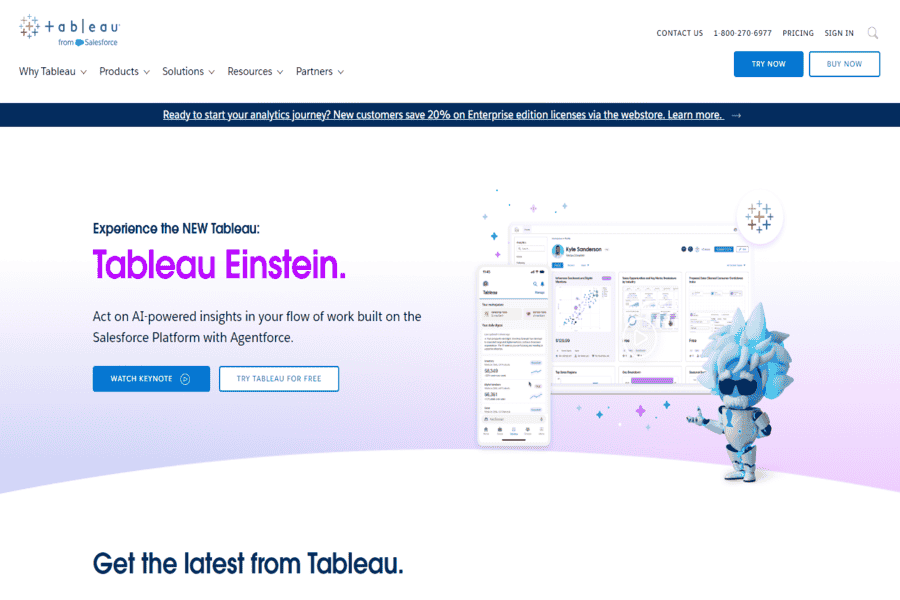
Tableau is a leading analytics platform incorporating AI and machine learning to provide data visualization and financial forecasting insights. It is widely used for scenario modeling and trend analysis.
Pros:
- Powerful data visualization capabilities.
- Integrates with multiple data sources.
- Predictive modeling features.
Cons:
- Limited AI features compared to specialized tools.
- High cost for full functionality.
Pricing Package:
- Free trial available.
- Paid plans start at $70/user/month.
Social Media:
- Facebook: Tableau Facebook
- Instagram: Tableau Instagram
- Twitter: Tableau Twitter
- LinkedIn: Tableau LinkedIn
- YouTube: Tableau YouTube
Contact Information:
- Email ID: [email protected]
TIBCO Spotfire
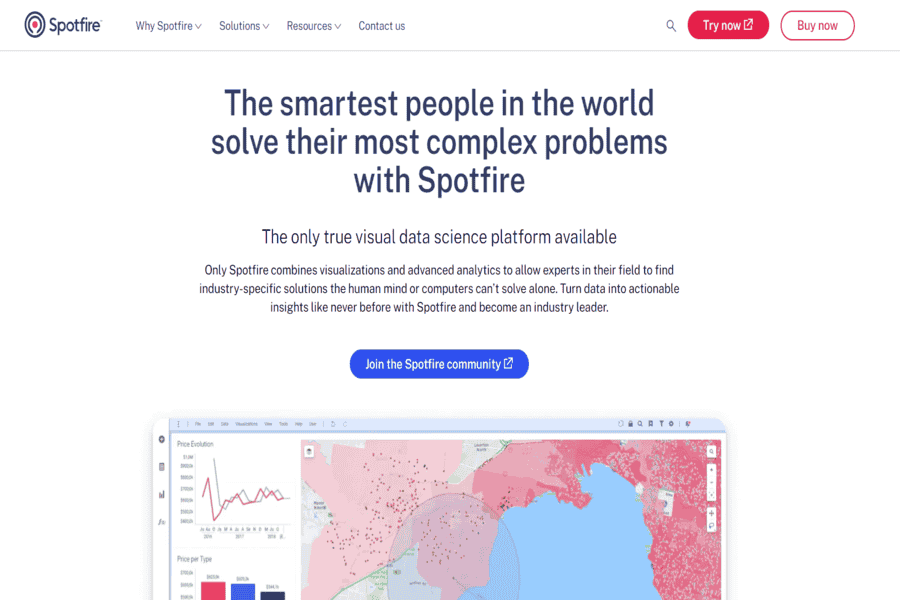
TIBCO Spotfire is an analytics platform that offers AI-powered financial forecasting and data visualization tools. It helps users discover trends, visualize financial data, and predict future financial outcomes.
Pros:
- Advanced AI-driven analytics for forecasting.
- Real-time data updates for decision-making.
- Customizable dashboard.
Cons:
- The steep learning curve for new users.
- High cost for small businesses.
Pricing Package:
- Free trial available.
- Custom pricing based on needs.
Social Media:
- Facebook: TIBCO Facebook
- Twitter: TIBCO Twitter
- LinkedIn: TIBCO LinkedIn
- YouTube: TIBCO YouTube
Contact Information:
- Email ID: [email protected]
IQVIA (formerly QuintilesIMS)
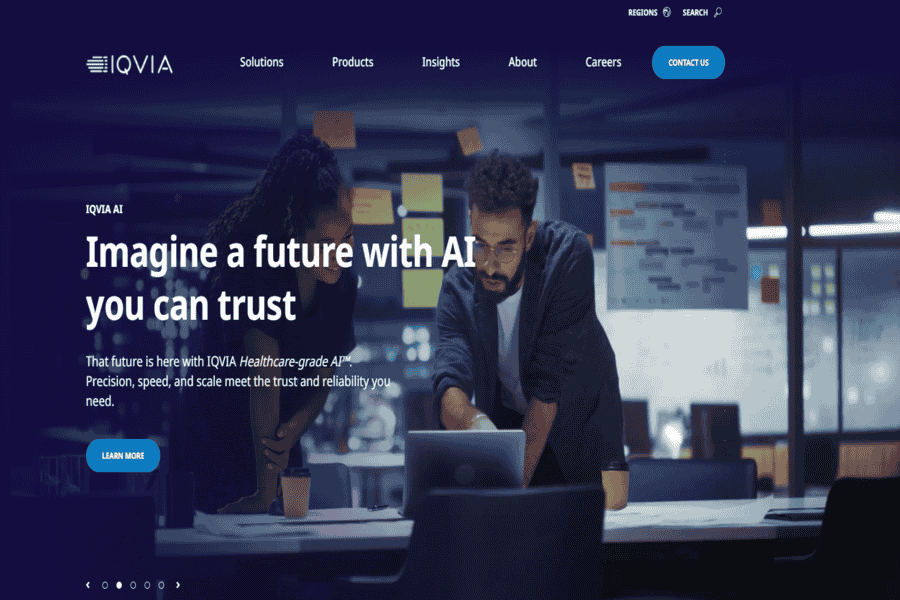
IQVIA, formerly QuintilesIMS, is a data analytics platform that uses AI to improve financial forecasting in the healthcare and pharmaceutical sectors. It offers predictive financial models to streamline forecasting processes.
Pros:
- Specialized in healthcare and pharmaceutical industries.
- Highly accurate predictive modeling.
- Comprehensive data insights.
Cons:
- Limited use outside the healthcare industry.
- Complex setup for non-technical users.
Pricing Package:
- Custom pricing based on the enterprise plan.
Social Media:
- Facebook: IQVIA Facebook
- Twitter: IQVIA Twitter
- LinkedIn: IQVIA LinkedIn
- YouTube: IQVIA YouTube
Contact Information:
- Email ID: [email protected]
Xero
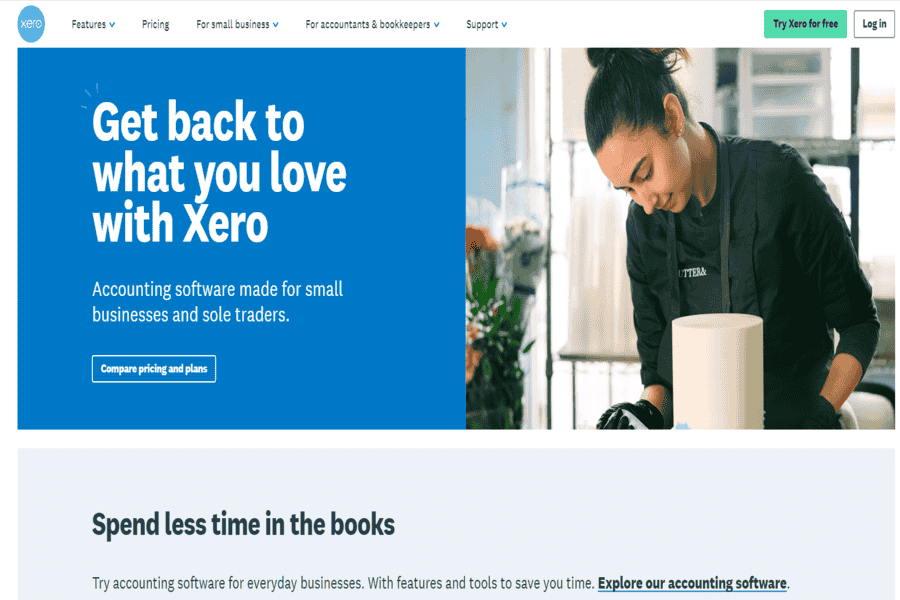
Xero is a cloud-based accounting software that integrates AI for financial forecasting, budgeting, and planning. It uses machine learning algorithms to generate insights from financial data.
Pros:
- Simple and user-friendly interface.
- Cloud-based for easy access from anywhere.
- Offers forecasting tools for small to medium-sized businesses.
Cons:
- More advanced forecasting features for larger enterprises.
- Limited customization options.
Pricing Package:
- Starter Plan: $13/month.
- Growing Plan: $37/month.
- Established Plan: $70/month.
Social Media:
- Facebook: Xero Facebook
- Instagram: Xero Instagram
- Twitter: Xero Twitter
- LinkedIn: Xero LinkedIn
- YouTube: Xero YouTube
Contact Information:
- Email ID: [email protected]
American Express Business Blueprint (formerly Kabbage)
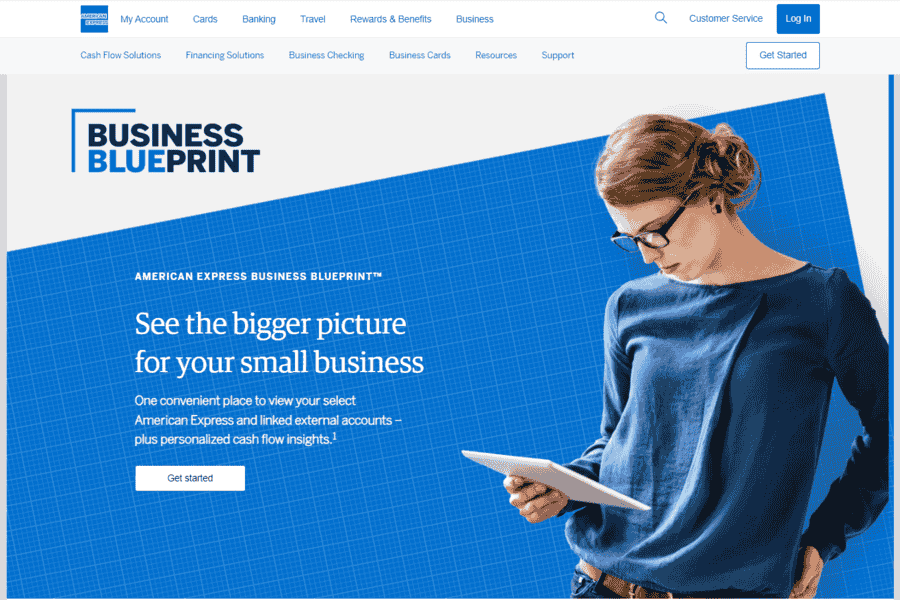
An AI-powered financial forecasting tool focused on small business loans, using real-time data to predict cash flow, assess loan eligibility, and manage finances efficiently. American Express acquired Kabbage in 2020 and fully retired the Kabbage brand in February 2023, folding it into Business Blueprint.
Pros:
- Quick financial analysis for businesses.
- It uses real-time data to make predictions.
- Focuses on small business financial health.
Cons:
- Limited to small business applications.
- Doesn’t support complex financial forecasting for larger enterprises.
Pricing Package:
- Custom pricing based on loan terms.
Social Media:
- Facebook: Kabbage Facebook
- Twitter: Kabbage Twitter
- LinkedIn: Kabbage LinkedIn
- YouTube: Kabbage YouTube
Contact Information:
- Email ID: [email protected]
Forecast by Forecast
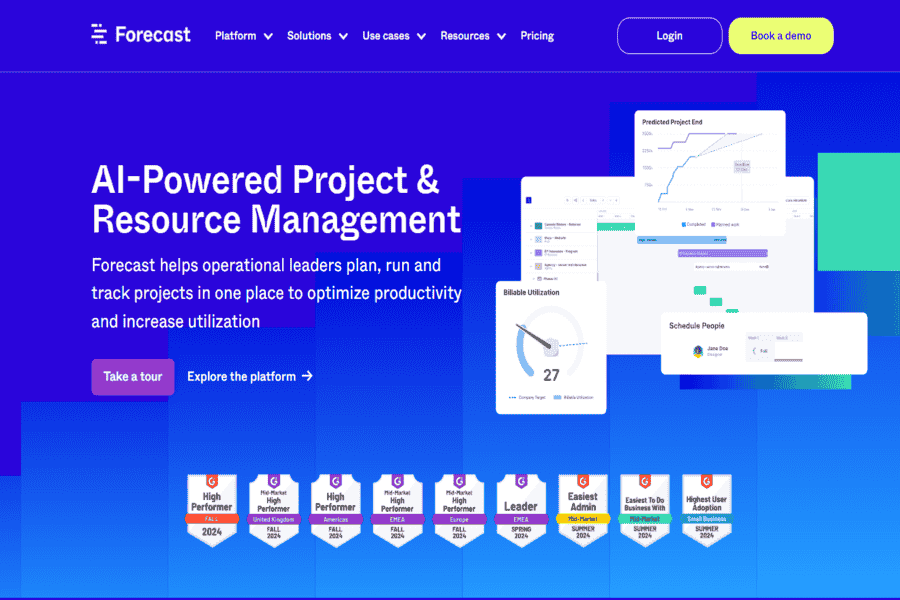
The forecast is an AI-powered project management and forecasting tool. It uses machine learning to automate project planning, manage budgets, and predict future financial performance.
Pros:
- Automates project-based financial forecasting.
- Integrates with multiple data sources.
- Predictive analytics for budgeting and resource allocation.
Cons:
- Not suitable for businesses outside project management.
- Requires initial setup for optimal use.
Pricing Package:
- Free trial available.
- Paid plans start at $29/user/month.
Social Media:
- Facebook: Forecast Facebook
- Instagram: Forecast Instagram
- Twitter: Forecast Twitter
- LinkedIn: Forecast LinkedIn
- YouTube: Forecast YouTube
Contact Information:
- Email ID: [email protected]
Challenges and Limitations
These tools have real limits worth taking seriously, especially given how high the stakes are on financial decisions. Output quality depends entirely on the underlying data, and inconsistent or incomplete financial data produces unreliable forecasts no matter how sophisticated the model. More complex models can be genuinely hard to interpret, which is a real problem when a forecast needs to be defensible to leadership or auditors, not just accurate. And markets are non-stationary — a model trained on historical patterns can break down entirely during genuine volatility or a black-swan event that doesn’t resemble anything in its training data.
Where This Is Headed
Machine learning techniques keep improving, and hybrid models — combining statistical methods with ML rather than picking one approach — are becoming the norm among more sophisticated tools. Real-time forecasting is moving from a premium feature toward a baseline expectation as data pipelines get faster. Explainable AI is getting real investment, driven by the same interpretability concerns above, and ethical considerations around AI-driven financial decisions are becoming a real part of vendor evaluation as more of these decisions carry real regulatory weight.
Conclusion
The 10 tools above split into enterprise FP&A and analytics platforms (Alteryx, IBM Planning Analytics, SAP Analytics Cloud, Anaplan, Tableau, TIBCO Spotfire) for large-scale financial planning, and more specialized tools (Xero, American Express Business Blueprint, Forecast by Forecast, IQVIA) built around a particular business type or industry. Match the tool to your actual scale and industry rather than assuming the biggest enterprise platform is always the right fit, and treat AI forecasts as an input to human judgment, not a replacement for it.