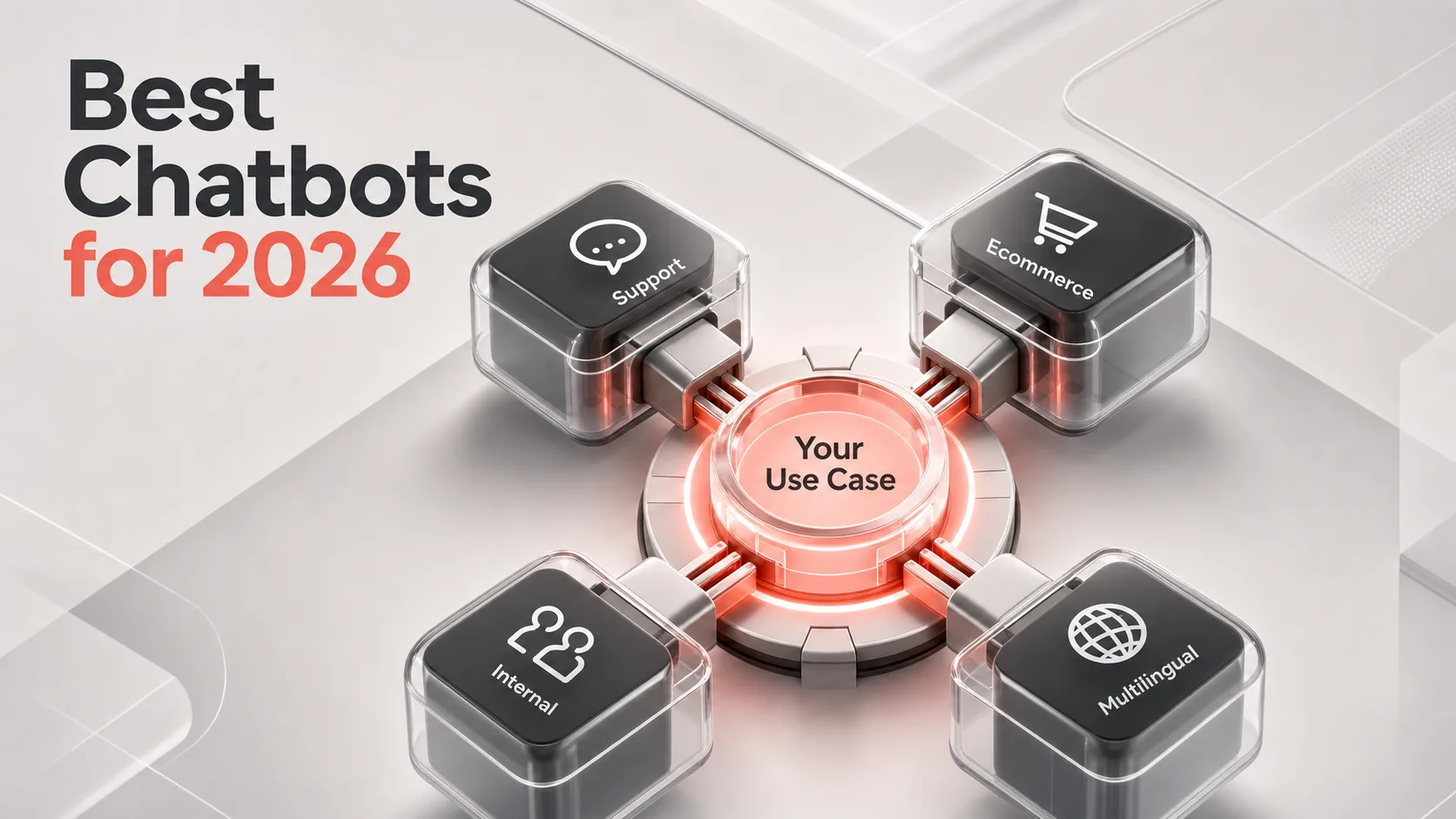
If you need chatbot software that can handle support tickets, qualify leads, or automate internal help, The right pick depends on your channel, your budget, and how deep your automation needs to go, not on which name you already recognize. This shortlist ranks 15 tools by the job each one wins, from broad support automation and ecommerce to multilingual CX and IT service desks. Every entry shows the confirmed starting price, the standout feature, and who should skip it. Chatbot software, at its core, is a tool that automates conversations with customers or employees across chat, messaging, and sometimes voice.
How We Picked the Best Chatbots Software
We prioritized tools that repeatedly appeared across the ranking pages and comparison guides for this category, then narrowed to products with clear use-case labels, visible starting prices, and enough supporting detail to compare quickly.
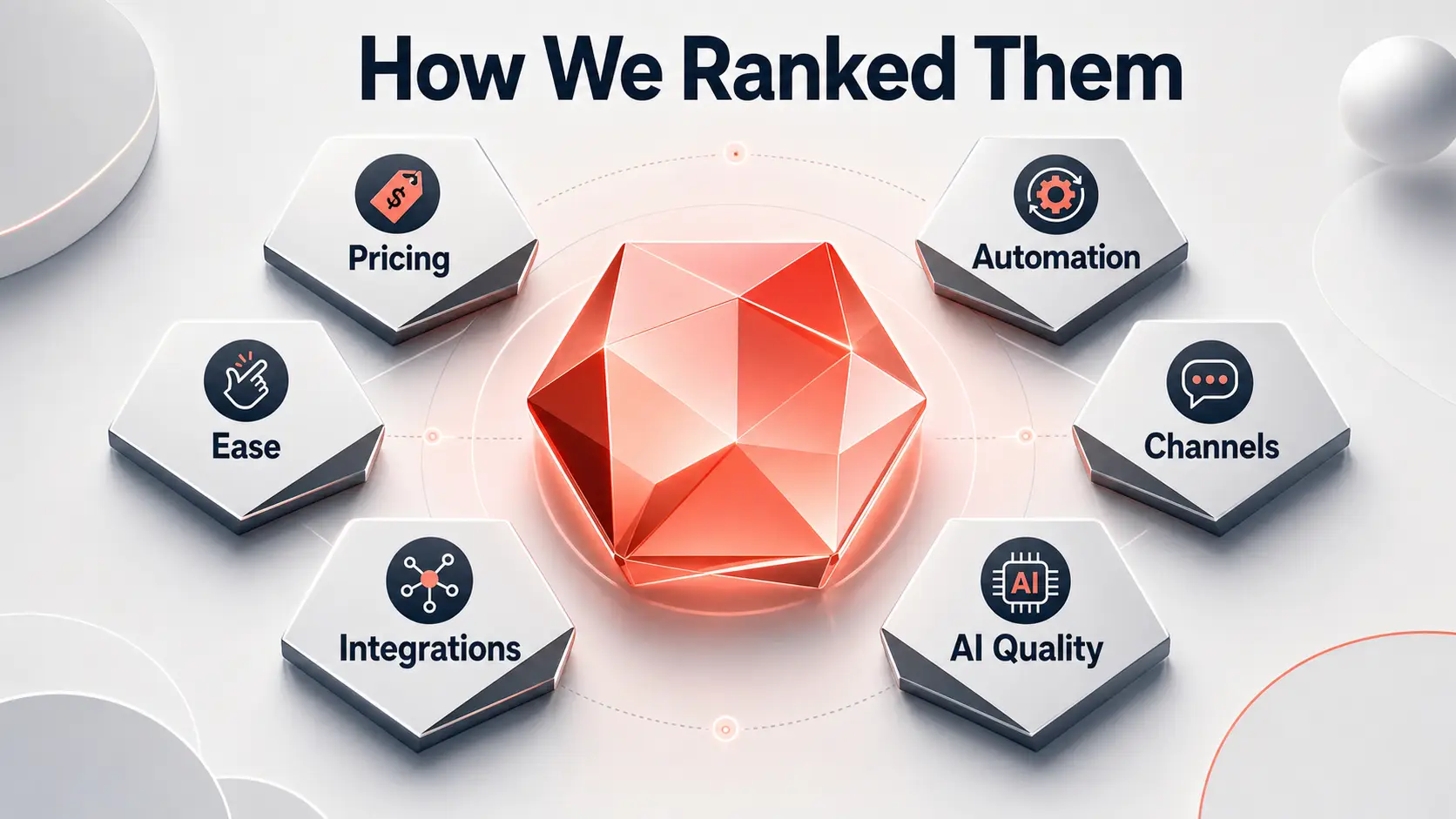
The decision factors that shaped the ranking are the same ones buyers weigh in this space: pricing, ease of use, integrations, automation depth, support channel coverage, and AI quality. Where ratings and integrations were available, we used them as secondary filters. Where pricing was custom or vague, we kept it honest and labeled it as such rather than inventing a figure.
The list favors tools with a clear buyer job, like “best for ecommerce,” “best for multilingual support,” or “best for internal workflows.” Free-tier details are inconsistent across this category, so where a tool’s free access is unconfirmed, we say so instead of assuming you get in for nothing. This is built for comparison shoppers who want a fast shortlist, not a chatbot explainer.
The 15 Best Chatbots Software, Ranked
Each tool below leads with the job it wins, followed by what it is, why it earns its place, and who should look elsewhere. Prices are the confirmed starting figures. Screenshot markers use each vendor’s official homepage.
1. Freshdesk: Best Overall for AI-Powered Support Automation
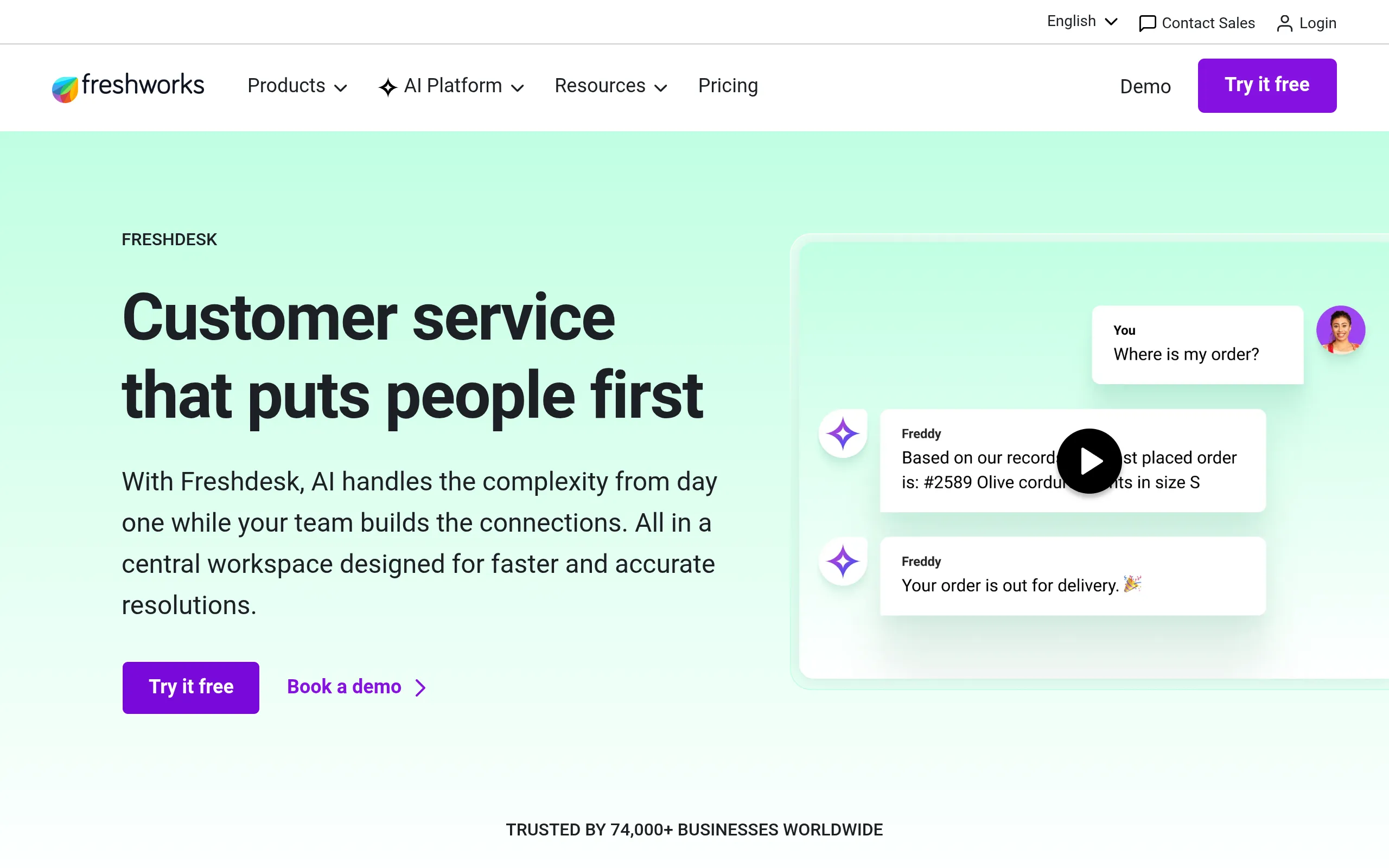
Freshdesk is AI help desk software that automates ticket handling and customer responses while keeping a human-friendly support interface. It suits scaling teams that need to deflect repetitive questions without a heavy admin burden. What makes it the overall pick is balance: it pairs real AI-driven automation with an interface that growing teams can actually run day to day. The one honest tradeoff is setup, because building advanced workflows takes some onboarding time, especially for non-technical teams. If you want automation that works out of the box with zero configuration, this is not that.
- Best for: Growing support teams managing high ticket volume without losing the human touch
- Standout feature: AI-driven automation paired with an approachable support interface
- Starting price: $19/agent/month
- Free tier or trial: 14-day free trial, no credit card required
2. Intercom: Best for Proactive Customer Engagement
Intercom blends live chat with automation to interact with visitors before they even ask for help. Where Freshdesk leans into classic help-desk automation, Intercom is built for proactive engagement and real-time conversation. That makes it a strong fit for SaaS teams that want to qualify leads, trigger targeted messages, and support customers from one place. The cost catch is real: pricing climbs quickly as you add seats and features, so budget-conscious teams should model the full agent count before committing.
- Best for: SaaS teams that want proactive messaging alongside support
- Standout feature: Live chat blended with automation for proactive engagement
- Starting price: $29/per seat/month
3. Tidio: Best for Small to Mid-Sized Automation Flows
Tidio is a chatbot builder that lets teams create customizable support flows without a complex rollout. It is easier to launch than most enterprise-grade platforms, which is exactly why it fits small and mid-sized businesses. You can get an automated flow live fast, and the builder is genuinely intuitive. The limitation shows up at the edges: social platform marketing features are thinner than dedicated competitors, so if cross-channel campaigns are your priority, look elsewhere.
- Best for: Small and mid-sized businesses that want a fast, intuitive chatbot builder
- Standout feature: Easy chatbot builder with customizable conversation flows
- Starting price: $24.17/month
4. Zendesk Chat: Best for Scalable Live Chat
Zendesk Chat is live chat software that routes and manages customer conversations with configurable workflows. It fits teams that want flexible live chat now and room to grow into a larger support operation later. The customization runs deep, which is its real strength for teams that expect to scale. The catch is tiering: advanced reporting and some flexibility sit behind higher-priced plans, so factor in where your needs will land in a year, not just today. For a related look at chat tools, see our roundup of The best live chat software.
- Best for: Teams that want flexible live chat with room to scale
- Standout feature: Strong live chat with extensive customization options
- Starting price: $19/agent/month
5. Gorgias: Best for Ecommerce Customer Support
Gorgias is support automation built specifically for ecommerce, centralizing store-related conversations inside the commerce stack. Unlike general help desks, it understands orders, returns, and store data natively, which is what makes it the ecommerce pick. A DTC brand can automate order-status questions and returns handling without bolting on extra tools. The honest limit is setup effort, because advanced automations take time to configure, and smaller stores may find that investment steep at the start.
- Best for: Ecommerce brands that want support automation inside their store stack
- Standout feature: Purpose-built for ecommerce support workflows
- Starting price: $50/month
6. Zoho Desk: Best Budget-Friendly Multichannel Support
Zoho Desk is multichannel help desk software that uses AI to surface insights and manage support across several channels. At its starting price, it is the lowest entry point on this list for multichannel coverage, which is its clearest draw for cost-sensitive teams. You get AI insights spread across channels without a premium price tag. The tradeoff is complexity: advanced customization can require technical know-how, so teams without in-house configuration comfort should expect a steeper curve.
- Best for: Cost-conscious teams that need multichannel support with AI insights
- Standout feature: AI-driven insights across multiple support channels
- Starting price: $14/agent/month
7. Ada: Best for High-Volume Conversation Automation
Ada automates a very large number of customer conversations while working to keep the experience personal. Where Yellow.ai leans on multilingual breadth, Ada’s focus is sheer volume handled without a robotic feel. Companies drowning in repetitive questions can deflect a big share of them at scale. The constraint is flexibility: businesses with highly custom backend systems may find it harder to bend to their setup, and tuning responses for edge cases takes ongoing work. Pricing is custom, so plan for a sales conversation before you can compare it to a fixed-price tool.
- Best for: Companies automating a high volume of customer conversations
- Standout feature: High-volume automation that keeps a personalized experience
- Starting price: Custom pricing
8. Yellow.ai: Best for Multilingual CX
Yellow.ai is a conversational AI platform that delivers human-like chat and voice across channels and languages. For a global brand, its broad language and channel coverage is the whole point, and it is one of the few tools here with a confirmed free tier to test flows first. The downside is the learning curve, since the interface can feel complex for teams new to conversational AI, and support quality can be inconsistent as usage grows. If you want something simple, this is more platform than you need.
- Best for: Global brands needing multilingual automation across many channels
- Standout feature: Natural, human-like interactions across chat and voice
- Starting price: Custom pricing
- Free tier or trial: Limited free tier to test flows
9. HubSpot Breeze Customer Agent: Best for HubSpot-Native Teams
Breeze is a native AI customer agent inside HubSpot that automates support without extra integration work. If your stack is already HubSpot-first, it is the least disruptive automation path you can take, because there is nothing to connect. That zero-friction fit is its real advantage over standalone tools. The caveat is maturity: early-stage AI capabilities can struggle with highly specialized or uncommon requests, so teams with complex support edge cases should temper expectations for now.
- Best for: Teams already working inside the HubSpot ecosystem
- Standout feature: Native HubSpot automation with no extra integration setup
- Starting price: Included in HubSpot plans
10. Kustomer: Best for Personalized Support at Scale
Kustomer unifies customer history and uses AI to personalize support at scale. Compared with Gladly, it is more explicitly about a single unified customer view feeding AI-driven personalization, not just conversation continuity. Teams that need one clear picture of the customer across channels get real depth here. The budget catch matters: the shift to a conversation-based pricing model can make forecasting harder, so map your expected volume before you sign. It also carries the highest starting seat price on this list.
- Best for: Teams that want a unified customer view with deep personalization
- Standout feature: Unified customer view powered by strong AI
- Starting price: $89/per seat/month
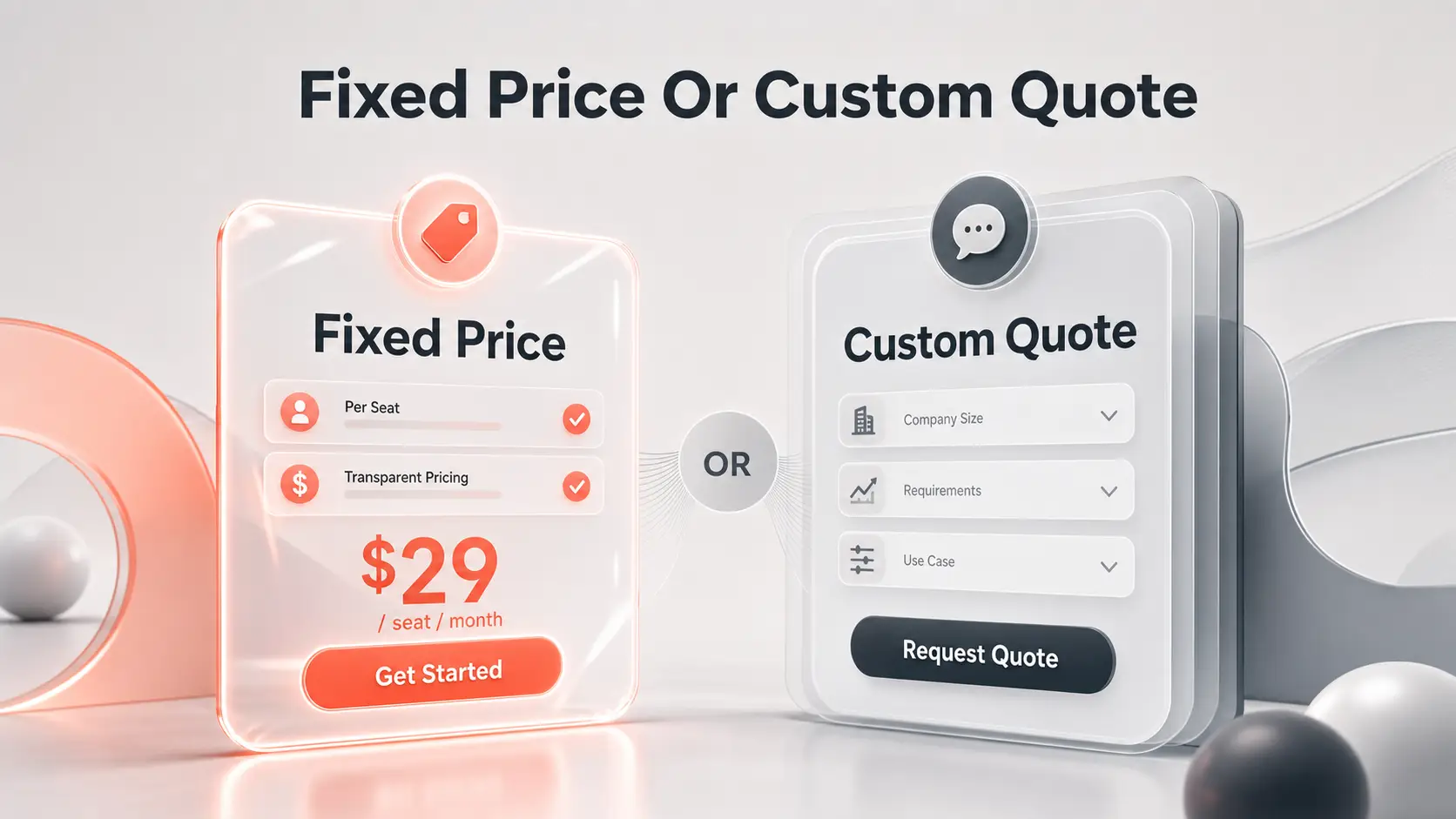
11. Gladly: Best for Conversation-Centric Support
Gladly is a support platform built around ongoing, human-feeling conversations instead of a ticket queue. Its philosophy is the differentiator: it treats support as a continuous relationship, which fits brands that want customers to feel remembered across every interaction. That customer-centric approach is genuinely distinct. The limitation is the integration catalog, which is smaller than larger competitors, so if you depend on many plug-and-play connections or run complex B2B support structures, check the fit carefully. Pricing is custom.
- Best for: Brands that want ongoing, customer-centric conversations at scale
- Standout feature: Focus on continuous, personal customer conversations
- Starting price: Custom pricing
12. HappyFox Chatbot: Best for Help-Desk-Led Support
HappyFox Chatbot ties automation tightly to help desk workflows so teams resolve requests with less manual effort. If your team already thinks in help desk terms, its deep integration with those functions is the reason to pick it over a standalone widget. The chatbot lives close to your ticketing process rather than beside it. The honest limit is setup: customizing the bot for complex conversation flows takes time, so teams with intricate workflows should plan for a configuration period.
- Best for: Support teams that want chatbot automation tied to a help desk
- Standout feature: Deep help desk integration for simplified support
- Starting price: $29/agent/month
13. Haptik: Best for Multilingual AI at Scale
Haptik is a multilingual AI conversation platform for scaled customer interactions inside CRM-connected environments. Where Yellow.ai balances multilingual reach with a free tier, Haptik reads more as a multilingual enterprise layer with heavier implementation needs. Large organizations needing broad language coverage and CRM-connected handling get real capability. The tradeoff is fit: setup can require technical expertise, and the platform suits smaller teams and early-stage businesses poorly, so match it to your size honestly. Pricing is custom.
- Best for: Large teams needing multilingual conversations with CRM coverage
- Standout feature: AI-driven multilingual conversational experiences
- Starting price: Custom pricing
14. ServiceNow Virtual Agent: Best for IT Service Desk Automation
ServiceNow Virtual Agent is an IT service management chatbot that automates service desk tasks and escalates to humans when needed. It is the heaviest, most ITSM-native option here, built for enterprise service desk automation rather than customer chat. IT operations teams get self-service deflection, ticket routing, and clean escalation paths. The caveat is weight: complex setup and ongoing knowledge-base upkeep make it far more involved than a simple chatbot, so teams that just want a light widget should skip it. Pricing is custom.
- Best for: Service desk and ITSM teams needing smooth human escalation
- Standout feature: IT service management automation with escalation paths
- Starting price: Custom pricing
15. LimeChat: Best for WhatsApp Support for D2C Brands
LimeChat is WhatsApp-first support automation built for D2C brands. Compared with Gorgias, it is narrower and more chat-led, which makes it stronger for WhatsApp-driven support than a general ecommerce help desk. A D2C brand can automate support, order queries, and engagement right inside the channel customers already use. The limit is scope: it is less flexible outside ecommerce and lacks built-in voice support, so teams needing broad channel coverage should look at a wider platform. Pricing is custom.
- Best for: D2C brands automating customer support on WhatsApp
- Standout feature: Specialized WhatsApp customer interaction automation
- Starting price: Custom pricing
Comparison Table: The Shortlist at a Glance
Use this to scan the full list by job and starting price in one pass. Free-tier details are called out in the individual tool profiles above, not here, to keep the table quick to read.
| Name | Best For | Starting Price |
|---|---|---|
| Freshdesk | Overall AI support automation | $19/agent/month |
| Intercom | Proactive customer engagement | $29/per seat/month |
| Tidio | Small to mid-sized automation flows | $24.17/month |
| Zendesk Chat | Scalable live chat | $19/agent/month |
| Gorgias | Ecommerce customer support | $50/month |
| Zoho Desk | Budget multichannel support | $14/agent/month |
| Ada | High-volume conversation automation | Custom pricing |
| Yellow.ai | Multilingual CX | Custom pricing |
| HubSpot Breeze | HubSpot-native teams | Included in HubSpot plans |
| Kustomer | Personalized support at scale | $89/per seat/month |
| Gladly | Conversation-centric support | Custom pricing |
| HappyFox Chatbot | Help-desk-led support | $29/agent/month |
| Haptik | Multilingual AI at scale | Custom pricing |
| ServiceNow Virtual Agent | IT service desk automation | Custom pricing |
| LimeChat | WhatsApp support for D2C | Custom pricing |
How to Choose the Right Chatbot Software for Your Team
You do not shop for “a chatbot” in the abstract. You shop by channel, team type, and how much automation depth you actually need. Start with the filter that matters most to you, then let the others narrow the shortlist.
Start With Your Support Volume
High-volume teams should look at Freshdesk, Ada, Yellow.ai, and ServiceNow Virtual Agent first. These are built to deflect large numbers of repetitive questions, whether that volume is customer-facing or internal. If your ticket load is modest, a lighter builder will serve you better and cost less.
Match the Channel to the Tool
Ecommerce brands should prioritize Gorgias for store-native support and LimeChat for WhatsApp-led D2C. HubSpot teams should start with Breeze because it needs no integration work. IT teams with heavy service desk needs should look straight at ServiceNow Virtual Agent. The channel your customers or employees already use should decide the tool, not the other way around.
Match the Budget
If price sensitivity drives the decision, lead with Zoho Desk, Freshdesk, Tidio, and Zendesk Chat, all of which publish clear starting prices. Custom-priced tools like Ada, Gladly, and Haptik require a sales conversation before you can compare them, so factor that friction into your timeline. For a wider view of tools that connect to your customer data, our guide to The best CRM software Is a useful companion read.
Match the Workflow Depth
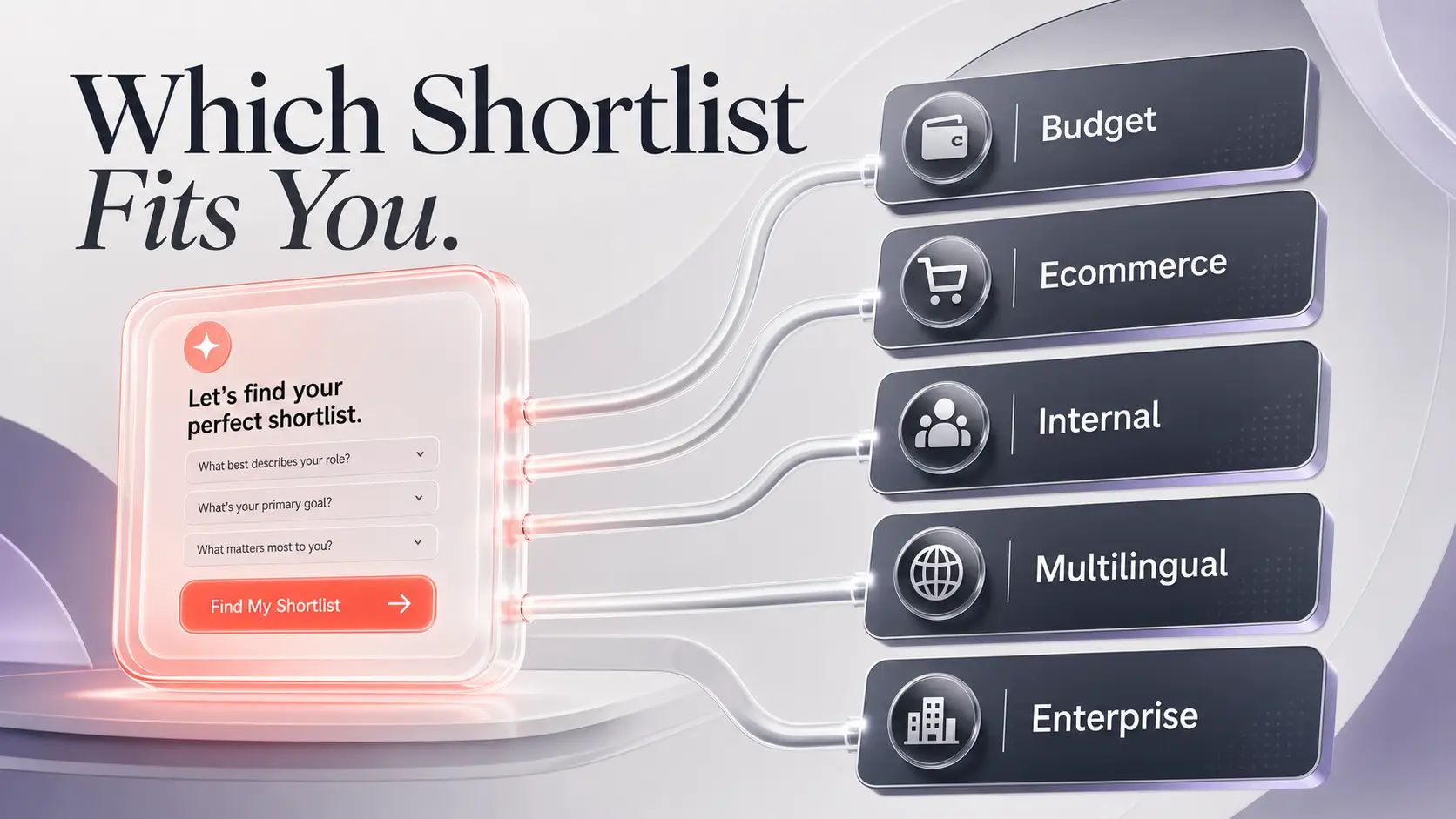
If you need more than a simple chat widget, choose tools with stronger automation and integrations. Internal help desks, customer support, ecommerce, and multilingual CX each need a different shortlist, and a tool that wins one job often fits another poorly. Pick for the workflow you run most, not the one you might run someday.
Which Chatbots Software Should You Choose First?
Here is the honest read. If budget leads, start with Zoho Desk or Freshdesk. For ecommerce, Gorgias is the natural first test, and LimeChat if WhatsApp is your main channel. HubSpot-first teams should try Breeze before anything else, since it needs zero integration. For multilingual CX, test Yellow.ai first because it lets you experiment on a free tier. And for ITSM-heavy environments, ServiceNow Virtual Agent is the serious pick despite its weight. Shortlist two or three of these, then run your real use case through the free trial or demo before you commit a cent.
Frequently Asked Questions
What is the best chatbot software for customer support?
Freshdesk is the strongest all-around pick for customer support automation at $19/agent/month. It combines AI-driven automation with an interface growing teams can manage, and it offers a 14-day free trial with no credit card required. Teams with very high volumes should also consider Ada, while Zendesk Chat suits those who want live chat as their core channel.
How much does chatbot software cost?
Confirmed starting prices in this list range from $14/agent/month for Zoho Desk to $89/per seat/month for Kustomer. Several enterprise-focused tools, including Ada, Yellow.ai, Gladly, Haptik, ServiceNow Virtual Agent, and LimeChat, use custom pricing, which means you request a quote based on your usage. Per-seat pricing on tools like Intercom can climb quickly as your team grows, so always model the full agent count.
Which chatbot software has a free trial or free tier?
Freshdesk offers a confirmed 14-day free trial with no credit card required, and Yellow.ai provides a limited free tier to test conversation flows. Free access for most other tools on this list is not clearly documented, so check each vendor’s current terms before assuming you can try it for free. When free-tier details are unconfirmed, it is safest to treat access as paid.
What is the best chatbot software for ecommerce?
Gorgias is the top ecommerce pick because it is built specifically for online stores, starting at $50/month. It integrates natively with Shopify, Magento, and BigCommerce, so it understands orders and returns without extra work. For D2C brands that run support primarily through WhatsApp, LimeChat is the more focused alternative.
Which chatbot is best for internal service desk automation?
ServiceNow Virtual Agent is the strongest choice for internal IT service desk automation, using custom pricing. It automates ITSM tasks and escalates cleanly to human agents when a request needs it. It is a heavier setup than a simple support widget, so a team of one buying a lightweight tool should look at Freshdesk or HappyFox Chatbot instead. For broader background on automated support tools, see our overview of AI chatbots for customer support.
The real decision is not which tool tops the list, it is which one fits your channel, budget, and volume today. Pick two or three from the section that matches your job, then run your actual workflow through each free trial or demo before you buy. The tool that handles your hardest real conversation wins, not the one with the best marketing page. Compare the rest of our software picks to round out your shortlist before you commit.