AI is accelerating physics and quantum computing research by automating data analysis, optimizing experiments, and running simulations that would take humans far longer to work through by hand.
How Physics and Quantum Computing Connect
Quantum computing is built directly on quantum mechanics. A qubit, unlike a classical bit, can exist in superposition (multiple states at once) and become entangled with other qubits so their states stay correlated regardless of distance — these two phenomena are what let quantum computers tackle certain problems exponentially faster than classical ones. The relationship runs both directions: physics supplies the theory and materials science that make quantum hardware possible (superconducting, trapped-ion, and photonic qubits all come from different physics research programs, along with the laser and cryogenic technology needed to control and stabilize them), while quantum computers increasingly serve physics research back, simulating quantum systems that are intractable for classical computers.
Active research areas span quantum hardware (competing qubit technologies, each with different tradeoffs in stability and scalability), quantum algorithms (Shor’s algorithm for factoring, Grover’s for search, and quantum machine learning), and quantum error correction — arguably the biggest open problem, since building fault-tolerant quantum computers that can run useful, long computations without noise destroying the result is still unsolved at scale.
Where AI Helps
AI contributes across the research pipeline: faster pattern recognition and anomaly detection in massive datasets, more accurate and efficient simulations with AI-optimized parameters, assistance with theorem proving and identifying candidate new theories from data, and directly within quantum computing itself — AI-optimized circuit design (fewer qubits and gates for the same result), better error-correction codes, and even AI-assisted discovery of new quantum algorithms. The net effect is researchers spending less time on routine data processing and more on the actual scientific judgment calls, with faster iteration and (when done well) more reliable results.
Tools For AI in Physics and Quantum Computing Research
IBM Quantum Experience
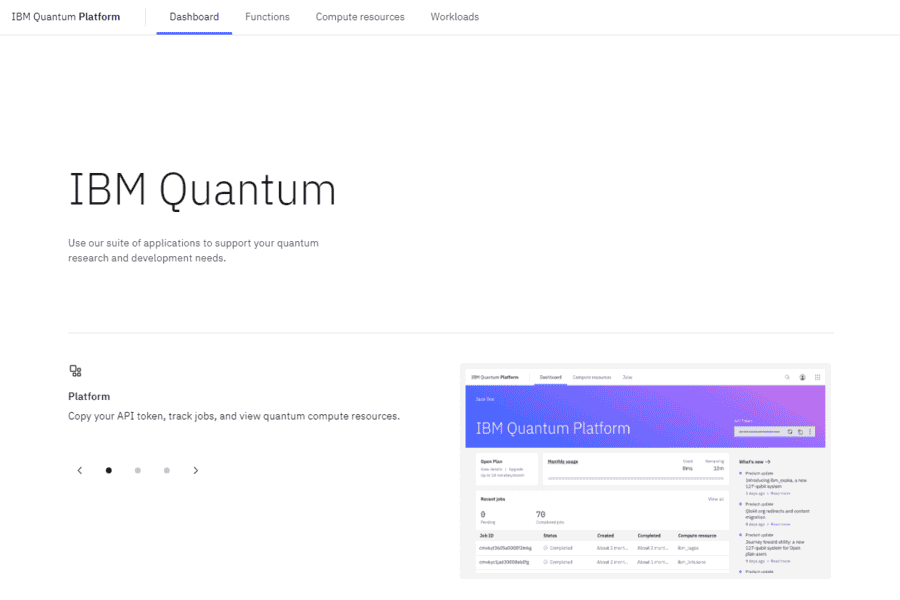
Cloud-based quantum computing platform with a suite of AI and quantum algorithms for research.
Pros:
Free access to quantum hardware; extensive documentation.
Cons:
Limited qubits in free access; steep learning curve.
Pricing Package:
Free for basic access; premium pricing based on usage.
Social Media:
- Facebook: IBM Quantum
- Twitter: @IBMQuantum
- LinkedIn: IBM
- Email: [email protected]
Microsoft Azure Quantum
Quantum computing service with AI capabilities, offering access to multiple quantum hardware options.
Pros:
It supports multiple quantum hardware and integrates with the Azure cloud.
Cons:
It requires an Azure subscription; pricing can add up quickly.
Pricing Package:
Usage-based pricing.
Social Media:
- Facebook: Microsoft Azure
- Twitter: @MSFTQuantum
- LinkedIn: Microsoft
- Phone Number: 1-877-276-2464
TensorFlow Quantum
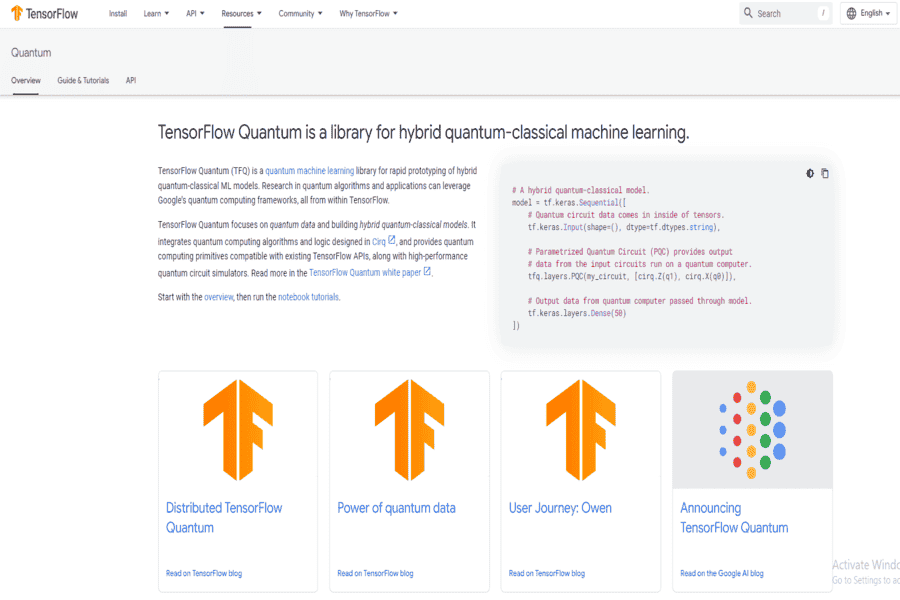
Google’s open-source framework for hybrid quantum and classical machine learning.
Pros:
Free and open-source; great for experimentation.
Cons:
Limited by TensorFlow’s ecosystem; not ideal for large-scale quantum research.
Pricing Package:
Free.
Social Media:
- Twitter: @TensorFlow
- LinkedIn: TensorFlow
Rigetti Forest
Quantum cloud platform with a focus on quantum and classical hybrid computing.
Pros:
Optimized for hybrid quantum applications; good for startups.
Cons:
Limited qubit count; availability limited to select regions.
Pricing Package:
Custom pricing based on usage.
Social Media:
- Facebook: Rigetti Computing
- Twitter: @RigettiComput
- LinkedIn: Rigetti Computing
D-Wave Leap
The quantum computing platform focuses on quantum annealing for optimization research.
Pros:
Specialized in optimization; strong industry presence.
Cons:
It only supports quantum annealing; it is limited to general quantum computing.
Pricing Package:
Contact for pricing.
Social Media:
- Facebook: D-Wave Systems
- Twitter: @dwavesys
- LinkedIn: D-Wave Systems
Google Quantum AI
Google’s quantum research platform offers access to various quantum computing resources.
Pros:
Access to Google’s Sycamore processor; high-quality research support.
Cons:
Limited public access; by invitation only.
Pricing Package:
Not disclosed; research collaborations available.
Social Media:
Twitter: @GoogleAI
Qiskit
Open-source quantum computing SDK by IBM, designed for quantum research.
Pros:
Free and open-source; strong community support.
Cons:
Limited to IBM Q hardware.
Pricing Package:
Free.
Social Media:
AWS Braket
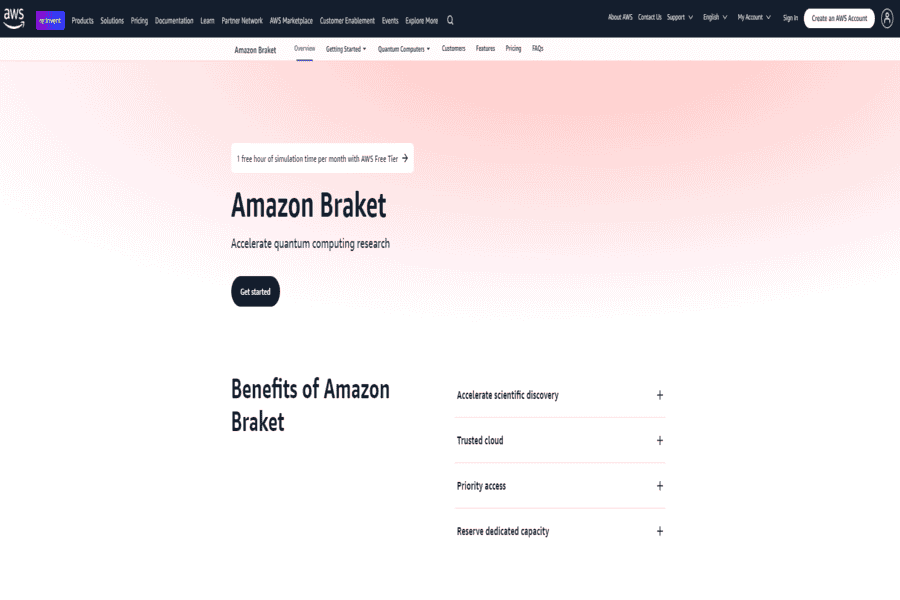
Amazon’s quantum computing service with AI support for hybrid quantum-classical applications.
Pros:
Access to multiple quantum hardware options; integrates with AWS.
Cons:
Complex pricing requires an AWS account.
Pricing Package:
Pay-as-you-go based on hardware usage.
Social Media:
Quantum Inspire
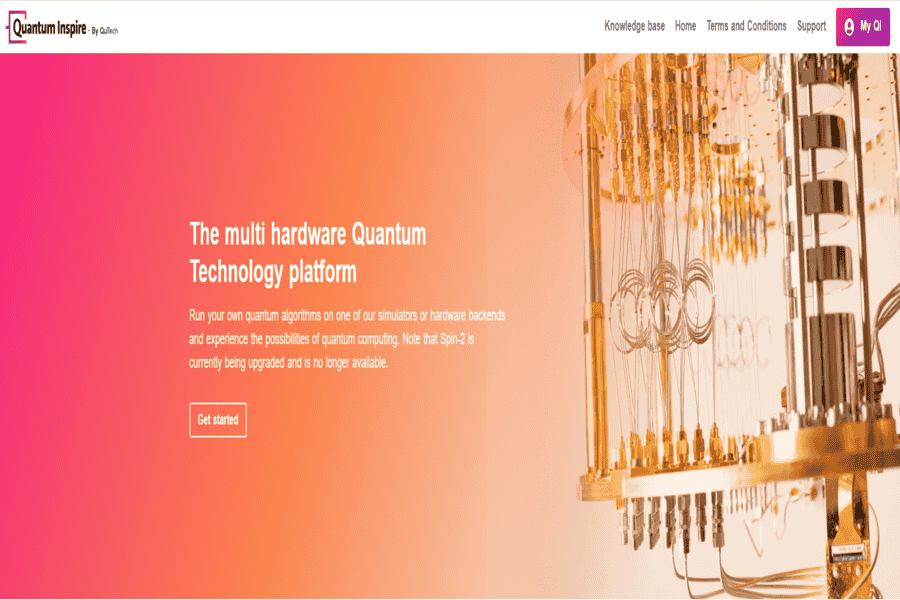
Cloud-based quantum computing platform providing access to quantum simulators and hardware.
Pros:
Free access to research excellent documentation.
Cons:
Limited qubit availability.
Pricing Package:
Free and paid options.
Social Media:
LinkedIn: Quantum Inspire
Xanadu PennyLane
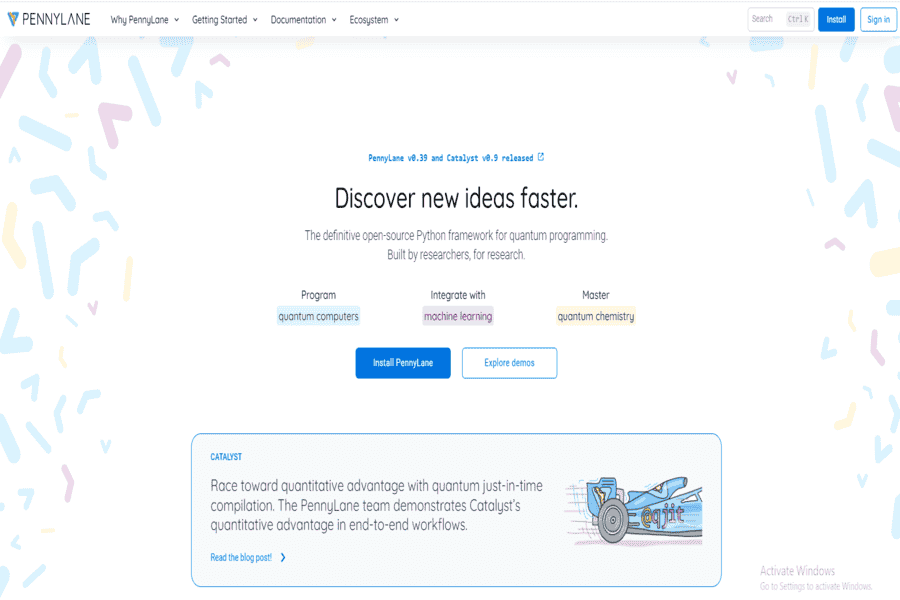
Quantum machine learning library for differentiable programming.
Pros:
Open-source; strong focus on quantum machine learning.
Cons:
Limited to compatible frameworks.
Pricing Package:
Free.
Social Media:
Atos Quantum Learning Machine

Quantum programming simulation environment with AI capabilities for quantum research.
Pros:
High-quality quantum simulations; educational features.
Cons:
Expensive; focused on simulation.
Pricing Package:
Contact for pricing.
Social Media:
LinkedIn: Atos
QuTiP
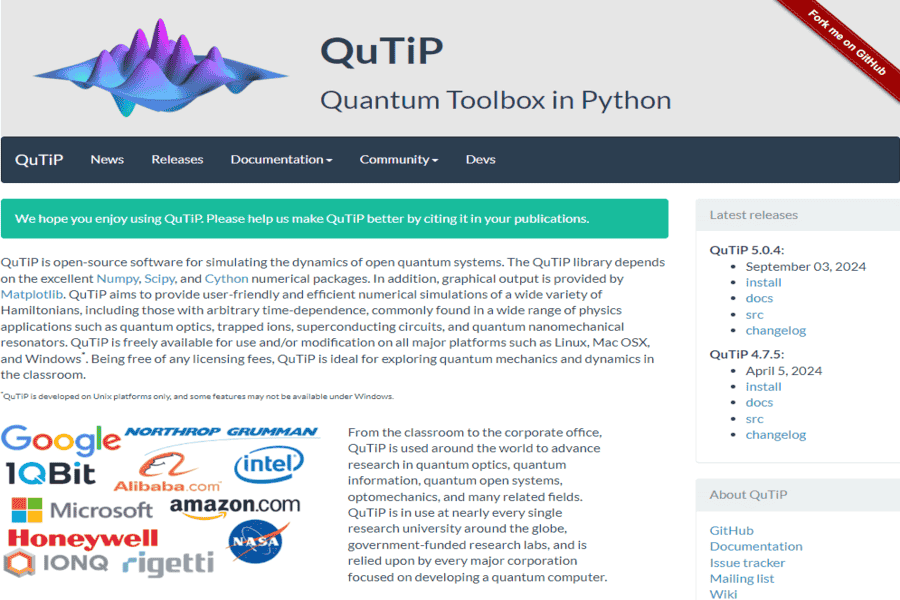
Open-source software for simulating quantum systems, widely used in quantum mechanics research.
Pros:
Free; excellent for simulations.
Cons:
Limited for hardware-focused research.
Pricing Package:
Free.
Social Media:
LinkedIn: QuTiP
Cirq
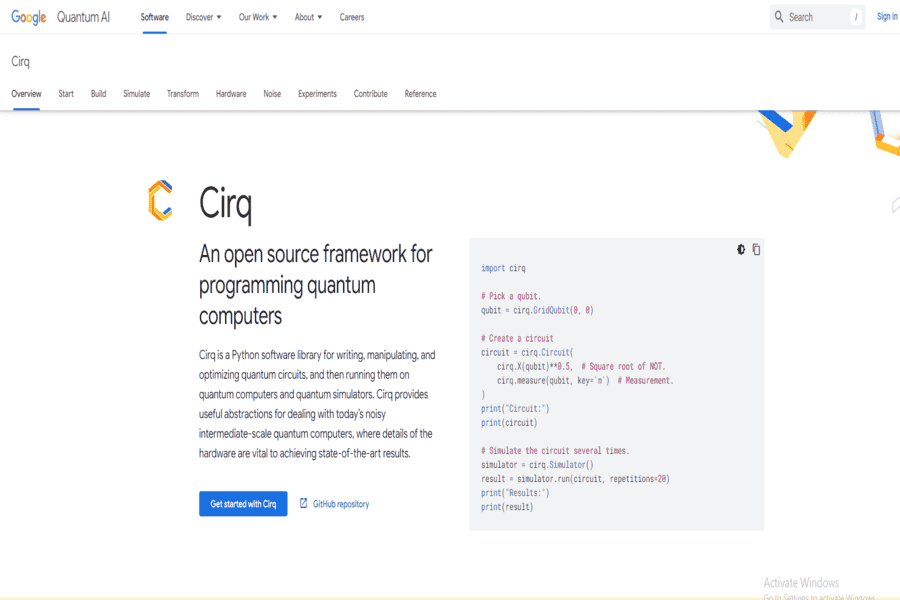
Google’s open-source quantum computing framework is for near-term quantum devices.
Pros:
Strong developer support; great for experimental research.
Cons:
Limited to Google hardware.
Pricing Package:
Free.
Social Media:
Twitter: @GoogleAI
IonQ (replacing Cambridge Quantum)
Note: Cambridge Quantum merged with Honeywell Quantum Solutions in December 2021 to form Quantinuum, which already has its own full entry further down this list — keeping both would have been a duplicate. Replaced with IonQ, a publicly traded trapped-ion quantum computing company offering cloud access to real quantum hardware (Aria and Forte systems) through its own cloud and via AWS Braket and Azure Quantum.
Pros:
Real trapped-ion hardware access (not just simulation); available through multiple major cloud platforms.
Cons:
Real quantum hardware time is genuinely expensive at scale; best suited to serious research use, not casual experimentation.
Pricing Package:
Pay-as-you-go by task (a 100-shot pilot circuit on IonQ Forte runs around $8.30 via AWS Braket) or a monthly subscription; enterprise contracts run from the hundreds of thousands into the millions annually depending on compute allocation.
IBM Qiskit Metal
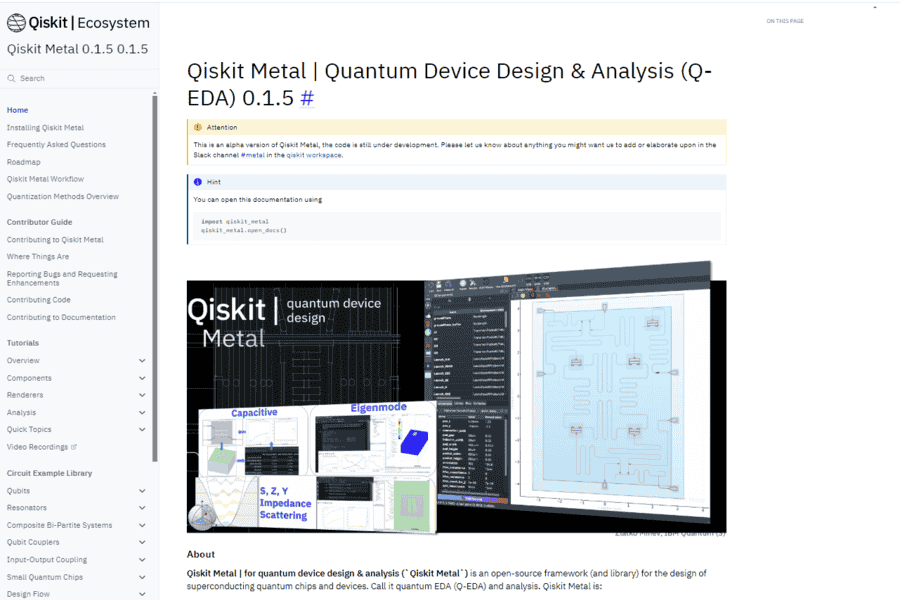
Tool for designing quantum hardware and simulating quantum circuits.
Pros:
Specialized in quantum hardware design; open-source.
Cons:
Limited use for non-hardware research.
Pricing Package:
Free.
Social Media:
LinkedIn: IBM Quantum
Strangeworks Quantum Computing
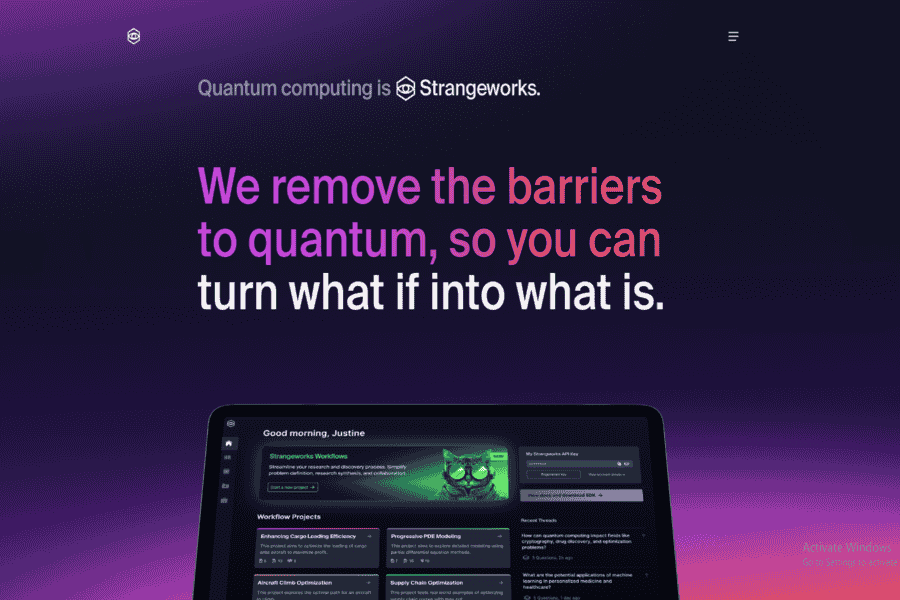
Cloud-based quantum computing ecosystem with tools for AI and quantum research.
Pros:
Good for collaboration; supports multiple frameworks.
Cons:
Limited free access.
Pricing Package:
Contact for pricing.
Social Media:
LinkedIn: Strangeworks
Quantinuum
Quantum computing and AI solutions from Honeywell and Cambridge Quantum.
Pros:
Advanced quantum software; industry collaboration.
Cons:
Expensive.
Pricing Package:
Contact for pricing.
Social Media:
LinkedIn: Quantinuum
Pasqal
The quantum computing platform focuses on neutral atom technology for research.
Pros:
Advanced hardware options; European-based.
Cons:
Limited global reach.
Pricing Package:
Contact for pricing.
Social Media:
LinkedIn: Pasqal
Alibaba Quantum Laboratory

Quantum computing research initiative by Alibaba for quantum algorithms and AI.
Pros:
Supported by Alibaba; strong focus on R&D.
Cons:
Limited global availability.
Pricing Package:
Contact for pricing.
Social Media:
LinkedIn: Alibaba
Zapata Quantum (formerly Zapata Computing)
Status update: Zapata Computing ceased operations and was delisted from Nasdaq in October 2024 after a debt crisis. The company restructured and re-emerged in 2025 as Zapata Quantum, converting over $10 million of debt to equity and securing new bridge financing. If evaluating this vendor, confirm current status and offerings directly given the recent turbulence. Historically the platform focused on quantum computing software for AI and physics applications.
Pros:
Focus on AI integration; strong support.
Cons:
Expensive.
Pricing Package:
Contact for pricing.
Social Media:
LinkedIn: Zapata Computing
Challenges and Where This Is Headed
The real obstacles: AI models need substantial high-quality data, which is often scarce or expensive to generate in cutting-edge physics research; sophisticated models can become black boxes that are hard to interpret, which matters a lot when the goal is scientific understanding, not just a correct-looking answer; running both AI and quantum simulations at scale takes serious computational resources; bridging classical AI systems with quantum hardware is still a genuinely unsolved interface problem; and as with any AI research tool, bias and transparency need real attention, not an afterthought.
Where this is headed: quantum machine learning maturing as its own subfield (using quantum computers to accelerate certain ML tasks, not just running classical ML on quantum data), AI increasingly directing the hardware development process itself (optimizing qubit designs and fabrication), AI-assisted physics simulations reaching systems too complex for either classical computers or unaided human analysis, and more attention to ethical AI use and human-AI collaboration models as these tools take on a larger share of the actual scientific work rather than just supporting it.
Conclusion
In conclusion, AI has emerged as a powerful tool for advancing physics and quantum computing research. By automating tasks, analyzing large datasets, and optimizing experiments, AI is accelerating the pace of discovery and enabling researchers to tackle complex challenges. As AI continues to evolve, its integration into these fields will likely lead to even more significant breakthroughs. By addressing the challenges and ethical considerations associated with AI, researchers can harness its full potential to shape the future of science and technology.