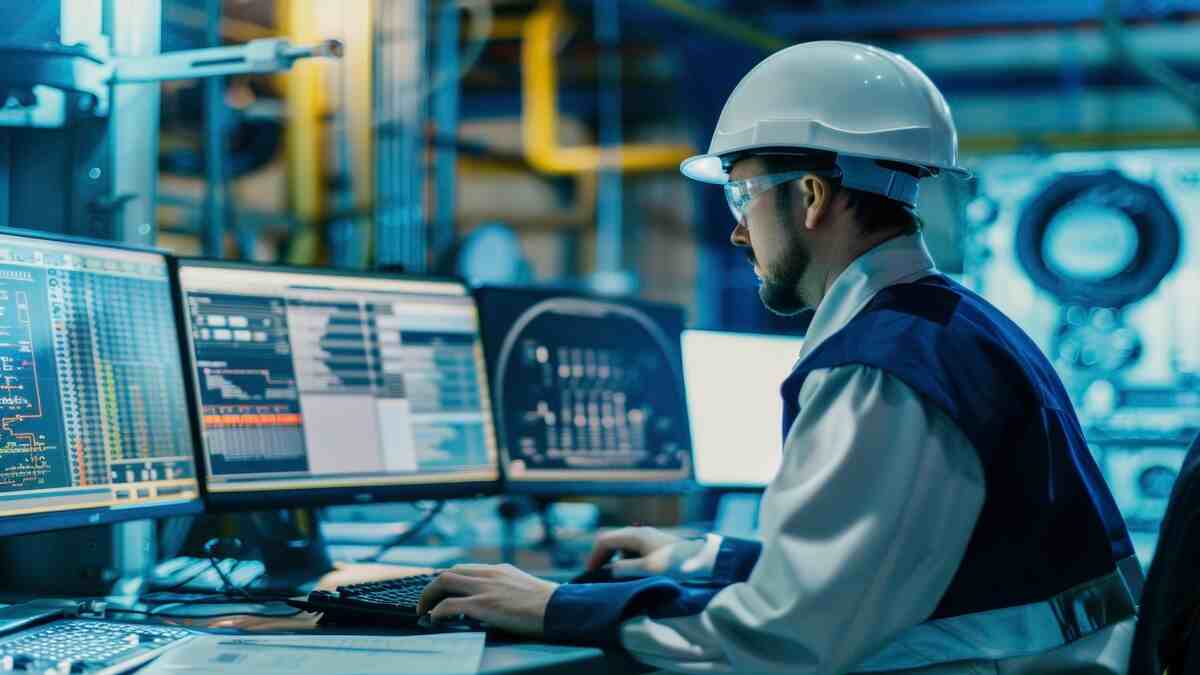
AI-driven industrial monitoring combines real-time sensor data, predictive maintenance models, and automation to catch equipment failures before they happen and keep operations running at scale — something manual inspection schedules and reactive maintenance can’t match. This guide covers what these tools actually do, the key features that separate a real predictive-maintenance platform from a basic dashboard, and the 19 tools worth knowing across manufacturing, energy, oil and gas, and logistics.
Key Features and Benefits
The core capabilities that matter: real-time data analysis processing sensor streams as they happen rather than in a nightly batch; predictive maintenance models that flag a failure days or weeks out instead of after the fact; automation that acts on what the system detects, not just reports it; IoT integration to actually pull data from the equipment in the first place; and scalability to handle a single plant or a global fleet on the same platform. Done well, this translates into real operational gains — less unplanned downtime, lower maintenance cost from fixing things before they break instead of after, fewer safety incidents from catching anomalies early, and better sustainability numbers from running equipment closer to its efficient operating range instead of degraded.
Where This Gets Used
Manufacturing uses it for line-level quality control and machine health monitoring. Energy companies apply it to turbines, grid infrastructure, and generation equipment where downtime is extremely costly. Oil and gas uses it for pipeline integrity and remote asset monitoring across geographically dispersed sites. And logistics applies it to fleet and warehouse equipment, catching mechanical issues before a truck or a conveyor system fails mid-operation.
AI Tools for Industrial Monitoring
Uptake
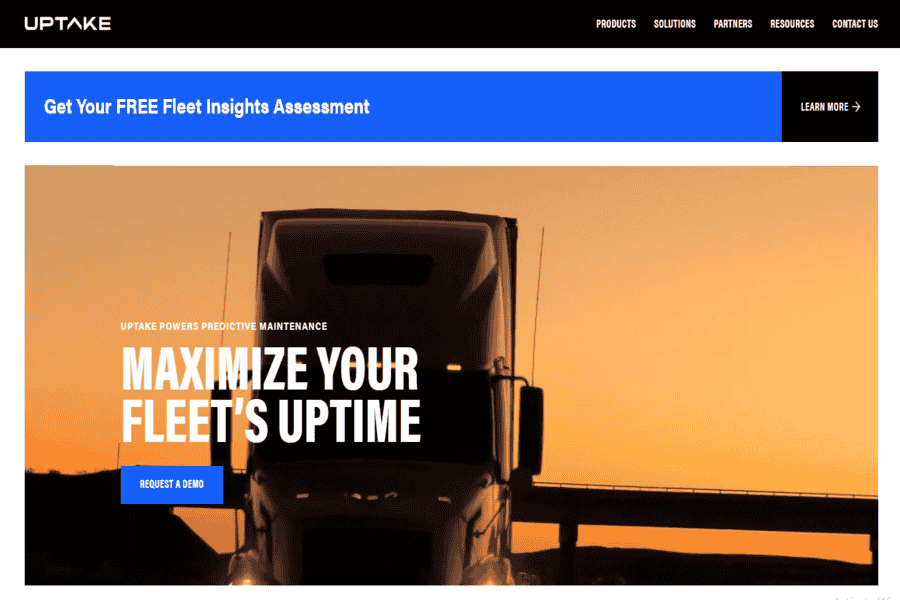
Uptake uses AI to provide industrial IoT (IIoT) solutions, offering predictive maintenance and asset performance monitoring across industries like manufacturing and energy.
Pros:
- Advanced predictive analytics
- Customizable dashboards
- Scalable for large industries
Cons:
- Expensive for small businesses
- Initial setup may require expert support
Pricing Package:
Custom pricing based on requirements.
Social Media Links:
- Facebook: Uptake
- LinkedIn: Uptake
- Twitter: @Uptake
- YouTube: Uptake Channel
- Email: [email protected]
- Contact Number: +1 (312) 242-2200
TensorIoT
TensorIoT specializes in AI and machine learning solutions for industrial monitoring, integrating IoT devices for real-time performance tracking and predictive maintenance.
Pros:
- Real-time monitoring
- Integration with AWS IoT services
- Strong data visualization tools
Cons:
- High setup costs for smaller operations
- Limited offline functionality
Pricing Package:
Custom pricing.
Social Media Links:
- LinkedIn: TensorIoT
- Email: [email protected]
Sight Machine
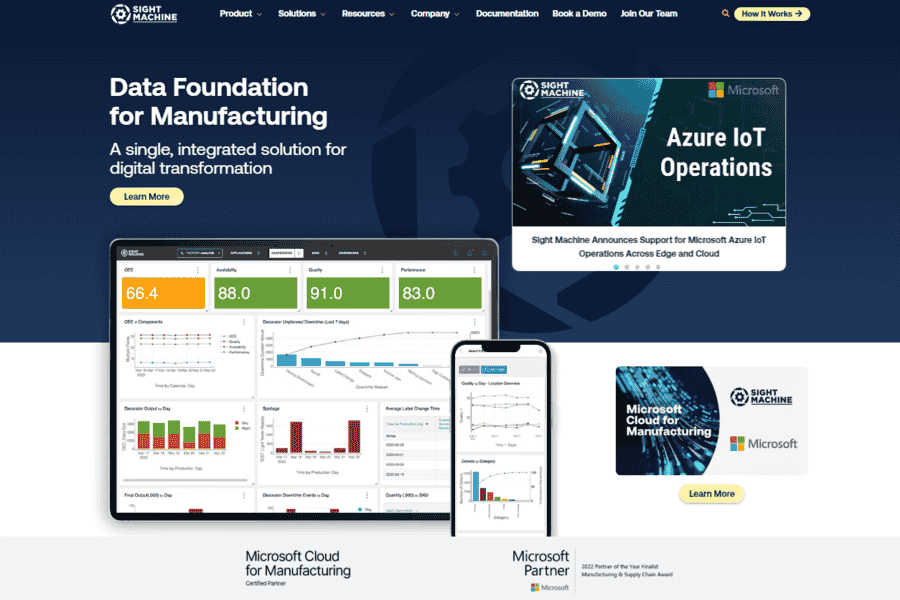
Sight Machine uses AI-powered analytics for real-time factory monitoring, improving operational efficiency and reducing downtime.
Pros:
- Comprehensive analytics platform
- Scalable for different industry sizes
- Real-time data processing
Cons:
- High upfront cost
- Requires IT integration expertise
Pricing Package:
Custom pricing.
Social Media Links:
- Facebook: Sight Machine
- LinkedIn: Sight Machine
- Twitter: @SightMachine
- YouTube: Sight Machine Channel
- Email: [email protected]
- Contact Number: +1 (888) 278-4428
Augury
Augury provides AI-based industrial health solutions, monitoring machinery and predicting failures to reduce downtime.
Pros:
- Easy integration with existing systems
- Reliable predictive maintenance tools
- Mobile-friendly platform
Cons:
- It may require specialized training
- Limited scalability for very large operations
Pricing Package:
Custom pricing based on the use case.
Social Media Links:
- Facebook: Augury
- LinkedIn: Augury
- Twitter: @AuguryInc
- YouTube: Augury Channel
- Email: [email protected]
- Contact Number: +1 (844) 462-8479
Avathon (formerly SparkCognition)
Avathon (rebranded from SparkCognition in October 2024) applies AI to industrial monitoring, focusing on predictive maintenance, operational efficiency, and asset protection.
Pros:
- Highly customizable AI models
- Excellent visualization tools
- Real-time monitoring capabilities
Cons:
- Complex for smaller operations
- Pricing is not transparent
Pricing Package:
Custom pricing.
Social Media Links:
- Facebook: SparkCognition
- Instagram: @sparkcognition
- LinkedIn: SparkCognition
- Twitter: @SparkCognition
- YouTube: SparkCognition Channel
- Email: [email protected]
- Contact Number: +1 (512) 956-5496
Samsara
Connected operations platform covering IoT fleet, equipment, and site monitoring — replaces Seebo in this list, which Augury acquired in 2022 (Augury is already covered separately above); seebo.com is no longer live.
Pros:
- Broad sensor and camera hardware line paired with the software platform.
- Strong at fleet and site-level monitoring, not just single-machine health.
Cons:
- Requires buying into Samsara’s own hardware ecosystem for full functionality.
Pricing Package:
Custom pricing.
Falkonry
Falkonry provides AI solutions for industrial anomaly detection and predictive maintenance, improving asset reliability and process efficiency.
Pros:
- Automated anomaly detection
- Scalable for various industries
- Low-code implementation
Cons:
- Requires good-quality data for accurate predictions
- Expensive for smaller setups
Pricing Package:
Custom pricing.
Social Media Links:
- LinkedIn: Falkonry
- Twitter: @Falkonry
- YouTube: Falkonry Channel
- Email: [email protected]
- Contact Number: +1 (408) 642-5041
IBM Maximo
IBM Maximo offers AI-powered asset management solutions with predictive analytics for industrial monitoring, designed to enhance equipment uptime and operational efficiency.
Pros:
- Advanced AI and machine learning models
- Integrated with IoT devices for real-time monitoring
- Strong analytics capabilities
Cons:
- High complexity in implementation
- It may require dedicated training and support
Pricing Package:
Custom pricing based on features and company size.
Social Media Links:
- Facebook: IBM Maximo
- LinkedIn: IBM Maximo
- Twitter: @IBMMaximo
- YouTube: IBM Maximo Channel
- Email: [email protected]
- Contact Number: +1 (800) 426-4968
MachineMetrics
MachineMetrics provides real-time machine monitoring and predictive maintenance solutions to optimize industrial operations using AI and machine learning.
Pros:
- Real-time equipment health tracking
- Easy integration with existing machines
- Strong analytics for predictive maintenance
Cons:
- Requires specific machine data for optimal performance
- Costly for small manufacturers
Pricing Package:
Custom pricing based on company needs.
Social Media Links:
- Facebook: MachineMetrics
- Instagram: @machinemetrics
- LinkedIn: MachineMetrics
- Twitter: @MachineMetrics
- YouTube: MachineMetrics Channel
- Email: [email protected]
- Contact Number: +1 (844) 757-7526
UptimeAI
AI-powered predictive maintenance and process optimization for heavy industry — replaces Predikto in this list, which United Technologies acquired back in 2018; its technology was folded into aerospace-specific predictive maintenance (Pratt & Whitney, Collins Aerospace) rather than continuing as a standalone general-purpose product, and predikto.com is dead.
Pros:
- Built specifically for process industries (oil and gas, power, chemicals), not a generic horizontal platform.
- Combines equipment health with process optimization rather than just failure prediction.
Cons:
- Deepest value is in heavy-process industries, less relevant to discrete manufacturing.
Pricing Package:
Custom pricing.
Senseye
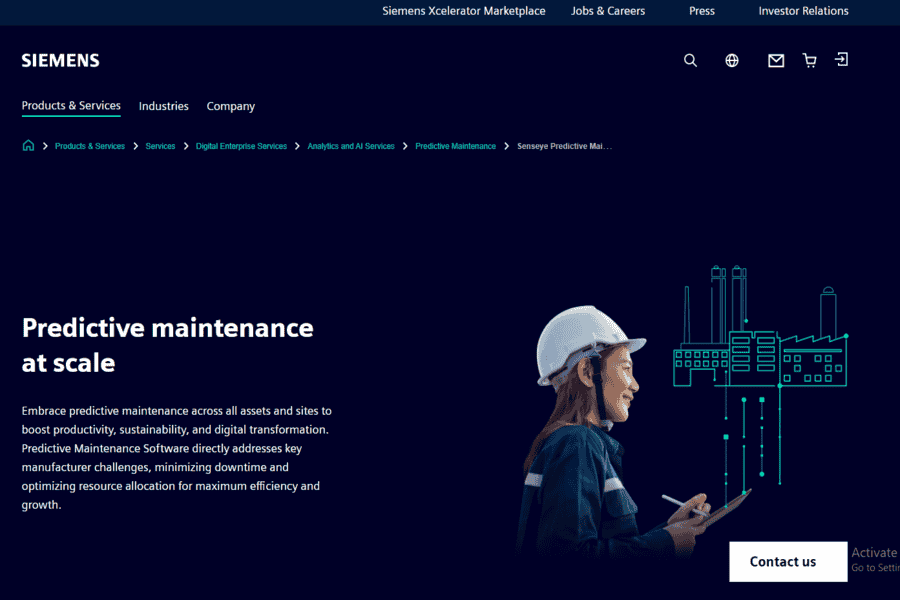
Senseye offers AI-powered predictive maintenance solutions to monitor industrial equipment and predict failures before they occur, thus improving reliability.
Pros:
- Predicts equipment failure with high accuracy
- Easy-to-understand dashboard and alerts
- Integration with existing systems
Cons:
- Limited customization options for smaller businesses
- High cost for small-scale operations
Pricing Package:
Custom pricing based on needs.
Social Media Links:
- Facebook: Senseye
- LinkedIn: Senseye
- Twitter: @Senseye_IO
- YouTube: Senseye Channel
- Email: [email protected]
Autobahn
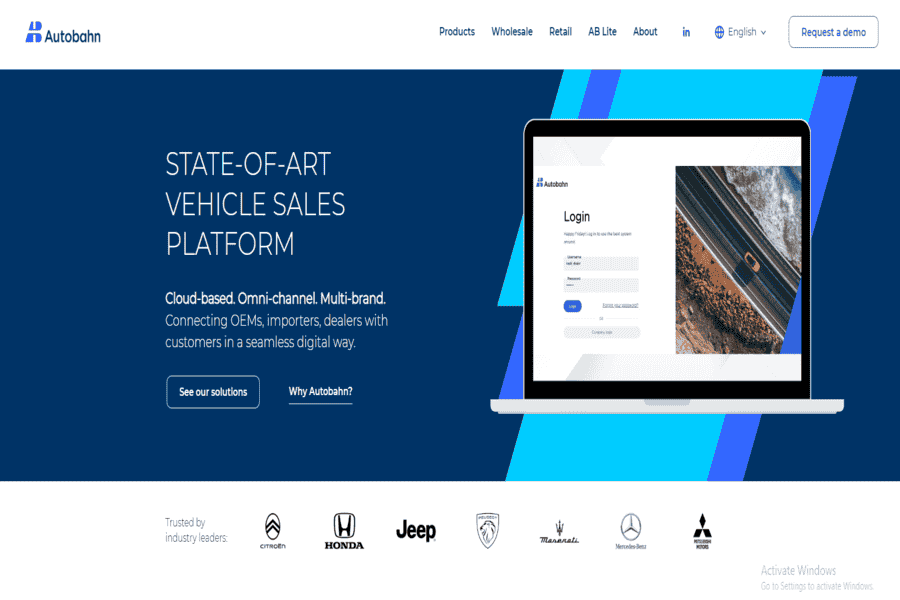
Autobahn provides AI-powered analytics for industrial applications and real-time monitoring machinery and offers predictive insights into equipment performance and failure.
Pros:
- Real-time diagnostics
- AI models that adapt to changing conditions
- Predicts failure scenarios in advance
Cons:
- It can be difficult to implement for smaller operations
- Limited industry-specific customizations
Pricing Package:
Custom pricing.
Social Media Links:
- LinkedIn: Autobahn AI
- Twitter: @Autobahn_AI
- Email: [email protected]
Wind River
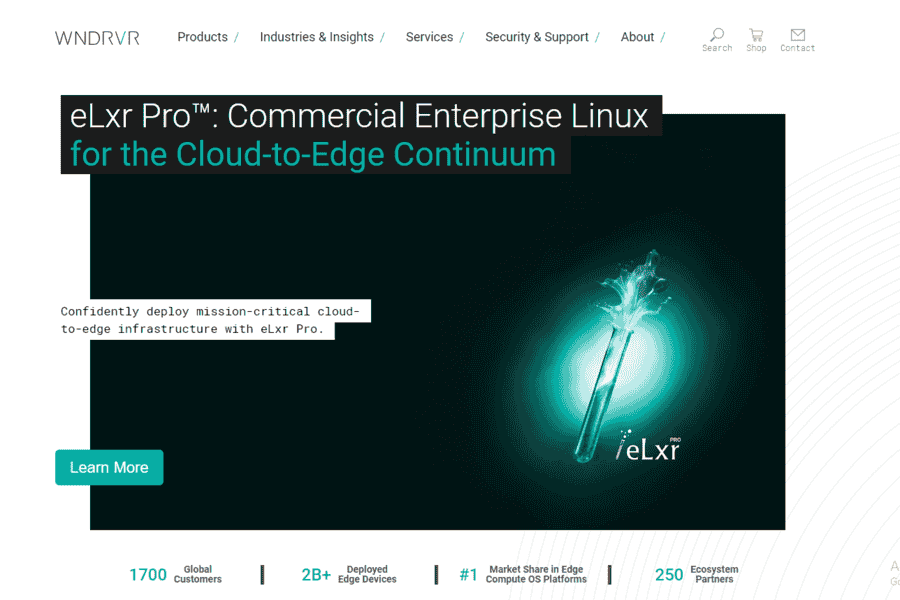
Wind River delivers AI and IoT solutions for industrial automation, providing edge computing, analytics, and security for connected industrial assets.
Pros:
- Strong focus on edge computing for real-time monitoring
- Extensive analytics and security features
- Flexible for different industries
Cons:
- Complexity of integration with legacy systems
- Requires specialized knowledge for full use
Pricing Package:
Custom pricing.
Social Media Links:
- Facebook: Wind River
- LinkedIn: Wind River
- Twitter: @WindRiverSystems
- YouTube: Wind River Channel
- Email: [email protected]
- Contact Number: +1 (800) 545-9466
Claroty
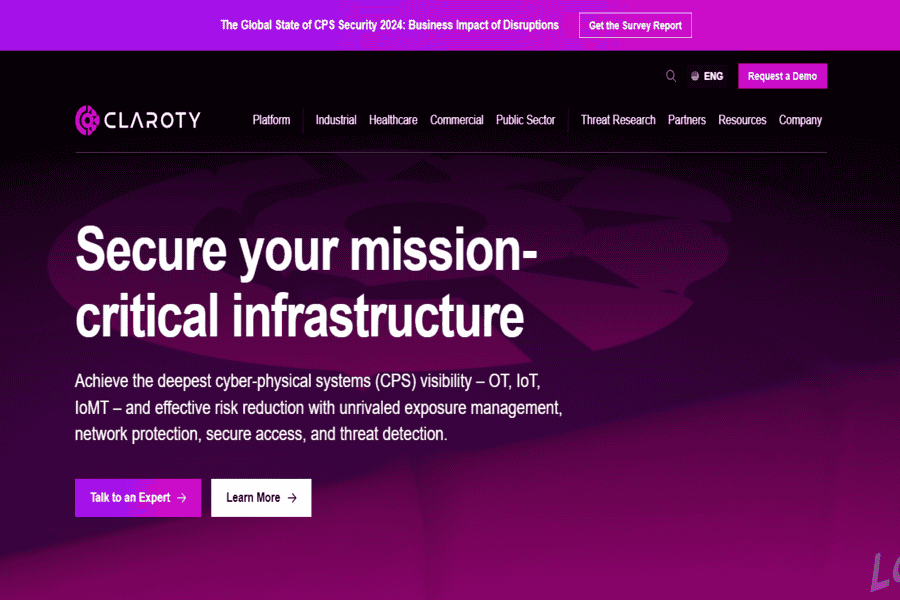
Claroty offers AI-powered industrial cybersecurity solutions, providing real-time monitoring and threat detection for industrial control systems (ICS).
Pros:
- Excellent for industrial cybersecurity and monitoring
- Predictive threat detection capabilities
- Real-time alerts and insights
Cons:
- Primarily focused on cybersecurity, less on predictive maintenance
- Requires specialized knowledge for full deployment
Pricing Package:
Custom pricing based on security needs.
Social Media Links:
- Facebook: Claroty
- LinkedIn: Claroty
- Twitter: @ClarotySecurity
- Email: [email protected]
- Contact Number: +1 (844) 474-9372
Fluke Corp
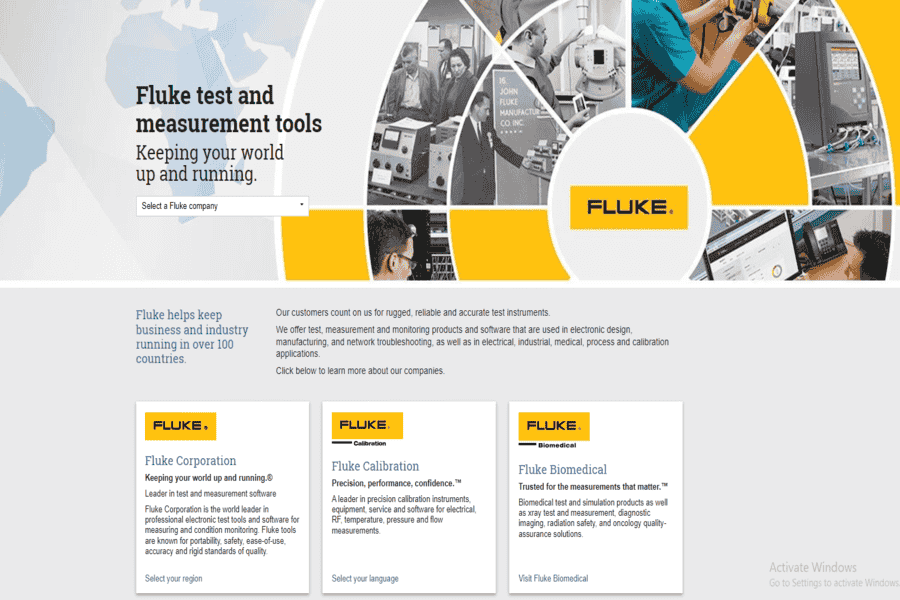
Fluke provides industrial diagnostic tools and AI-powered monitoring solutions to optimize performance, reduce downtime, and improve maintenance workflows for industrial equipment.
Pros:
- Trusted brand in industrial testing and monitoring
- AI-based predictive maintenance and diagnostics
- Reliable and accurate tools for real-time monitoring
Cons:
- Limited AI integration compared to specialized platforms
- The high initial cost of equipment
Pricing Package:
Custom pricing for enterprise solutions.
Social Media Links:
- Facebook: Fluke Corporation
- Instagram: @fluke_corp
- LinkedIn: Fluke
- Twitter: @FlukeCorp
- YouTube: Fluke Channel
- Email: [email protected]
- Contact Number: +1 (888) 993-5853
C3 AI
C3 AI offers enterprise AI software for industrial monitoring, utilizing machine learning to provide predictive maintenance, production optimization, and asset management.
Pros:
- Strong focus on scalability and enterprise-level solutions
- Provides AI models for diverse industrial use cases
- Real-time insights and analytics
Cons:
- Complex pricing structure
- Requires significant data preparation for optimal results
Pricing Package:
Custom pricing based on enterprise needs.
Social Media Links:
- LinkedIn: C3 AI
- Twitter: @C3_AI
- YouTube: C3 AI Channel
- Email: [email protected]
- Contact Number: +1 (855) 844-2322
Siemens Insights Hub (formerly MindSphere)
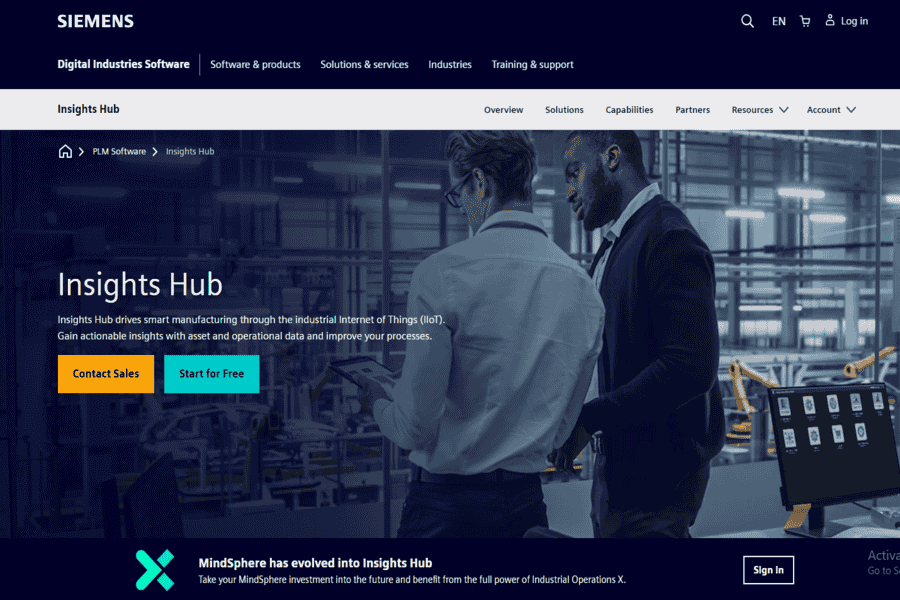
Siemens MindSphere is an industrial IoT platform that combines AI, big data analytics, and machine learning to provide insights for monitoring and optimizing industrial operations.
Pros:
- Comprehensive IoT and AI analytics platform
- Flexible for integration with existing industrial systems
- Strong focus on efficiency and sustainability
Cons:
- High learning curve for new users
- It can be costly for small businesses
Pricing Package:
Custom pricing.
Social Media Links:
- Facebook: Siemens
- Instagram: @siemens
- LinkedIn: Siemens
- Twitter: @Siemens
- YouTube: Siemens Channel
- Email: [email protected]
- Contact Number: +49 89 636-00
Atos Codex
Atos Codex combines AI, machine learning, and IoT to provide advanced industrial monitoring and predictive analytics solutions, enabling industries to improve operational performance.
Pros:
- Flexible AI solutions for various industrial sectors
- Real-time monitoring and predictive maintenance
- Strong focus on data-driven decision-making
Cons:
- Customization may require substantial technical expertise
- High initial investment
Pricing Package:
Custom pricing based on business needs.
Social Media Links:
- Facebook: Atos
- Instagram: @atos_net
- LinkedIn: Atos
- Twitter: @Atos
- YouTube: Atos Channel
- Email: [email protected]
- Contact Number: +1 (800) 288-0917
Rockwell Automation – FactoryTalk Analytics
Rockwell Automation’s FactoryTalk Analytics delivers AI-powered solutions for industrial monitoring, enabling real-time analysis and predictive insights for operational efficiency.
Pros:
- Intuitive interface and dashboards
- Real-time data collection and analysis
- Seamless integration with Rockwell products
Cons:
- Best suited for users of Rockwell systems
- High implementation costs
Pricing Package:
Custom pricing based on configuration.
Social Media Links:
- Facebook: Rockwell Automation
- LinkedIn: Rockwell Automation
- Twitter: @RockwellAutomation
- YouTube: Rockwell Automation Channel
- Email: [email protected]
- Contact Number: +1 (414) 382-2000
Honeywell Forge
Honeywell Forge is an AI-based industrial monitoring platform focused on asset optimization, predictive maintenance, and operational efficiency across manufacturing, oil & gas, and aerospace industries.
Pros:
- Wide range of industry-specific solutions
- Advanced AI capabilities for predictive maintenance
- Real-time data collection and analysis
Cons:
- Premium pricing for larger companies
- Integration complexity for non-Honeywell systems
Pricing Package:
Custom pricing based on enterprise needs.
Social Media Links:
- Facebook: Honeywell
- Instagram: @honeywell
- LinkedIn: Honeywell
- Twitter: @Honeywell
- YouTube: Honeywell Channel
- Email: [email protected]
- Contact Number: +1 (877) 841-2840
Challenges and Limitations
These platforms have real costs and limits. Initial deployment — sensors, integration, and often significant customization — is a real capital expense before any savings show up, which is why most vendors above use custom pricing rather than a published rate card. Operational data raises privacy and security questions, particularly in critical infrastructure and energy where that data has real strategic value. Getting a team trained to actually act on model output, not just receive alerts, takes real change management. Predictions are only as good as the sensor data feeding them, and a poorly instrumented plant will get poor predictions no matter how good the underlying model is. Deep learning models can be genuinely hard to interpret when a technician needs to know *why* a system flagged a failure, not just that it did. And most of these tools have to integrate with legacy industrial equipment that was never designed with modern connectivity in mind, which is often the hardest part of a rollout.
Where This Is Headed
The clearest near-term direction is tighter integration with robotics and autonomous systems — monitoring that doesn’t just flag a problem but triggers an automated response. Machine learning models keep getting better at distinguishing a genuine anomaly from normal operational variance, cutting the false-positive rate that erodes trust in these systems. And edge computing is moving more processing onto the equipment itself rather than round-tripping to the cloud, which matters for the remote and connectivity-limited sites (oil and gas fields, rural energy infrastructure) where a lot of this technology gets deployed.
Conclusion
The 20 tools above split into a few groups: broad industrial AI platforms (Uptake, Avathon, C3 AI, Falkonry) that work across sectors; asset-specific or hardware-tied offerings (Fluke, Claroty, Samsara, Rockwell FactoryTalk) built around a particular equipment or security niche; and vendor ecosystems (IBM Maximo, Siemens Insights Hub, Honeywell Forge, Atos Codex) that make the most sense if you’re already standardized on that vendor’s broader stack. Match the tool to your existing infrastructure and the specific failure modes you’re trying to catch, and budget for real integration work — the sensor and legacy-system work is usually the harder part, not the AI itself.