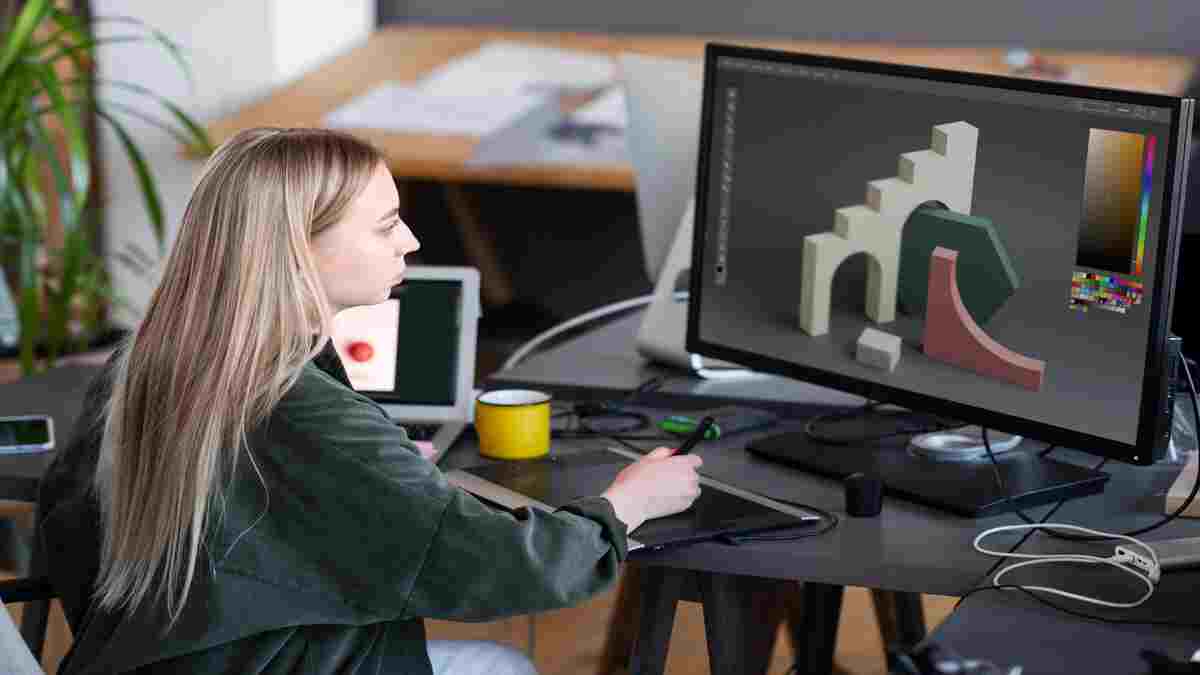
AI 3D Model Generators are revolutionizing the 3D modeling landscape, making it more accessible and efficient. These AI-powered tools leverage advanced algorithms and machine learning techniques to automate various aspects of the 3D modeling process, from generating initial models to refining details and textures. By automating repetitive tasks, AI 3D model generators free up designers to focus on creative aspects of their work, leading to faster and more innovative designs.
With the help of ai image generator tools, designers can quickly generate a variety of 3D models based on text prompts or sketches, saving time and effort. These tools can also be used to create realistic textures and materials, adding depth and realism to 3D models.
What are 3D Model Generators?
3D model generators are software tools that enable users to create 3D models, often from 2D images or text descriptions. Traditional 3D modeling involves manual modeling techniques using software like Blender or 3ds Max. AI-powered 3D model generators, on the other hand, leverage artificial intelligence algorithms to automate various aspects of the modeling process, making it more accessible and efficient.
What is AI 3D Modeling and Generative Design?
AI 3D modeling is a cutting-edge technology that leverages artificial intelligence to automate and enhance the process of creating 3D models. AI empowers designers to create 3D models more efficiently and creatively by utilizing advanced algorithms and machine learning techniques.
3D Model Generation from 2D Images:
Photogrammetry:
AI can analyze multiple 2D images of an object from different angles to create a 3D model.
Image-to-3D:
AI can convert single 2D images into 3D models, often using techniques like neural networks.
Text-to-3D Model Generation:
Prompt-Based Generation:
Users can provide text descriptions or prompts to generate 3D models of objects or scenes.
Style Transfer:
AI can apply specific styles or artistic techniques to the generated 3D models.
Generative Design:
AI-Driven Exploration:
AI algorithms can explore a vast design space to generate multiple options based on specific constraints and objectives.
Optimization:
AI can optimize designs for factors like weight, strength, and cost-effectiveness.
How AI is Transforming 3D Design?
AI is revolutionizing the 3D design landscape by offering several significant advantages:
Automated Design Generation:
AI algorithms can generate a wide range of 3D models from simple text descriptions or 2D images, significantly reducing the time and effort required for manual modeling.
Enhanced Creativity:
AI can generate innovative and creative ideas by exploring a vast design space and combining different elements unexpectedly.
Improved Design Accuracy:
AI-powered tools can ensure precise and accurate 3D models, minimizing errors and inconsistencies.
Faster Time-to-Market:
By automating many design tasks, AI can accelerate the design process, leading to faster product development and launch.
Cost Reduction:
AI-driven automation can reduce the cost of 3D model creation, making it accessible to businesses and individuals.
Real-time Collaboration:
AI-powered tools can facilitate real-time collaboration between designers, allowing for efficient teamwork and knowledge sharing.
Personalized Design:
AI can tailor designs to individual preferences and requirements, creating highly customized 3D models.
Factors to Consider When Choosing an AI 3D Model Generator
When selecting an AI 3D model generator, it’s essential to consider several factors to ensure it meets your specific needs:
Ease of Use:
User-friendly interface:
The tool should have a simple and intuitive interface, minimizing the learning curve.
Minimal technical expertise:
Users should not require advanced technical skills to operate the tool effectively.
Model Quality:
High-quality output:
The generated 3D models should have accurate geometry, realistic textures, and detailed features.
Customization options:
The tool should allow users to customize the generated models to fit their requirements.
Integration with Other Tools:
Seamless workflow:
The tool should integrate smoothly with design software like 3D modeling, animation, and game development tools.
Compatibility with industry standards:
The generated models should be compatible with industry-standard file formats.
Cost:
Pricing model:
Consider the pricing structure, whether a one-time fee, subscription-based, or usage-based.
Value for money:
Evaluate the features, performance, and support the tool offers and its cost.
AI Capabilities:
Advanced features:
The tool should offer advanced features like text-to-3D generation, style transfer, and real-time editing.
Customization options:
The ability to fine-tune the AI’s output to meet specific requirements.
Advantages of Using AI 3D Model Generators in Digital Design:
AI-powered 3D model generators offer a multitude of benefits for designers and businesses:
Accelerated Design Process:
AI-powered tools can significantly reduce design time by automating repetitive tasks and streamlining workflows.
Enhanced Creativity:
AI algorithms can generate innovative and unique design ideas, inspiring designers to explore new creative possibilities.
Improved Accuracy and Precision:
AI-driven tools can ensure precise geometry, accurate dimensions, and realistic materials, resulting in high-quality 3D models.
Reduced Design Costs:
Automating various design tasks can lower labor costs and reduce the overall cost of 3D model creation.
Accessibility:
AI-powered tools can democratize 3D design, making it accessible to a wider range of users, regardless of their technical expertise.
Real-time Collaboration:
AI-powered tools can enable real-time collaboration between designers, allowing for efficient teamwork and faster iteration.
Data-Driven Design:
AI can analyze large datasets to identify trends, optimize designs, and make data-driven decisions.
AI Tools For 3D Model Generators
Blender
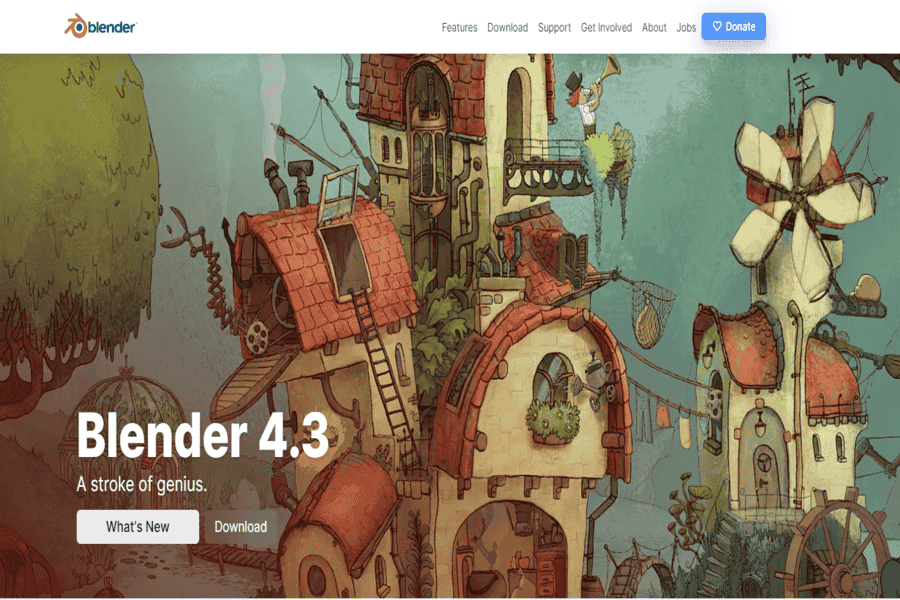
Open-source software for 3D modeling, animation, simulation, and rendering, enhanced with AI plugins.
Pros:
Free to use, extensive customization, robust community support.
Cons:
Steep learning curve for beginners.
Pricing Package:
Free.
Social Media:
- Facebook: Blender
- Instagram: @blenderofficial
- Twitter: Blender
- LinkedIn: Blender
- YouTube: Blender
Contact Information:
- Email ID: [email protected]
Autodesk Maya
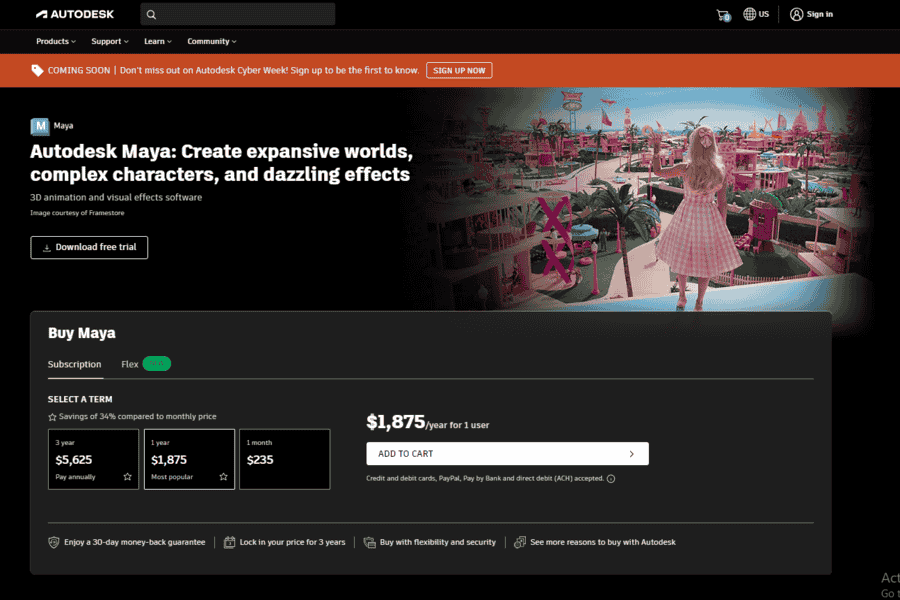
A professional 3D modeling and animation tool with AI-driven features for automating repetitive tasks.
Pros:
Advanced features for professional use, industry standard.
Cons:
Expensive for beginners.
Pricing Package:
$225/month or $1,785/year.
Social Media:
- Facebook: Autodesk Maya
- Instagram: @autodesk
- Twitter: Autodesk Maya
- LinkedIn: Autodesk
- YouTube: Autodesk Maya
Contact Information:
- Contact Number: +1 (855) 301-9562
ZBrush
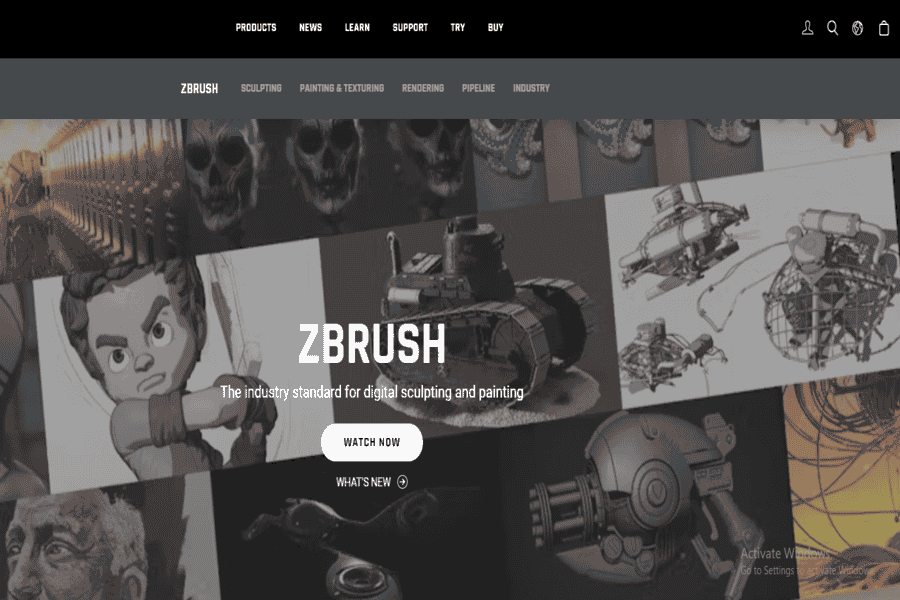
AI-assisted digital sculpting tool for creating highly detailed 3D models.
Pros:
Excellent for intricate designs and intuitive interface.
Cons:
High initial cost.
Pricing Package:
$39.95/month or $895 perpetual license.
Social Media:
- Facebook: ZBrush
- Instagram: @pixologic
- Twitter: ZBrush
- LinkedIn: ZBrush
- YouTube: ZBrush
Contact Information:
- Email ID: [email protected]
Clara.io
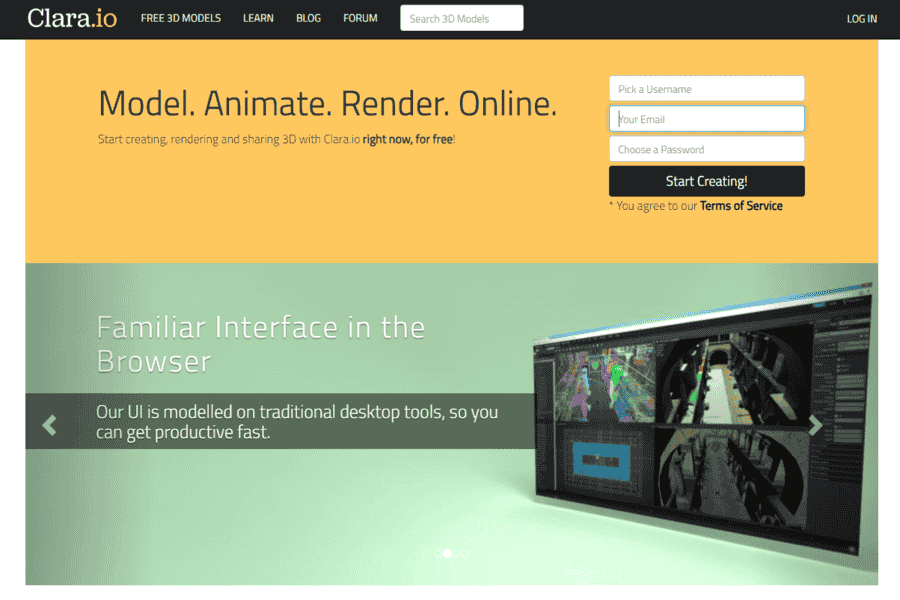
Cloud-based 3D modeling software offering AI features for quick rendering and collaboration.
Pros:
Browser-based, collaborative, free for basic use.
Cons:
Less advanced features compared to desktop software.
Pricing Package:
Free; Premium plans available upon inquiry.
Social Media:
Contact Information:
- Email ID: [email protected]
Meshroom
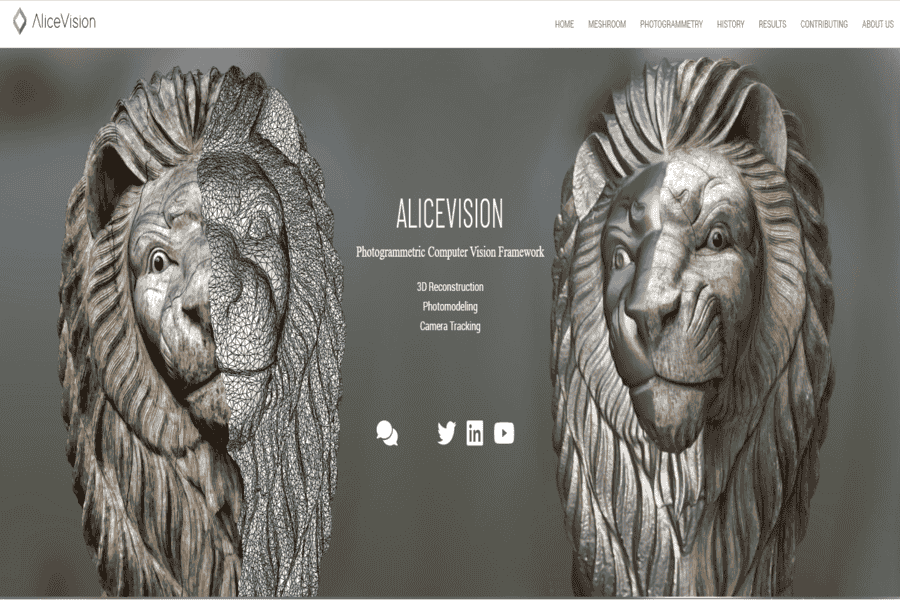
Open-source 3D reconstruction software that uses AI for photogrammetry-based modeling.
Pros:
Free, ideal for converting images into 3D models.
Cons:
Limited features for sculpting or animation.
Pricing Package:
Free.
Social Media:
- YouTube: Meshroom
Houdini
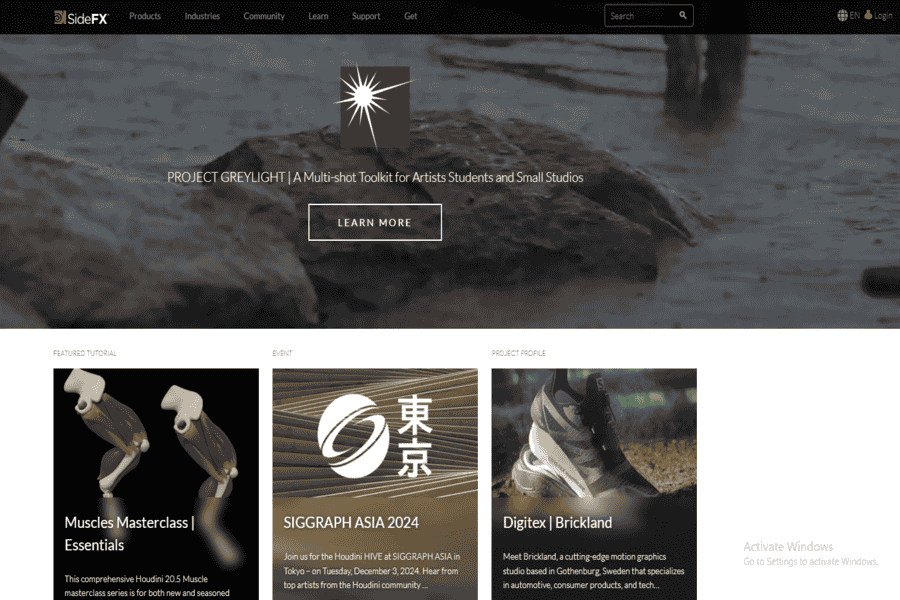
Procedural 3D modeling software enhanced with AI for simulations and effects.
Pros:
Excellent for simulations and advanced procedural tools.
Cons:
Expensive and complex for new users.
Pricing Package:
$269/year for Indie; $4,495 perpetual license for FX.
Social Media:
- Facebook: SideFX Houdini
- Instagram: @sidefxhoudini
- Twitter: SideFX
- LinkedIn: SideFX
- YouTube: SideFX Houdini
Contact Information:
- Email ID: [email protected]
- Contact Number: +1 (416) 504-9876
NVIDIA Omniverse
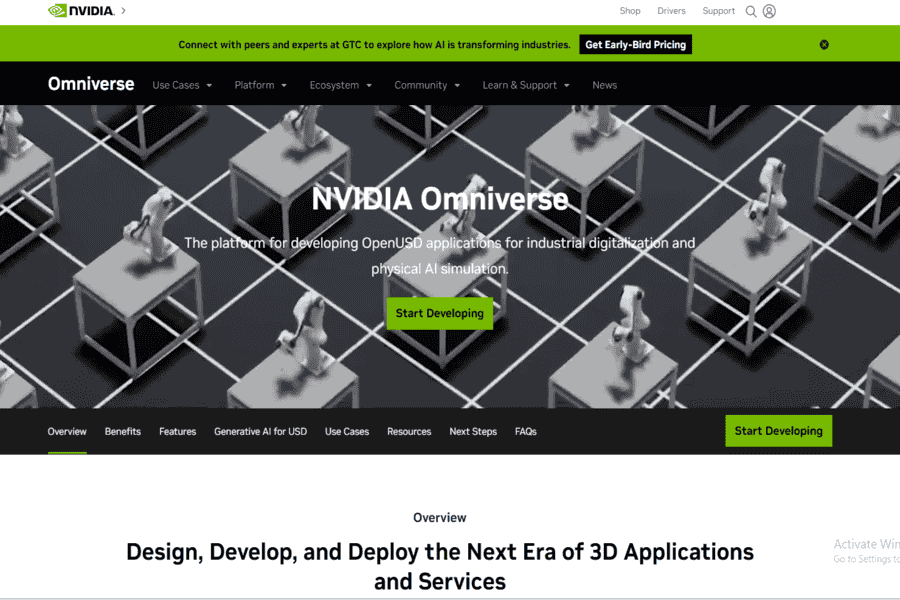
AI-powered collaboration platform for 3D modeling and simulation.
Pros:
Real-time collaboration, high-performance rendering.
Cons:
Requires high-end hardware.
Pricing Package:
Free for individuals; enterprise pricing available.
Social Media:
- Facebook: NVIDIA
- Instagram: @nvidia
- Twitter: NVIDIA Omniverse
- LinkedIn: NVIDIA
- YouTube: NVIDIA Omniverse
Contact Information:
- Email ID: [email protected]
MagicaVoxel
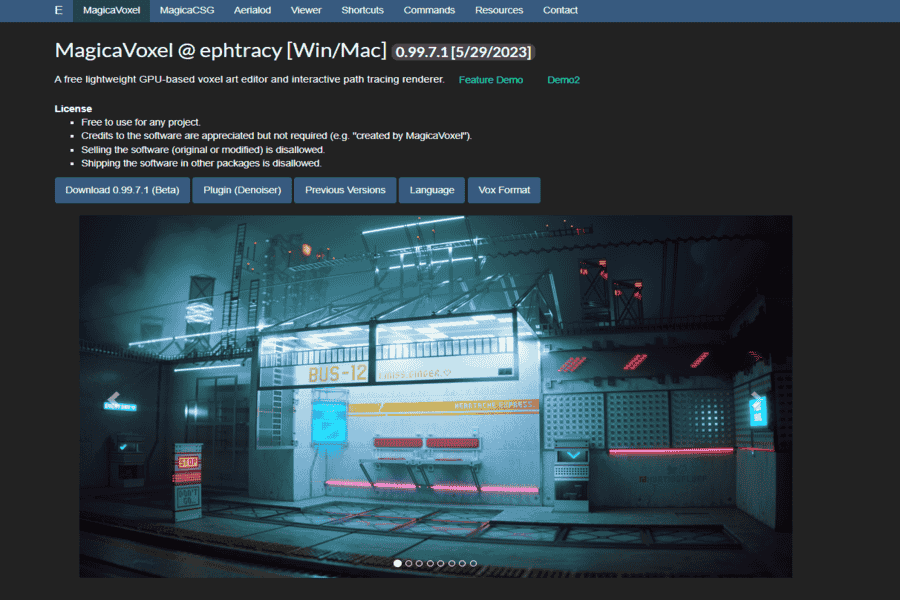
Free, lightweight 3D modeling software specializing in voxel-based modeling.
Pros:
Easy to use, great for voxel art, free.
Cons:
Limited for advanced 3D modeling tasks.
Pricing Package:
Free.
Creo
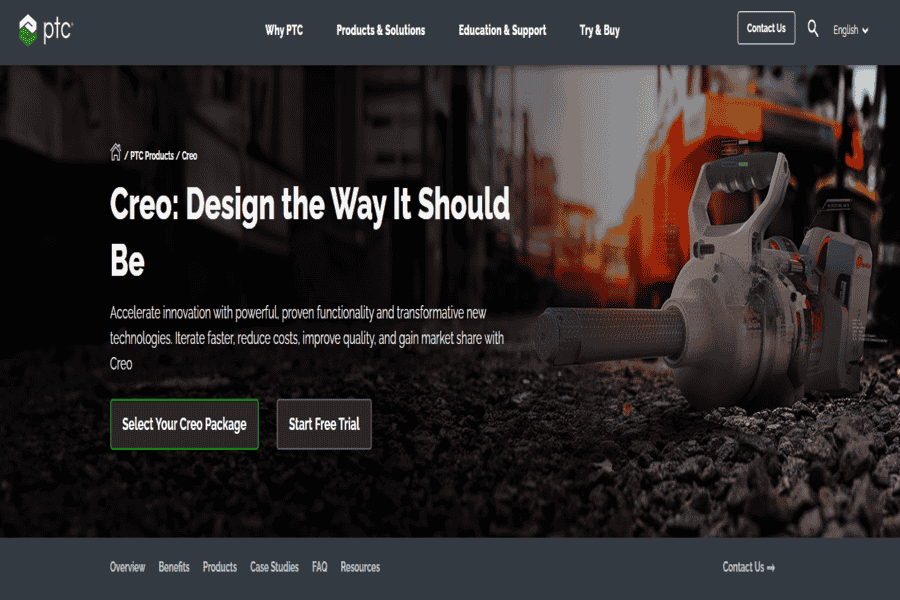
Professional 3D CAD tool that incorporates AI for simulation-driven design.
Pros:
Advanced engineering tools, AI-driven generative design.
Cons:
Expensive, geared towards professionals.
Pricing Package:
Custom pricing upon inquiry.
Social Media:
Contact Information:
- Email ID: [email protected]
- Contact Number: +1 (781) 370-5000
Daz 3D
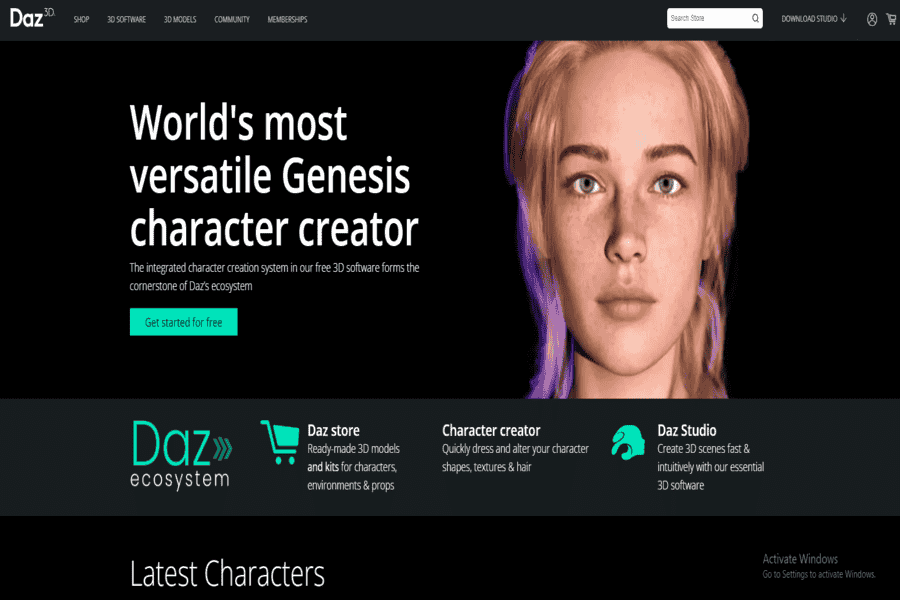
AI-powered 3D modeling and animation tool for creating detailed human characters and environments.
Pros:
Excellent character creation tools and free assets are available.
Cons:
In-app purchases are required for premium content.
Pricing Package:
Free with optional in-app purchases.
Social Media:
Contact Information:
- Email ID: [email protected]
SketchUp
Intuitive 3D modeling tool with AI plugins for architectural, interior, and product design.
Pros:
Easy to learn, extensive library of models and extensions.
Cons:
There are limited rendering features in the free version.
Pricing Package:
Free basic version; Pro starts at $299/year.
Social Media:
- Facebook: SketchUp
- Instagram: @sketchup_official
- Twitter: SketchUp
- LinkedIn: SketchUp
- YouTube: SketchUp
Contact Information:
- Email ID: [email protected]
Gravity Sketch
A VR-based 3D design platform that leverages AI for intuitive 3D sketching and modeling.
Pros:
Immersive VR interface, real-time collaboration.
Cons:
Requires VR hardware.
Pricing Package:
Free for individuals; Business plans available upon inquiry.
Social Media:
- Facebook: Gravity Sketch
- Instagram: @gravitysketch
- Twitter: Gravity Sketch
- LinkedIn: Gravity Sketch
- YouTube: Gravity Sketch
Contact Information:
- Email ID: [email protected]
Onshape
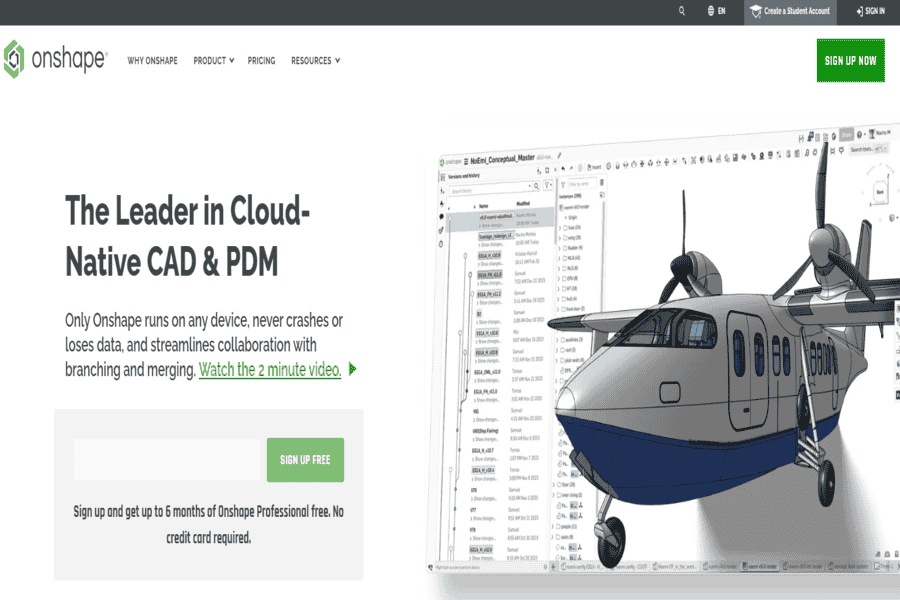
Cloud-based 3D CAD platform with AI tools for collaborative and parametric modeling.
Pros:
Real-time collaboration and cloud-based flexibility.
Cons:
Requires a stable internet connection.
Pricing Package:
Free for educators; Professional plans start at $1,500/year.
Social Media:
Contact Information:
- Email ID: [email protected]
- Contact Number: +1 (844) 667-4273
Tinkercad
Beginner-friendly 3D modeling tool with AI-guided features for quick learning and prototyping.
Pros:
It is free, easy to use, and suitable for education.
Cons:
Limited features for advanced modeling.
Pricing Package:
Free.
Social Media:
- Facebook: Tinkercad
- Instagram: @tinkercad
- Twitter: Tinkercad
- LinkedIn: Tinkercad
- YouTube: Tinkercad
Contact Information:
- Email ID: [email protected]
Meshmixer
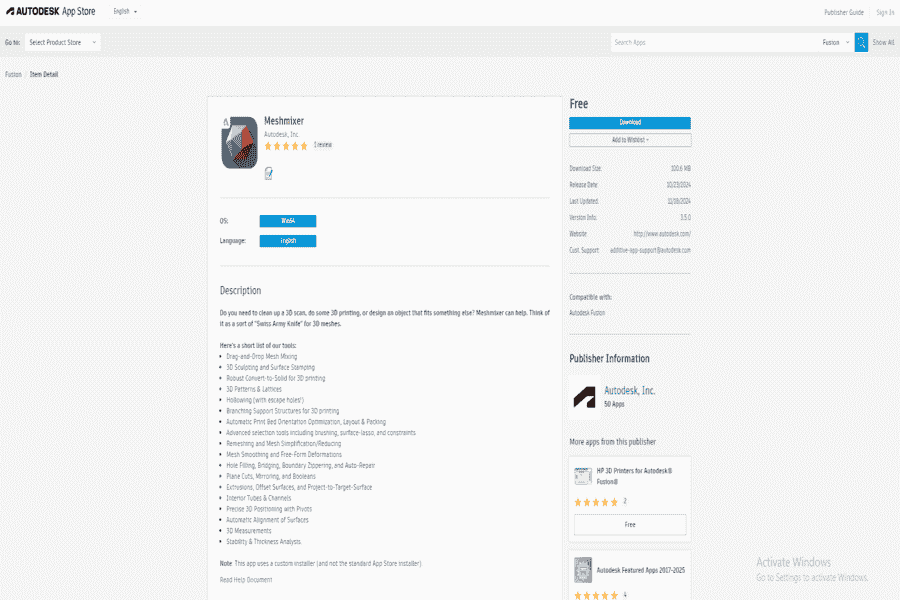
An AI-powered 3D modeling tool for editing and optimizing meshes, ideal for 3D printing.
Pros:
It is free and great for repairing and editing 3D models.
Cons:
Limited for full-scale modeling.
Pricing Package:
Free.
Contact Information:
- Email ID: [email protected]
Future Trends of 3D Model Generators
The future of 3D model generation is promising, with several exciting trends on the horizon:
Real-time 3D Model Generation:
AI will enable real-time generation of 3D models from text or image input.
More Realistic and Detailed Models:
AI models will generate increasingly realistic and detailed 3D models.
Integration with Other AI Technologies:
AI-powered 3D model generators will integrate with other AI technologies, such as natural language processing and computer vision.
Ethical AI and Responsible Use:
The development and use of AI 3D model generators will be guided by ethical principles to ensure responsible and beneficial applications.
Conclusion
AI-powered 3D model generators are rapidly transforming the landscape of 3D design. By automating tedious tasks and generating creative designs, these tools empower designers to work more efficiently and effectively. As AI technology evolves, we can anticipate even more sophisticated and innovative 3D modeling solutions that will revolutionize various industries.