Climate change demands accurate predictions. AI Tools for Climate Prediction analyze vast data, identify patterns, and improve climate models. This leads to better-informed decisions and more effective climate action. To ensure data accessibility, Website monitoring tools track the performance of relevant websites and databases.
The Role of AI in Climate Prediction
AI offers various techniques that can be applied to climate modeling and prediction. By analyzing vast amounts of data, AI algorithms can identify complex patterns, make accurate forecasts, and provide valuable insights into future climate scenarios.
Key AI Techniques Used in Climate Modeling
AI has revolutionized climate modeling by providing powerful tools to analyze complex climate systems. Here are some key AI techniques used in this field:
Machine Learning
Supervised Learning:
Training models on historical climate data to predict future trends.
Regression Models:
I am predicting continuous variables like temperature and precipitation.
Classification Models:
We are identifying specific weather events like hurricanes or droughts.
Unsupervised Learning:
We are discovering hidden patterns in large climate datasets.
Clustering:
Grouping similar climate patterns.
Dimensionality Reduction:
Reducing the complexity of climate data.
Deep Learning
Neural Networks:
Powerful models capable of learning complex patterns in large datasets.
Convolutional Neural Networks (CNNs):
Analyzing spatial patterns in climate data, such as satellite images.
Recurrent Neural Networks (RNNs):
I am modeling temporal dependencies in time series data, like temperature and precipitation over time.
Generative Adversarial Networks (GANs):
Generating realistic climate scenarios for future projections.
Natural Language Processing (NLP)
Text Analysis:
We extract information from scientific papers, news articles, and social media to identify climate trends and public sentiment.
Sentiment Analysis:
I am analyzing public opinion on climate change and policy decisions.
Information Extraction:
We are identifying key information from climate reports and scientific literature.
Applications of AI in Climate Prediction
AI has the potential to revolutionize climate prediction and inform climate action. Here are some key applications:
Climate Model Improvement
Enhanced Model Resolution:
AI can help increase the resolution of climate models, allowing for more detailed and accurate predictions.
Parameterization of Subgrid-Scale Processes:
AI can parameterize complex physical processes at scales smaller than the model grid.
Model Calibration and Validation:
AI can automate the process of calibrating and validating climate models.
Extreme Weather Prediction
Early Warning Systems:
AI can improve early warning systems’ accuracy and lead time for extreme weather events.
Event Attribution:
AI can help attribute extreme weather events to specific causes, such as climate change.
Climate Change Impact Assessment
Vulnerability Assessment:
AI can assess the vulnerability of different regions to climate change impacts, such as sea-level rise, heat waves, and droughts.
Impact Modeling:
AI can simulate the impacts of climate change on various sectors, including agriculture, water resources, and infrastructure.
Policy and Decision Making
Data-Driven Policy:
AI can provide policymakers with data-driven insights to inform climate policy decisions.
Risk Assessment:
AI can assess the risks of different climate change scenarios and inform risk management strategies.
Climate Finance:
AI can help optimize the allocation of climate finance by identifying the most vulnerable regions and effective interventions.
AI Tools for Climate Prediction
IBM Environmental Intelligence Suite

AI-powered platform for monitoring weather and climate risks, providing actionable insights.
Pros:
Real-time monitoring and predictive analytics are integrated with business workflows.
Cons:
High cost for smaller organizations.
Pricing package:
Custom pricing based on usage.
Social media links:
- Facebook: IBM Facebook
- Instagram: IBM Instagram
- LinkedIn: IBM LinkedIn
- Twitter: IBM Twitter
- YouTube: IBM YouTube
Contact information:
- Contact number: +1 800-426-4968
ClimateAI
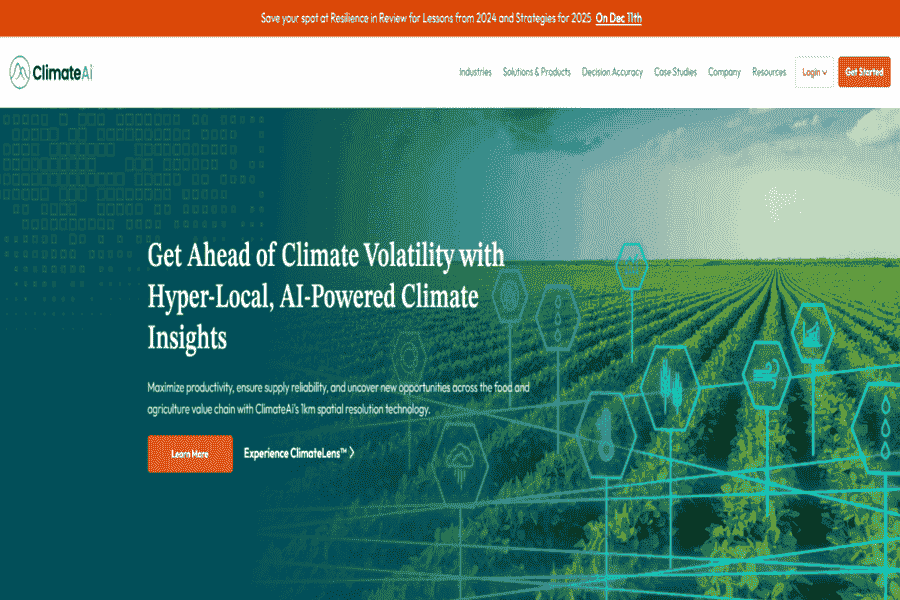
AI-driven platform for climate risk forecasting and adaptation planning.
Pros:
User-friendly interface, highly localized predictions tailored to specific industries.
Cons:
Limited global reach for certain features.
Pricing package:
Custom pricing based on project scope.
Social media links:
- LinkedIn: ClimateAI LinkedIn
- Twitter: ClimateAI Twitter
Contact information:
- Email: [email protected]
Tomorrow.io
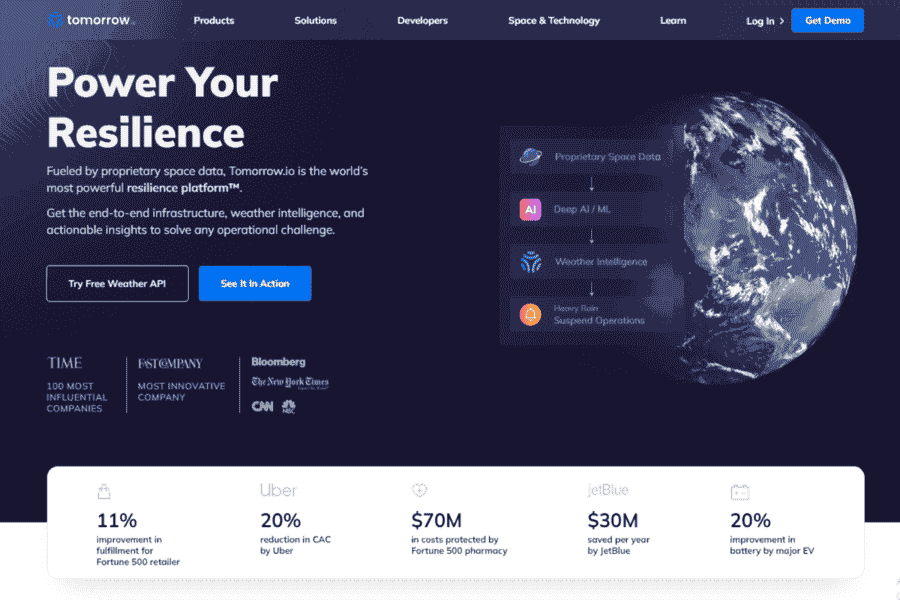
AI-powered weather intelligence platform offering hyper-local climate forecasts.
Pros:
Real-time updates, industry-specific solutions, and easy integration with APIs.
Cons:
Limited free features.
Pricing package:
Subscription-based starting at $25/month.
Social media links:
- Facebook: Tomorrow.io Facebook
- Instagram: Tomorrow.io Instagram
- LinkedIn: Tomorrow.io LinkedIn
- Twitter: Tomorrow.io Twitter
- YouTube: Tomorrow.io YouTube
Microsoft AI for Earth

AI initiative supporting environmental projects, including climate modeling and forecasting.
Pros:
Grants and tools for developers, cloud-based analytics.
Cons:
Requires technical expertise to implement.
Pricing package:
Free tools with Azure subscription.
Social media links:
- Facebook: Microsoft AI Facebook
- Instagram: Microsoft AI Instagram
- LinkedIn: Microsoft AI LinkedIn
- Twitter: Microsoft AI Twitter
- YouTube: Microsoft AI YouTube
Contact information:
- Contact number: +1 425-882-8080
Jupiter Intelligence
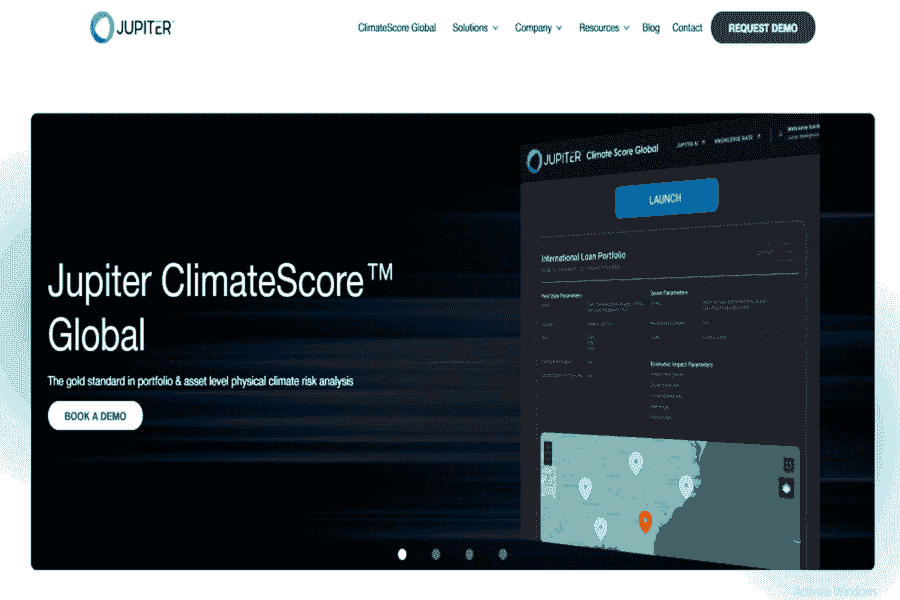
AI is used to provide predictive models for physical climate risks such as flooding, heat, and wildfires.
Pros:
Highly detailed risk assessment, industry-specific solutions, and easy reporting.
Cons:
High cost for advanced analysis.
Pricing package:
Custom pricing based on the use case.
Social media links:
- LinkedIn: Jupiter Intelligence LinkedIn
- Twitter: Jupiter Intelligence Twitter
Contact information:
- Email: [email protected]
- Contact number: +1 650-252-2458
Climacell AI
AI-powered platform providing hyper-localized weather predictions and climate modeling for businesses and governments.
Pros:
Real-time updates, industry-specific insights, API integration.
Cons:
Limited availability in some regions.
Pricing package:
Custom pricing based on solutions needed.
Social media links:
- Facebook: Climacell Facebook
- Instagram: Climacell Instagram
- LinkedIn: Climacell LinkedIn
- Twitter: Climacell Twitter
- YouTube: Climacell YouTube
Contact information:
- Email: [email protected]
SAIL (Sustainable AI Lab)
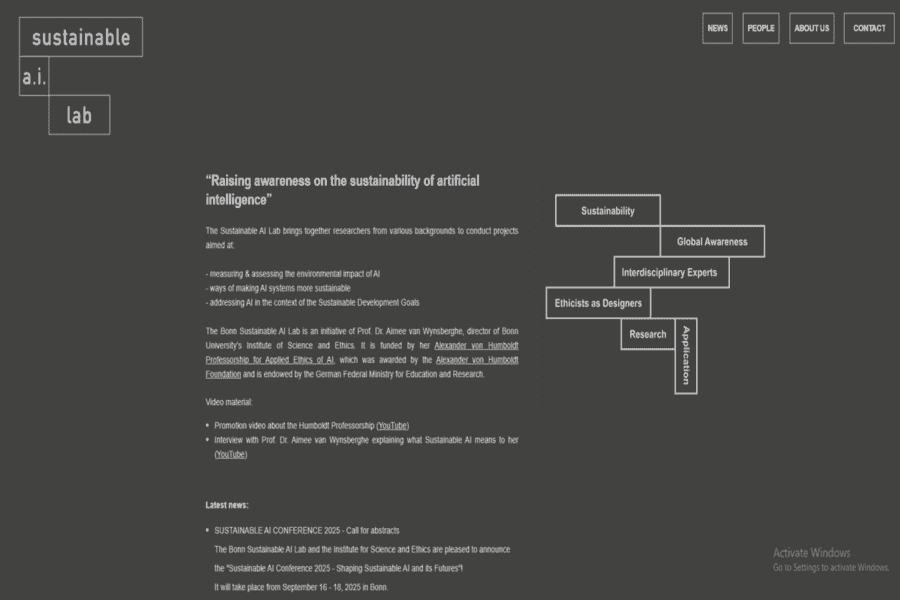
AI platform for predicting climate changes, carbon footprints, and sustainability metrics.
Pros:
It focuses on sustainability and scalable solutions for businesses and communities.
Cons:
Limited integration with external systems.
Pricing package:
Subscription-based with free trials available.
Social media links:
- LinkedIn: SAIL LinkedIn
Contact information:
- Email: [email protected]
Earth Engine by Google
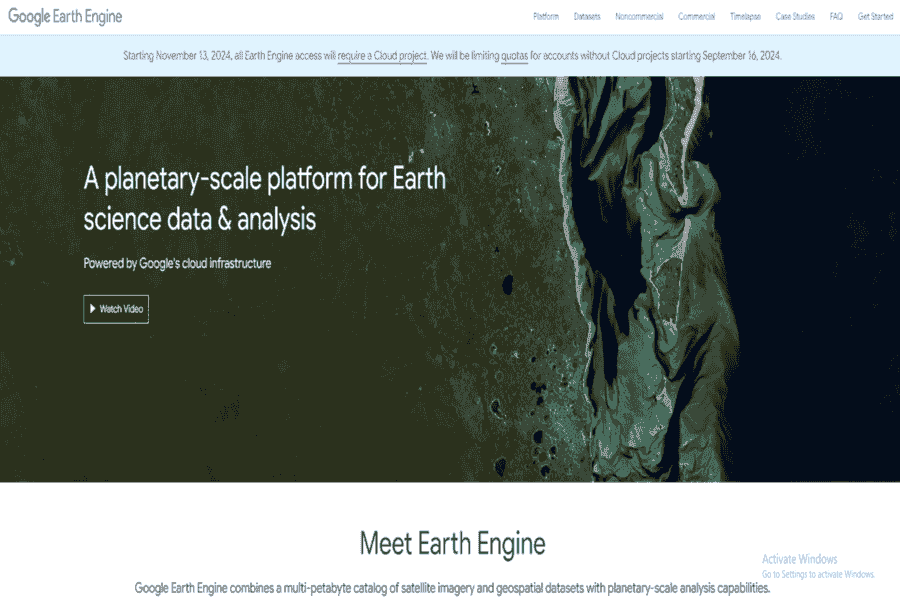
Google’s AI-powered platform for analyzing geospatial and climate data for environmental changes.
Pros:
Free to use for research, extensive data library, and powerful computing resources.
Cons:
Requires technical knowledge in coding and data analysis.
Pricing package:
Free for research; custom pricing for business solutions.
Social media links:
- Facebook: Google Earth Facebook
- Instagram: Google Earth Instagram
- LinkedIn: Google LinkedIn
- Twitter: Google Earth Twitter
- YouTube: Google Earth YouTube
Contact information:
- Contact number: +1 650-253-0000
Climate Trace
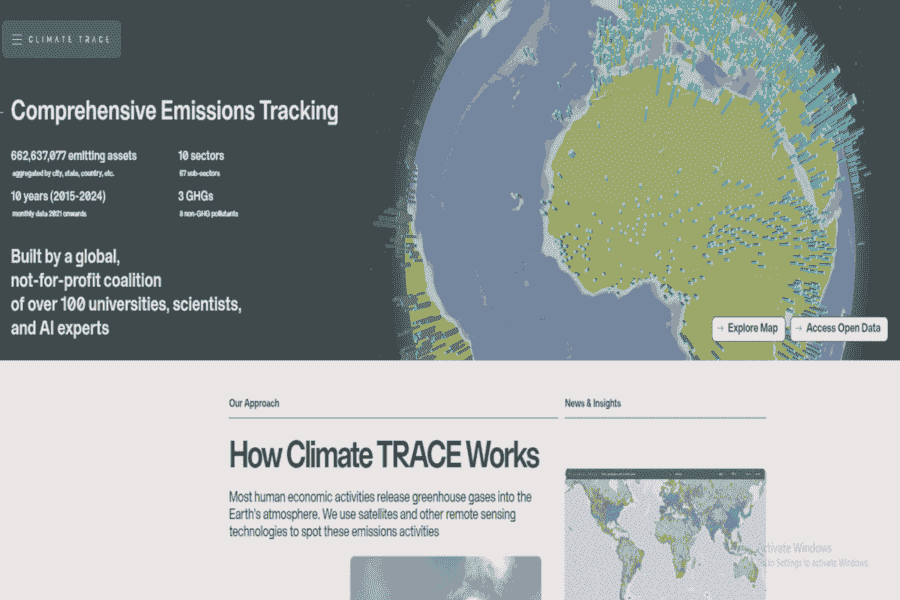
Tracks and predicts global greenhouse gas emissions using AI and satellite data.
Pros:
Transparency in emissions tracking, global coverage, free for public use.
Cons:
Focuses solely on emissions rather than other climate factors.
Pricing package:
Free for public use.
Social media links:
Facebook: Climate Trace Facebook
LinkedIn: Climate Trace LinkedIn
Twitter: Climate Trace Twitter
Contact information:
Email: [email protected]
Windy AI
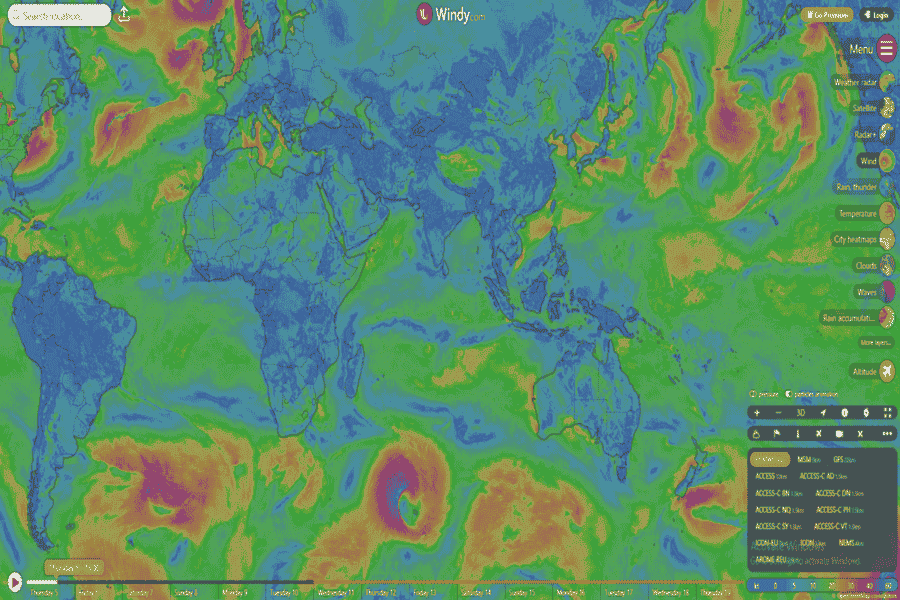
Combines AI and weather data to predict wind patterns and extreme weather events for climate adaptation.
Pros:
Visualizations of real-time wind and weather data, easy-to-use interface.
Cons:
Primarily focuses on wind and storm patterns.
Pricing package:
Free with optional premium features.
Social media links:
- Facebook: Windy Facebook
- Twitter: Windy Twitter
- YouTube: Windy YouTube
Contact information:
- Email: [email protected]
OpenClimateFix
An open-source initiative using AI to reduce greenhouse gas emissions by improving renewable energy forecasting.
Pros:
Collaborative and transparent, focused on renewable energy.
Cons:
Limited tools for broader climate applications.
Pricing package:
Free and open-source.
Social media links:
- LinkedIn: OpenClimateFix LinkedIn
- Twitter: OpenClimateFix Twitter
Contact information:
- Email: [email protected]
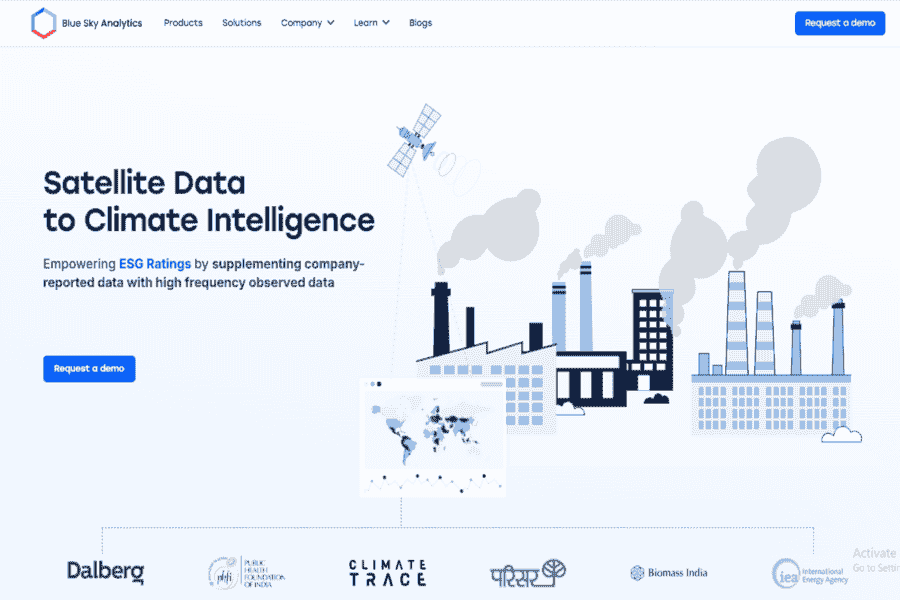
BlueSky Analytics
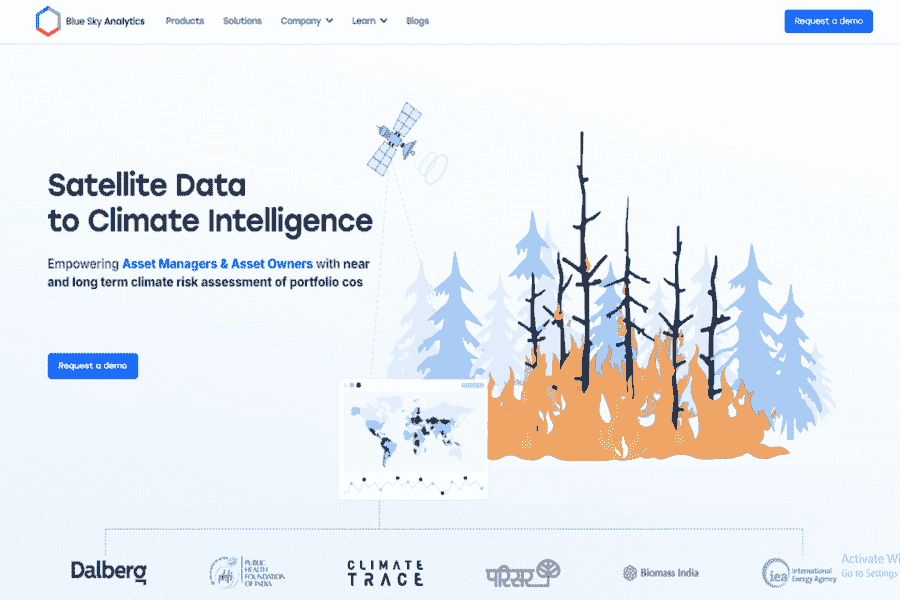
AI platform providing climate data intelligence for monitoring air quality, forest fires, and emissions.
Pros:
Focus on air quality and wildfire tracking, as well as user-friendly dashboards.
Cons:
Limited geographic coverage for certain features.
Pricing package:
Custom pricing based on data usage.
Social media links:
- LinkedIn: BlueSky Analytics LinkedIn
- Twitter: BlueSky Analytics Twitter
Contact information:
- Email: [email protected]
Spire Global
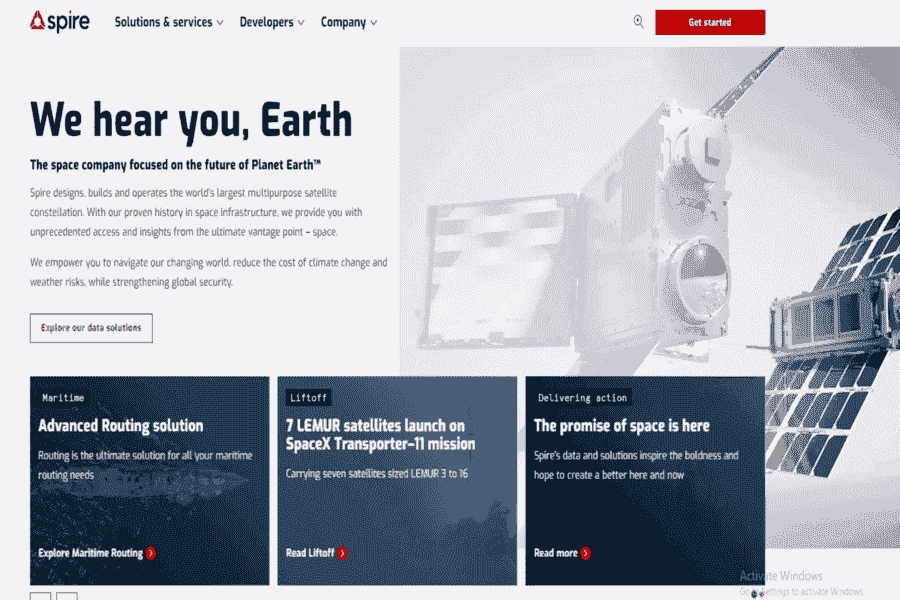
Provides AI-driven climate and weather insights using satellite data for industries like shipping and agriculture.
Pros:
Real-time global coverage tailored for industry-specific needs.
Cons:
High cost for small businesses.
Pricing package:
Custom pricing based on data services.
Social media links:
- Facebook: Spire Global Facebook
- LinkedIn: Spire Global LinkedIn
- Twitter: Spire Global Twitter
- YouTube: Spire Global YouTube
Contact information:
- Email: [email protected]
- Contact number: +1 415-356-3400
Descartes Labs
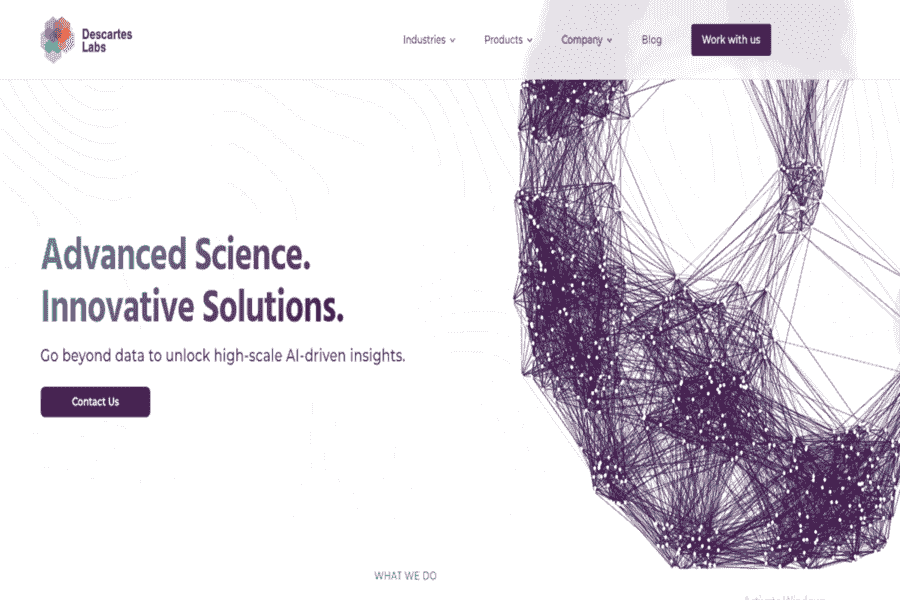
AI-powered geospatial analytics platform for climate modeling, agriculture, and natural resource management.
Pros:
Scalable data solutions easy integration with existing platforms.
Cons:
Requires expertise to utilize fully.
Pricing package:
Custom pricing based on usage and services.
Social media links:
- Facebook: Descartes Labs Facebook
- LinkedIn: Descartes Labs LinkedIn
- Twitter: Descartes Labs Twitter
- YouTube: Descartes Labs YouTube
Contact information:
- Email: [email protected]
- Contact number: +1 505-209-5400
Meteomatics

Provides AI-enhanced weather forecasting and climate data solutions for businesses and research institutions.
Pros:
Precise weather predictions and robust API integration.
Cons:
Pricing can be prohibitive for smaller projects.
Pricing package:
Custom pricing based on services.
Social media links:
- Facebook: Meteomatics Facebook
- LinkedIn: Meteomatics LinkedIn
- Twitter: Meteomatics Twitter
Contact information:
- Email: [email protected]
- Contact number: +41 71-272-66-50
Challenges and Limitations
While AI offers significant potential for improving climate prediction, it also faces several challenges:
Data Quality and Quantity:
Data Availability:
Access to high-quality and sufficient climate data can be challenging, especially for historical periods.
Data Bias:
Bias in the training data can lead to biased models and inaccurate predictions.
Computational Resources:
High Computational Cost:
Training complex AI models, especially deep learning models, requires significant computational resources.
Energy Consumption:
The energy consumption associated with training and running AI models can contribute to environmental impact.
Model Uncertainty:
Model Limitations:
Climate models are complex systems with inherent uncertainties.
Uncertain Future Scenarios:
Predicting future climate scenarios involves significant uncertainties, such as future greenhouse gas emissions.
Ethical Considerations:
Bias and Fairness:
AI models can perpetuate biases in the training data, leading to unfair or inaccurate predictions.
Transparency and Interpretability:
Understanding how AI models make decisions is important to ensure their reliability and trustworthiness.
Future Trends in AI Climate Prediction
The future of AI in climate prediction is promising, with several exciting trends on the horizon:
Advanced Machine Learning Techniques:
Deep Learning:
Further advancements in deep learning, especially neural networks, can lead to more accurate and sophisticated climate models.
Reinforcement Learning:
AI agents can learn optimal strategies for climate prediction and decision-making.
Integration of Multiple Data Sources:
Satellite Data:
Incorporating satellite data can provide high-resolution information on global climate patterns.
Social Media Data:
Analyzing social media data can provide insights into local weather conditions and public perception of climate change.
Explainable AI:
Model Interpretability:
We are developing techniques to understand the reasoning behind AI model predictions.
Transparent Decision-Making:
We are increasing the transparency of AI models to build trust and accountability.
Real-time Monitoring and Forecasting:
Real-time Data Assimilation:
We are incorporating real-time observations into climate models for more accurate forecasts.
Early Warning Systems:
We are developing early warning systems for extreme weather events like hurricanes, floods, and heat waves.
Climate Change Mitigation and Adaptation:
Policy and Decision Support:
We provide AI-powered tools to support policymakers in developing effective climate change mitigation and adaptation strategies.
Sustainable Development:
Using AI to optimize energy consumption, reduce greenhouse gas emissions, and promote sustainable practices.
Conclusion
AI is revolutionizing the field of climate prediction, enabling scientists to make more accurate and timely forecasts. By leveraging advanced techniques such as machine learning, deep learning, and natural language processing, AI can help us better understand the complex dynamics of the climate system and develop effective strategies to mitigate climate change. As AI technology continues to evolve, we can expect even more powerful tools to emerge, empowering us to address the pressing challenges of our time.