Genomics studies the structure, function, and editing of genomes, while bioinformatics develops the computational methods to analyze that biological data — the two fields overlap heavily in practice. AI accelerates both: faster data analysis and interpretation, AI-assisted drug discovery, personalized medicine based on a patient’s own genetic data, and earlier disease diagnosis through pattern detection in genomic data at a scale no human team could review manually. AI art generators even play a role in visualizing complex genomic structures for researchers and the public alike.
Top Genomics Tools
Illumina BaseSpace Sequence Hub
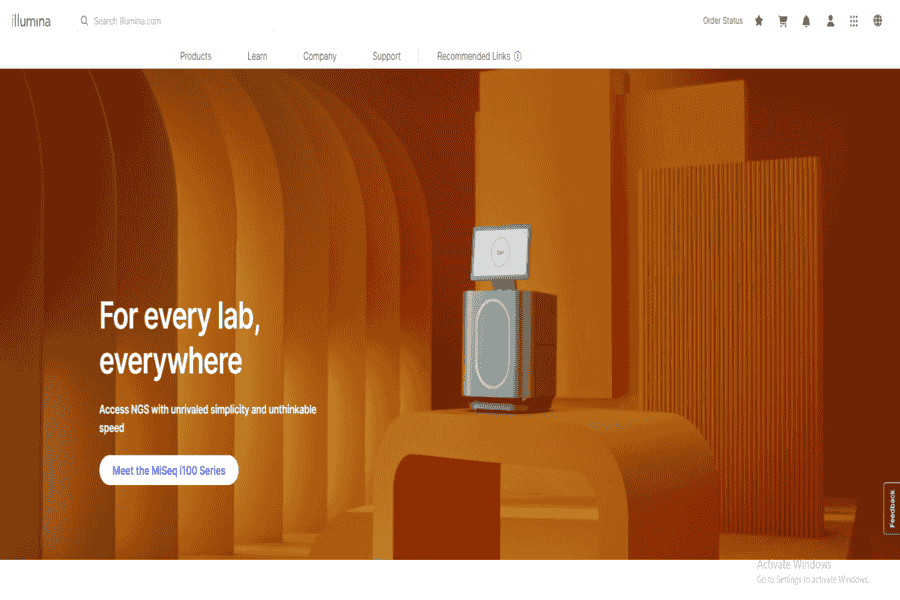
A cloud-based platform that integrates genomic data analysis and management for Illumina sequencers.
Pros:
- User-friendly interface
- Scalable cloud storage
- The broad suite of bioinformatics tools
Cons:
- Limited compatibility with non-Illumina data
- High subscription costs
Pricing Package:
Starts at $99/month with additional storage and analysis costs.
Social Media:
- Facebook: Illumina
- Instagram: @illumina
- LinkedIn: Illumina, Inc.
- Twitter: @illumina
- YouTube: Illumina
Contact Information:
- Email id: [email protected]
- Contact Number: +1 (800) 809-4566
NCBI BLAST (Basic Local Alignment Search Tool)
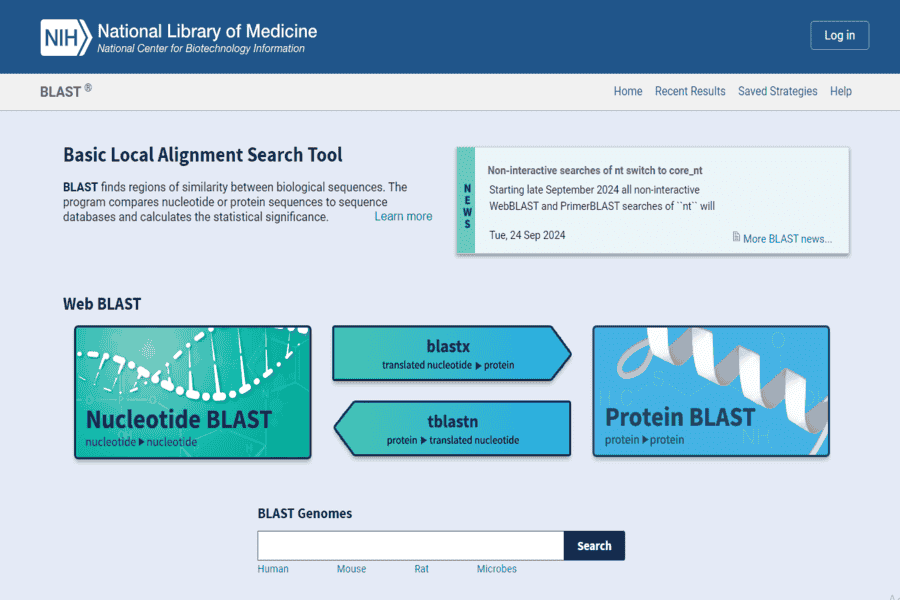
A free tool for comparing nucleotide or protein sequences against sequence databases.
Pros:
- Free to use
- Comprehensive sequence database
- Highly customizable
Cons:
- Requires bioinformatics expertise
- Limited visualization tools
Pricing Package:
Free
Contact Information:
- Email id: [email protected]
QIAGEN CLC Genomics Workbench
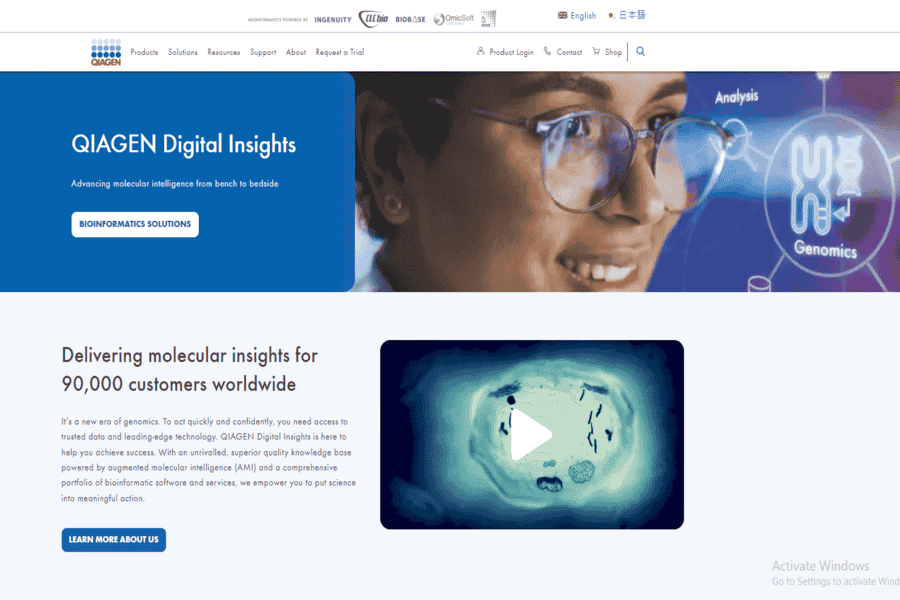
A comprehensive bioinformatics platform for analyzing genomic, transcriptomic, and epigenomic data.
Pros:
- Easy-to-use interface
- Supports a wide range of workflows
- Extensive visualization tools
Cons:
- Expensive licenses
- High resource requirements
Pricing Package:
Starts at $4,995 per user annually.
Social Media:
Contact Information:
- Email id: [email protected]
- Contact Number: +1 (800) 362-7737
GATK (Genome Analysis Toolkit)
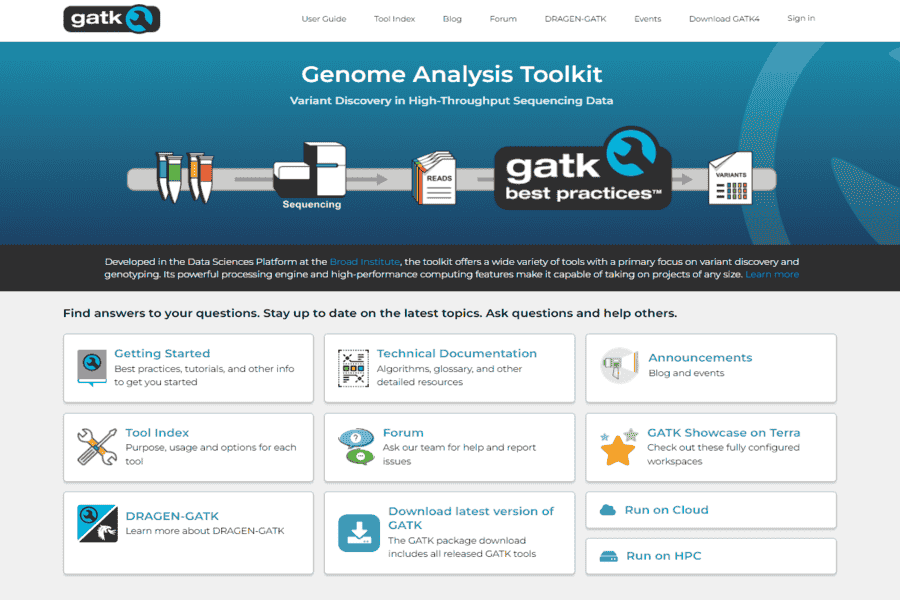
A toolkit developed by the Broad Institute for analyzing high-throughput sequencing data, particularly variant discovery.
Pros:
- Widely used in genomics research
- Supports large datasets
- Advanced tools for variant calling
Cons:
- Steep learning curve
- Computationally intensive
Pricing Package:
Free for academic use; licensing required for commercial use.
Social Media:
- LinkedIn: Broad Institute
- Twitter: @gatk_dev
Contact Information:
- Email id: [email protected]
Bioconductor
An open-source software ecosystem for bioinformatics analysis using the R programming language.
Pros:
- Free and open-source
- Extensive library of packages
- Active community support
Cons:
- Requires R programming knowledge
- Not user-friendly for beginners
Pricing Package:
Free
Social Media:
- Twitter: @Bioconductor
Contact Information:
- Email id: [email protected]
Ensembl Genome Browser
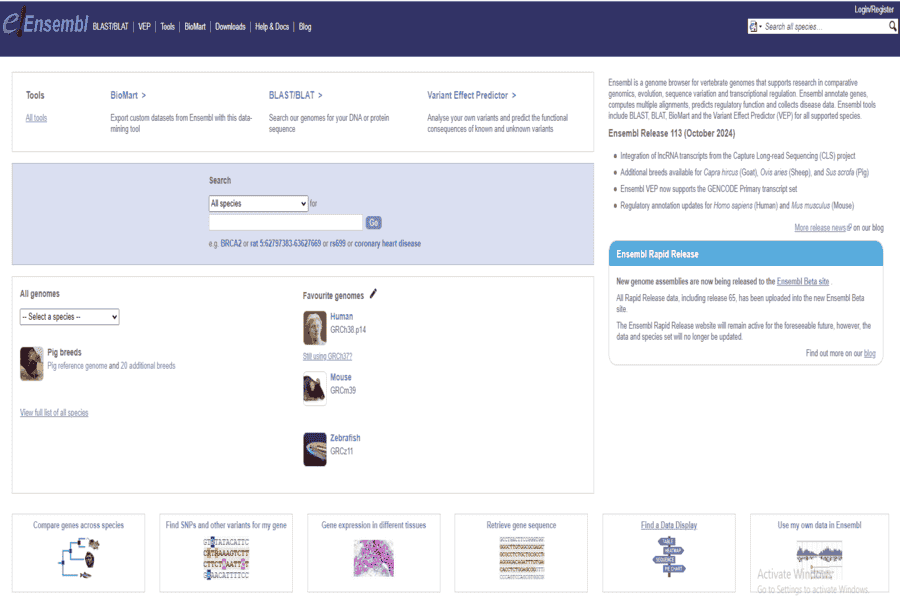
A genome database project offering access to annotation and visualization of genomes.
Pros:
- Free to use
- Interactive genome browsing
- Regular updates
Cons:
- Limited support for non-model organisms
- The high learning curve for advanced queries
Pricing Package:
Free
Social Media:
Contact Information:
- Email id: [email protected]
SnapGene
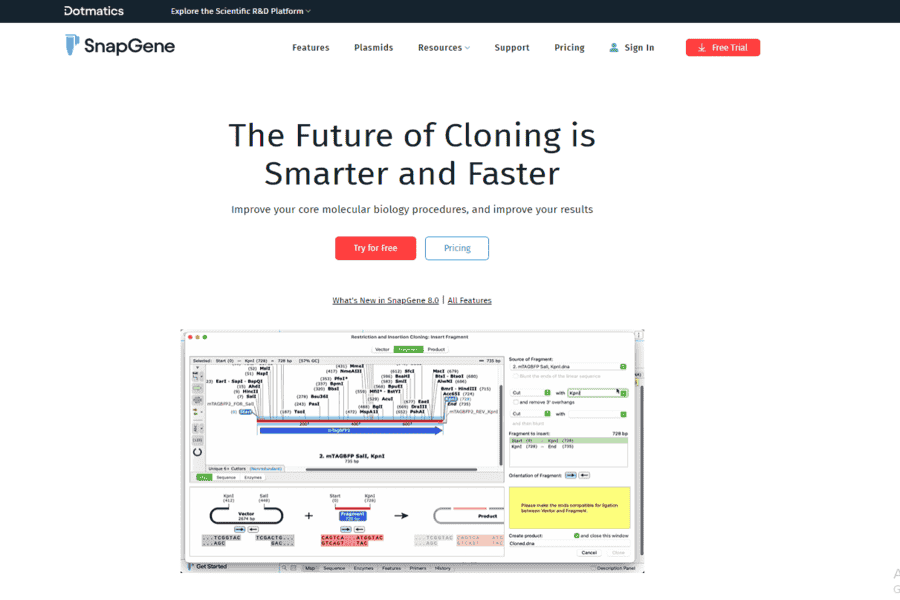
Software designed for planning, visualizing, and simulating molecular biology procedures.
Pros:
- User-friendly interface
- Ideal for cloning workflows
- Supports wide file formats
Cons:
- Expensive
- Limited to specific genomics applications
Pricing Package:
$395/year for a single user.
Social Media:
Contact Information:
- Email id: [email protected]
PLINK
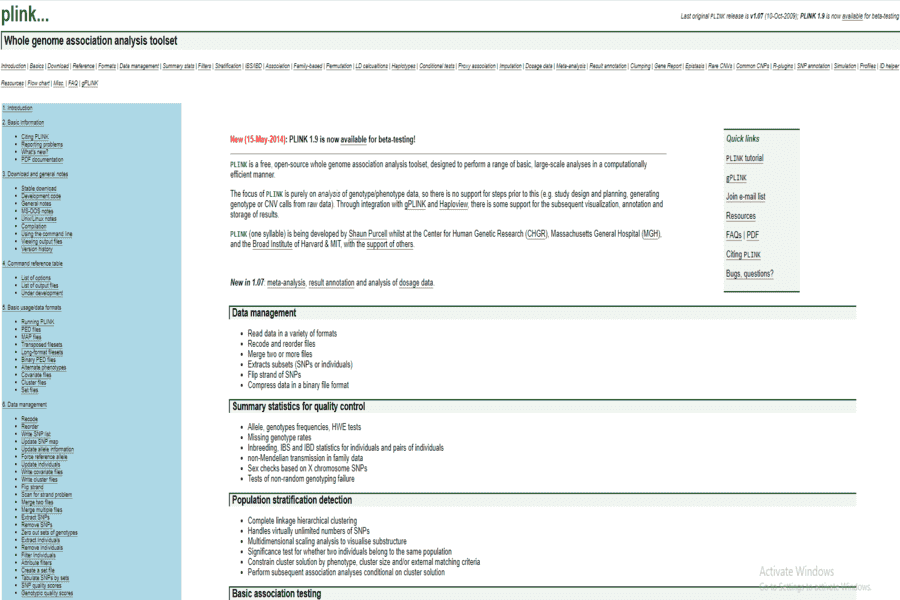
A widely-used toolset for genome-wide association studies (GWAS) and population genetics.
Pros:
- Lightweight software
- Handles large datasets efficiently
- Free to use
Cons:
- Outdated interface
- Requires command-line knowledge
Pricing Package:
Free
Contact Information:
- Email id: [email protected]
Geneious
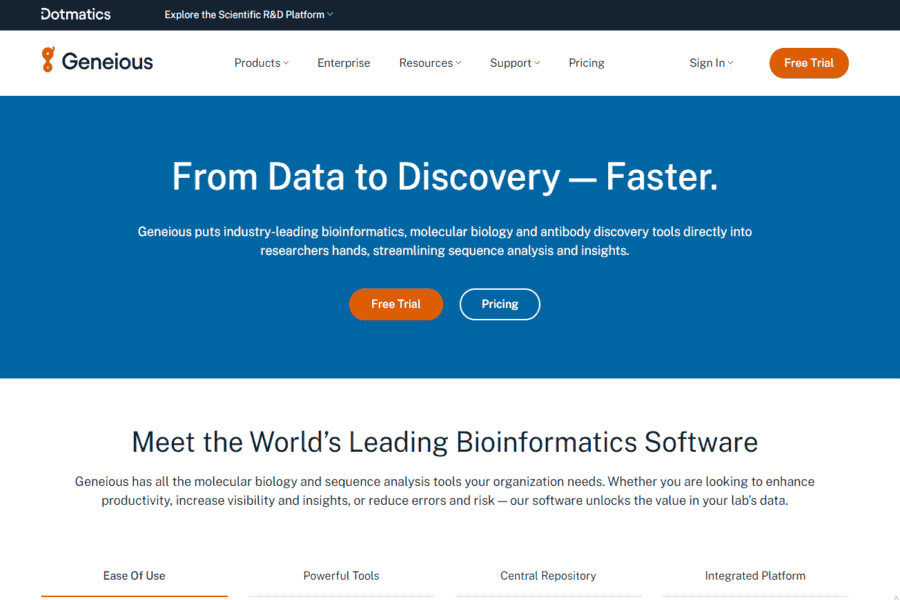
A commercial bioinformatics software platform offering tools for sequence analysis, genome assembly, and annotation.
Pros:
- All-in-one solution
- User-friendly GUI
- Robust sequence analysis features
Cons:
- High subscription cost
- Requires powerful hardware
Pricing Package:
Starts at $1095 per year.
Social Media:
Contact Information:
- Email id: [email protected]
- Contact Number: +64 9 356 4460
VarSeq by Golden Helix
Software for clinical genomic analysis, including variant annotation and interpretation.
Pros:
- Easy integration into clinical workflows
- Supports ACMG guidelines for variant interpretation
- Customizable reports
Cons:
- High cost for small labs
- Requires training to use efficiently
Pricing Package:
Contact for custom pricing.
Social Media:
- Facebook: Golden Helix
- Instagram: @goldenhelix
- LinkedIn: Golden Helix
- Twitter: @GoldenHelix
- YouTube: Golden Helix
Contact Information:
- Email id: [email protected]
- Contact Number: +1 (406) 585-8137
Top Bioinformatics Tools
SAMtools
Suite of tools for manipulating and analyzing SAM/BAM/CRAM sequence alignment files, a standard step in nearly every next-generation sequencing pipeline. Replaces a duplicate BLAST entry already listed above in the genomics section.
Pros:
- Industry-standard tool for a core step in sequencing pipelines.
- Command-line efficiency for very large files.
Cons:
- Command-line only, no graphical interface.
Pricing Package:
Free, open-source.
Clustal Omega
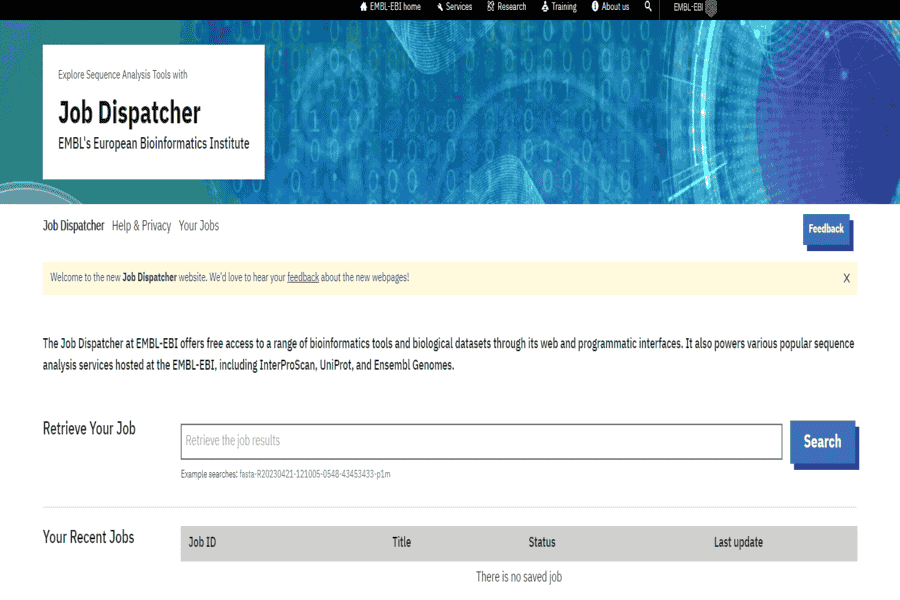
A multiple sequence alignment tool for large-scale comparisons.
Pros:
- High accuracy in sequence alignments.
- Supports a variety of input formats.
Cons:
- It is slower than some alternatives for larger datasets.
- Limited graphical representation.
Pricing Package:
Free.
Social Media:
Contact Information:
- Email ID: [email protected]
IGV (Integrative Genomics Viewer)
Broad Institute’s widely used desktop and web-based genome browser for visualizing sequencing alignments, variants, and other genomic datasets. Replaces a duplicate Geneious entry already listed above in the genomics section.
Pros:
- Free and widely trusted in the research community.
- Handles very large alignment/variant files smoothly.
Cons:
- Visualization-focused, not an analysis or alignment tool itself.
Pricing Package:
Free, open-source.
MEGA (Molecular Evolutionary Genetics Analysis)
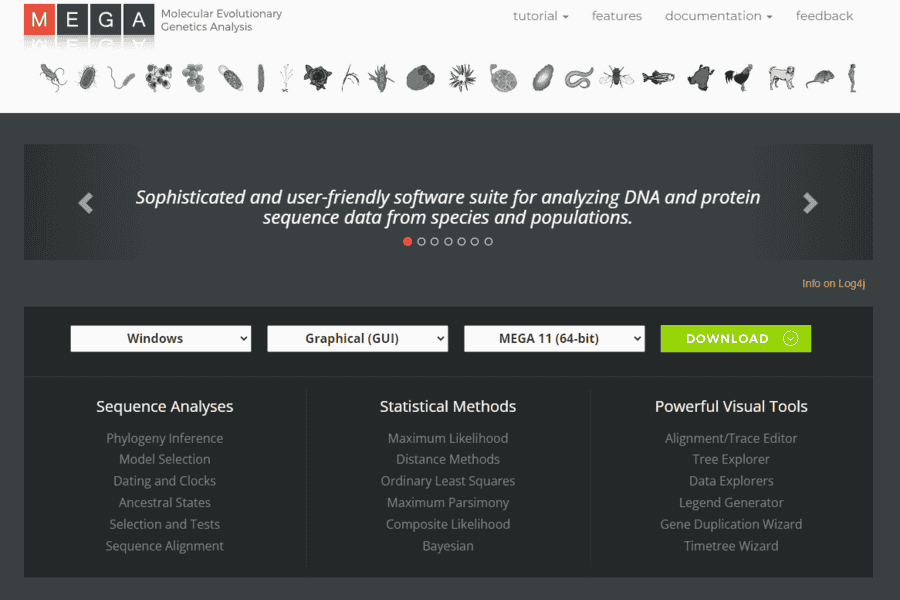
A tool for statistical analysis of molecular evolution and phylogenetics.
Pros:
- Comprehensive tools for phylogenetic analysis.
- Free for academic use.
Cons:
- Limited support for very large datasets.
- Windows-only application.
Pricing Package:
Free for academic use; commercial pricing is available upon request.
Contact Information:
- Email ID: [email protected]
Cytoscape
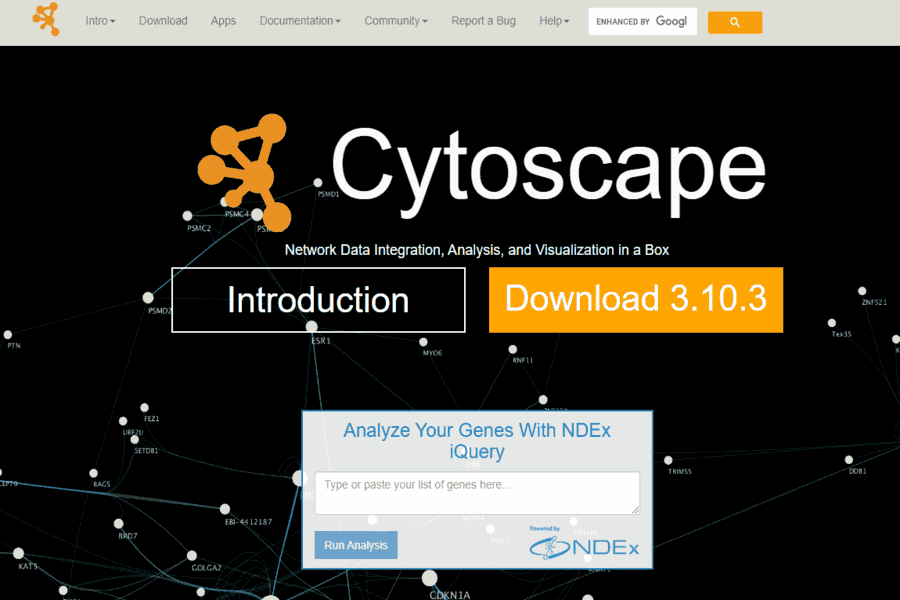
A platform for visualizing molecular interaction networks and integrating them with functional genomics.
Pros:
- Supports a variety of plugins.
- Open-source and customizable.
Cons:
- Steep learning curve for beginners.
- Limited data analysis features.
Pricing Package:
Free.
Social Media:
- LinkedIn: Cytoscape
- Twitter: @Cytoscape
Contact Information:
- Email ID: [email protected]
Galaxy
An open-source, web-based platform for reproducible bioinformatics research.
Pros:
- User-friendly web interface.
- Extensive library of tools and workflows.
Cons:
- Requires hosting for local installation.
- Limited support for extremely large datasets.
Pricing Package:
Free.
Social Media:
- Facebook: Galaxy Project
- LinkedIn: Galaxy Project
- Twitter: @galaxyproject
- YouTube: Galaxy Project
Contact Information:
- Email ID: [email protected]
RStudio
An integrated development environment for R is often used in bioinformatics for statistical analysis and data visualization.
Pros:
- Powerful scripting and visualization capabilities.
- Large community support.
Cons:
- Requires programming expertise in R.
- High memory usage for large datasets.
Pricing Package:
Free and premium versions are available.
Social Media:
Contact Information:
- Email ID: [email protected]
PyMOL
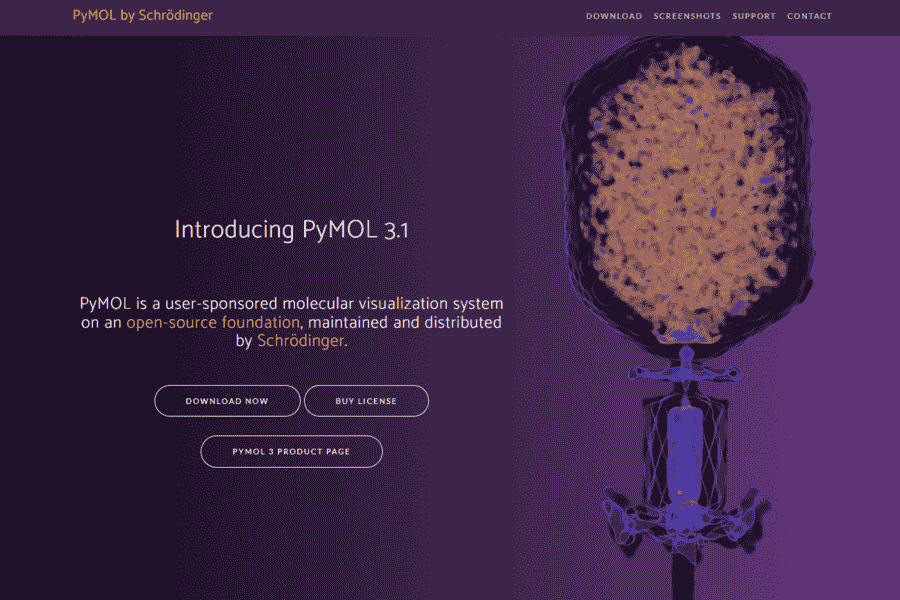
A molecular visualization system for 3D representations of biomolecules.
Pros:
- High-quality visualizations.
- Extensive scripting capabilities.
Cons:
- Requires expertise to use effectively.
- Paid version for advanced features.
Pricing Package:
A free trial is available; licenses start at $99/year.
Contact Information:
- Email ID: [email protected]
Biopython
Widely used Python library providing tools for working with biological sequence data, structures, and file formats, popular for building custom bioinformatics pipelines and scripts.
Pros:
- Python-based, integrates easily with the broader data-science/ML ecosystem.
- Large community and extensive documentation.
Cons:
- Requires programming knowledge, not a GUI tool.
Pricing Package:
Free, open-source.
STRING
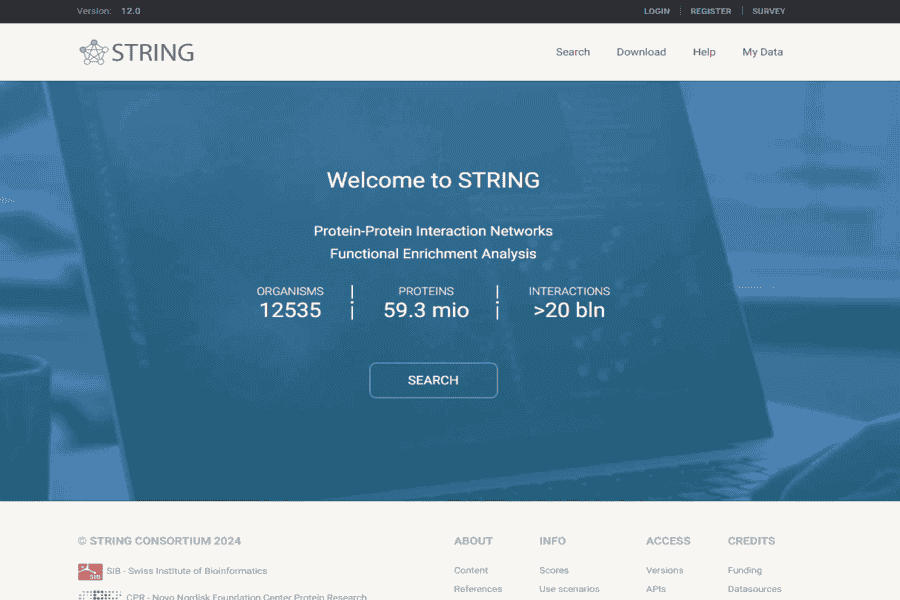
A database for protein-protein interaction networks.
Pros:
- Comprehensive interaction data.
- Easy to use.
Cons:
- Limited analysis capabilities.
- Relies on external tools for further data processing.
Pricing Package:
Free.
Social Media:
- Twitter: @stringdb
Contact Information:
- Email ID: [email protected]
Benefits, Challenges, and Where This Is Headed
AI-assisted genomics and bioinformatics deliver real gains: faster, more accurate analysis of datasets too large for manual review, accelerated research timelines, and better patient outcomes as personalized medicine matures. The field still faces real constraints, though. Data quality and accessibility remain uneven — genomic datasets are large, heterogeneous, and not always well-curated. The computational power required for genome-scale analysis is significant, and ethical considerations around genetic privacy, consent, and how genomic data gets used and shared are far from settled. Looking ahead, expect more advanced AI techniques applied to increasingly large datasets, tighter integration with other technologies (imaging, wearables, electronic health records), and continued work on ethical guidelines and regulation to keep pace with what the technology can now do.
Conclusion
The tools above split into genomics-focused platforms (Illumina BaseSpace, QIAGEN CLC Genomics Workbench, GATK, Ensembl Genome Browser, SnapGene, PLINK, Geneious, VarSeq) and bioinformatics-focused tools for sequence analysis, visualization, and statistics (NCBI BLAST, SAMtools, Clustal Omega, IGV, MEGA, Cytoscape, Galaxy, RStudio, PyMOL, Biopython, STRING), with Bioconductor’s R-based ecosystem serving both. Most working genomics pipelines combine several of these rather than relying on just one — sequencing platforms feed alignment and analysis tools, which feed visualization and statistical packages, with AI increasingly assisting at every stage from raw data to clinical insight.