
Artificial Intelligence (AI) has revolutionized various industries, and education is no exception. AI-powered tutoring systems offer personalized learning experiences tailored to the individual needs of each student. This article explores the concept of AI tutoring, its benefits, challenges, and future trends.
AI-Powered Tutoring Tools can also be used in digital marketing to train sales teams, provide product knowledge to customer support representatives, and conduct onboarding sessions for new employees. By leveraging AI-powered tutoring, organizations can improve employee skills and knowledge, leading to better customer experiences and increased sales.
What is AI Tutoring for Students?
AI tutoring, also known as intelligent tutoring systems (ITS), utilizes artificial intelligence to provide personalized instruction and student feedback. These systems can adapt to a student’s learning pace, identify knowledge gaps, and provide targeted support.
Common Features of AI Tutoring for Students
AI tutoring systems offer a range of features designed to enhance the learning experience:
Personalized Learning:
AI-powered tutors can adapt to each student’s learning style, pace, and preferences. This ensures that the learning experience is tailored to their specific needs.
Adaptive Difficulty:
The system can dynamically adjust the difficulty level of questions and exercises based on the student’s performance. This helps to maintain engagement and prevent frustration.
Immediate Feedback:
Students receive prompt feedback on their answers, allowing them to identify and correct mistakes quickly.
Natural Language Processing:
AI tutors can understand and respond to natural language queries, facilitating effective communication and interaction.
Intelligent Tutoring:
These systems can provide explanations, examples, and guidance, simulating a human tutor’s role.
Real-time Assessment:
AI tutors can continuously assess students’ progress and identify areas needing additional support.
Data-Driven Insights:
AI-powered analytics can provide valuable insights into student performance, helping teachers and parents track progress and identify areas for improvement.
Types of AI Tools for Students
Here are some of the most common types of AI tools that students can use to enhance their learning experience:
AI-Powered Tutoring Systems
Personalized Learning:
These systems adapt to each student’s learning pace and style, providing tailored instruction and feedback.
Intelligent Tutoring:
They can simulate human tutoring, answering questions, explaining concepts, and providing examples.
AI-Enhanced Language Learning Tools
Language Learning Apps:
These apps use AI to personalize language learning experiences, providing interactive exercises and real-time feedback.
Translation Tools:
AI-powered translation tools can help students understand and translate text and speech.
AI-Assisted Writing Tools
Grammar and Style Checkers:
Tools like Grammarly can help students improve their writing by identifying grammar, punctuation, and style errors.
Essay Writing Assistants:
These tools can help students brainstorm ideas, structure their writing, and generate text.
AI-Powered Study Tools
Flashcards and Quiz Apps:
AI-powered flashcards and quiz apps can help students memorize information more effectively.
Note-Taking Apps:
These apps can automatically transcribe lectures and generate summaries.
AI for Creative Tasks
AI Art Generators:
Tools like Midjourney and Stable Diffusion can help students generate creative ideas and visual content.
Music Composition Tools:
AI-powered tools can assist in composing music, generating melodies, and creating harmonies.
Top AI Tools for Students
AI-Powered Tutoring Systems
ProProfs Quiz Maker
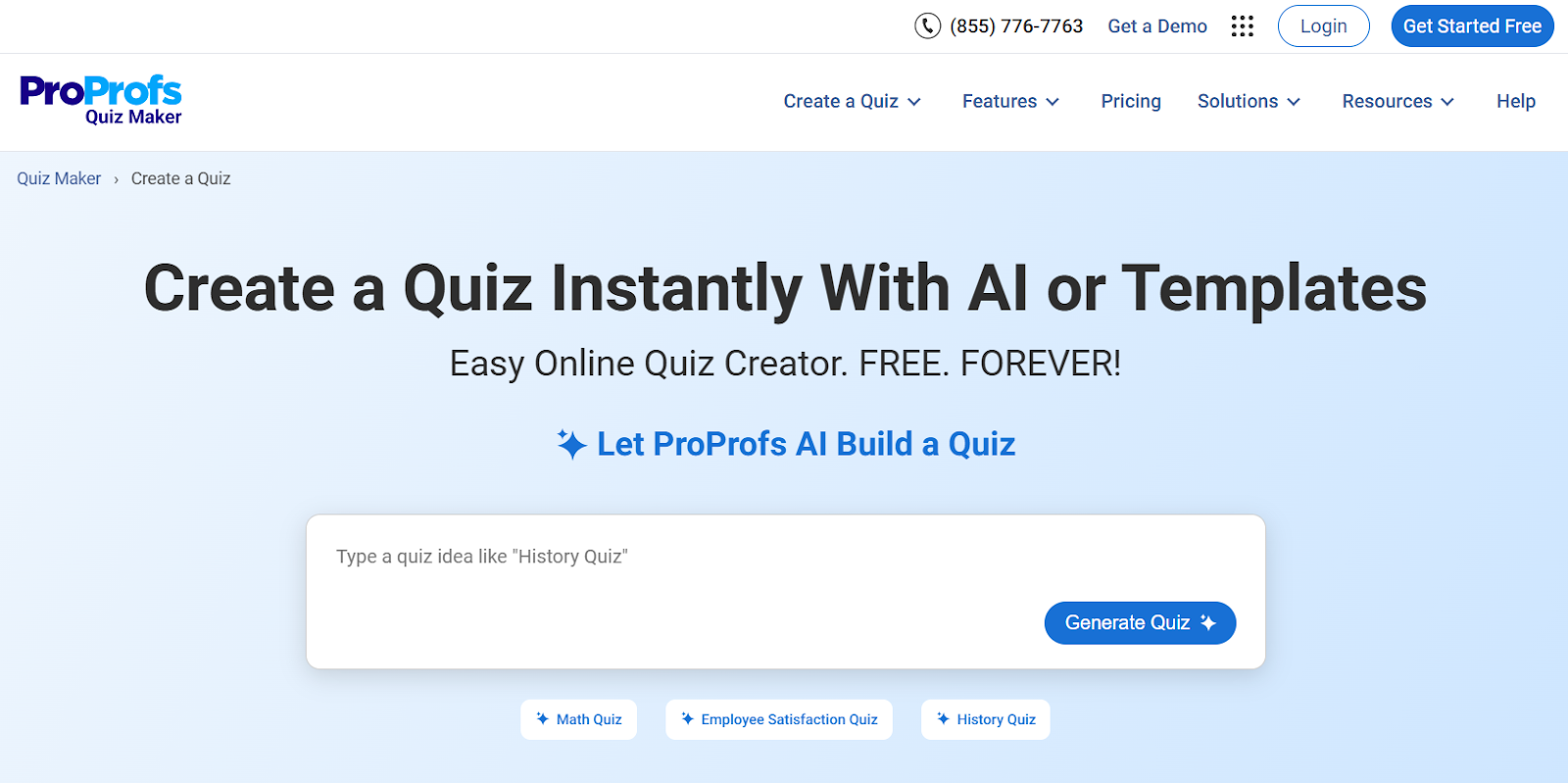
AI-powered quiz creator for effortless assessment and interactive learning.
Pros:
- AI automatically generates quiz questions, answers, and explanations based on your instructions.
- You can also upload a PDF or Word doc file or add a link and convert it into a quiz.
- Offers a massive library of over 1,000,000 ready-made quiz questions
- 20+ interactive question types, including MCQs, matching, fill-in-the-blanks, and more.
- Instant AI-powered feedback and automated grading to boost learning outcomes.
- Includes anti-cheating controls, certificate automation, and detailed performance analytics.
Cons:
- Available only as a cloud-based platform; no downloadable or offline version.
- Currently, it lacks a dark mode or alternative interface themes.
Pricing Package:
Forever free for short quizzes and all essential features like unlimited AI and quizzes, uploads, and question bank. Paid plans start at $19.99/month.
Knewton:
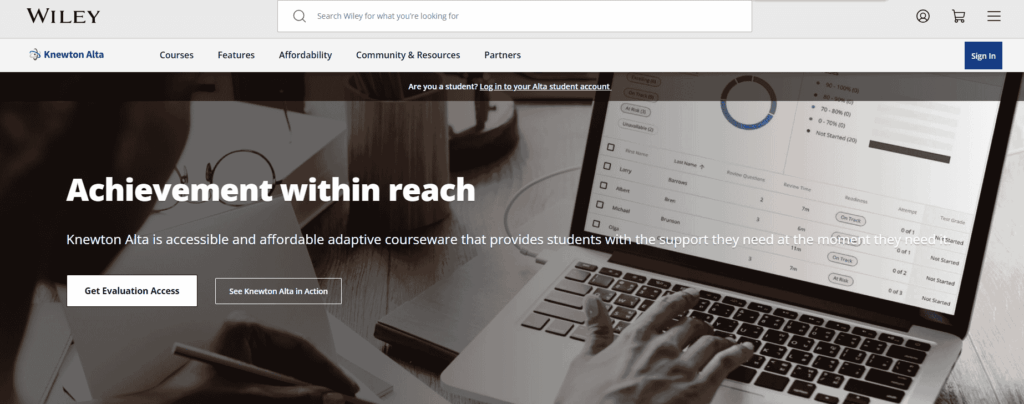
Personalized tutoring and adaptive learning solutions.
Pros:
- Highly personalized learning paths based on individual student needs.
- Adaptive difficulty ensures students are challenged without getting discouraged.
- Offers a wide range of subjects across various grade levels.
Cons:
- Primarily focused on US curriculum standards.
- It can be expensive for individual users.
- Limited human interaction compared to traditional tutoring.
Pricing Package:
Varies depending on the specific offering. It may require contacting Knewton for a quote.
Socratic by Google:

AI-powered tutor for solving questions and explaining concepts.
Pros:
- Free and accessible to anyone with an internet connection.
- Provides step-by-step explanations for solving problems.
- Supports a wide range of subjects across various grade levels.
Cons:
- Limited interactivity compared to other AI tutors.
- It may not be suitable for complex concepts requiring deeper explanation.
- It relies on user-submitted solutions, which might only sometimes be accurate.
Pricing Package:
Free
Aleks:
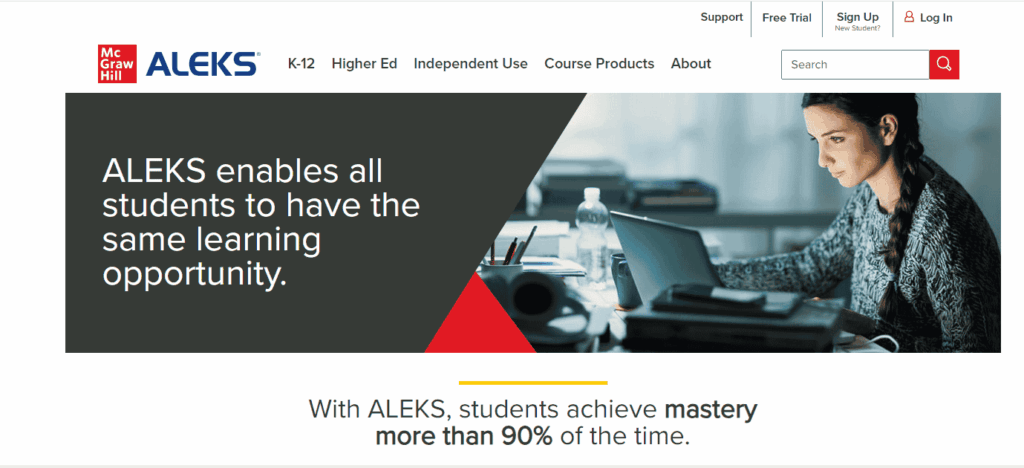
AI-driven assessment and tutoring platform.
Pros:
- Offers in-depth assessments that identify knowledge gaps.
- Provides targeted skill-building activities based on assessment results.
- Strong focus on math and science subjects.
Cons:
- Primarily designed for classroom use, individual subscriptions might be limited.
- The interface could be more user-friendly compared to some competitors.
- It relies heavily on self-directed learning, which may only be ideal for some students.
Pricing Package:
This varies depending on the school or institution’s licensing agreement.
AI tutor for STEM-focused learning.
Querium:

Pros:
- Specializes in STEM-focused learning with interactive simulations and experiments.
- Encourages critical thinking and problem-solving skills.
- Offers personalized feedback and guidance based on student progress.
Cons:
- Limited subject area focus compared to broader AI tutors.
- It may require a higher level of self-motivation from students.
- Pricing information might be limited, so contacting Querium might be necessary.
Pricing Package:
Check the website for current pricing information.
Brainly:
AI-powered community and tutor-assisted learning.
Pros:
- Combines AI-powered learning with a supportive community of students and tutors.
- Offers a variety of learning resources, including explanations, examples, and discussions.
- Free access to a vast amount of user-generated content.
Cons:
- The quality of information might vary depending on the user.
- Limited personalization compared to some AI tutors.
- Requires careful monitoring to avoid exposure to inaccurate or misleading information.
Pricing Package:
Free with premium features available through a subscription.
AI-Enhanced Language Learning Tools
Duolingo:
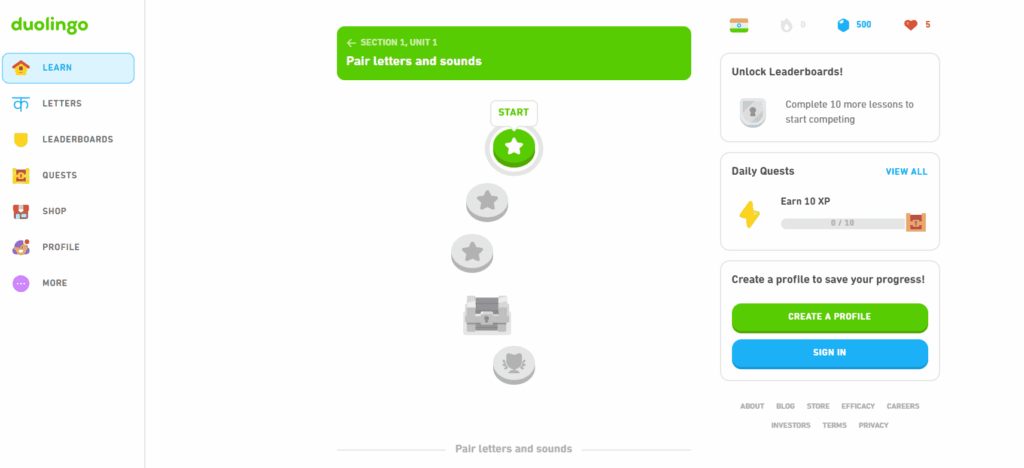
AI-enhanced language lessons and gamified learning.
Pros:
- Free and accessible language learning platform with a gamified approach.
- Offers a variety of engaging activities like lessons, quizzes, and stories.
- Supports a wide range of languages for learners of all levels.
Cons:
- Limited focus on in-depth grammar and conversation practice.
- Repetitive exercises might only be suitable for some learning styles.
- The free version includes advertisements.
Pricing Package:
Free with a premium subscription option for ad-free learning and additional features.
AI-Assisted Writing Tools
Grammarly:
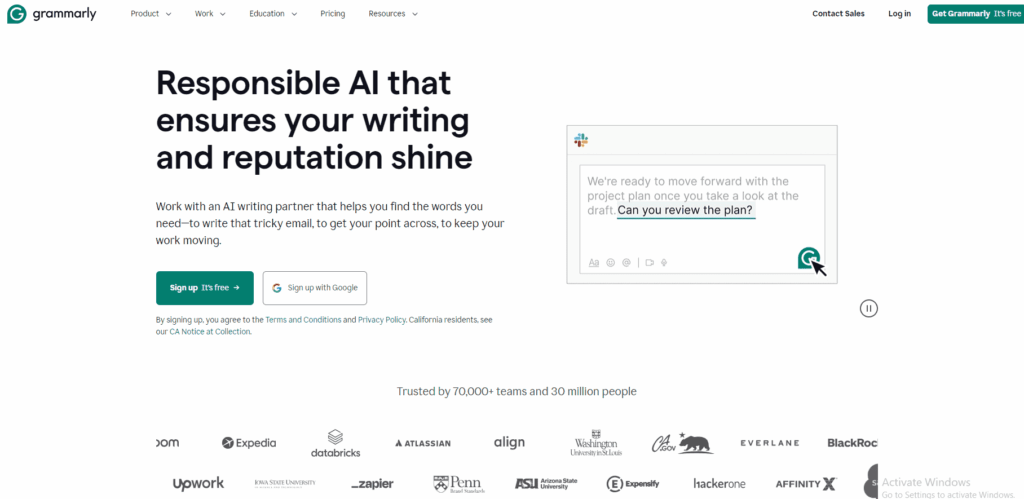
AI for grammar, style, and clarity improvement.
Pros:
- Real-time writing assistance for grammar, punctuation, and style.
- Offers suggestions for clarity, conciseness, and engagement.
- Detects plagiarism and offers suggestions for improvement.
Cons:
- The free version has limited features.
- It relies heavily on AI, which may only sometimes be accurate.
Pricing Package:
Free with premium options for advanced features.
Quillbot:
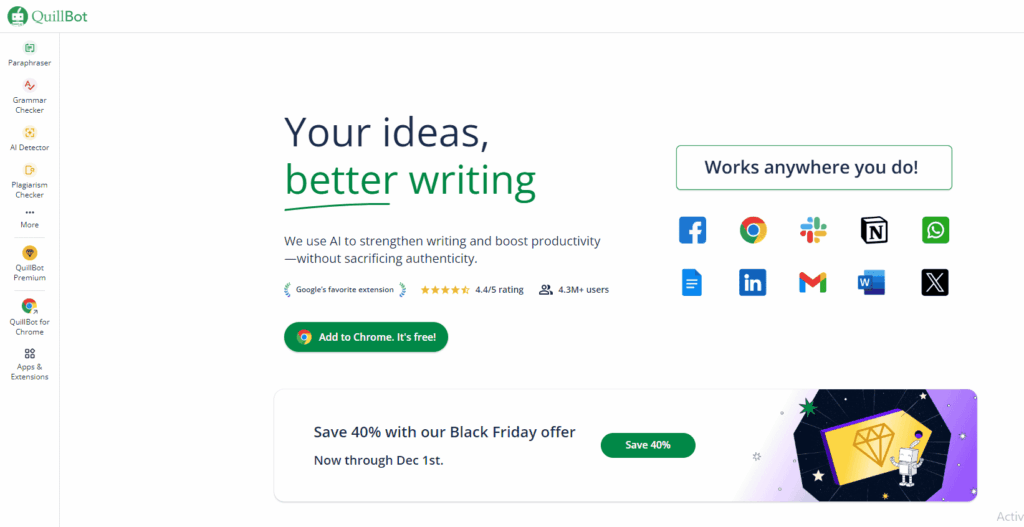
AI for paraphrasing, summarizing, and refining text.
Pros:
- Paraphrase text to improve clarity and avoid plagiarism.
- Summarizes long articles and documents.
- Offers various writing modes to suit different needs.
Cons:
- Overuse of paraphrasing can lead to unnatural or stilted writing.
- AI-generated text may lack originality and depth.
Pricing Package:
Free with premium options for advanced features.
Jasper AI:
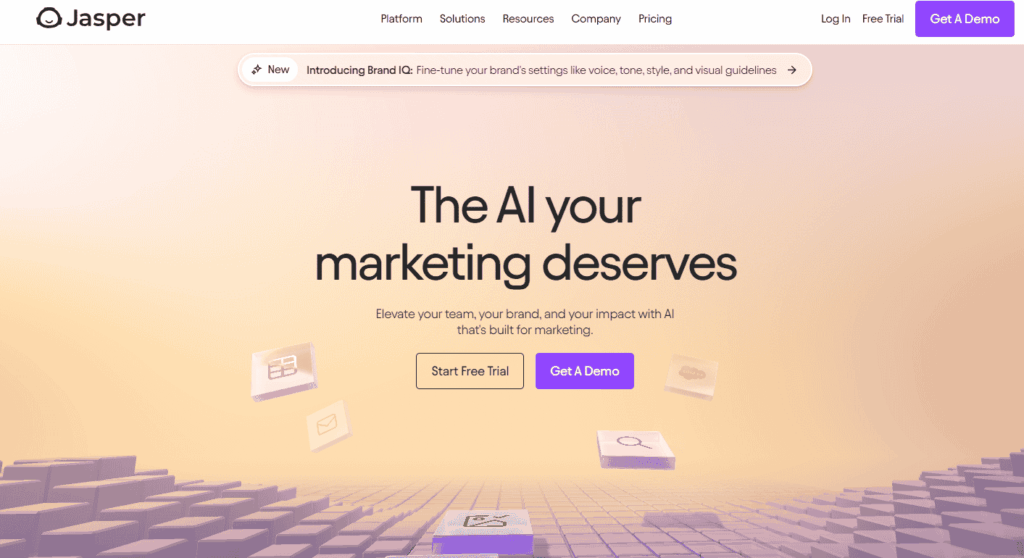
AI-based tool for content and creative writing.
Pros:
- Generates creative text formats like blog posts, social media content, and email copy.
- Offers a variety of writing styles and tones.
- Provides suggestions for improving writing quality.
Cons:
- It can generate repetitive or generic content if not guided properly.
- It relies heavily on AI, which may only sometimes produce human-quality writing.
Pricing Package:
Subscription-based pricing with different plans for individuals and businesses.
Writer.com:
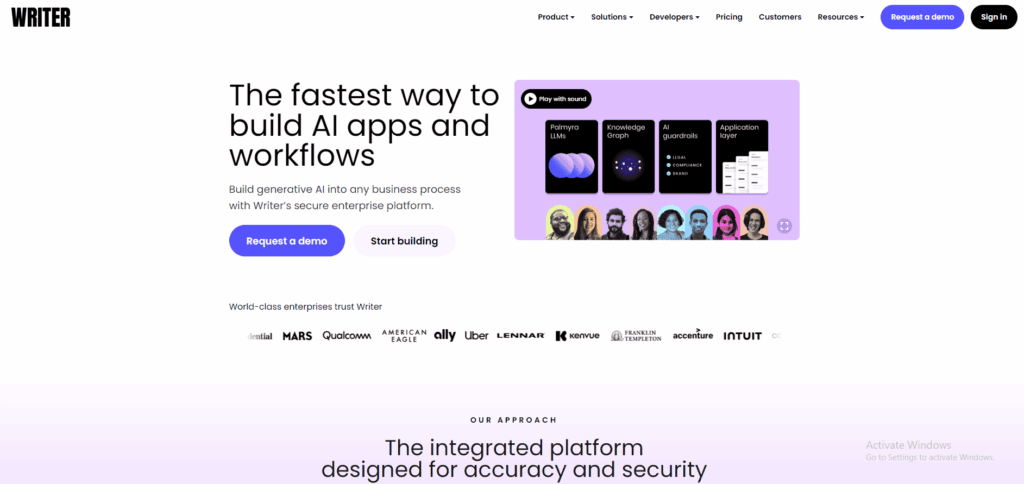
AI is used to improve consistency and brand voice in writing.
Pros:
- Helps maintain brand voice and consistency across different content formats.
- Offers AI-powered writing assistance for various content types.
- Integrates with popular writing tools like Google Docs and Microsoft Word.
Cons:
- It may require some setup and customization to achieve desired results.
- It relies on AI, which may only sometimes be perfect.
Pricing Package:
Subscription-based pricing with different plans for individuals and teams.
Sudowrite:
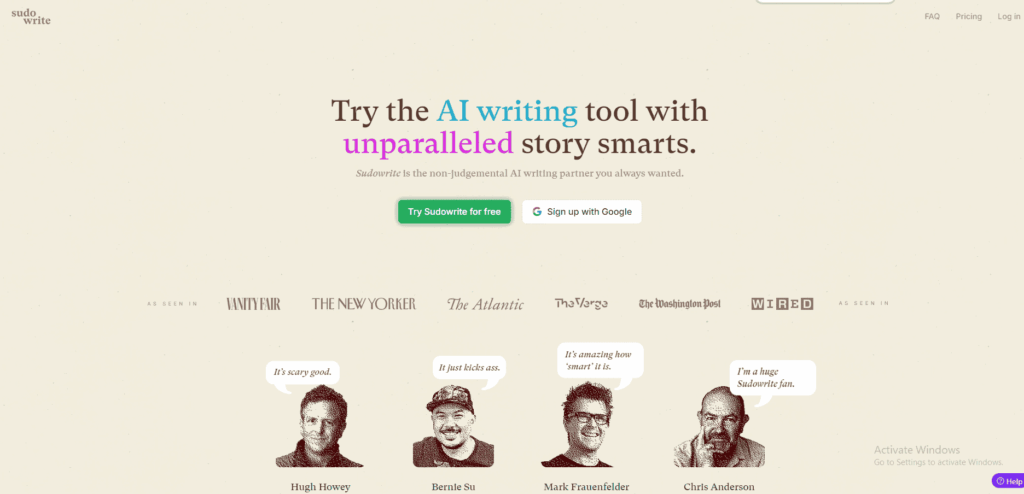
AI for creative writing assistance, especially for fiction.
Pros:
- They are specifically designed for creative writing tasks like fiction and poetry.
- Generates creative text formats like dialogues, character descriptions, and plot ideas.
- Offers a variety of writing styles and genres.
Cons:
- It may require more user guidance and fine-tuning to achieve the desired results.
- It relies heavily on AI, which may only sometimes produce original or unique content.
Pricing Package:
Subscription-based pricing with different plans for individuals and teams.
AI-Powered Study Tools
Quizlet:
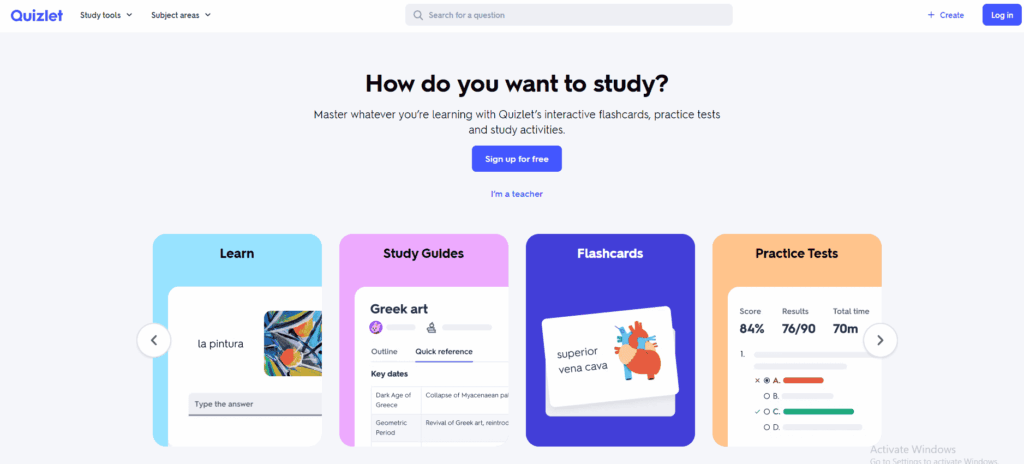
AI-driven flashcards and study modes for learning.
Pros:
- User-friendly interface and gamified learning experiences.
- Offers various study modes, including flashcards, matching games, and quizzes.
- Provides real-time feedback and progress tracking.
Cons:
- It relies heavily on user-generated content, which may only sometimes be accurate or reliable.
- We have limited customization options for creating study materials.
Pricing Package:
Free with premium options for additional features.
Anki:
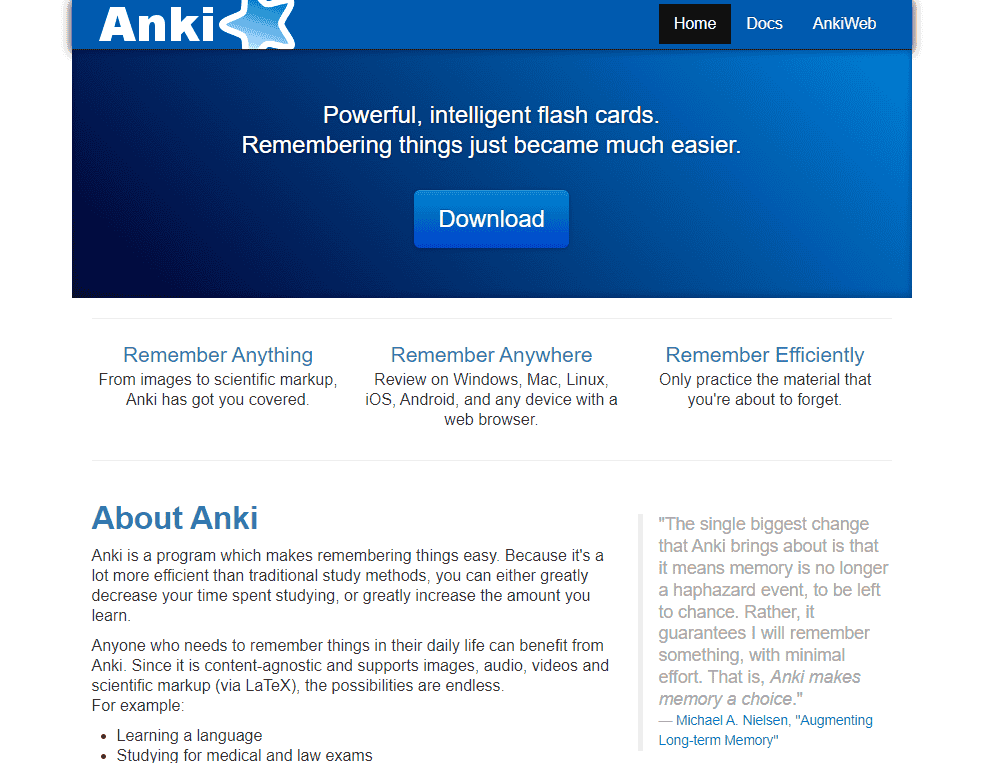
AI-powered spaced repetition for efficient memorization.
Pros:
- Effective spaced repetition system for long-term retention.
- Customizable flashcards and study schedules.
- Available on multiple platforms (desktop, mobile, web).
Cons:
- Requires manual creation of flashcards, which can be time-consuming.
- Steeper learning curve compared to other flashcard apps.
Pricing Package:
Free with premium options for additional features.
EdPuzzle:
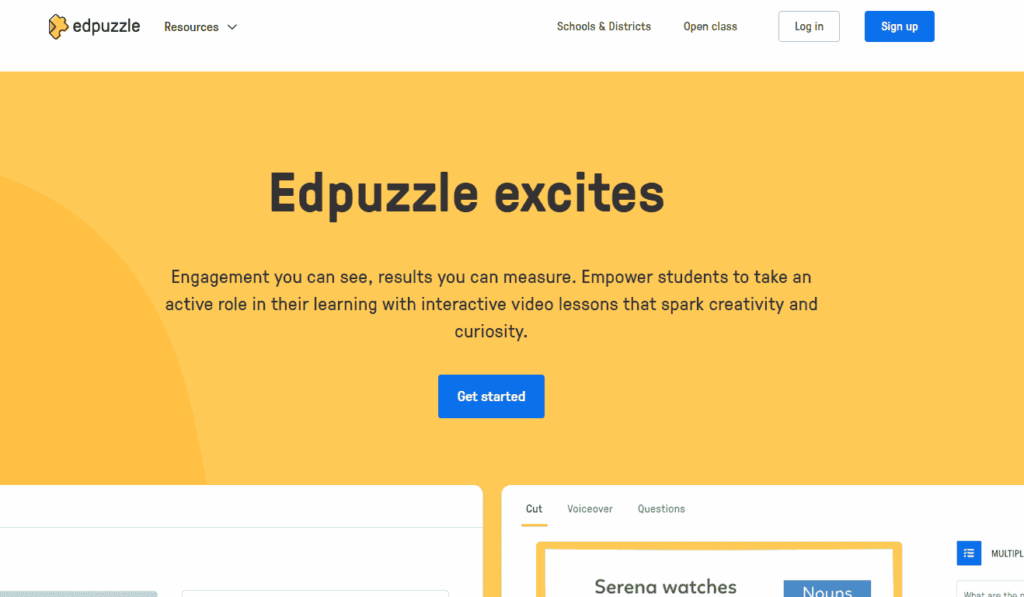
AI-enhanced interactive video lessons.
Pros:
- Interactive video lessons with quizzes and discussion questions.
- Allows teachers to create custom video lessons and track student progress.
- Supports a variety of learning styles, including visual and auditory learners.
Cons:
- It relies on existing video content, which may only sometimes be available or high-quality.
- Creating interactive videos can be time-consuming for teachers.
Pricing Package:
Free for basic features, premium plans are available for schools and districts.
Cram:
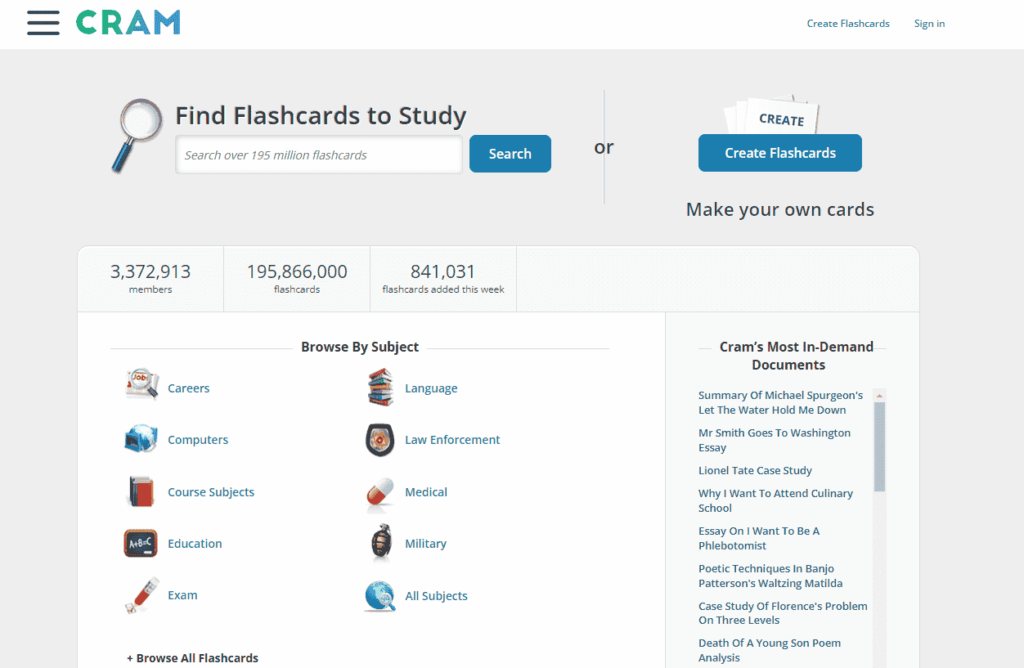
AI-based flashcards and revision tools.
Pros:
- Simple and easy-to-use flashcard app.
- Offers a variety of study modes, including flashcards, quizzes, and games.
- Available on multiple platforms (web, iOS, Android).
Cons:
- Limited customization options compared to other flashcard apps.
- It relies on user-generated content, which may only sometimes be accurate or reliable.
Pricing Package:
Free with premium options for additional features.
Brainscape:

AI-powered adaptive flashcards and study plans.
Pros:
- AI-powered spaced repetition system for efficient learning.
- Offers a wide range of study materials, including flashcards, quizzes, and articles.
- Provides personalized learning plans based on individual progress.
Cons:
- We have limited customization options for creating study materials.
- Relies heavily on user-generated content.
Pricing Package:
Free with premium options for additional features.
AI for Creative Tasks
Runway ML:
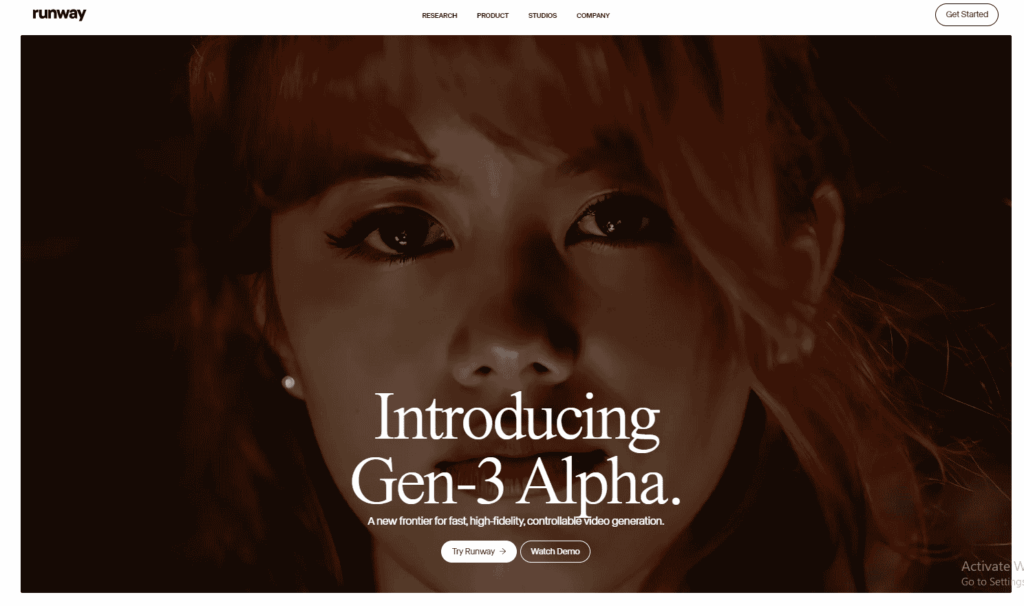
AI-powered tool for video editing and creative design.
Pros:
- Powerful AI-powered tools for video editing and creative design.
- Offers features like video generation, style transfer, and object tracking.
- User-friendly interface and easy to learn.
Cons:
- Requires some technical knowledge to use effectively.
- It can be computationally intensive, especially for complex tasks.
Pricing Package:
Subscription-based pricing with different tiers for individuals and businesses.
DALL E:
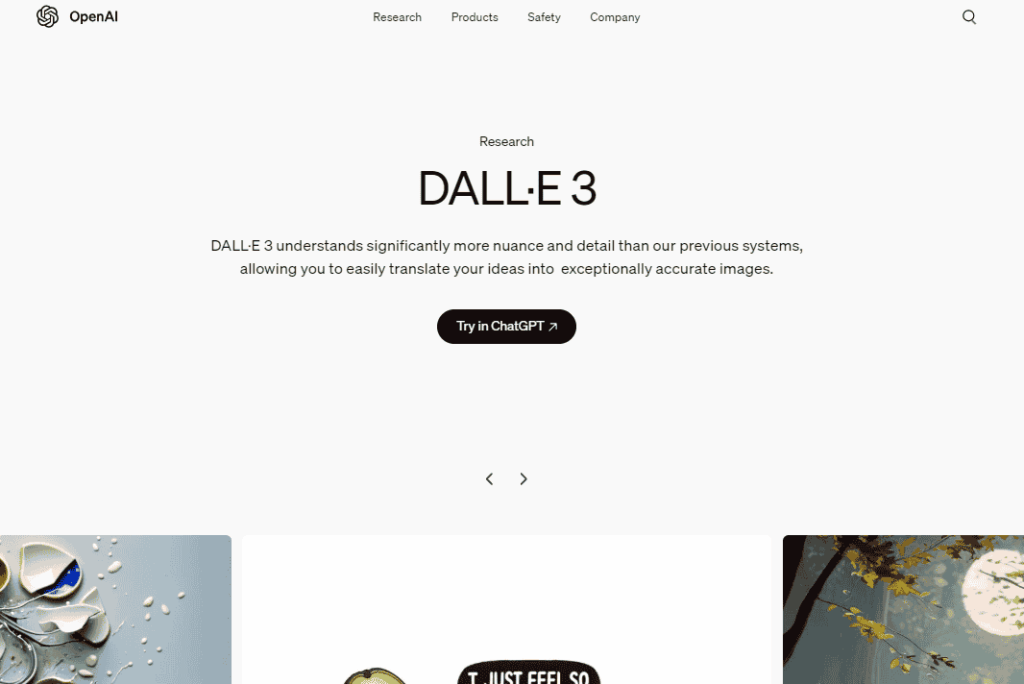
AI for generating images from text prompts.
Pros:
- Generates realistic images from text descriptions.
- Can create unique and creative images.
- Useful for artists, designers, and writers.
Cons:
- It can sometimes generate images that are different from what was intended.
- Requires careful, prompt engineering to get the desired results.
Pricing Package:
Currently in beta testing with limited access.
Artbreeder:
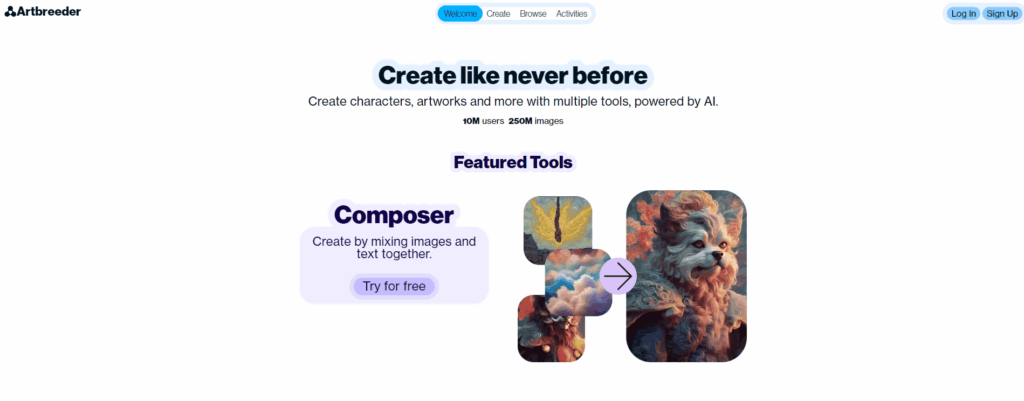
AI for creating and evolving digital art.
Pros:
- Allows users to create and evolve digital art using AI algorithms.
- Offers a variety of art styles and techniques.
- It can be used to generate new ideas and inspiration.
Cons:
- Requires some experimentation and understanding of AI algorithms.
- Generating high-quality images can be time-consuming.
Pricing Package:
Free with premium options for additional features.
Lumen5:
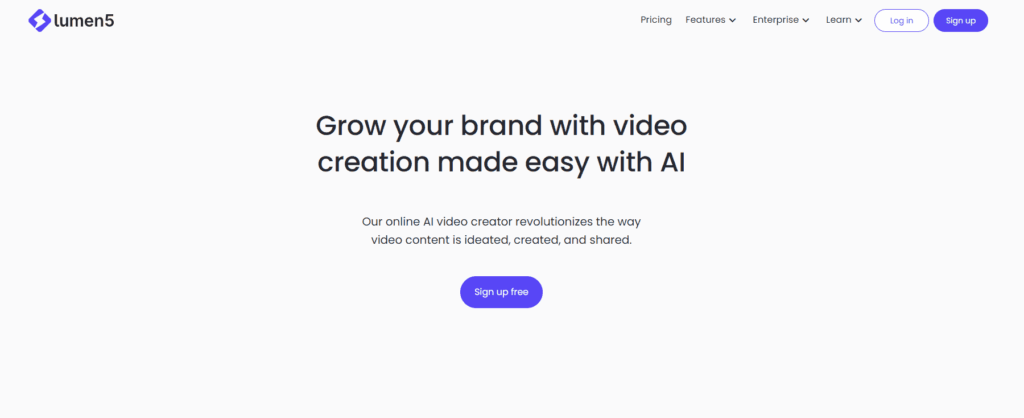
AI for creating professional videos from text.
Pros:
- Easy-to-use video creation tool that uses AI to generate videos from text.
- Offers a variety of templates and customization options.
- It is ideal for creating explainer videos, social media content, and presentations.
Cons:
- It may not be suitable for highly complex or creative video projects.
- It relies heavily on AI, which may limit customization and control.
Pricing Package:
Free with premium options for additional features.
AIVA:
AI for composing original music.
Pros:
- Composes original music in various styles and genres.
- It can create background music for videos, games, and presentations.
- Offers a variety of customization options.
Cons:
- It may not be as creative or nuanced as human composers.
- It relies on AI algorithms, which may limit the range of musical styles.
Pricing Package:
Subscription-based pricing with different plans for individuals and businesses.
AI Tools for Time Management and Productivity
Notion AI:
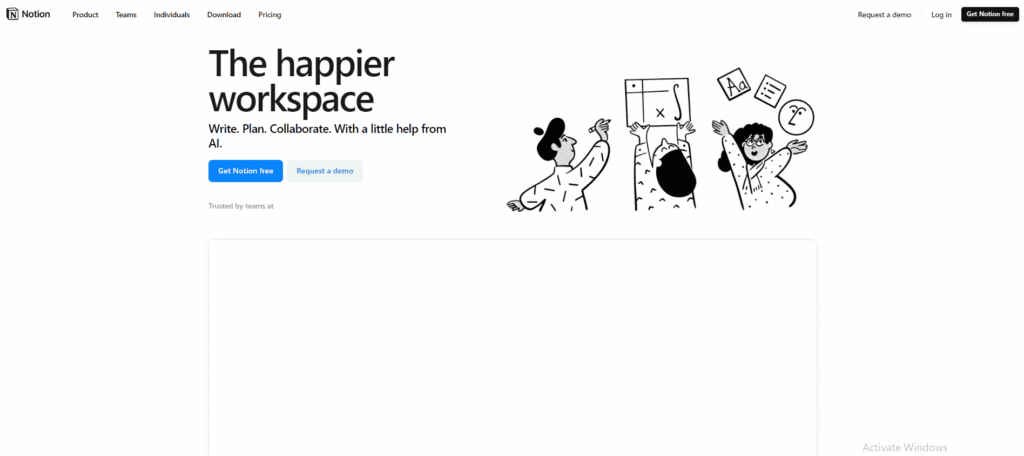
AI-powered organization and productivity tool.
Pros:
- A versatile tool for note-taking, task management, and knowledge-base building.
- AI-powered writing assists in generating ideas and creating content.
- Customizable templates and workflows to suit individual needs.
Cons:
- It can be overwhelming for new users with many features.
- It relies heavily on AI, which may only sometimes be accurate.
Pricing Package:
Free with premium options for advanced features.
Clockify:
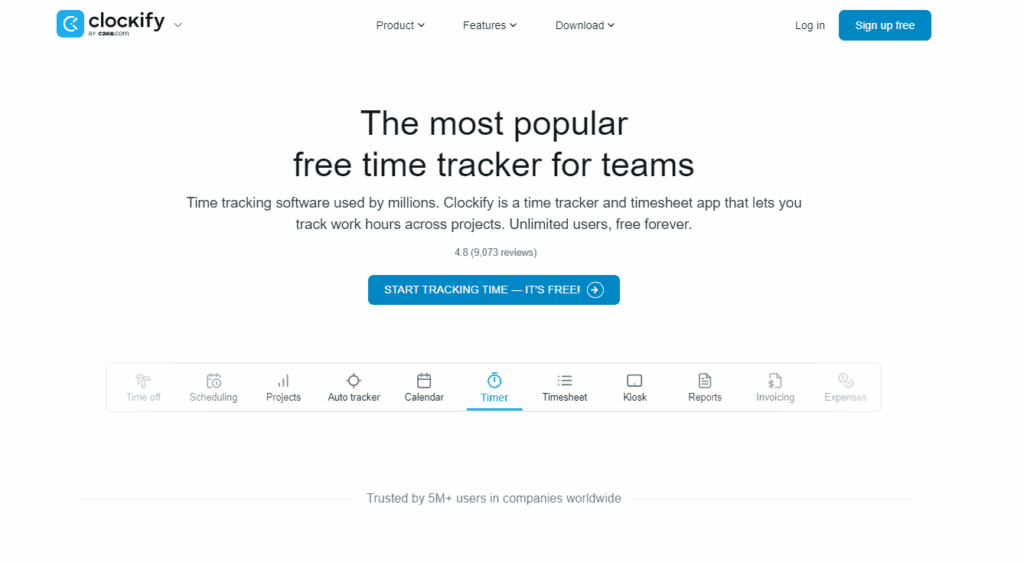
Time tracking with AI-based analysis for productivity.
Pros:
- We tracked accurate time with automatic time entries and idle time detection.
- Generates detailed reports to analyze productivity and identify time-wasting activities.
- Integrates with popular project management tools.
Cons:
- It may require manual time entry for specific tasks.
- The free version has limited features and storage.
Pricing Package:
Free with premium options for advanced features and unlimited users.
Focus@Will:

AI-driven focus and productivity music.
Pros:
- AI-curated music tracks to improve focus and productivity.
- Customizable music preferences based on mood and task.
- Offers a variety of background sounds and ambient noise options.
Cons:
- Subscription-based model.
- It may only be suitable for some people’s preferences.
Pricing Package:
Subscription-based with different plans for individuals and teams.
My Study Life:
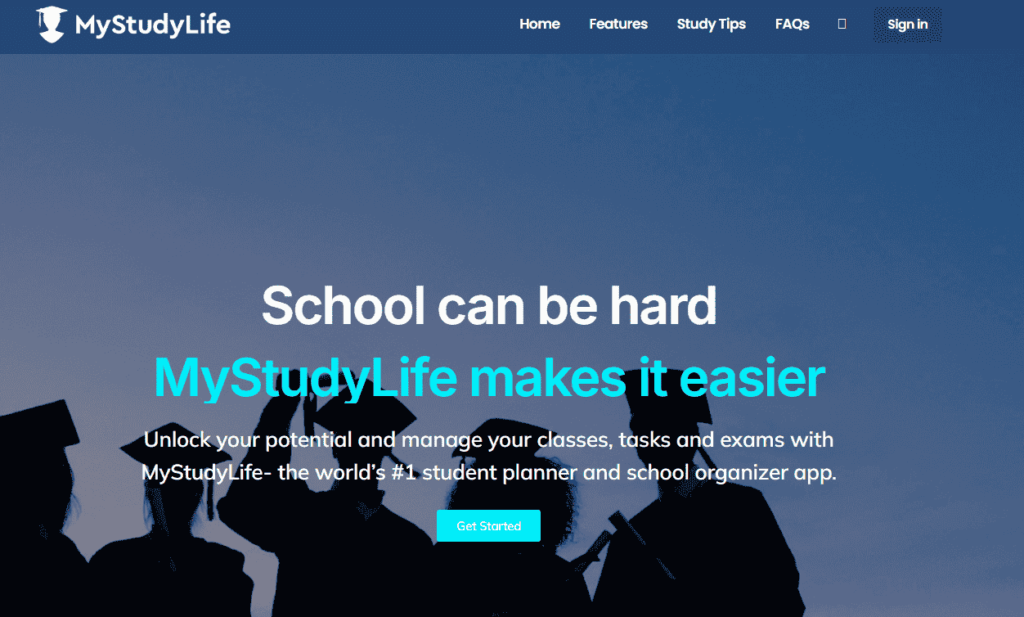
AI-assisted planner for students to organize schedules and tasks.
Pros:
- AI-powered scheduling and time management tool for students.
- It helps create personalized study plans and track progress.
- Integrates with other productivity tools like Google Calendar.
Cons:
- It focuses primarily on academic planning and may only suit some users.
- It relies on accurate input from the user to generate effective schedules.
Pricing Package:
Free with premium options for additional features.
Motion:
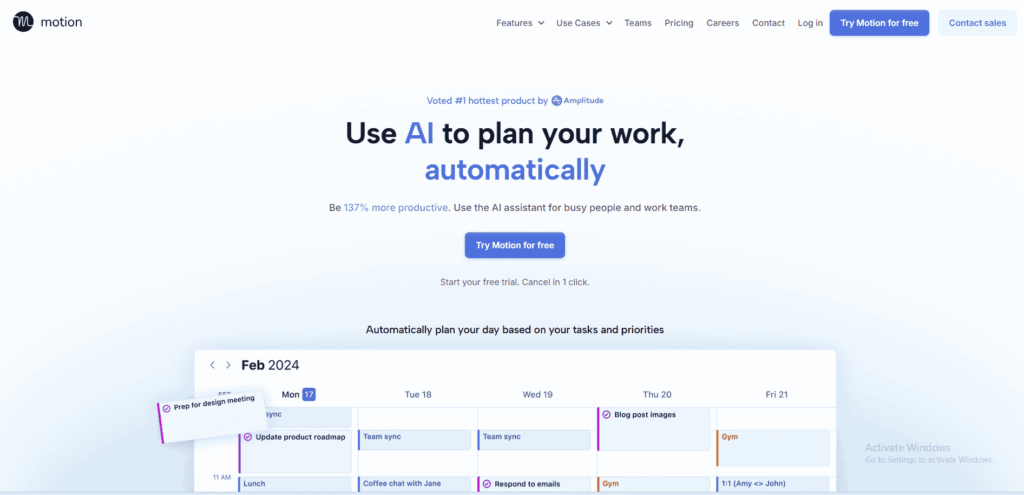
AI-powered scheduling and task prioritization.
Pros:
- AI-driven task prioritization and scheduling.
- It helps break down large tasks into smaller, actionable steps.
- Integrates with popular productivity tools like Google Calendar and Slack.
Cons:
- It can be complex for new users to set up and configure.
- It relies heavily on AI, which may only sometimes be accurate.
Pricing Package:
Subscription-based pricing with different plans for individuals and teams.
AI for Research and Note-Taking
Zotero:
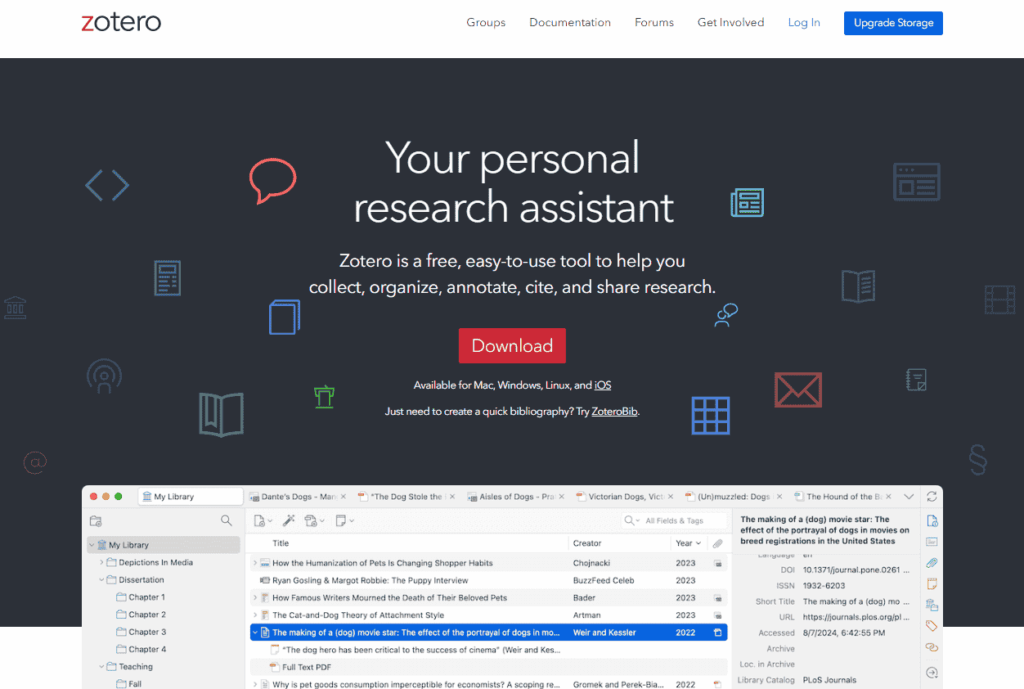
AI-powered tool for managing research sources and citations.
Pros:
- Powerful reference management tool with AI-powered features.
- Automatically generates citations and bibliographies.
- Integrates with popular web browsers and PDF readers.
Cons:
- It can be complex for beginners to set up and use.
- Requires manual data entry for some sources.
Pricing Package:
Free with premium options for additional features.
Mendeley:
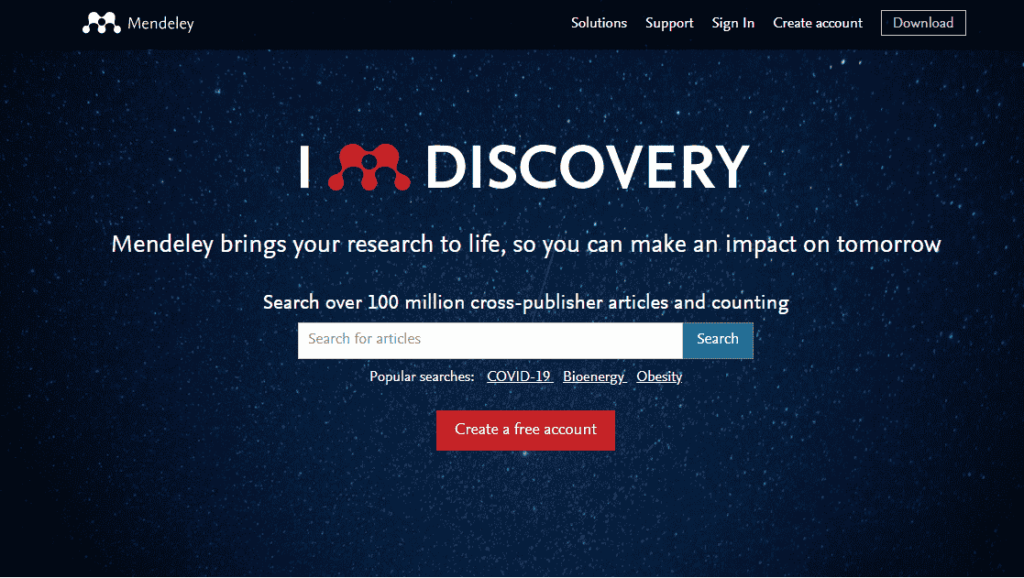
AI-based reference manager for research.
Pros:
- Comprehensive research management tool with AI-powered features.
- Offers PDF annotation and note-taking capabilities.
- Integrates with popular word processors and citation managers.
Cons:
- It can be resource-intensive and slow to load large libraries.
- Requires some technical knowledge to set up and configure.
Pricing Package:
Free with premium options for additional features.
Perplexity AI:
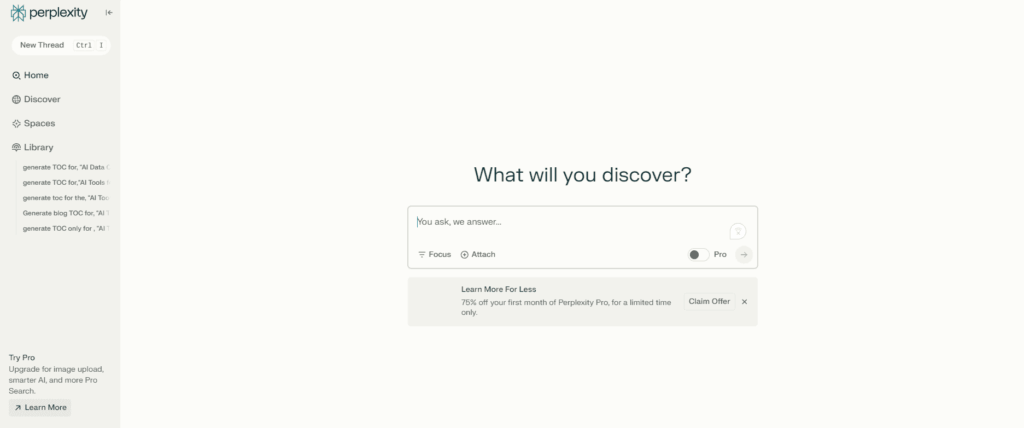
AI-powered search assistant for deeper research insights.
Pros:
- An AI-powered search engine that provides comprehensive and informative answers to queries.
- Can generate summaries of complex topics and suggest relevant sources.
- Offers a conversational interface for natural language interactions.
Cons:
- Relies on the quality and accuracy of the information available on the web.
- It may not be suitable for highly specialized or technical queries.
Pricing Package:
Free with premium options for advanced features.
Evernote:
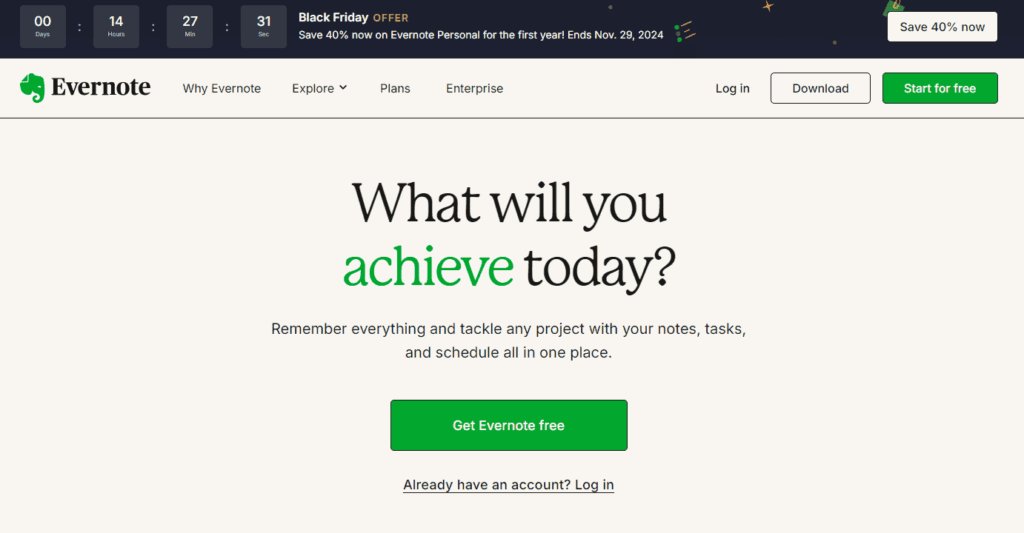
AI-driven note-taking and organization tool.
Pros:
- Versatile note-taking and organization tool with AI-powered features.
- Offers powerful search capabilities and automatic tagging.
- Integrates with other productivity tools and devices.
Cons:
- It can be overwhelming for users with many notes and notebooks.
- The free version has limited storage and features.
Pricing Package:
Free with premium options for additional features and storage.
Readwise:
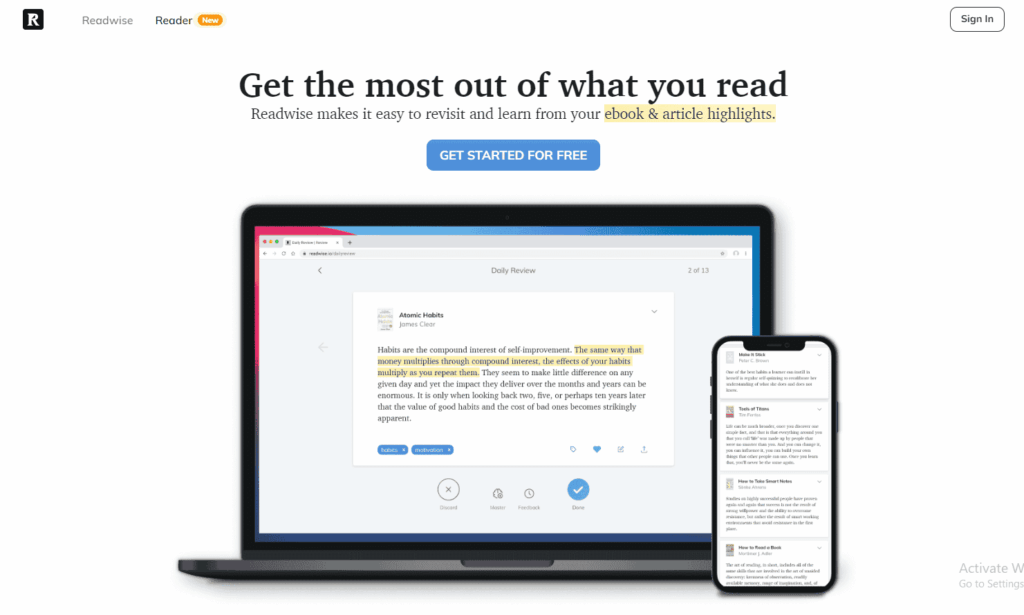
AI for organizing and recalling research highlights.
Pros:
- Highlights key points and generates summaries of text.
- A spaced repetition system is used to review and retain information.
- Integrates with popular reading apps and devices.
Cons:
- Relies on the quality of the input text.
- It may only be suitable for some types of reading material.
Pricing Package:
Subscription-based pricing with different plans for individuals and teams.
AI for Exam Preparation
UWorld:

AI-powered question banks and explanations for exams.
Pros:
- Comprehensive question banks with detailed explanations.
- Adaptive testing to target specific areas of weakness.
- Performance tracking and progress reports.
Cons:
- Primarily focused on medical and nursing exams.
- It can be expensive for individual users.
Pricing Package:
Subscription-based, with varying costs depending on the exam and features.
ExamSoft:
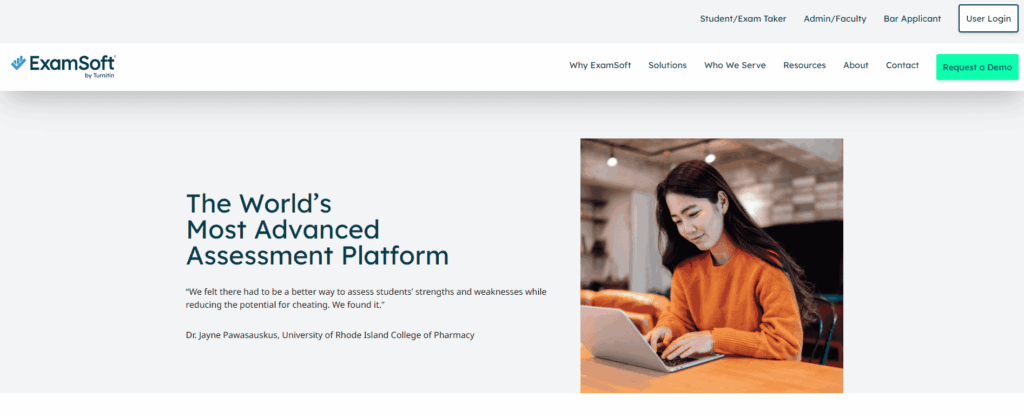
AI-enhanced exam preparation and performance tracking.
Pros:
- Secure online exam delivery and proctoring.
- Real-time performance analytics and insights.
- Customizable exam templates and question banks.
Cons:
- Primarily used by educational institutions.
- Limited to specific exam formats and platforms.
Pricing Package:
Licensing fees for educational institutions.
PrepScholar:

AI-driven prep courses for standardized tests.
Pros:
- Personalized study plans based on individual strengths and weaknesses.
- Expert-created practice tests and drills.
- Comprehensive study guides and video lessons.
Cons:
- Focuses primarily on standardized tests like the SAT and ACT.
- It can be expensive for individual users.
Pricing Package:
Subscription-based, with varying costs depending on the exam and features.
CrackSAT:
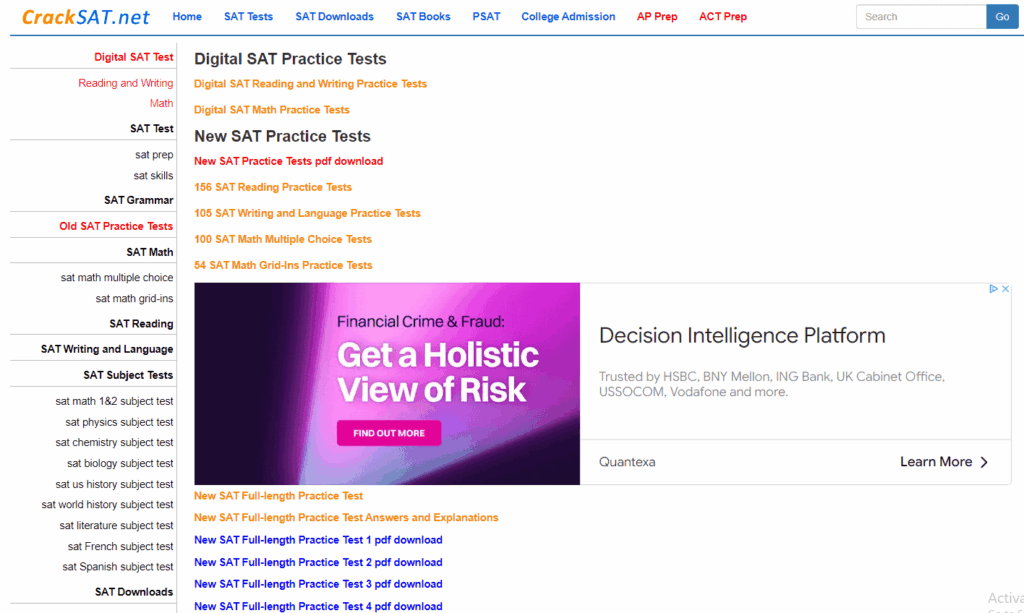
AI-based practice for SAT and similar exams.
Pros:
- Extensive practice tests and drills for the SAT.
- Detailed explanations and strategies for each question.
- Adaptive learning algorithms to personalize the study experience.
Cons:
- Focused solely on the SAT exam.
- It may only be suitable for some learning styles.
Pricing Package:
Varies depending on the specific course and features.
Magoosh:
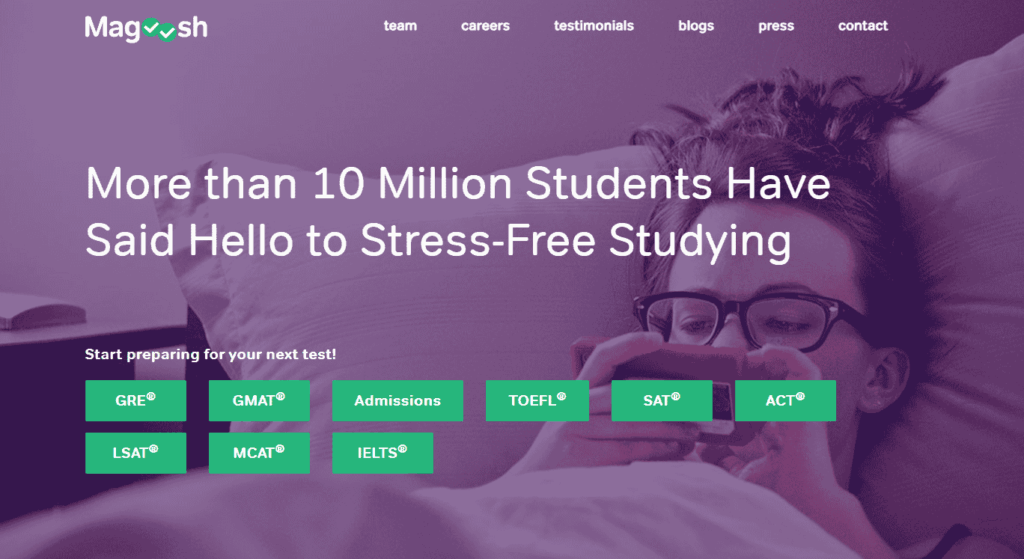
AI tools for GRE, GMAT, and other exam prep.
Pros:
- Comprehensive test prep for GRE, GMAT, LSAT, and other standardized tests.
- Expert-led video lessons and practice questions.
- Adaptive learning algorithms to personalize the study experience.
Cons:
- It can be expensive for individual users.
- It relies heavily on video content, which may only suit some learners.
Pricing Package:
Subscription-based, with varying costs depending on the exam and features.
Benefits of AI Tutoring for Students
AI tutoring has the potential to revolutionize the way students learn. Here are some key benefits:
Personalized Learning
Tailored Instruction:
AI tutors can adapt to each student’s unique learning style and pace, ensuring that instruction is relevant and effective.
Targeted Practice:
The system can identify specific areas where a student needs more practice and provide targeted exercises.
Increased Engagement
Interactive Learning:
AI-powered tutors can make learning more engaging through interactive quizzes, games, and simulations.
Immediate Feedback:
Students receive instant feedback on their work, helping them to learn from their mistakes and improve their performance.
Improved Learning Outcomes
Enhanced Understanding:
AI tutors can break down complex concepts into simpler terms and provide clear explanations.
Improved Problem-Solving Skills:
Students can develop critical thinking and problem-solving skills by practicing with AI tutors.
Increased Confidence:
Positive reinforcement and immediate feedback can boost student confidence.
Accessibility
24/7 Availability:
AI tutors are available around the clock, allowing students to learn at their own pace.
Remote Learning:
AI-powered tutoring can be accessed remotely, making it ideal for distance learning and flexible schedules.
Reduced Learning Anxiety:
AI tutors provide a non-judgmental learning environment, reducing anxiety and stress.
Challenges of AI Tutoring for Students
While AI tutoring offers numerous benefits, there are also some challenges to consider:
Technical Limitations:
- AI systems may need help understanding complex queries or providing nuanced explanations.
- They may need to gain the ability to adapt to unexpected situations or questions.
Ethical Considerations:
- Privacy concerns related to the collection and use of student data.
- There is potential for bias in AI algorithms, which could lead to unfair treatment of certain groups of students.
Cost:
- High-quality AI tutoring systems can be expensive, limiting access for many students.
- Ongoing maintenance and updates can also add to the cost.
Future Trends of AI Tutoring for Students
The future of AI tutoring holds immense potential. Here are some key trends to watch:
Advanced Natural Language Processing:
AI tutors will become increasingly sophisticated in understanding and responding to complex queries, allowing for more nuanced and personalized interactions.
Virtual and Augmented Reality:
Immersive learning experiences will transport students to virtual classrooms and simulations, making learning more engaging and effective.
Social and Emotional Learning:
AI-powered tools can help students develop essential social and emotional skills like empathy, communication, and self-awareness.
Personalized Learning Paths:
AI can analyze individual student data to create customized learning paths, ensuring each student receives the support they need to succeed.
AI-Powered Writing Assistants:
AI tools can assist students with writing tasks, such as essay writing, report writing, and creative writing.
AI-Enhanced Gamification:
AI can create engaging and interactive learning experiences, making learning fun and motivating.
Conclusion
AI tutoring offers significant potential to revolutionize education. By addressing the unique needs of each student, AI-powered systems can enhance learning experiences and improve educational outcomes. We expect to see even more innovative and effective AI tutoring solutions as AI technology advances.