AI-powered stock market prediction analyzes vast amounts of market data, news, and sentiment to identify patterns human analysts might miss — but “prediction” here means probability and pattern-matching, not certainty; no tool eliminates market risk. This guide covers what these platforms actually do, why traders use them, and the 10 tools worth knowing, from full trading platforms to specialized analytics.
Benefits and Why Traders Use These Tools
The real value: processing more data, faster, and with less human bias than manual analysis allows, updated in real time rather than on a daily or weekly review cycle. Automated trading executes on signals faster than a human could react, and risk management features help size positions and set stops more consistently than gut instinct alone. None of this removes the fundamental uncertainty of markets — it changes how much data-driven signal a trader can process before making a decision, and gives active traders a real edge in speed and consistency over competitors relying on manual analysis alone.
Top AI-Powered Stock Market Prediction Tools
Trade Ideas
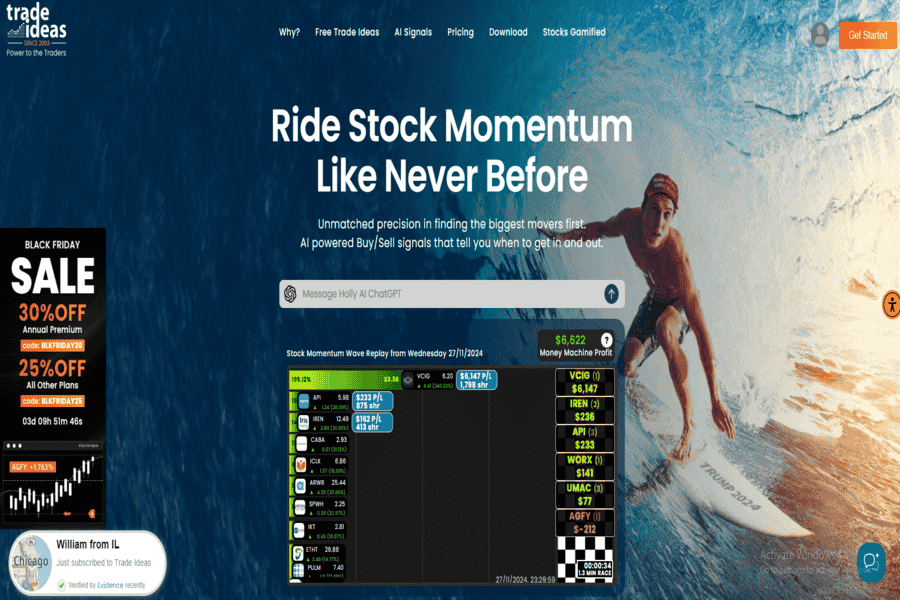
Trade Ideas is a powerful AI-powered trading platform that uses advanced algorithms to identify potential trading opportunities. It provides real-time market analysis, stock screening, and automated trading capabilities.
Pros:
- Real-time market analysis
- Advanced AI algorithms
- Automated trading capabilities
- Customizable alerts and notifications
Cons:
- It can be complex for beginners
- Subscription-based pricing
Pricing Package:
Subscription-based, with various plans to suit different needs.
Alpaca
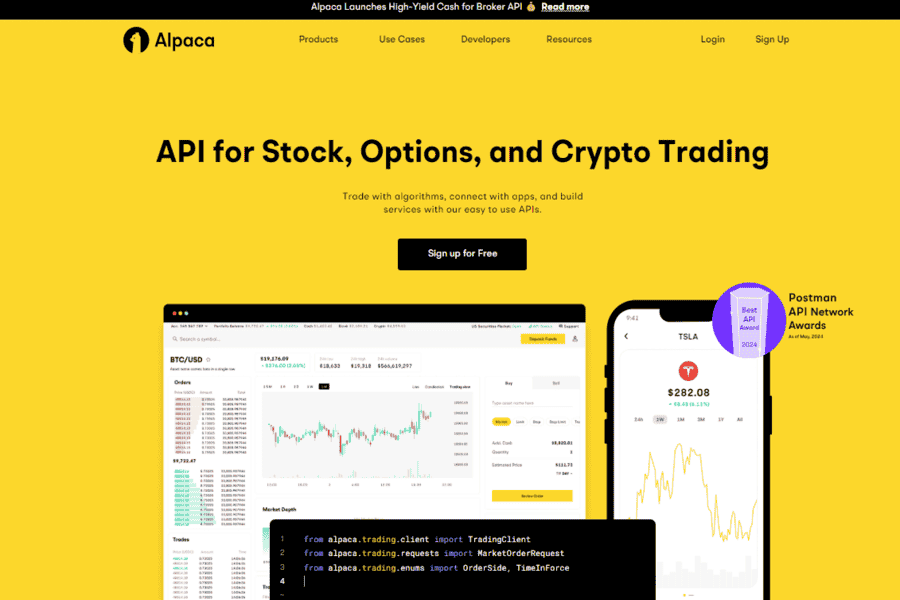
Alpaca is a modern brokerage API that allows developers to build their investment applications. It provides access to real-time market data, order execution, and portfolio management tools.
Pros:
- User-friendly API
- Low-cost trading
- Real-time market data
- Customizable trading strategies
Cons:
- Requires technical knowledge to build custom applications
Pricing Package:
Free for personal use, paid plans for institutional and commercial use.
QuantConnect
Platform for building, backtesting, and deploying algorithmic trading strategies — replaces Quantopian in this list, which shut down entirely in November 2020 after financial difficulties (its community and backtesting services closed for good, and many former Quantopian users migrated specifically to QuantConnect).
Pros:
- Extensive historical and alternative data included for backtesting.
- Supports multiple languages (Python, C#) and live deployment, not just backtesting.
Cons:
- Requires programming skills; steep learning curve for non-developers.
Pricing Package:
Free to use, with a paid plan for advanced features and API access.
SentiOne
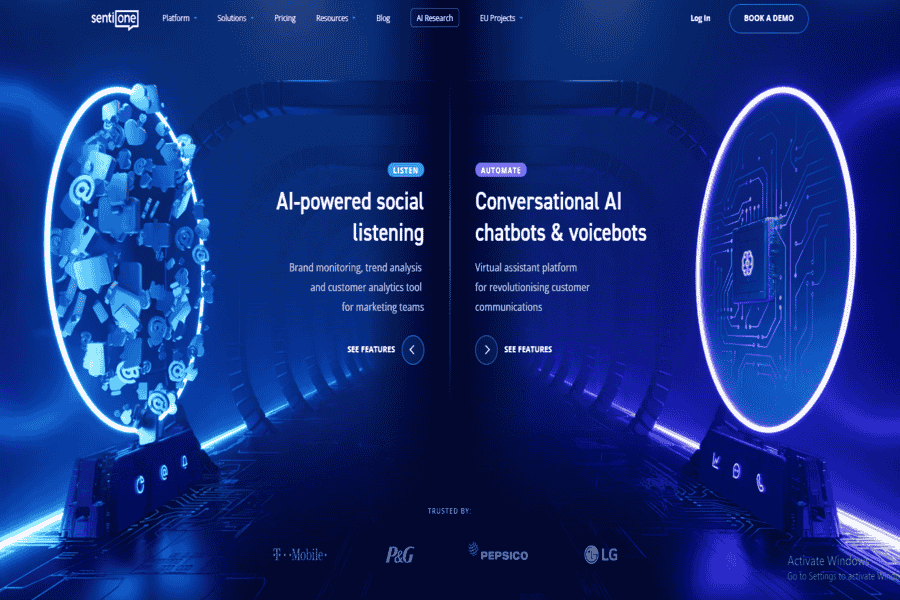
SentiOne is an AI-powered social media listening tool that analyzes sentiment and trends to identify potential market movements. It can track brand reputation, monitor competitor activity, and identify emerging trends.
Pros:
- Real-time social media monitoring
- Sentiment analysis
- Trend identification
- Customizable dashboards
Cons:
- Requires a subscription
Pricing Package:
Subscription-based, with various plans to suit different needs.
TrendSpider
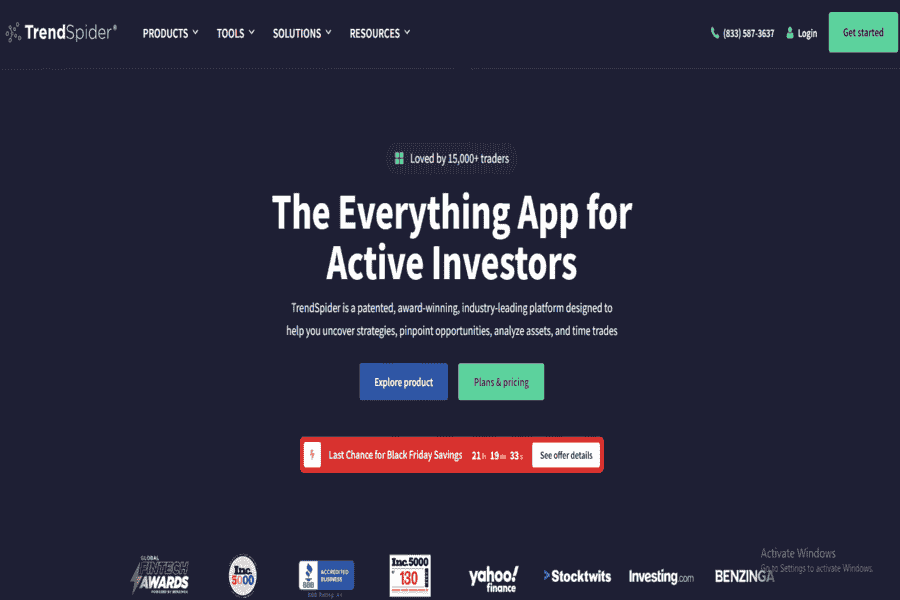
TrendSpider is an AI-powered technical analysis platform that provides automated chart pattern recognition, backtesting, and trading signals. It can identify potential entry and exit points and develop and test trading strategies.
Pros:
- Automated chart pattern recognition
- Backtesting capabilities
- Real-time market data
- Customizable alerts and notifications
Cons:
- It can be complex for beginners
- Subscription-based pricing
Pricing Package:
Subscription-based, with various plans to suit different needs.
TradingView
A popular platform for technical analysis, charting, and social trading. It incorporates AI-powered features like automated technical indicators, sentiment analysis, and predictive analytics.
Pros:
- User-friendly interface
- Real-time market data
- Extensive charting tools
- The active community of traders
Cons:
- Some advanced features require a paid subscription
- It can be overwhelming for beginners
Pricing Package:
Free plan with limited features, paid-for advanced features, and additional benefits.
ThinkorSwim
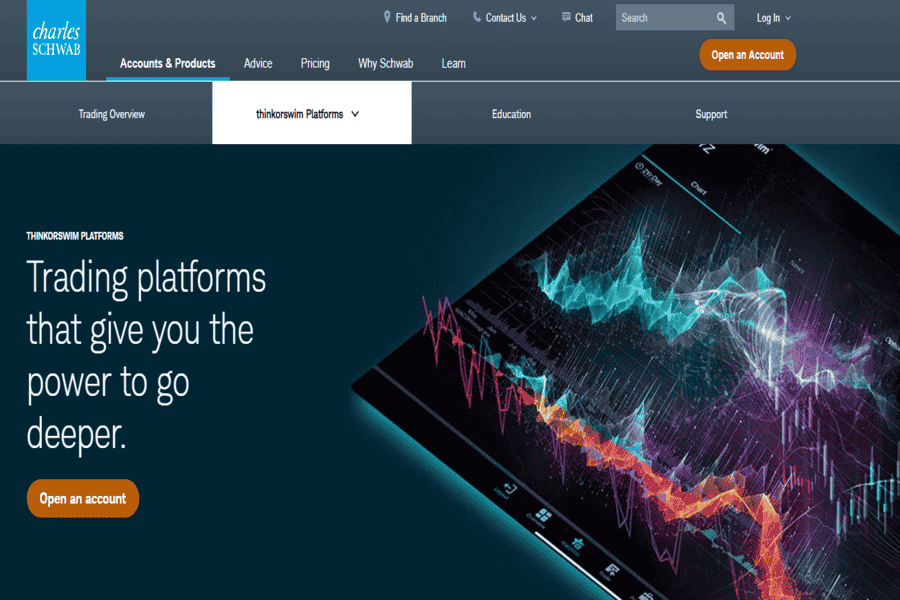
A powerful trading platform offered by TD Ameritrade. It includes AI-driven tools for technical analysis, options trading, and portfolio management.
Pros:
- Advanced charting tools
- Paper trading simulator
- AI-powered trading ideas
- Extensive educational resources
Cons:
- Requires a TD Ameritrade brokerage account
- It can be complex for beginners
Pricing Package:
Free to use with a TD Ameritrade brokerage account.
MetaTrader 5
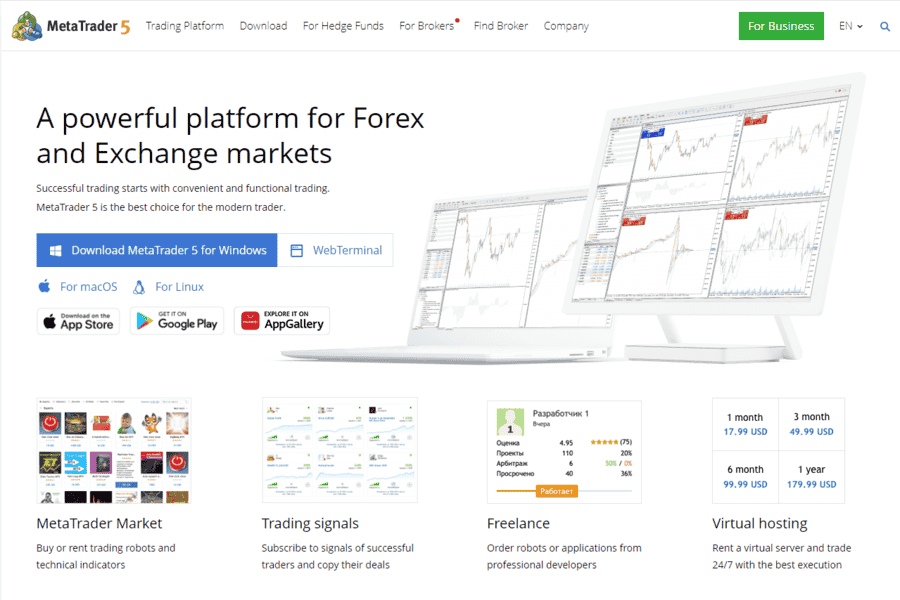
A popular trading platform for forex and CFD trading. It supports various technical indicators, automated trading strategies, and AI-powered tools.
Pros:
- Customizable interface
- Extensive library of technical indicators
- Automated trading capabilities
- Strong community support
Cons:
- It can be complex for beginners
- Requires some technical knowledge
Pricing Package:
Free to download and use, but may require fees from brokers.
eSignal
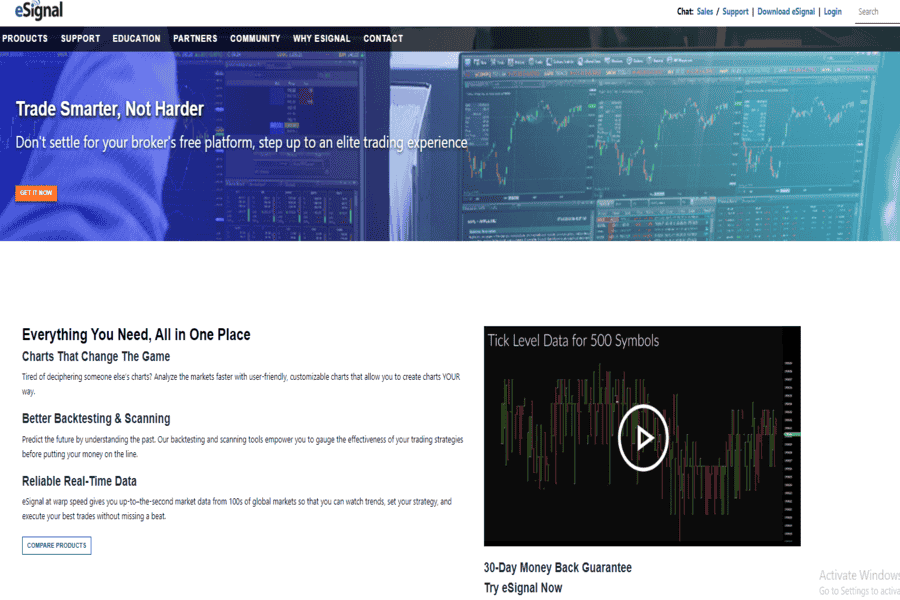
A professional-grade trading platform that provides advanced technical analysis tools, real-time market data, and AI-driven insights.
Pros:
- Real-time market data
- Advanced charting tools
- AI-powered trading signals
- Customizable alerts and notifications
Cons:
- Can be expensive
- Requires a strong technical understanding
Pricing Package:
Subscription-based, with various plans to suit different needs.
Axioma (by SimCorp)

A leading provider of risk management and portfolio management solutions. Axioma leverages AI and machine learning to provide advanced risk analytics and portfolio optimization tools.
Pros:
- Advanced risk analytics
- Portfolio optimization tools
- AI-powered insights
- Customizable solutions
Cons:
- Primarily for institutional investors
- Can be expensive
Pricing Package:
Subscription-based, with customized pricing for institutional clients.
What These Tools Actually Change
The realistic case for these tools is process, not guaranteed profit: they process more data faster and with less emotional bias than manual analysis, automate repetitive work like data collection and trade execution, and support more consistent, rules-based risk management than gut-feel decisions. None of that guarantees enhanced returns — markets remain fundamentally uncertain, and any tool claiming otherwise should be treated with real skepticism.
Challenges of Using AI Tools for Stock Market Prediction
These tools have real limits worth taking seriously. Model output is only as good as the data feeding it, and markets are noisy, non-stationary systems where yesterday’s pattern doesn’t reliably predict tomorrow’s. Genuine market volatility — a black-swan event, a sudden policy shift — can break a model trained on historical patterns entirely. Overfitting is a persistent risk: a model tuned too closely to historical data can look impressive in backtesting and fail on new, real market conditions. And there are real ethical considerations around algorithmic trading at scale, including its role in amplifying volatility during stressed markets.
Where This Is Headed
Model sophistication keeps improving, and natural language processing is making news and earnings-call sentiment a more reliable input alongside pure price data. Explainable AI is getting real investment too, since a trading signal a trader can’t explain is a hard one to trust with real capital. Hybrid models that combine multiple approaches (technical, fundamental, sentiment) rather than relying on one signal type are becoming the norm among more sophisticated tools.
Conclusion
The 10 tools above split into full trading platforms (TradingView, ThinkorSwim, MetaTrader 5, eSignal, Trade Ideas, Alpaca) where AI features sit alongside charting and execution, and specialized analytics (TrendSpider, QuantConnect, Axioma, SentiOne) built around a specific analytical approach. None of them predict the market with certainty, and any tool or source that claims otherwise deserves real skepticism — treat AI output as one input among several in a decision, not a replacement for it, and never as financial advice.