AI tutoring adapts to how a specific student is actually learning — adjusting difficulty, giving immediate feedback, and personalizing the path through material rather than pacing every student the same way. This guide covers the common features across these tools, the categories worth knowing, and the tools themselves — spanning tutoring systems, language learning, writing assistance, study tools, creative tools, productivity, research, and exam prep.
Common Features and Categories
Most AI tutoring tools share a core feature set: personalized learning paths, adaptive difficulty that responds to how a student is performing, immediate feedback instead of waiting for a teacher to grade something, natural language processing that lets a student ask questions in plain language, and data-driven insights that track progress over time. Beyond dedicated tutoring systems, students use AI across adjacent categories too — language learning apps, writing assistants, flashcard and study tools, creative tools for projects, productivity and time-management apps, research and note-taking tools, and exam-prep platforms built around a specific test.
Top AI Tools for Students
AI-Powered Tutoring Systems
ProProfs Quiz Maker
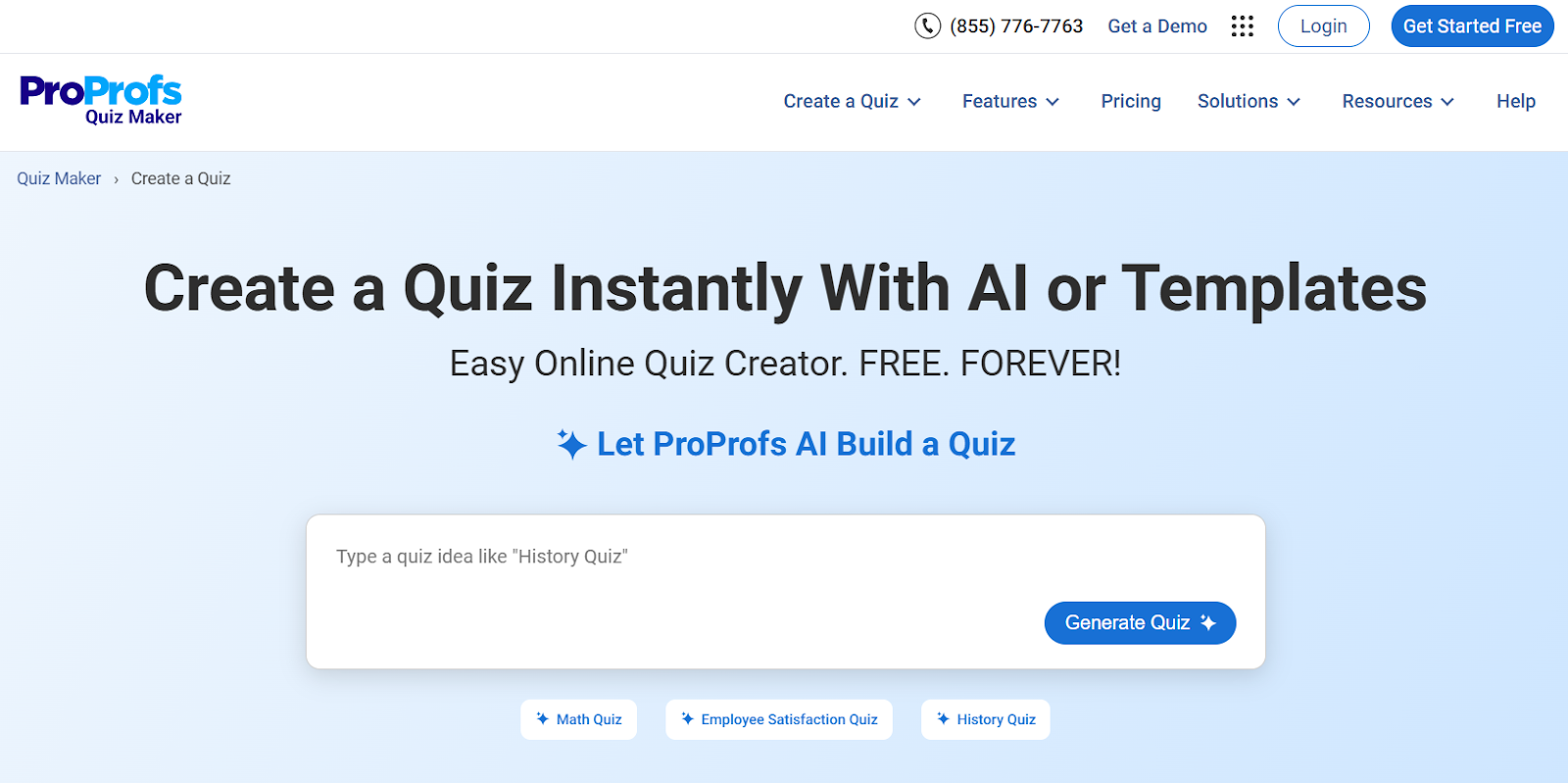
AI-powered quiz creator for effortless assessment and interactive learning.
Pros:
- AI automatically generates quiz questions, answers, and explanations based on your instructions.
- You can also upload a PDF or Word doc file or add a link and convert it into a quiz.
- Offers a massive library of over 1,000,000 ready-made quiz questions
- 20+ interactive question types, including MCQs, matching, fill-in-the-blanks, and more.
- Instant AI-powered feedback and automated grading to boost learning outcomes.
- Includes anti-cheating controls, certificate automation, and detailed performance analytics.
Cons:
- Available only as a cloud-based platform; no downloadable or offline version.
- Currently, it lacks a dark mode or alternative interface themes.
Pricing Package:
Forever free for short quizzes and all essential features like unlimited AI and quizzes, uploads, and question bank. Paid plans start at $19.99/month.
Knewton Alta (Wiley):
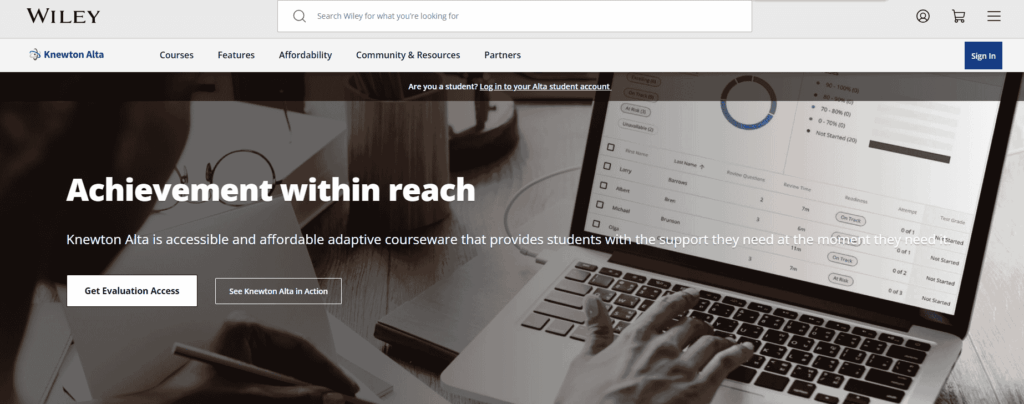
Personalized tutoring and adaptive learning solutions.
Pros:
- Highly personalized learning paths based on individual student needs.
- Adaptive difficulty ensures students are challenged without getting discouraged.
- Offers a wide range of subjects across various grade levels.
Cons:
- Primarily focused on US curriculum standards.
- It can be expensive for individual users.
- Limited human interaction compared to traditional tutoring.
Pricing Package:
Varies depending on the specific offering. It may require contacting Knewton for a quote.
Socratic by Google:

AI-powered tutor for solving questions and explaining concepts.
Pros:
- Free and accessible to anyone with an internet connection.
- Provides step-by-step explanations for solving problems.
- Supports a wide range of subjects across various grade levels.
Cons:
- Limited interactivity compared to other AI tutors.
- It may not be suitable for complex concepts requiring deeper explanation.
- It relies on user-submitted solutions, which might only sometimes be accurate.
Pricing Package:
Free
Aleks:
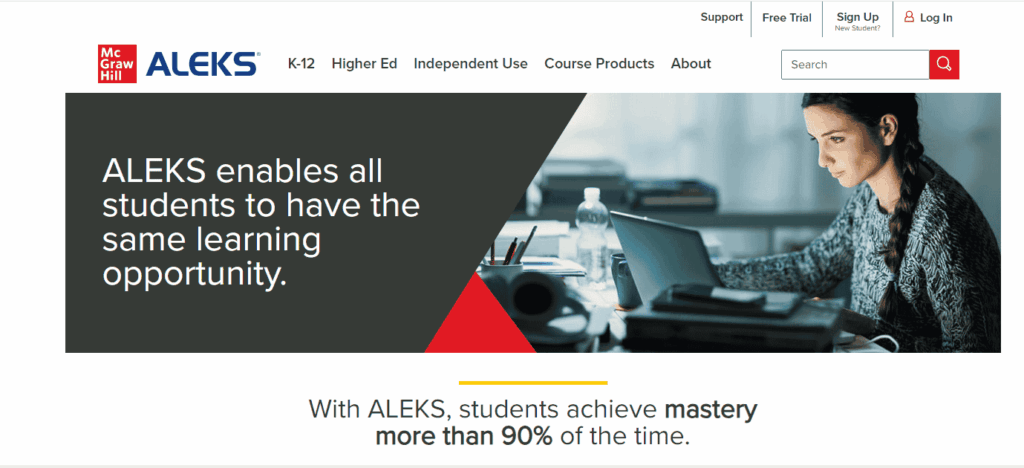
AI-driven assessment and tutoring platform.
Pros:
- Offers in-depth assessments that identify knowledge gaps.
- Provides targeted skill-building activities based on assessment results.
- Strong focus on math and science subjects.
Cons:
- Primarily designed for classroom use, individual subscriptions might be limited.
- The interface could be more user-friendly compared to some competitors.
- It relies heavily on self-directed learning, which may only be ideal for some students.
Pricing Package:
This varies depending on the school or institution’s licensing agreement.
AI tutor for STEM-focused learning.
Photomath:
AI-powered math tutor that solves problems from a photo and walks through the steps — replaces Querium in this list, whose domain no longer resolves; its last confirmed public activity was a 2023 education-research grant with no evidence of operation since.
Pros:
- Step-by-step explanations, not just the final answer.
- Covers arithmetic through calculus, with a huge existing user base.
Cons:
- Can be used to skip understanding rather than build it if not paired with real practice.
Pricing Package:
Free with ads; Plus subscription removes ads and adds animated explanations.
Brainly:
AI-powered community and tutor-assisted learning.
Pros:
- Combines AI-powered learning with a supportive community of students and tutors.
- Offers a variety of learning resources, including explanations, examples, and discussions.
- Free access to a vast amount of user-generated content.
Cons:
- The quality of information might vary depending on the user.
- Limited personalization compared to some AI tutors.
- Requires careful monitoring to avoid exposure to inaccurate or misleading information.
Pricing Package:
Free with premium features available through a subscription.
AI-Enhanced Language Learning Tools
Duolingo:
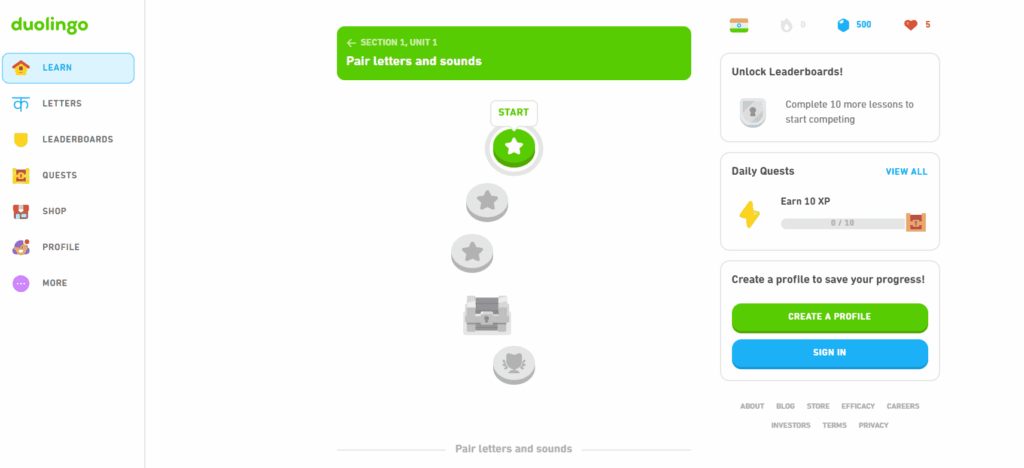
AI-enhanced language lessons and gamified learning.
Pros:
- Free and accessible language learning platform with a gamified approach.
- Offers a variety of engaging activities like lessons, quizzes, and stories.
- Supports a wide range of languages for learners of all levels.
Cons:
- Limited focus on in-depth grammar and conversation practice.
- Repetitive exercises might only be suitable for some learning styles.
- The free version includes advertisements.
Pricing Package:
Free with a premium subscription option for ad-free learning and additional features.
AI-Assisted Writing Tools
Grammarly:
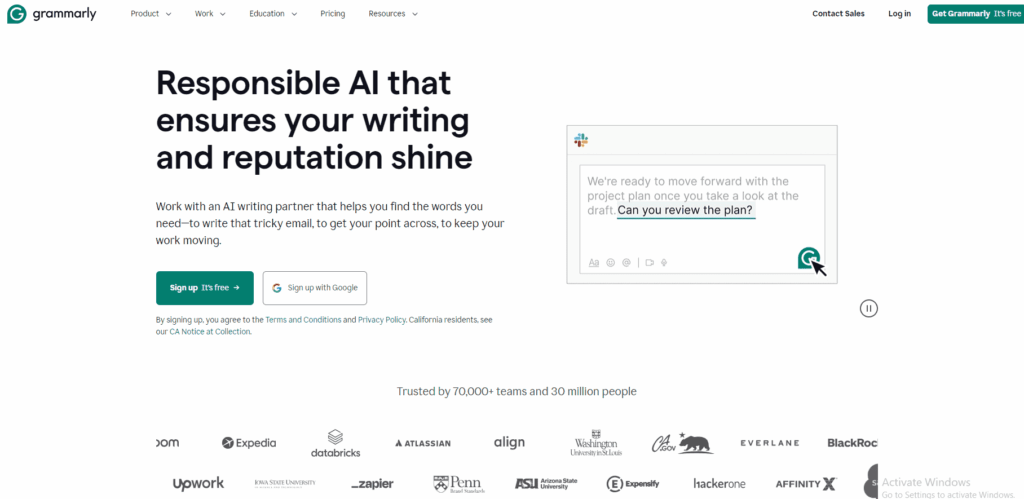
AI for grammar, style, and clarity improvement.
Pros:
- Real-time writing assistance for grammar, punctuation, and style.
- Offers suggestions for clarity, conciseness, and engagement.
- Detects plagiarism and offers suggestions for improvement.
Cons:
- The free version has limited features.
- It relies heavily on AI, which may only sometimes be accurate.
Pricing Package:
Free with premium options for advanced features.
Quillbot:
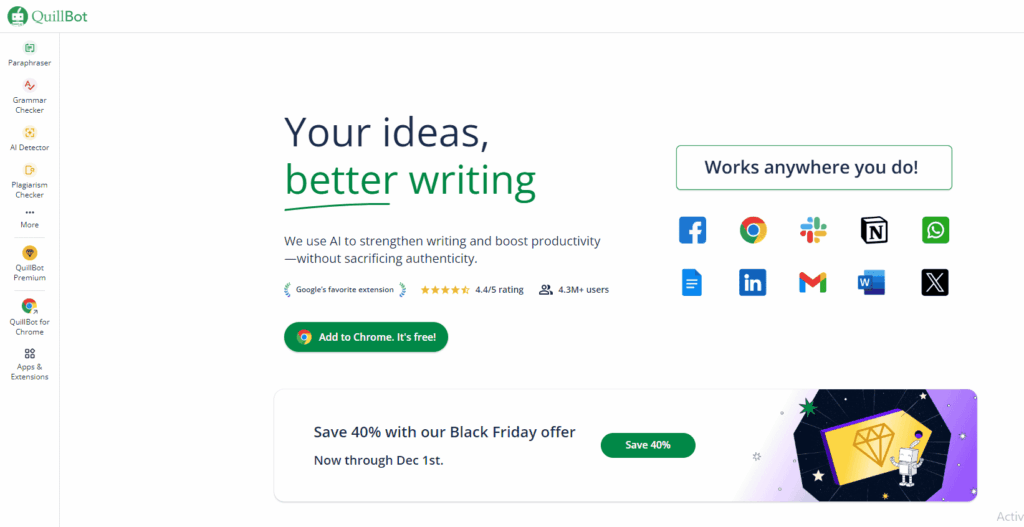
AI for paraphrasing, summarizing, and refining text.
Pros:
- Paraphrase text to improve clarity and avoid plagiarism.
- Summarizes long articles and documents.
- Offers various writing modes to suit different needs.
Cons:
- Overuse of paraphrasing can lead to unnatural or stilted writing.
- AI-generated text may lack originality and depth.
Pricing Package:
Free with premium options for advanced features.
Jasper AI:
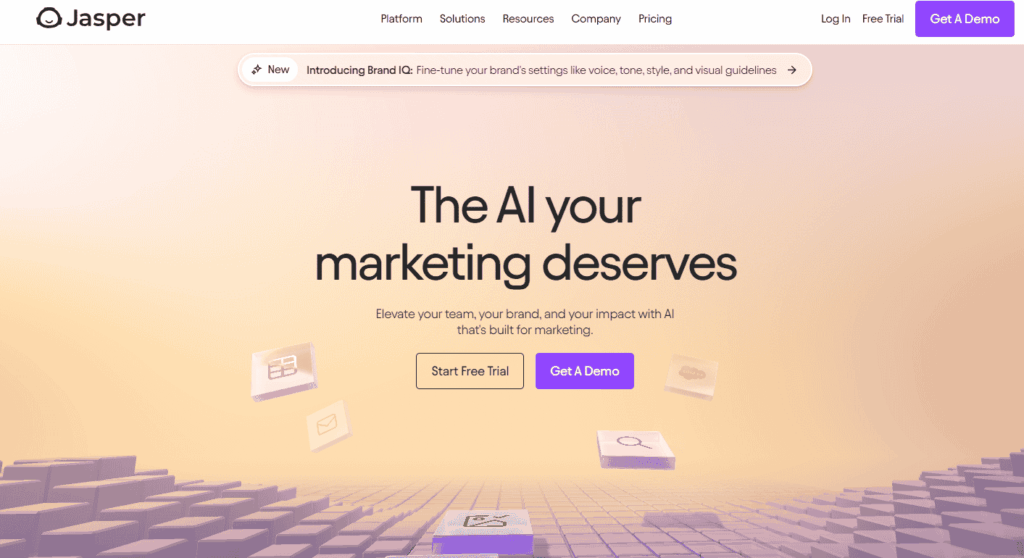
AI-based tool for content and creative writing.
Pros:
- Generates creative text formats like blog posts, social media content, and email copy.
- Offers a variety of writing styles and tones.
- Provides suggestions for improving writing quality.
Cons:
- It can generate repetitive or generic content if not guided properly.
- It relies heavily on AI, which may only sometimes produce human-quality writing.
Pricing Package:
Subscription-based pricing with different plans for individuals and businesses.
Writer.com:
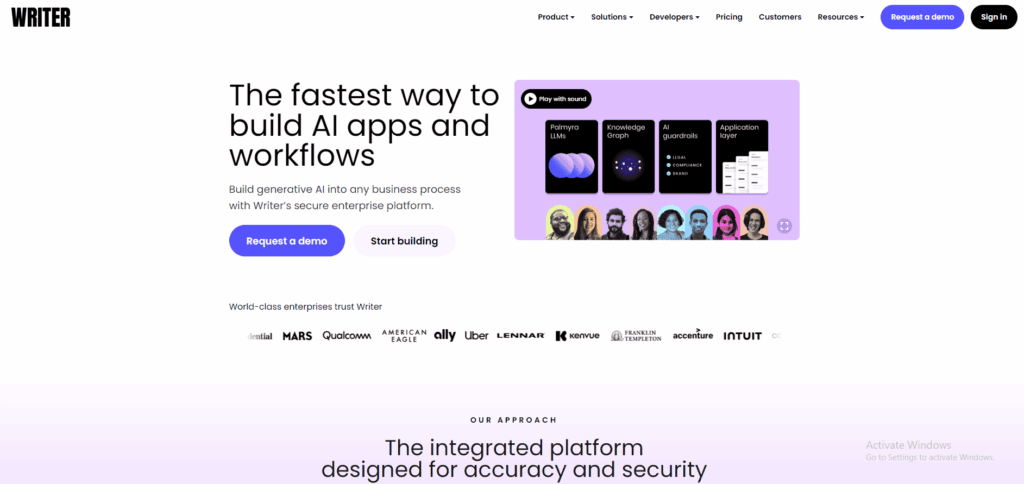
AI is used to improve consistency and brand voice in writing.
Pros:
- Helps maintain brand voice and consistency across different content formats.
- Offers AI-powered writing assistance for various content types.
- Integrates with popular writing tools like Google Docs and Microsoft Word.
Cons:
- It may require some setup and customization to achieve desired results.
- It relies on AI, which may only sometimes be perfect.
Pricing Package:
Subscription-based pricing with different plans for individuals and teams.
Sudowrite:
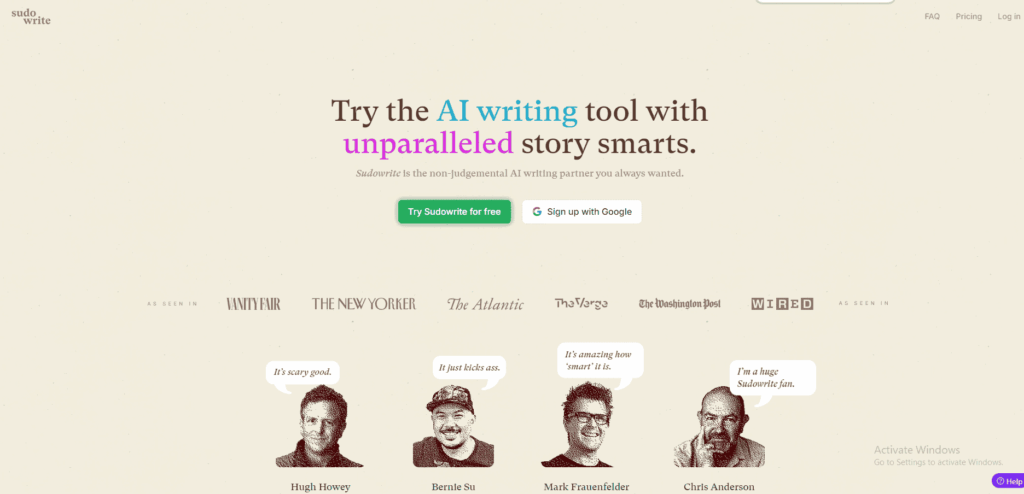
AI for creative writing assistance, especially for fiction.
Pros:
- They are specifically designed for creative writing tasks like fiction and poetry.
- Generates creative text formats like dialogues, character descriptions, and plot ideas.
- Offers a variety of writing styles and genres.
Cons:
- It may require more user guidance and fine-tuning to achieve the desired results.
- It relies heavily on AI, which may only sometimes produce original or unique content.
Pricing Package:
Subscription-based pricing with different plans for individuals and teams.
AI-Powered Study Tools
Quizlet:
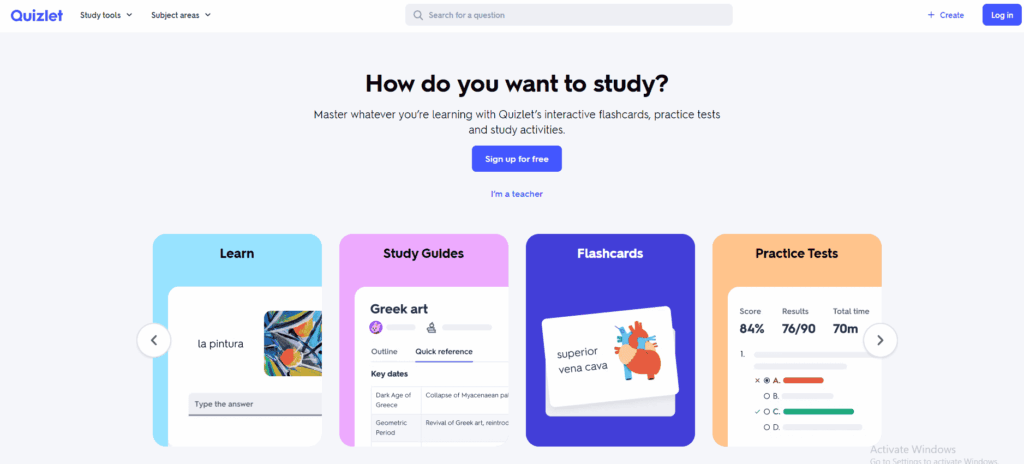
AI-driven flashcards and study modes for learning.
Pros:
- User-friendly interface and gamified learning experiences.
- Offers various study modes, including flashcards, matching games, and quizzes.
- Provides real-time feedback and progress tracking.
Cons:
- It relies heavily on user-generated content, which may only sometimes be accurate or reliable.
- We have limited customization options for creating study materials.
Pricing Package:
Free with premium options for additional features.
Anki:
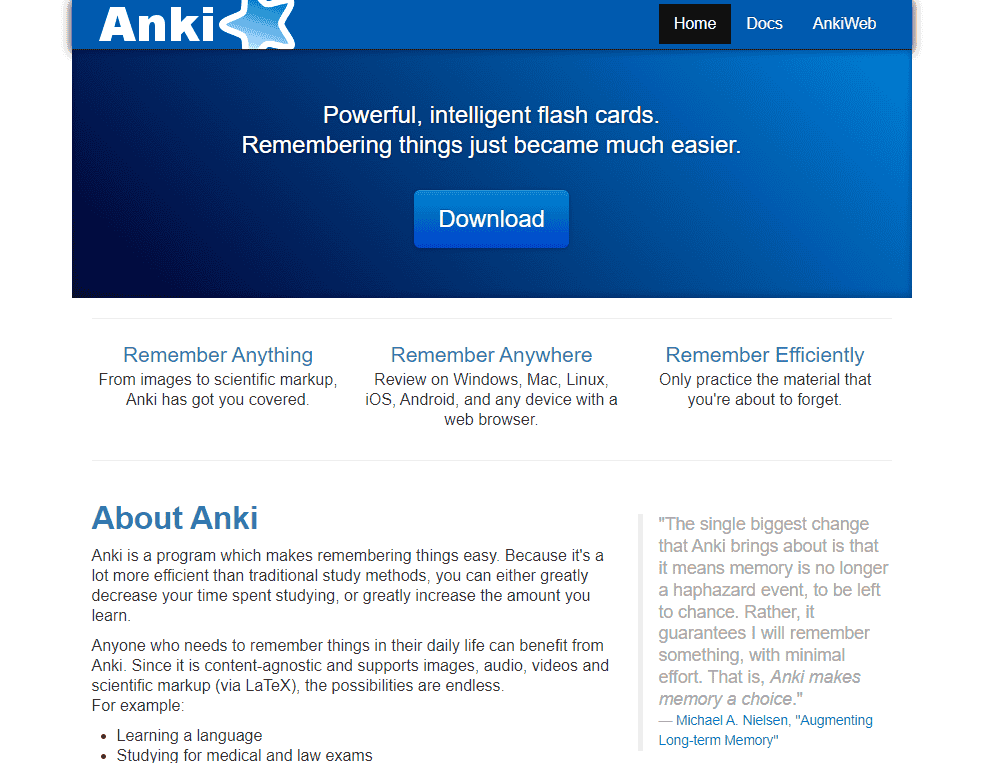
AI-powered spaced repetition for efficient memorization.
Pros:
- Effective spaced repetition system for long-term retention.
- Customizable flashcards and study schedules.
- Available on multiple platforms (desktop, mobile, web).
Cons:
- Requires manual creation of flashcards, which can be time-consuming.
- Steeper learning curve compared to other flashcard apps.
Pricing Package:
Free with premium options for additional features.
EdPuzzle:
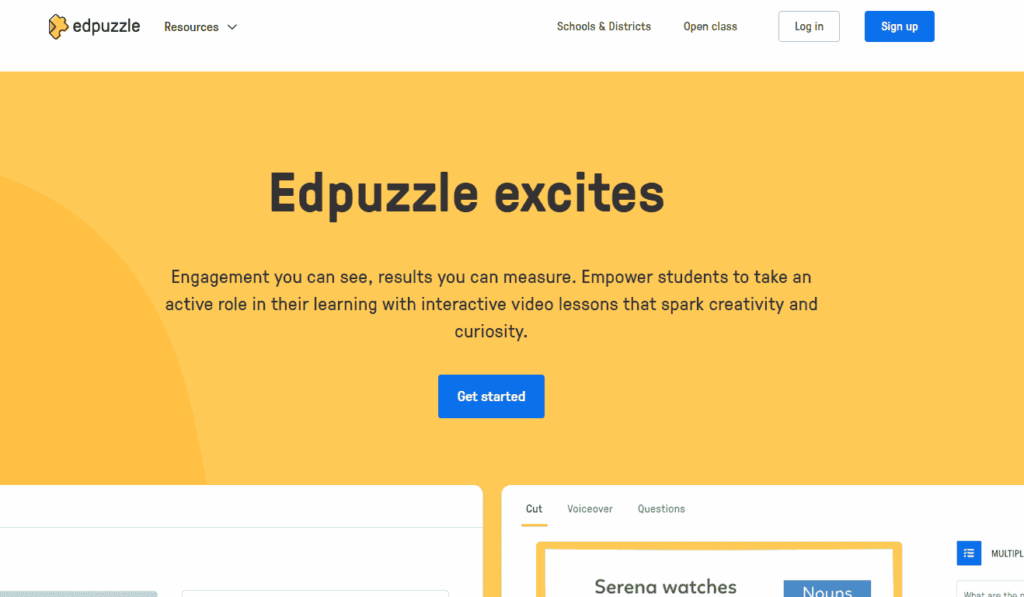
AI-enhanced interactive video lessons.
Pros:
- Interactive video lessons with quizzes and discussion questions.
- Allows teachers to create custom video lessons and track student progress.
- Supports a variety of learning styles, including visual and auditory learners.
Cons:
- It relies on existing video content, which may only sometimes be available or high-quality.
- Creating interactive videos can be time-consuming for teachers.
Pricing Package:
Free for basic features, premium plans are available for schools and districts.
Cram:
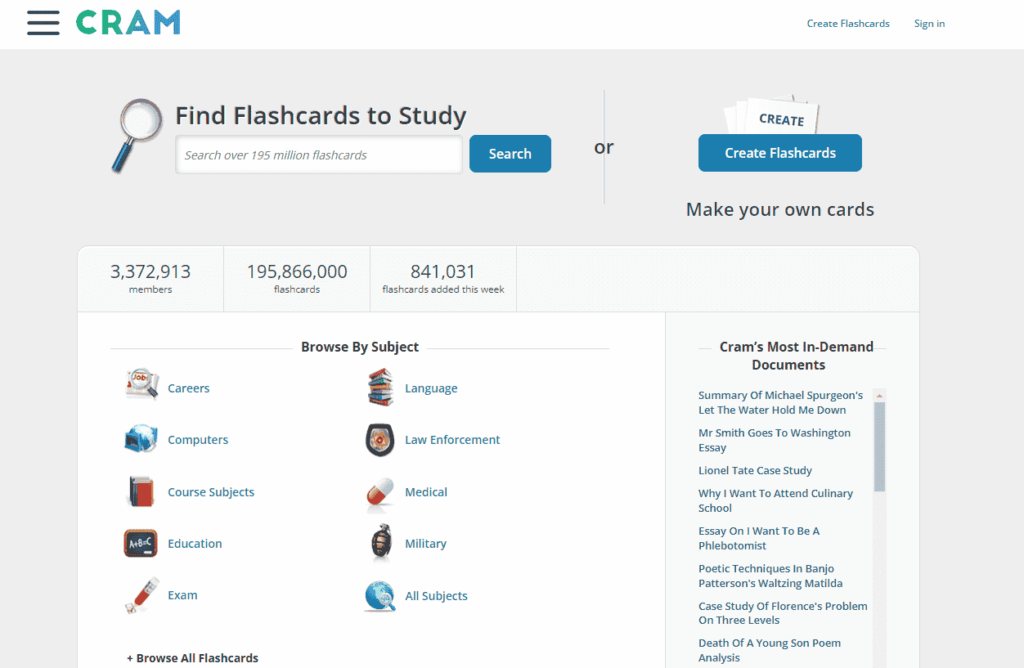
AI-based flashcards and revision tools.
Pros:
- Simple and easy-to-use flashcard app.
- Offers a variety of study modes, including flashcards, quizzes, and games.
- Available on multiple platforms (web, iOS, Android).
Cons:
- Limited customization options compared to other flashcard apps.
- It relies on user-generated content, which may only sometimes be accurate or reliable.
Pricing Package:
Free with premium options for additional features.
Brainscape:

AI-powered adaptive flashcards and study plans.
Pros:
- AI-powered spaced repetition system for efficient learning.
- Offers a wide range of study materials, including flashcards, quizzes, and articles.
- Provides personalized learning plans based on individual progress.
Cons:
- We have limited customization options for creating study materials.
- Relies heavily on user-generated content.
Pricing Package:
Free with premium options for additional features.
AI for Creative Tasks
Runway ML:
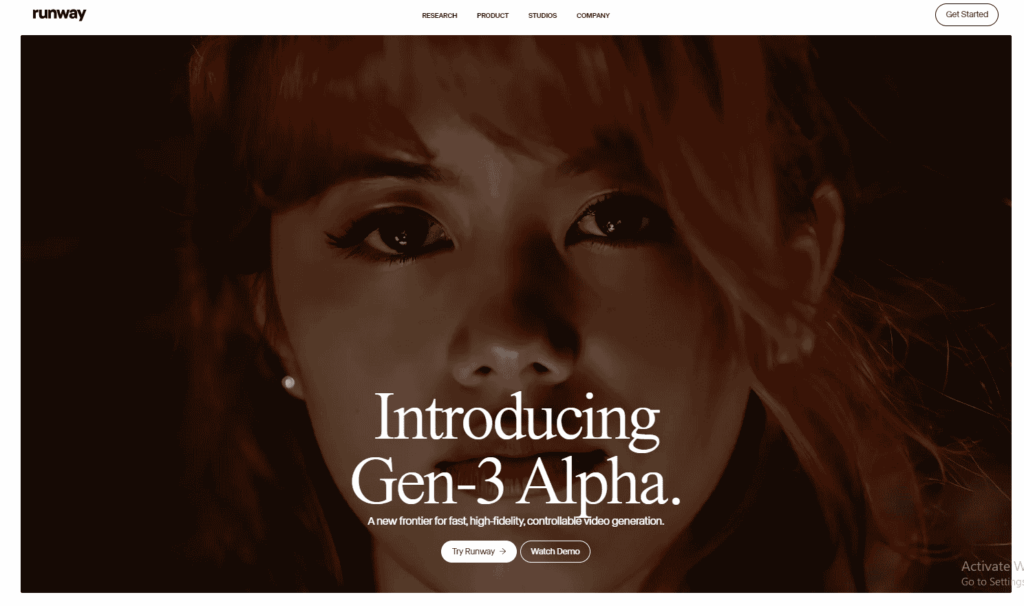
AI-powered tool for video editing and creative design.
Pros:
- Powerful AI-powered tools for video editing and creative design.
- Offers features like video generation, style transfer, and object tracking.
- User-friendly interface and easy to learn.
Cons:
- Requires some technical knowledge to use effectively.
- It can be computationally intensive, especially for complex tasks.
Pricing Package:
Subscription-based pricing with different tiers for individuals and businesses.
GPT Image 2:
OpenAI’s current image generation model — replaces DALL-E in this list, which OpenAI fully retired on May 12, 2026. Generates images from text prompts, same use case as its predecessor.
Pros:
- Sharper detail and better prompt accuracy than the retired DALL-E generation.
- Useful for students working on presentations, projects, and creative assignments.
Cons:
- Requires careful prompt engineering to get the desired results.
Pricing Package:
API-based pricing, with costs varying based on usage.
Artbreeder:
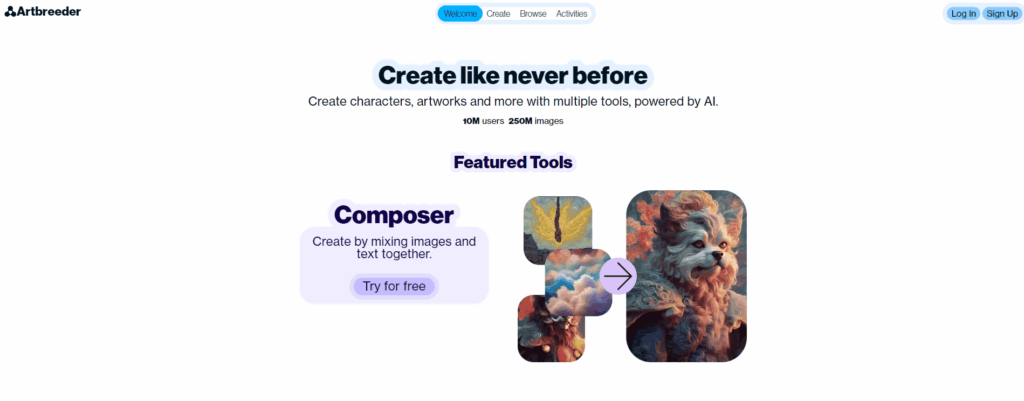
AI for creating and evolving digital art.
Pros:
- Allows users to create and evolve digital art using AI algorithms.
- Offers a variety of art styles and techniques.
- It can be used to generate new ideas and inspiration.
Cons:
- Requires some experimentation and understanding of AI algorithms.
- Generating high-quality images can be time-consuming.
Pricing Package:
Free with premium options for additional features.
Lumen5:
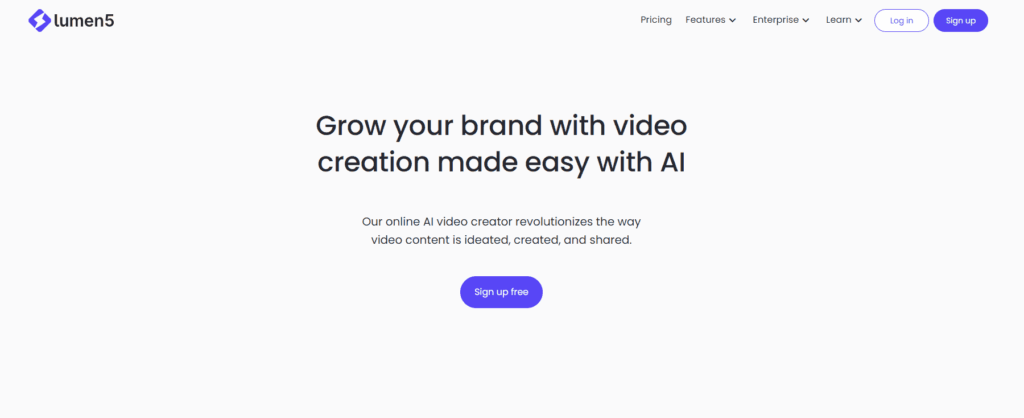
AI for creating professional videos from text.
Pros:
- Easy-to-use video creation tool that uses AI to generate videos from text.
- Offers a variety of templates and customization options.
- It is ideal for creating explainer videos, social media content, and presentations.
Cons:
- It may not be suitable for highly complex or creative video projects.
- It relies heavily on AI, which may limit customization and control.
Pricing Package:
Free with premium options for additional features.
AIVA:
AI for composing original music.
Pros:
- Composes original music in various styles and genres.
- It can create background music for videos, games, and presentations.
- Offers a variety of customization options.
Cons:
- It may not be as creative or nuanced as human composers.
- It relies on AI algorithms, which may limit the range of musical styles.
Pricing Package:
Subscription-based pricing with different plans for individuals and businesses.
AI Tools for Time Management and Productivity
Notion AI:
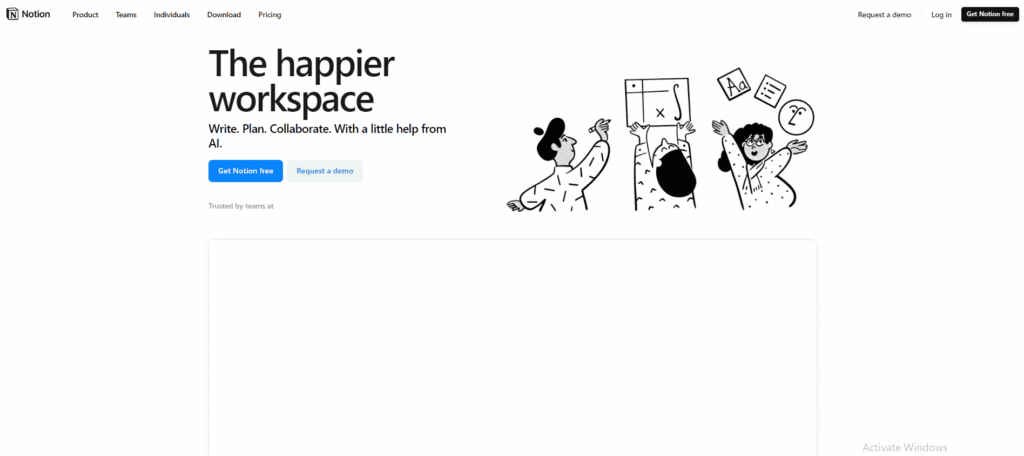
AI-powered organization and productivity tool.
Pros:
- A versatile tool for note-taking, task management, and knowledge-base building.
- AI-powered writing assists in generating ideas and creating content.
- Customizable templates and workflows to suit individual needs.
Cons:
- It can be overwhelming for new users with many features.
- It relies heavily on AI, which may only sometimes be accurate.
Pricing Package:
Free with premium options for advanced features.
Clockify:
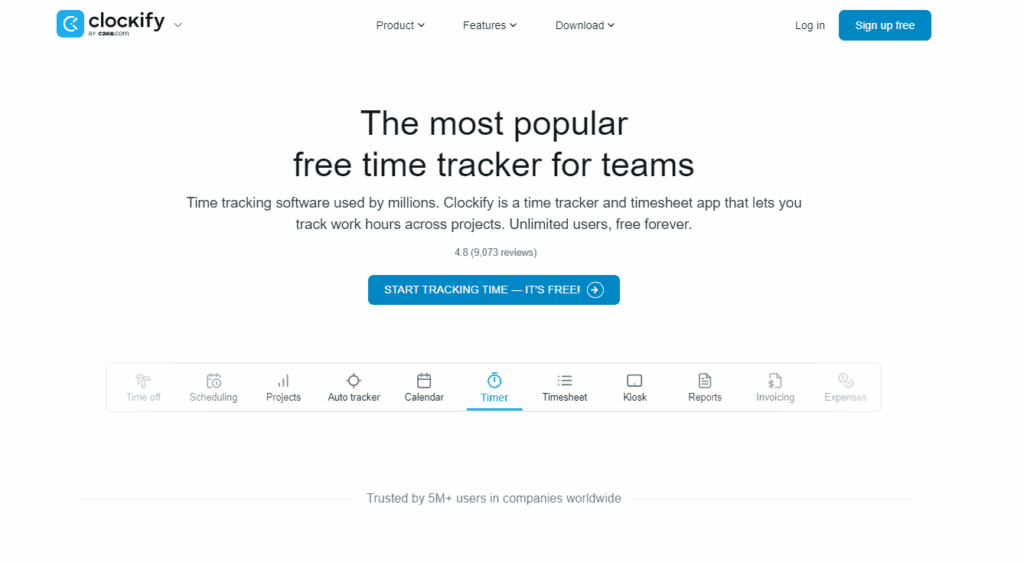
Time tracking with AI-based analysis for productivity.
Pros:
- We tracked accurate time with automatic time entries and idle time detection.
- Generates detailed reports to analyze productivity and identify time-wasting activities.
- Integrates with popular project management tools.
Cons:
- It may require manual time entry for specific tasks.
- The free version has limited features and storage.
Pricing Package:
Free with premium options for advanced features and unlimited users.
Focus@Will:

AI-driven focus and productivity music.
Pros:
- AI-curated music tracks to improve focus and productivity.
- Customizable music preferences based on mood and task.
- Offers a variety of background sounds and ambient noise options.
Cons:
- Subscription-based model.
- It may only be suitable for some people’s preferences.
Pricing Package:
Subscription-based with different plans for individuals and teams.
My Study Life:
AI-assisted planner for students to organize schedules and tasks.
Pros:
- AI-powered scheduling and time management tool for students.
- It helps create personalized study plans and track progress.
- Integrates with other productivity tools like Google Calendar.
Cons:
- It focuses primarily on academic planning and may only suit some users.
- It relies on accurate input from the user to generate effective schedules.
Pricing Package:
Free with premium options for additional features.
Motion:
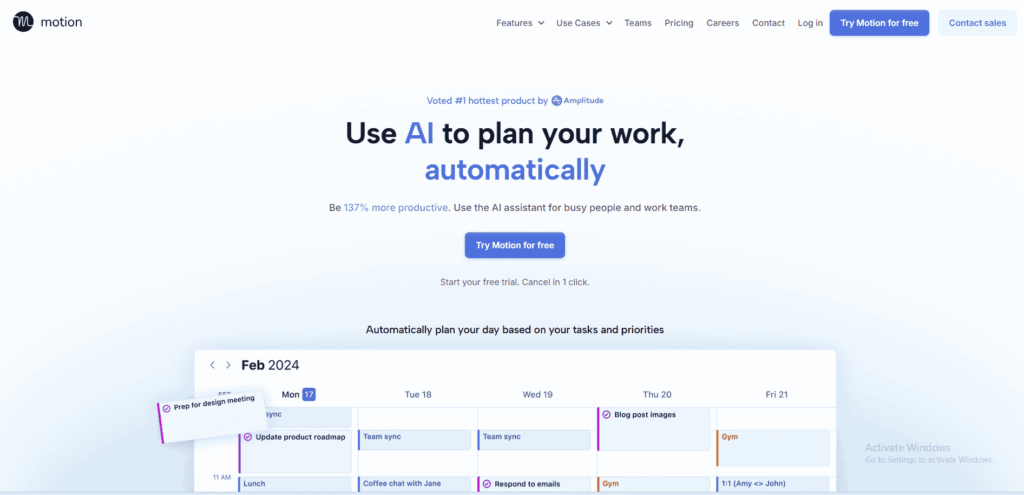
AI-powered scheduling and task prioritization.
Pros:
- AI-driven task prioritization and scheduling.
- It helps break down large tasks into smaller, actionable steps.
- Integrates with popular productivity tools like Google Calendar and Slack.
Cons:
- It can be complex for new users to set up and configure.
- It relies heavily on AI, which may only sometimes be accurate.
Pricing Package:
Subscription-based pricing with different plans for individuals and teams.
AI for Research and Note-Taking
Zotero:
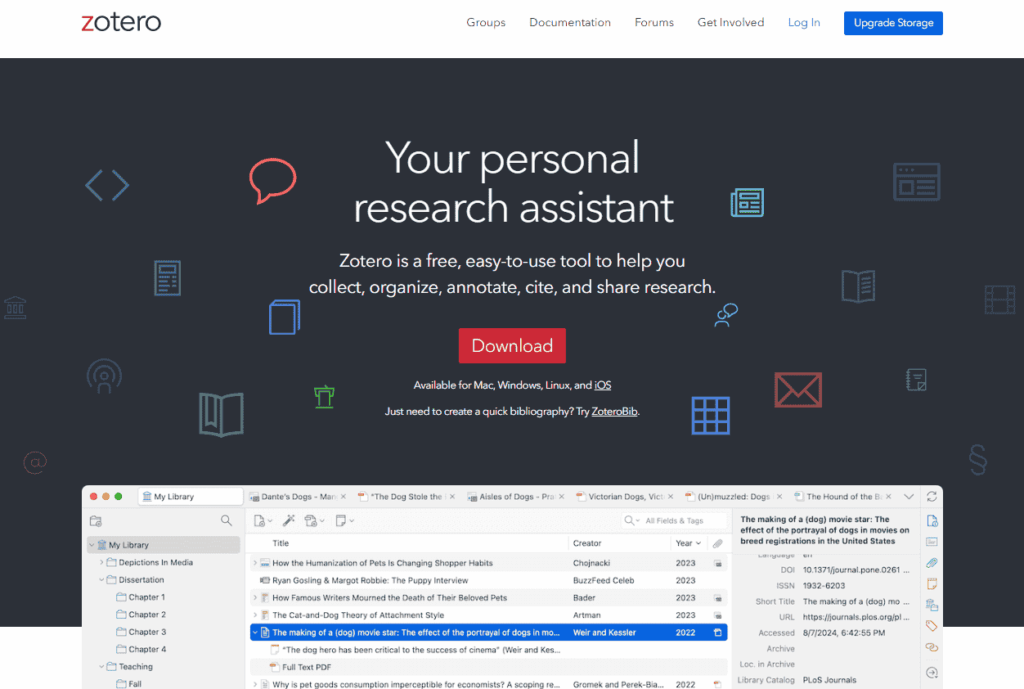
AI-powered tool for managing research sources and citations.
Pros:
- Powerful reference management tool with AI-powered features.
- Automatically generates citations and bibliographies.
- Integrates with popular web browsers and PDF readers.
Cons:
- It can be complex for beginners to set up and use.
- Requires manual data entry for some sources.
Pricing Package:
Free with premium options for additional features.
Mendeley:
AI-based reference manager for research.
Pros:
- Comprehensive research management tool with AI-powered features.
- Offers PDF annotation and note-taking capabilities.
- Integrates with popular word processors and citation managers.
Cons:
- It can be resource-intensive and slow to load large libraries.
- Requires some technical knowledge to set up and configure.
Pricing Package:
Free with premium options for additional features.
Perplexity AI:
AI-powered search assistant for deeper research insights.
Pros:
- An AI-powered search engine that provides comprehensive and informative answers to queries.
- Can generate summaries of complex topics and suggest relevant sources.
- Offers a conversational interface for natural language interactions.
Cons:
- Relies on the quality and accuracy of the information available on the web.
- It may not be suitable for highly specialized or technical queries.
Pricing Package:
Free with premium options for advanced features.
Evernote:
AI-driven note-taking and organization tool.
Pros:
- Versatile note-taking and organization tool with AI-powered features.
- Offers powerful search capabilities and automatic tagging.
- Integrates with other productivity tools and devices.
Cons:
- It can be overwhelming for users with many notes and notebooks.
- The free version has limited storage and features.
Pricing Package:
Free with premium options for additional features and storage.
Readwise:
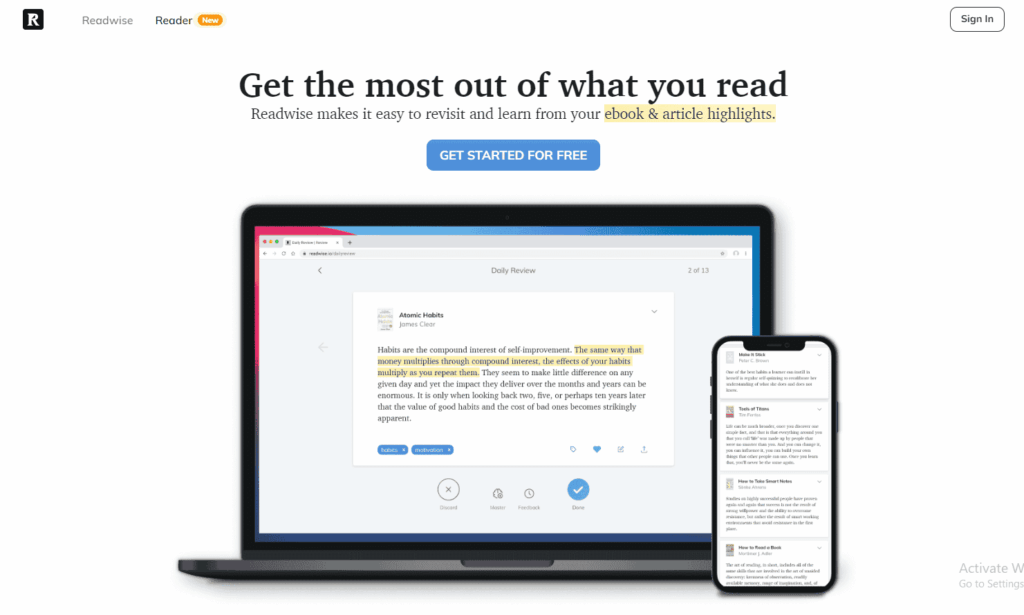
AI for organizing and recalling research highlights.
Pros:
- Highlights key points and generates summaries of text.
- A spaced repetition system is used to review and retain information.
- Integrates with popular reading apps and devices.
Cons:
- Relies on the quality of the input text.
- It may only be suitable for some types of reading material.
Pricing Package:
Subscription-based pricing with different plans for individuals and teams.
AI for Exam Preparation
UWorld:

AI-powered question banks and explanations for exams.
Pros:
- Comprehensive question banks with detailed explanations.
- Adaptive testing to target specific areas of weakness.
- Performance tracking and progress reports.
Cons:
- Primarily focused on medical and nursing exams.
- It can be expensive for individual users.
Pricing Package:
Subscription-based, with varying costs depending on the exam and features.
ExamSoft:
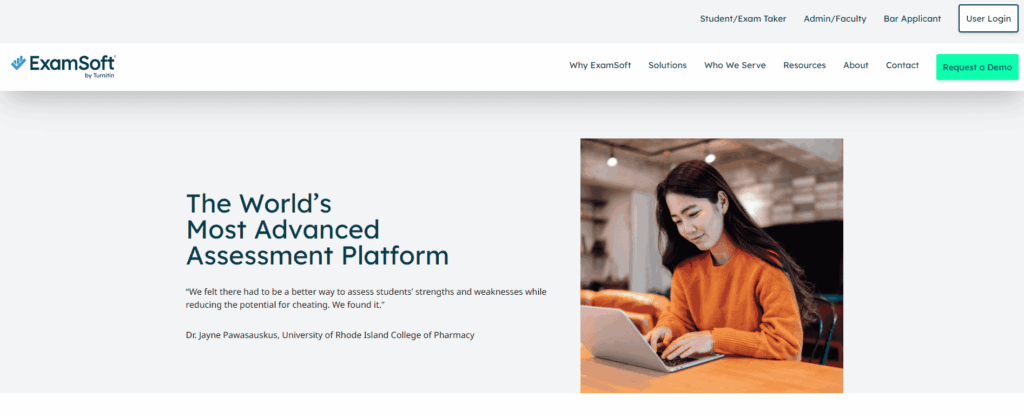
AI-enhanced exam preparation and performance tracking.
Pros:
- Secure online exam delivery and proctoring.
- Real-time performance analytics and insights.
- Customizable exam templates and question banks.
Cons:
- Primarily used by educational institutions.
- Limited to specific exam formats and platforms.
Pricing Package:
Licensing fees for educational institutions.
PrepScholar:

AI-driven prep courses for standardized tests.
Pros:
- Personalized study plans based on individual strengths and weaknesses.
- Expert-created practice tests and drills.
- Comprehensive study guides and video lessons.
Cons:
- Focuses primarily on standardized tests like the SAT and ACT.
- It can be expensive for individual users.
Pricing Package:
Subscription-based, with varying costs depending on the exam and features.
CrackSAT:
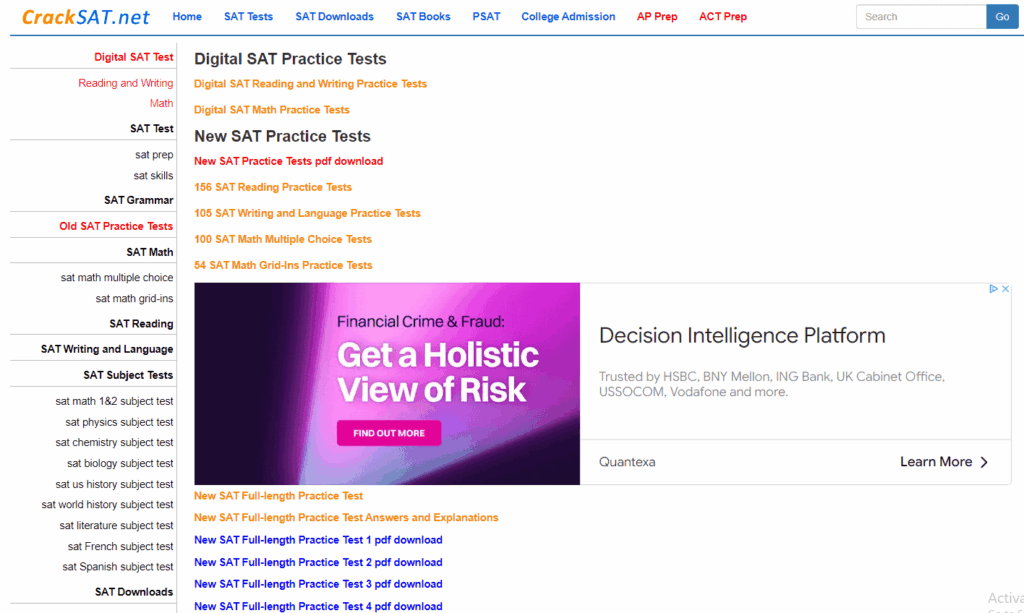
AI-based practice for SAT and similar exams.
Pros:
- Extensive practice tests and drills for the SAT.
- Detailed explanations and strategies for each question.
- Adaptive learning algorithms to personalize the study experience.
Cons:
- Focused solely on the SAT exam.
- It may only be suitable for some learning styles.
Pricing Package:
Varies depending on the specific course and features.
Magoosh:
AI tools for GRE, GMAT, and other exam prep.
Pros:
- Comprehensive test prep for GRE, GMAT, LSAT, and other standardized tests.
- Expert-led video lessons and practice questions.
- Adaptive learning algorithms to personalize the study experience.
Cons:
- It can be expensive for individual users.
- It relies heavily on video content, which may only suit some learners.
Pricing Package:
Subscription-based, with varying costs depending on the exam and features.
Benefits and Challenges
The real benefits show up where personalization matters most: a student gets a pace and explanation style suited to how they actually learn, instant feedback instead of waiting for a teacher to grade something, and access to tutoring-level support outside the hours a human tutor is available, which matters for students who can’t afford or access one otherwise. But these tools have real limits too. They can misjudge nuanced or ambiguous student responses, and getting real value out of them requires reliable internet access and a device — a genuine accessibility gap, not a hypothetical one. Ethical questions around student data privacy are real and ongoing, and premium tools carry real cost that not every student or family can absorb.
Where This Is Headed
Natural language processing keeps improving, making it easier for a student to just ask a question in plain language rather than navigating a rigid menu. VR/AR-based immersive learning remains more experimental than mainstream but is worth watching for subjects that benefit from spatial or hands-on simulation. Social-emotional learning support and more genuinely personalized learning paths are real areas of active development, alongside AI writing assistants and gamification designed to sustain engagement over a full school term rather than just a first session.
Conclusion
The tools above cover the full student workflow, not just tutoring: dedicated tutoring and study tools (Brainly, Aleks, Photomath, Quizlet, Anki) for direct subject help, writing and research tools (Grammarly, Quillbot, Zotero, Perplexity AI) for papers and projects, and productivity and exam-prep tools (Notion AI, UWorld, Magoosh) for staying organized under deadline pressure. Match the tool to the actual task rather than picking one all-purpose app — a student’s needs shift from homework help to exam prep to long-form writing over the course of a term, and different tools genuinely fit each stage.