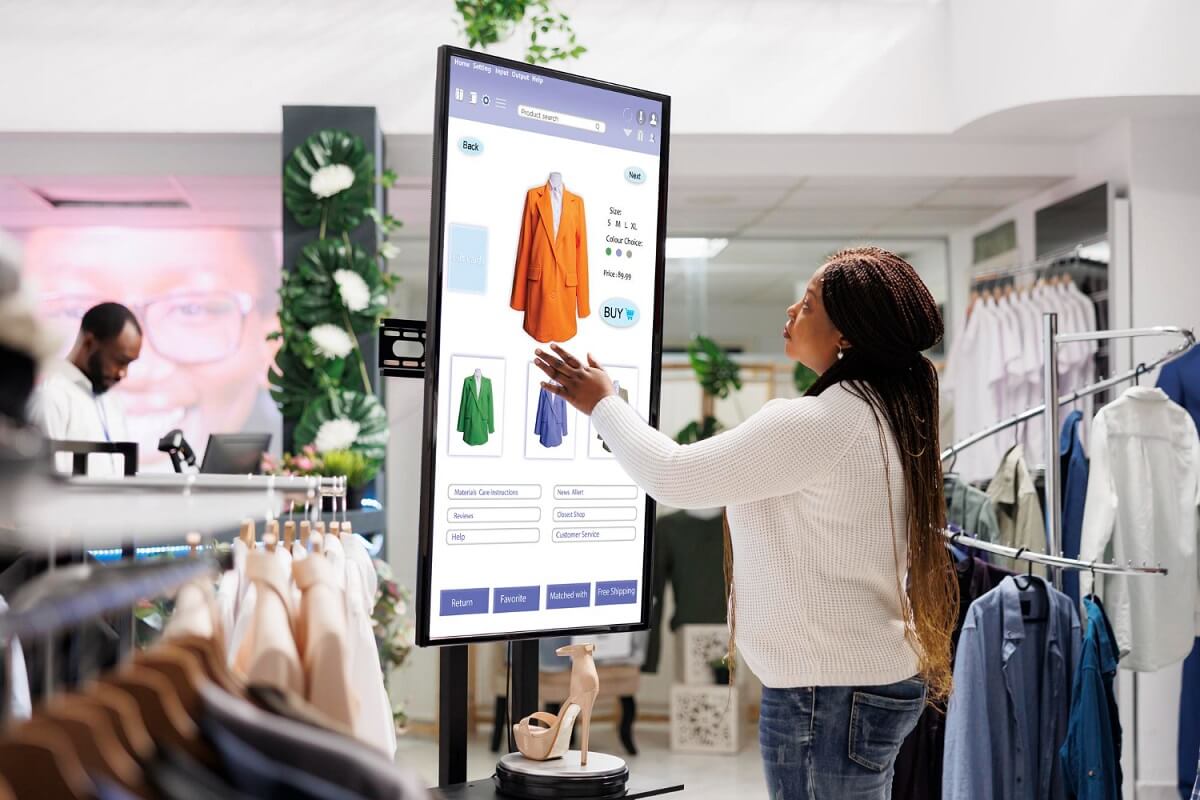
The e-commerce landscape has undergone remarkable transformations since its inception. From the early days of simple online stores to sophisticated digital marketplaces, the journey has been characterized by constant innovation. Today, we stand at the precipice of another paradigm shift with the emergence of Coomersu – a revolutionary approach that is redefining how we think about online commerce.
Coomersu, short for “Community-Centric Commerce,” represents more than just a new platform or business model; it embodies a fundamental reimagining of the relationship between brands and consumers. By prioritizing community engagement over mere transactions, Coomersu is creating deeper, more meaningful connections that benefit all stakeholders in the commercial ecosystem.
In this comprehensive guide, we’ll explore the nuances of Coomersu, its potential to reshape e-commerce, and why forward-thinking businesses are increasingly embracing this innovative approach.
What is Coomersu?
Coomersu represents a fundamental shift from transaction-focused e-commerce to community-centric commerce. At its core, Coomersu integrates social interactions, collaborative decision-making, and shared experiences into the online shopping process, transforming it from a solitary activity into a collective journey.
Unlike traditional e-commerce platforms that prioritize the individual purchase journey, Coomersu creates an ecosystem where consumers actively participate in:
- Product development and refinement
- Sharing authentic experiences and reviews
- Influencing brand decisions and direction
- Building meaningful connections with like-minded individuals
- Contributing to a collective intelligence that benefits the entire community
This approach recognizes that modern consumers seek more than just products; they desire authentic connections, meaningful involvement, and a sense of belonging. By focusing on these human elements, Coomersu creates a more engaging and satisfying experience that extends far beyond the moment of purchase.
The Evolution of E-Commerce: From Transactions to Communities
The Journey So Far
The evolution of commerce has been marked by several significant transformations:
- Traditional Retail (Pre-1990s): Physical stores dominated, with face-to-face interactions being the norm.
- Early E-Commerce (1990s-2000s): Basic online stores emerged, prioritizing convenience but lacking personalization.
- Advanced E-Commerce (2000s-2010s): Sophisticated platforms with recommendation engines and personalized experiences.
- Social Commerce (2010s-2020s): Integration of social media aspects into shopping experiences.
- Community-Centric Commerce (Present): The emergence of Coomersu and similar approaches that place community at the core.
Why the Shift to Community-Centric Commerce?
Several converging factors have catalyzed this transformation:
- Changing Consumer Expectations: Today’s consumers seek authenticity and meaningful connections with brands.
- Digital Fatigue: People are increasingly tired of impersonal digital experiences.
- Trust Deficit: Traditional advertising has suffered from eroding consumer trust.
- Success of Early Adopters: Platforms like Etsy and Patreon have demonstrated the power of community-driven commerce.
- Technological Advancements: New tools have made community integration more seamless and effective.
This evolution reflects a broader societal shift toward valuing authentic human connections in an increasingly digital world. Coomersu capitalizes on this trend by creating spaces where commerce and community coexist harmoniously.
Core Principles of Coomersu
The community-centric approach of Coomersu is built upon several foundational principles:
1. Collaborative Value Creation
In the Coomersu model, value isn’t simply delivered from brand to consumer; it’s co-created through collaborative efforts. Businesses and customers work together to develop products, services, and experiences that better meet actual needs and preferences.
2. Transparent and Authentic Engagement
Transparency forms the bedrock of trust in Coomersu communities. This includes:
- Open communication about business practices
- Clear explanations of how consumer data is used
- Honest discussions about product limitations and challenges
- Genuine responses to feedback and criticism
3. Community Empowerment
Coomersu platforms actively empower community members by:
- Providing tools for collaboration and connection
- Recognizing and rewarding valuable contributions
- Giving members a genuine voice in decision-making processes
- Creating structures that facilitate meaningful interactions
4. Long-term Relationship Building
Rather than focusing solely on short-term sales, Coomersu prioritizes building enduring relationships between brands and consumers. This long-term perspective fosters loyalty and sustained engagement.
5. Shared Purpose and Identity
Successful Coomersu communities often coalesce around shared values, interests, or goals. This common ground creates a sense of belonging and collective identity that strengthens community bonds.
These principles work in concert to create vibrant, engaged communities where commerce becomes a natural extension of connection rather than the sole focus of interaction.
How Coomersu Works: Key Features and Functionalities
Coomersu platforms typically incorporate a range of tools and features designed to facilitate community engagement and collaborative commerce:
Discussion Forums and Community Spaces
These digital gathering places allow community members to:
- Exchange ideas and opinions
- Ask questions and share knowledge
- Discuss products and experiences
- Connect with like-minded individuals
User-Generated Content Systems
Coomersu platforms encourage members to create and share:
- Detailed product reviews and experiences
- Tutorial videos and how-to guides
- Creative uses of products
- Personal stories and testimonials
Collaborative Product Development Tools
These features enable community participation in:
- Voting on potential new product management or features
- Providing feedback on prototypes and designs
- Suggesting improvements or modifications
- Testing beta versions and providing input
Social Shopping Features
These tools enhance the communal aspects of shopping by allowing users to:
- Shop together virtually
- Share recommendations and discoveries
- Create and explore curated collections
- Participate in group buying opportunities
Customizable Solutions
Coomersu platforms typically offer flexible options for:
- Adjustable workflows tailored to specific needs
- Modular functionalities that can be added as needed
- Integration with third-party tools and services
- Personalized user experiences
Robust Security Measures
To protect community members and their data, Coomersu platforms implement:
- Advanced encryption protocols
- Regular security audits and updates
- Real-time threat detection systems
- Transparent data protection policies
These features work together to create a seamless, engaging experience that merges the best aspects of social platforms with the functionality of e-commerce systems.
Benefits for Businesses: Beyond Traditional ROI
Adopting a Coomersu approach offers businesses numerous advantages that extend beyond conventional metrics:
Enhanced Customer Loyalty
By fostering genuine community connections, businesses create stronger emotional bonds with customers. These deeper relationships translate to:
- Higher customer retention rates
- Increased lifetime customer value
- Greater resilience against competitive pressures
- More stable revenue streams
Rich Consumer Insights
The collaborative nature of Coomersu generates valuable data and insights:
- Direct feedback on products and services
- Emerging trends and preferences
- Unmet needs and pain points
- Creative uses and applications
User-Generated Content and Advocacy
Active communities naturally produce content and word-of-mouth promotion:
- Authentic reviews and testimonials
- Creative product demonstrations
- Social media mentions and shares
- Personal recommendations to friends and family
Reduced Marketing Costs
Community-driven approaches can significantly lower customer acquisition costs:
- Organic word-of-mouth reduces paid advertising needs
- User-generated content supplements marketing materials
- Community members often become brand advocates
- Higher conversion rates from warm leads
Accelerated Innovation
The collective intelligence of the community accelerates product development:
- Faster identification of improvement opportunities
- More diverse perspectives and ideas
- Real-time feedback on new concepts
- Reduced risk of market misalignment
These benefits create a virtuous cycle where stronger communities lead to better products, which in turn attract more community members.
Consumer Advantages: The New Shopping Experience
The Coomersu model delivers significant benefits to consumers as well:
Personalized Shopping Experience
Rather than being passive recipients, consumers become active participants:
- Influence on product development
- Ability to share preferences and needs
- Access to products that better match requirements
- More tailored recommendations and discoveries
Sense of Belonging
Coomersu creates spaces where consumers feel connected:
- Membership in communities of like-minded individuals
- Shared experiences and mutual support
- Recognition for contributions and expertise
- Ongoing relationships rather than one-off transactions
More Informed Purchasing Decisions
Community insights help consumers make better choices:
- Access to authentic reviews from trusted sources
- Detailed use cases and experiences
- Tips and advice from experienced users
- Transparent information about products and services
Value Beyond the Purchase
The community aspect adds value that extends beyond the transaction:
- Learning opportunities and skill development
- Problem-solving assistance and support
- Recognition for expertise and contributions
- Social connections and networking possibilities
Voice and Influence
Consumers gain genuine influence over the brands they support:
- Direct channels for feedback and suggestions
- Voting rights on product decisions
- Recognition of contributions
- Collaborative relationships with brands
These advantages create a more satisfying, engaging shopping experience that addresses broader human needs for connection and participation.
Implementing Coomersu: A Strategic Approach
For businesses looking to embrace the Coomersu model, a thoughtful, strategic approach is essential:
1. Assessment and Preparation
Before diving in, organizations should:
- Evaluate their readiness for community engagement
- Identify potential community segments and their needs
- Assess existing infrastructure and capabilities
- Define clear objectives and success metrics
2. Platform Selection and Development
Choosing or building the right platform involves:
- Identifying essential features and functionalities
- Evaluating existing solutions versus custom development
- Ensuring scalability and flexibility
- Prioritizing user experience and accessibility
3. Community Cultivation
Building a thriving community requires:
- Setting clear community guidelines and values
- Recruiting initial members and ambassadors
- Creating valuable content and discussion prompts
- Facilitating meaningful connections between members
4. Integration with Business Processes
Successful implementation means:
- Aligning internal teams around community goals
- Creating workflows for community input integration
- Training staff for community engagement
- Establishing feedback loops for continuous improvement
5. Measurement and Optimization
Ongoing success depends on:
- Tracking relevant metrics and KPIs
- Gathering qualitative feedback from community members
- Identifying opportunities for enhancement
- Regularly reassessing and adjusting strategies
This methodical approach helps businesses navigate the transition to community-centric commerce while maximizing the potential benefits.
Case Studies: Successful Coomersu Implementations
Several forward-thinking organizations have already embraced aspects of the Coomersu model with impressive results:
Etsy: Marketplace Built on Community
Etsy has successfully:
- Created a thriving community of artisans and buyers
- Implemented forums and teams for knowledge sharing
- Developed seller education and support networks
- Built trust through authentic connections
Results: Sustained growth and resilience in a competitive market, with loyal seller and buyer communities.
Patreon: Direct Creator Support
Patreon exemplifies community commerce by:
- Enabling direct relationships between creators and supporters
- Facilitating exclusive content and experiences
- Creating sustainable funding models for creative work
- Building communities around shared interests
Results: Revolutionary new economic model for creators that bypasses traditional gatekeepers.
Glossier: From Blog to Beauty Empire
Glossier grew from a beauty blog to a billion-dollar company by:
- Developing products based on community feedback
- Making customers feel like co-creators
- Using user-generated content extensively
- Maintaining authentic community engagement
Results: Rapid growth and fierce customer loyalty in the highly competitive beauty industry.
Lego Ideas: Collaborative Product Development
Lego’s community platform allows fans to:
- Submit product ideas for consideration
- Vote on concepts from other community members
- Receive recognition and royalties for successful ideas
- Participate in the evolution of the brand
Results: Continuous product innovation and deep customer engagement with minimal R&D risk.
These examples demonstrate the versatility and effectiveness of the Coomersu approach across different industries and business models.
Challenges and Limitations of Coomersu
Despite its potential, the Coomersu model presents several challenges that businesses must navigate:
Finding the Right Balance
One of the greatest challenges is striking the appropriate balance between:
- Community interests and business objectives
- Openness and intellectual property protection
- Structured guidance and organic community development
- Maintaining authenticity while driving commercial success
Data Privacy and Ethical Considerations
The community-focused approach raises important questions about:
- Protection of user data and privacy
- Transparent use of community contributions
- Fair attribution and compensation for ideas
- Responsible handling of sensitive information
Resource Intensity
Building and maintaining vibrant communities requires significant resources:
- Dedicated community management personnel
- Ongoing content creation and facilitation
- Technical infrastructure and platform maintenance
- Continuous engagement and responsiveness
Scale and Growth Management
As communities grow, new challenges emerge:
- Maintaining intimacy and connection at scale
- Preserving core values and culture
- Managing diverse and sometimes conflicting needs
- Preventing trolling and negative behaviors
Measuring Success
Traditional metrics often fail to capture the full value of community:
- Long-term relationship values versus short-term sales
- Qualitative benefits that resist quantification
- Attribution challenges for community-influenced purchases
- New KPIs needed for community health assessment
Understanding these challenges is crucial for businesses considering the Coomersu approach.
Overcoming Coomersu Challenges: Best Practices
Successful practitioners have developed strategies to address the common challenges of community-centric commerce:
Transparent Communication
Establish trust through:
- Clear policies about how community input is used
- Regular updates on progress and developments
- Honest acknowledgment of limitations and challenges
- Direct responses to community concerns and questions
Balanced Value Exchange
Ensure mutual benefit through:
- Recognition programs for valuable contributions
- Exclusive access or benefits for community members
- Clear articulation of how input influences decisions
- Tangible demonstrations of community impact
Strategic Resource Allocation
Optimize resource use by:
- Identifying high-value community activities
- Using technology to streamline management tasks
- Training team members across departments
- Starting with focused initiatives before scaling
Community Governance Frameworks
Maintain healthy communities with:
- Clear guidelines and expectations
- Graduated moderation approaches
- Community-led governance where appropriate
- Systems for managing conflicts and challenges
Holistic Measurement Approaches
Develop comprehensive evaluation methods:
- Balanced scorecards with multiple metrics
- Qualitative assessment frameworks
- Longitudinal studies of community impact
- Integration of community health and business outcomes
These practices help organizations maximize the benefits of the Coomersu approach while minimizing potential drawbacks.
Future Trends: Where Coomersu Is Heading
The evolution of Coomersu continues, with several emerging trends shaping its future:
AI and Personalization
Artificial intelligence is enhancing community experiences through:
- Personalized content and connection recommendations
- Automated moderation and community management
- Analysis of community sentiment and trends
- Customized product suggestions based on community data
Immersive Technologies
The rise of AR, VR, and the metaverse promises:
- Virtual community spaces for more immersive interaction
- Enhanced collaborative design and visualization
- Shared virtual shopping experiences
- New forms of community-created content
Tokenization and Community Ownership
Blockchain technologies are enabling:
- Community ownership stakes in brands and platforms
- Tokenized rewards for contributions and engagement
- Transparent governance through decentralized mechanisms
- New models for value sharing between brands and communities
Integration of Physical and Digital
The boundaries between online and offline communities are blurring with:
- Pop-up events and local meetups
- QR-enabled physical products linking to digital communities
- Location-based community features
- Hybrid experiences that combine digital and physical elements
Sustainability and Purpose
Communities are increasingly coalescing around:
- Shared environmental and social values
- Transparent supply chains and ethical practices
- Collective impact initiatives
- Purpose-driven commerce that addresses global challenges
These trends suggest that Coomersu will continue to evolve, becoming an increasingly integral part of the commercial landscape.
Conclusion: Is Coomersu the Future of E-Commerce?
As we assess the trajectory of online commerce, the evidence strongly suggests that Coomersu represents not just a passing trend but a fundamental evolution in how businesses and consumers interact in the digital age.
The shift toward community-centric commerce reflects deeper societal changes:
- The growing desire for authentic connection in an increasingly digital world
- Eroding trust in traditional marketing and top-down communication
- The proven success of early community-focused platforms
- Technological advancements that make community engagement more seamless
While traditional e-commerce won’t disappear overnight, the integration of community elements appears inevitable for brands seeking sustained relevance and growth. The question is not whether businesses should embrace community-centric approaches, but how quickly and effectively they can do so.
Forward-thinking organizations are already incorporating Coomersu principles into their strategies, recognizing that the future belongs to brands that build genuine connections with their customers. Those who successfully navigate this transition will likely find themselves with more loyal customers, richer insights, and stronger competitive positioning.
In the final analysis, Coomersu isn’t simply a new way to sell products—it’s a more human way to conduct commerce, one that acknowledges and addresses our fundamental needs for connection, contribution, and community. And that makes it not just the future of e-commerce, but a better future for commerce as a whole.
FAQs About Coomersu
What makes Coomersu different from traditional e-commerce?
While traditional e-commerce focuses primarily on facilitating transactions, Coomersu prioritizes building communities and fostering engagement. It transforms shopping from a solitary activity into a collaborative experience where consumers actively participate in product development, share experiences, and connect with like-minded individuals.
Is Coomersu suitable for all types of businesses?
While the principles of community-centric commerce can benefit many organizations, the specific implementation may vary. Businesses with products that inspire passion or solve significant problems often find the greatest success with Coomersu approaches. However, even more utilitarian products can benefit from community elements that enhance the customer experience.
How does Coomersu improve the shopping experience for consumers?
Coomersu enhances the shopping experience by giving consumers a voice in product development, connecting them with like-minded individuals, providing trusted recommendations from community members, and creating value beyond the purchase itself through knowledge sharing and relationship building.
Can small businesses effectively implement Coomersu strategies?
Absolutely. In fact, small businesses often have advantages in implementing Coomersu approaches due to their agility, authentic voice, and ability to provide personalized attention. Many successful community-centric brands started as small operations that grew alongside their communities.
What technologies are essential for implementing a Coomersu approach?
While sophisticated platforms can enhance the Coomersu experience, the fundamental requirement is technology that facilitates communication and collaboration. This could range from simple forum software and social media groups to custom-built community platforms with advanced features, depending on the business’s specific needs and resources.
How do you measure success in a Coomersu model?
Success in community-centric commerce extends beyond traditional metrics like conversion rates and revenue. Important indicators include community growth and engagement levels, user-generated content volume and quality, customer retention and lifetime value, and the impact of community feedback on product development and business decisions.
What’s the future of Coomersu as technology continues to evolve?
Emerging technologies like AI, AR/VR, blockchain, and the metaverse are opening new possibilities for community engagement and collaborative commerce. These innovations will likely make community experiences more immersive, personalized, and integrated across digital and physical spaces, further enhancing the value of the Coomersu approach.