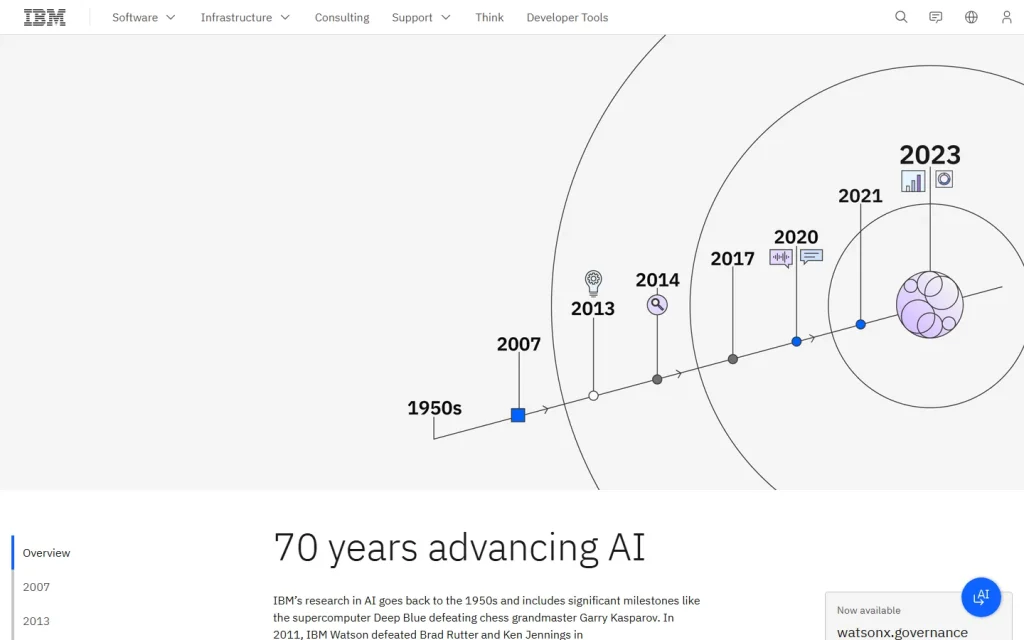
IBM Watson AI Platform is a suite of enterprise-grade tools designed to help organizations build, train, and deploy machine learning models at scale. It provides a unified environment for data scientists and developers to manage the entire AI lifecycle, from data preparation to model monitoring.
Beyond the Chatbot: How Watson Works
IBM Watson operates as a collection of modular services that work together to turn raw data into actionable intelligence. While many recognize it for conversational AI, the platform's strength lies in its ability to process massive amounts of unstructured data like PDFs, emails, and sensor logs.
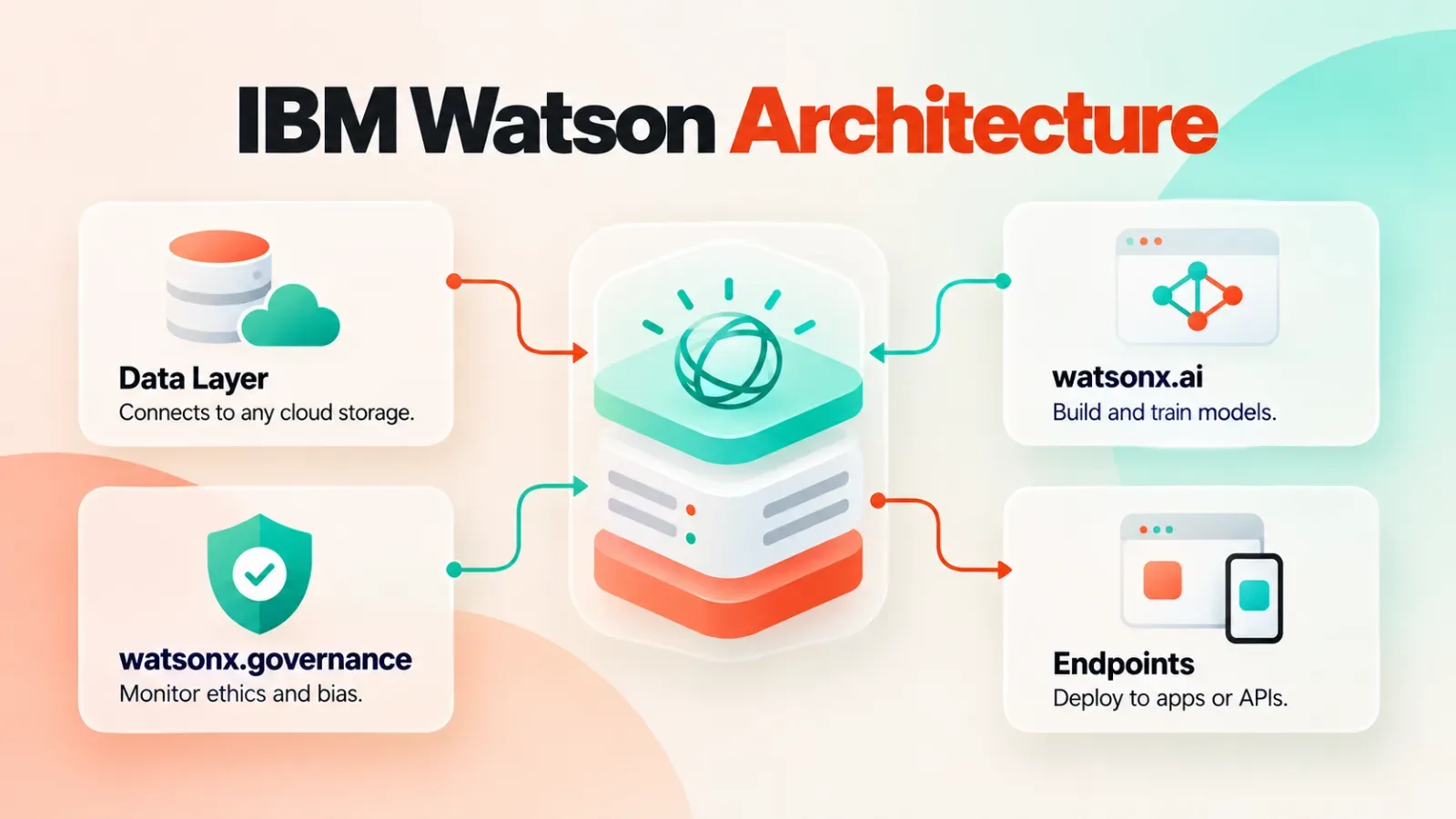
The platform uses a hybrid cloud approach, which means you can run your AI workloads on IBM Cloud, AWS, Azure, or your own on-premise servers. This flexibility is vital for companies that can't move their sensitive data to a public cloud due to privacy laws.
Data scientists often start with IBM Watson Studio, where they can collaborate on projects using Python or R. The platform simplifies the heavy lifting of machine learning by providing automated tools that pick the best algorithms for your specific data.
Scaling with watsonx and Open Source Models
IBM recently evolved its AI strategy by launching watsonx, which focuses heavily on generative AI and foundation models. This shift allows you to use both IBM's proprietary models and open-source options like Llama or Mistral within the same secure environment.
Watsonx.ai provides a studio for foundation models where you can tune AI to your specific business vocabulary without starting from scratch. It isn't just about text generation. The system's designed to help with Best MLOps Platforms practices by automating the deployment and retraining of models.
There's a significant focus on making these models useful for coding and automation. For example, some teams use the platform to convert old COBOL code into modern Java. This shows how IBM targets the deep technical debt found in large financial and government institutions.
The Governance Edge for Regulated Industries
The biggest hurdle for enterprise AI isn't just building a model but making sure that model stays accurate and ethical over time. IBM Watson addresses this through its governance tools, which track the lineage of every data point used in training.
IBM's documentation states that their governance tools monitor for "drift," which is when an AI's accuracy starts to fade as real-world data changes. This is particularly important in banking or healthcare where a wrong prediction has legal consequences.
You'll find that the platform automatically flags potential bias in your models. If a hiring AI starts favoring one demographic over another, the system alerts the team before the model is deployed. It's this level of oversight that differentiates Watson from simpler, consumer-focused AI tools.
If you're looking for more ways to scale your business operations, explore our guide to AI Automation Tools for a look at platforms that handle complex enterprise workflows.