AI has moved workflow automation well past simple if-this-then-that triggers — today’s tools combine machine learning, natural language processing, computer vision, and robotic process automation (RPA) to handle data entry, route decisions, power customer service, optimize processes, and predict outcomes, not just execute fixed steps. This guide covers what these tools actually do and the 21 platforms worth knowing, from no-code connectors to enterprise RPA suites.
How AI Is Used in Workflow Automation
The practical applications split into a few core areas. Data entry and processing uses AI to extract, validate, and route information without manual re-keying. Decision-making automation applies rules and machine learning models to route approvals, flag exceptions, or escalate edge cases to a human. Customer service automation handles routine inquiries and hands off complex ones. Process optimization analyzes how work actually flows through an organization and surfaces bottlenecks a manual review would miss. And predictive analytics forecasts demand, risk, or resource needs so workflows adjust proactively instead of reactively.
Benefits of AI in Workflow Automation
The gains compound across a few dimensions: faster processing and fewer manual touches translate directly into lower cost per transaction; AI catches data-entry and routing errors a tired human reviewer misses, improving accuracy; and decisions that used to wait for a human to review a queue now happen in real time, which shows up as a better customer experience on the other end. None of this eliminates the need for human judgment on exceptions and edge cases — it shrinks how much of the routine work needs a person at all.
Top Tools For AI in Workflow Automation
Zapier
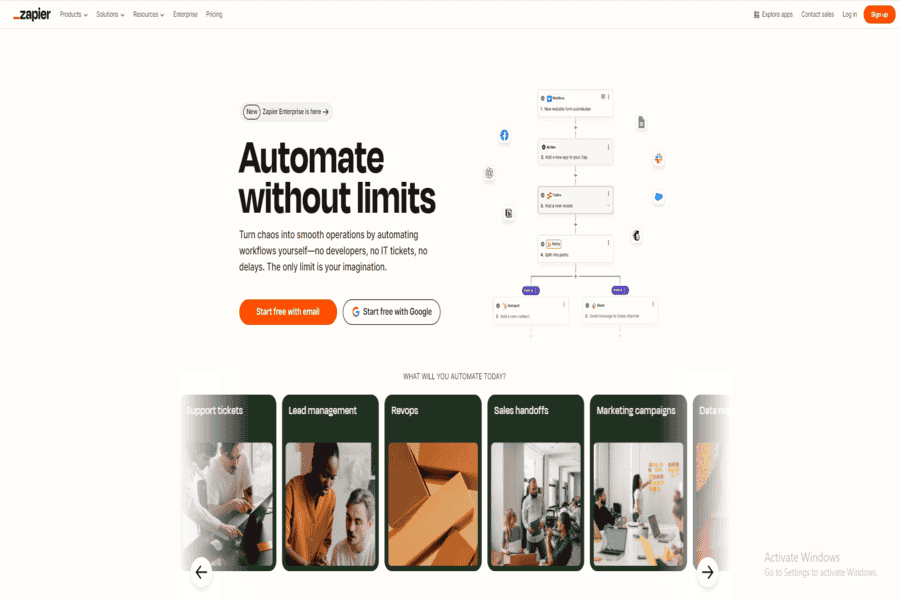
An AI-powered automation platform that connects apps and services to automate repetitive tasks.
Pros:
- Wide integration options (over 5,000 apps)
- No coding required
- Simple interface
Cons:
- Pricing can get steep for high-volume usage
- Limited advanced customization
Pricing Package:
Free plan available; Paid plans start at $19.99/month.
Social Media Links:
- Facebook: Zapier
- Instagram: @zapier
- LinkedIn: Zapier
- Twitter: @zapier
- YouTube: Zapier Channel
- Email: [email protected]
n8n
An AI‑powered, low‑code workflow automation platform that lets you connect apps and services to automate repetitive tasks.
Pros:
- Flexible interface blending drag‑and‑drop with custom code (JavaScript, webhooks, API nodes), ideal for technical users.
- Full control via easy self‑hosting (e.g., Docker, VPS)—no vendor lock‑in and complete data ownership.
- Open‑source & scalable, with unlimited workflows, users, and steps under its execution‑based pricing model.
Cons:
- Higher technical barrier: you need to manage hosting, updates, backups, server configuration, and security yourself.
- Paid Business and Enterprise self‑hosted plans have shifted to execution‑based pricing, which can increase costs at scale.
Pricing Package:
- Free plan available: The Community Edition is open‑source and free to self‑host with unlimited workflows and executions.
- Paid plans start around $24–$60/month (cloud): Starter plans begin at roughly $24/month for ~2,500 executions, with Pro at ~$60/month for ~10,000 executions; Business/Enterprise options are available for higher volumes or advanced features.
Self-Hosting with Hostinger:
You can self‑host n8n with Hostinger, giving you flexibility, customization, and total control over your data—no coding required. Hostinger includes tutorials, reverse-proxy setups (e.g., via webhooks), and expert support to get you started smoothly.
UiPath
A leading platform for robotic process automation (RPA) using AI to simplify workflows.
Pros:
- Comprehensive RPA features
- Intuitive drag-and-drop builder
- Strong developer community
Cons:
- The steeper learning curve for beginners
- Pricing complexity
Pricing Package:
Custom pricing based on enterprise needs.
Social Media Links:
- Facebook: UiPath
- Instagram: @uipath_official
- LinkedIn: UiPath
- Twitter: @UiPath
- YouTube: UiPath Channel
- Email: [email protected]
- Phone Number: +1 (844) 432-0455
Automation Anywhere
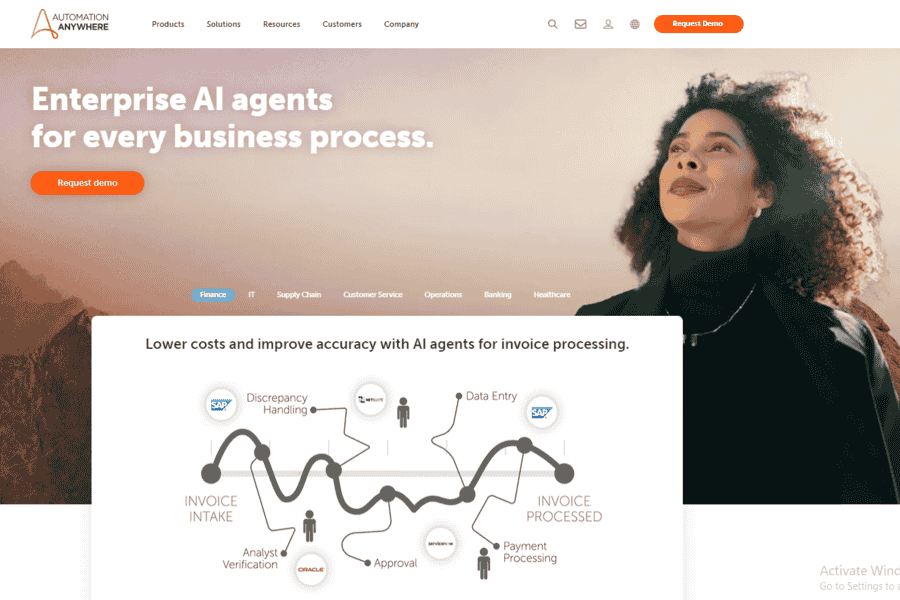
A powerful RPA tool for automating business processes across different industries.
Pros:
- Cloud-native platform
- Advanced AI features like IQ Bot
- Highly scalable
Cons:
- Steep pricing for SMEs
- Requires technical expertise for advanced workflows
Pricing Package:
Custom pricing: Free trial available.
Social Media Links:
- Facebook: Automation Anywhere
- Instagram: @automation_anywhere
- LinkedIn: Automation Anywhere
- Twitter: @AutomationAnyw
- YouTube: Automation Anywhere Channel
- Email: [email protected]
- Phone Number: +1 (408) 275-6300
Microsoft Power Automate
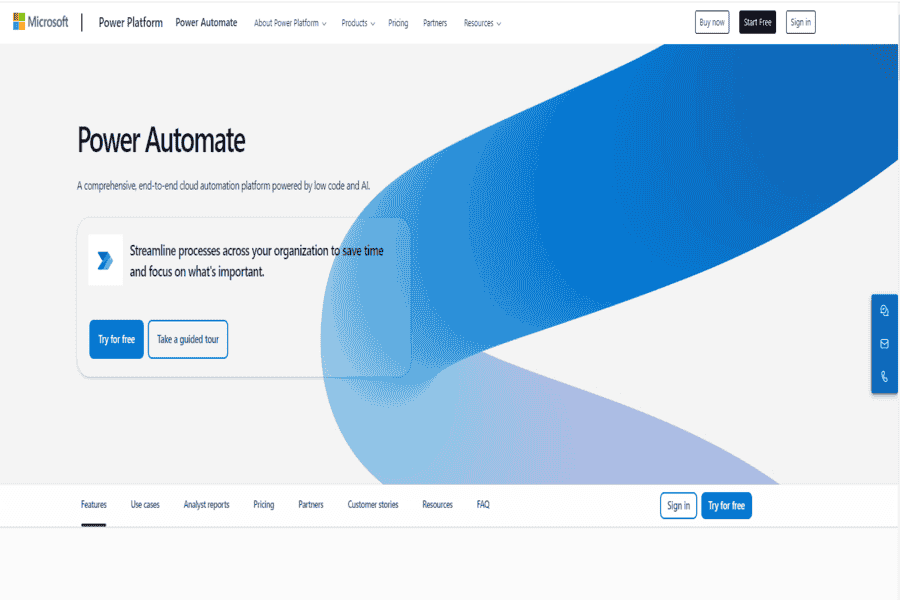
A Microsoft platform to automate workflows and integrate apps with AI capabilities.
Pros:
- Integrates seamlessly with Microsoft 365
- Built-in AI builder
- Cloud and on-premises solutions
Cons:
- It can be complex for non-Microsoft users
- Licensing can be expensive
Pricing Package:
Starts at $15/user/month.
Social Media Links:
- Facebook: Microsoft Power Automate
- LinkedIn: Microsoft Power Automate
- Twitter: @MSPowerAutomate
- YouTube: Microsoft Power Automate Channel
- Phone Number: +1 (800) 642-7676
Make (formerly Integromat)
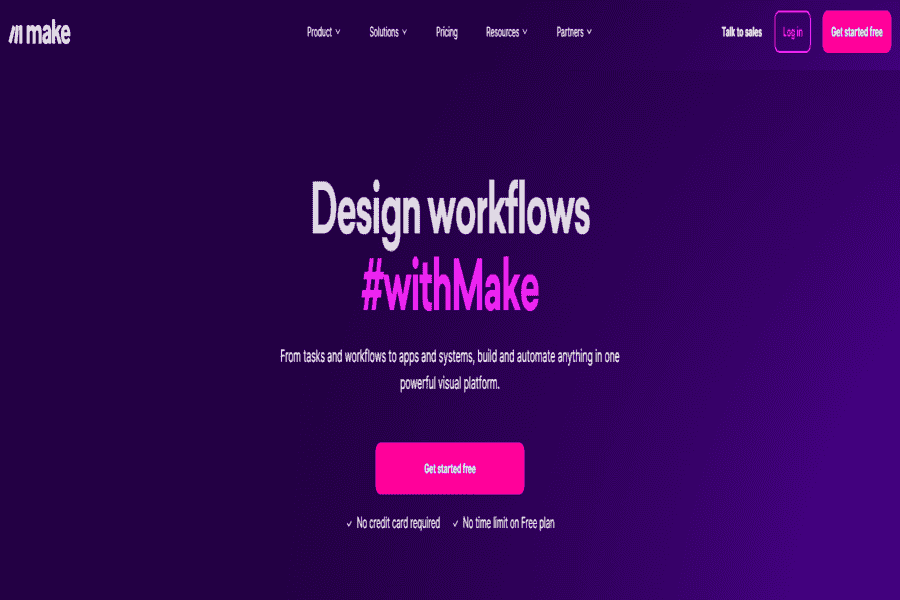
A visual platform for automating and optimizing workflows between apps.
Pros:
- Flexible visual editor
- Affordable plans for beginners
- Supports complex scenarios
Cons:
- Requires some technical understanding
- Limited support options on lower plans
Pricing Package:
Free plan available; Paid plans start at $9/month.
Social Media Links:
- Facebook: Make
- Instagram: @make_automation
- LinkedIn: Make
- Twitter: @make_automation
- YouTube: Make Channel
- Email: [email protected]
Workato
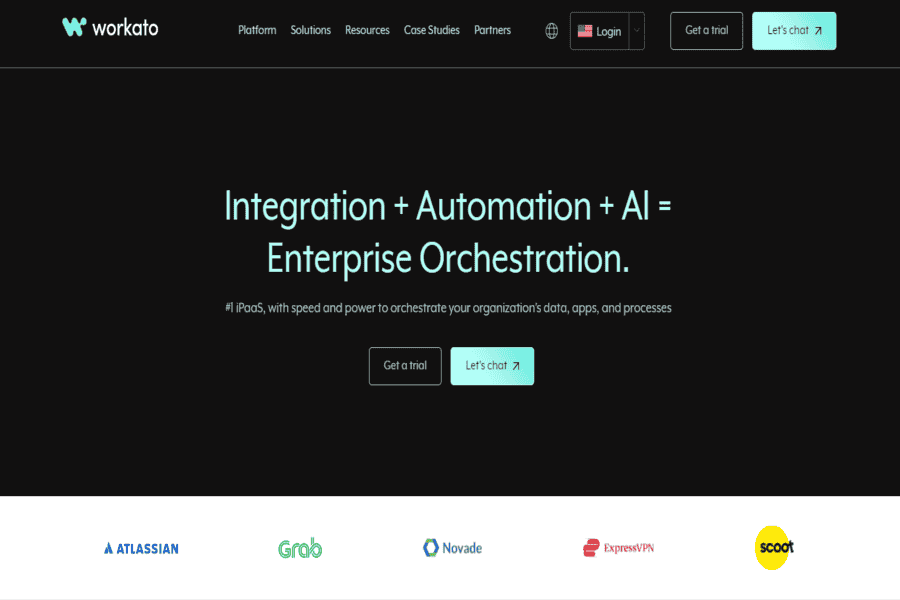
A no-code platform for integrating apps and automating workflows with AI.
Pros:
- Enterprise-grade solutions
- Rich AI integrations
- Pre-built connectors
Cons:
- Expensive for small businesses
- Limited features in basic plans
Pricing Package:
Custom pricing: Free trial available.
Social Media Links:
- Facebook: Workato
- Instagram: @workato
- LinkedIn: Workato
- Twitter: @workato
- YouTube: Workato Channel
- Email: [email protected]
- Phone Number: +1 (844) 469-6752
Asana
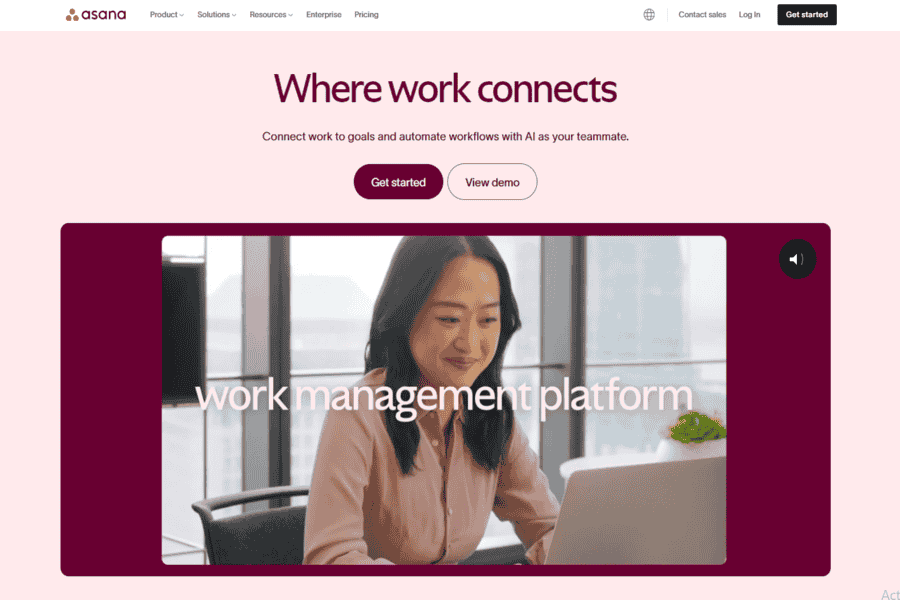
A task and workflow management tool enhanced by AI for automating project processes.
Pros:
- User-friendly interface
- Robust collaboration features
- Automation rules for workflows
Cons:
- Limited customization in the free plan
- Higher tiers are costly
Pricing Package:
Free plan available; Paid plans start at $10.99/user/month.
Social Media Links:
- Facebook: Asana
- Instagram: @asana
- LinkedIn: Asana
- Twitter: @asana
- YouTube: Asana Channel
- Email: [email protected]
HubSpot
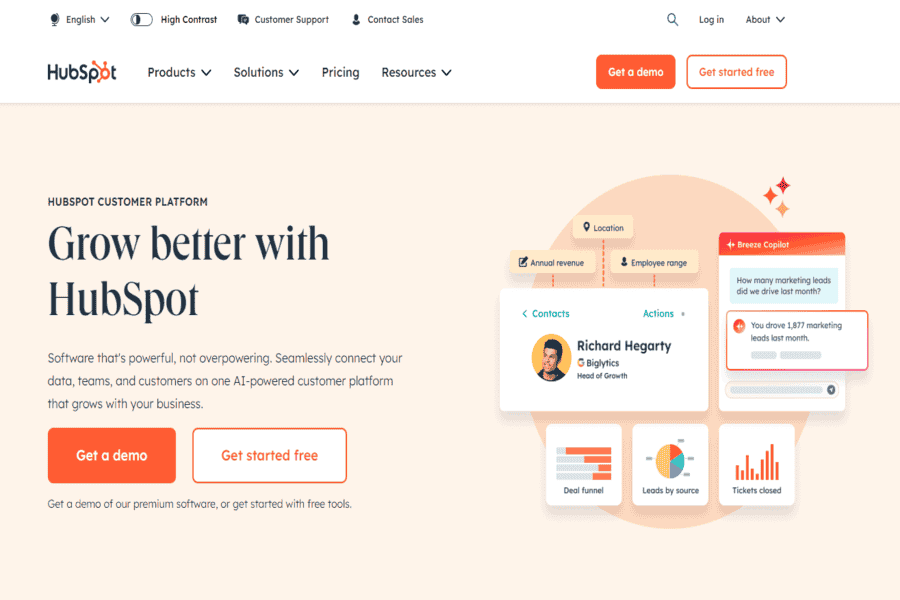
A CRM and marketing automation tool with AI for sales, marketing, and workflow optimization.
Pros:
- The comprehensive suite of tools
- AI-driven insights
- Great customer support
Cons:
- Expensive for small businesses
- Overwhelming for beginners
Pricing Package:
Free CRM is available; Paid plans start at $45/month.
Social Media Links:
- Facebook: HubSpot
- Instagram: @hubspot
- LinkedIn: HubSpot
- Twitter: @HubSpot
- YouTube: HubSpot Channel
- Email: [email protected]
- Phone Number: +1 (888) 482-7768
Monday.com
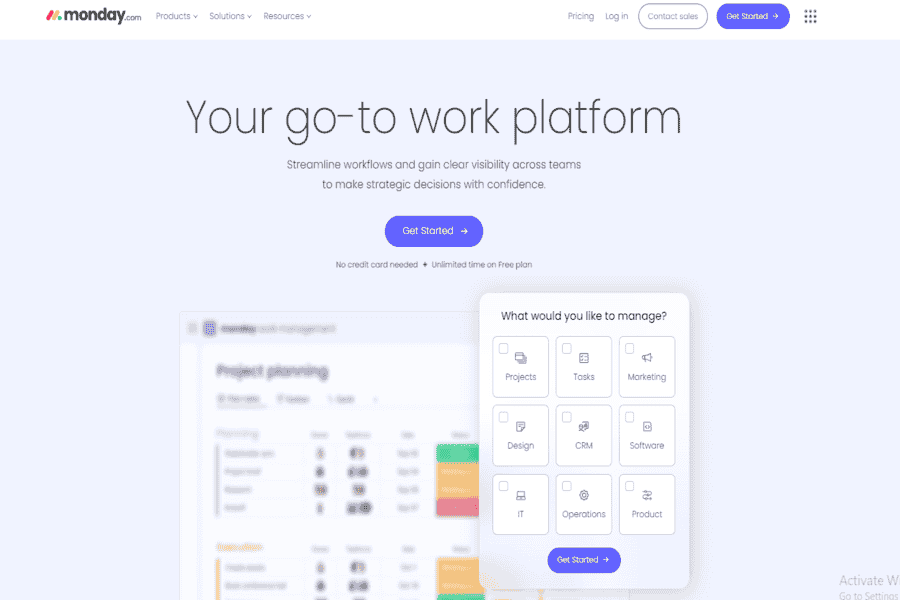
A work operating system with AI-driven automation for project management and workflows.
Pros:
- Intuitive interface
- Highly customizable
- AI-powered automation templates
Cons:
- Limited advanced features on lower plans
- It can get expensive with add-ons
Pricing Package:
Free plan available; Paid plans start at $8/seat/month.
Social Media Links:
- Facebook: Monday.com
- Instagram: @mondaydotcom
- LinkedIn: Monday.com
- Twitter: @mondaydotcom
- YouTube: Monday.com Channel
- Email: [email protected]
Blue Prism
A leading RPA platform with AI capabilities for end-to-end business process automation.
Pros:
- Enterprise-grade security
- Scalable and reliable
- Strong focus on compliance
Cons:
- Steeper learning curve
- Expensive for small teams
Pricing Package:
Custom pricing: Free trial available.
Social Media Links:
- Facebook: Blue Prism
- LinkedIn: Blue Prism
- Twitter: @blue_prism
- YouTube: Blue Prism Channel
- Email: [email protected]
- Phone Number: +44 330 321 0055
Nintex
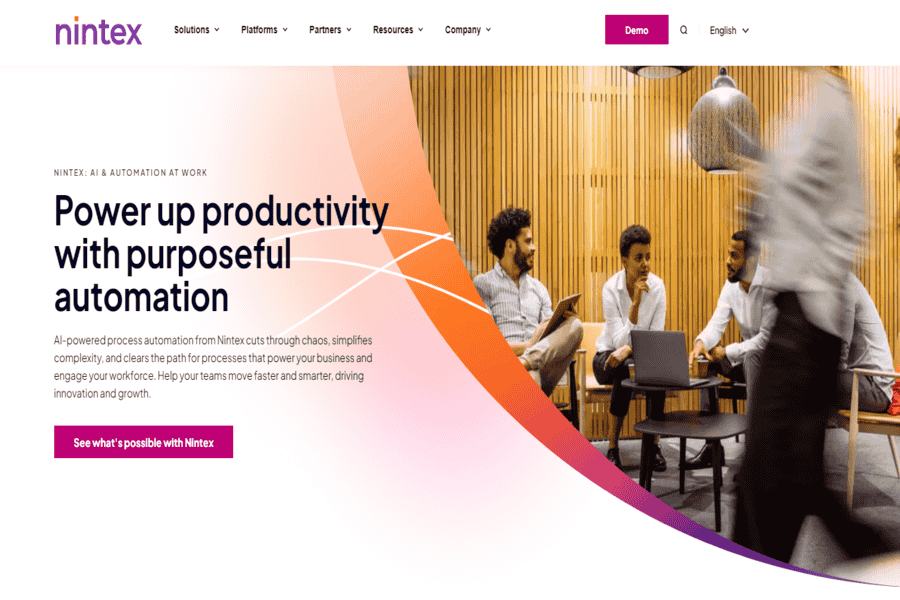
A process management and automation tool leveraging AI to streamline workflows.
Pros:
- Strong focus on process mapping
- Easy-to-use drag-and-drop interface
- Integrates well with SharePoint
Cons:
- Expensive for small organizations
- Limited AI capabilities compared to competitors
Pricing Package:
Custom pricing: Free trial available.
Social Media Links:
- Facebook: Nintex
- Instagram: @nintexglobal
- LinkedIn: Nintex
- Twitter: @Nintex
- YouTube: Nintex Channel
- Email: [email protected]
- Phone Number: +1 (425) 882-8080
Trello
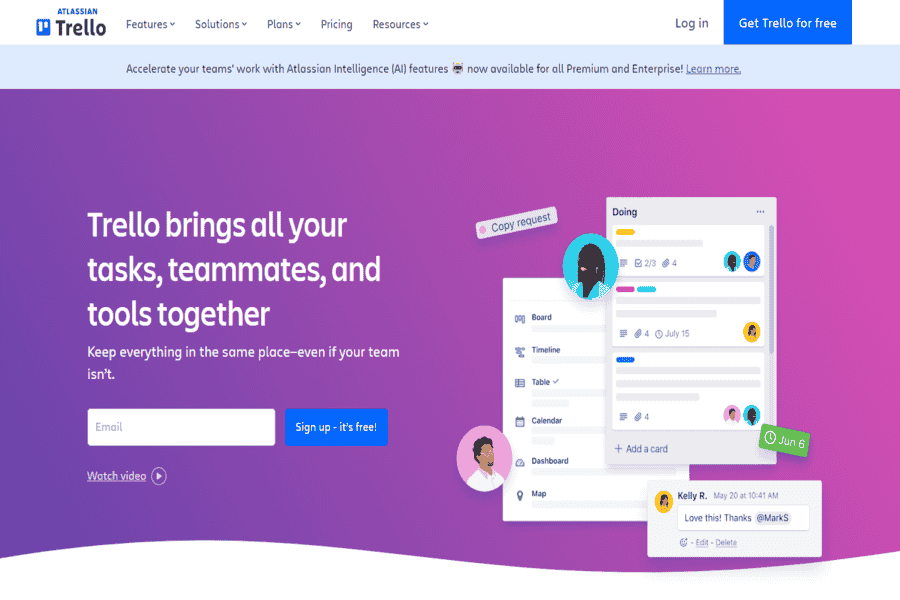
A Kanban-based tool enhanced with AI for automating project management workflows.
Pros:
- Highly visual and intuitive
- Power-Ups for advanced automation
- Affordable pricing plans
Cons:
- Limited AI features compared to others
- It can get cluttered with large teams
Pricing Package:
Free plan available; Paid plans start at $5/user/month.
Social Media Links:
- Facebook: Trello
- Instagram: @trelloapp
- LinkedIn: Trello
- Twitter: @trello
- YouTube: Trello Channel
- Email: [email protected]
Pabbly Connect
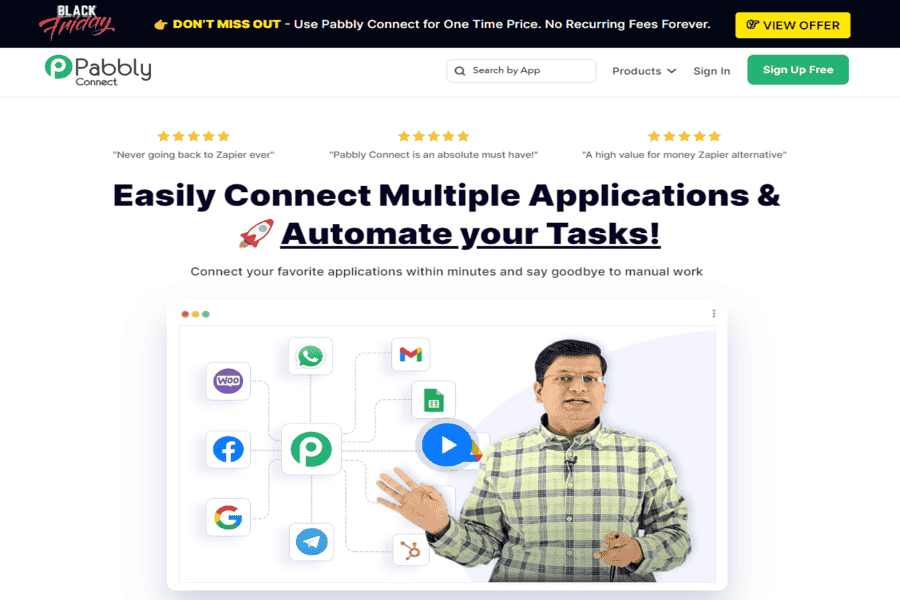
A budget-friendly alternative for automating workflows with AI-enhanced features.
Pros:
- Unlimited workflows in higher plans
- Easy-to-use interface
- Affordable compared to competitors
Cons:
- Fewer integrations than Zapier
- Limited advanced AI features
Pricing Package:
Free trial available; Paid plans start at $25/month.
Social Media Links:
- Facebook: Pabbly Connect
- Instagram: @pabblyapps
- LinkedIn: Pabbly
- Twitter: @pabblyapps
- YouTube: Pabbly Channel
- Email: [email protected]
ClickUp
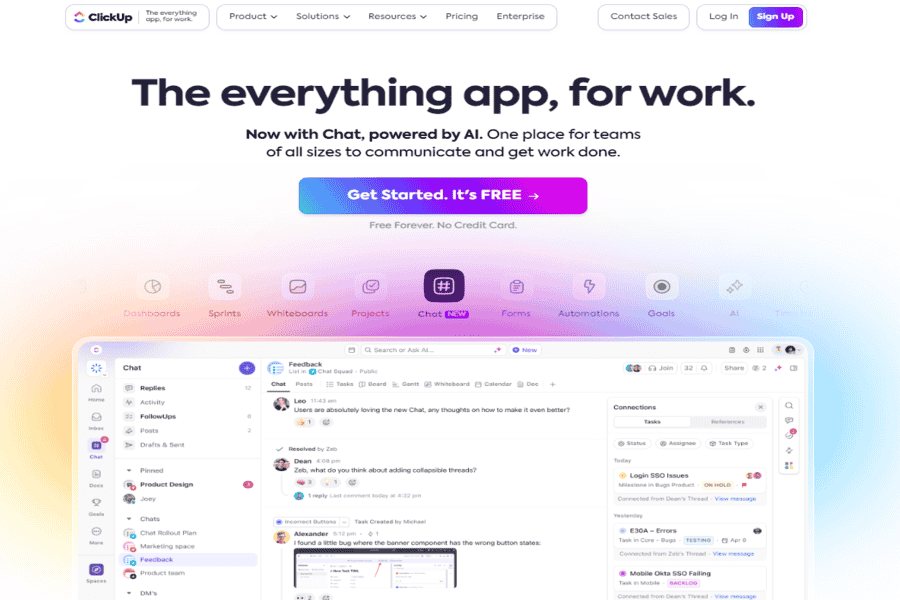
A productivity platform with AI-powered automation for managing tasks and workflows.
Pros:
- Feature-rich and customizable
- Affordable plans
- AI writing assistant for tasks
Cons:
- Steeper learning curve
- Overwhelming features for small teams
Pricing Package:
Free plan available; Paid plans start at $5/user/month.
Social Media Links:
- Facebook: ClickUp
- Instagram: @clickup
- LinkedIn: ClickUp
- Twitter: @clickup
- YouTube: ClickUp Channel
- Email: [email protected]
Smartsheet
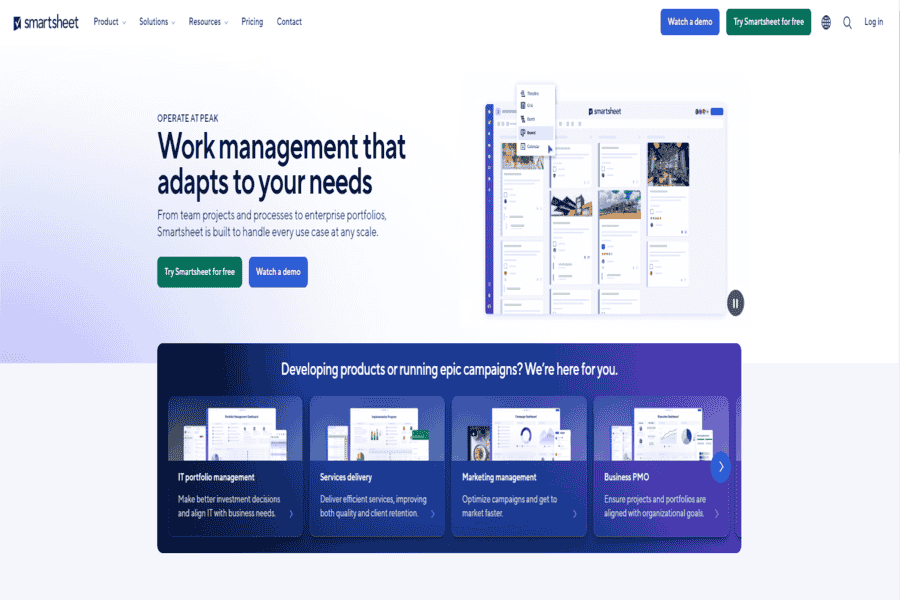
A work management platform with AI-based automation for collaboration and task tracking.
Pros:
- Easy-to-use spreadsheet interface
- Strong reporting features
- Powerful automation rules
Cons:
- Limited customization on lower-tier plans
- The learning curve for advanced workflows
Pricing Package:
A free trial is available; paid plans start at $7/user/month.
Social Media Links:
- Facebook: Smartsheet
- Instagram: @smartsheet
- LinkedIn: Smartsheet
- Twitter: @smartsheet
- YouTube: Smartsheet Channel
- Email: [email protected]
- Phone Number: +1 (844) 324-2360
IFTTT
A simple automation platform to connect apps and devices with “if this, then that” rules.
Pros:
- Extremely easy to use
- Free plan with decent features
- Works well with smart devices
Cons:
- Limited advanced automation features
- Fewer integrations than competitors
Pricing Package:
Free plan available; Paid plans start at $2.50/month.
Social Media Links:
- Facebook: IFTTT
- Instagram: @ifttt
- LinkedIn: IFTTT
- Twitter: @IFTTT
- YouTube: IFTTT Channel
- Email: [email protected]
Kissflow
A cloud-based business process management tool with AI-powered workflow automation.
Pros:
- Intuitive design
- Highly customizable workflows
- Affordable for SMEs
Cons:
- Limited integrations
- Basic AI features compared to enterprise tools
Pricing Package:
Starts at $10/user/month.
Social Media Links:
- Facebook: Kissflow
- Instagram: @kissflow
- LinkedIn: Kissflow
- Twitter: @kissflow
- YouTube: Kissflow Channel
- Email: [email protected]
- Phone Number: +1 (650) 276-8964
Zoho Flow
A Zoho platform for automating workflows across apps and services with AI.
Pros:
- Affordable plans
- Integrates well with the Zoho ecosystem
- Visual editor for workflows
Cons:
- Limited integration outside Zoho apps
- Basic AI features
Pricing Package:
Free trial available; Paid plans start at $10/month.
Social Media Links:
- Facebook: Zoho Flow
- Instagram: @zoho
- LinkedIn: Zoho Flow
- Twitter: @zoho
- YouTube: Zoho Channel
- Email: [email protected]
- Phone Number: +1 (888) 900-9646
Appian
A low-code platform with AI integration for workflow and business process automation.
Pros:
- Robust enterprise features
- Scalable for large organizations
- AI-assisted automation and insights
Cons:
- High pricing
- Requires technical expertise for customization
Pricing Package:
Custom pricing: Free trial available.
Social Media Links:
- Facebook: Appian
- LinkedIn: Appian
- Twitter: @appian
- YouTube: Appian Channel
- Email: [email protected]
- Phone Number: +1 (703) 442-8844
Celonis
A process mining and execution management platform with AI-driven automation tools.
Pros:
- Advanced process insights
- AI recommendations for optimization
- Ideal for large enterprises
Cons:
- Complex setup process
- Expensive for smaller organizations
Pricing Package:
Custom pricing: Free trial available.
Social Media Links:
- Facebook: Celonis
- Instagram: @celonis
- LinkedIn: Celonis
- Twitter: @Celonis
- YouTube: Celonis Channel
- Email: [email protected]
- Phone Number: +1 (646) 494-9603
Challenges of AI in Workflow Automation
These tools have real limits. Automation is only as good as the data feeding it — inconsistent or poorly structured source data produces unreliable automation, no matter how capable the underlying AI is. Automating a decision process raises real accountability questions when something goes wrong, and that governance work doesn’t happen automatically alongside the technical rollout. Enterprise RPA and process-mining platforms carry real implementation costs and timelines, not just a subscription fee, especially when integrating with legacy systems. And getting real value out of these platforms — not just the basic connector-level automations — takes technical expertise that many teams have to build or hire for.
Where This Is Headed
The clearest trend is hyperautomation — combining RPA, AI, and process mining into one coordinated system rather than a pile of disconnected point automations, which is where platforms like Celonis and Appian are pushing. AI-powered process discovery is starting to map how work actually happens in an organization automatically, instead of relying on manual process documentation that’s out of date the moment it’s written. Decision-making is getting more sophisticated too, moving past fixed rules toward models that weigh context. And as more of this runs unsupervised, ethical and governance questions around automated decisions are becoming a real part of rollout planning, not an afterthought.
Conclusion
The 21 tools above split roughly into three groups: no-code connectors (Zapier, Make, n8n, IFTTT, Pabbly Connect) for linking apps without engineering resources; enterprise RPA and process platforms (UiPath, Automation Anywhere, Blue Prism, Nintex, Appian, Celonis, Workato) for larger-scale, governed automation; and project/work-management tools (Asana, HubSpot, Monday.com, Trello, ClickUp, Smartsheet, Kissflow, Zoho Flow) that have layered automation on top of their core product. Match the tool to your team’s technical depth and the scale of what you’re automating — a five-person team gluing together a few apps and an enterprise standardizing hundreds of processes need genuinely different tools, not the same one at different price tiers.