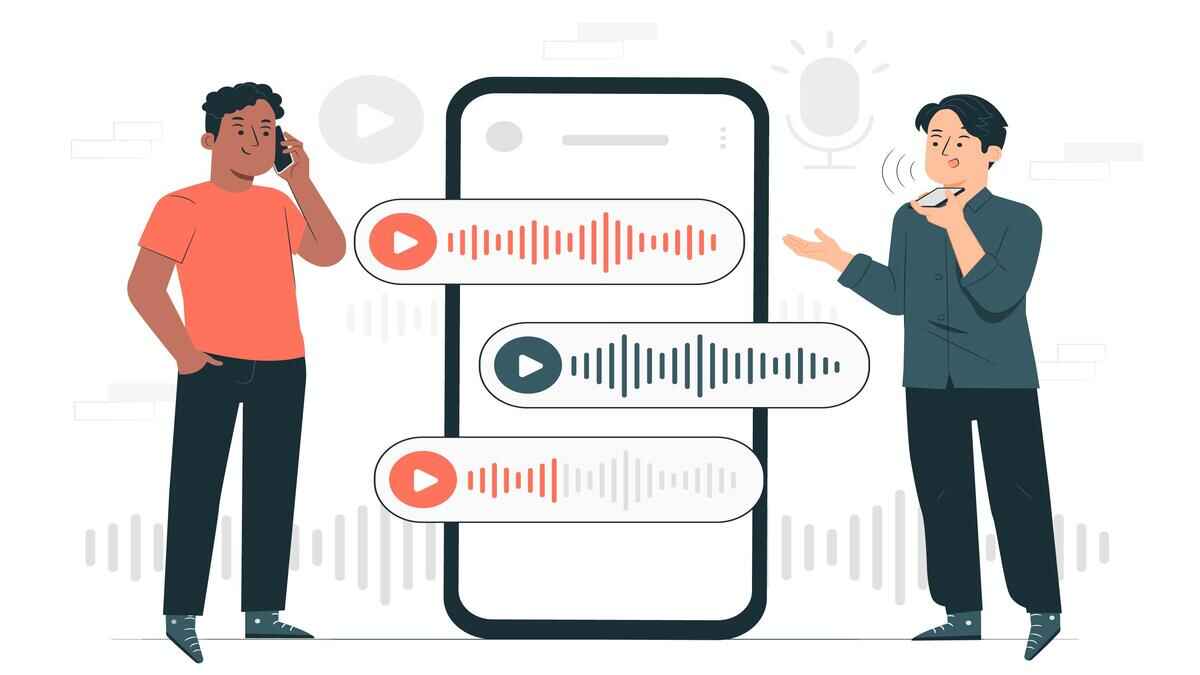
AI voice cloning generates synthetic speech that replicates a specific person’s voice — tone, pitch, accent, and increasingly emotional inflection — from a training sample that can now be as short as a few seconds of audio. It’s used for voiceover and narration, dubbing content into other languages while preserving the original speaker’s voice, accessibility tools for people who’ve lost their natural speaking voice, entertainment, and personalized voice assistants. This guide covers how the technology actually works and the 20 tools worth knowing.
How AI Voice Cloning Works
Modern voice cloning combines several techniques. Text-to-speech and speech-to-text conversion form the base layer, converting between written and spoken content. Deep learning models, often generative adversarial networks (GANs), learn a voice’s characteristics from training audio and generate new speech in that voice, while separate voice-feature-extraction and phoneme-level analysis steps capture the specific acoustic patterns that make a voice recognizable. Few-shot learning is what enables today’s fastest tools to clone a voice from seconds of audio rather than the hours earlier systems needed. Waveform synthesis renders the final audio, emotion and intonation modeling adds natural-sounding expression rather than flat delivery, data augmentation improves robustness across accents and conditions, and multilingual training lets some tools preserve a cloned voice across languages — the basis of AI dubbing.
Top AI Voice Cloning Tools
Resemble AI
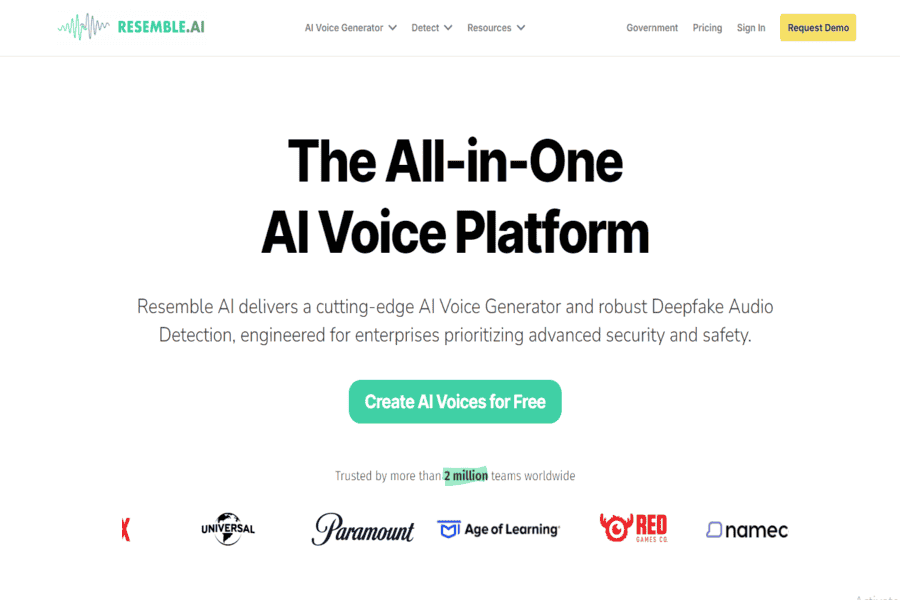
We have an advanced voice cloning platform with emotional tone customization and multilingual support.
Pros:
Accurate voice replication, emotional tones, and API integrations.
Cons:
Custom professional voices can be costly.
Pricing:
Starts at $1/month for basic plans and $99/month for professionals.
Social Media Links:
- Facebook: facebook.com/resemble.ai
- Instagram: instagram.com/resemble.ai
- LinkedIn: linkedin.com/company/resemble-ai
- Twitter: twitter.com/ResembleAI
Contact Information:
- Email: [email protected]
- Contact Number: +1-415-740-1083
Offers customizable voices for audio branding, education, and content creation.
Murf AI
Pros:
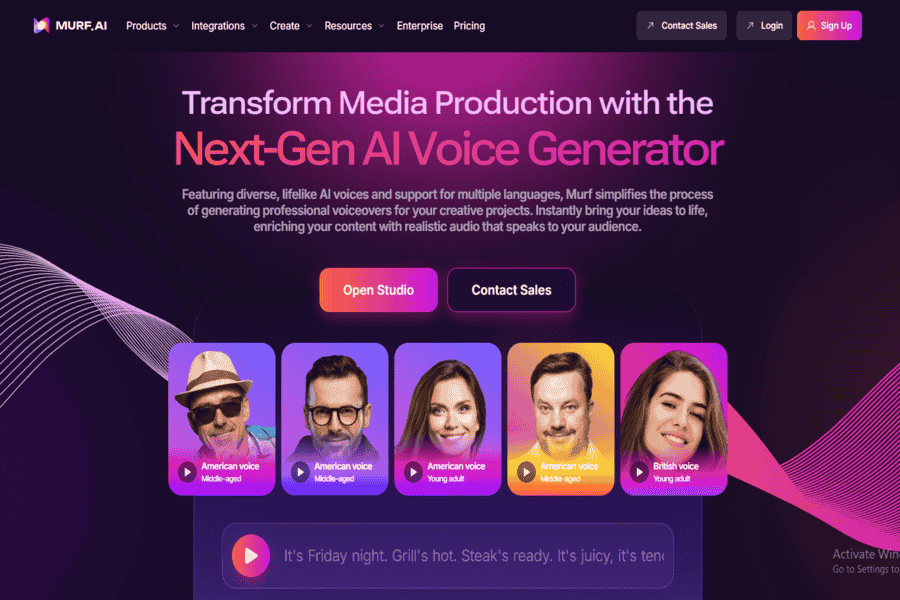
User-friendly, expressive speech capabilities.
Cons:
Limited video import size.
Pricing:
Free tier available; Pro plan $29–$99/month.
Social Media Links:
- Facebook: facebook.com/murf.ai
- Instagram: instagram.com/murf.ai
- LinkedIn: linkedin.com/company/murf-ai
- Twitter: twitter.com/murf_ai
Contact Information:
- Email: [email protected]
- Contact Number: +1-800-438-7327
PlayHT
High-quality text-to-speech and voice cloning platform.
Pros:
Excellent audio quality multilingual support.
Cons:
Limited features on the free tier.
Pricing:
Plans start at $14.85/month.
Social Media Links:
- Facebook: facebook.com/playht.com
- Instagram: instagram.com/playht
- LinkedIn: linkedin.com/company/playht
- Twitter: twitter.com/playht
Contact Information:
- Email: [email protected]
- Contact Number: +1-800-762-9469
Fliki
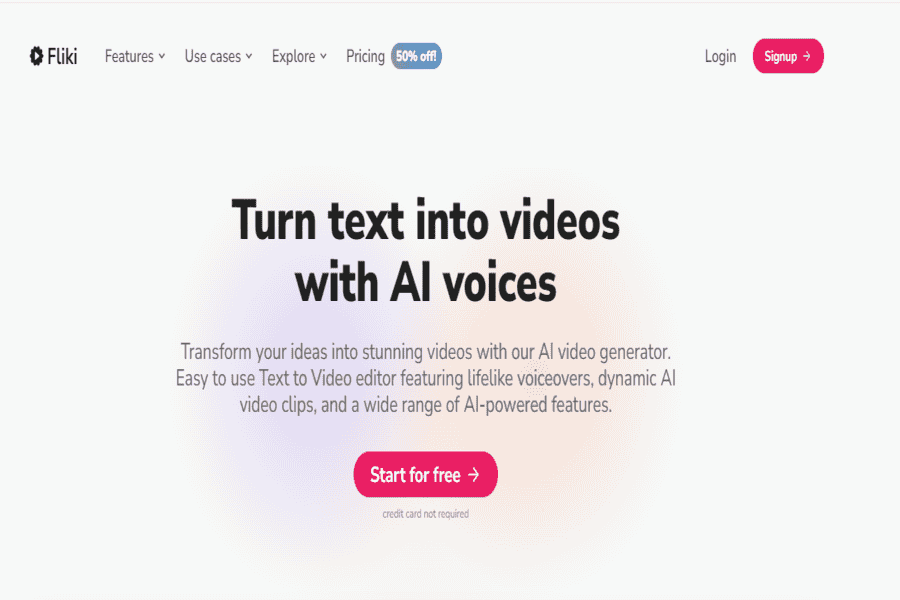
Combines text-to-speech with AI video creation for efficient multimedia production.
Pros:
Versatile for content creators.
Cons:
Premium pricing.
Pricing:
Starts at $28/month.
Social Media Links:
- Facebook: facebook.com/fliki.ai
- Instagram: instagram.com/fliki.ai
- LinkedIn: linkedin.com/company/fliki
- Twitter: twitter.com/fliki
Contact Information:
- Email: [email protected]
- Contact Number: +1-844-123-6789
Speechify
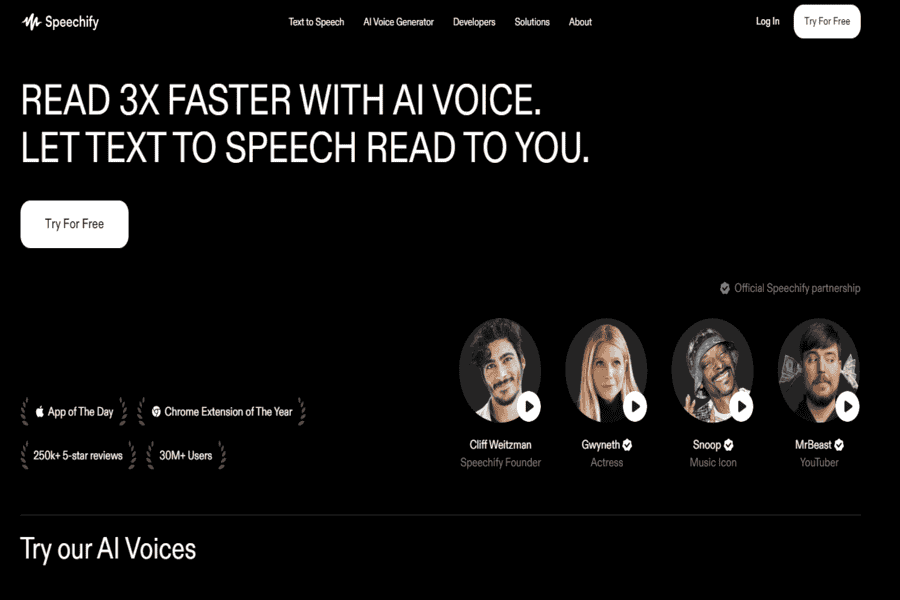
Easy-to-use voice cloning focused on natural-sounding voices for audiobooks and more.
Pros:
Celebrity voices, customizable accents.
Cons:
Cloning features only on the Pro plan.
Pricing:
$24/month.
Social Media Links:
- Facebook: facebook.com/SpeechifyApp
- Instagram: instagram.com/speechify
- LinkedIn: linkedin.com/company/speechify
- Twitter: twitter.com/speechify
Contact Information:
- Email: [email protected]
- Contact Number: +1-888-789-2345
Descript Overdub
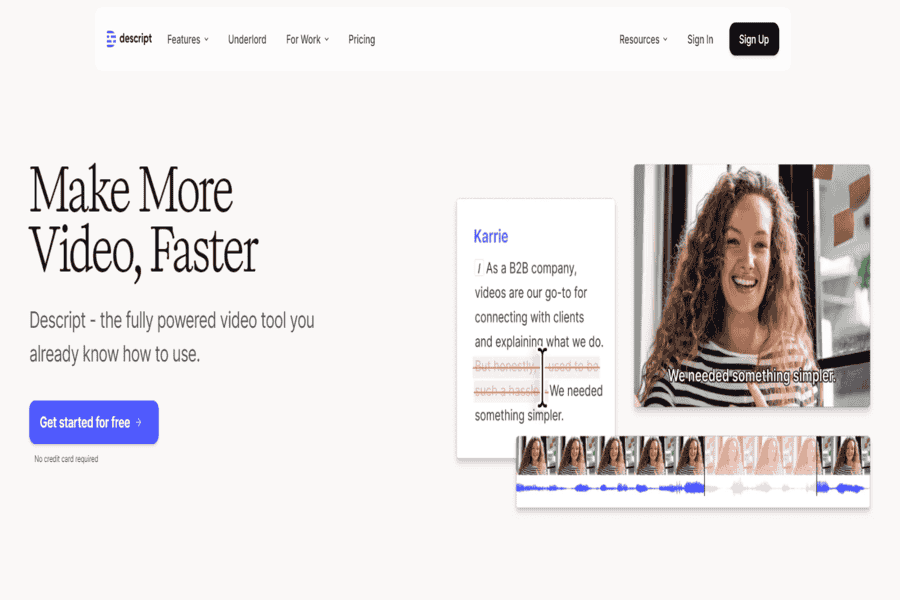
Synthesizes voices for video/audio editing with text-to-speech features.
Pros:
Excellent for editing corrections.
Cons:
Limited voice features compared to dedicated tools.
Pricing:
Free trial available; paid plans from $12/month.
Social Media Links:
- Facebook: facebook.com/DescriptApp
- Instagram: instagram.com/descriptapp
- LinkedIn: linkedin.com/company/descript
- Twitter: twitter.com/descript
Contact Information:
- Email: [email protected]
- Contact Number: +1-888-123-5678
Listnr
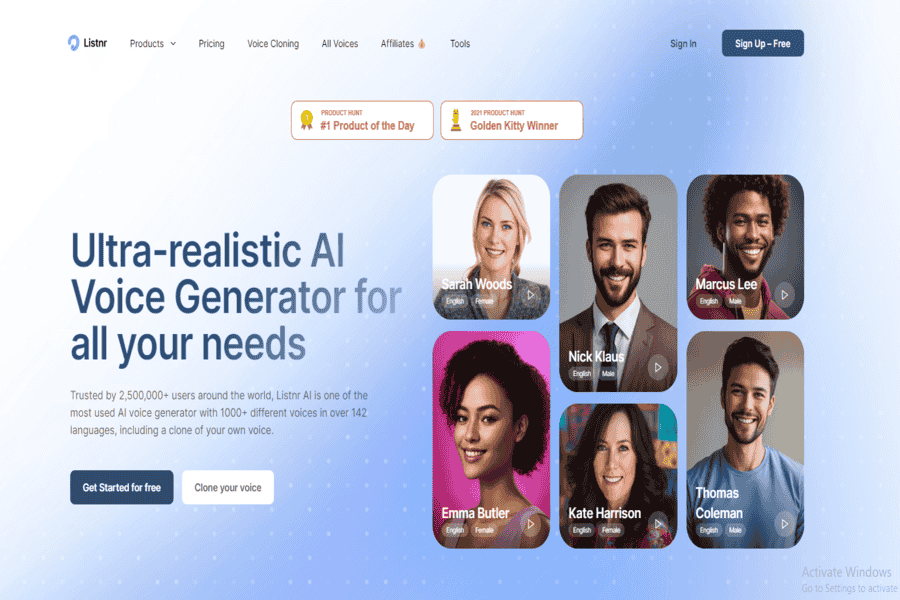
Converts text into lifelike speech with multilingual support.
Pros:
Batch processing, customizable accents.
Cons:
More advanced features in lower tiers.
Pricing:
$19–$79/month.
Social Media Links:
- Facebook: facebook.com/ListnrTech
- Instagram: instagram.com/listnr_tech
- LinkedIn: linkedin.com/company/listnr-tech
- Twitter: twitter.com/listnr_tech
Contact Information:
- Email: [email protected]
- Contact Number: +1-800-987-6543
WellSaid Labs
Enterprise-focused AI voice platform — replaces “Lyrebird AI” in this list, which linked to the wrong company entirely. Lyrebird itself was acquired by Descript in 2019 and its technology became Descript Overdub, already covered separately above; lyrebird.ai no longer resolves.
Pros:
Consistent, natural-sounding voices built for long-form enterprise content (training, e-learning, IVR).
Cons:
Pricing and custom voice creation are geared toward business accounts, not casual individual use.
Pricing:
Custom quotes.
Google Cloud Text-to-Speech
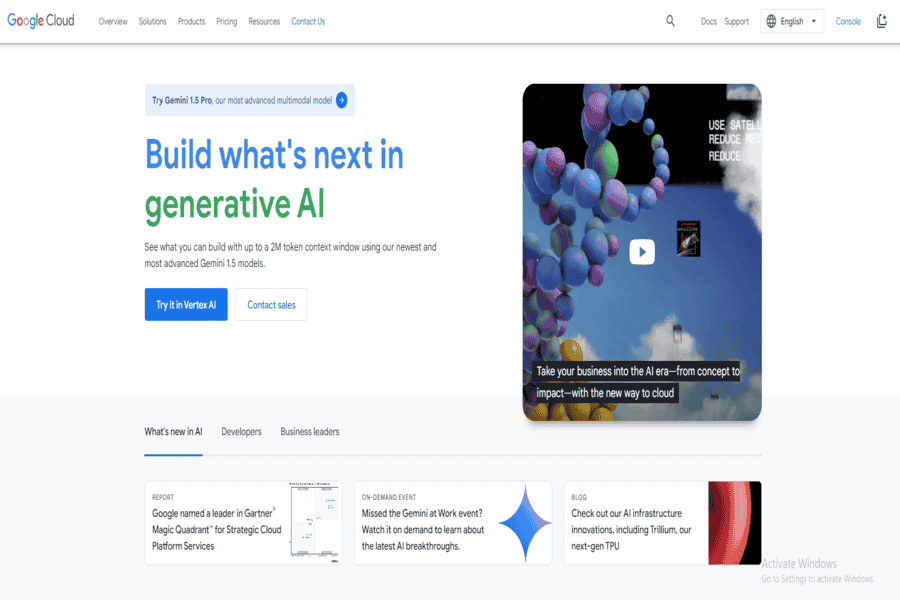
Offers scalable text-to-speech API with advanced voice synthesis.
Pros:
Reliable, wide range of voices.
Cons:
Complex for beginners.
Pricing:
Pay-as-you-go.
Social Media Links:
- Facebook: facebook.com/GoogleCloud
- Instagram: instagram.com/googlecloud
- LinkedIn: linkedin.com/showcase/google-cloud
- Twitter: twitter.com/googlecloud
Contact Information:
- Email: [email protected]
- Contact Number: +1-866-246-6453
Respeecher
Hollywood-grade voice cloning tool for creative industries.
Pros:
Supports multiple languages and natural-sounding voices.
Cons:
Custom voice creation is expensive.
Pricing:
Custom quotes.
Social Media Links:
- Facebook: facebook.com/respeecher
- Instagram: instagram.com/respeecher
- LinkedIn: linkedin.com/company/respeecher
- Twitter: twitter.com/respeecher
Contact Information:
- Email: [email protected]
- Contact Number: +1-800-456-1230
LOVO AI’s Genny
Easy-to-use voice synthesis with various accents and languages.
Pros:
Affordable, dynamic voice modulation.
Cons:
Limited free-tier features.
Pricing:
$30+/month.
Social Media Links:
- Facebook: facebook.com/lovoai
- Instagram: instagram.com/lovoai
- LinkedIn: linkedin.com/company/lovo-ai
- Twitter: twitter.com/lovo_ai
Contact Information:
- Email: [email protected]
- Contact Number: +1-800-658-4567
Audiosonic
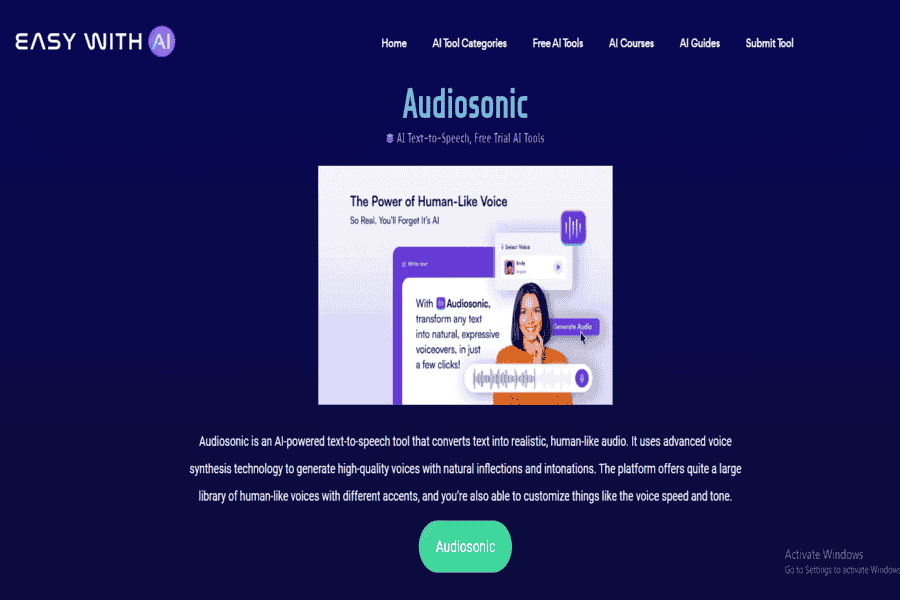
Simple voice cloning for multimedia projects.
Pros:
Intuitive interface, batch processing.
Cons:
There is limited customization in the free tier.
Pricing:
Starts at $10/month.
Social Media Links:
- Facebook: facebook.com/audiosonic
- Instagram: instagram.com/audiosonic
- LinkedIn: linkedin.com/company/audiosonic
- Twitter: twitter.com/audiosonic
Contact Information:
- Email: [email protected]
- Contact Number: +1-909-678-2341
iSpeech
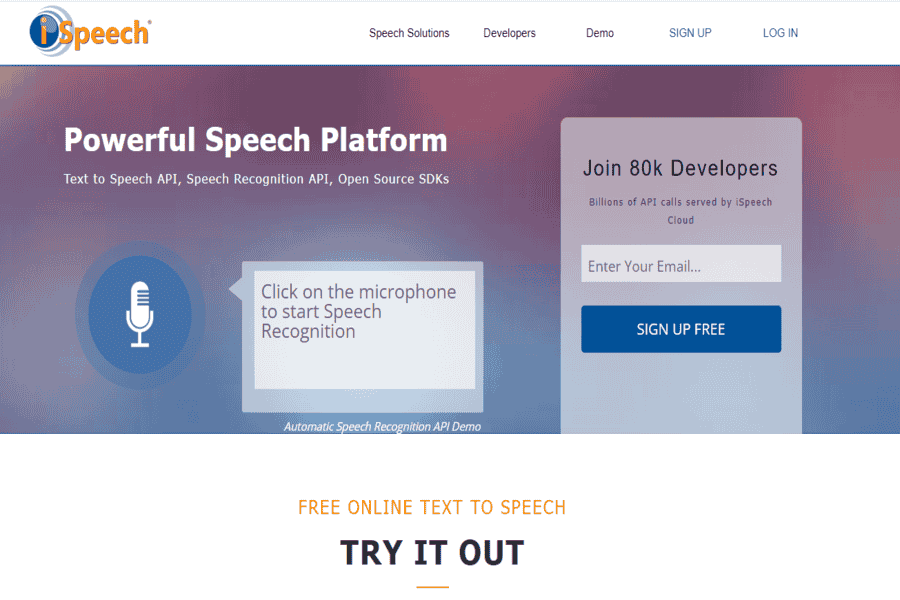
Offers voice cloning for accessibility and media applications.
Pros:
Easy setup, multilingual support.
Cons:
Less natural output than competitors.
Pricing:
$50/month.
Social Media Links:
- Facebook: facebook.com/iSpeech
- Instagram: instagram.com/ispeechorg
- LinkedIn: linkedin.com/company/ispeech
- Twitter: twitter.com/iSpeech_org
Contact Information:
- Email: [email protected]
- Contact Number: +1-877-881-4640
Voxygen
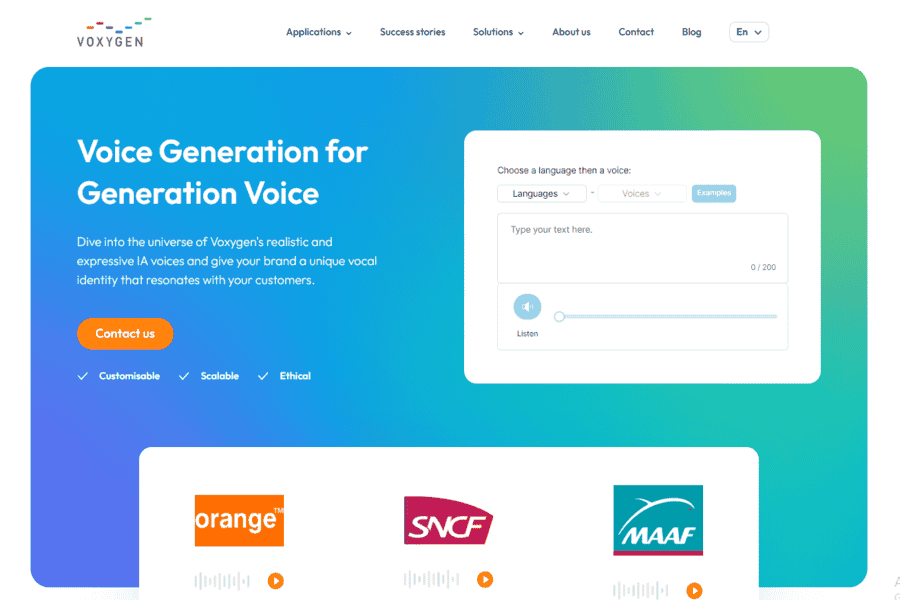
High-quality text-to-speech for industries like gaming and telecom.
Pros:
Professional-grade voices.
Cons:
Steeper learning curve.
Pricing:
Contact for quotes.
Social Media Links:
- Facebook: facebook.com/Voxygen
- Instagram: instagram.com/voxygen
- LinkedIn: linkedin.com/company/voxygen
- Twitter: twitter.com/voxygen
Contact Information:
- Email: [email protected]
- Contact Number: +33-1-76-22-47-00
Replica Studios
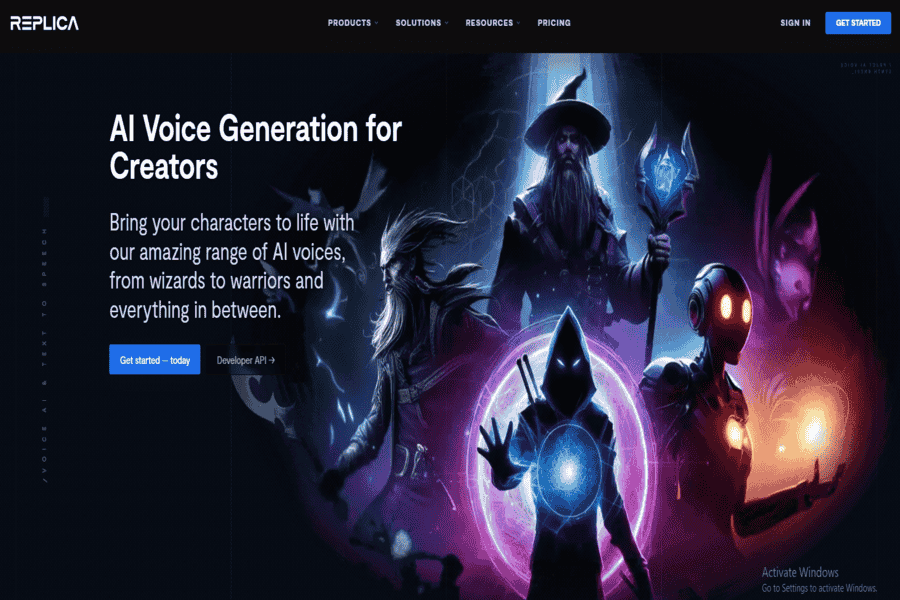
AI voice acting tool for game developers and filmmakers.
Pros:
Specialized for character dialogue.
Cons:
Niche applications.
Pricing:
$24/month.
Social Media Links:
- Facebook: facebook.com/ReplicaStudios
- Instagram: instagram.com/replicastudios
- LinkedIn: linkedin.com/company/replicastudios
- Twitter: twitter.com/replicastudios
Contact Information:
- Email: [email protected]
- Contact Number: +1-800-555-1234
Altered Studio
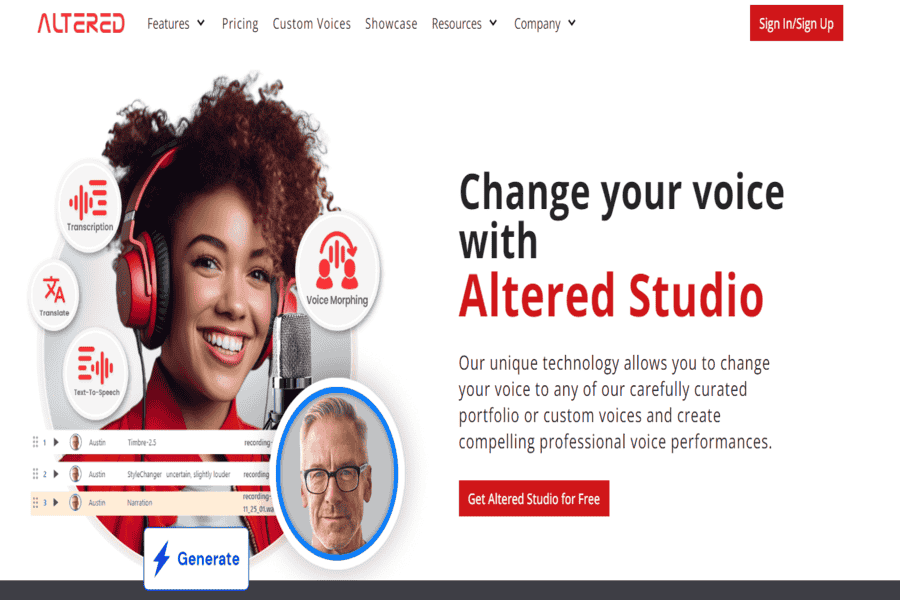
Advanced voice manipulation and cloning tool.
Pros:
High control over pitch and tone.
Cons:
Requires advanced audio knowledge.
Pricing:
Custom plans.
Social Media Links:
- Facebook: facebook.com/altered.ai
- Instagram: instagram.com/altered_ai
- LinkedIn: linkedin.com/company/altered-ai
- Twitter: twitter.com/altered_ai
Contact Information:
- Email: [email protected]
- Contact Number: +1-123-789-2341
Voice AI
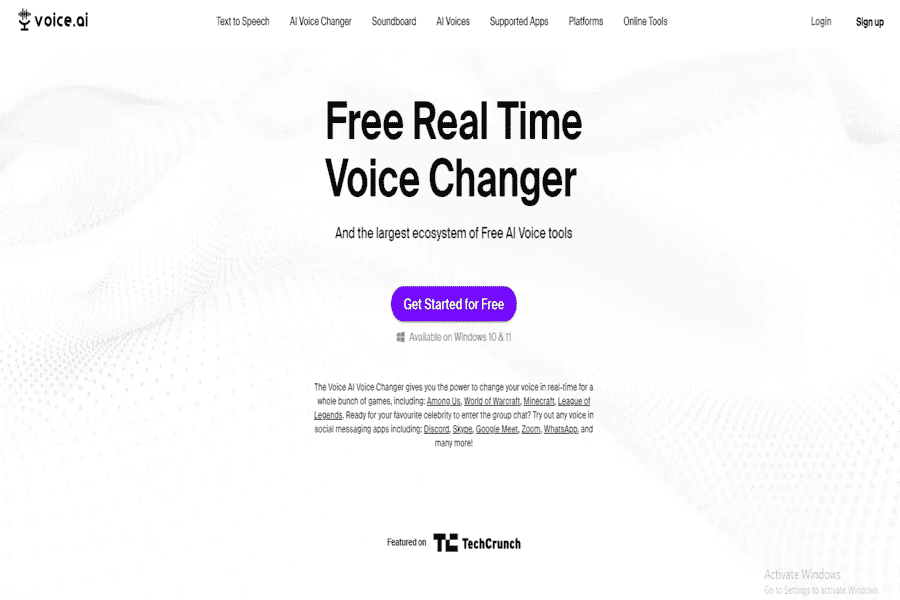
Real-time voice transformation and cloning.
Pros:
Fun and engaging for casual users.
Cons:
Limited professional use.
Pricing:
Free, with paid features.
Social Media Links:
- Facebook: facebook.com/VoiceAI
- Instagram: instagram.com/voice_ai
- LinkedIn: linkedin.com/company/voice-ai
- Twitter: twitter.com/voice_ai
Contact Information:
- Email: [email protected]
- Contact Number: +1-877-123-4567
ElevenLabs
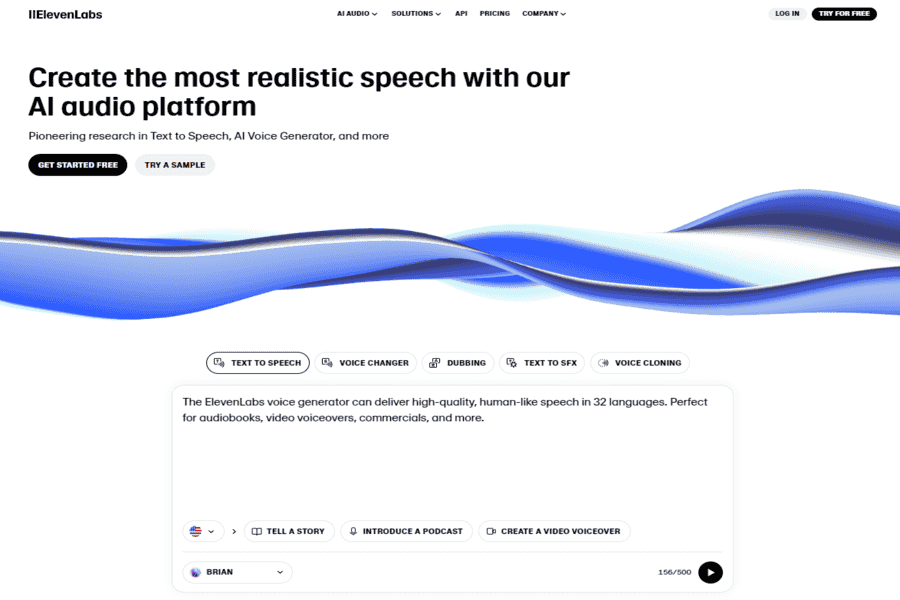
AI-driven voice synthesis for storytelling.
Pros:
Excellent for audiobooks.
Cons:
Expensive.
Pricing:
$22+/month.
Social Media Links:
- Facebook: facebook.com/elevenlabs
- Instagram: instagram.com/elevenlabs_io
- LinkedIn: linkedin.com/company/elevenlabs
- Twitter: twitter.com/elevenlabs_io
Contact Information:
- Email: [email protected]
- Contact Number: +1-888-245-7890
Kits.ai
AI voice-cloning platform built for music — replaces Sonantic in this list, which Spotify acquired in 2022 and folded internally (into features like AI DJ); sonantic.io is no longer publicly accessible. Kits.ai clones singing voices specifically, letting musicians and producers apply a voice model to vocal tracks.
Pros:
Purpose-built for singing voices, a niche most general voice-cloning tools handle poorly.
Cons:
Narrower use case than general-purpose voice cloning — built for music, not narration or dubbing.
Pricing:
Free tier available; paid plans for higher usage and commercial rights.
Deepgram
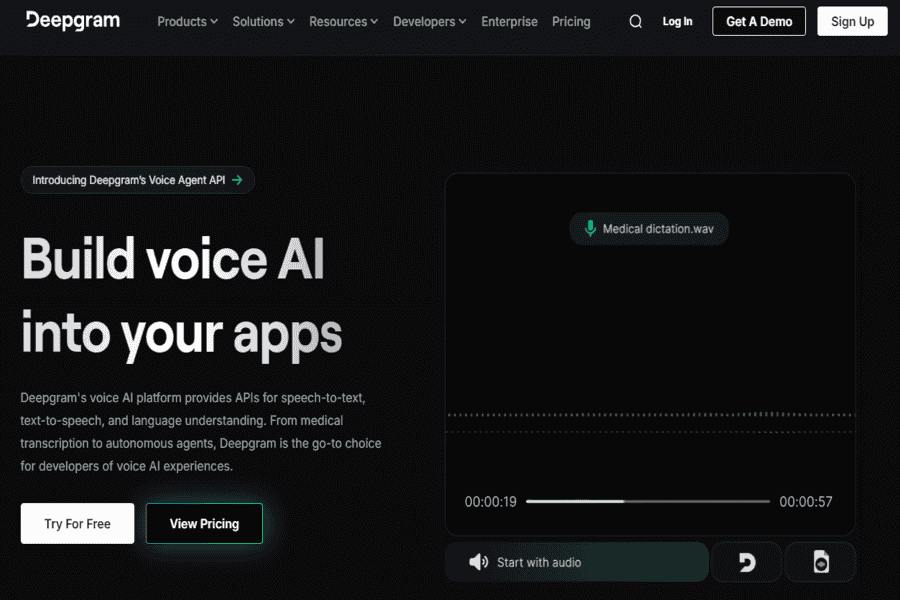
Voice cloning with a focus on AI transcription.
Pros:
Excellent for speech-to-text.
Cons:
Not dedicated to cloning.
Pricing:
Custom quotes.
Social Media Links:
- Facebook: facebook.com/Deepgram
- Instagram: instagram.com/deepgram
- LinkedIn: linkedin.com/company/deepgram
- Twitter: twitter.com/deepgram
Contact Information:
- Email: [email protected]
- Contact Number: +1-800-399-1234
Conclusion
AI voice cloning tools can potentially revolutionize our interactions with technology and media. However, it is crucial to use this technology responsibly and ethically. By addressing the challenges and ethical implications, we can harness the power of AI voice cloning to create innovative and beneficial applications. As AI advances, we can expect to see even more sophisticated and realistic voice cloning tools that will shape the future of human-computer interaction.