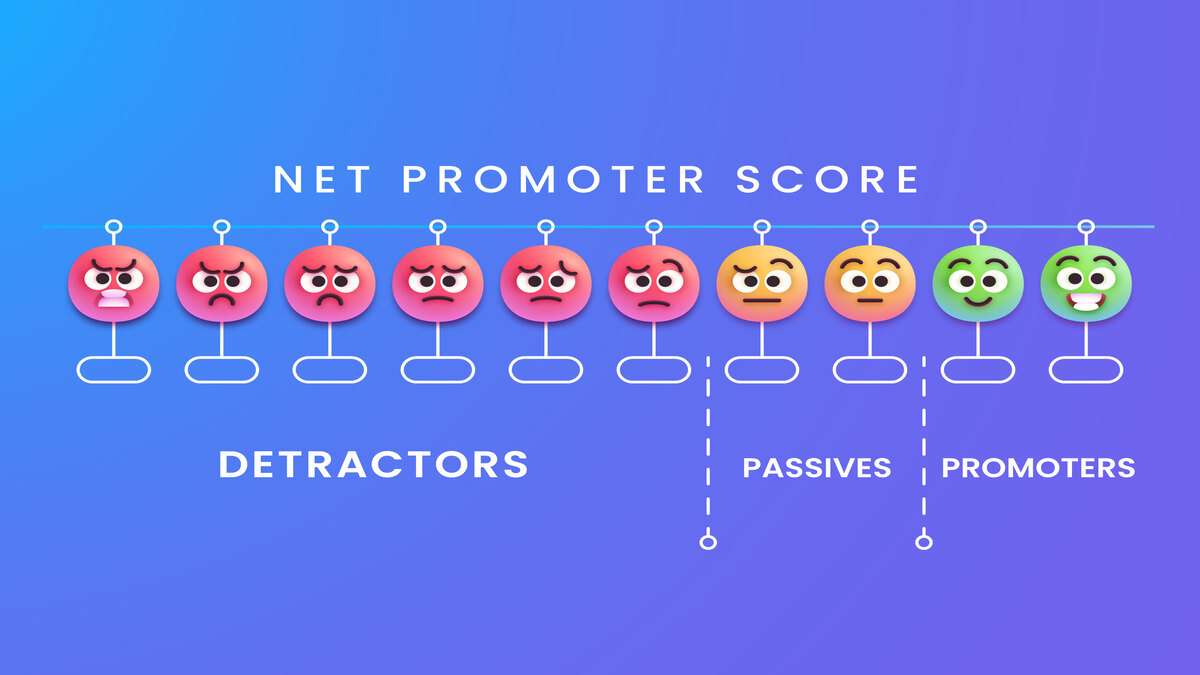
Sentiment analysis, a technique used to determine the emotional tone of text, has been revolutionized by the advent of artificial intelligence. By leveraging advanced machine learning algorithms, AI-powered sentiment analysis tools can accurately gauge public opinion, brand sentiment, and customer feedback from a vast array of text data, including social media, reviews, surveys, and customer support interactions. With the help of AI Sentiment Analysis Tools for Business Insights, businesses can gain valuable insights into customer sentiment and make data-driven decisions to improve their products, services, and marketing strategies. Project management tools can also help businesses manage their sentiment analysis projects and track progress.
What are AI Sentiment Analysis Tools for Business Insights?
AI sentiment analysis tools are software applications that leverage artificial intelligence to analyze text data and determine its emotional tone or sentiment. By processing large volumes of text, these tools can identify positive, negative, or neutral sentiments and specific emotions like anger, joy, or sadness.
These tools are invaluable for businesses as they provide insights into customer feedback, brand reputation, and market trends. By understanding the sentiment expressed in customer reviews, social media posts, and other text-based data, businesses can make data-driven decisions to improve products, services, and marketing strategies.
How do you use AI Sentiment Analysis Tools for Business Insights?
Data Collection:
Identify Sources:
Determine where your customer feedback resides, such as social media platforms, review websites, survey responses, or customer support emails.
Gather Data:
Collect relevant data from these sources. You can use tools to automate this process or manually gather it.
Data Cleaning and Preprocessing:
Clean Data:
Remove noise, such as irrelevant information, emojis, or stop words.
Preprocess Text:
Convert text to a suitable format for analysis, such as tokenization and stemming.
Choose an AI Sentiment Analysis Tool:
Select a Tool:
- Choose a tool that suits your needs and budget. Popular options include:
- Google Cloud Natural Language API
- Microsoft Azure Text Analytics
- IBM Watson Natural Language Understanding
- MonkeyLearn
- Amazon Comprehend
Train or Use a Pre-trained Model:
Train a Model:
If you have a specific use case, train a custom model on your data.
Use a Pre-trained Model:
For general sentiment analysis, use pre-trained models provided by the tools.
Analyze Sentiment:
Run the Analysis:
Feed your cleaned data into the chosen tool.
Interpret Results:
Analyze the output, which typically includes sentiment scores (positive, negative, or neutral) and sometimes specific emotions.
Visualize and Interpret Results:
Create Visualizations:
Use data visualization tools to create charts, graphs, or word clouds to understand the sentiment trends.
Identify Key Insights:
Analyze the results to identify key themes, patterns, and trends.
Actionable Insights:
Improve Products and Services:
Use the insights to identify areas for improvement in your products or services.
Enhance Customer Service:
Address negative sentiment and improve customer support.
Optimize Marketing Strategies:
Adjust your marketing campaigns based on customer sentiment and preferences.
Monitor Brand Reputation:
Track your brand’s reputation and proactively address any negative sentiment.
Benefits of AI Sentiment Analysis for Businesses Insights
Understanding Customer Sentiment
Businesses can gain valuable insights into customer satisfaction and dissatisfaction by analyzing customer reviews, social media posts, and survey responses. This information can be used to identify areas for improvement and enhance customer experiences.
Identifying Brand Reputation Trends
AI sentiment analysis can help businesses monitor their brand reputation over time. Businesses can proactively address potential issues and capitalize on positive sentiment by tracking sentiment trends.
Improving Product Development
Analyzing customer feedback on existing products can help businesses identify areas for improvement and inform the development of new products. By understanding customer preferences and pain points, businesses can develop products that better meet customer needs.
Enhancing Marketing Strategies
Sentiment analysis can be used to gauge the effectiveness of marketing campaigns. Businesses can refine their strategies and optimize their marketing efforts by analyzing customer reactions to marketing materials.
Monitoring Social Media
Social media platforms are a rich source of customer feedback and brand sentiment. AI-powered sentiment analysis tools can help businesses monitor social media conversations, identify brand mentions, and respond to customer concerns promptly.
AI Sentiment Analysis Tools for Business Insights
MonkeyLearn
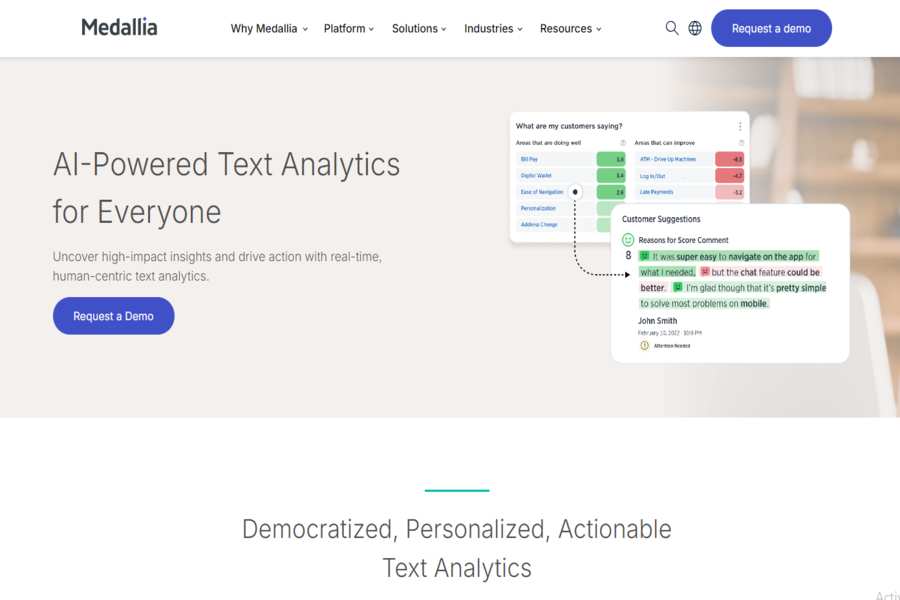
A machine learning platform that offers sentiment analysis tools for businesses to extract insights from customer feedback, reviews, and social media.
Pricing Package:
Free plan available; premium plans start at $299/month.
Pros:
Easy-to-use interface, customizable models, real-time insights.
Cons:
Limited free plan features may require some learning for advanced usage.
Lexalytics
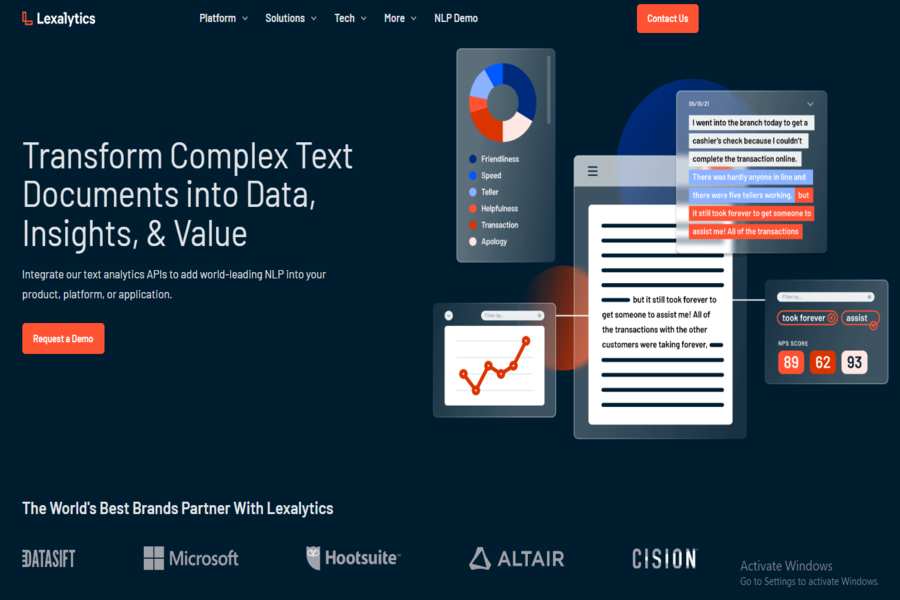
A text analytics platform that provides sentiment analysis, including social media, customer feedback, and reviews.
Pricing Package:
Custom pricing based on usage.
Pros:
It is highly customizable, works with large datasets, and supports multiple languages.
Cons:
It is expensive for smaller businesses with complex setups.
Aylien
A text analysis and natural language processing (NLP) tool offering sentiment analysis capabilities for businesses to analyze news, social media, and customer feedback.
Pricing Package:
Free trial available; premium plans start at $79/month.
Pros:
Easy-to-use API, real-time sentiment analysis, multilingual support.
Cons:
There are limited features on the free plan; customization requires advanced knowledge.
Sentiment140
A Twitter sentiment analysis tool that allows businesses to track the sentiment of tweets in real time.
Pricing Package:
Free for basic use; custom pricing for enterprise features.
Pros:
They are specifically designed for fast Twitter data processing.
Cons:
Limited to Twitter, it needs broader social media analysis.
Hootsuite Insights
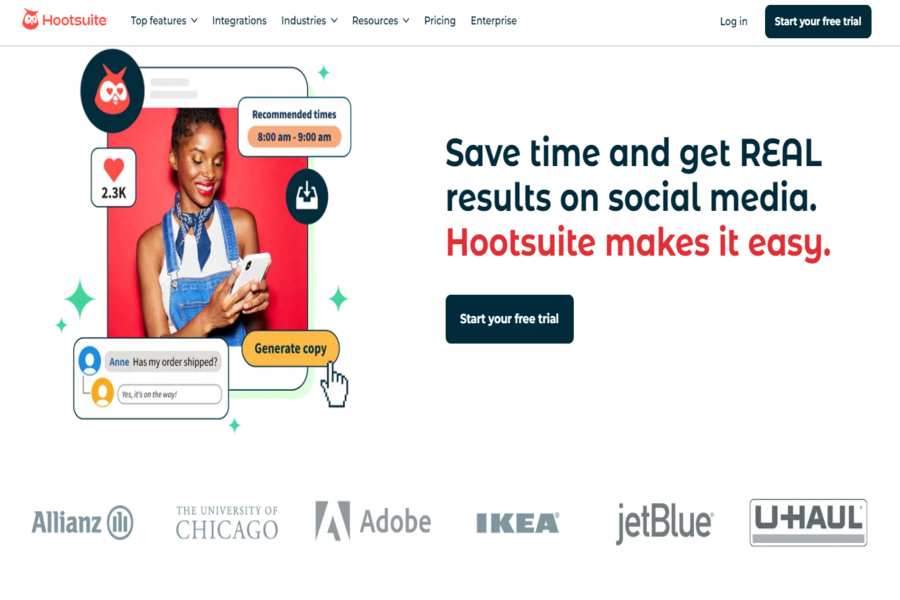
A social media management tool with integrated sentiment analysis to help businesses monitor brand sentiment across various social media platforms.
Pricing Package:
Starts at $49/month.
Pros:
Easy integration with social media platforms and real-time monitoring.
Cons:
It may be overkill for businesses that do not need to do prehneedsocial media management.
VADER Sentiment
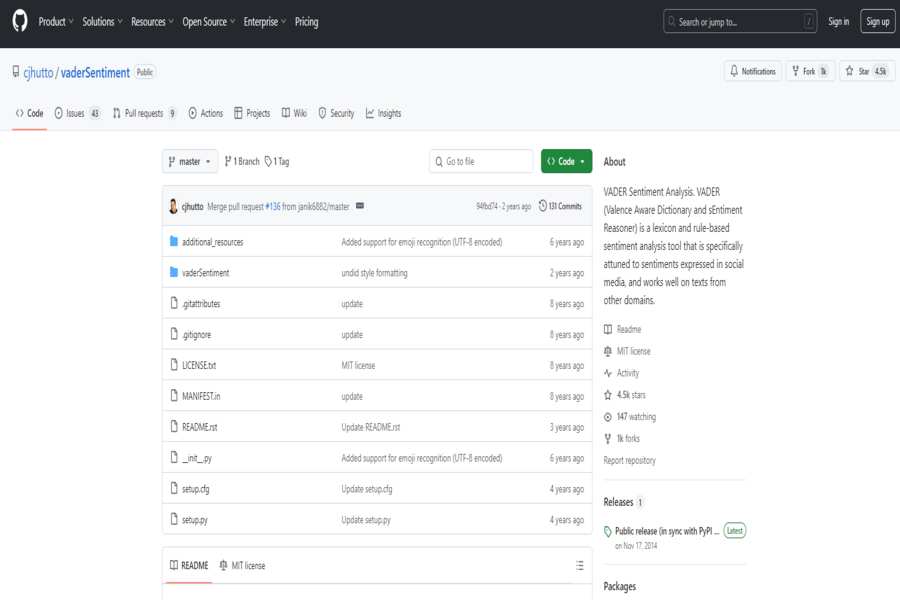
A Python-based sentiment analysis tool, VADER (Valence Aware Dictionary and Sentiment Reasoner), is designed to analyze social media content and text.
Pricing Package:
Free (open-source).
Pros:
Free, works well with social media real-time analysis.
Cons:
It requires technical knowledge and may need to be more accurate for longer texts.
Clarabridge
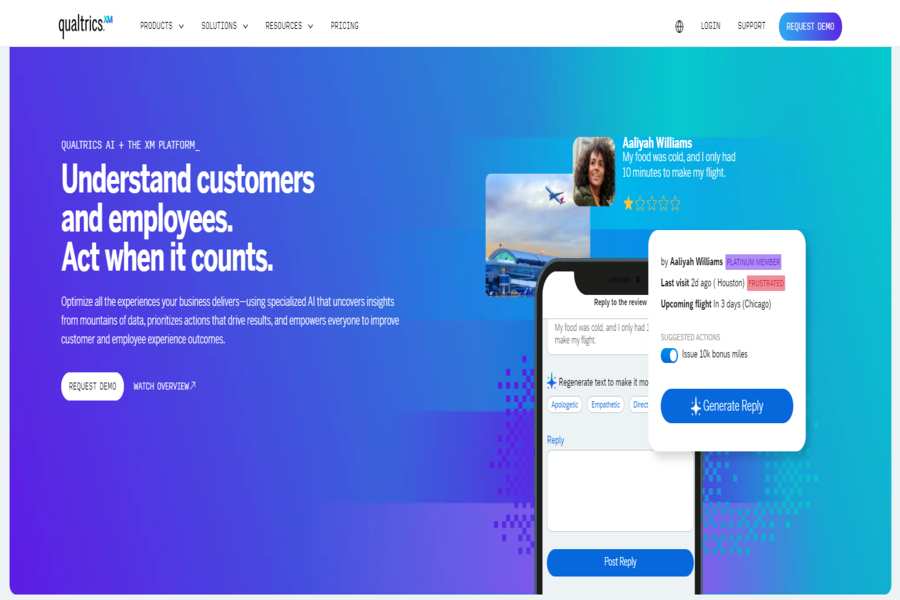
A customer experience management platform that provides sentiment analysis as part of a broader text analytics suite.
Pricing Package:
Custom pricing based on enterprise needs.
Pros:
In-depth sentiment analysis works with multi-channel feedback.
Cons:
High cost, may require training to use effectively.
Brandwatch
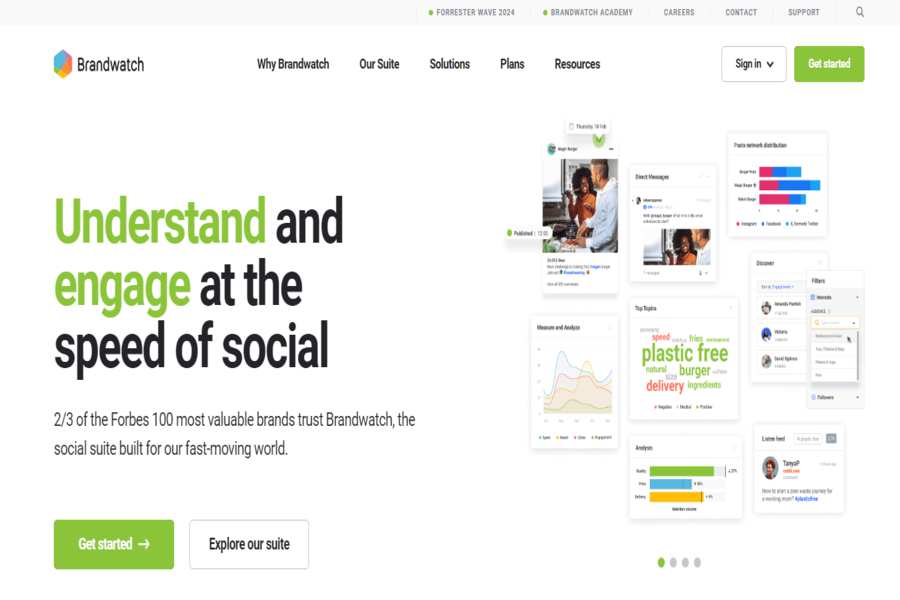
A social media monitoring and analytics tool with sentiment analysis features to help businesses understand, analyze, and understand public opinion.
Pricing Package:
Custom pricing based on features and usage.
Pros:
Excellent for social media insights and extensive data sources.
Cons:
Expenses for smaller businesses may need to be simplified for casual users.
SentiOne
An AI-powered platform for real-time social listening and sentiment analysis, helping businesses monitor their online presence.
Pricing Package:
Starts at $199/month.
Pros:
Real-time analysis, multilingual support, and social media integration.
Cons:
Limited integrations with non-social media data.
Repustate
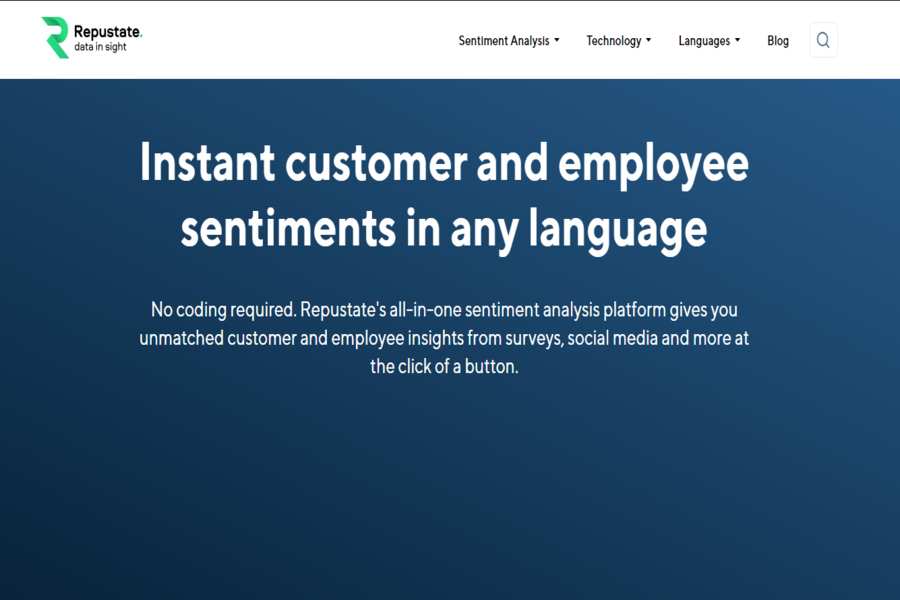
A sentiment analysis tool that uses AI and NLP to process customer reviews, social media, and support tickets for actionable insights.
Pricing Package:
Starts at $49/month.
Pros:
Highly accurate, real-time monitoring, supports multiple languages.
Cons:
Limited customization options in the lower plans.
MonkeyLearn Studio
A sentiment analysis tool that integrates machine learning to analyze text data from multiple sources like reviews, support tickets, and social media.
Pricing Package:
Free plan available; premium plans start at $299/month.
Pros:
Intuitive interface, easy to train with custom data.
Cons:
The free plan is expensive compared to premium plans and has limited advanced features.
TextBlob
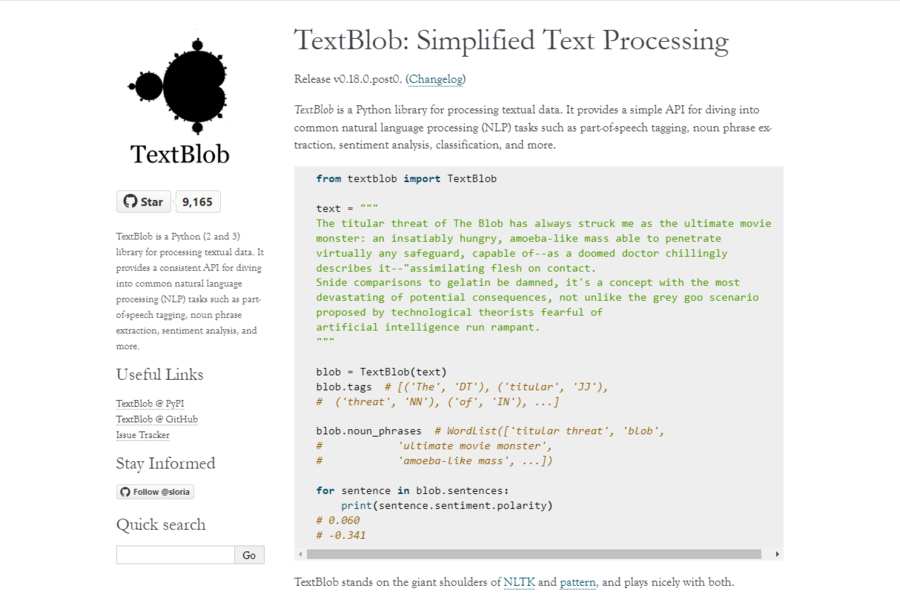
An open-source Python library for processing textual data, including sentiment analysis.
Pricing Package:
Free (open-source).
Pros:
Simple to use, open-source, and supports various languages.
Cons:
It is limited to Python users and is less advanced than paid tools.
Quid
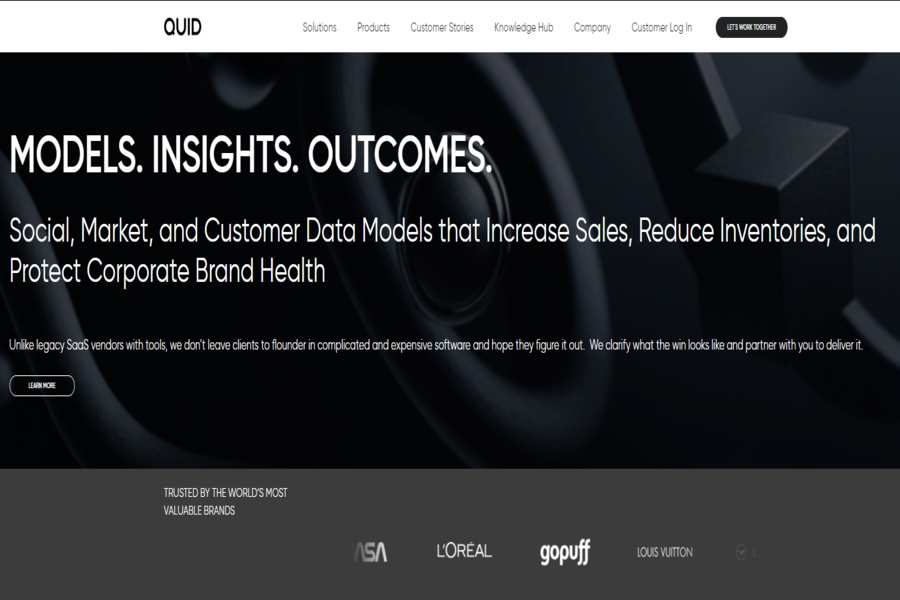
An advanced data analytics platform that integrates sentiment analysis with visualizations for deep insights into customer sentiment.
Pricing Package:
Custom pricing.
Pros:
Strong data visualization tools and AI-driven insights.
Cons:
Expensive, steep learning curve.
Talkwalker
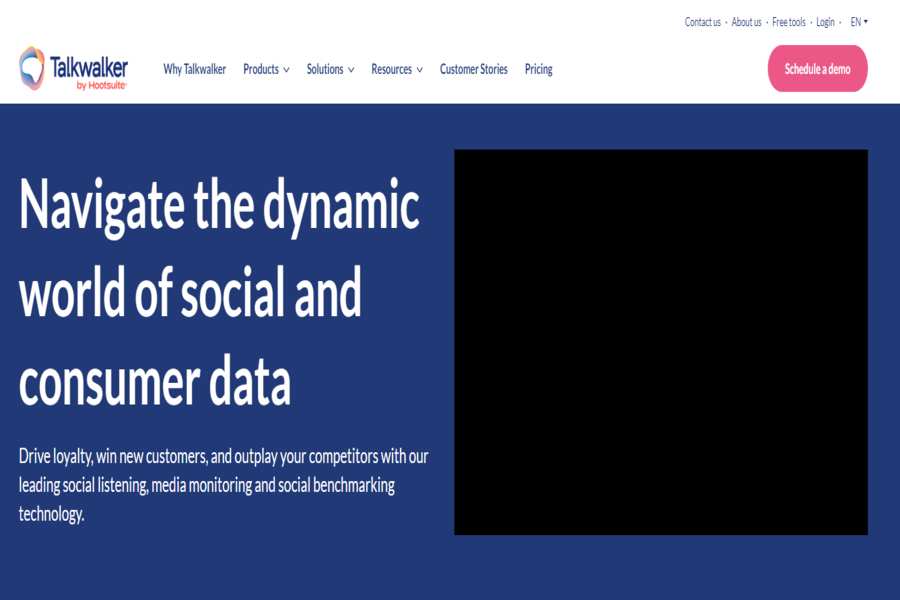
A social listening tool with AI-driven sentiment analysis for tracking online conversations about your brand, products, and services.
Pricing Package:
Starts at $9,600/year.
Pros:
Comprehensive social media monitoring multilingual support.
Cons:
High cost for smaller businesses.
Social Mention
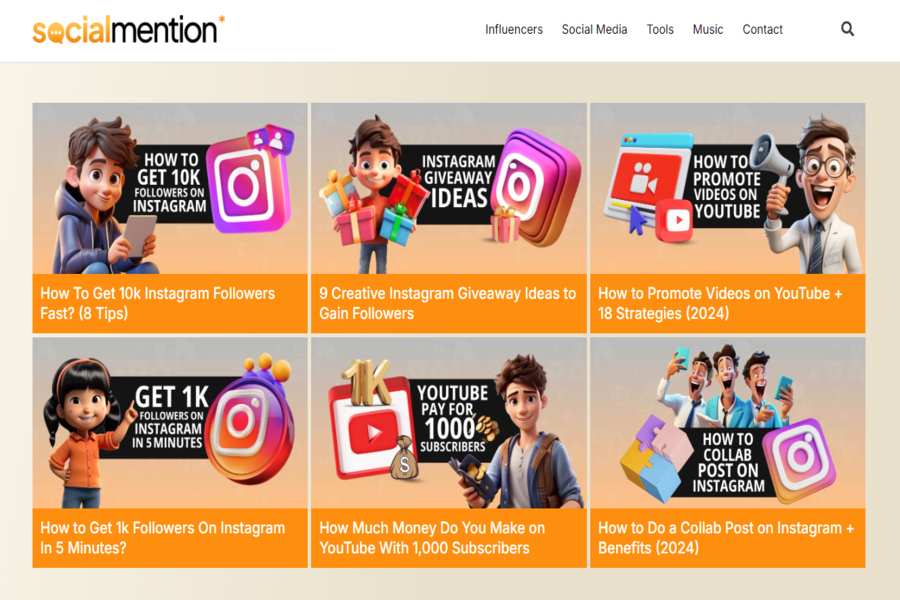
A free social media search and analysis tool that provides sentiment analysis to measure brand awareness and customer engagement.
Pricing Package:
Free.
Pros:
Free, easy to use, tracks mentions across multiple social media platforms.
Cons:
Limited features compared to paid tools, no real-time alerts.
Sentiment Analyzer
A simple AI-based sentiment analysis tool for analyzing text from emails, surveys, and social media content.
Pricing Package:
Free for basic usage, paid plans start at $19/month.
Pros:
Quick and easy to use, no setup required.
Cons:
Lacks advanced customization options.
Zotabox
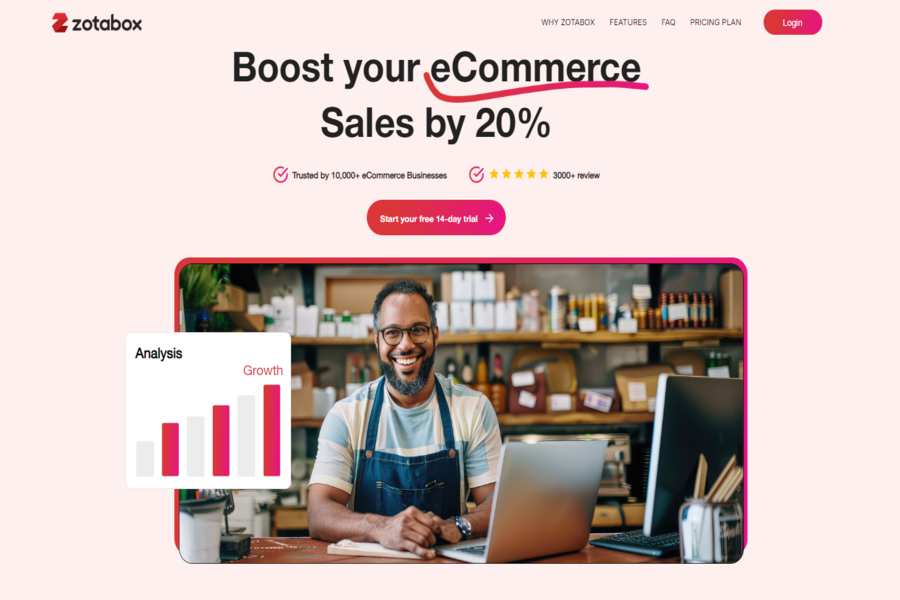
A sentiment analysis tool primarily used to analyze customer feedback through survey responses, reviews, and contact forms.
Pricing Package:
The free basic version paid plans start at $29/month.
Pros:
Easy to implement, good for small businesses.
Cons:
Limited reporting capabilities basic features.
Datumbox
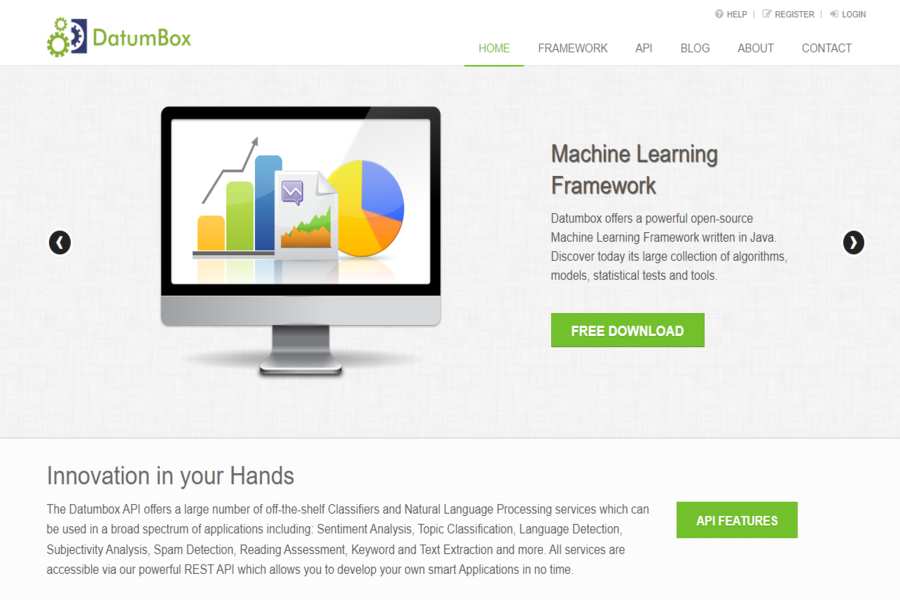
A machine learning platform with tools for sentiment analysis that can analyze reviews, tweets, and other text-based feedback.
Pricing Package:
Free API access; premium plans start at $99/month.
Pros:
Flexible, easy-to-use API, accurate results.
Cons:
Requires technical knowledge for advanced use.
BuzzSumo
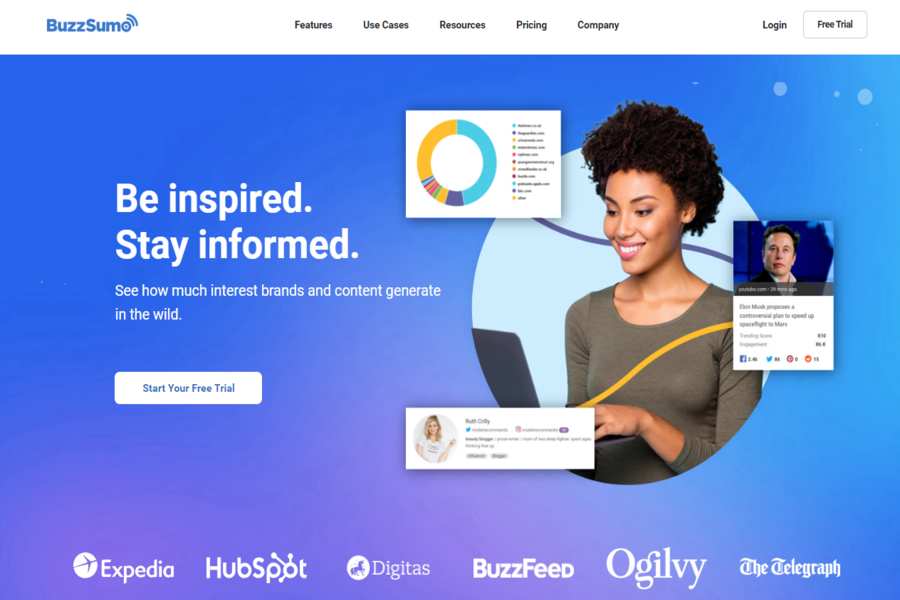
A content research tool that provides sentiment analysis as part of its suite of tools for tracking brand mentions, competitor analysis, and influencer outreach.
Pricing Package:
Starts at $99/month.
Pros:
Excellent for content marketing insights and real-time data.
Cons:
Focuses more on content marketing than sentiment analysis alone.
GoSentiment
A sentiment analysis tool that provides real-time insights from customer reviews, social media comments, and more.
Pricing Package:
Starts at $10/month.
Pros:
Affordable, easy-to-use, real-time sentiment analysis.
Cons:
Basic features, limited integrations.
Challenges and Limitations of AI Sentiment Analysis for Businesses Insights
While AI sentiment analysis has made significant strides, it still faces several challenges and limitations:
Data Quality and Bias:
Data Quality:
The accuracy of sentiment analysis heavily relies on the quality of the input data. Noisy or biased data can lead to inaccurate results.
Data Bias:
If the training data is biased, the model may exhibit bias in its predictions, leading to skewed results.
Contextual Understanding:
Sarcasm and Irony:
AI models often struggle to detect sarcasm, irony, and other forms of figurative language, as they rely on subtle cues and context.
Cultural Nuances:
Different cultures have unique ways of expressing sentiment, which can be challenging for AI models to understand.
Sentiment Intensity:
Nuances in Sentiment:
AI models may struggle to differentiate between subtle variations in sentiment intensity, such as the difference between “slightly positive” and “very positive.”
Domain-Specific Sentiment:
Domain-Specific Language:
Some domains, like finance or healthcare, have specific language and jargon that can be challenging for general-purpose sentiment analysis models.
Evolving Language and Slang:
Dynamic Language:
Languages constantly evolve, with new words, slang, and expressions emerging. AI models may need help to keep up with these changes.
Future Trends in AI Sentiment Analysis for Businesses Insights
AI sentiment analysis is a rapidly evolving field with several promising trends on the horizon:
Real-time Sentiment Analysis:
Instant Insights:
Real-time analysis of social media feeds, news articles, and customer reviews will allow businesses to respond to emerging trends, crises, or opportunities quickly.
Proactive Crisis Management:
By identifying negative sentiment in real time, businesses can proactively address issues and mitigate potential damage to their brand reputation.
Advanced Natural Language Processing (NLP):
Contextual Understanding:
NLP advancements will improve AI models of texts and text context, including sarcasm, irony, and cultural nuances.
Sentiment Analysis at the Sentence Level:
AI will be able to analyze sentiment at a more granular level, identifying positive and negative sentiments within individual sentences.
Multimodal Sentiment Analysis:
Combining Text, Image, and Video:
AI can provide a more comprehensive understanding of sentiment by simultaneously analyzing text, images, and video data.
Emotion Detection:
AI models can detect anger, joy, and sadness from facial expressions and vocal tones.
Ethical AI and Bias Mitigation:
Fairness and Bias Mitigation:
AI models will be developed with fairness and bias mitigation to ensure accurate and unbiased sentiment analysis.
Transparent AI:
AI algorithms will be made more transparent, allowing users to understand how decisions are made.
Integration with Other AI Technologies:
AI-Powered Chatbots:
Sentiment analysis can be integrated with chatbots to improve customer service and provide personalized support.
Predictive Analytics:
AI can predict future trends by analyzing past sentiment trends and help businesses make informed decisions.
Conclusion
AI sentiment analysis has become an indispensable tool for businesses seeking to understand customer sentiment, improve brand reputation, and make data-driven decisions. By leveraging the power of AI, businesses can gain valuable insights from vast amounts of text data, enabling them to stay ahead of the competition. As AI technology evolves, we can expect even more sophisticated and accurate sentiment analysis tools to emerge.