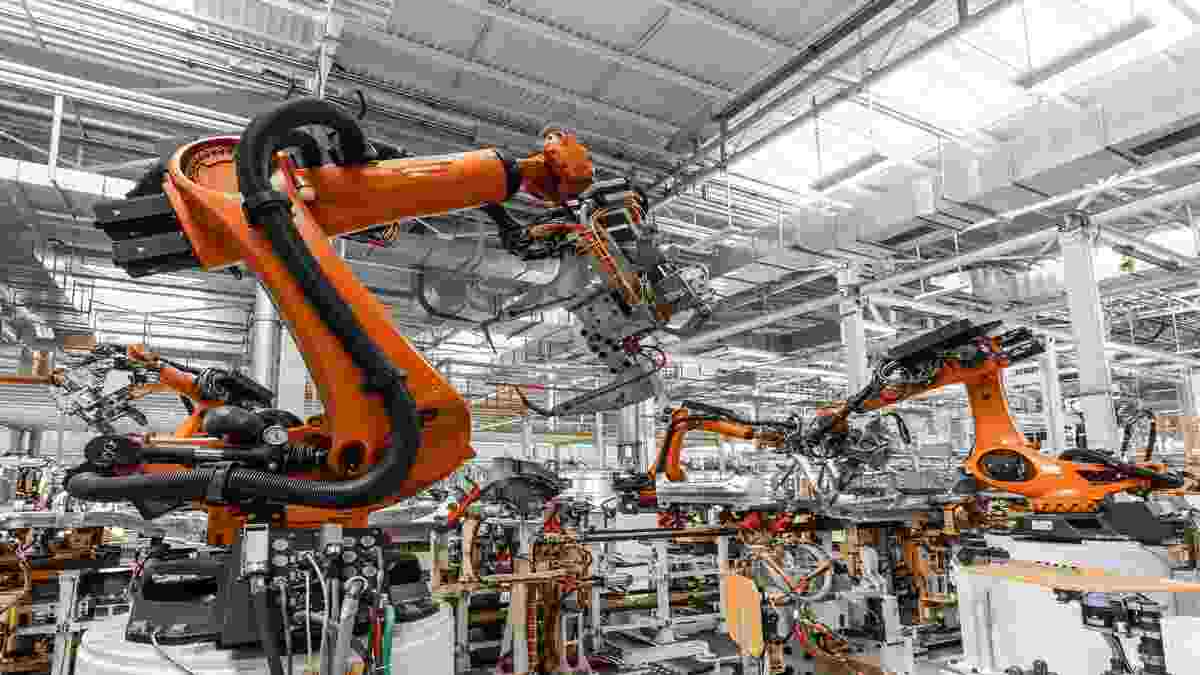
AI robotics tools combine physical automation with machine learning and computer vision, moving manufacturing robots past fixed, pre-programmed motion into systems that can adapt to variation on the line. This guide covers the core components and applications, and the 10 platforms worth knowing.
Key Components and Applications
The technology stack combines a few core pieces: the robotics hardware itself, AI/machine learning for decision-making and adaptation, machine vision for identifying and locating parts, and IoT connectivity for coordinating fleets of equipment and feeding data back for analysis. In practice, this shows up as assembly line automation, AI-powered quality control that catches defects a human inspector might miss, warehouse and logistics automation, and predictive maintenance that catches equipment failure before it causes downtime.
Benefits
Done well, this translates into real operational gains: higher throughput, more consistent quality than manual inspection alone, safer operations with less manual work in hazardous conditions, more flexibility to reconfigure a line for a new product without a full retooling, and real-time data that supports better operational decisions rather than guesswork.
AI Tools For Robotics in Manufacturing
Bright Machines
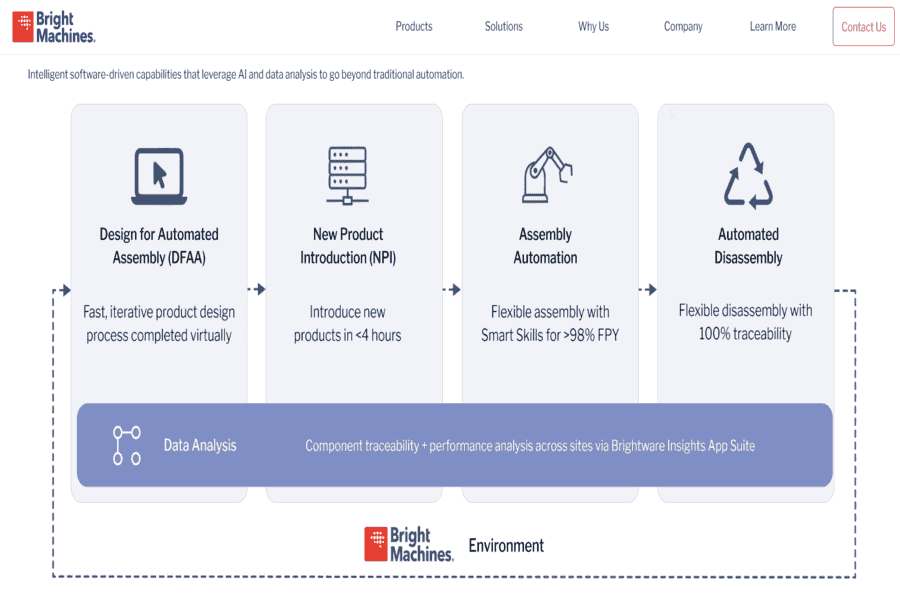
Combines AI and robotics to provide automated microfactories for assembly and inspection.
Pros:
High customization, scalable automation, and real-time analytics.
Cons:
It is an expensive initial setup for small manufacturers.
Pricing package:
Custom pricing based on solutions required.
Social media links:
- Facebook: Bright Machines Facebook
- LinkedIn: Bright Machines LinkedIn
- Twitter: Bright Machines Twitter
- YouTube: Bright Machines YouTube
Contact information:
- Email: [email protected]
- Contact number: +1 415-910-3000
Franka Robotics
Force-sensitive collaborative robot arms for research and industrial applications — replaces Rethink Robotics in this list, which shut down in October 2018 (over six years before this list was written); its IP and patents were acquired by Germany’s HAHN Group, but no independent Rethink product remains, and rethinkrobotics.com no longer resolves.
Pros:
High-precision force sensing for delicate assembly tasks; strong research and academic install base.
Cons:
Premium pricing relative to simpler pick-and-place cobots.
Pricing package:
Custom pricing based on robot configuration.
Covariant
AI-driven robotics software automates tasks such as sorting and picking in warehouses and manufacturing.
Pros:
Excellent in dynamic environments and self-learning capabilities.
Cons:
Limited hardware options.
Pricing package:
Custom pricing based on the project.
Social media links:
- LinkedIn: Covariant LinkedIn
- Twitter: Covariant Twitter
Contact information:
- Email: [email protected]
Universal Robots
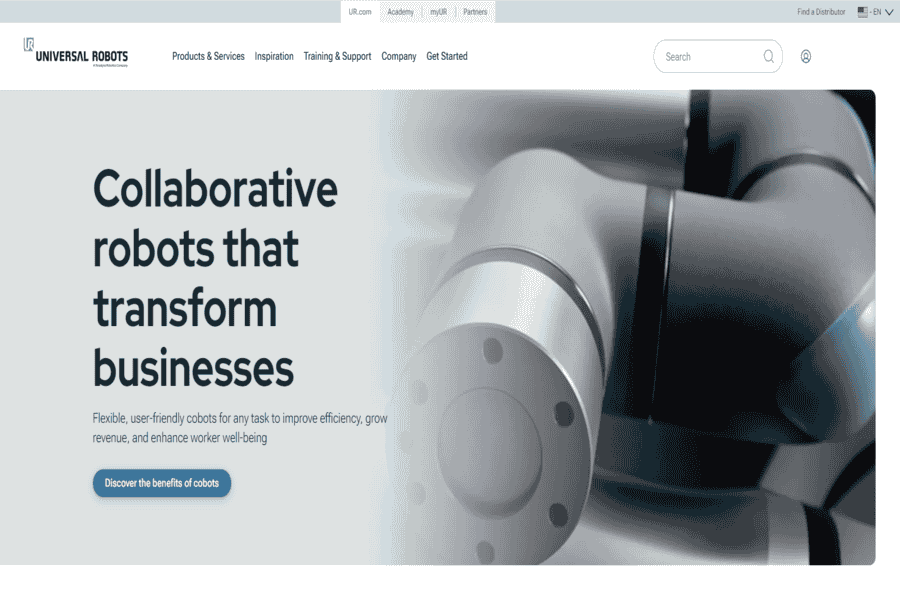
Offers collaborative robots (cobots) that can easily automate manufacturing tasks.
Pros:
User-friendly, wide application range, reliable support.
Cons:
Requires external software for complex tasks.
Pricing package:
Starts at $35,000 per robot.
Social media links:
- Facebook: Universal Robots Facebook
- Instagram: Universal Robots Instagram
- LinkedIn: Universal Robots LinkedIn
- Twitter: Universal Robots Twitter
- YouTube: Universal Robots YouTube
Contact information:
- Email: [email protected]
- Contact number: +45 89-93-89-89
Fanuc
AI-integrated industrial robotics for applications like welding, assembly, and material handling.
Pros:
Highly reliable, wide range of robot models, AI enhancements for precision.
Cons:
Complex programming for non-specialists.
Pricing package:
Custom pricing based on robot type and applications.
Social media links:
- Facebook: Fanuc Facebook
- LinkedIn: Fanuc LinkedIn
- Twitter: Fanuc Twitter
- YouTube: Fanuc YouTube
Contact information:
- Contact number: +1 888-326-8287
ABB Robotics
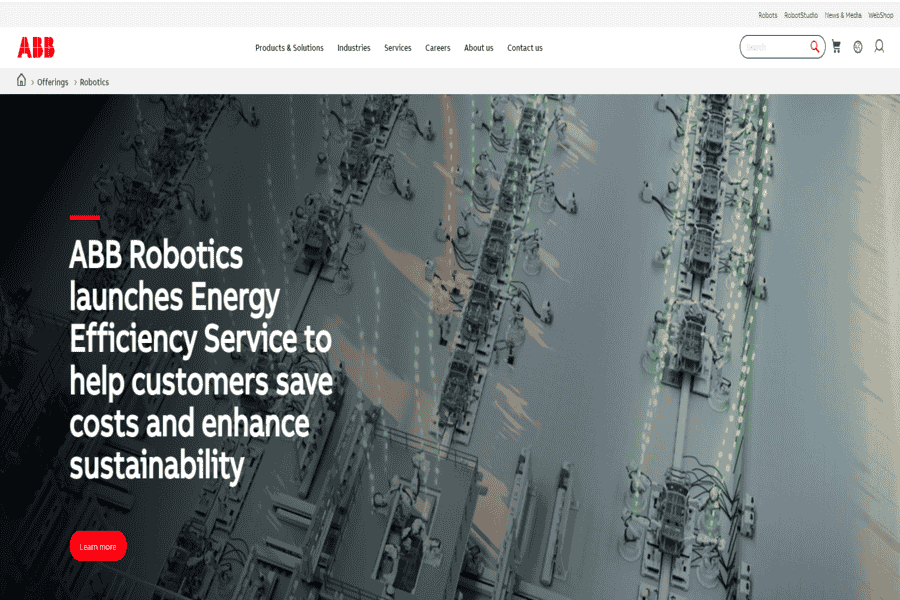
Provides AI-enhanced industrial robots for various manufacturing applications, including welding, painting, and assembly.
Pros:
High precision, a wide range of robot models, and extensive global support.
Cons:
Expensive for small-scale operations.
Pricing package:
Custom pricing based on robot and application.
Social media links:
- Facebook: ABB Robotics Facebook
- Instagram: ABB Robotics Instagram
- LinkedIn: ABB Robotics LinkedIn
- Twitter: ABB Robotics Twitter
- YouTube: ABB Robotics YouTube
Contact information:
- Email: [email protected]
- Contact number: +41 43-317-7111
Boston Dynamics
Develops advanced robots with AI for inspection, warehouse automation, and manufacturing support tasks.
Pros:
Exceptional mobility, advanced AI for automation, and scalable solutions.
Cons:
High-cost, niche applications.
Pricing package:
Custom pricing: robot units like “Stretch” and “Spot” have specific costs starting at $75,000.
Social media links:
- Facebook: Boston Dynamics Facebook
- Instagram: Boston Dynamics Instagram
- LinkedIn: Boston Dynamics LinkedIn
- Twitter: Boston Dynamics Twitter
- YouTube: Boston Dynamics YouTube
Contact information:
- Email: [email protected]
- Contact number: +1 617-868-5600
GreyOrange
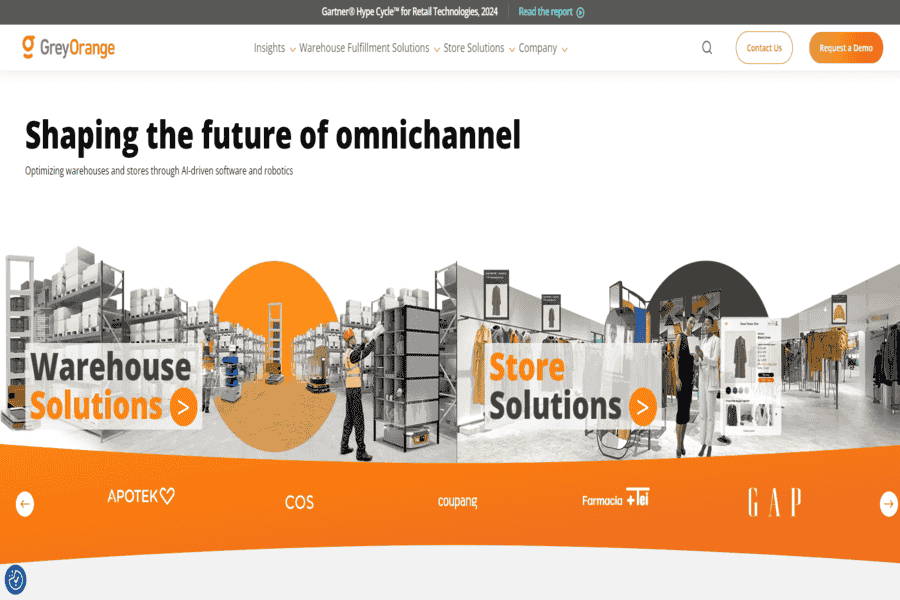
Offers AI-powered robotics for warehouse and manufacturing operations, specializing in material handling and sorting.
Pros:
We optimized for efficiency, excellent scalability, and advanced machine learning for dynamic tasks.
Cons:
Primarily focuses on logistics rather than heavy manufacturing.
Pricing package:
Custom pricing based on deployment size.
Social media links:
- Facebook: GreyOrange Facebook
- LinkedIn: GreyOrange LinkedIn
- Twitter: GreyOrange Twitter
- YouTube: GreyOrange YouTube
Contact information:
- Email: [email protected]
KUKA Robotics
A leader in robotics and automation, KUKA integrates AI into their robots for various manufacturing tasks, including assembly and inspection.
Pros:
Flexible, industry-specific solutions with a strong global presence.
Cons:
It is complex for beginners and requires advanced integration support.
Pricing package:
Custom pricing based on robot models and project scope.
Social media links:
- Facebook: KUKA Robotics Facebook
- Instagram: KUKA Robotics Instagram
- LinkedIn: KUKA Robotics LinkedIn
- Twitter: KUKA Robotics Twitter
- YouTube: KUKA Robotics YouTube
Contact information:
- Email: [email protected]
- Contact number: +49 821-797-0
AMP Robotics
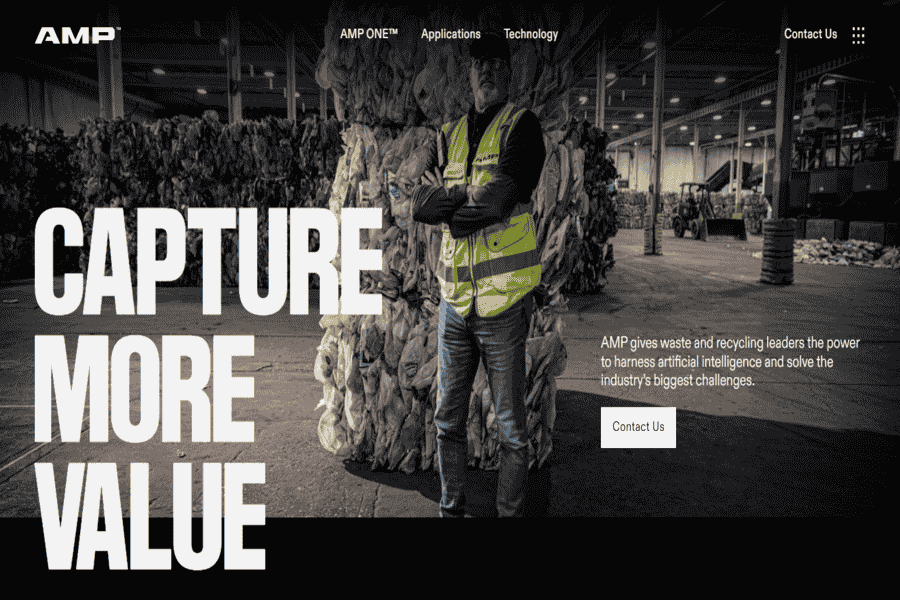
Specializes in AI-guided robotics for material recycling and manufacturing processes like sorting and picking.
Pros:
Eco-friendly focus, reduces manual labor, cost-effective in waste management.
Cons:
Limited to specific industries.
Pricing package:
Custom pricing based on deployment size and requirements.
Social media links:
- Facebook: AMP Robotics Facebook
- Instagram: AMP Robotics Instagram
- LinkedIn: AMP Robotics LinkedIn
- Twitter: AMP Robotics Twitter
- YouTube: AMP Robotics YouTube
Contact information:
- Email: [email protected]
- Contact number: +1 303-800-6776
Challenges and Limitations
These systems come with real costs and friction. Robotics and AI infrastructure carry serious upfront capital cost, which is part of why most vendors above use custom/on-request pricing. Integrating new robotics with existing production lines and legacy equipment is genuinely complex, not a plug-and-play install. Job displacement is a real workforce concern that needs an actual transition plan, and safety remains a real engineering discipline, not a checkbox, even with collaborative robots designed to work alongside people. Broader ethical considerations around automation’s effect on manufacturing employment are worth taking seriously rather than dismissing as inevitable.
Where This Is Headed
Collaborative robots (cobots) keep getting cheaper and easier to deploy, driving adoption below the top tier of enterprise manufacturers. Autonomous mobile robots are expanding what tasks can move away from fixed automation entirely. AI-powered vision systems keep improving at catching defects and handling irregular parts that used to require a human eye. Edge computing is moving more processing onto the equipment itself, reducing latency and dependency on constant cloud connectivity. And while genuine artificial general intelligence remains far off, the gap between narrow task-specific robotics AI and more broadly adaptable systems keeps narrowing.
Conclusion
The tools above split into a few groups: major industrial robot manufacturers (Fanuc, ABB Robotics, KUKA Robotics, Universal Robots) with decades of manufacturing deployment behind them; AI-native robotics companies (Covariant, Bright Machines, Franka Robotics) built specifically around machine learning from the start; and specialized applications (Boston Dynamics, GreyOrange, AMP Robotics) for a particular task or industry. Match the technology to your actual production need and volume, and budget real time for integration — that’s typically the harder part of a rollout, not the robots themselves.