AI has made producing high-quality online course content dramatically faster — generating scripts, quiz questions, graphics, and even full narrated video from a set of source material, work that used to require a full instructional design team. This guide covers the content types and tool categories involved, and the 12 platforms worth knowing.
Content Types and Why It Matters
Online course content spans text (scripts, readings, quizzes), visuals (slides, graphics, diagrams), interactive elements (quizzes, simulations, branching scenarios), and multimedia (narrated video, audio). Getting this right matters beyond aesthetics: engaging content directly affects completion rates, effective knowledge transfer is the actual point of the course, and for anyone selling courses commercially, quality content is what builds a reputation worth returning to.
Types of AI Tools Involved
The tool landscape splits into a few categories: AI writing assistants for scripts and course text, AI video creation tools that generate narrated video from a script (often with an AI presenter), AI image and graphic generators for visuals, and intelligent tutoring systems that personalize the learning path itself, not just the content. Most course creators end up combining tools from several categories rather than relying on one all-purpose platform.
Top AI Tools for Content Creation in Online Courses
Canva
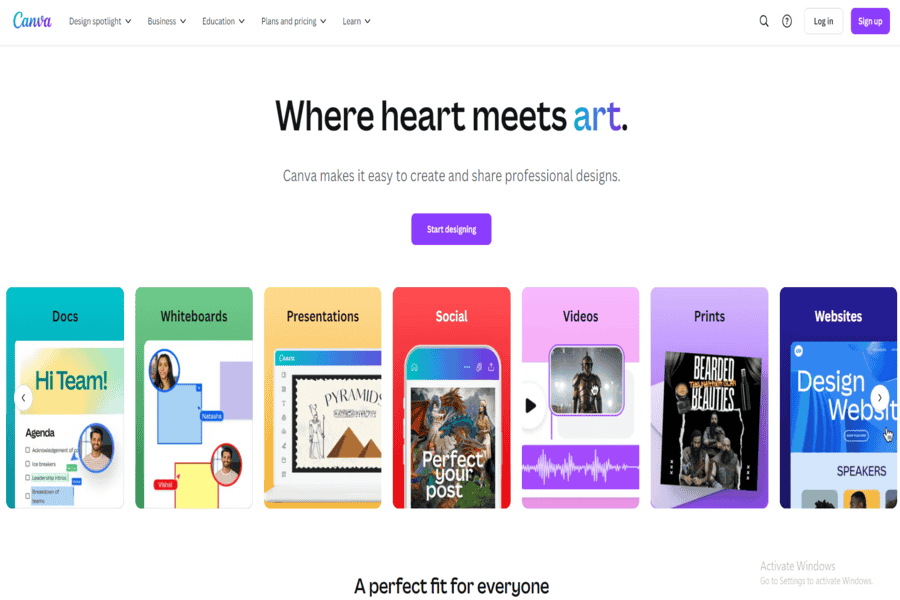
A design platform with AI features for creating engaging visuals, presentations, and course materials.
Pros:
User-friendly templates for various content types, as well as collaboration features.
Cons:
Advanced features require a Pro subscription.
Pricing package:
Free plan: Pro starts at $12.99/month.
Social media links:
- Facebook: Canva Facebook
- Instagram: Canva Instagram
- LinkedIn: Canva LinkedIn
- Twitter: Canva Twitter
- YouTube: Canva YouTube
Jasper.ai
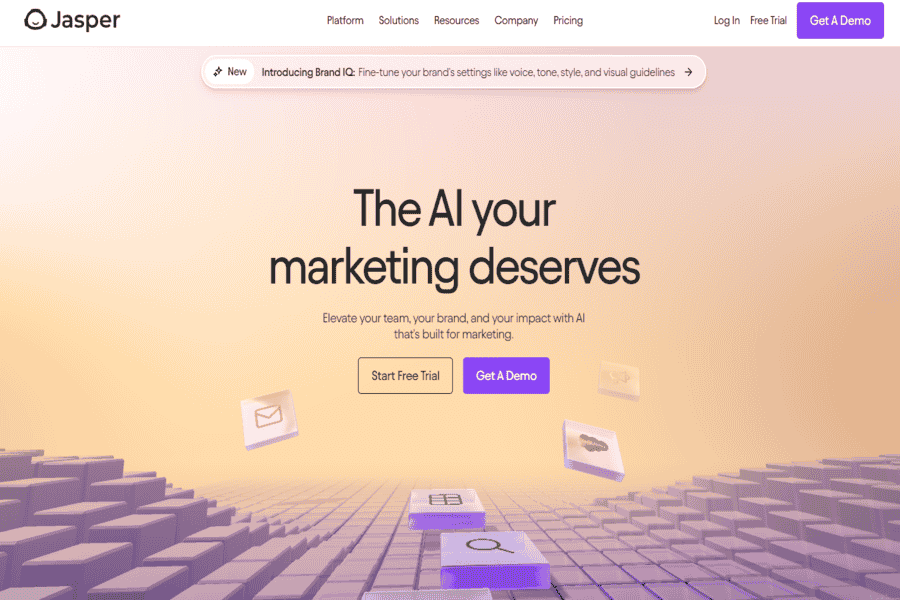
Jasper.ai is a versatile AI writing assistant that can generate various types of content, including blog posts, social media posts, and email copy. It can also create scripts, product descriptions, and marketing copy.
Pros:
Easy to use, versatile, and capable of generating high-quality content quickly.
Cons:
It relies heavily on prompts and can sometimes produce repetitive or generic content.
Pricing:
Starts at $29/month.
Social Media:
- Twitter: @Jasper_ai
- YouTube: Jasper AI
ChatGPT (OpenAI)
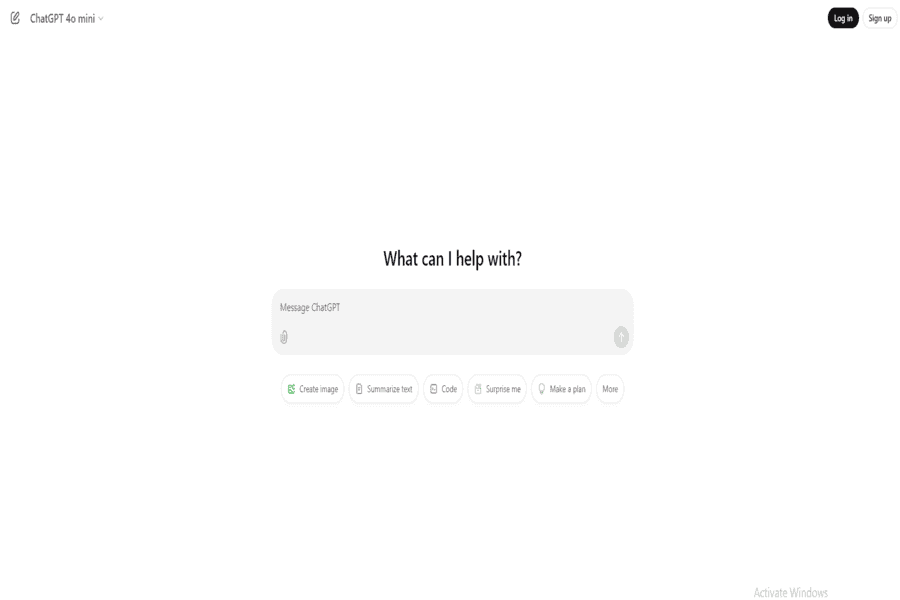
A conversational AI for generating course content, quizzes, and personalized study materials.
Pros:
- Quick generation of text-based content.
- Adaptable for various teaching styles.
Cons:
- Requires precise prompts for best results.
- Limited on some free-tier models.
Pricing package:
- Free access to GPT-3.5.
- GPT-4 starts at $20/month.
Social media links:
Contact Information:
- Mail: [email protected]
Descript
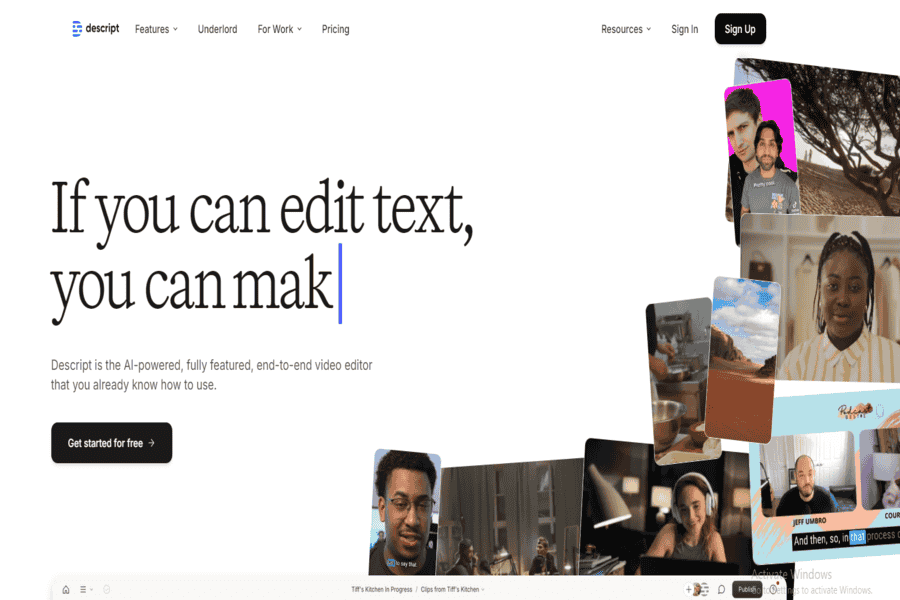
An AI-powered video and audio editing tool perfect for creating polished course videos.
Pros:
- Text-based audio and video editing.
- Built-in transcription.
Cons:
- Steep learning curve for beginners.
- Requires high system performance.
Pricing package:
- Free plan available.
- The creator plan starts at $12/month.
Social media links:
Contact Information:
- Mail: [email protected]
Rytr
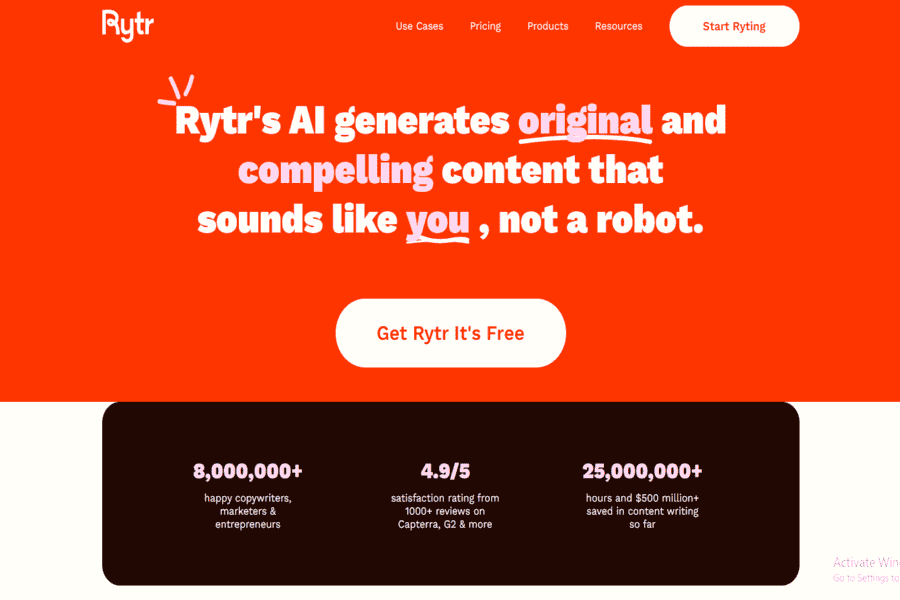
Rytr is an AI writing assistant that can generate content for various purposes, including blog posts, social media posts, and email copy. It offers a wide range of writing tones and styles.
Pros:
User-friendly interface, affordable pricing, and a variety of writing styles.
Cons:
It may require more refinement and editing compared to other tools.
Pricing:
Starts at $9/month.
Articulate 360
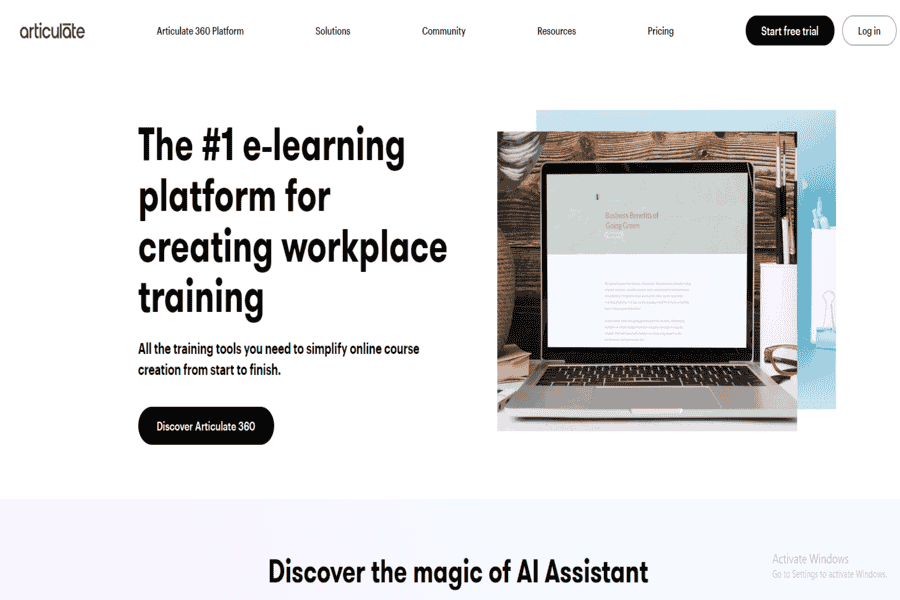
A suite of tools to design interactive e-learning courses with AI assistance.
Pros:
- Robust course design capabilities.
- Integrates with LMS platforms.
Cons:
- Expensive for small teams.
- Requires some technical knowledge.
Pricing package:
- The team plan starts at $1,299/year.
Social media links:
Contact Information:
- Mail: [email protected]
Copy.ai
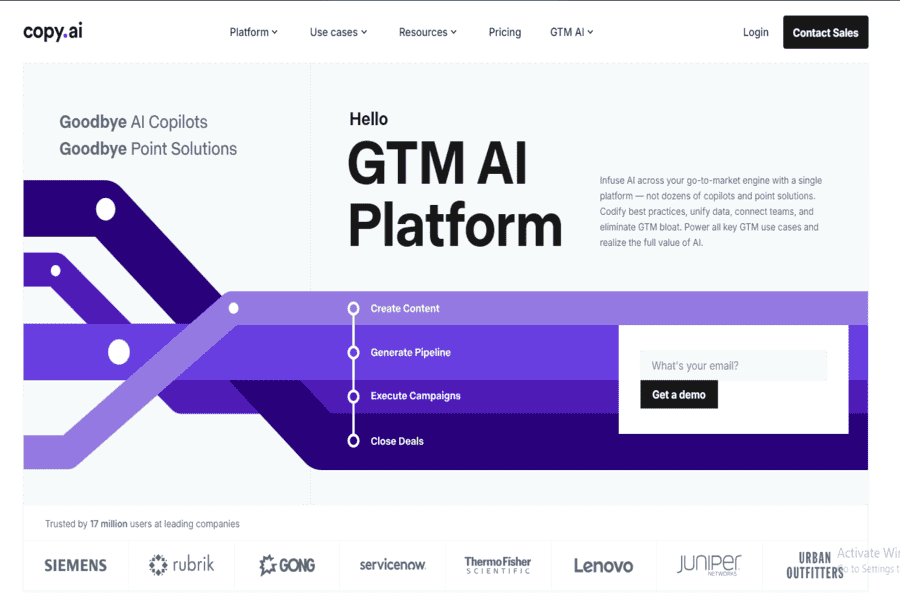
Copy.ai is an AI writing tool that helps you create marketing copy, blog posts, and other content. It offers a variety of templates and tone options.
Pros:
Easy to use, fast, and generates high-quality content.
Cons:
It may require some tweaking and editing for optimal results.
Pricing:
- Starts at $35/month.
Grammarly
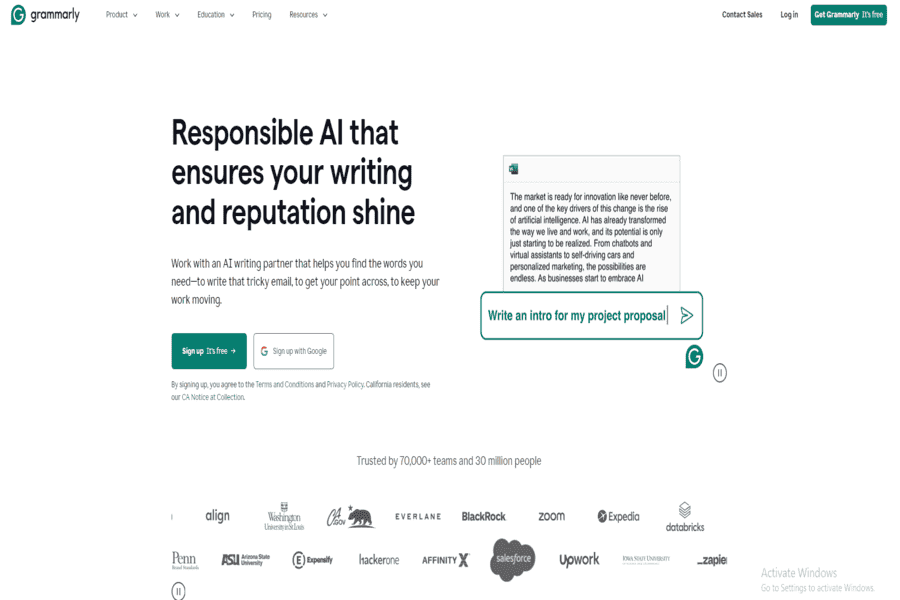
Grammarly is a popular writing assistant that can help you improve your writing by suggesting grammar, punctuation, and style corrections.
Pros:
Excellent for proofreading and editing, and offers real-time suggestions.
Cons:
It may be less effective for creative writing tasks.
Pricing:
Free and premium plans are available.
Synthesia
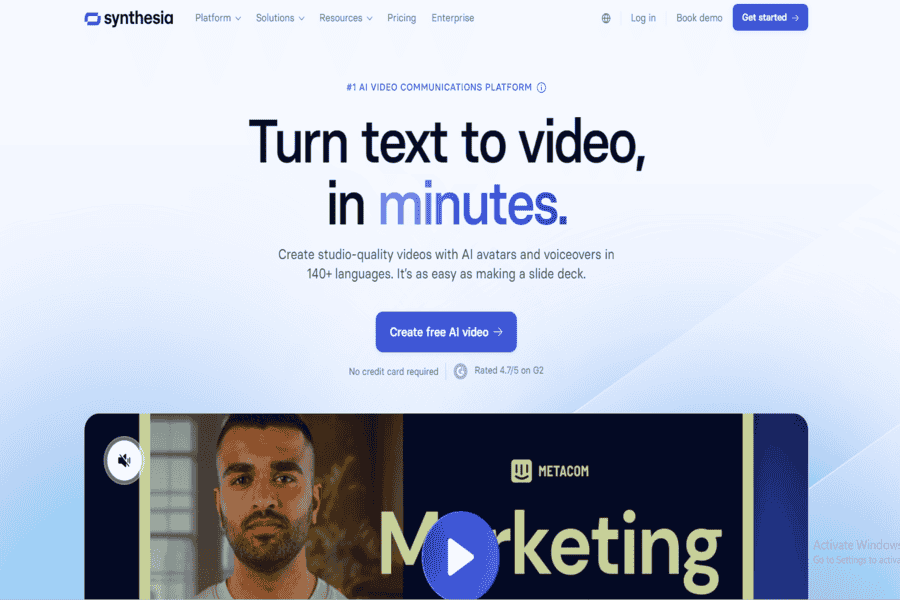
A video creation platform that uses AI avatars and voiceovers to create course videos.
Pros:
- Multilingual support.
- Saves time on video production.
Cons:
- Limited customization for avatars.
- Subscription-only service.
Pricing package:
- The personal plan starts at $30/month.
Social media links:
Contact Information:
- Mail: [email protected]
SC Training (formerly EdApp)
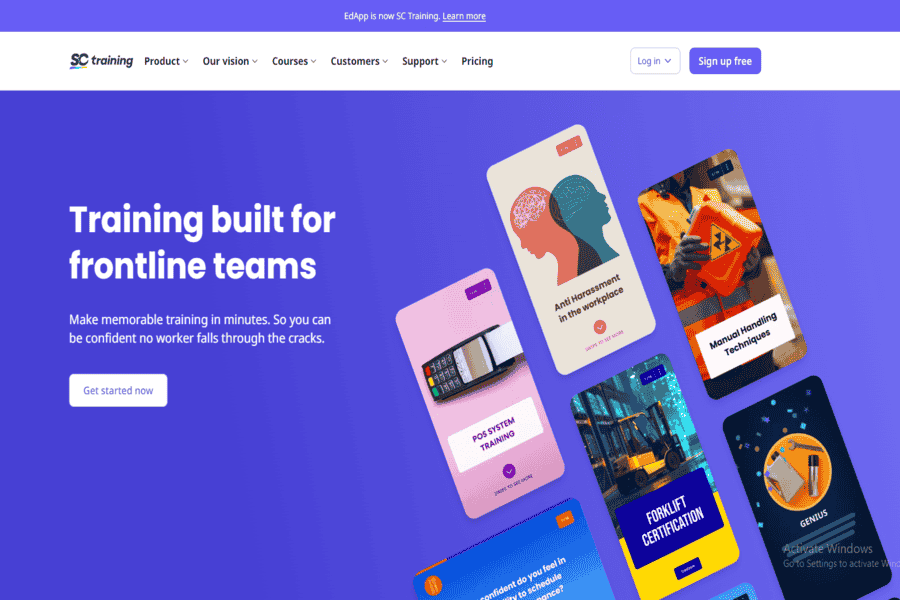
A microlearning platform with AI-driven templates for creating engaging courses. SafetyCulture (which acquired EdApp in 2020) rebranded it to SC Training in May 2024; the URL still redirects to the current product.
Pros:
- Mobile-friendly.
- Free LMS options.
Cons:
- Limited advanced customization.
Pricing package:
- Free plan available.
- Premium plans custom-priced.
Social media links:
Contact Information:
- Mail: [email protected]
TTS.ai
A text-to-speech platform that converts text into lifelike audio for course narration.
Pros:
- Natural-sounding voices.
- Multilingual support.
Cons:
- There are limited voice options on the free plan.
Pricing package:
- Free plan available.
- Paid plans start at $19/month.
Contact Information:
- Mail: [email protected]
Kahoot!
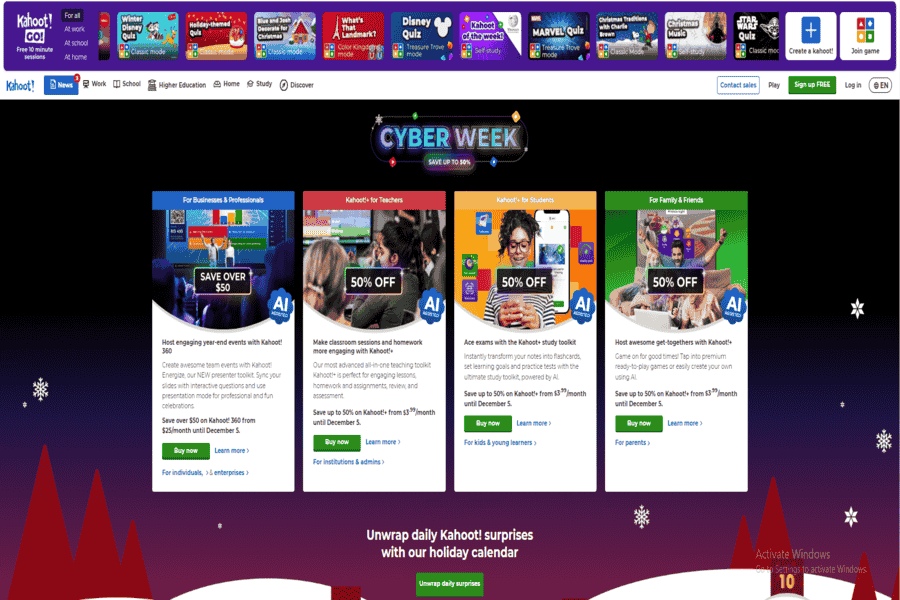
An interactive platform for creating quizzes and games to enhance online learning.
Pros:
- Engages learners effectively.
- Suitable for various age groups.
Cons:
- Limited features on the free plan.
Pricing package:
- Free plan available.
- Premium plans start at $3/month.
Social media links:
Contact Information:
- Mail: [email protected]
Benefits and Challenges
The real benefits are speed and reach: AI cuts production time dramatically compared to fully manual content creation, quality is more consistent since AI doesn’t have an off day, personalization at scale becomes practical rather than a luxury only large budgets can afford, and features like auto-generated captions and multiple language versions genuinely widen who can access a course. But these tools have real limits too. AI-generated content still needs a quality-control pass — errors and awkward phrasing slip through. Using AI raises real questions about authorship, originality, and disclosure to learners. Producing content well with these tools takes real technical skill, not just a subscription. And a course built entirely by AI, with no human presence or feedback loop, risks feeling hollow — the human connection between instructor and learner is still part of why people finish courses, not just what’s in them.
Where This Is Headed
More advanced AI algorithms keep improving content quality and personalization depth. Immersive formats (VR/AR-based learning experiences) remain more experimental than mainstream but are worth watching for hands-on or spatial subjects. Personalized learning paths that adapt in real time to how a specific learner is doing are moving from a premium feature toward table stakes. And ethical AI use — disclosure, bias-awareness, keeping a human in the loop — is becoming a real part of how course platforms differentiate themselves, not just a compliance checkbox.
Conclusion
The 12 tools above split into a few groups: general-purpose AI writing and design tools (ChatGPT, Jasper.ai, Copy.ai, Rytr, Grammarly, Canva) that work for course content but aren’t course-specific; AI video and voice tools (Synthesia, Descript, TTS.ai) for narrated video and audio; and dedicated course-authoring platforms (Articulate 360, SC Training, Kahoot!) built specifically for instructional design and delivery. Most serious course creators combine tools from at least two of these groups rather than relying on one all-purpose platform, and treat AI output as a fast first draft that still needs a human review pass before it reaches learners.