Recommendation engines analyze user behavior and preferences to surface the products, content, or offers most likely to matter to that specific person, rather than showing everyone the same thing. AI has made these systems dramatically more sophisticated — understanding intent behind a search, adapting in real time, and personalizing across e-commerce and media alike. AI tools for cybersecurity matter here too, since these systems run on sensitive customer behavior data that needs real protection, not just personalization polish.
How Recommendation Systems Work
Three approaches dominate: collaborative filtering, which recommends based on what similar users liked; content-based filtering, which matches items by their own features and attributes; and hybrid systems that combine both to cover each approach’s weak spots (collaborative filtering struggles with new items, content-based filtering can get stuck recommending only similar things). Most production systems today use some hybrid approach, tuned differently for e-commerce product recommendations versus media content discovery.
Top AI Recommendation Engines For E-commerce and Media
Dynamic Yield
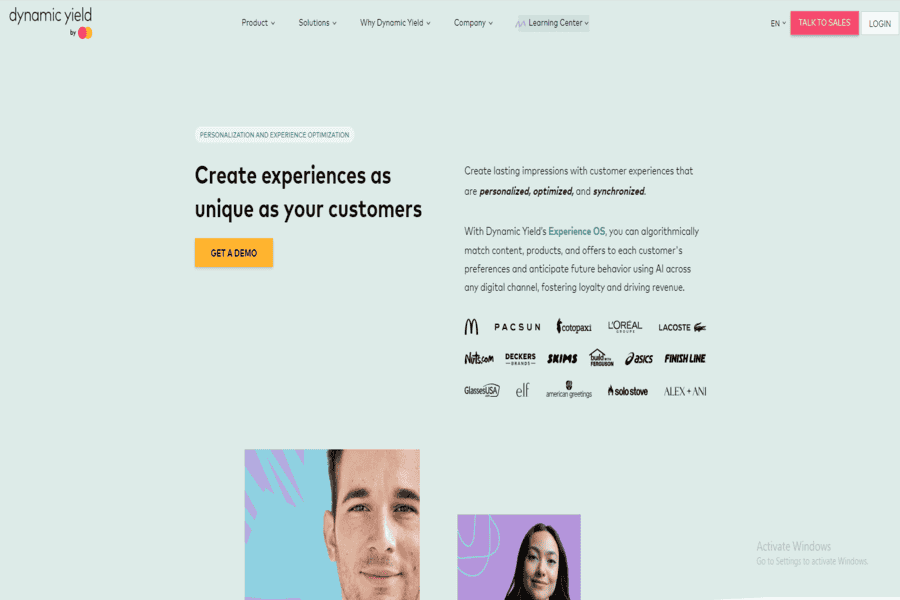
Dynamic Yield is an AI-powered personalization platform that delivers tailored recommendations for e-commerce and media businesses. It optimizes user experiences through dynamic content and product suggestions.
Pros:
- Supports personalization across multiple channels.
- Easy integration with e-commerce platforms.
- Advanced machine learning algorithms.
Cons:
- Higher pricing compared to competitors.
- Requires technical expertise for setup.
Pricing package:
Custom pricing based on business needs.
Social media links:
- Facebook: Dynamic Yield Facebook
- LinkedIn: Dynamic Yield LinkedIn
- Twitter: Dynamic Yield Twitter
- YouTube: Dynamic Yield YouTube
Contact Information:
- Mail: [email protected]
Algolia Recommend
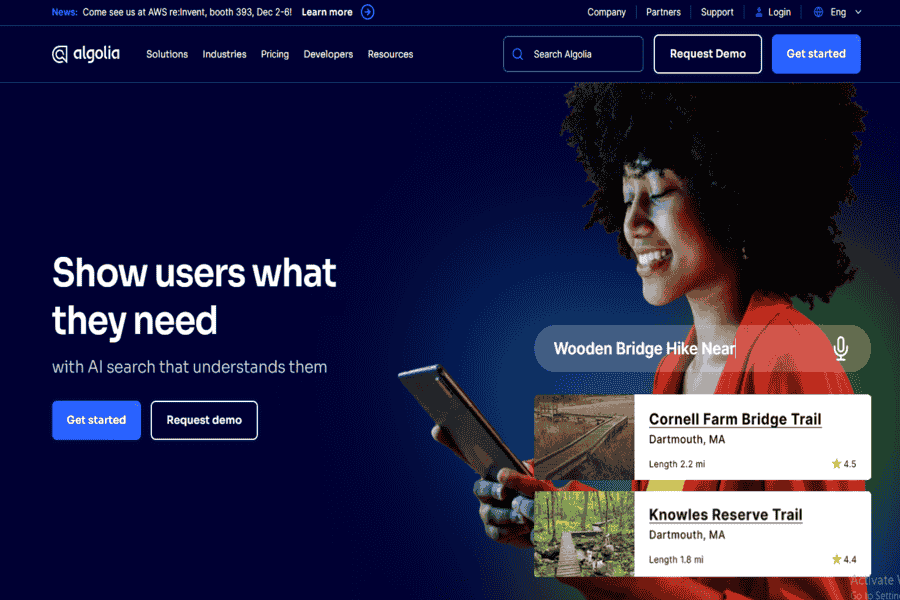
Algolia recommends using AI to provide personalized product and content recommendations. It integrates seamlessly with existing search functionalities to enhance user engagement and conversions.
Pros:
- Fast and scalable.
- Easily integrates with search features.
- Suitable for both small and large businesses.
Cons:
- Requires developer support for implementation.
- Advanced features come at a higher cost.
Pricing package:
Free trial available; pricing starts at $1 per 1,000 requests.
Social media links:
- Facebook: Algolia Facebook
- LinkedIn: Algolia LinkedIn
- Twitter: Algolia Twitter
- YouTube: Algolia YouTube
Contact Information:
- Mail: [email protected]
Klevu AI
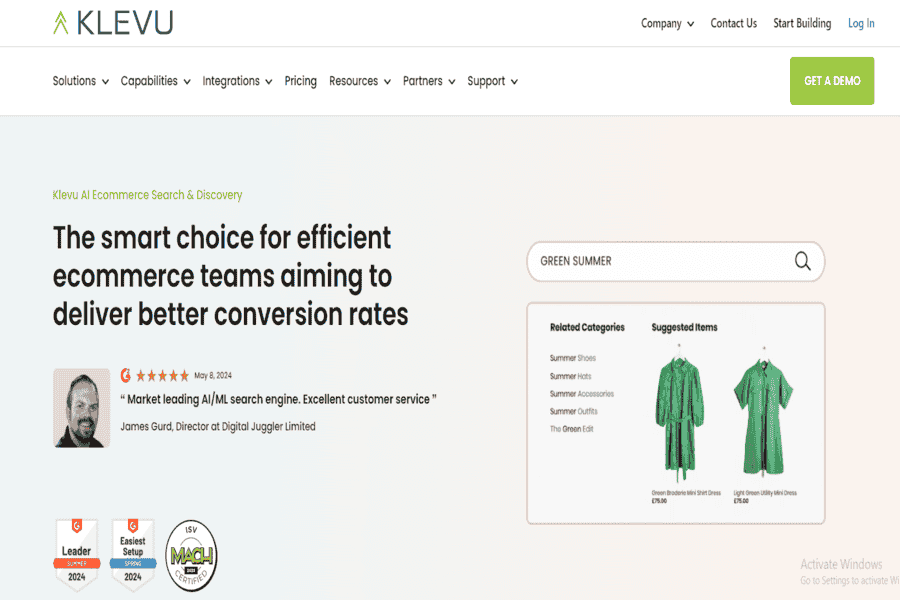
Klevu AI provides intelligent search and recommendation solutions for e-commerce businesses. It uses natural language processing to deliver hyper-relevant results and product suggestions.
Pros:
- Intuitive and fast recommendations.
- Integrates with major e-commerce platforms like Shopify and Magento.
- Enhances customer discovery and conversion rates.
Cons:
- Advanced customization may require developer assistance.
- Some features are limited to lower pricing tiers.
Pricing package:
Starts at $499/month.
Social media links:
- Facebook: Klevu Facebook
- Instagram: Klevu Instagram
- LinkedIn: Klevu LinkedIn
- Twitter: Klevu Twitter
- YouTube: Klevu YouTube
Contact Information:
- Mail: [email protected]
- Contact number: +44 203 290 7473
RecoSense
RecoSense is a recommendation engine that provides AI-driven personalization for media and e-commerce platforms. It optimizes user engagement by predicting preferences and tailoring recommendations accordingly.
Pros:
- Industry-specific solutions for media and retail.
- Robust analytics dashboard.
- Supports real-time recommendations.
Cons:
- Complex setup for smaller businesses.
- Limited self-service options for beginners.
Pricing package:
Custom pricing based on requirements.
Social media links:
- Facebook: RecoSense Facebook
- LinkedIn: RecoSense LinkedIn
- Twitter: RecoSense Twitter
Contact Information:
- Mail: [email protected]
- Contact number: +91 80 2355 0631
Retail Rocket
Retail Rocket is an AI recommendation engine designed for e-commerce businesses. It provides personalized product recommendations, email marketing optimization, and analytics.
Pros:
- Advanced targeting for personalized recommendations.
- Comprehensive analytics for customer insights.
- Excellent support for omnichannel strategies.
Cons:
- High pricing for advanced features.
- It is less suited for very small businesses.
Pricing package:
Custom pricing is available upon request.
Social media links:
- Facebook: Retail Rocket Facebook
- LinkedIn: Retail Rocket LinkedIn
- Twitter: Retail Rocket Twitter
Contact Information:
- Mail: [email protected]
Personalize by AWS
Amazon Personalize is a machine learning-based personalization service that helps e-commerce and media platforms deliver tailored product and content recommendations.
Pros:
- Scalable for any business size.
- Pre-built machine learning models.
- Backed by Amazon’s robust infrastructure.
Cons:
- Requires some technical expertise for integration.
- Usage-based pricing can become costly for high traffic.
Pricing package:
Pay-as-you-go model starting at $0.05 per hour.
Contact Information:
- Mail: Support is available via the AWS portal.
Bloomreach
AI-powered commerce platform combining product discovery, search, and personalized recommendations, built specifically for e-commerce merchandising teams. Replaces Qubit, which is now part of Coveo — already listed separately above — following Coveo’s acquisition of Qubit (announced October 2021, completed early 2022); qubit.com is also no longer reliably reachable.
Pros:
- Combines search and recommendations in one platform, not just one or the other.
- Strong merchandising controls for e-commerce teams.
Cons:
- Enterprise-oriented pricing and implementation.
Pricing package:
Custom pricing, quoted per business.
Marketing Cloud Personalization (formerly Evergage)
Uses AI for real-time personalization, delivering tailored content, product recommendations, and dynamic emails for e-commerce and media platforms. Salesforce acquired Evergage in 2020 and renamed it Interaction Studio, then renamed it again to Marketing Cloud Personalization with the Winter ’23 release; the old Interaction Studio product URL no longer resolves.
Pros:
- Powerful Salesforce ecosystem integration.
- Excellent analytics and reporting.
- Real-time recommendations for all channels.
Cons:
- High cost for small businesses.
- Best suited for Salesforce users.
Pricing package:
Custom pricing based on Salesforce subscription plans.
Social media links:
- Facebook: Salesforce Facebook
- Instagram: Salesforce Instagram
- LinkedIn: Salesforce LinkedIn
- Twitter: Salesforce Twitter
- YouTube: Salesforce YouTube
Barilliance
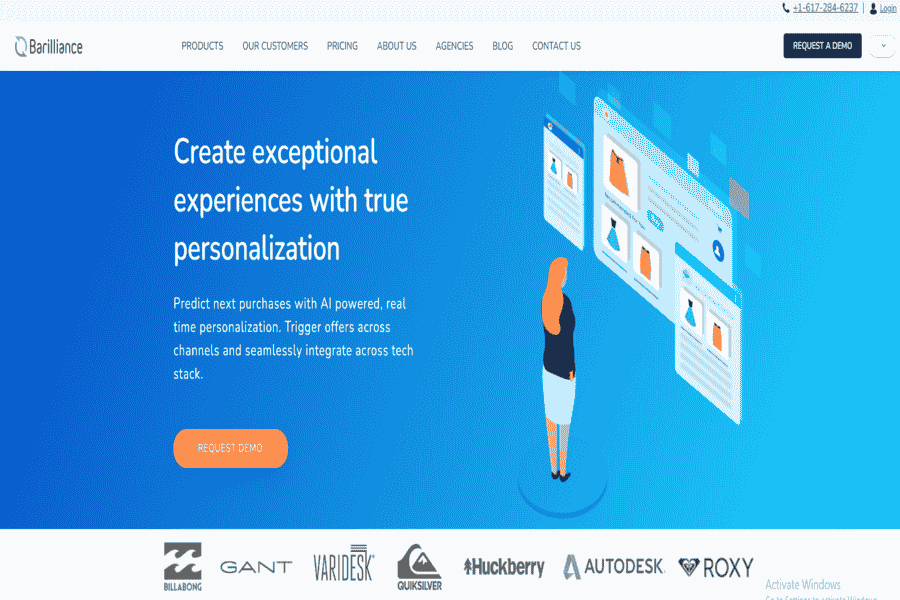
Barilliance provides AI-powered personalized recommendations for e-commerce websites, focusing on cross-sell, up-sell, and dynamic email content to improve customer experience and sales.
Pros:
- Easy to implement with no developer support needed.
- Cost-effective solution for small to mid-sized businesses.
- Excellent email retargeting features.
Cons:
- Limited scalability for large enterprises.
- Fewer advanced AI features compared to competitors.
Pricing package:
Custom pricing is available upon request.
Social media links:
- LinkedIn: Barilliance LinkedIn
Contact Information:
- Mail: [email protected]
Nosto
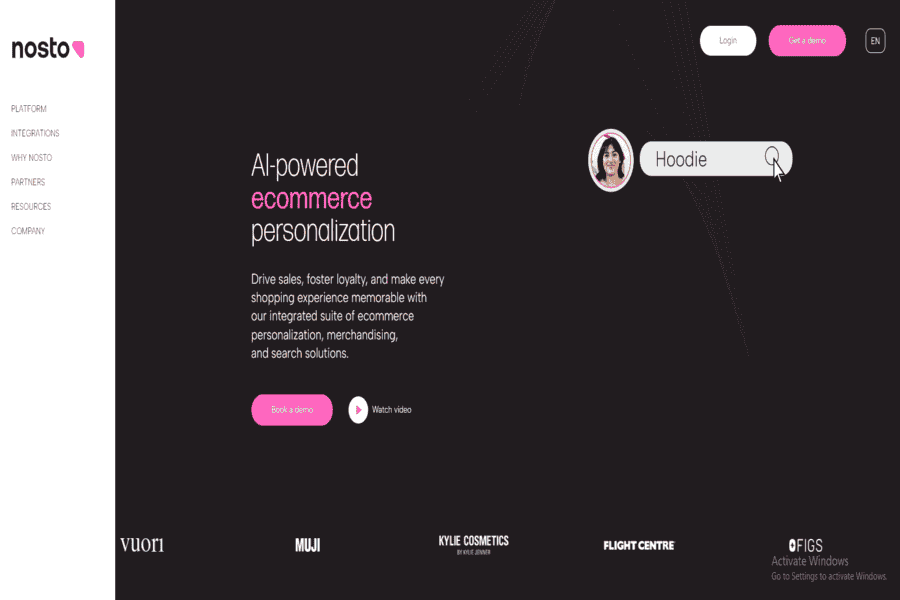
Nosto provides AI-driven personalization for e-commerce platforms, offering tools for product recommendations, dynamic content, and personalized email marketing.
Pros:
- Integrates easily with platforms like Shopify and Magento.
- Intuitive dashboard for marketers.
- Supports multi-language personalization.
Cons:
- Pricing may be high for smaller businesses.
- Limited features outside of e-commerce.
Pricing package:
Custom pricing based on features and business scale.
Social media links:
- Facebook: Nosto Facebook
- LinkedIn: Nosto LinkedIn
- Twitter: Nosto Twitter
- YouTube: Nosto YouTube
Contact Information:
- Mail: [email protected]
Lucidworks
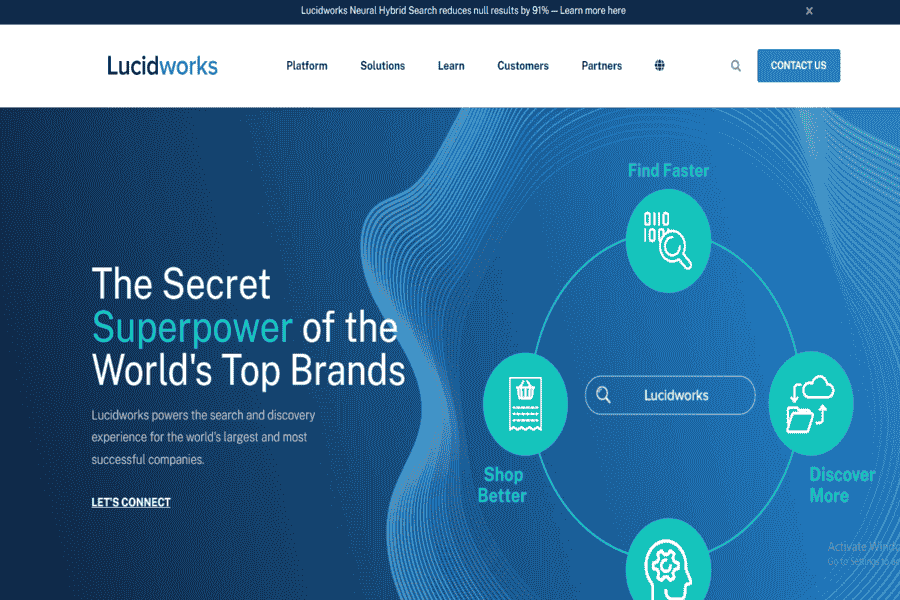
Lucidworks is an AI-powered search and personalization platform designed for e-commerce and media. It uses machine learning to provide highly relevant product recommendations and tailored content to improve customer experience and engagement.
Pros:
- Strong AI and machine learning capabilities.
- Scalable for large enterprises.
- Robust analytics and reporting.
Cons:
- Complex setup for smaller businesses.
- Higher pricing compared to other platforms.
Pricing package:
Custom pricing based on business requirements.
Social media links:
- Facebook: Lucidworks Facebook
- LinkedIn: Lucidworks LinkedIn
- Twitter: Lucidworks Twitter
- YouTube: Lucidworks YouTube
Contact Information:
- Mail: [email protected]
- Contact number: +1 800-450-7108
Intuiface
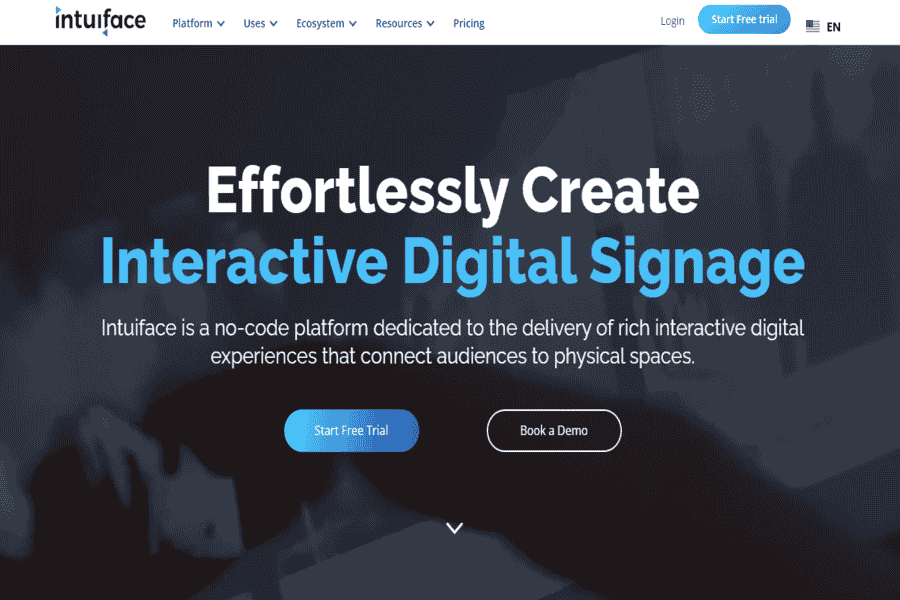
Intuiface is an interactive experience platform integrating AI to offer personalized content and real-time recommendations. It’s widely used for digital signage, kiosk systems, and e-commerce websites.
Pros:
- Intuitive drag-and-drop interface.
- No coding is required to create interactive experiences.
- Real-time content and product recommendations.
Cons:
- We are primarily focused on interactive displays rather than pure e-commerce platforms.
- Higher cost for premium features.
Pricing package:
Starts at $49/month for basic plans—custom pricing for enterprise solutions.
Social media links:
- Facebook: Intuiface Facebook
- LinkedIn: Intuiface LinkedIn
- Twitter: Intuiface Twitter
- YouTube: Intuiface YouTube
Contact Information:
- Mail: [email protected]
Adobe Target
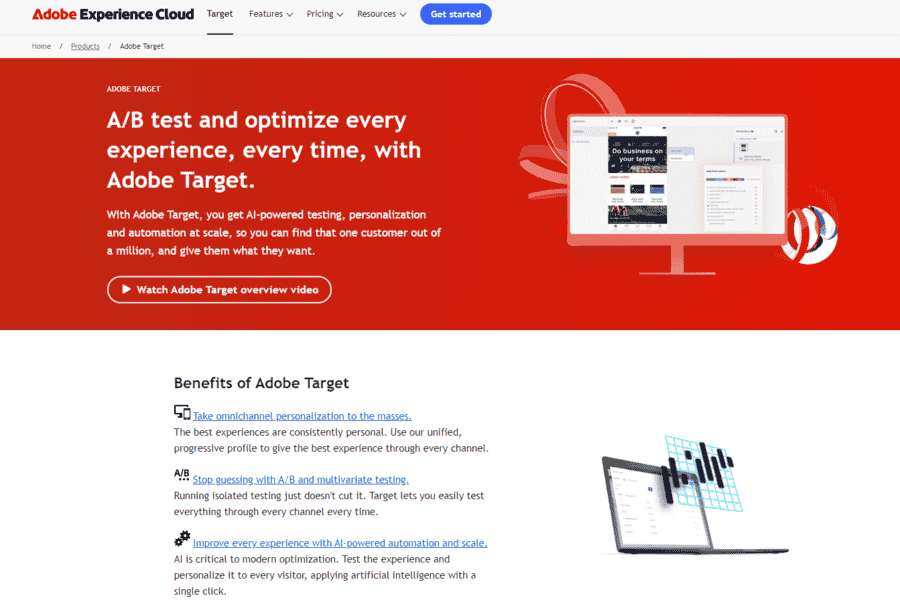
Adobe Target is an enterprise-level personalization solution that leverages AI to deliver tailored experiences, including personalized product recommendations for e-commerce sites and media platforms.
Pros:
- Integration with Adobe’s suite of tools.
- Robust A/B testing and optimization features.
- Highly scalable for large enterprises.
Cons:
- It is expensive, especially for small businesses.
- Complex interface and setup for beginners.
Pricing package:
Custom pricing based on business needs.
Social media links:
- Facebook: Adobe Marketing Facebook
- Instagram: Adobe Instagram
- LinkedIn: Adobe LinkedIn
- Twitter: Adobe Marketing Twitter
- YouTube: Adobe YouTube
Coveo
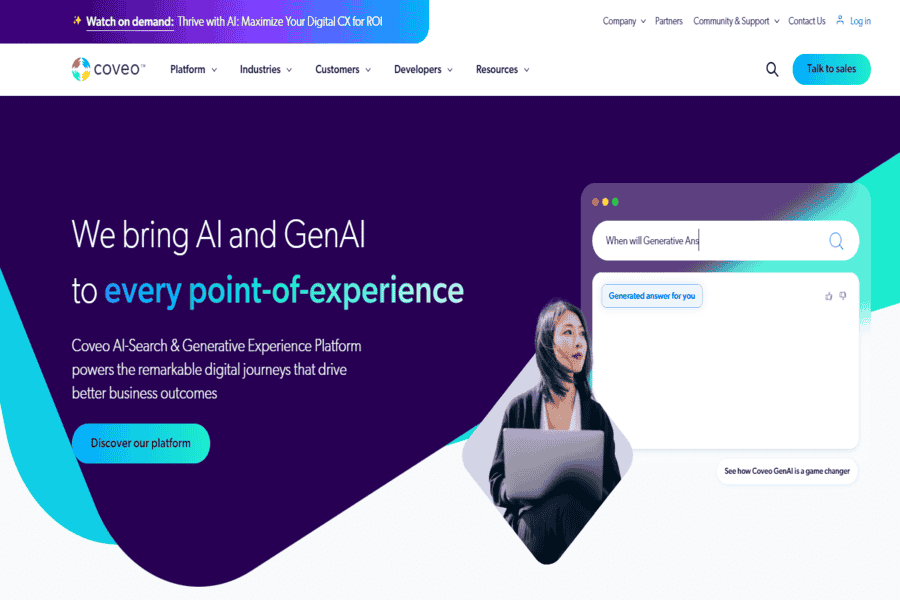
Coveo uses AI to personalize experiences by offering product recommendations and content suggestions for e-commerce sites, knowledge management systems, and customer support platforms.
Pros:
- Scalable and adaptable to various industries.
- Strong machine learning and AI features.
- Great for improving customer support and engagement.
Cons:
- Complex setup and customization process.
- Higher cost for advanced features.
Pricing package:
Custom pricing based on business size and needs.
Social media links:
- Facebook: Coveo Facebook
- LinkedIn: Coveo LinkedIn
- Twitter: Coveo Twitter
- YouTube: Coveo YouTube
Contact Information:
- Mail: [email protected]
- Contact number: +1 (855) 544-4266
Optimizely Data Platform (formerly Zaius)
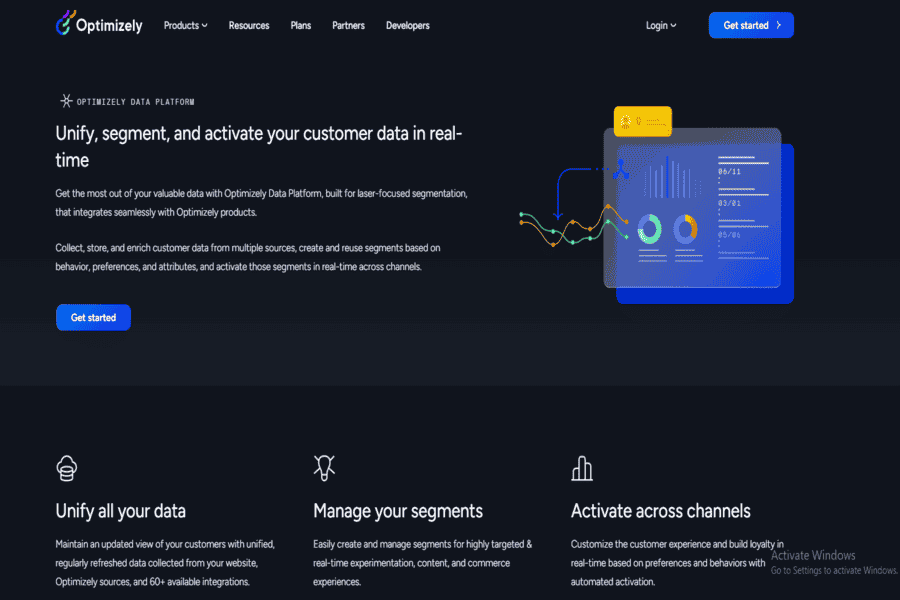
A customer data platform (CDP) that combines AI with customer behavior data to personalize product recommendations, marketing campaigns, and communication strategies for e-commerce businesses. Optimizely acquired Zaius in March 2021; zaius.com now redirects to Optimizely’s data platform product page.
Pros:
- AI-driven insights and personalization.
- Comprehensive customer data analytics.
- Integrates with CRM and marketing platforms.
Cons:
- Higher cost for small businesses.
- It can be overwhelming due to the range of features.
Pricing package:
Custom pricing based on the scale of business.
Social media links:
- Facebook: Zaius Facebook
- LinkedIn: Zaius LinkedIn
- Twitter: Zaius Twitter
Contact Information:
- Mail: [email protected]
Applications in E-commerce and Media
In e-commerce, this shows up as personalized product recommendations on-site and in email, next-best-offer suggestions at checkout, and improved product discovery for shoppers who don’t know exactly what they’re looking for. In media, the same underlying techniques power personalized content feeds, content discovery (surfacing something new rather than just more of the same), and targeted ad placement.
Challenges and Where This Is Headed
These systems run on sensitive behavioral data, so privacy and security aren’t optional add-ons — regulatory requirements (GDPR, CCPA, and similar) increasingly shape how this data can be collected and used. New users and new items both create a “cold start” problem where there’s not yet enough data to recommend well. Algorithmic bias can also creep in and narrow what people see, sometimes reinforcing existing inequalities rather than surfacing genuinely relevant options. Looking ahead, recommendations are getting more contextual (time of day, location, current session behavior, not just historical preference), incorporating social signals, and facing more scrutiny around transparency and fairness as they take on a bigger role in what people see and buy.
Conclusion
The platforms above split roughly into full-stack e-commerce personalization suites (Dynamic Yield, Klevu AI, Nosto, Barilliance, Bloomreach), search-and-discovery specialists (Algolia Recommend, Coveo, Lucidworks), and major platform-native options (Personalize by AWS, Adobe Target, Marketing Cloud Personalization, Optimizely Data Platform), alongside more specialized tools like RecoSense, Retail Rocket, and Intuiface. Given how much this space has consolidated through acquisition in just the last few years, it’s worth checking a vendor’s current ownership and product roadmap before committing to a long-term integration.