AI has become core to modern cybersecurity — processing threat volumes no human analyst team could review manually, spotting anomalous behavior in real time, and automating response fast enough to matter during an active incident. This guide covers how AI is used across the security stack, and the 15 platforms worth knowing.
How AI Is Used in Cybersecurity
The core applications: threat detection and response that catches and reacts to attacks faster than manual monitoring; vulnerability management that prioritizes what to patch first based on real exploitability, not just severity scores; user behavior analytics (UBA) that flags anomalous activity a signature-based tool would miss; SOC automation that handles the repetitive triage work analysts used to do by hand; and generative AI increasingly used both defensively (summarizing incidents, drafting response playbooks) and as a new attack surface security teams have to account for. These techniques show up across network security, endpoint security, email security, and behavioral analytics — most real deployments combine several rather than relying on one tool for the whole stack.
Top AI Tools for Cybersecurity
Darktrace
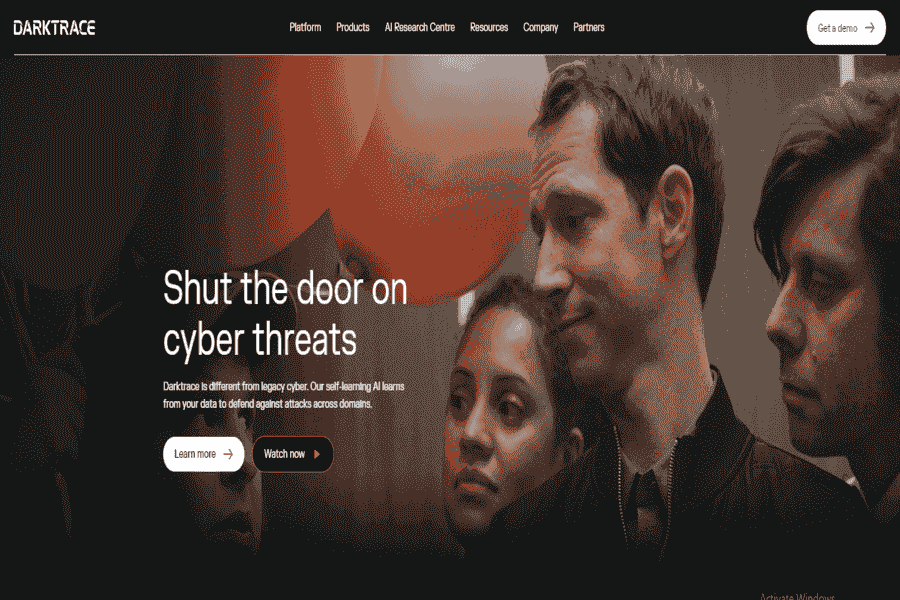
Darktrace uses AI to detect and respond to cyber threats in real-time, leveraging self-learning algorithms.
Pros:
- Advanced anomaly detection.
- Autonomous threat response.
- User-friendly dashboards.
Cons:
- Expensive for small businesses.
- Complex implementation.
Pricing Package:
Custom pricing.
Social Media:
- Facebook: Darktrace
- Instagram: @darktrace
- Twitter: @darktrace
- LinkedIn: Darktrace
- YouTube: Darktrace
Contact Information:
- Mail: [email protected]
- Contact Number: +44 1223 394100
CrowdStrike Falcon
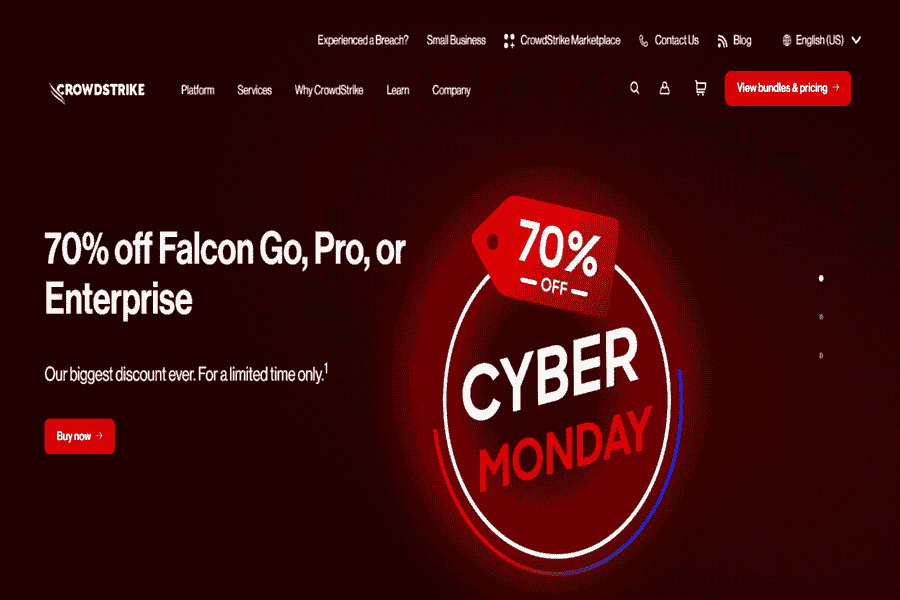
A cloud-native AI-driven platform for endpoint protection, threat intelligence, and incident response.
Pros:
- Lightweight and fast.
- Excellent threat-hunting features.
- Comprehensive reporting.
Cons:
- High costs for advanced features.
- Requires technical expertise.
Pricing Package:
Custom pricing based on features.
Social Media:
- Facebook: CrowdStrike
- Instagram: @crowdstrike
- Twitter: @CrowdStrike
- LinkedIn: CrowdStrike
- YouTube: CrowdStrike
Contact Information:
- Mail: [email protected]
Aurora Endpoint Security (formerly Cylance)
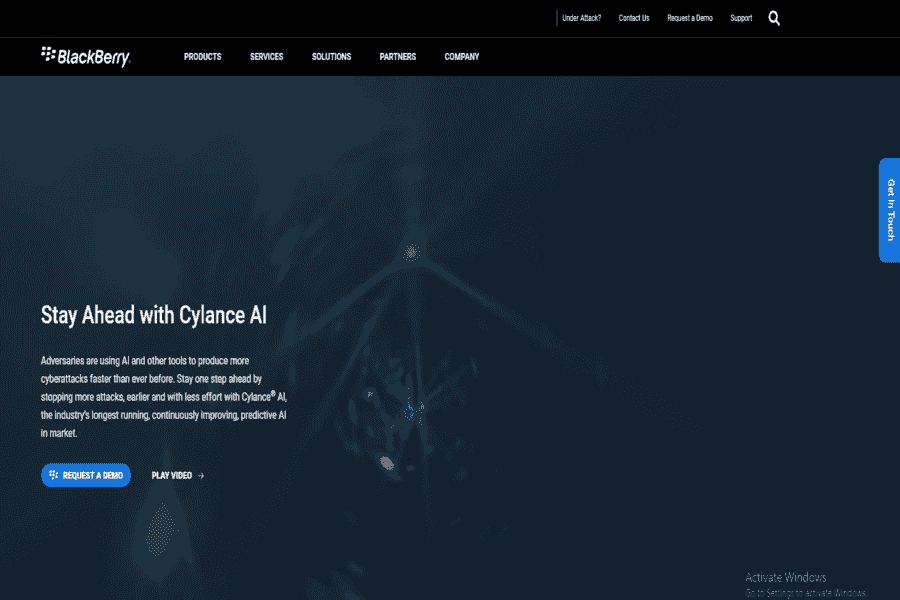
An AI-based endpoint security tool that prevents malware and advanced threats. BlackBerry sold Cylance to Arctic Wolf in February 2025; its AI detection technology now powers Arctic Wolf’s Aurora Endpoint Security.
Pros:
- Predictive threat detection.
- Minimal system impact.
- Easy deployment.
Cons:
- Limited functionality for broader cybersecurity needs.
- High costs for smaller teams.
Pricing Package:
Contact for pricing.
Social Media:
- Facebook: Cylance
- Twitter: @CylanceInc
- LinkedIn: Cylance
- YouTube: Cylance
Trellix XDR (formerly FireEye Helix)
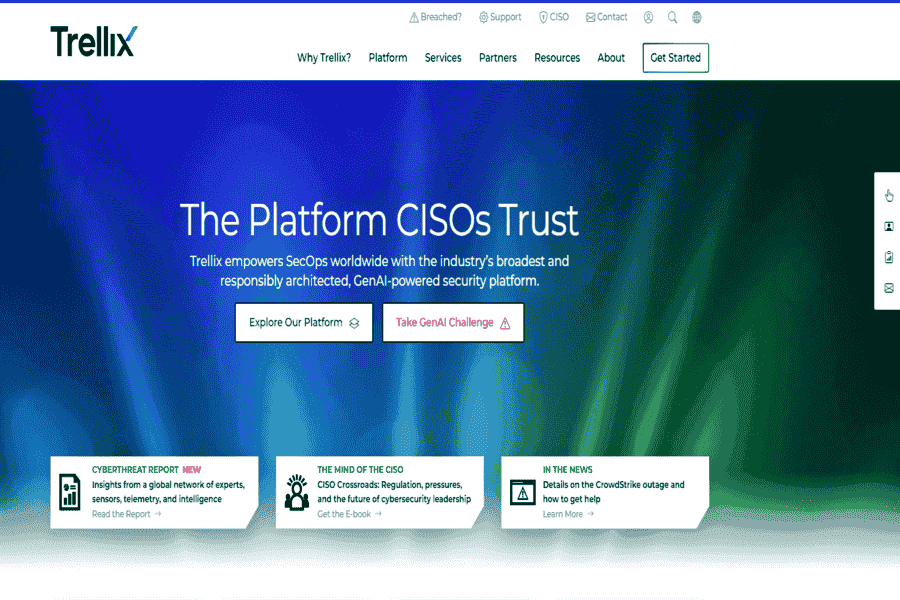
An AI-driven platform with strong incident response capabilities for detecting and managing cyber threats. FireEye’s products business merged with McAfee Enterprise to form Trellix in 2022; Helix now operates as Trellix XDR.
Pros:
- Comprehensive threat visibility.
- Advanced analytics.
- Integrates well with other tools.
Cons:
- High learning curve.
- Expensive for small businesses.
Pricing Package:
Custom pricing.
Social Media:
- Facebook: FireEye
- Instagram: @fireeye_inc
- Twitter: @FireEye
- LinkedIn: FireEye
- YouTube: FireEye
Contact Information:
- Mail: [email protected]
LogRhythm
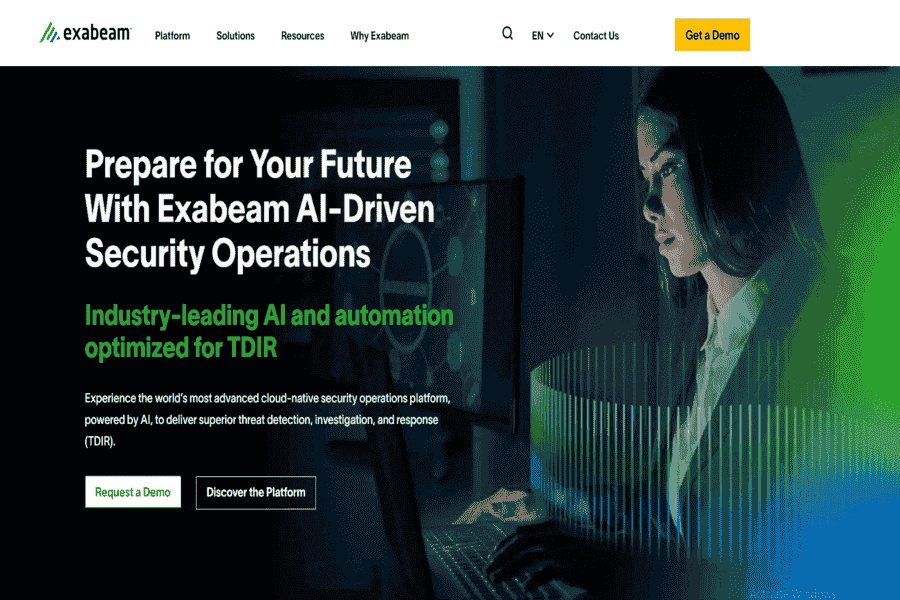
A security information and event management (SIEM) platform enhanced by AI to detect threats and manage incidents.
Pros:
- AI-driven analytics.
- Easy scalability.
- Strong reporting features.
Cons:
- Steep learning curve.
- Requires regular updates.
Pricing Package:
Contact for pricing.
Social Media:
- Facebook: LogRhythm
- Twitter: @LogRhythm
- LinkedIn: LogRhythm
- YouTube: LogRhythm
Contact Information:
- Mail: [email protected]
- Contact Number: +1 303-413-8745
IBM QRadar
A leading AI-powered SIEM platform that helps detect and respond to threats across hybrid cloud environments.
Pros:
- Wide range of integrations.
- Real-time threat analysis.
- Scalable for large organizations.
Cons:
- Complex configuration.
- High licensing costs.
Pricing Package:
Contact for pricing.
Social Media:
- Facebook: IBM
- Instagram: @ibm
- Twitter: @ibmsecurity
- LinkedIn: IBM Security
- YouTube: IBM
Palo Alto Cortex XSOAR
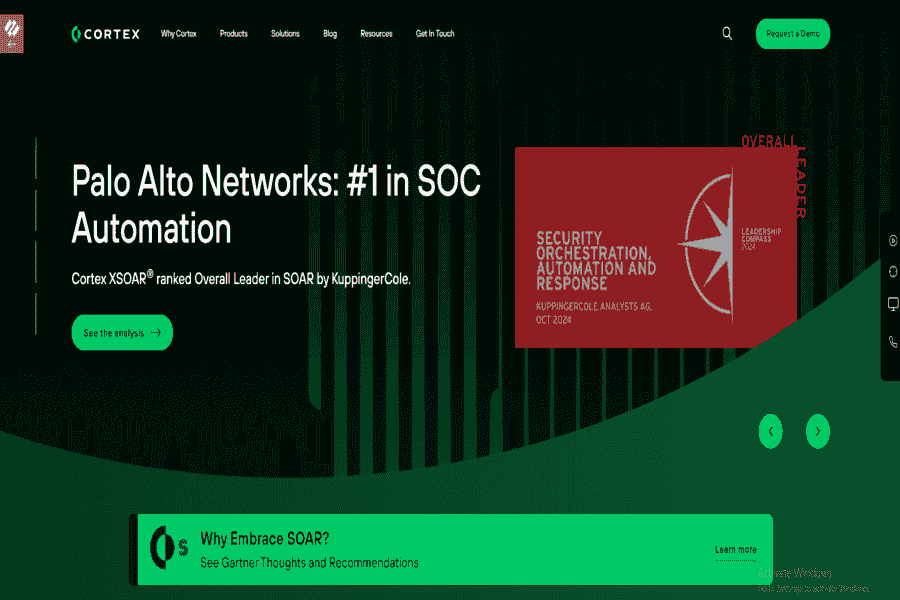
A powerful security orchestration, automation, and response (SOAR) platform with AI-powered capabilities.
Pros:
- Highly customizable.
- Strong playbook system for automation.
- Integration with other security tools.
Cons:
- Steep learning curve.
- Requires significant initial setup.
Pricing Package:
Contact for pricing.
Social Media:
- Facebook: Palo Alto Networks
- Instagram: @paloaltonetworks
- Twitter: @PaloAltoNtwks
- LinkedIn: Palo Alto Networks
- YouTube: Palo Alto Networks
Contact Information:
- Contact Number: +1 408-753-4000
Symantec Endpoint Security
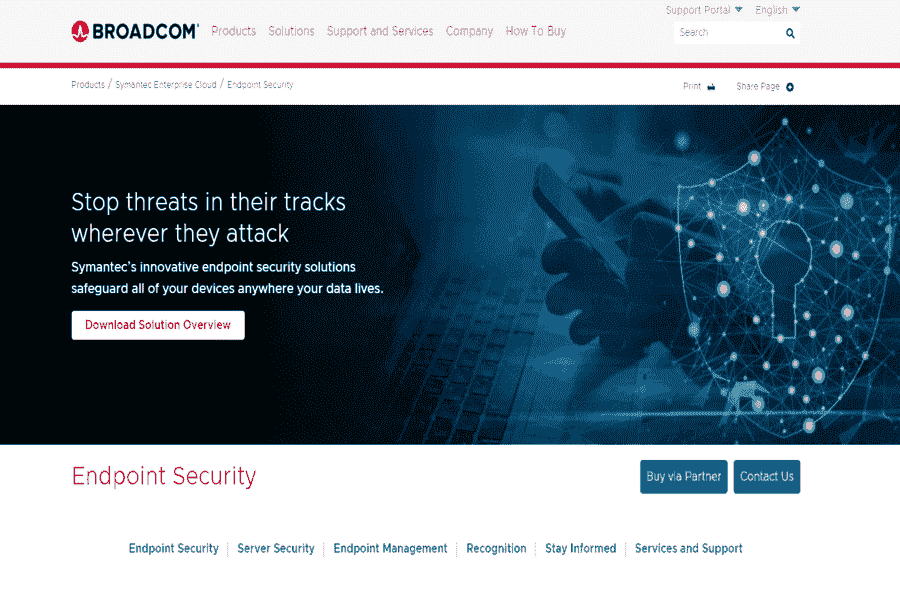
Symantec uses AI to offer advanced threat protection for endpoints, focusing on malware detection, encryption, and vulnerability scanning.
Pros:
- Comprehensive endpoint protection.
- Cloud-based monitoring.
- Threat intelligence integration.
Cons:
- High costs for smaller teams.
- Resource-intensive software.
Pricing Package:
Custom pricing.
Social Media:
Vectra AI
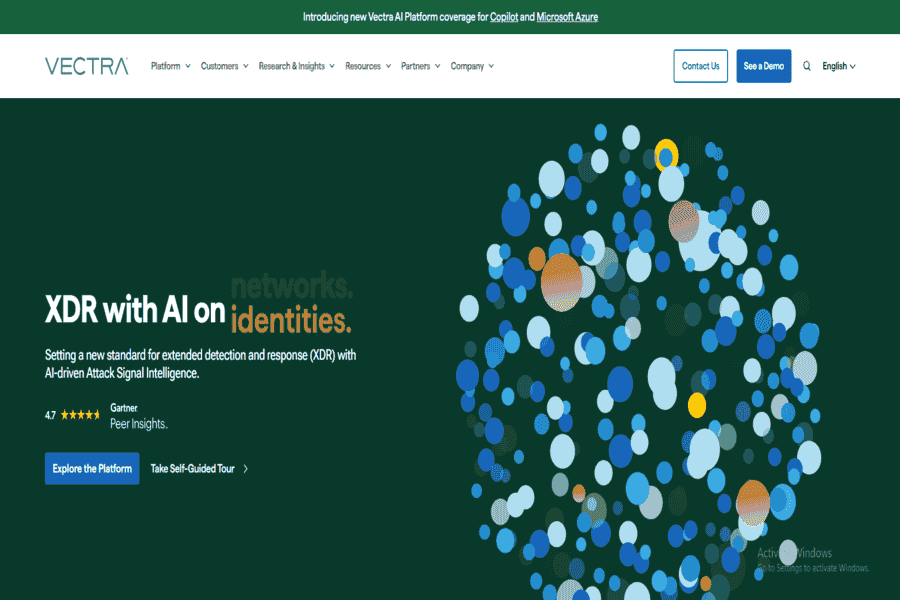
Vectra leverages AI to detect and mitigate advanced cyber threats across networks, cloud, and endpoints.
Pros:
- Real-time threat detection.
- Cloud-focused security solutions.
- Strong analytics and reporting.
Cons:
- Expensive for small organizations.
- Requires integration expertise.
Pricing Package:
Custom pricing.
Social Media:
- Facebook: Vectra AI
- Twitter: @Vectra_AI
- LinkedIn: Vectra AI
- YouTube: Vectra AI
Contact Information:
- Mail: [email protected]
Sophos Intercept X
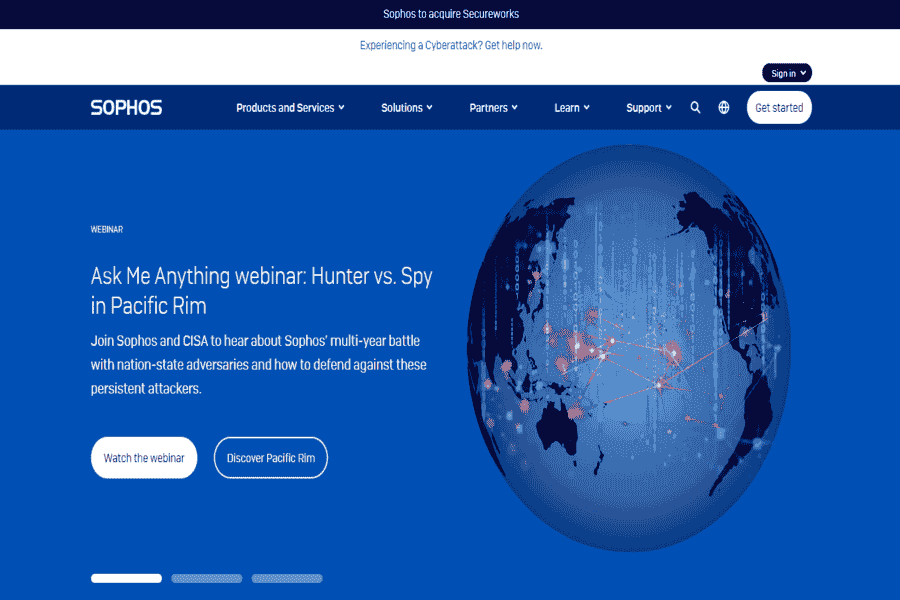
An AI-driven endpoint protection tool that defends against ransomware, exploits, and malware.
Pros:
- Advanced exploit prevention.
- User-friendly management interface.
- Strong mobile protection features.
Cons:
- Limited features in the free version.
- Some tools may require manual fine-tuning.
Pricing Package:
Starts at $44/year per user.
Social Media:
Contact Information:
- Mail: [email protected]
ThreatConnect
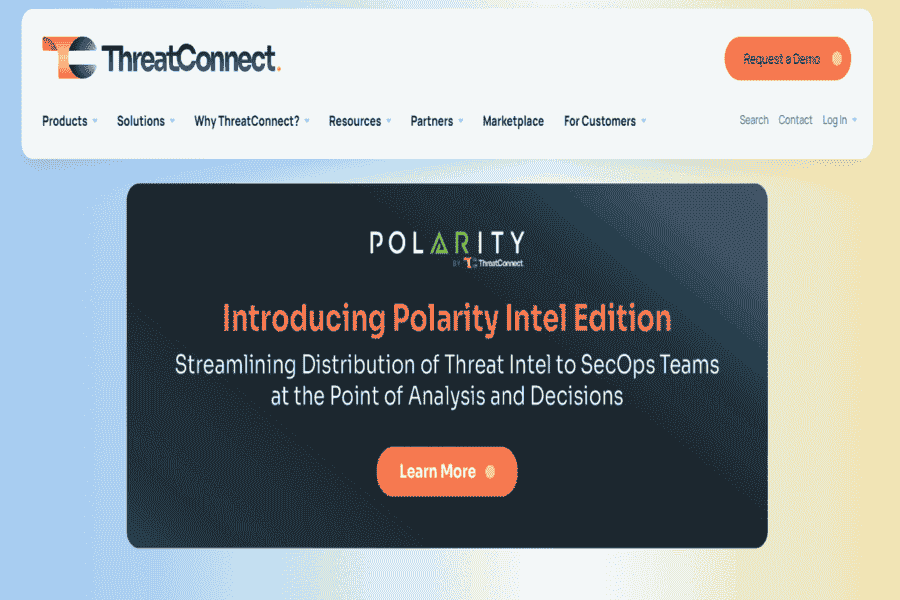
A threat intelligence platform powered by AI, focusing on threat detection, investigation, and orchestration.
Pros:
- Strong collaboration tools.
- Comprehensive threat intelligence.
- High customizability.
Cons:
- Expensive for small businesses.
- Requires initial training.
Pricing Package:
Custom pricing.
Social Media:
- Twitter: @ThreatConnect
- LinkedIn: ThreatConnect
- YouTube: ThreatConnect
Contact Information:
- Mail: [email protected]
AIShield by Bosch

AIShield is a solution for securing AI systems against adversarial attacks, ensuring robust AI deployments.
Pros:
- Focus on securing AI models.
- Ideal for industrial applications.
- Backed by Bosch’s expertise.
Cons:
- Limited use for general cybersecurity.
- Requires integration expertise.
Pricing Package:
Custom pricing.
Social Media:
- Facebook: Bosch AI
- Instagram: @boschglobal
- Twitter: @BoschGlobal
- LinkedIn: Bosch AI
- YouTube: Bosch AI
Acalvio ShadowPlex
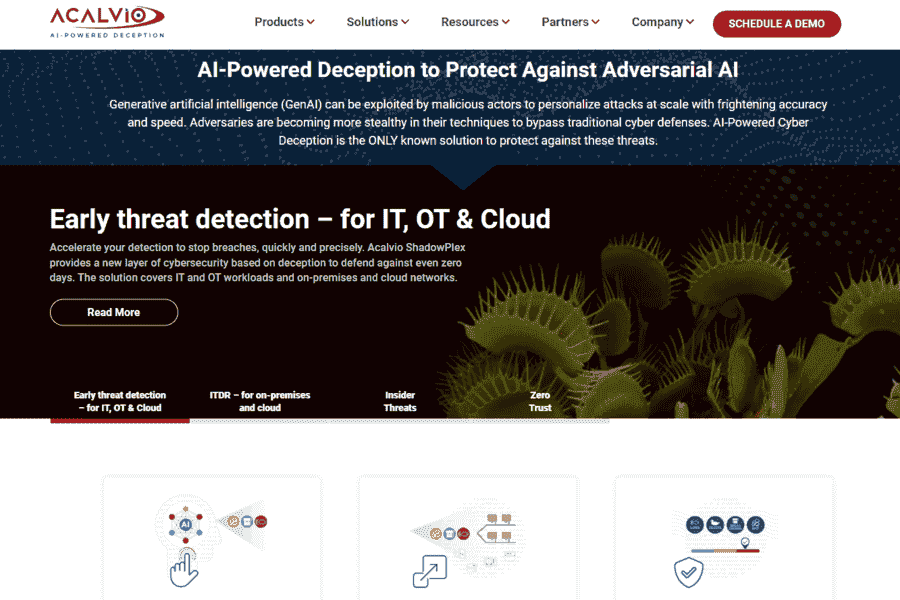
An AI-powered deception technology platform that creates realistic decoys to detect and divert cyber threats.
Pros:
- Innovative deception technology.
- Reduces false positives.
- Easy integration with other tools.
Cons:
- Niche application.
- Requires regular monitoring.
Pricing Package:
Custom pricing.
Social Media:
Contact Information:
- Mail: [email protected]
- Contact Number: +1 408-889-6384
FortiAI by Fortinet
FortiAI focuses on AI-driven threat detection, especially in malware and endpoint protection.
Pros:
- Fast malware detection.
- Easy scalability.
- Great for hybrid cloud setups.
Cons:
- High costs.
- Limited third-party integrations.
Pricing Package:
Contact for pricing.
Social Media:
Contact Information:
- Contact Number: +1 408-235-7700
Microsoft Defender for IoT (formerly CyberX)
CyberX, integrated into Azure, provides AI-driven security for IoT devices, focusing on operational technology environments.
Pros:
- Strong IoT focus.
- Seamless Azure integration.
- Detailed threat analysis.
Cons:
- Limited functionality outside Azure ecosystems.
- Requires Azure expertise.
Pricing Package:
Contact Microsoft for pricing.
Social Media:
- Facebook: Microsoft Azure
- Instagram: @microsoft
- Twitter: @Azure
- LinkedIn: Azure
- YouTube: Microsoft Azure
Benefits and Challenges
The real benefits are speed and scale: AI catches threats faster than manual review, response times shrink when routine remediation is automated, detection accuracy improves as models learn from more data over time, and automating repetitive triage work reduces the operational cost of running a security program. But these tools have real limits too. Output quality depends entirely on training data, and biased or incomplete data produces unreliable detection. More sophisticated models can be genuinely hard to interpret, which matters when a security decision needs to be defensible to auditors or leadership. Ethical questions around AI-driven surveillance and decision-making are real, not hypothetical. And adversarial attacks — deliberately crafted to fool a detection model — are a growing, active threat category in their own right, not a theoretical edge case.
Where This Is Headed
AI-driven zero-trust security — continuously verifying rather than trusting anything by default, informed by real-time behavioral signals — is moving from a buzzword to genuine architecture in more mature security programs. Autonomous security operations, where routine detection and response happens with less human intervention, are expanding beyond narrow use cases. And AI-enhanced training is making security awareness programs more realistic and adaptive, simulating current attack patterns rather than static, generic phishing tests.
Conclusion
The 15 tools above split into a few groups: full-platform SIEM/XDR suites (Darktrace, CrowdStrike Falcon, LogRhythm, IBM QRadar, Palo Alto Cortex XSOAR, Trellix XDR) for organization-wide detection and response; endpoint-focused tools (Aurora Endpoint Security, Symantec Endpoint Security, Sophos Intercept X) for device-level protection; and specialized platforms (Vectra AI, ThreatConnect, AIShield by Bosch, Acalvio ShadowPlex, FortiAI, Microsoft Defender for IoT) built around a specific threat surface or use case. Given how much consolidation this space has seen — four of the fifteen tools here needed a rename or link fix for a real acquisition or rebrand — treat vendor stability as a real evaluation factor, not just feature checklists.