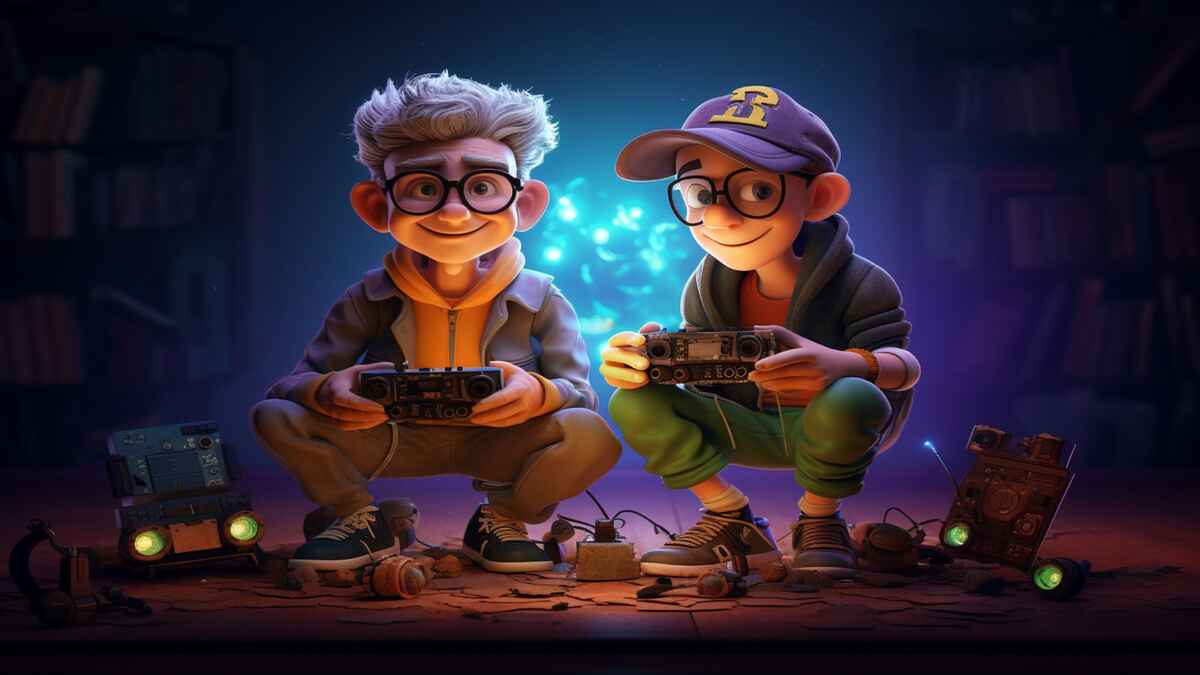
AI game asset generators automate the creation of 3D models, textures, animations, and sound effects, letting developers produce a wide range of game-ready assets faster and cheaper than hand-building everything from scratch — freeing up time for the parts of development that actually differentiate a game: gameplay and story.
What Are AI Game Asset Generators?
These are software tools that use AI and machine learning to automatically generate game assets — textures, 3D models, animations, and sound effects — substantially speeding up production and cutting costs compared to fully manual asset creation.
How Developers Use Them
Common uses span the full asset pipeline: generating realistic textures for objects and environments, producing 3D models of characters and props, creating character and object animations, generating sound effects (footsteps, explosions, ambient noise), and procedural generation of entire levels, worlds, or other game systems.
Benefits and Challenges
The real gains: automating time-consuming asset work frees developers for higher-value creative work, cuts the cost of hiring artists for every single asset, speeds up time to market, and can maintain more consistent art style across a large project than juggling multiple human artists. The real limitations: AI output doesn’t always meet commercial-quality bars without real cleanup, it can constrain artistic control since full customization isn’t always possible, complex or large-scale assets can push past what current models handle well, and AI-generated content raises genuine ownership, copyright, and job-displacement questions worth taking seriously rather than waving away.
Where This Is Headed
Procedural generation is getting more sophisticated — expect complex, detailed game worlds and characters generated with less manual setup, real-time AI feedback on asset quality during generation (rather than a separate review pass), and more realistic AI-driven animation. Beyond static assets, AI is moving into dynamic world generation that adapts to how a player actually plays, AI-generated characters with distinct personalities and behaviors, and even AI-assisted narrative that responds to player choices. As these capabilities mature, expect AI to become a standard part of the developer toolkit for both asset creation and smarter game AI (more capable, more human-feeling opponents) — alongside real, ongoing questions about copyright, IP, and bias in AI-generated content that the industry hasn’t fully settled yet.
Top AI Game Asset Generators in 2025 for Game Developers
Leonardo.ai
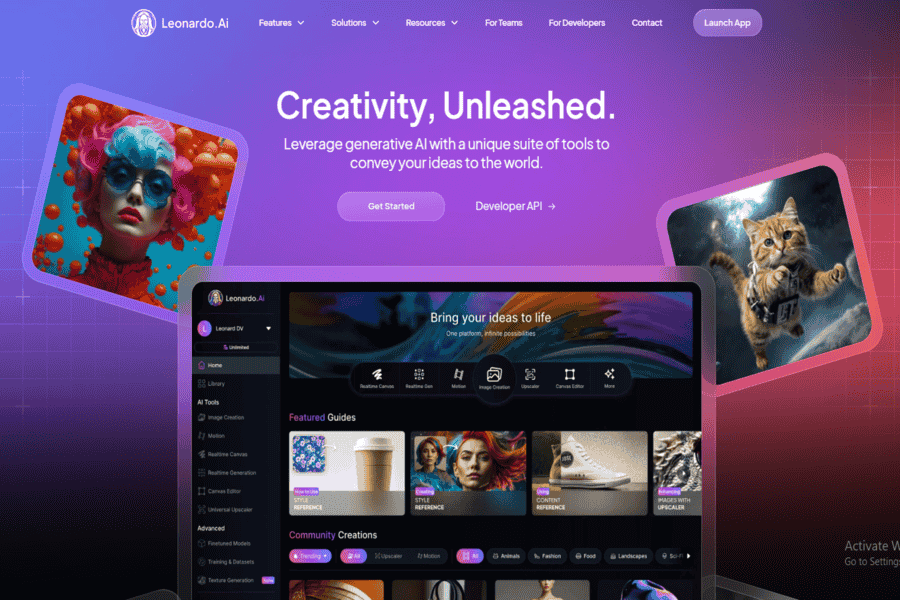
A powerful text-to-image AI that can generate stunning game art, including characters, environments, and objects.
Benefits:
- Rapid Asset Creation: Quickly generate a variety of assets, from characters and environments to textures and 3D models.
- Customizable AI Models: Train your AI models to generate assets tailored to your needs.
- High-Quality Output: Produce professional-grade assets that seamlessly integrate into your game.
Pricing:
- Subscription-based plans with various features and credit limits.
RunwayML
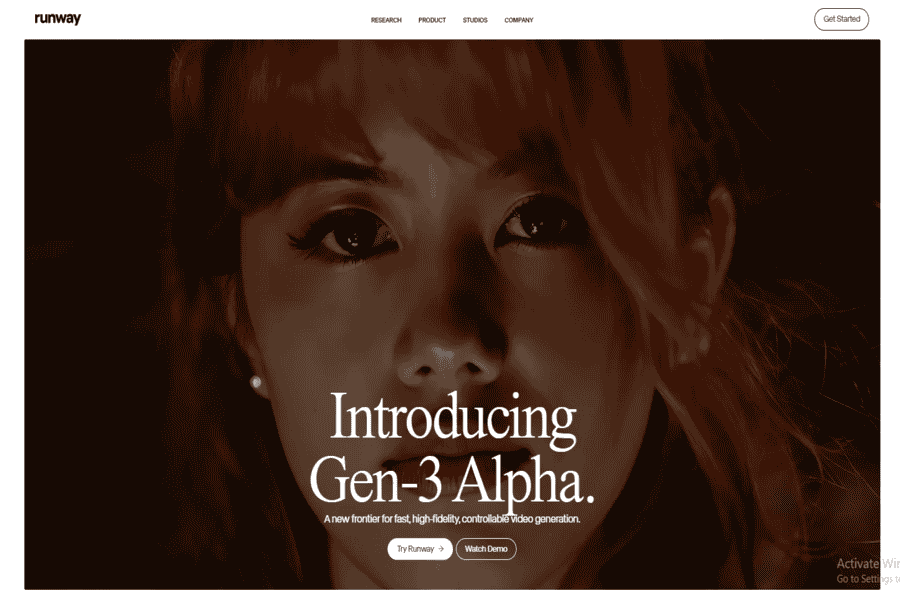
An open-source text-to-image model that can generate a wide range of game assets.
Benefits:
- Versatile Toolset: Offers a range of AI tools for image generation, animation, and video editing.
- User-Friendly Interface: Easy to learn and use, even for those without a strong technical background.
- Community and Collaboration: Connect with other creators and share your work.
Pricing:
- A free tier with limited features and paid plans for advanced usage.
Stable Diffusion
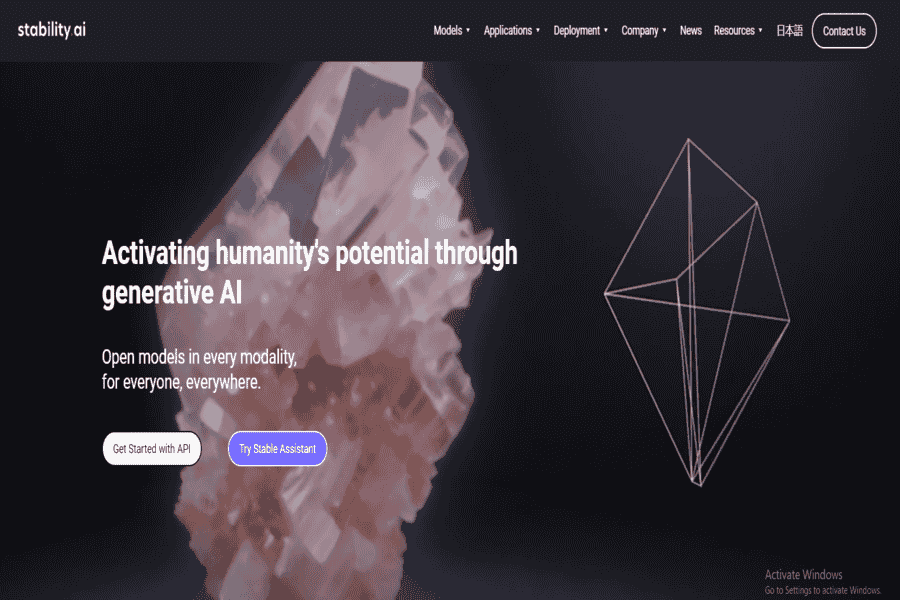
A versatile AI tool that can generate images, text, and code, including game assets.
Benefits:
- Open-Source: Highly customizable and adaptable to specific game development needs.
- High-Quality Image Generation: Create stunning visuals for your game worlds.
- Community-Driven Development: Benefit from a large and active community of developers.
Pricing:
- Open-source and free to use.
Midjourney
An AI-powered art generation tool that allows users to create and manipulate images, including game characters and environments.
Benefits:
- Artistic Style: Generate highly artistic and imaginative game assets.
- Text-to-Image Generation: Create images based on textual descriptions.
- Community-Driven: Benefit from the expertise and creativity of the Midjourney community.
Pricing:
- Subscription-based plans with various features and credit limits.
GPT Image 2 (replacing DALL-E 2)
Status update: OpenAI fully retired both DALL-E 2 and DALL-E 3 on May 12, 2026 — the API endpoints now return errors. OpenAI’s current image model is GPT Image 2 (released April 21, 2026), accessible via ChatGPT or the OpenAI API, with major upgrades over DALL-E: near-perfect text rendering in images, 4K resolution, and subject-lock editing for consistent characters/assets across generations.
Benefits:
- Photorealistic images: up to 4K resolution, a real jump over DALL-E’s output quality.
- Reliable text rendering: in-image text (labels, signage, UI mockups) now works consistently, a common weak point for older models.
- Subject-lock editing: keep a character or asset consistent across multiple generated images, useful for game asset pipelines specifically.
Pricing:
- Included with a ChatGPT subscription (Go/Plus/Pro tiers) or pay-as-you-go via the OpenAI API, priced per image based on resolution and quality tier.
Best Practices
Bring AI into the workflow early — generating and iterating on assets while core mechanics and aesthetics are still being defined supports faster prototyping than bolting AI on at the end. Treat it as part of an agile process where assets get generated on demand as requirements shift, refined through a real feedback loop between artists, designers, and developers rather than accepted as final output.
For visual consistency: establish a real style guide (visual language, color palette, art direction) before generating assets at scale, train or prompt AI models against that guide rather than hoping for consistency by accident, and use automated checks plus human review to catch inconsistencies in lighting, shading, or texture across a large asset set. The most reliable approach in practice is hybrid: let AI generate a base asset quickly, then have human artists add the detail and polish that’s still hard for AI to nail — treating AI as a tool that accelerates artists’ workflow (concept art, texture maps, base 3D models) with a human always in the loop for quality and creative direction, not a full replacement for the art team.
Conclusion
AI game asset generators are now a real part of the development toolkit, not a novelty — letting studios of any size produce assets faster and redirect more time toward gameplay and narrative, the parts that actually make a game memorable. Whether you’re an indie developer or part of a large studio, the right tool from this list can genuinely speed up your production pipeline; just keep a human in the loop for quality and creative direction rather than treating AI output as final.