
AI interior design tools help architects automate and speed up design work — space planning, material selection, 3D rendering, VR/AR walkthroughs — so clients can see and react to a design before construction starts, and architects spend less time on repetitive layout and rendering work.
What Are AI Interior Design Tools for Architects?
These are software platforms that automate parts of the interior design process: generating layouts from room dimensions, suggesting colors and materials based on trends or sustainability goals, producing 3D renders, and in some cases full VR/AR walkthroughs clients can experience before anything is built.
How to Use Them
Pick a tool matched to your actual need — strong visualization/VR for client-facing presentations, or strong space-planning if layout optimization is the priority. Set up the project with real room dimensions and constraints, let the AI generate initial layouts, materials, and 3D renders, then customize based on your own judgment and client feedback rather than accepting the first output. Most tools support real-time collaboration for gathering feedback, and export to standard formats (2D plans, 3D models, VR files) so the design carries through to construction documentation rather than staying locked in one tool.
Benefits
The real gains: automating space planning and material selection saves real time and cost; AI-assisted measurements and layout suggestions reduce costly errors; real-time visualization gets clients aligned on a design faster than back-and-forth revisions; and most platforms now surface sustainable/energy-efficient material options by default, which matters given growing demand for that in the industry.
Top AI Interior Design Tools for Architects
Planner 5D
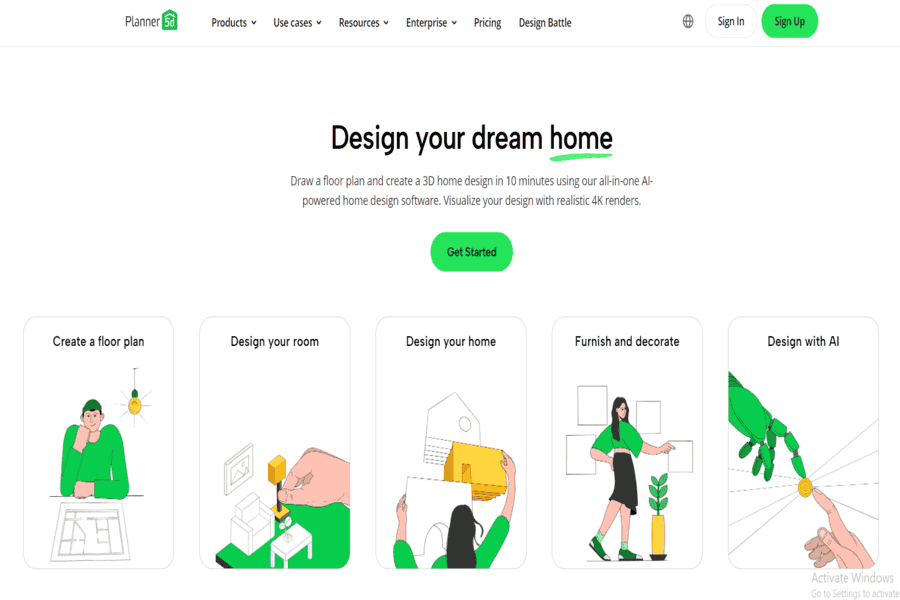
Planner 5D is an easy-to-use design platform that allows architects to create detailed floor plans and interior layouts in both 2D and 3D.
Benefits:
User-friendly, realistic renderings, extensive material library, and VR support.
Pricing Package:
Free version available; premium plans start at $9.99/month.
Arcadium
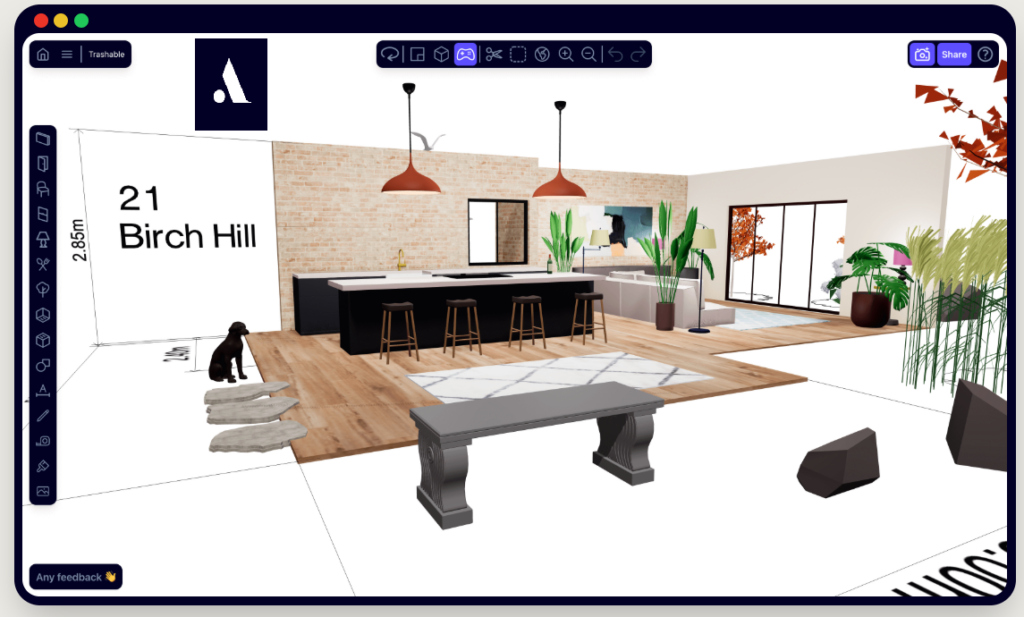
Arcadium is an AI-powered online 3D house and interior design platform, fast and user-friendly.
Benefits:
Real-time 3D modeling & rendering, AI-powered visualizations, Drag-and-drop furniture library, Parametric tools (windows, stairs)
Pricing Package:
$26/Monthly, $18/Yearly
Morpholio Board
A design app with AI tools tailored for interior designers and architects to create mood boards, layout plans, and realistic visualizations.
Benefits:
Extensive product catalog, fast 3D rendering, and collaborative options.
Pricing Package:
The basic free version and the pro version are available at $9.99/month.
Autodesk Revit
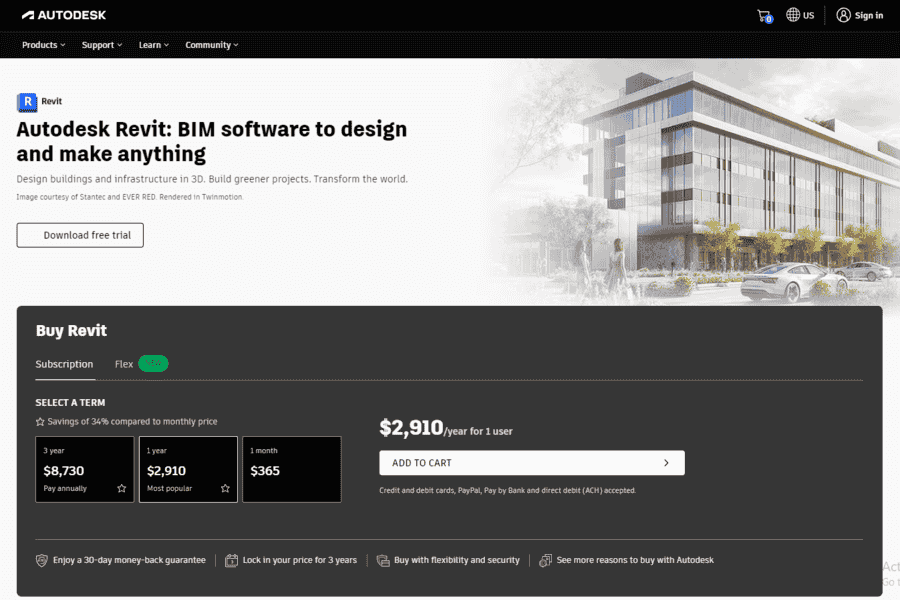
A professional-grade tool for architects that supports detailed 3D modeling and building information modeling (BIM).
Benefits:
AI-supported design optimizations, precise measurements, and VR compatibility.
Pricing Package:
Starts at $335/month.
Havenly
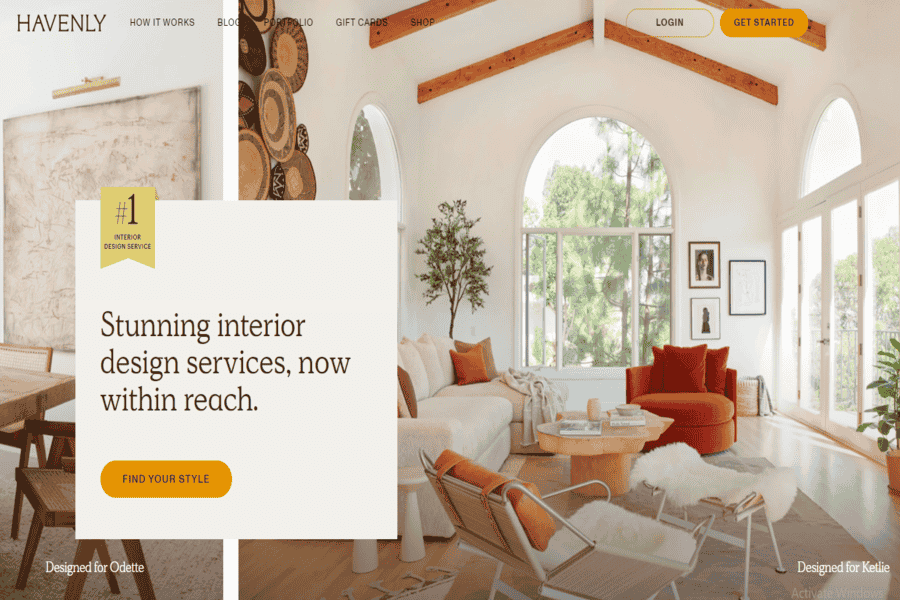
AI-assisted interior design service that connects architects with clients seeking customized design solutions.
Benefits:
Fast client feedback integration and realistic 3D models.
Pricing Package:
Packages range from $99 to $199 per room.
Roomstyler 3D Home Planner
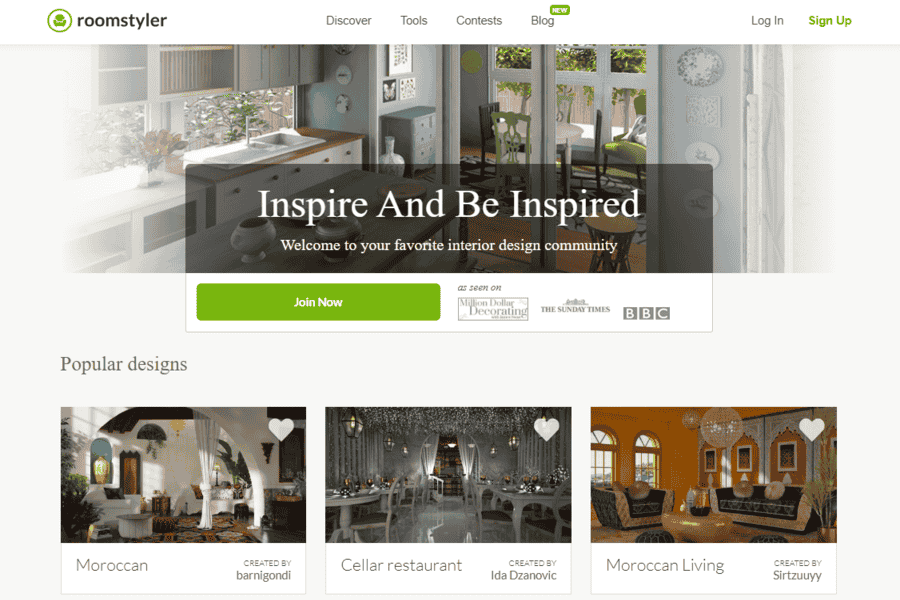
A browser-based tool for creating 3D room designs with drag-and-drop functionality.
Benefits:
No software installation, quick designs, and easy to use.
Pricing Package:
Free for basic use.
Coohom
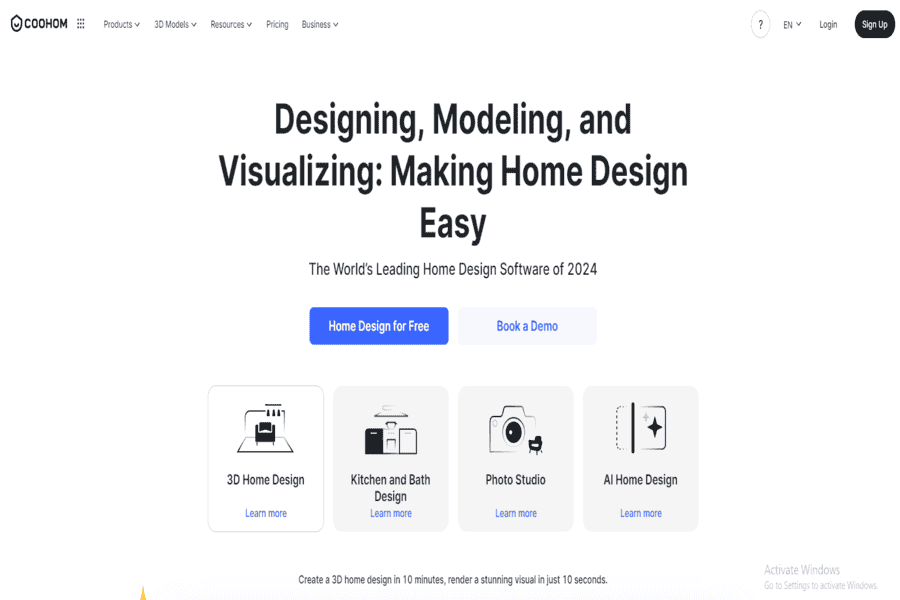
Cloud-based 3D interior design tool with AI-driven suggestions and an extensive furniture library.
Benefits:
Fast 3D rendering, high-quality visualizations, and real-time collaboration.
Pricing Package:
Free version available; pro plans start at $7.99/month.
HomeByMe
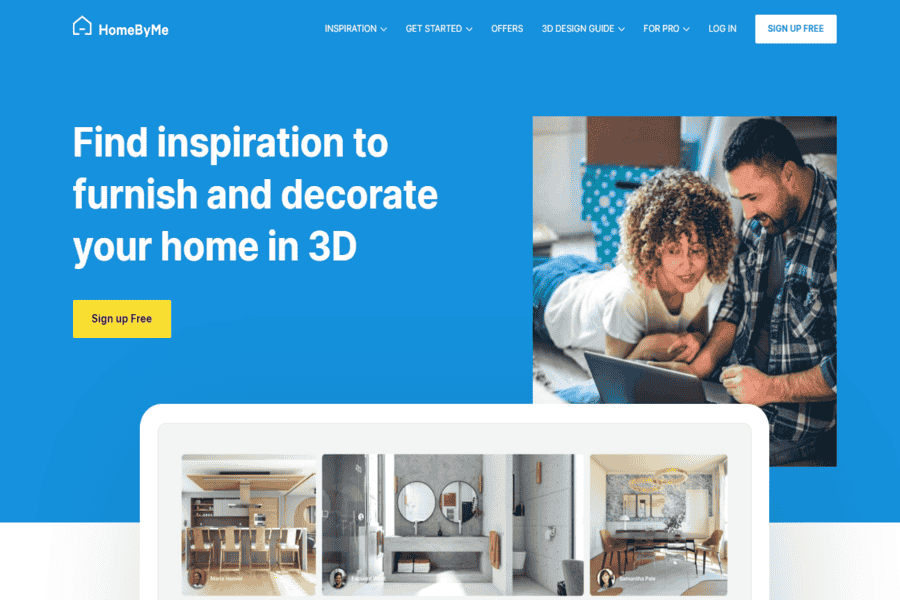
An AI-powered platform for creating and visualizing detailed home and interior designs in 3D.
Benefits:
High-quality 3D renderings, easy customization, and client collaboration.
Pricing Package:
Free basic version; premium plans start at $16/month.
Foyr Neo
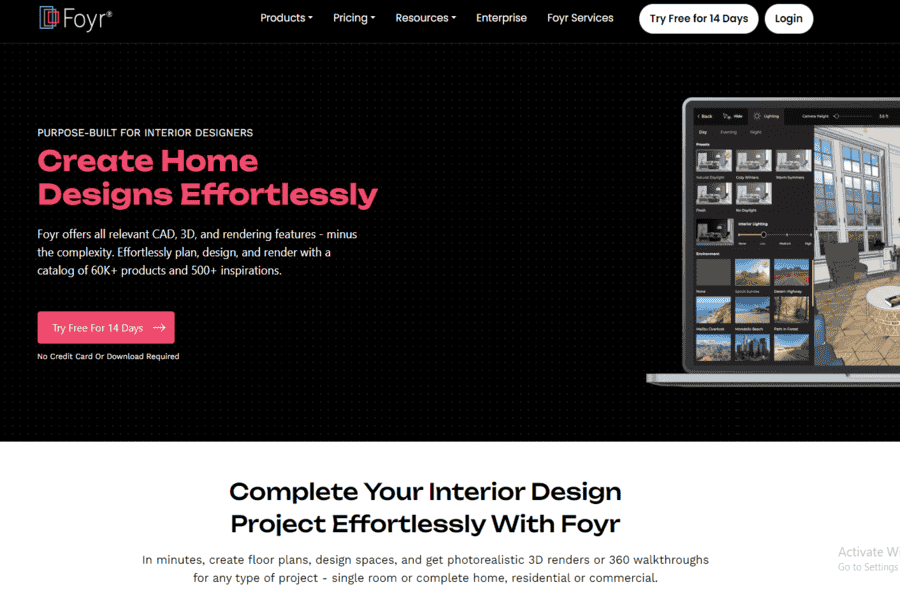
A powerful design tool with AI functionalities, offering 3D modeling and rendering tailored for interiors.
Benefits:
Intuitive interface, quick rendering, cloud-based for easy collaboration.
Pricing Package:
Starts at $49/month.
Cedreo
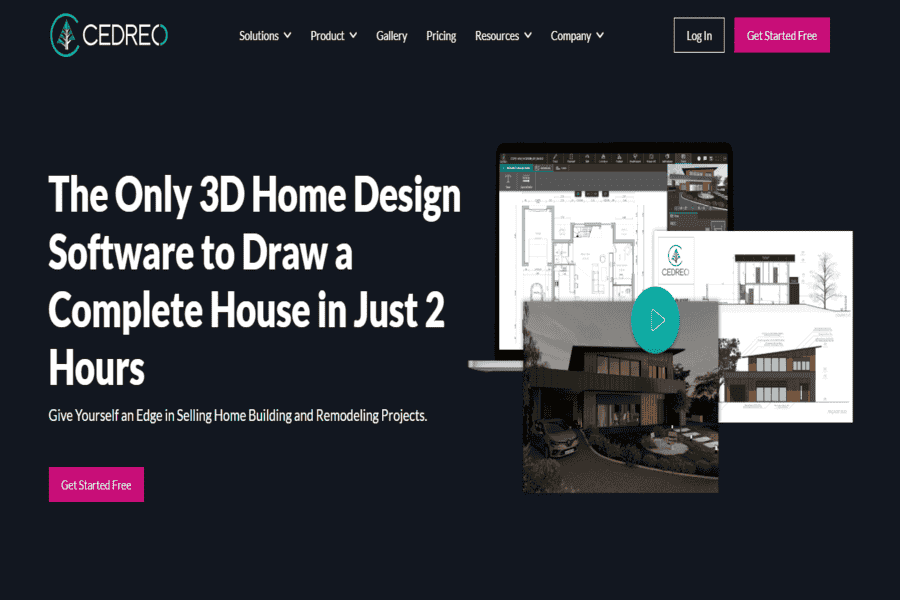
A 3D home design software that supports architects with detailed floor planning and realistic renderings.
Benefits:
Speedy 3D visualization, intuitive drag-and-drop features, client presentations.
Pricing Package:
Starts at $99/month.
DecorMatters
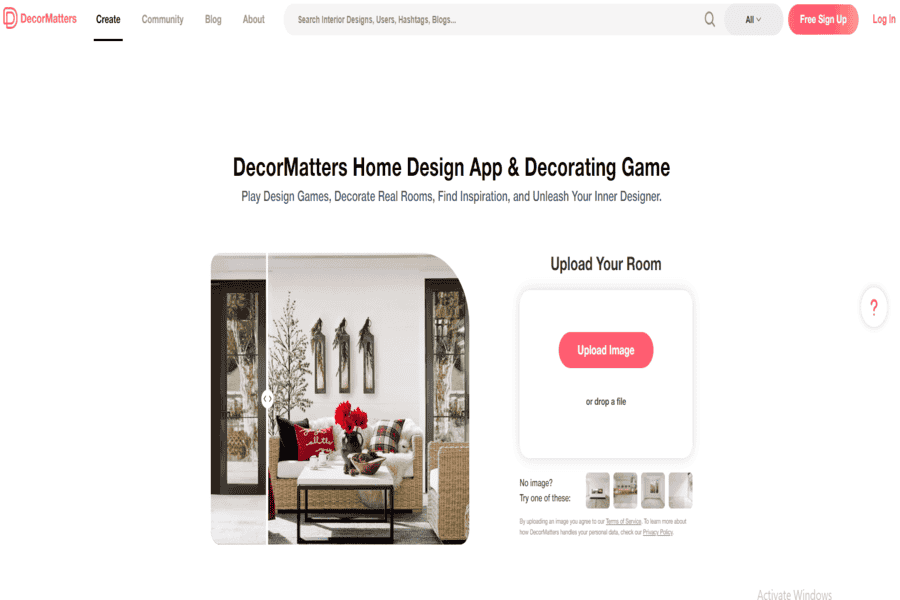
An AI-based interior design app focusing on augmented reality (AR) for real-time visualization.
Benefits:
Great for client interaction, AR features, and easy customization.
Pricing Package:
Free with in-app purchases.
SketchUp

A popular 3D modeling tool with AI features for creating highly detailed models and layouts.
Benefits:
Extensive community, precision in design, and detailed renders.
Pricing Package:
Starts at $119/year.
Chief Architect
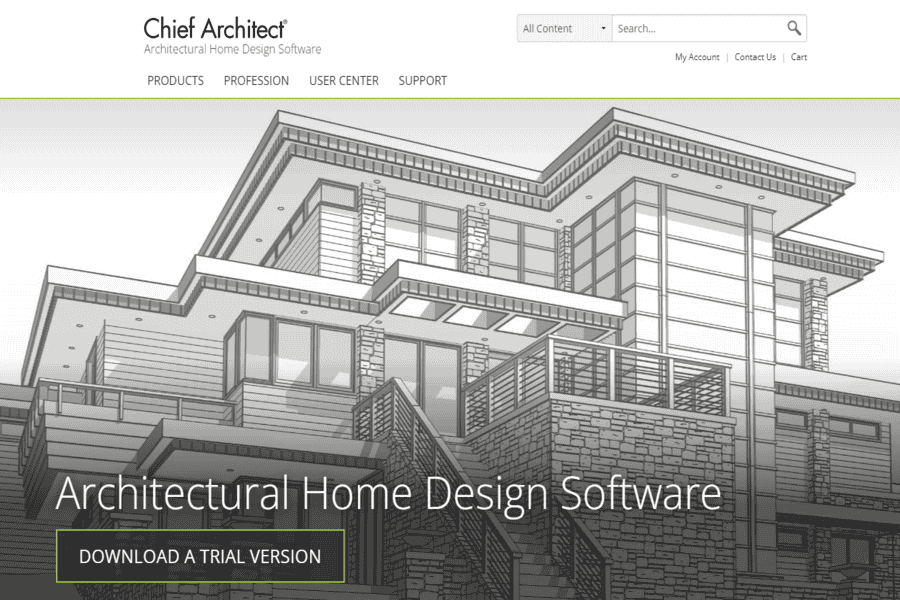
A high-end design software ideal for residential interior design with AI-driven layout suggestions.
Benefits:
Powerful CAD tools, accurate renderings, and detailed construction documentation.
Pricing Package:
Starts at $199/month.
Roomle
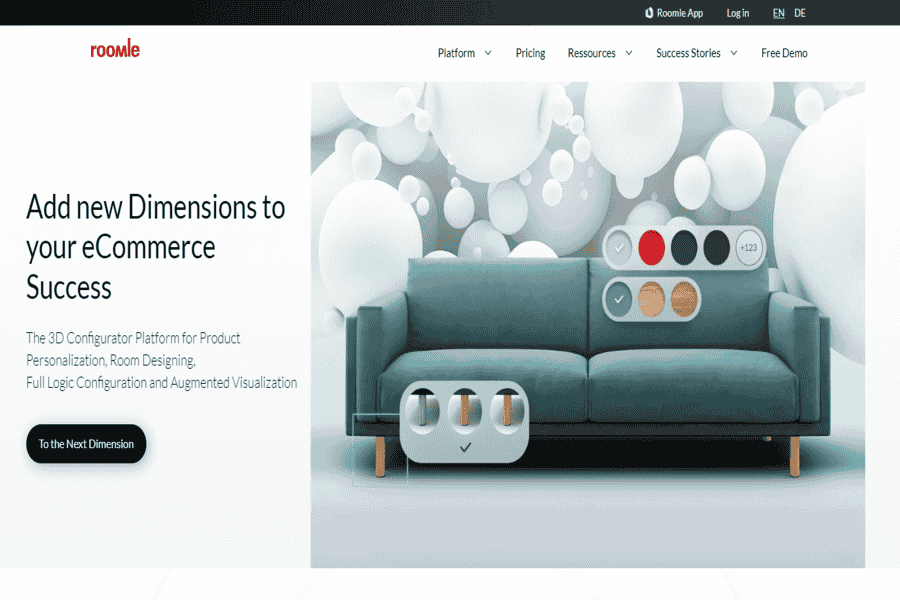
A web-based design tool with AR and AI capabilities for space planning and 3D modeling.
Benefits:
AR support, high-quality 3D visualization, and furniture customization.
Pricing Package:
Free version; premium features from $15/month.
Sweet Home 3D
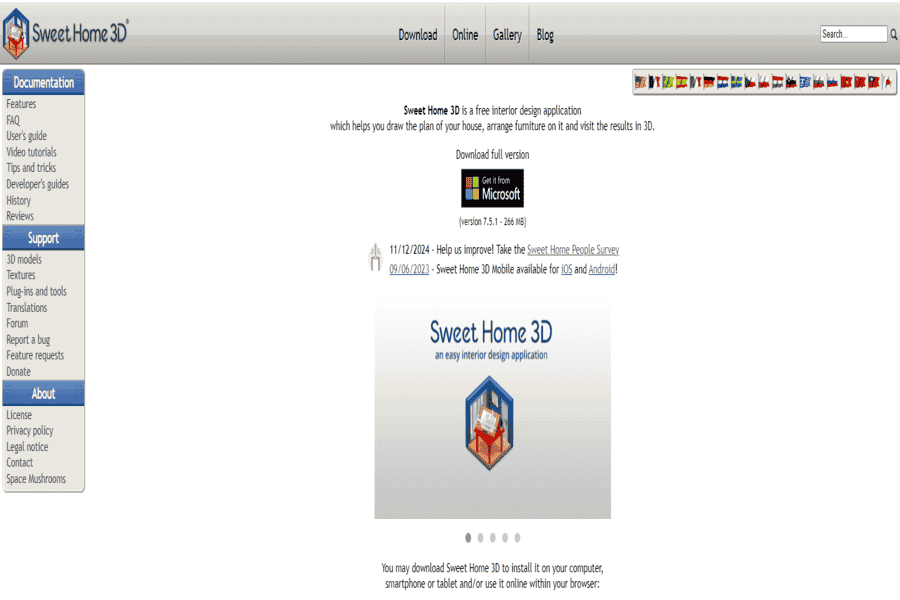
An open-source tool for designing interior layouts with customizable 3D renderings.
Benefits:
Free, easy-to-use, flexible design options.
Pricing Package:
Free for basic use.
Space Designer 3D
An online 3D interior design software ideal for architects working on residential projects.
Benefits:
Fast layout adjustments, realistic visualizations, and easy sharing with clients.
Pricing Package:
Starts at $9.99/month.
Spacely AI (replacing Modsy)
Note: Modsy, previously listed here, shut down its consumer design service in 2022 and pivoted to a B2B tool for professional designers. Replaced with Spacely AI, a free-to-start AI room redesign tool that generates realistic renderings and style recommendations from a photo of your space.
Benefits:
Free tier to try before paying; fast style-based renderings from a single room photo.
Pricing Package:
Free trial (40 credits). Paid plans run on a credit system, from roughly $12.75/month (Starter) up to $102/month (Business); most renders cost 2–8 credits.
Homestyler
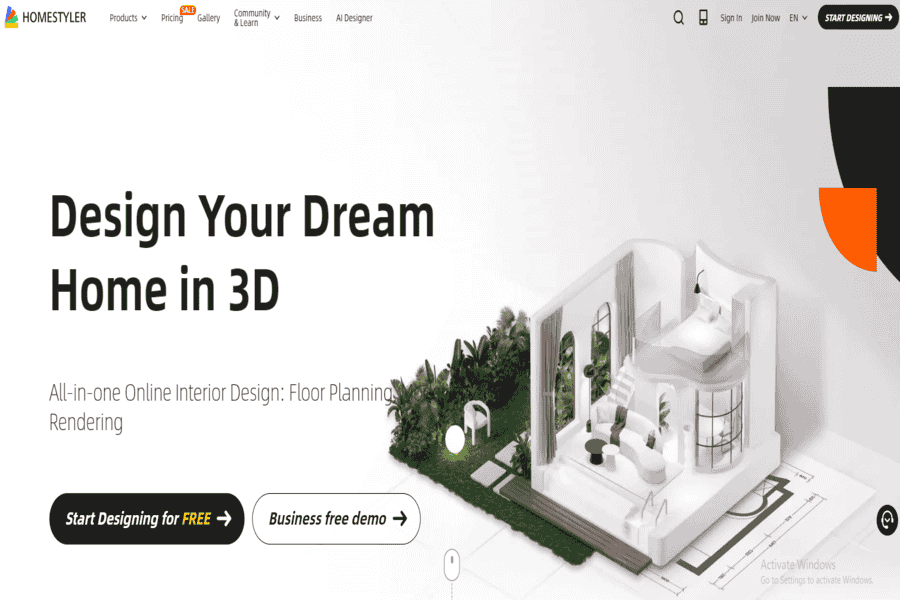
A user-friendly tool with AI support for 3D interior layouts, VR, and AR features.
Benefits:
High-quality renders, fast and easy interface, and VR tours.
Pricing Package:
Free basic version; premium plans from $4.90/month.
Reimagine Home
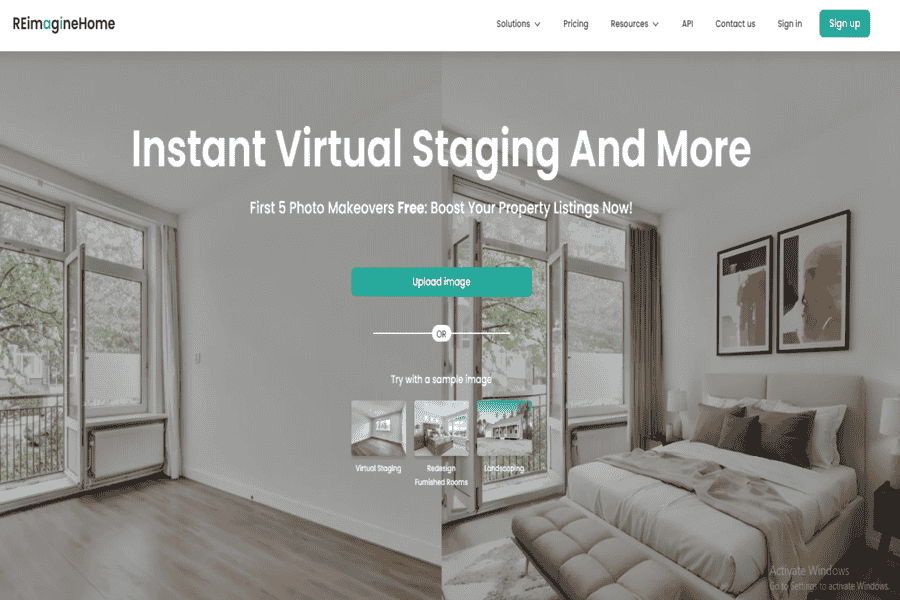
An AI-powered design tool focusing on space planning and custom layouts.
Benefits:
AI layout generation, fast visualization, and intuitive features.
Pricing Package:
Custom pricing.
IKEA Place
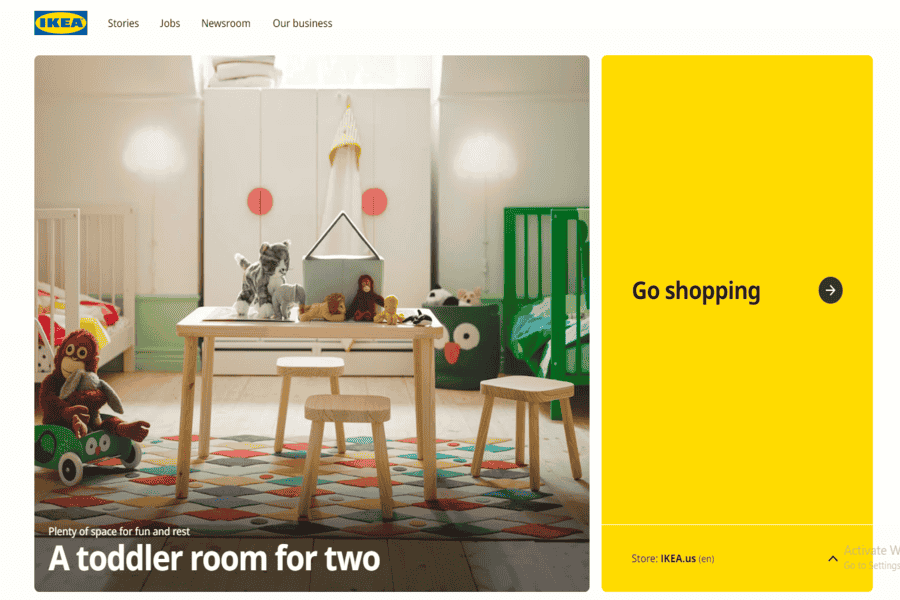
An AI-driven app for space planning using IKEA furniture with AR features.
Benefits:
Realistic AR visualization, furniture placement, and easy shopping options.
Pricing Package:
Free.
Interior AI (replacing “Decorator”)
Note: this slot previously listed a tool called “Decorator” linking to decorator.com — that domain is a generic WordPress demo site, not a real product, so the entry didn’t check out. Replaced with Interior AI, which redesigns a room from a single photo across 40+ styles, plus virtual staging and 3D walkthroughs on paid tiers.
Benefits:
Free tier to test before paying (5 renders/day); wide style variety; virtual staging useful for real estate listings specifically.
Pricing Package:
Free tier (5 renders/day). Pro $29/month or $249/year; Pro for Teams $299/month or $1,999/year (up to 10 users).
Making It Work in Practice
Pick tools matched to a specific need (design generation, structural analysis, project management) rather than one do-everything platform, confirm compatibility with your existing software, and start with a limited pilot before rolling out broadly. Real adoption takes actual training investment and a team culture that treats experimentation as normal, not risky. With clients specifically, AI’s real value is interactive visualization (VR/AR walkthroughs) and fast iteration on real-time feedback — paired with transparency about what’s AI-generated versus human-refined, since client trust matters more than looking impressive.
Challenges and Where This Is Headed
The real limitations: genuine learning curve and upfront cost for software, hardware, and training; AI-generated designs don’t always nail specific client preferences or unusual project constraints; and AI still lacks the nuanced read on emotion, culture, and personal taste that an experienced human designer brings, especially when the training data itself is biased or thin. The practical fix isn’t rejecting AI, it’s human-AI collaboration — use AI for the first-pass generation and iteration speed, apply human judgment for the final call, keep training data diverse and current, and be upfront about data privacy and IP questions rather than treating them as an afterthought.
Where this is headed: AI generating a wider range of design options faster (letting architects explore more unconventional directions, not fewer), more photorealistic real-time rendering, and AI project-management layers that flag schedule and cost risks before they become expensive problems. Sustainability is a growing focus specifically — AI-assisted energy modeling, material environmental-impact scoring, and full building lifecycle analysis are moving from nice-to-have to standard expectation as the industry faces real pressure to build greener.
Conclusion
In conclusion, AI-powered interior design tools are rapidly transforming the architectural landscape. By automating routine tasks, generating innovative design ideas, and enhancing visualization capabilities, these tools empower architects to work more efficiently and creatively. However, it’s essential to remember that AI is a tool, not a replacement for human ingenuity. A harmonious blend of human creativity and AI-powered efficiency will lead to remarkable interior design solutions. As AI continues to evolve, architects who embrace these technologies will be well-positioned to shape the future of interior design.