Reading and critically evaluating academic papers is slow work by hand — AI tools now handle much of the heavy lifting: summarizing findings, extracting keywords and citations, checking originality, and surfacing related work you might otherwise miss.
What Research Paper Analysis Involves
Analyzing a research paper means critically evaluating it, not just reading it: summarizing the main argument and findings, assessing the methodology and data quality, critiquing the validity of the results, evaluating how well the conclusions are actually supported, and identifying real strengths and weaknesses in originality and significance.
How AI Tools Help
AI contributes across the whole workflow: text summarization and abstract generation to grasp a paper’s core message fast, keyword and topic extraction to identify what a paper is really about and find related literature, sentiment analysis to surface an author’s stance or flag controversial claims, citation analysis to gauge a paper’s impact and identify influential researchers in a field, and plagiarism/originality checking against large text databases.
Benefits
The real value: automating summarization, keyword extraction, and citation analysis saves genuine research time, especially on literature reviews; AI applies consistent, objective analysis that doesn’t drift the way manual review can across a large paper set; it can surface non-obvious connections between research areas that a single researcher, reading sequentially, might miss; and it can support collaboration and cross-disciplinary work by surfacing relevant research a researcher wouldn’t have found searching only within their own field.
Top Tools For AI Tools for Research Paper Analysis
Semantic Scholar
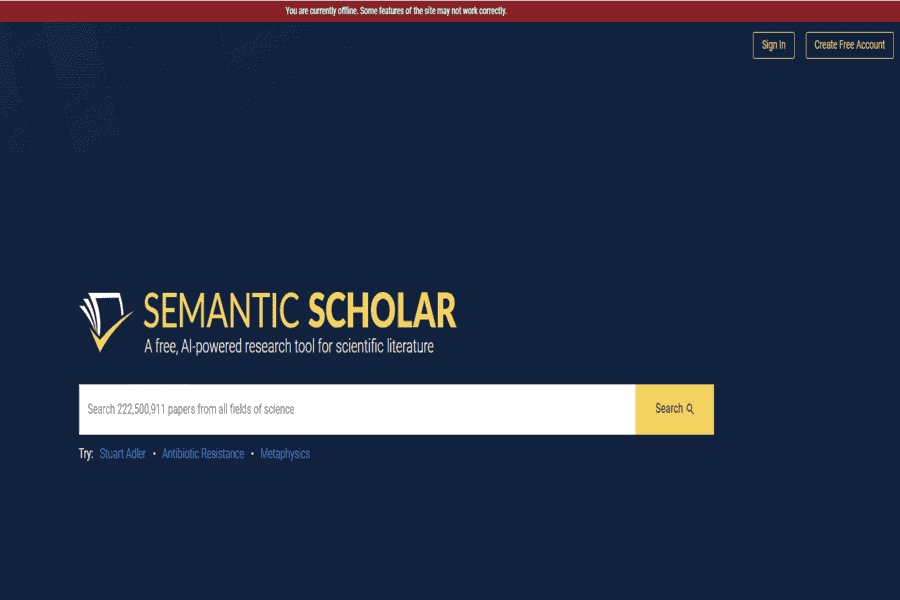
AI-powered search engine for academic literature, offering citation graphs and summaries.
Pros:
Free access; great citation analysis.
Cons:
Focused on English-language papers; limited to indexed journals.
Pricing Package:
Free.
Social Media Accounts:
- Facebook: Semantic Scholar
- Twitter: @SemanticScholar
- LinkedIn: Semantic Scholar
- Email: [email protected]
Zotero
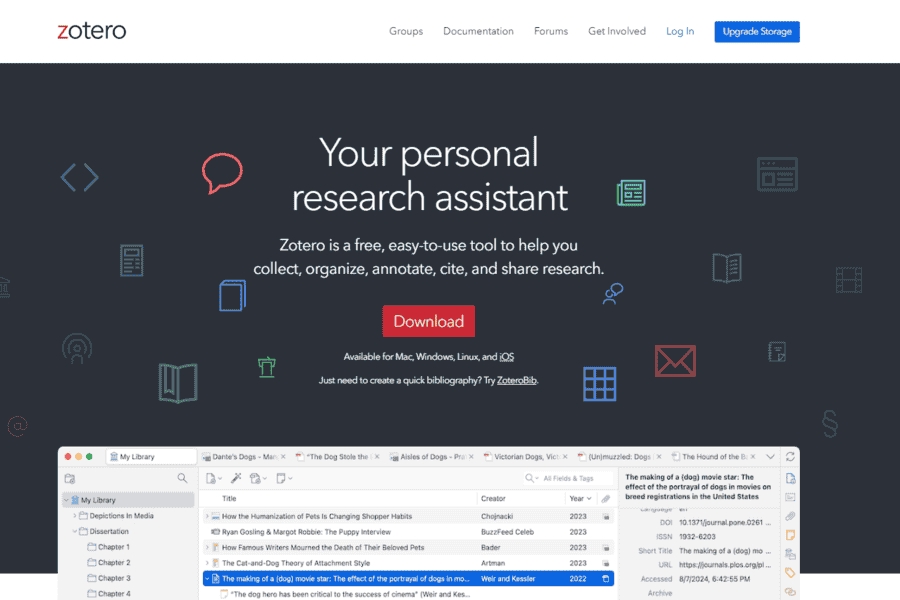
A tool for managing and analyzing research sources with AI-enhanced tagging and organization.
Pros:
Open-source; easy citation management.
Cons:
Limited analytics for papers.
Pricing Package:
Free storage plans for $20/year.
Social Media Accounts:
- Twitter: @zotero
- Email: [email protected]
Mendeley
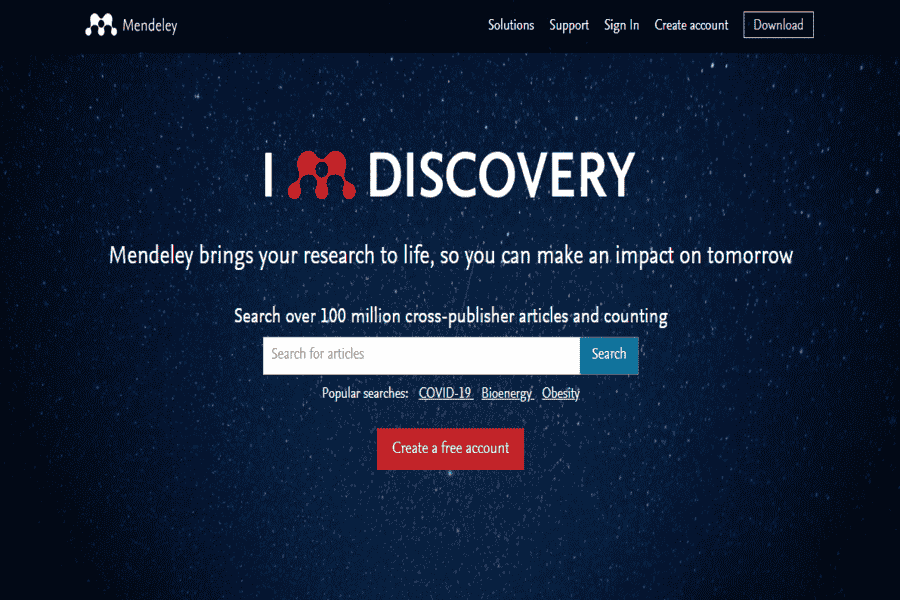
Reference manager with AI-powered research paper analysis and collaboration tools.
Pros:
Collaboration features; citation suggestions.
Cons:
Limited advanced analytics.
Pricing Package:
Free; premium plans start at $55/year.
Social Media Accounts:
- Facebook: Mendeley
- Twitter: @Mendeley_Com
- LinkedIn: Mendeley
- Email: [email protected]
SciSpace
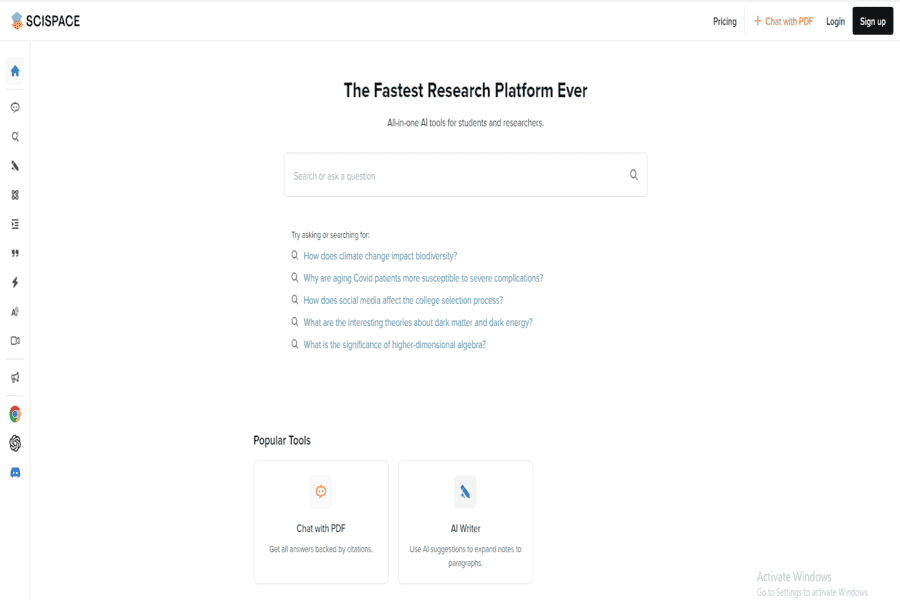
An AI-based platform for research writing, formatting, and analysis.
Pros:
Instant formatting; plagiarism checker.
Cons:
Focused more on formatting than analysis.
Pricing Package:
Free plan; premium plans from $10/month.
Social Media Accounts:
- Facebook: SciSpace
- Twitter: @SciSpace
- LinkedIn: SciSpace
- Email: [email protected]
Connected Papers
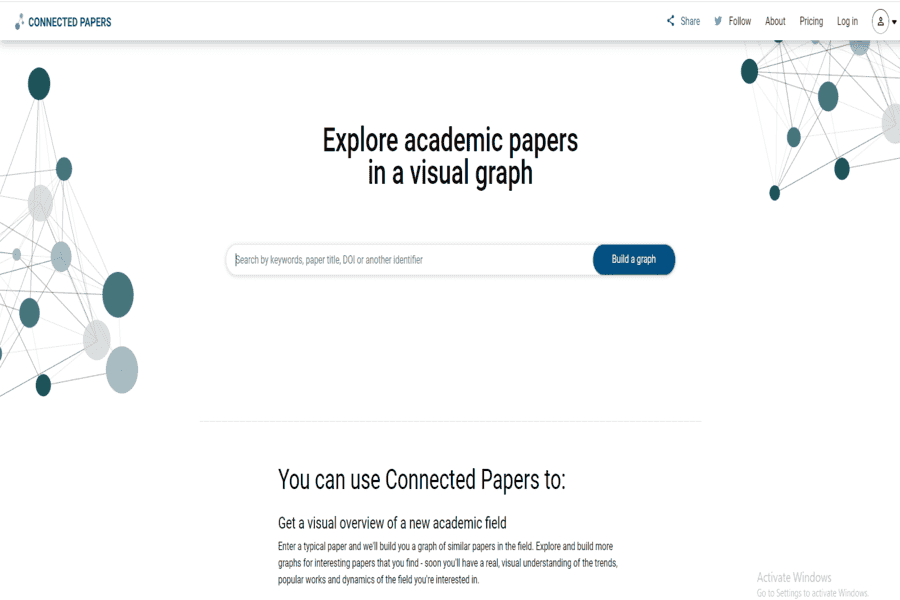
AI-driven visualization tool for understanding relationships between research papers.
Pros:
Great for citation networks; intuitive interface.
Cons:
Limited to paper connections.
Pricing Package:
Free.
Social Media Accounts:
- Email: [email protected]
Research Rabbit
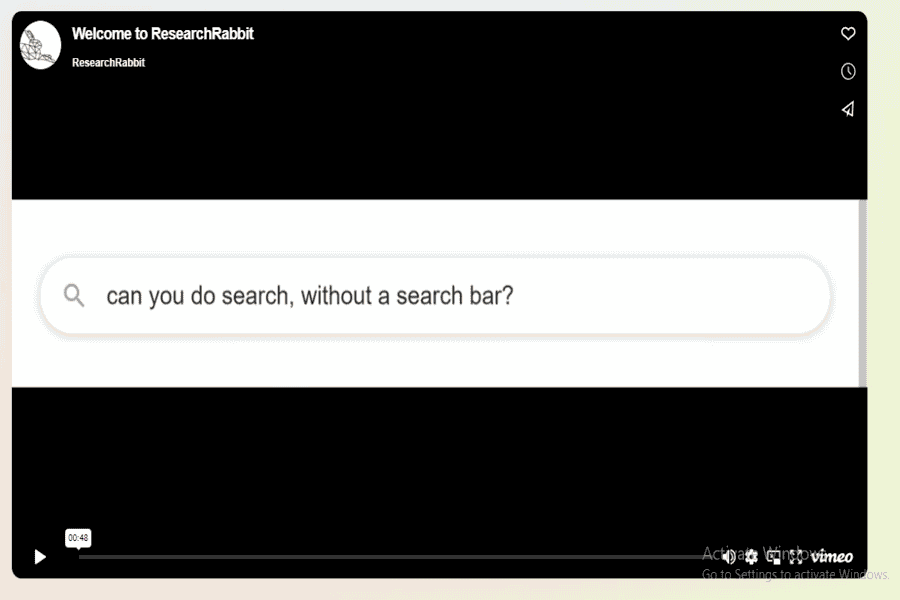
AI-powered tool for discovering and tracking research papers.
Pros:
Excellent discovery features; user-friendly.
Cons:
It is still developing in terms of integrations.
Pricing Package:
Free.
Social Media Accounts:
- Twitter: @ResearchRabbit
- LinkedIn: Research Rabbit
- Email: [email protected]
Litmaps
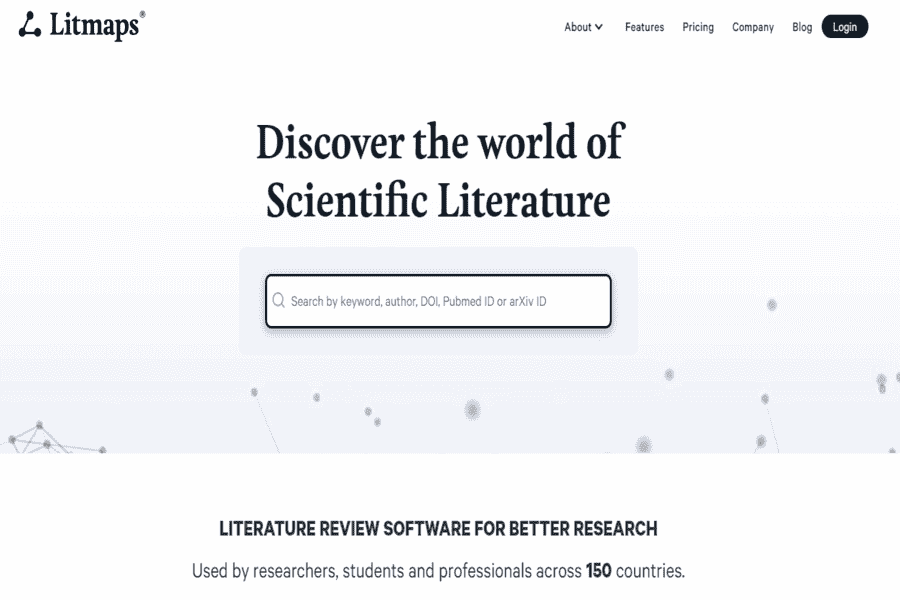
AI-based citation tracking and research visualization tool.
Pros:
Visual citation tracking; real-time alerts.
Cons:
Paid-only plans for advanced features.
Pricing Package:
Free for basic; premium from $10/month.
Social Media Accounts:
- Twitter: @Litmaps
- LinkedIn: Litmaps
- Instagram: N/A
- Email: [email protected]
Quillbot
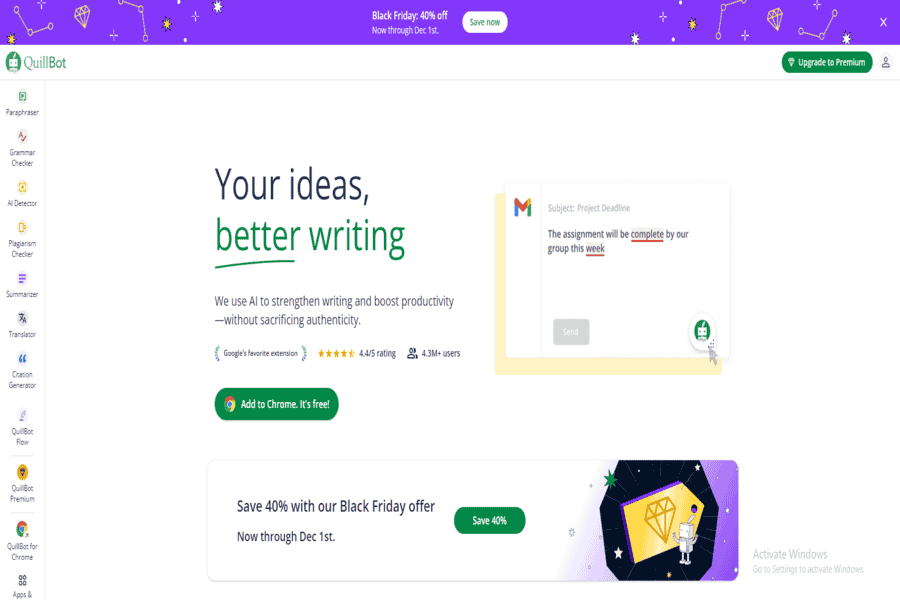
AI-powered paraphrasing and summarization tool for research papers.
Pros:
User-friendly; integrates with Word.
Cons:
Limited deep research features.
Pricing Package:
Free basic premium plans start at $9.95/month.
Social Media Accounts:
- Facebook: Quillbot
- Twitter: @Quillbot
- LinkedIn: Quillbot
- Instagram: @QuillbotAI
- Email: [email protected]
Scite.ai
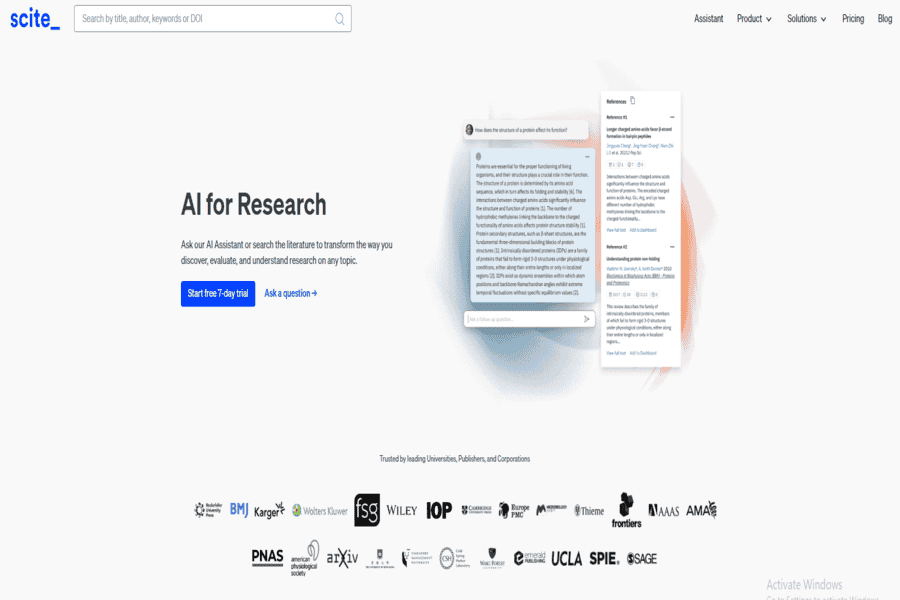
Tool for analyzing how research papers are cited, using AI to classify them.
Pros:
Citation insights are great for impact analysis.
Cons:
Limited free-tier features.
Pricing Package:
Free; premium plans start at $10/month.
Social Media Accounts:
- Facebook: Scite
- Twitter: @Scite
- LinkedIn: Scite
- Email: [email protected]
Paperpile
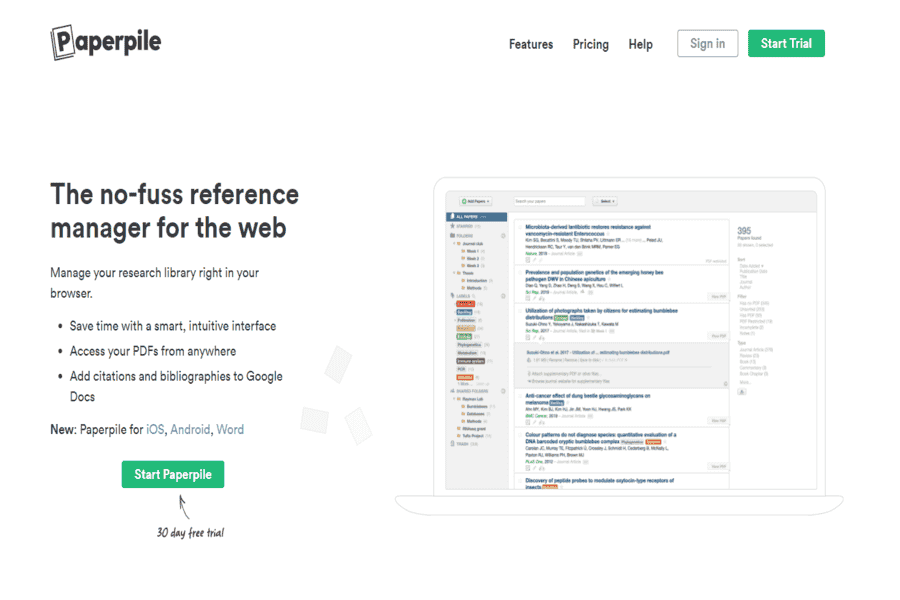
Reference management tool with AI features for organizing and analyzing research papers.
Pros:
User-friendly; integrates with Google Docs.
Cons:
Limited citation styles compared to some competitors.
Pricing Package:
$2.99/month for students; $9.99/month for professionals.
Social Media Accounts:
- Facebook: Paperpile
- Twitter: @Paperpile
- LinkedIn: Paperpile
- Email: [email protected]
Ref-N-Write
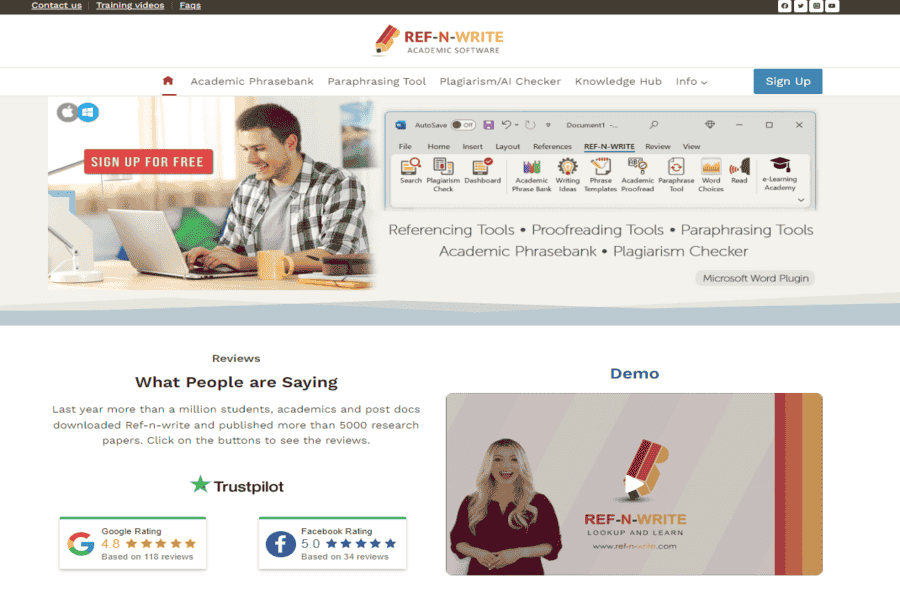
Writing tool with AI-powered research assistance and phrase templates for academic writing.
Pros:
Built-in phrase templates; good for non-native English speakers.
Cons:
Lacks integration with other research platforms.
Pricing Package:
Lifetime license for $29.99.
Social Media Accounts:
- Email: [email protected]
EndNote
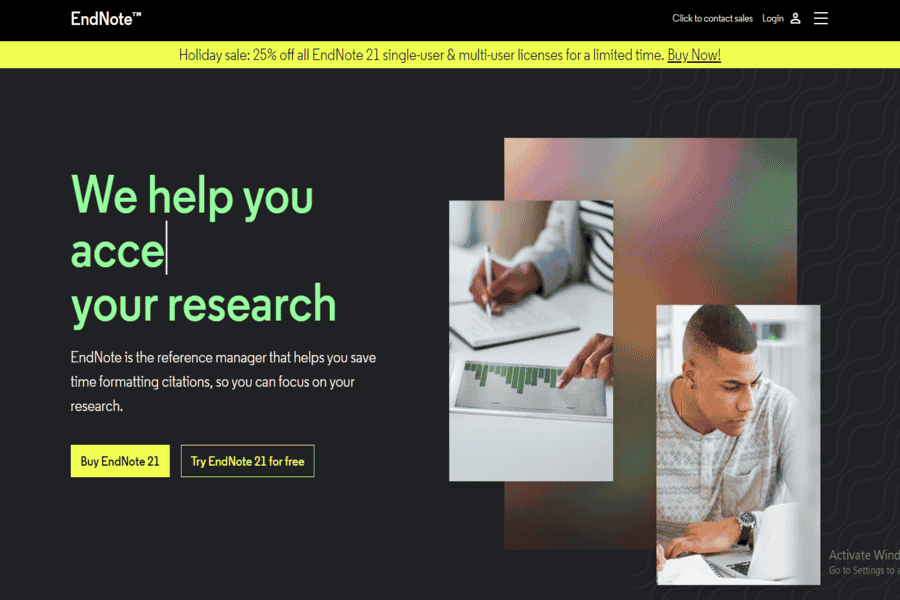
Reference management and research tool with AI-enhanced organization features.
Pros:
Powerful citation management supports many formats.
Cons:
Steeper learning curve; pricey.
Pricing Package:
$249.95 one-time fee; student discounts available.
Social Media Accounts:
- Facebook: EndNote
- Twitter: @EndNoteNews
- LinkedIn: EndNote
- Email: [email protected]
Iris.ai
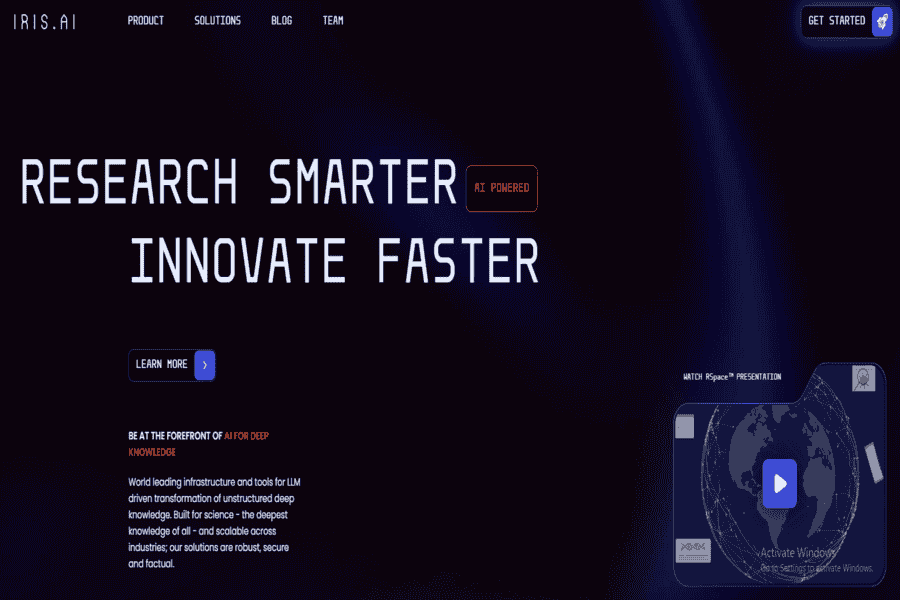
AI assistant for discovering, mapping, and analyzing research papers.
Pros:
Visual maps for research; semantic analysis.
Cons:
Expensive for advanced features.
Pricing Package:
Free for basic use; enterprise pricing on request.
Social Media Accounts:
- Facebook: Iris.ai
- Twitter: @TheIrisAI
- LinkedIn: Iris.ai
- Email: [email protected]
Dimensions.ai
An AI-based platform for accessing research publications, grants, and datasets.
Pros:
Comprehensive database; excellent filtering options.
Cons:
It may feel overwhelming for new users.
Pricing Package:
Free for basic; custom pricing for institutions.
Social Media Accounts:
- Twitter: @DimensionsAI
- LinkedIn: Dimensions
- Email: [email protected]
Overleaf
Online LaTeX editor with AI-powered collaboration and document management tools.
Pros:
Great for collaboration; built-in templates.
Cons:
Focused more on document creation than analysis.
Pricing Package:
Free for basic; premium plans from $12/month.
Social Media Accounts:
- Facebook: Overleaf
- Twitter: @Overleaf
- LinkedIn: Overleaf
- Email: [email protected]
PubMed
A free resource for accessing biomedical research papers powered by advanced AI filters.
Pros:
Extensive database; free to use.
Cons:
Focused on medical and life sciences.
Pricing Package:
Free.
Social Media Accounts:
- Twitter: @NCBI
- LinkedIn: NCBI
- Email: [email protected]
Scrivener
Writing tool with features for organizing and analyzing research.
Pros:
Excellent organizational tools; supports large projects.
Cons:
Limited academic-specific features.
Pricing Package:
$49 for a standard license; student discounts available.
Social Media Accounts:
- Facebook: Scrivener
- Twitter: @ScrivenerApp
- Email: [email protected]
Writefull
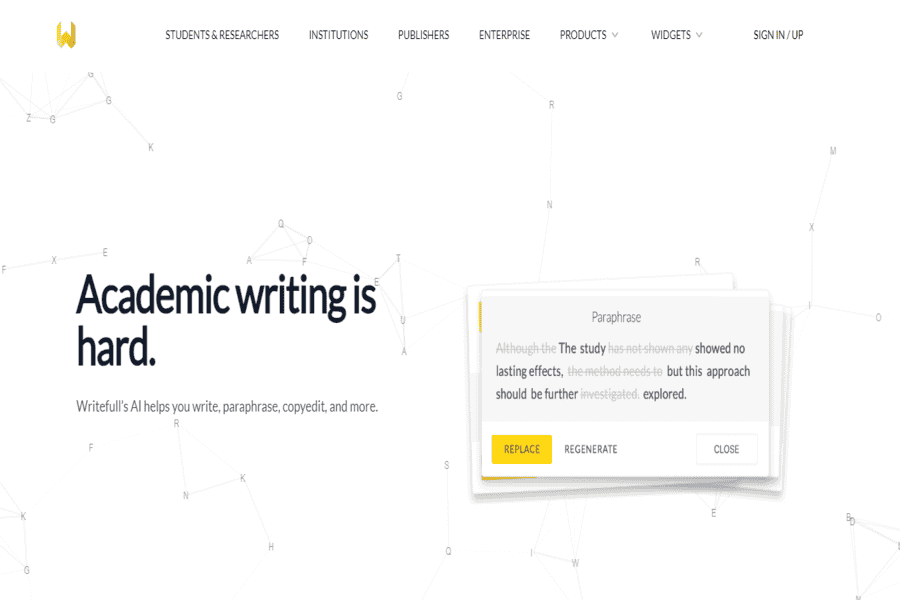
AI tool for proofreading, editing, and analyzing research writing.
Pros:
Advanced language suggestions; integrates with LaTeX.
Cons:
Limited free-tier options.
Pricing Package:
Free for basic; premium plans start at $6.99/month.
Social Media Accounts:
- Facebook: Writefull
- Twitter: @WritefullApp
- LinkedIn: Writefull
- Email: [email protected]
DeepDyve
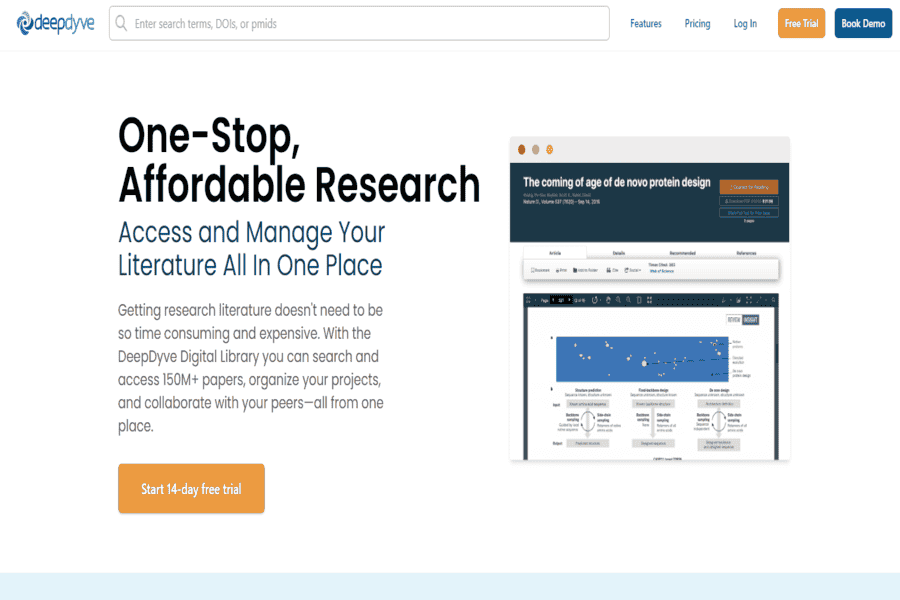
AI-powered research tool for accessing and analyzing full-text articles.
Pros:
Affordable access to full-text papers.
Cons:
Restricted to subscribed journals.
Pricing Package:
Plans start at $49/month.
Social Media Accounts:
- Facebook: DeepDyve
- Twitter: @DeepDyve
- LinkedIn: DeepDyve
- Email: [email protected].
Paraphraser.io
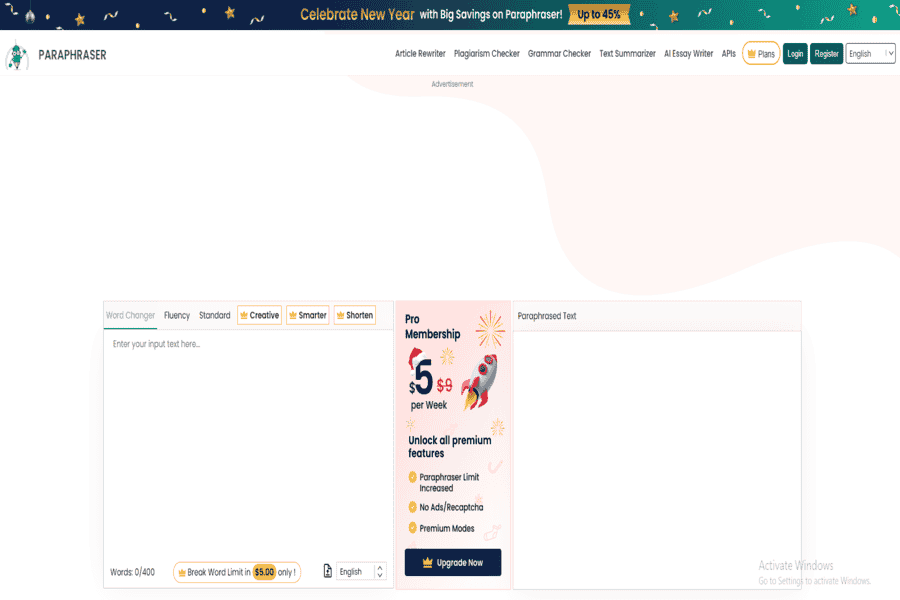
AI-powered tool for paraphrasing research texts and improving writing quality.
Pros:
Easy to use; supports multiple languages.
Cons:
Lacks advanced research analysis features.
Pricing Package:
Free for basic; premium starts at $20/month.
Social Media Accounts:
- Facebook: Paraphraser.io
- Email: [email protected]
Challenges Of Using AI Tools For Research Paper Analysis
These tools have real limits. Output quality tracks training data — biased or narrow training sets produce biased or narrow summaries, and none of these tools flag when a paper’s claims contradict the field’s consensus. Deep learning models are largely black boxes: you get a summary or classification, not a trace of why the model weighted one section over another, which makes a wrong read hard to catch. Misuse is a real risk too — treating AI output as a substitute for reading the paper, rather than a starting point, leads to misinterpreted results and citations that don’t say what the summary claims. And access isn’t even: several of the stronger tools in this category gate their best features behind paid tiers, while free tools tend to cap query volume or paper count, which matters for researchers outside well-funded labs.
Where This Is Headed
The clearest near-term gains are in literature search and summarization — language models keep getting better at parsing dense scientific terminology and producing summaries that hold up against the source. Automated literature review — surfacing relevant papers and mapping citation networks to spot gaps in a field — is moving from novelty to standard workflow at tools like Connected Papers, Research Rabbit, and Litmaps. Bias detection and explainability are getting real investment too, driven by researchers who’ve been burned by taking a black-box output at face value. None of this replaces reading the paper. It changes how much of the paper you have to read closely before deciding whether it’s worth your time.
Conclusion
AI research paper tools are genuinely useful for triage — deciding what’s worth reading closely out of hundreds of papers — and for speeding up literature review and citation tracking. They’re not a substitute for critical reading, and treating a summary as equivalent to the paper is where the real risk sits. Match the tool to the job (search and discovery vs. deep single-paper analysis vs. writing support), verify anything load-bearing against the source, and they’re a genuine time saver rather than a shortcut around understanding the work.