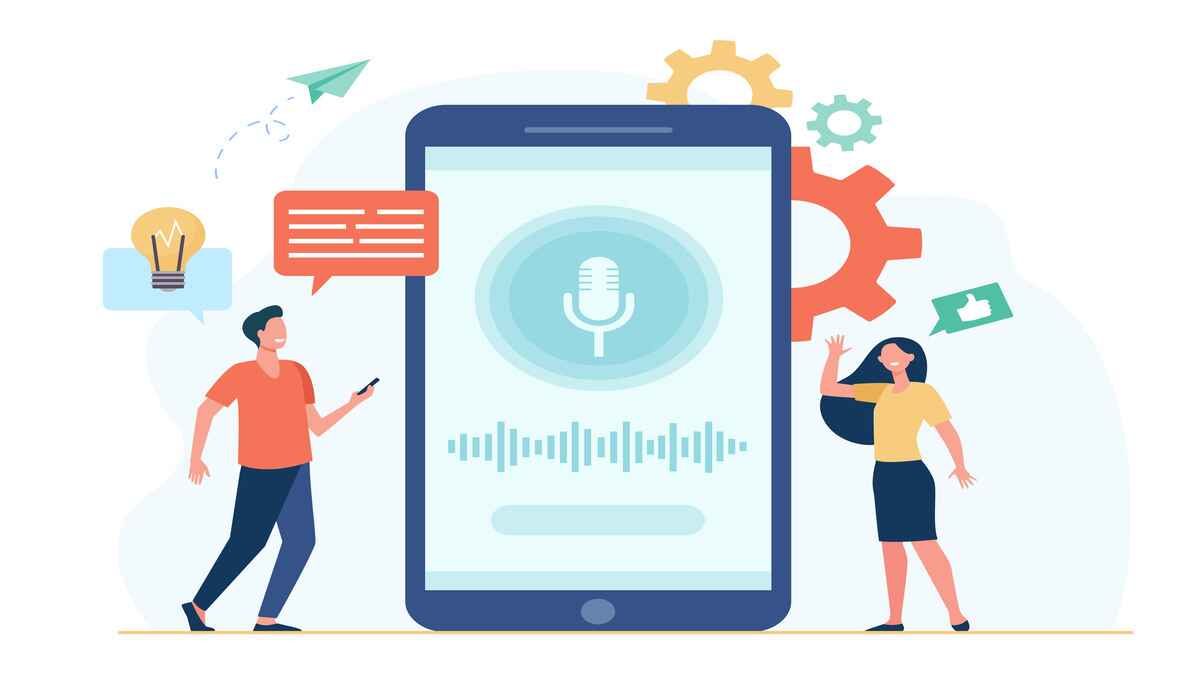
AI voice generators convert written text into natural-sounding speech, trained on large speech datasets to capture the patterns and nuances of real human voices. They’ve become a practical solution for podcasts, audiobooks, video dubbing, and accessibility — producing usable voiceover in minutes instead of booking studio time, at a fraction of the cost, with the ability to experiment across languages, accents, and styles. Voice cloning tools take this further, letting creators replicate a specific voice for a more personal or consistent result across a project.
Choosing the Right Tool
Tools generally split into cloud-based platforms (the majority of what’s below), desktop software, and mobile apps. What matters most when choosing: how natural the voices actually sound for your use case, whether the tool offers the languages and customization you need, how much control you get over pacing and emotion, and whether the pricing fits your volume — per-word/character pricing adds up fast for long-form content like audiobooks.
Top Tools For AI Voice Generator
Murf AI
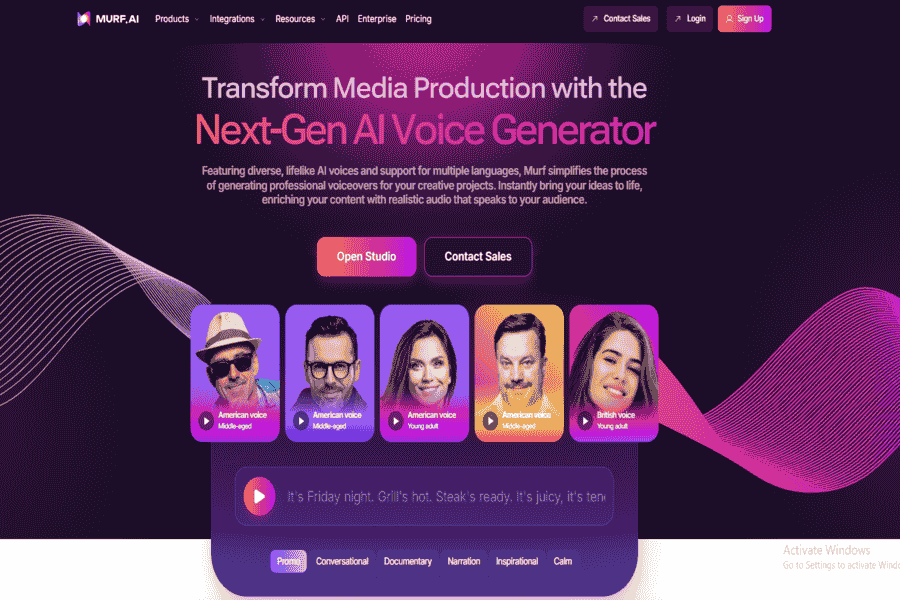
AI-powered text-to-speech tool with realistic voiceovers for videos, podcasts, and presentations.
Pros:
- 120+ voices across multiple languages.
- Custom voice cloning feature.
Cons:
- High-end features require premium plans.
- Limited free usage.
Pricing Package:
Free plan; premium starts at $19/month.
Social Media:
- Facebook: Murf AI Facebook
- Instagram: Murf AI Instagram
- Twitter: Murf AI Twitter
- LinkedIn: Murf AI LinkedIn
Contact Information:
- Mail: [email protected]
Resemble AI
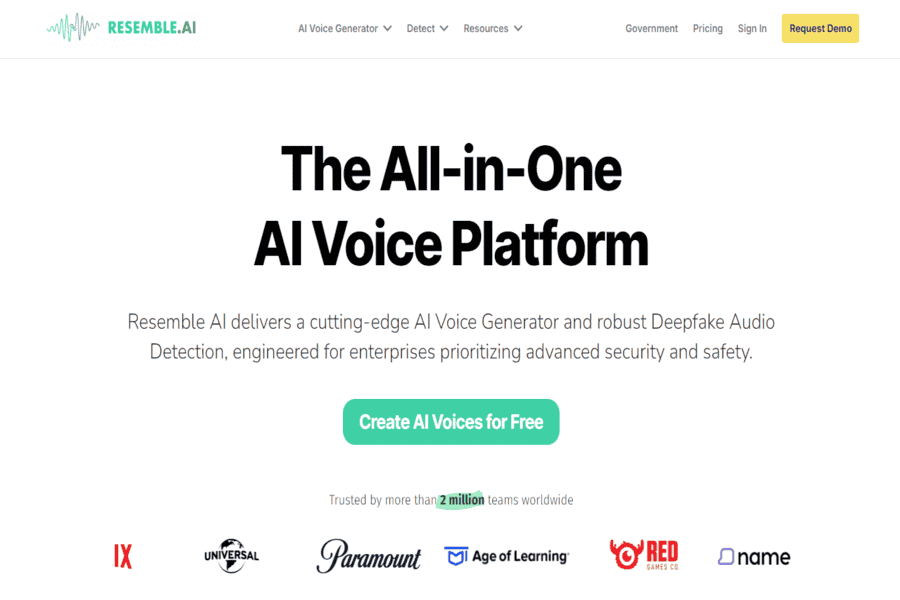
Voice generator with custom voice cloning and real-time AI-generated speech.
Pros:
- Supports real-time voice conversion.
- API integration for developers.
Cons:
- Requires high-quality voice samples for cloning.
- Pricing can be steep for individual users.
Pricing Package:
Custom pricing based on usage.
Social Media:
- Twitter: Resemble AI Twitter
- LinkedIn: Resemble AI LinkedIn
Contact Information:
- Mail: [email protected]
Synthesia
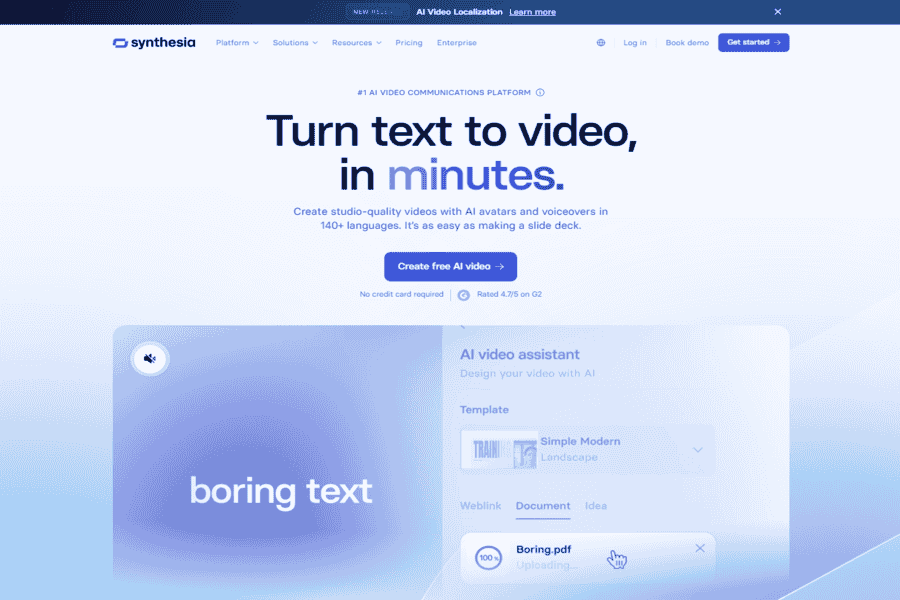
AI video creation tool with realistic voiceovers and multilingual support.
Pros:
- Offers 120+ AI voices.
- Supports over 40 languages.
Cons:
- I was focused more on video creation than voice generation.
- More customization is needed in the basic plan.
Pricing Package:
Starting at $30/month.
Social Media:
- Facebook: Synthesia Facebook
- Instagram: Synthesia Instagram
- Twitter: Synthesia Twitter
- LinkedIn: Synthesia LinkedIn
- YouTube: Synthesia YouTube
Contact Information:
- Mail: [email protected]
Lovo AI
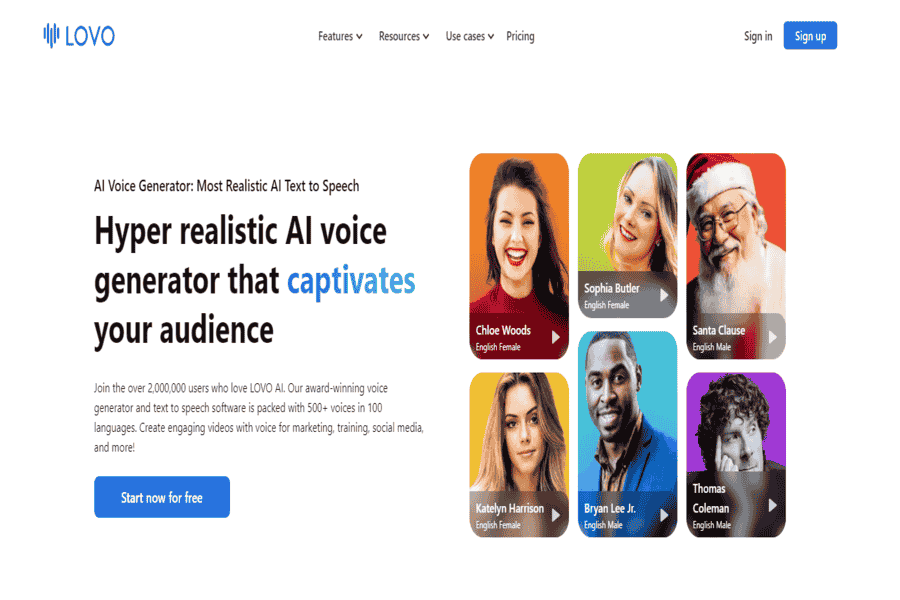
AI-powered voice generator for gaming, ads, and storytelling with ultra-realistic voices.
Pros:
- Includes 200+ voices in various languages.
- Offers voice cloning for unique projects.
Cons:
- Premium features are locked behind subscriptions.
- Voice customization is limited to free users.
Pricing Package:
A free plan is available; the premium starts at $17.49/month.
Social Media:
- Facebook: Lovo AI Facebook
- Twitter: Lovo AI Twitter
- LinkedIn: Lovo AI LinkedIn
Contact Information:
- Mail: [email protected]
Replica Studios
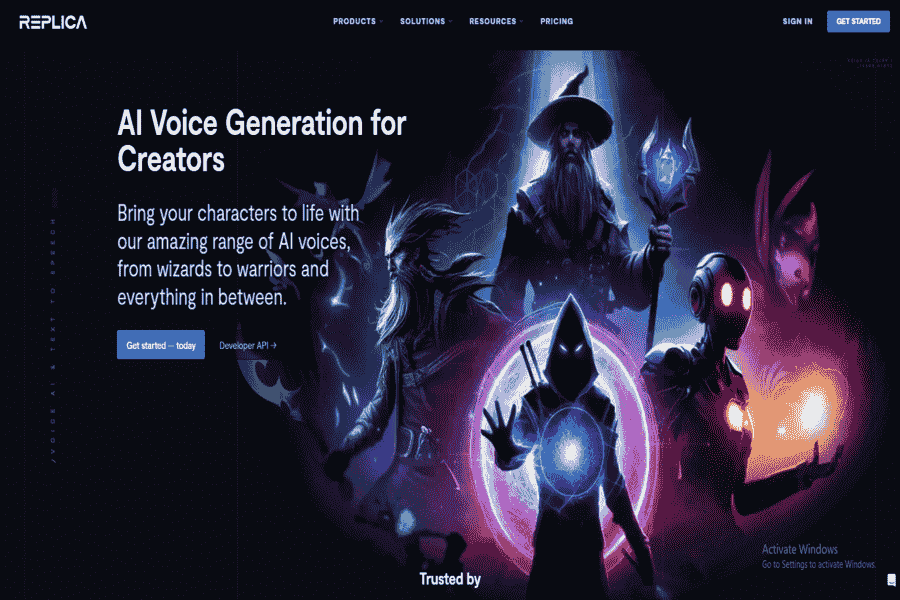
AI voice generator for gaming, animations, and storytelling with professional-quality voices.
Pros:
- Tailored for creative professionals.
- Integrates with popular game engines.
Cons:
- Limited non-English language support.
- Requires an internet connection for use.
Pricing Package:
Free trial; plans start at $24/month.
Social Media:
- Twitter: Replica Studios Twitter
- LinkedIn: Replica Studios LinkedIn
- YouTube: Replica Studios YouTube
Contact Information:
- Mail: [email protected]
Speechify
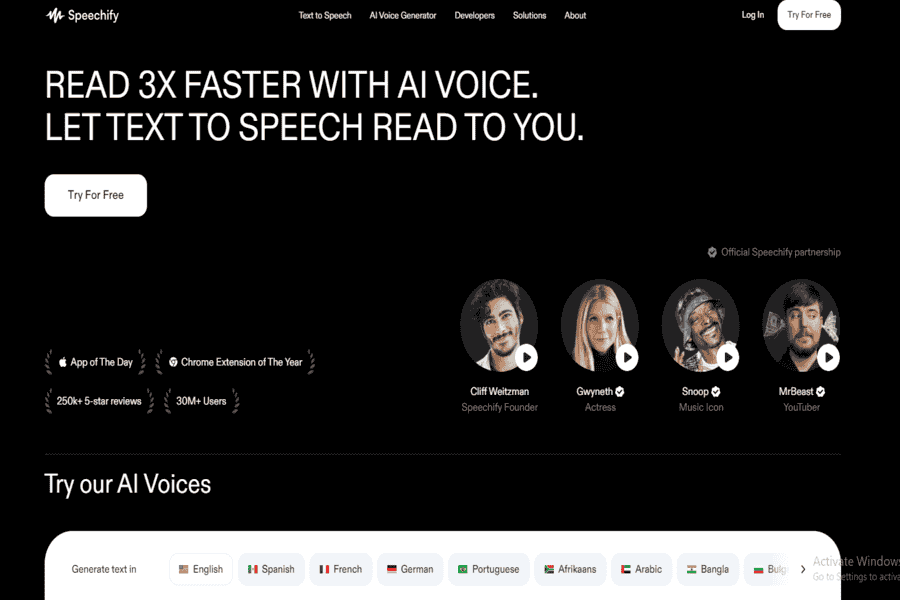
AI-driven text-to-speech tool designed for reading and voice generation.
Pros:
- Mobile-friendly and easy to use.
- Features voices for people with learning disabilities like dyslexia.
Cons:
- Voice quality may lack variety.
- Subscription is required for premium features.
Pricing Package:
Free plan; premium starts at $11.58/month.
Social Media:
- Facebook: Speechify Facebook
- Instagram: Speechify Instagram
- Twitter: Speechify Twitter
- YouTube: Speechify YouTube
Contact Information:
- Mail: [email protected]
Voicemod
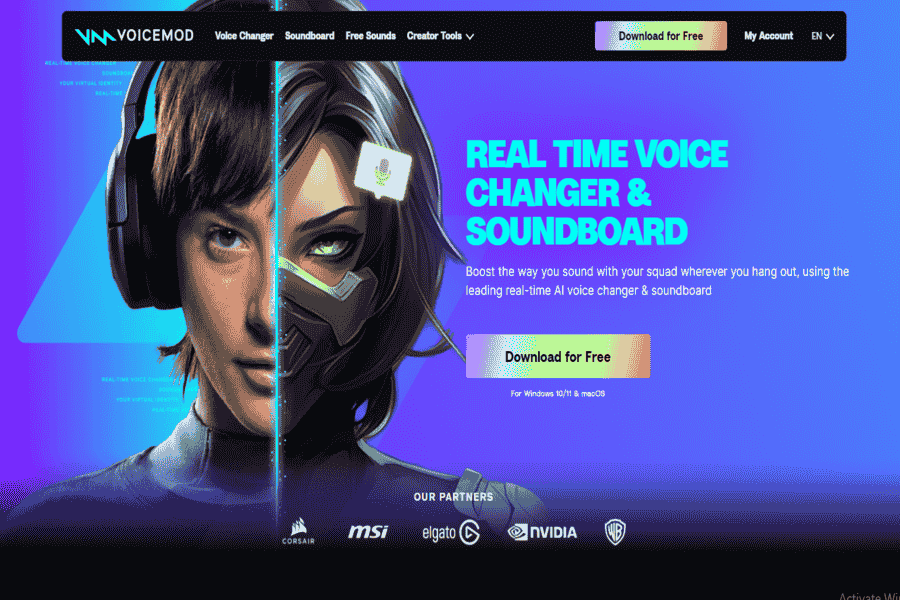
A real-time voice changer and text-to-speech tool for gaming, streaming, and content creation.
Pros:
- Real-time voice modulation.
- Easy-to-use interface with fun filters.
Cons:
- Limited functionality in the free version.
- Not suitable for professional-grade voiceovers.
Pricing Package:
Free plan; premium starts at $12/year.
Social Media:
- Facebook: Voicemod Facebook
- Instagram: Voicemod Instagram
- Twitter: Voicemod Twitter
- inkedIn: Voicemod LinkedIn
- YouTube: Voicemod YouTube
Contact Information:
- Mail: [email protected]
Listnr
Text-to-speech and voice generation platform with 1,000+ AI voices across 140+ languages, plus voice cloning and multi-speaker support for podcasts and video. Replaces Play.ht, which was discontinued after rebranding to PlayAI and subsequently shutting down; play.ht no longer resolves.
Pros:
- Very large voice and language library.
- Free trial available before committing to a paid plan.
Cons:
- Free tier is limited to a small word count.
Pricing Package:
Free trial (1,000 words); paid subscription tiers beyond that.
ElevenLabs
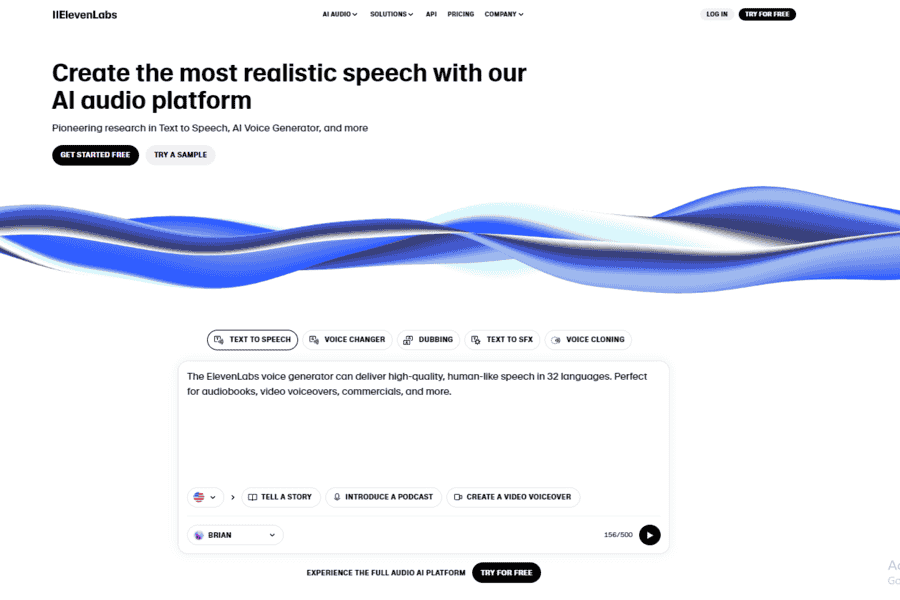
AI voice synthesis platform with ultra-realistic and expressive speech generation capabilities.
Pros:
- Excellent natural-sounding voices.
- Fast processing and generation.
Cons:
- Limited free tier.
- Advanced customization requires a premium subscription.
Pricing Package:
Free plan; premium starts at $5/month.
Social Media:
- Twitter: ElevenLabs Twitter
- LinkedIn: ElevenLabs LinkedIn
Contact Information:
- Mail: [email protected]
Balabolka
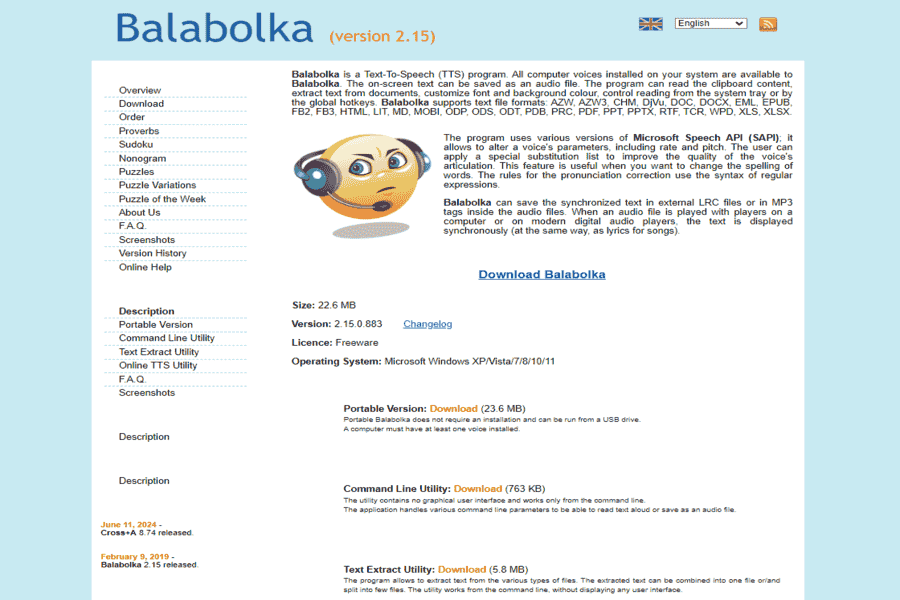
Free text-to-speech software compatible with various file formats and voice engines.
Pros:
- Completely free to use.
- Works with multiple voice engines like Microsoft Speech API.
Cons:
- Limited voice quality compared to advanced AI tools.
- Basic and outdated interface.
Pricing Package:
Free.
iSpeech
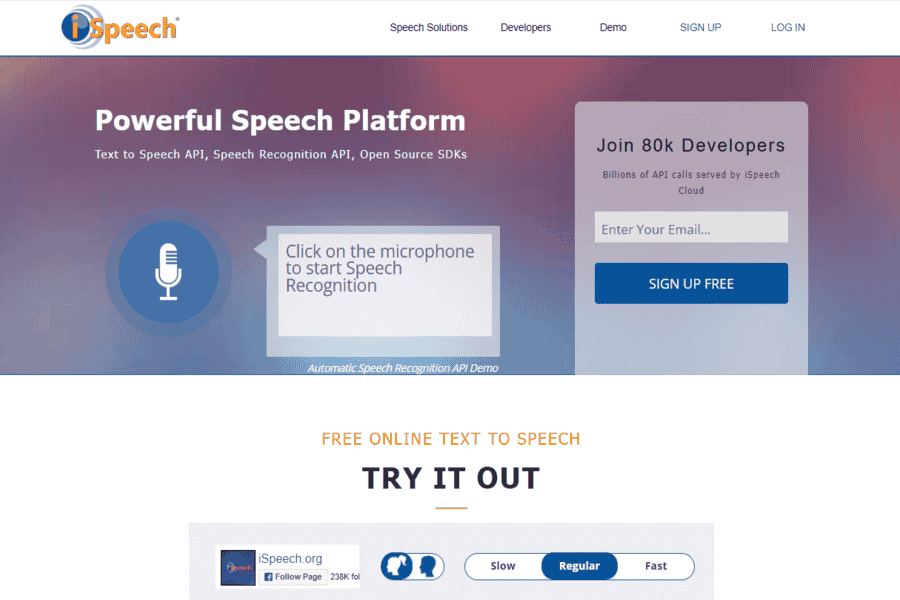
AI text-to-speech and speech recognition software offer realistic voices for businesses and developers.
Pros:
- Customizable voice settings.
- API support for developers.
Cons:
- Limited free access.
- Pricing is on the higher side for enterprise use.
Pricing Package:
Free trial; custom pricing for enterprise solutions.
Social Media:
- LinkedIn: iSpeech LinkedIn
Contact Information:
- Mail: [email protected]
Descript
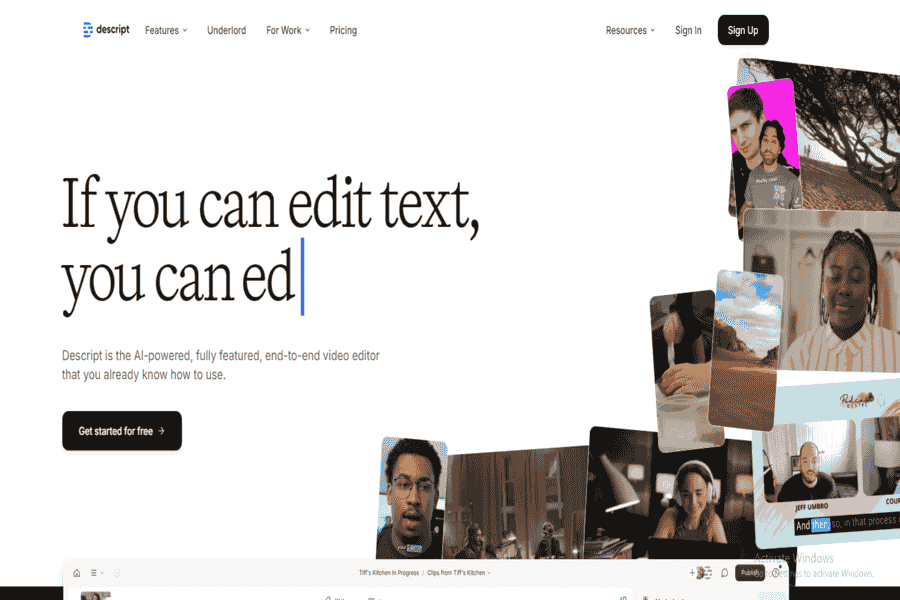
AI-powered audio and video editing software with text-to-speech features and overdubbing.
Pros:
- Overdub feature for creating synthetic voiceovers.
- Simple and intuitive editing tools.
Cons:
- Requires a learning curve for new users.
- Limited free tier options.
Pricing Package:
Free plan; premium starts at $12/month.
Social Media:
- Facebook: Descript Facebook
- Instagram: Descript Instagram
- Twitter: Descript Twitter
- LinkedIn: Descript LinkedIn
- YouTube: Descript YouTube
Contact Information:
- Mail: [email protected]
Voice.ai
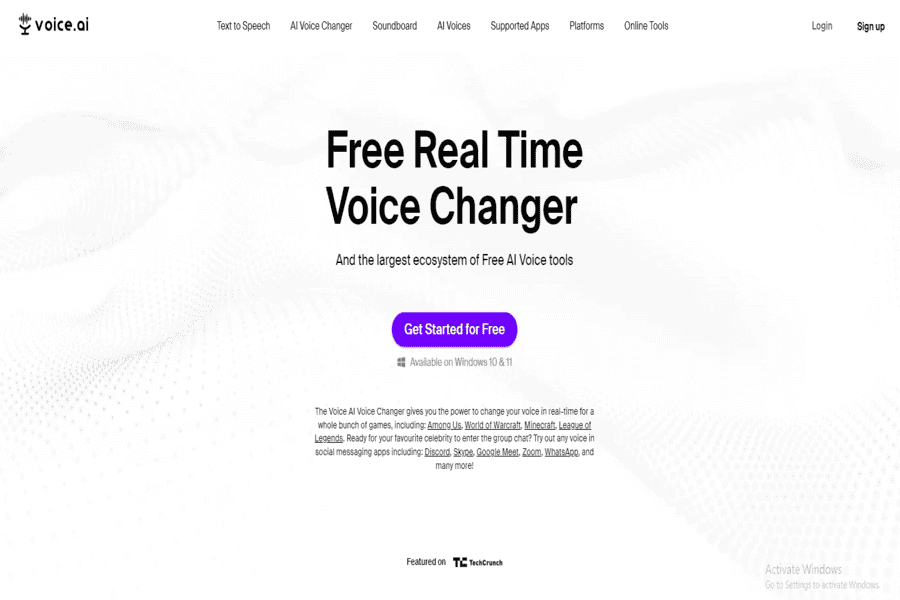
AI-driven real-time voice changer and custom voice generator for gaming, streaming, and content creation.
Pros:
- Highly customizable voice options.
- Works in real-time with multiple apps.
Cons:
- There are limited advanced features in the free version.
- Occasional latency issues.
Pricing Package:
Free plan; premium starts at $14.99/month.
Social Media:
- Twitter: Voice.ai Twitter
WellSaid Labs
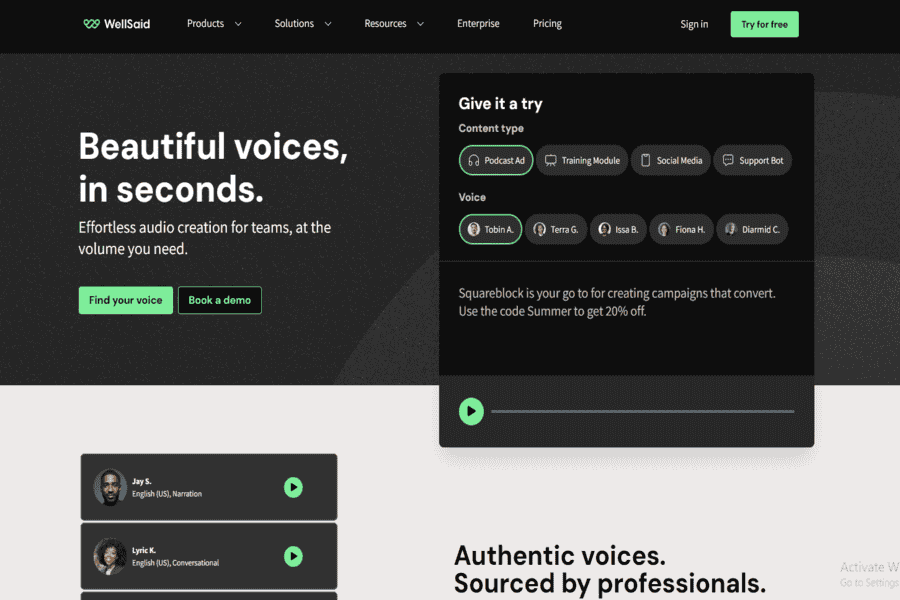
Text-to-speech tool offering natural-sounding voices for marketing, e-learning, and video production.
Pros:
- Studio-quality voice generation.
- Collaboration tools for teams.
Cons:
- Expensive for small-scale users.
- Limited voices on lower-tier plans.
Pricing Package:
Starting at $49/month.
Social Media:
- Twitter: WellSaid Labs Twitter
- LinkedIn: WellSaid Labs LinkedIn
Contact Information:
- Mail: [email protected]
Cepstral

High-quality text-to-speech software for personal, business, and developer use.
Pros:
- Wide variety of voice options.
- Custom voice integration for brands.
Cons:
- The interface needs to be updated.
- Premium features can be expensive.
Pricing Package:
Starting at $35/license.
Contact Information:
- Mail: [email protected]
- Contact Number: +1 (412) 432-0400
Ethical Considerations and Where This Is Headed
Realistic voice cloning raises real concerns: privacy (a voice can be replicated without consent), and misuse (fraud, impersonation, and disinformation using a cloned voice are now genuinely possible, not hypothetical). Most reputable platforms have added consent verification and usage policies in response, and that trend is likely to continue as regulation catches up. On the product side, voices keep getting harder to distinguish from human recordings, real-time generation is making live dubbing and voice changing practical, and language/accent coverage keeps expanding — useful for accessibility and global content, but also raising the stakes on getting the ethical guardrails right.
Conclusion
The tools above cover most of what AI voice generation looks like today: broad multi-voice platforms for content creators (Murf AI, Lovo AI, WellSaid Labs), the current quality leader for realism (ElevenLabs), voice cloning specialists (Resemble AI, Replica Studios), video-specific tools (Synthesia for AI avatars, Descript for edit-by-transcript), accessibility-focused readers (Speechify), real-time voice changers (Voicemod, Voice.ai), and long-standing desktop TTS software (Balabolka, Cepstral, iSpeech). Which one’s right depends on the job — a one-off narration has very different needs than an ongoing podcast or a product that needs an API.