Personalized learning tailors instruction, pacing, and content to each student instead of a one-size-fits-all curriculum. AI makes this practical at scale — adaptive platforms adjust difficulty in real time, tutoring systems answer questions in plain language, and analytics flag exactly where a student is stuck. Below are 17 platforms actually delivering this today, from K-12 math practice to language learning and higher-ed courseware.
How These Tools Work
Most fall into a few overlapping categories: intelligent tutoring systems that simulate one-on-one instruction, adaptive platforms that adjust content and pacing based on performance, NLP-driven tools that let students ask questions in natural language, and machine learning models that power the recommendations and diagnostics behind the scenes. In practice, the effective ones combine student profiling, adaptive content delivery, real-time feedback, and individualized learning paths — often alongside collaborative features so personalization doesn’t mean isolation.
AI Tools for Personalized Learning
Squirrel AI
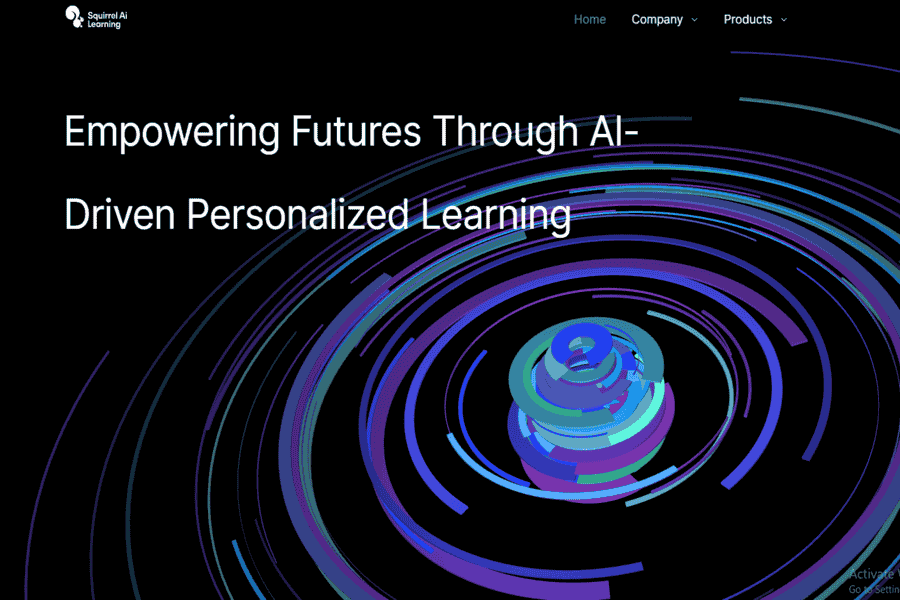
Adaptive learning platform offering personalized education through AI-driven insights.
Pros:
- Scalable for institutions.
- Gamified experience for better engagement.
Cons:
- Limited to specific subject areas.
- Cost may be high for smaller schools.
Pricing Package:
Customized based on deployment needs.
Social Media:
- Twitter: Squirrel AI Twitter
- LinkedIn: Squirrel AI LinkedIn
Contact Information:
Mail: [email protected]
Century Tech
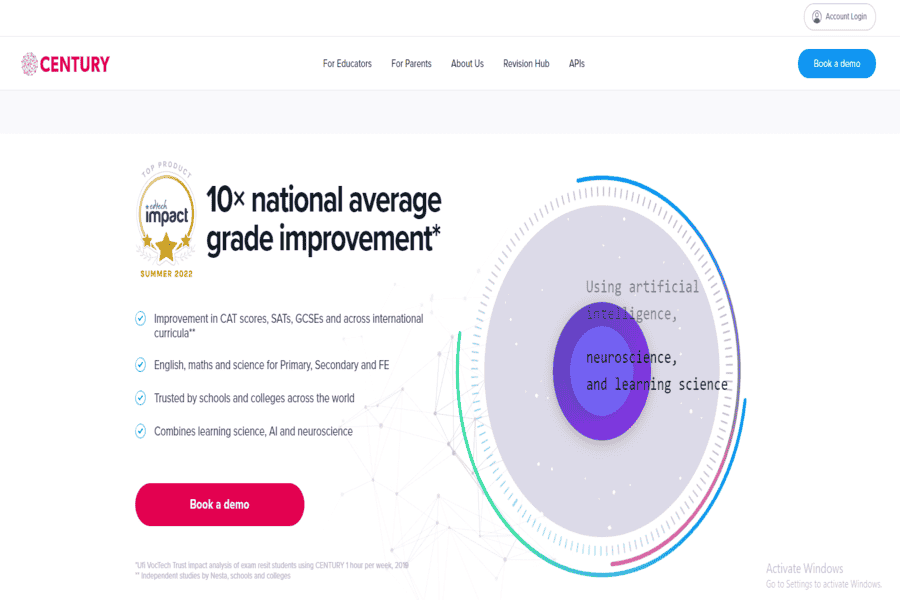
AI-driven tool for schools offering personalized math, science, and English paths.
Pros:
- Provides real-time teacher analytics.
- Supports SEN (Special Educational Needs) students.
Cons:
- Requires stable internet connectivity.
- Limited outside core K-12 curriculum.
Pricing Package:
Contact for a custom quote.
Social Media:
- Facebook: Century Tech Facebook
- Instagram: Century Tech Instagram
- Twitter: Century Tech Twitter
- LinkedIn: Century Tech LinkedIn
Contact Information:
- Mail: [email protected]
DreamBox Learning
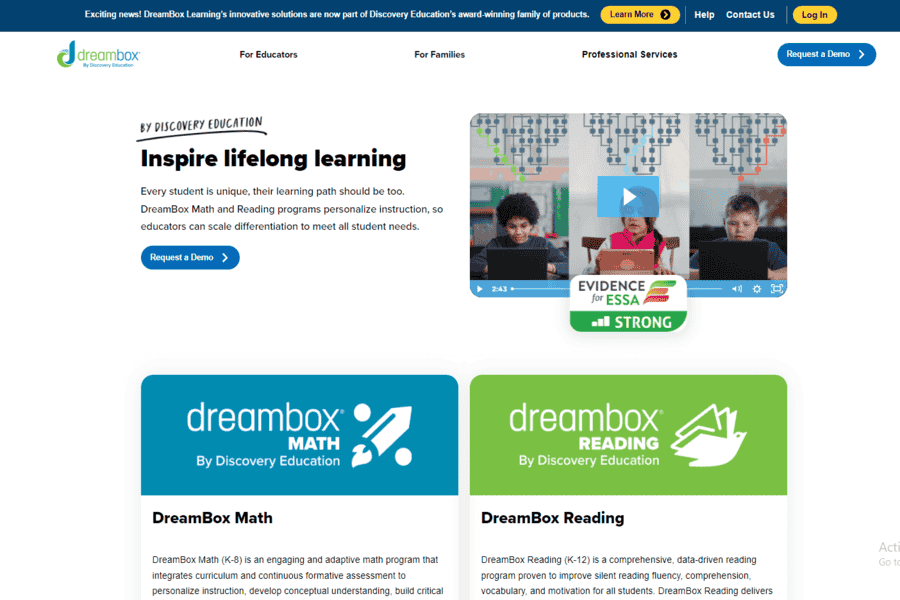
An adaptive learning platform focused on K-8 mathematics.
Pros:
- Interactive, engaging user interface.
- Aligns with state education standards.
Cons:
- Narrow subject focus.
- Best suited for younger learners.
Pricing Package:
Starts at $25 per student annually.
Social Media:
- Facebook: DreamBox Facebook
- Instagram: DreamBox Instagram
- Twitter: DreamBox Twitter
- LinkedIn: DreamBox LinkedIn
- YouTube: DreamBox YouTube
Contact Information:
- Mail: [email protected]
- Contact Number: +1 (877) 451-7845
Cognii
AI tutor for higher education and corporate training that uses natural language processing for personalized feedback.
Pros:
- Supports open-ended question assessments.
- Cost-effective for e-learning platforms.
Cons:
- Limited non-English support.
- Requires significant initial configuration.
Pricing Package:
Custom pricing based on project requirements.
Social Media:
- Twitter: Cognii Twitter
- LinkedIn: Cognii LinkedIn
Contact Information:
- Mail: [email protected]
Knewton Alta
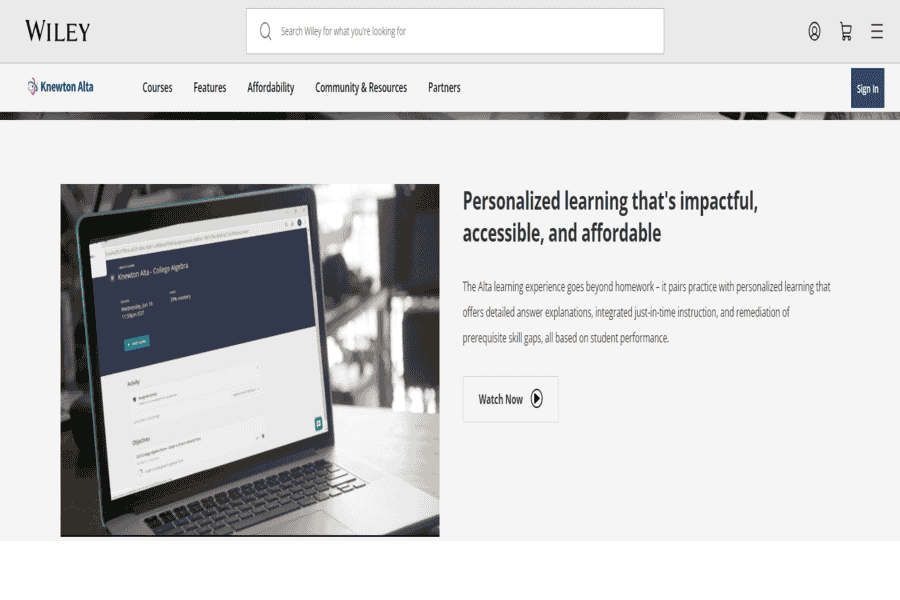
Adaptive learning platform for higher education with a focus on STEM courses.
Pros:
- Affordable for students.
- Offers step-by-step remediation.
Cons:
- Limited customization for teachers.
- Best suited for textbook-like curricula.
Pricing Package:
$39.95 per course.
Social Media:
- Twitter: Knewton Twitter
- LinkedIn: Knewton LinkedIn
- YouTube: Knewton YouTube
Contact Information:
- Mail: [email protected]
IXL Learning
Adaptive practice platform covering math, reading, science, and more from pre-K through 12th grade, adjusting question difficulty in real time based on student responses. Replaces Smart Sparrow, whose Flash-based courseware platform was sunset after Pearson acquired it in 2020; its technology was absorbed into Pearson’s own platform and is no longer sold under the Smart Sparrow name.
Pros:
- Covers a very wide range of subjects and grade levels in one platform.
- Detailed real-time analytics for teachers and parents.
Cons:
- Drill-style practice format isn’t suited to open-ended or project-based learning.
Pricing Package:
Subscription-based, priced per subject or as a bundle; family and school plans available.
Carnegie Learning
She blended learning platforms for personalized math education from middle to high school.
Pros:
- Offers robust teacher support.
- Aligned with US educational standards.
Cons:
- Focused primarily on math.
- It may require additional teacher training.
Pricing Package:
Contact for pricing details.
Social Media:
- Facebook: Carnegie Learning Facebook
- Instagram: Carnegie Learning Instagram
- Twitter: Carnegie Learning Twitter
- LinkedIn: Carnegie Learning LinkedIn
- YouTube: Carnegie Learning YouTube
Contact Information:
- Mail: [email protected]
- Contact Number: +1 (888) 851-7094
Newsela
Uses AI to rewrite the same news and nonfiction articles at multiple reading levels, letting every student in a class work with grade-appropriate text on the same topic, paired with built-in comprehension quizzes and progress tracking. Replaces BYJU’S, which has been under insolvency proceedings in India since July 2024 and had its flagship Android app delisted from Google Play in May 2025 — not a reliable recommendation for new users right now.
Pros:
- Same content at multiple reading levels keeps mixed-ability classes on the same topic.
- Large, continuously updated library of real news and nonfiction.
Cons:
- Focused on reading/literacy rather than full-subject coverage like math or science.
Pricing Package:
Free tier available; paid school and district plans add premium content and deeper analytics.
Quizlet
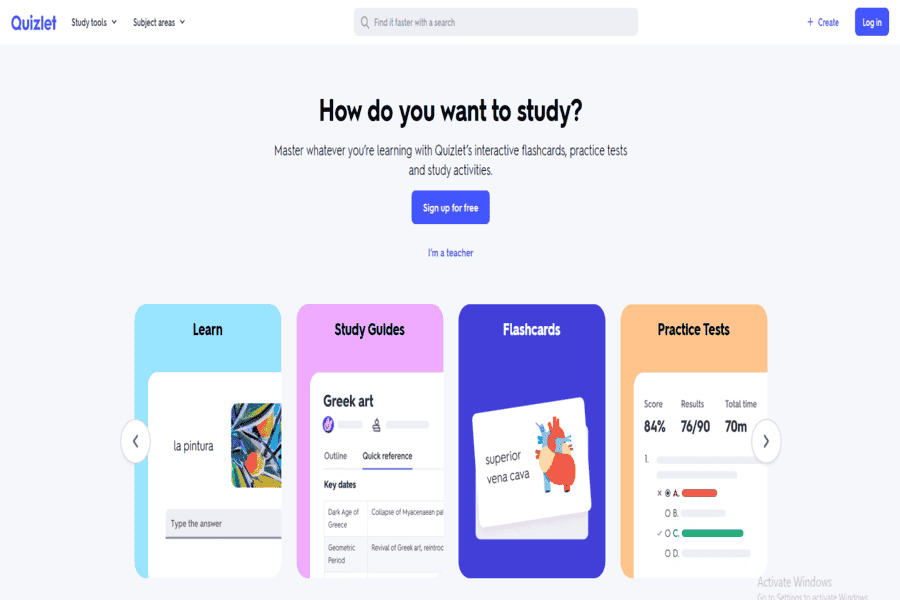
Quizlet provides AI-powered flashcards and adaptive learning tools to make studying efficient and personalized.
Pros:
- Free basic version.
- A broad range of user-created content.
Cons:
- Advanced features require a paid plan.
- Heavily reliant on user-generated content accuracy.
Pricing Package:
Free and paid plans start at $3/month.
Social Media:
- Facebook: Quizlet Facebook
- Instagram: Quizlet Instagram
- Twitter: Quizlet Twitter
- LinkedIn: Quizlet LinkedIn
- YouTube: Quizlet YouTube
Contact Information:
- Mail: [email protected]
Khan Academy
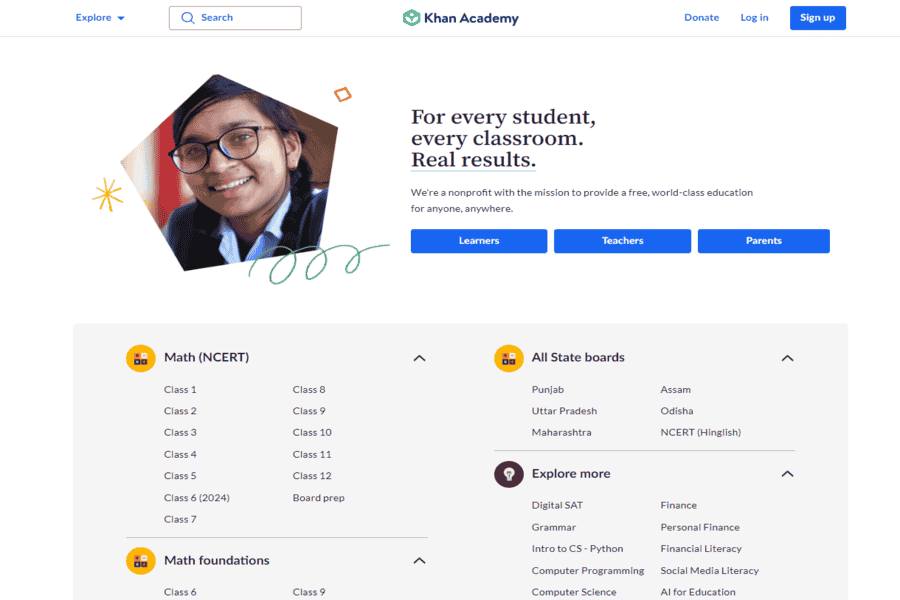
AI-enabled personalized learning platform offering free educational content for K-12 and beyond.
Pros:
- Free for everyone.
- Wide range of subjects and test prep materials.
Cons:
- It is less interactive than some competitors.
- Limited offline functionality.
Pricing Package:
Free.
Social Media:
- Facebook: Khan Academy Facebook
- Instagram: Khan Academy Instagram
- Twitter: Khan Academy Twitter
- LinkedIn: Khan Academy LinkedIn
- YouTube: Khan Academy YouTube
Contact Information:
- Mail: [email protected]
Duolingo
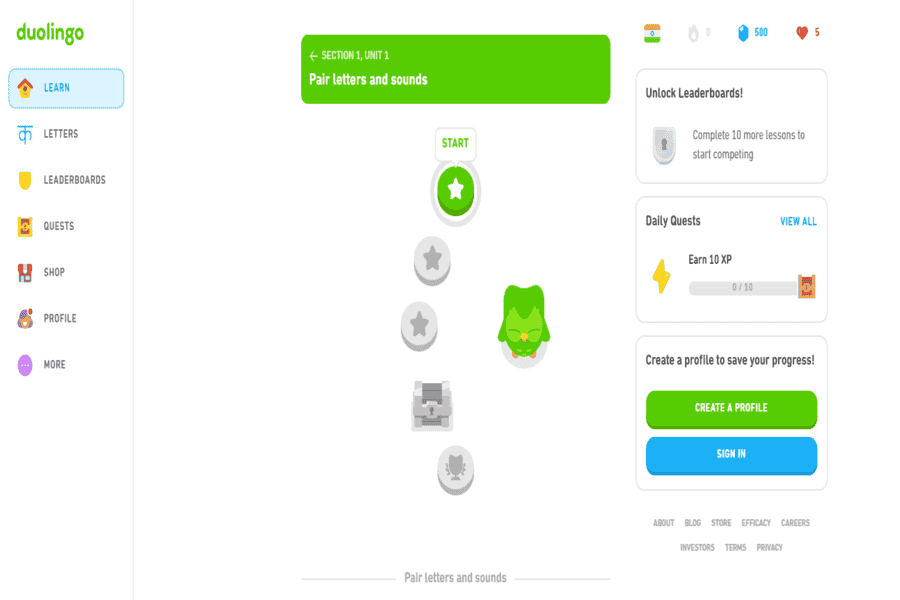
AI-powered language learning app providing personalized and gamified lessons for over 40 languages.
Pros:
- Free basic access with engaging gamification.
- Adaptive lessons tailored to learning progress.
Cons:
- Ads in the free version.
- Limited for advanced learners.
Pricing Package:
Free and Duolingo Plus at $6.99/month.
Social Media:
- Facebook: Duolingo Facebook
- Instagram: Duolingo Instagram
- Twitter: Duolingo Twitter
- LinkedIn: Duolingo LinkedIn
- YouTube: Duolingo YouTube
Contact Information:
- Mail: [email protected]
Photomath
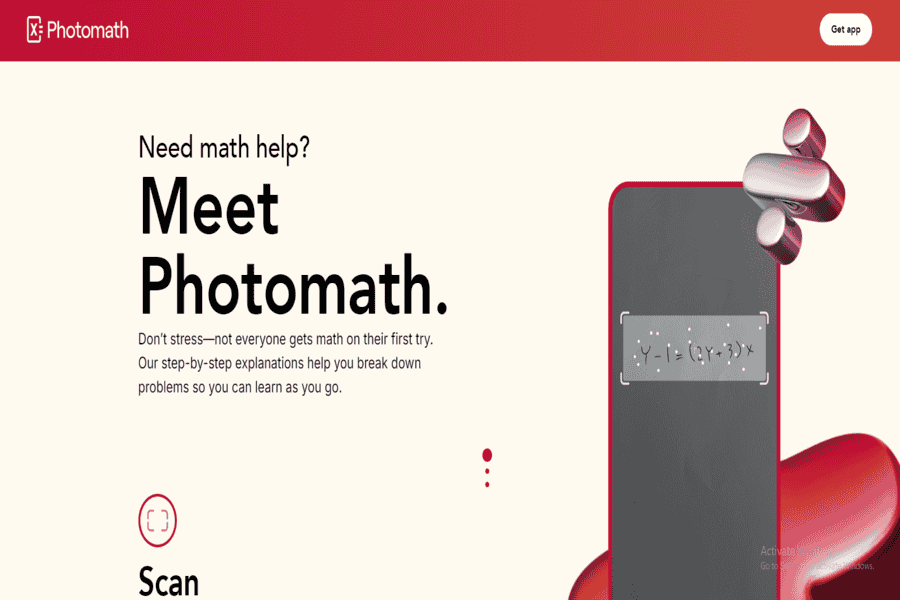
Photomath uses AI to solve and explain math problems step-by-step using a smartphone camera.
Pros:
- Free to use for basic features.
- Supports multiple languages and math types.
Cons:
- Premium features are behind a paywall.
- Best suited for simple-to-intermediate math problems.
Pricing Package:
Free and premium plans at $9.99/month.
Social Media:
- Facebook: Photomath Facebook
- Instagram: Photomath Instagram
- Twitter: Photomath Twitter
- LinkedIn: Photomath LinkedIn
- YouTube: Photomath YouTube
Contact Information:
- Mail: [email protected]
Edmentum
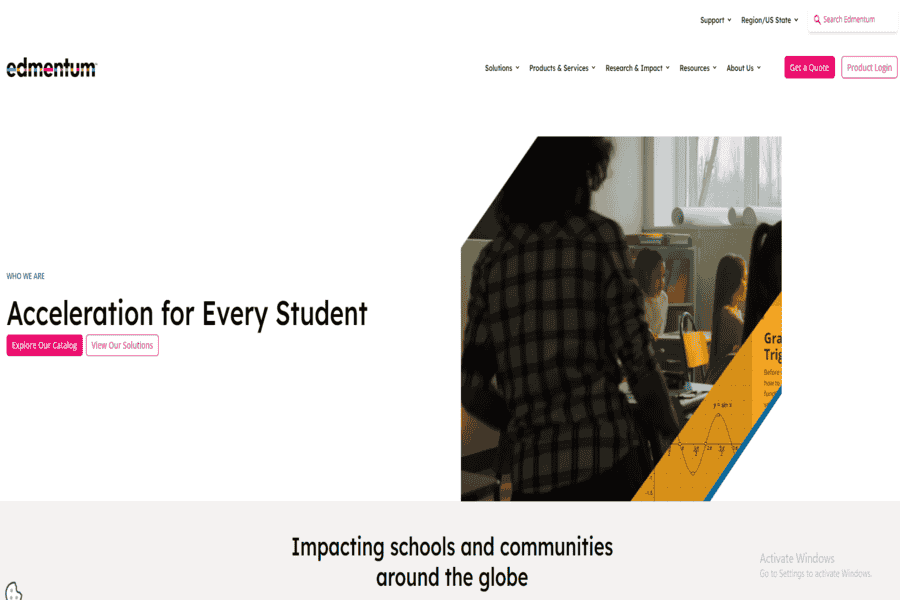
Edmentum combines AI and adaptive learning to offer K-12 curriculum solutions tailored to individual student needs.
Pros:
- Comprehensive analytics for educators.
- Extensive subject and grade-level coverage.
Cons:
- Pricing may be high for small schools.
- Requires robust teacher training for effective use.
Pricing Package:
Custom pricing based on school size and curriculum needs.
Social Media:
- Facebook: Edmentum Facebook
- Twitter: Edmentum Twitter
- LinkedIn: Edmentum LinkedIn
- YouTube: Edmentum YouTube
Contact Information:
- Mail: [email protected]
- Contact Number: +1 (800) 447-5286
Coursera
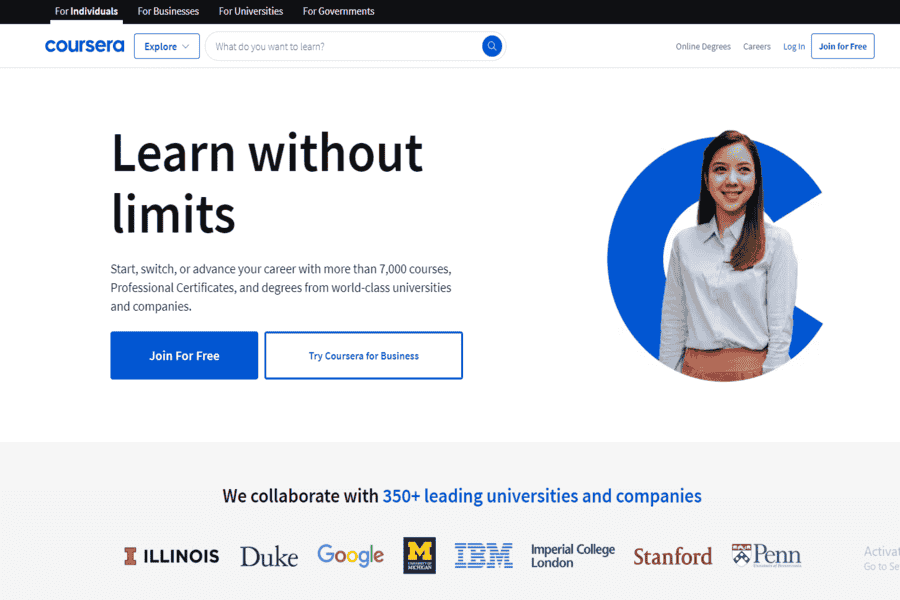
Coursera utilizes AI to recommend personalized course paths and skill-based learning for students and professionals.
Pros:
- Global access to top-tier university courses.
- AI-curated learning tracks.
Cons:
- Certificates often require payment.
- Limited offline access for free users.
Pricing Package:
Free and paid course subscriptions start at $59/month.
Social Media:
- Facebook: Coursera Facebook
- Instagram: Coursera Instagram
- Twitter: Coursera Twitter
- LinkedIn: Coursera LinkedIn
- YouTube: Coursera YouTube
Contact Information:
- Mail: [email protected]
Prodigy
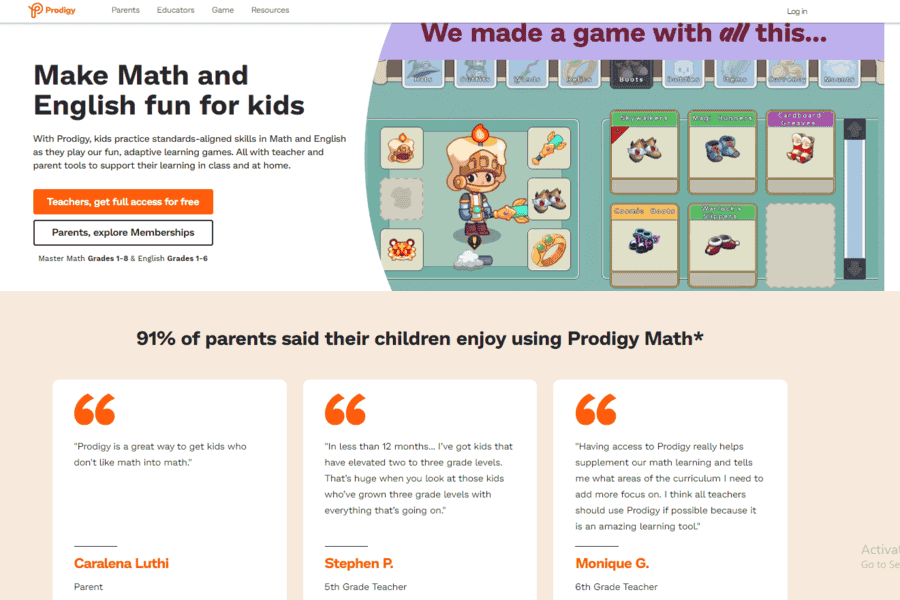
A gamified math learning platform that uses AI to adapt the difficulty to student performance.
Pros:
- Free basic version for students and teachers.
- Gamified elements make learning fun.
Cons:
- Limited subjects (focus on math).
- Premium features require payment.
Pricing Package:
Free; premium plans start at $9.95/month.
Social Media:
- Facebook: Prodigy Facebook
- Instagram: Prodigy Instagram
- Twitter: Prodigy Twitter
- LinkedIn: Prodigy LinkedIn
- YouTube: Prodigy YouTube
Contact Information:
- Mail: [email protected]
ALEKS (Assessment and Learning in Knowledge Spaces)
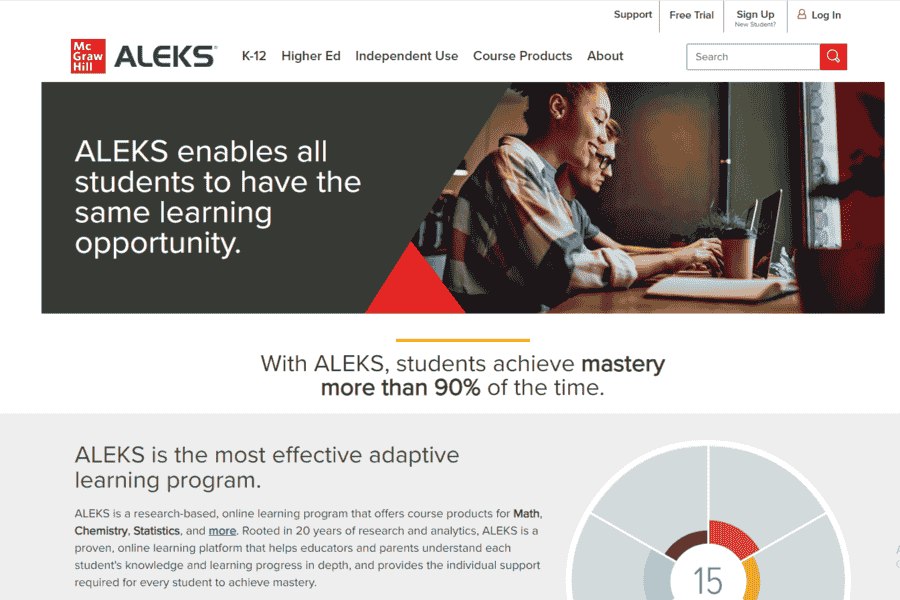
Adaptive learning platform for K-12, higher education, and adult learners focusing on math and science.
Pros:
- Highly accurate initial assessments.
- Adaptive learning paths tailored to skill gaps.
Cons:
- Limited subject range.
- Interface can feel outdated.
Pricing Package:
$25/month for individuals.
Social Media:
- Facebook: ALEKS Facebook
- Twitter: ALEKS Twitter
- LinkedIn: ALEKS LinkedIn
- YouTube: ALEKS YouTube
Contact Information:
- Mail: [email protected]
- Contact Number: +1 (714) 245-7191
Thinkster Math
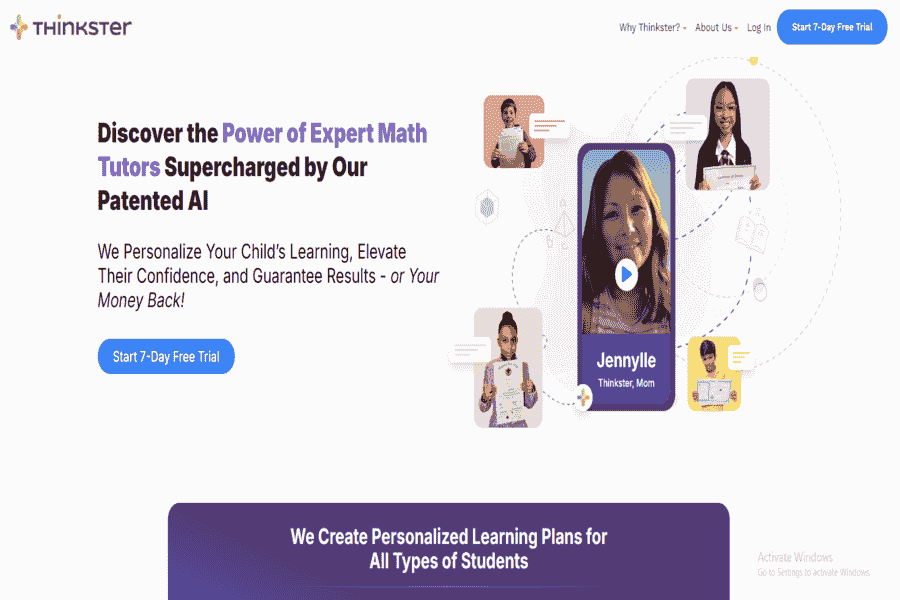
AI-powered math tutoring platform offering personalized lesson plans with real-time progress tracking.
Pros:
- Includes one-on-one coaching.
- Comprehensive progress reports.
Cons:
- Focused only on math.
- Subscription costs are relatively high.
Pricing Package:
Plans start at $100/month.
Social Media:
- Facebook: Thinkster Math Facebook
- Twitter: Thinkster Math Twitter
- LinkedIn: Thinkster Math LinkedIn
Contact Information:
Mail: [email protected]
Benefits and Challenges
Done well, AI-powered personalization improves student outcomes and engagement by matching instruction to where each student actually is, and it frees teachers from repetitive grading and tracking work to focus on individual support. The data these tools generate also gives educators a clearer, faster picture of where a class or student is struggling than periodic testing alone. The real constraints are practical rather than technical: student data privacy and security need serious safeguards, teachers need real training to use these tools well rather than being handed a new platform and left to figure it out, and cost or connectivity gaps can leave personalization benefiting the students who already have the most support.
Future Trends
Assessment is getting more sophisticated, with AI able to give detailed, specific feedback rather than just a score. Some platforms are extending beyond academics into social-emotional learning, and the field as a whole is paying closer attention to algorithmic bias and fairness as these tools take on a bigger role in how students are taught and evaluated.
Conclusion
The 17 tools above cover most of what personalized learning looks like in practice today: adaptive math and science practice (IXL Learning, DreamBox, Carnegie Learning, ALEKS, Thinkster Math, Prodigy), AI tutoring and conversational support (Squirrel AI, Cognii, Knewton Alta), and tools built around a specific skill or format, from language learning (Duolingo) to reading-level-adjusted news (Newsela) to flashcard-based study (Quizlet) to free courseware (Khan Academy, Coursera). None of them replace a teacher’s judgment, but used well they cut the time between a student struggling and someone — human or AI — noticing.