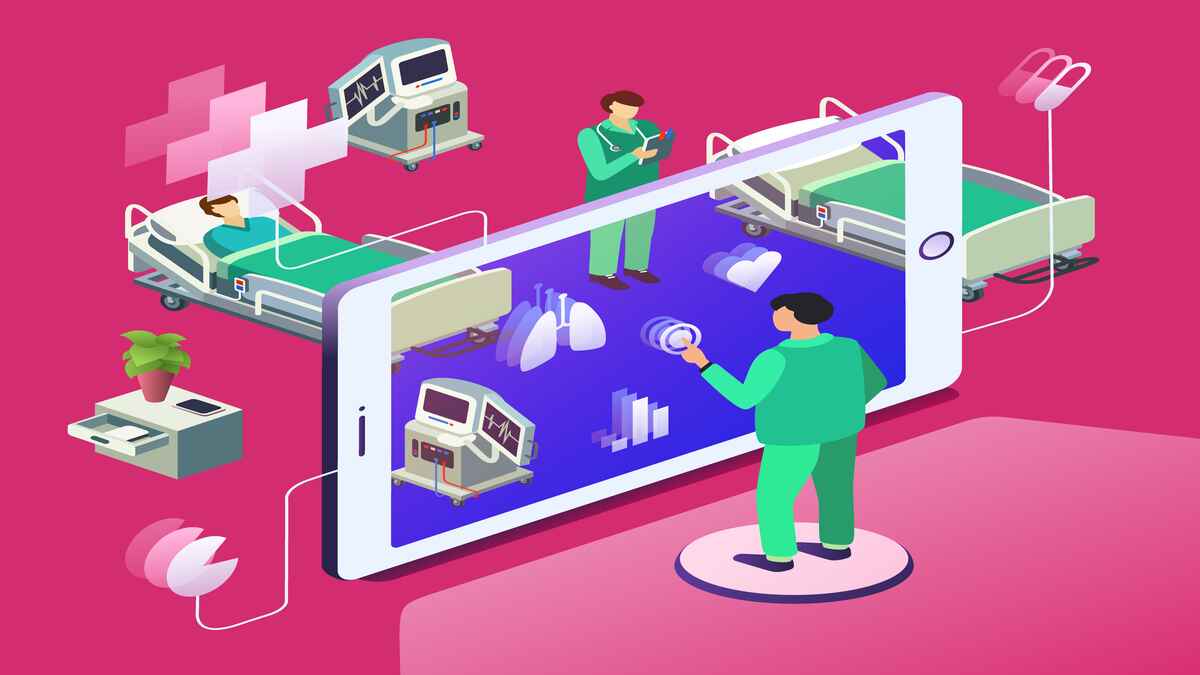
The rise of telemedicine and virtual healthcare has changed patient care, but the true potential of remote monitoring lies in the integration of artificial intelligence (AI). AI tools for remote patient monitoring transform healthcare delivery, enabling proactive care, early intervention, and improved patient outcomes. This article explores the key applications of AI in remote patient monitoring, including predictive analytics, anomaly detection, and personalized care plans, while also covering the challenges and considerations involved. These platforms are decision-support and monitoring aids for care teams, not a replacement for clinical judgment or emergency care.
What is Remote Patient Monitoring (RPM)?
Remote Patient Monitoring (RPM) is a healthcare delivery model that uses digital health technologies to collect and transmit patient health data from remote locations to healthcare providers. This data can include vital signs like blood pressure, heart rate, blood oxygen, and glucose levels. By continuously monitoring these parameters, healthcare providers can identify potential health issues early on and intervene promptly, preventing serious complications.
The Role of AI in Healthcare
Artificial Intelligence (AI) has emerged as a powerful tool in the healthcare industry, potentially transforming various aspects of patient care. AI algorithms can analyze vast amounts of data, identify patterns, and make accurate predictions. This capability makes AI invaluable in improving diagnosis, treatment planning, and patient outcomes.
The Intersection of AI and RPM
Integrating AI and RPM creates a powerful synergy that can change healthcare. By using AI’s advanced analytics capabilities, RPM systems can:
Automate Data Collection and Analysis:
AI can simplify the collection and analysis of patient data, reducing the burden on healthcare providers.
Identify Patterns and Trends:
AI algorithms can identify subtle patterns and trends in patient data that may not be apparent to human observers.
Predict Health Risks:
AI can proactively predict potential health risks and alert healthcare providers by analyzing historical data and real-time information.
Personalize Treatment Plans:
AI can help tailor treatment plans to individual patient needs, optimizing care delivery and improving outcomes.
Top AI Tools Remote Patient Monitoring (RPM)
Current Health
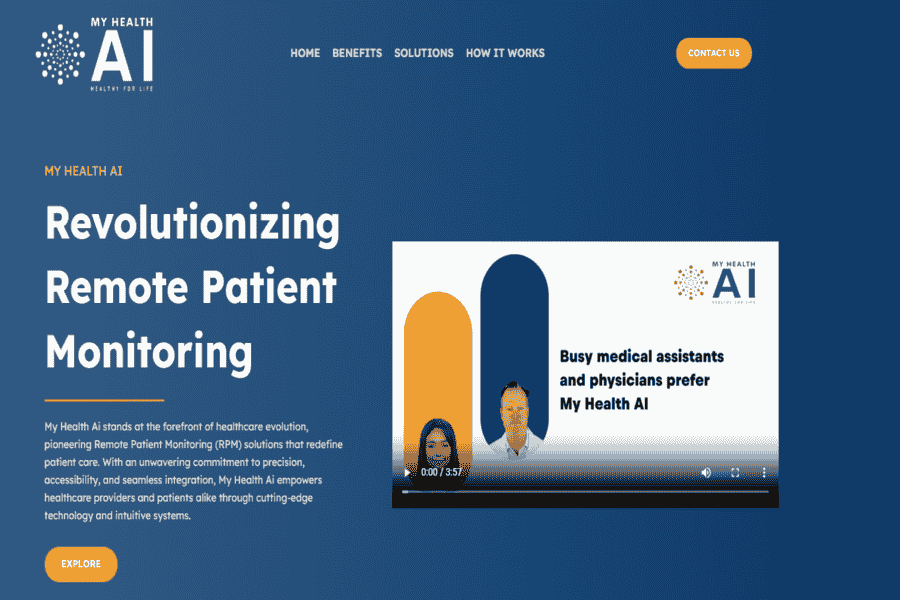
Current Health, part of Best Buy Health, is an enterprise remote patient monitoring platform combining a broad device ecosystem, a command-center dashboard, and EHR integration to support hospital-at-home and chronic-care monitoring programs.
Pros:
- Broad connected-device ecosystem covering vitals, ECG, and fall detection.
- Enterprise-grade EHR integration.
- Backed by Best Buy Health’s in-home tech delivery and support network.
Cons:
- Built for health systems rather than individual practices.
- Pricing requires a sales conversation.
Pricing Package:
- Custom enterprise pricing (contact for quote).
Social Media:
- LinkedIn: Current Health
Contact Information:
- Email: [email protected]
Biofourmis
Biofourmis uses AI to learn personalized patterns predictive of patient deterioration, powering remote patient monitoring, hospital-at-home, and specialty-care programs for health systems.
Pros:
- Predictive deterioration alerts rather than raw vitals alone.
- Supports hospital-at-home and clinical-trial monitoring.
- Optional 24/7 command-center nursing coverage.
Cons:
- Enterprise-focused, not built for solo practices.
- Implementation requires clinical workflow changes.
Pricing Package:
- Custom enterprise pricing (contact for quote).
Social Media:
- LinkedIn: Biofourmis
Contact Information:
- Email: [email protected]
Health Recovery Solutions
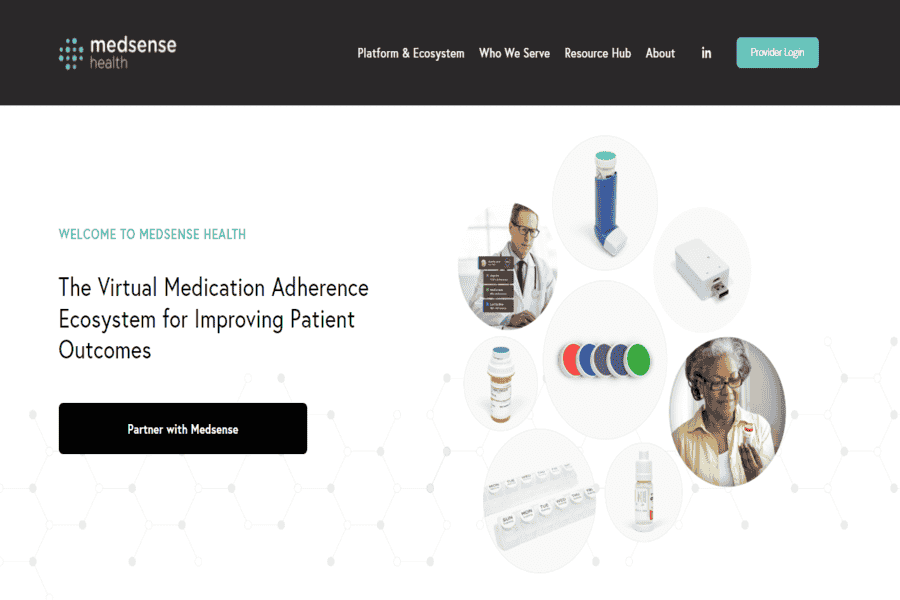
Health Recovery Solutions (HRS) provides remote patient monitoring and virtual care software for post-acute and chronic-disease management, pairing biometric devices with condition-specific care pathways and telehealth video visits.
Pros:
- Condition-specific pathways for CHF, COPD, diabetes, and behavioral health.
- Built-in telehealth video visits.
- Established track record in the post-acute and home health market.
Cons:
- Geared toward agencies and health systems over solo clinicians.
- Device kits add setup and logistics overhead.
Pricing Package:
- Custom pricing based on patient volume (contact for quote).
Social Media:
- LinkedIn: Health Recovery Solutions
Contact Information:
- Email: [email protected]
BioIntelliSense
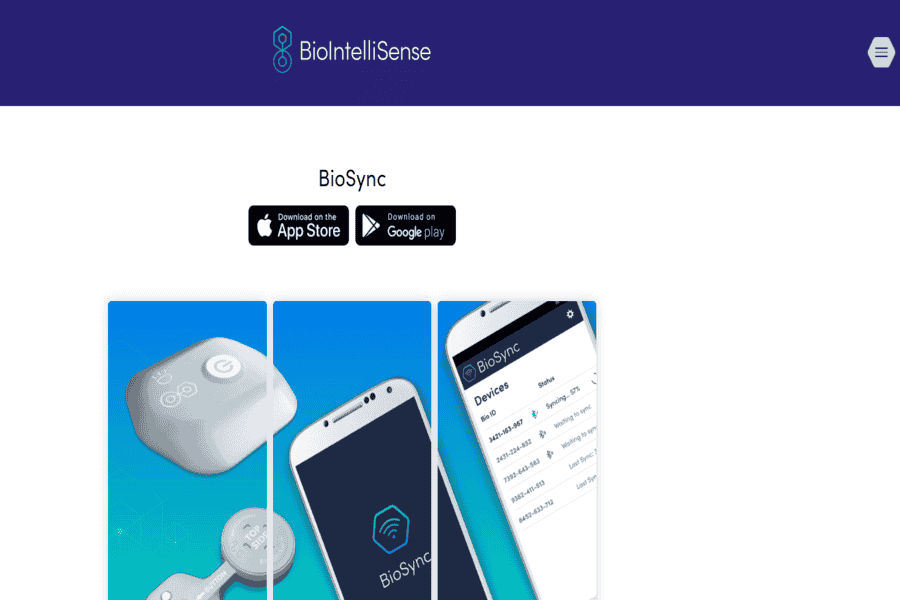
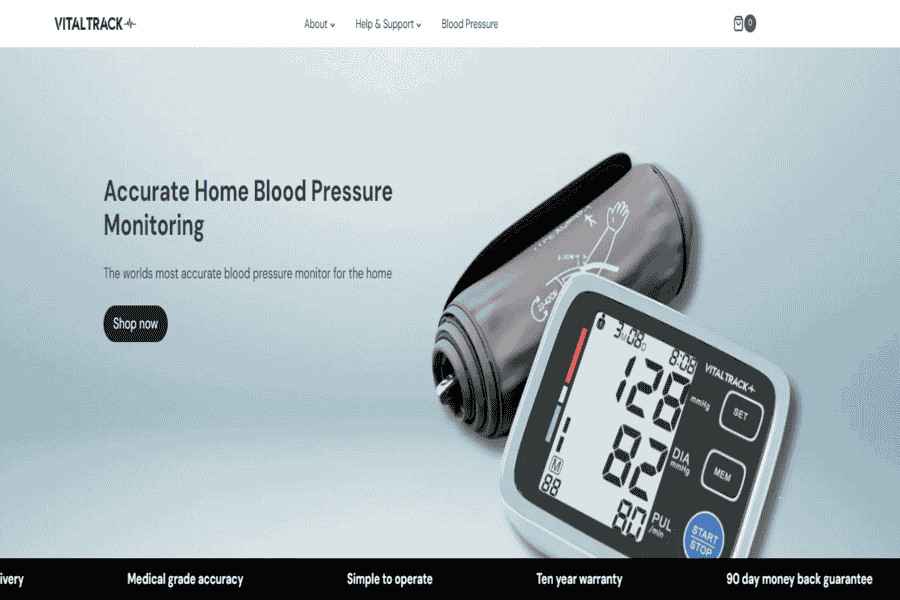
BioIntelliSense’s FDA-cleared BioButton sensor delivers continuous, medical-grade monitoring of temperature, heart rate, respiratory rate, and activity, with AI analytics that flag early signs of patient decline.
Pros:
- FDA-cleared continuous-wear sensor.
- Strong fit for senior care and post-surgical monitoring.
- Passive data collection with minimal patient effort.
Cons:
- Single-sensor approach captures fewer vitals than multi-device platforms.
- Best suited to defined, shorter monitoring windows per sensor.
Pricing Package:
- Custom pricing (contact for quote).
Social Media:
- LinkedIn: BioIntelliSense
Contact Information:
- Email: [email protected]
Biobeat
Biobeat makes FDA-cleared chest-worn and wrist-worn monitors that track cuffless blood pressure, oxygen saturation, respiratory rate, and temperature, feeding an AI-based early-warning-score system for hospital-at-home and remote monitoring.
Pros:
- Cuffless blood pressure monitoring.
- FDA-cleared for multiple key signs.
- AI-based early warning scores for deterioration.
Cons:
- Hardware-dependent rather than bring-your-own-device.
- Primarily sold to health systems, not individual clinicians.
Pricing Package:
- Custom pricing (contact for quote).
Social Media:
- LinkedIn: Biobeat
Contact Information:
- Email: [email protected]
Vivalink
Vivalink builds medical-grade wearable biosensors and a cloud platform for continuous ECG, heart-rate-variability, and arrhythmia monitoring, used in remote patient monitoring, hospital-at-home, and decentralized clinical trials.
Pros:
- Medical-grade continuous ECG monitoring.
- Used across both clinical care and clinical-trial settings.
- Cloud platform built for real-time data capture at scale.
Cons:
- More hardware/sensor-focused than a full care-management suite.
- Best suited to cardiac-focused programs.
Pricing Package:
- Custom pricing (contact for quote).
Social Media:
- LinkedIn: Vivalink
Contact Information:
- Email: [email protected]
Cadence
Cadence provides a clinical remote patient monitoring platform focused on chronic-care management for older adults, pairing connected devices with a staffed clinical team that monitors patients for partner health systems.
Pros:
- Includes a staffed clinical monitoring team, not just software.
- Built specifically for chronic-condition management in older adults.
- Designed to integrate with partner health systems’ existing workflows.
Cons:
- Health-system partnership model, not self-serve.
- Not aimed at individual consumers or small practices.
Pricing Package:
- Custom pricing (contact for quote).
Social Media:
- LinkedIn: Cadence
Contact Information:
- Email: [email protected]
AliveCor
AliveCor’s KardiaPro platform gives clinicians a web portal to remotely review ECG, blood pressure, and weight data captured by patients’ FDA-cleared Kardia personal ECG devices, with AI-assisted arrhythmia detection.
Pros:
- Personal ECG devices with over 200 published clinical studies.
- AI detection of six common arrhythmias in about 30 seconds.
- Large existing user base (3M+ lifetime users).
Cons:
- ECG-focused rather than a full multi-key RPM suite.
- Requires patients to own or be issued a Kardia device.
Pricing Package:
- KardiaPro subscription for clinicians; device costs separate (contact for pricing).
Social Media:
- LinkedIn: AliveCor
Contact Information:
- Email: [email protected]
Withings Health Solutions
Withings Health Solutions (Withings RPM) supplies cellular-connected blood pressure monitors, scales, and other clinical-grade devices as an end-to-end remote patient monitoring program for health systems and FQHCs.
Pros:
- Consumer-friendly, well-designed connected devices.
- Many devices need no separate patient app.
- Backed by an established consumer health-device manufacturer.
Cons:
- Device-centric, with less emphasis on advanced predictive AI than specialist RPM platforms.
- Aimed at institutional buyers rather than individual patients.
Pricing Package:
- Custom pricing for health systems (contact for quote).
Social Media:
- LinkedIn: Withings Health Solutions
Contact Information:
- Email: [email protected]
Datos Health
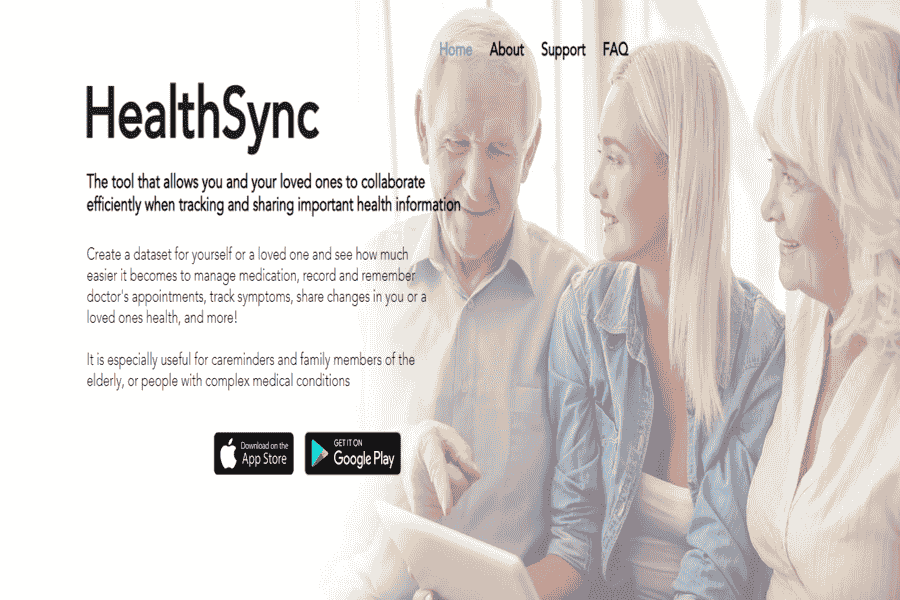
Datos Health offers a configurable remote patient monitoring platform that lets care teams build condition-specific monitoring pathways for chronic disease, post-surgical recovery, and maternal health without custom software development.
Pros:
- Highly configurable pathways without needing IT or dev resources.
- Supports a wide range of clinical use cases beyond generic vitals tracking.
- Device-agnostic, working with multiple third-party biometric devices.
Cons:
- Configurability means more upfront setup work than an out-of-the-box tool.
- Smaller company footprint than the largest RPM vendors.
Pricing Package:
- Custom pricing (contact for quote).
Social Media:
- LinkedIn: Datos Health
Contact Information:
- Email: [email protected]
100Plus
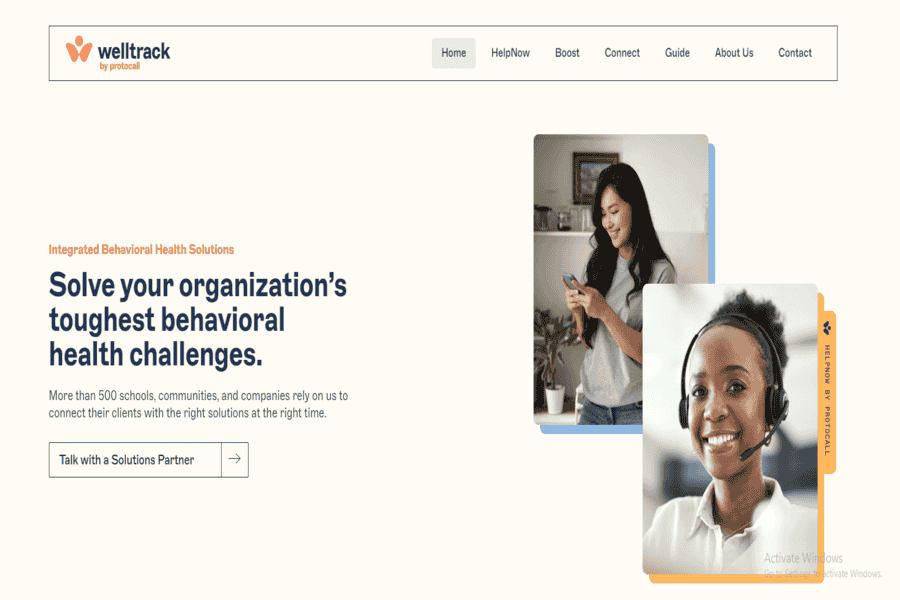
100Plus is an AI-assisted remote patient monitoring platform built specifically for private medical practices, shipping cellular-connected devices that need no patient app or Wi-Fi setup, with built-in support for RPM billing codes.
Pros:
- No patient app or Wi-Fi pairing required.
- Built-in support for RPM billing and reimbursement codes.
- Designed for small and mid-size practices, not just large health systems.
Cons:
- Practice-focused positioning may suit large hospital systems less well.
- Device shipping and logistics add lead time to onboarding.
Pricing Package:
- Custom pricing based on patient volume (contact for quote).
Social Media:
- LinkedIn: 100Plus
Contact Information:
- Email: [email protected]
Masimo
Masimo Patient SafetyNet is a remote monitoring and clinician-notification system that pulls near-real-time data from connected Masimo devices (pulse oximetry, respiration rate, temperature) to a central station with configurable alarms.
Pros:
- Built on Masimo’s established medical-grade sensor technology.
- Real-time alarms routed to a central monitoring station.
- Extends monitoring from the hospital into home settings.
Cons:
- Tied to Masimo’s own device ecosystem.
- Enterprise and hospital-oriented deployment.
Pricing Package:
- Custom pricing (contact for quote).
Social Media:
- LinkedIn: Masimo
Contact Information:
- Email: [email protected]
IRhythm (Zio)

IRhythm’s Zio patch is a wearable, long-term continuous ECG monitor paired with AI-powered analytics that distill weeks of heartbeat data into clinically actionable arrhythmia reports for cardiologists.
Pros:
- Continuous ECG wear for days to weeks, versus short Holter-monitor windows.
- AI-assisted analysis of large volumes of cardiac data.
- Widely used and clinically established in cardiology.
Cons:
- Cardiac-monitoring focused, not a general multi-condition RPM platform.
- Requires clinical ordering rather than self-serve signup.
Pricing Package:
- Billed through clinical and insurance channels (contact for details).
Social Media:
- LinkedIn: IRhythm (Zio)
Contact Information:
- Email: [email protected]
CoachCare
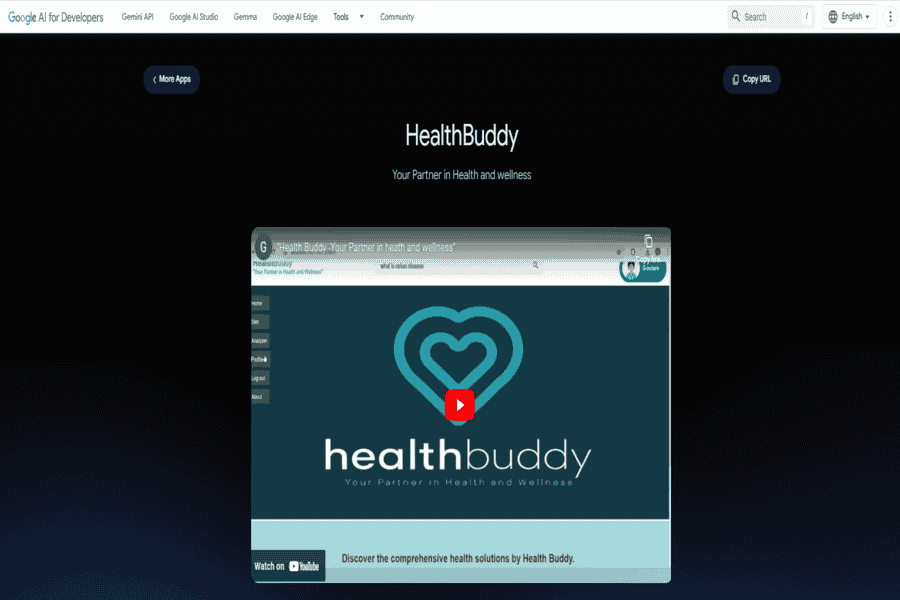
CoachCare provides a remote patient monitoring and remote therapeutic monitoring platform aimed at multi-location practices such as weight-management clinics and med spas, with device-agnostic tracking and built-in billing support.
Pros:
- Built for multi-site practice management, not just single clinics.
- Supports both RPM and remote therapeutic monitoring billing codes.
- Device-agnostic integrations.
Cons:
- Positioning skews toward specific practice types (weight management, aesthetics) over general primary care.
- Custom pricing requires a sales conversation.
Pricing Package:
- Custom pricing (contact for quote).
Social Media:
- LinkedIn: CoachCare
Contact Information:
- Email: [email protected]
ThoroughCare
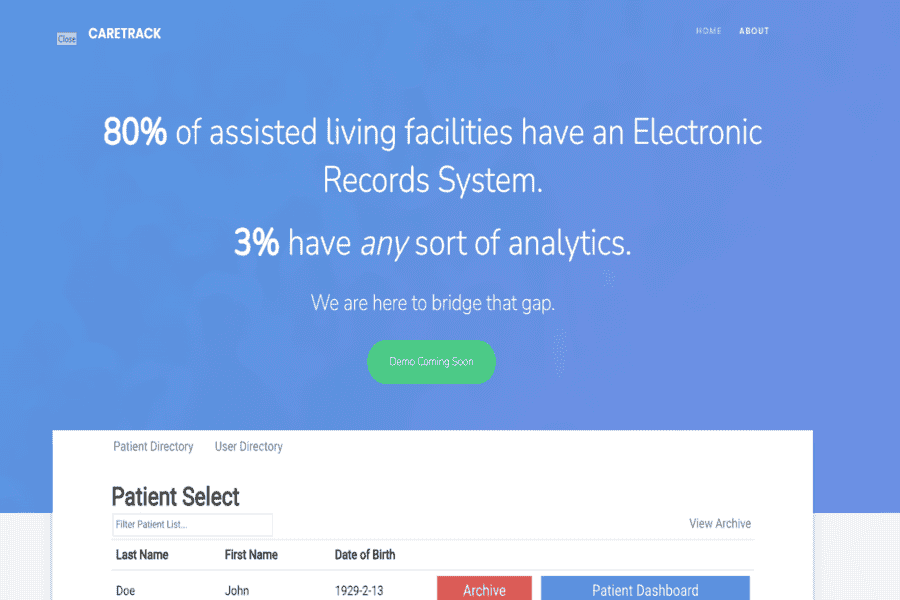
ThoroughCare is care-management software covering remote patient monitoring alongside chronic care management (CCM) and other value-based-care programs, built around compliance-ready workflows for reimbursement documentation.
Pros:
- Combines RPM with CCM and other care-management billing programs in one system.
- Workflows built around reimbursement and compliance documentation.
- Supports care coordination beyond raw device data.
Cons:
- Broader care-management focus may be more than practices wanting RPM alone need.
- Custom pricing requires a sales conversation.
Pricing Package:
- Custom pricing (contact for quote).
Social Media:
- LinkedIn: ThoroughCare
Contact Information:
- Email: [email protected]
Benefits of AI in Remote Patient Monitoring
The integration of AI into RPM offers a multitude of benefits, including:
Improved Patient Outcomes:
Early detection of health issues and timely interventions can significantly improve patient outcomes.
Enhanced Patient Engagement:
AI-powered RPM systems can provide personalized feedback and support, encouraging patients to participate in their care actively.
Reduced Healthcare Costs:
By preventing hospitalizations and reducing the need for in-person visits, AI-driven RPM can help lower healthcare costs.
Improved Efficiency:
Data collection and analysis automation can free up healthcare providers’ time, allowing them to focus on more complex tasks.
Challenges in AI Remote Patient Monitoring
While the potential benefits of AI in RPM are significant, there are also challenges to overcome:
Data Privacy and Security:
Making sure the security and privacy of patient data is paramount, especially when dealing with sensitive health information.
Algorithm Bias:
AI algorithms can be biased if trained on biased data, leading to inaccurate predictions and unfair treatment.
Technical Limitations:
The reliability and accuracy of AI-powered RPM systems depend on the data quality and the algorithms’ sophistication.
Regulatory Hurdles:
Navigating regulatory complexities can be challenging, especially for emerging technologies like AI.
Key Applications of AI in RPM
AI can be applied to various aspects of RPM, including:
Chronic Disease Management:
AI can help monitor and manage chronic conditions like diabetes, heart disease, and respiratory disorders.
Remote Patient Monitoring:
AI can analyze real-time patient data to detect anomalies and trigger alerts.
Virtual Consultations:
AI-powered chatbots And virtual assistants can provide initial patient support and triage.
Medication Adherence:
AI can track medication adherence and remind patients to take it on time.
Technical Considerations
To effectively implement AI in RPM, several technical considerations must be taken into account:
Data Quality:
Making sure the accuracy and completeness of patient data is crucial for AI algorithms to make reliable predictions.
Algorithm Development:
Developing strong and accurate AI algorithms requires machine learning and data science expertise.
Data Security and Privacy:
Implementing strong security measures to protect patient data is essential.
User Experience:
Designing user-friendly interfaces for RPM devices and apps is key for patient adoption and engagement.
Future Trends and Challenges
The future of AI in RPM is promising, with several emerging trends:
Edge Computing:
Processing data locally on devices can reduce latency and improve privacy.
Wearable Devices:
Advancements in wearable technology will enable continuous monitoring of various health parameters.
AI-Powered Virtual Assistants:
Virtual assistants can provide personalized health advice and support.
However, challenges like regulatory hurdles, ethical considerations, and the need for skilled professionals will continue to shape the landscape of AI in RPM.
AI tools for remote patient monitoring have the potential to improve patient outcomes, enhance care coordination, and increase access to quality care. As AI technology evolves, expect even more capable applications in remote patient monitoring, moving toward healthcare that is more personalized, efficient, and accessible. These tools are meant to support clinical teams, not replace them – always follow your care provider’s guidance, and use emergency services for urgent symptoms rather than relying on a monitoring platform alone.