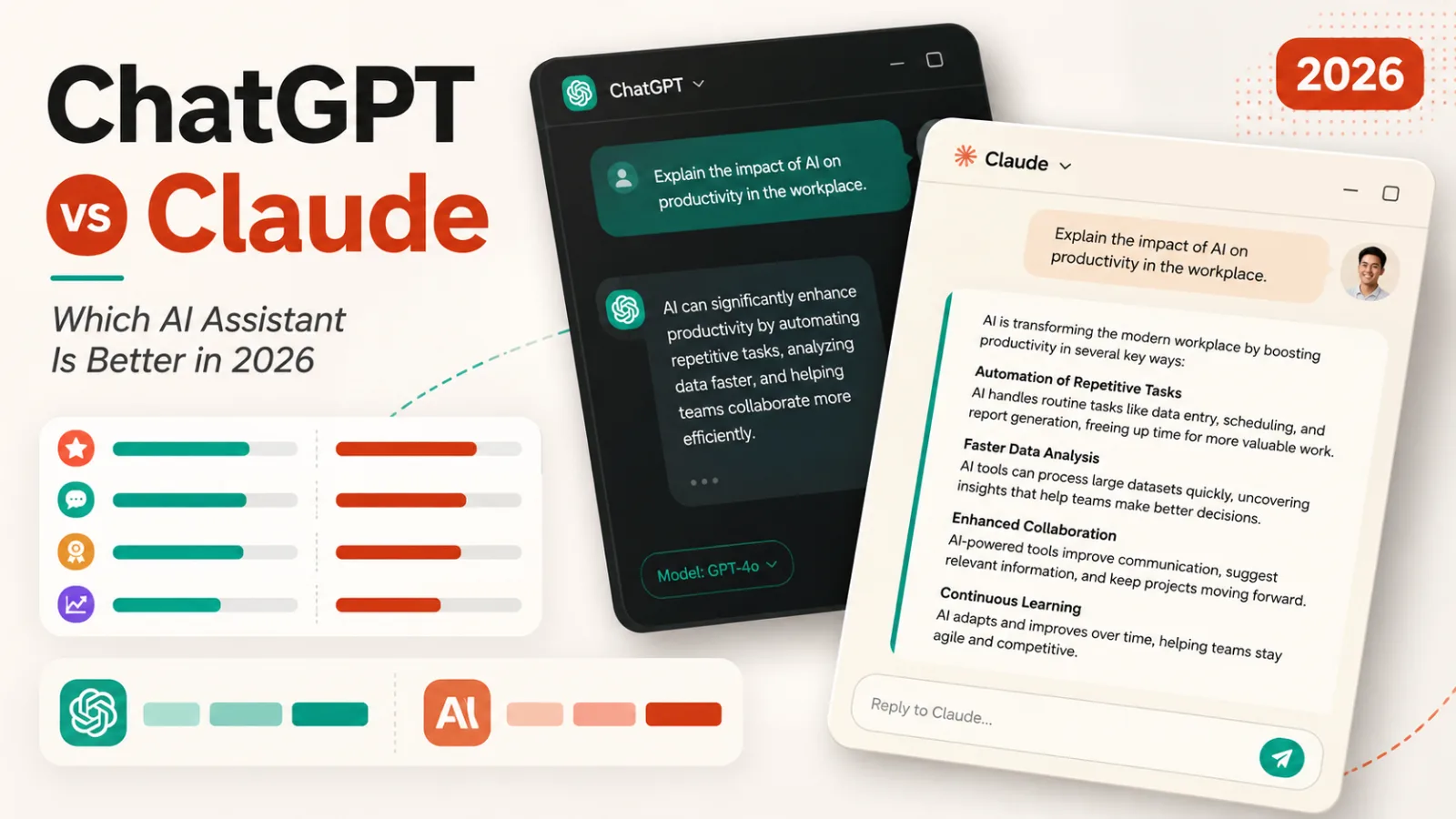
ChatGPT, built by OpenAI, and Claude, built by Anthropic, are the two AI assistants most people compare first. ChatGPT suits anyone who wants one tool that handles images, voice, research, and a large app ecosystem in a single place. Claude suits people who care most about careful writing, document analysis, and code. Both have a free plan and paid tiers, and both are strong, so the right answer depends on what you do most.
The verdict in one line
Choose ChatGPT if you want the broadest set of features (image generation, voice, custom GPTs, and deep research) in one product. Choose Claude if your day revolves around writing long documents, reviewing large files, or building and debugging code, where its output quality tends to shine.
ChatGPT vs Claude at a glance
| Dimension | ChatGPT | Claude |
|---|---|---|
| Best for | All-purpose assistant with the widest toolset | Long-form writing, document analysis, and coding |
| Free plan | Yes, with access to GPT-5.5 Instant and limited message windows | Yes, with daily usage limits across web and apps |
| Paid plans | Go, Plus ($20 per month), Pro, Business, and Enterprise | Pro ($20 per month), Max, Team, and Enterprise |
| Standout strength | Breadth of built-in tools and a large ecosystem | Quality on long context, writing, and code |
| Main limitation | Feature sprawl and model picking can confuse new users | Fewer extras like native image generation and video |
Where ChatGPT wins
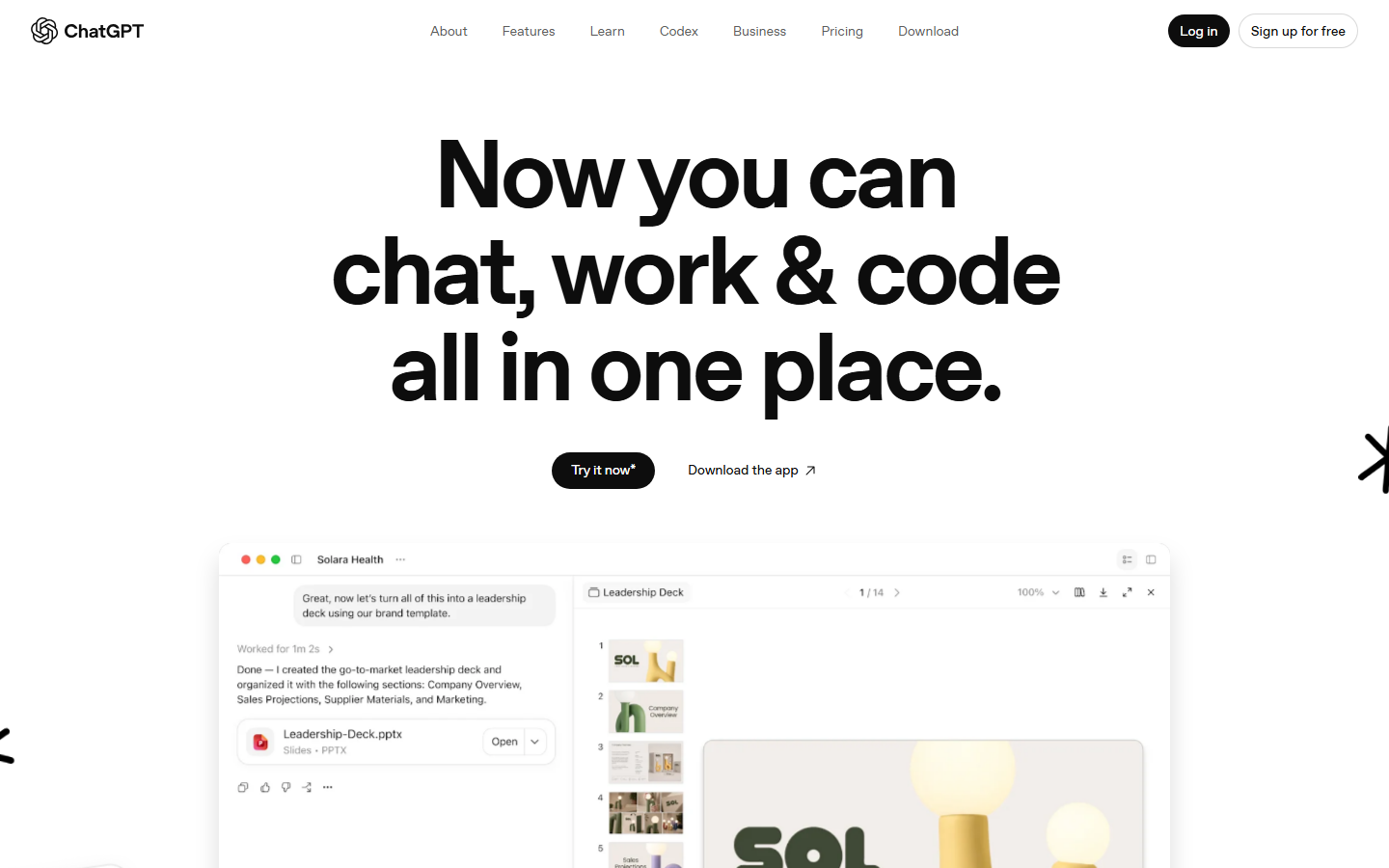
ChatGPT is the more complete product if you want many capabilities in one place. Its default model is GPT-5.5, which OpenAI rolled out to all users, including the free tier, in 2026. Inside ChatGPT you can search the web, generate and edit images, run code through its code interpreter for data analysis, and talk to it using voice on web, iOS, Android, and Windows.
The ecosystem is the bigger advantage. ChatGPT supports custom GPTs that let you build tailored assistants, a Deep Research mode for longer multi-step investigations, and access to OpenAI’s Sora video model on higher tiers. For someone who wants a single subscription that covers text, images, voice, and research, ChatGPT packs the most into one interface.
Where Claude wins
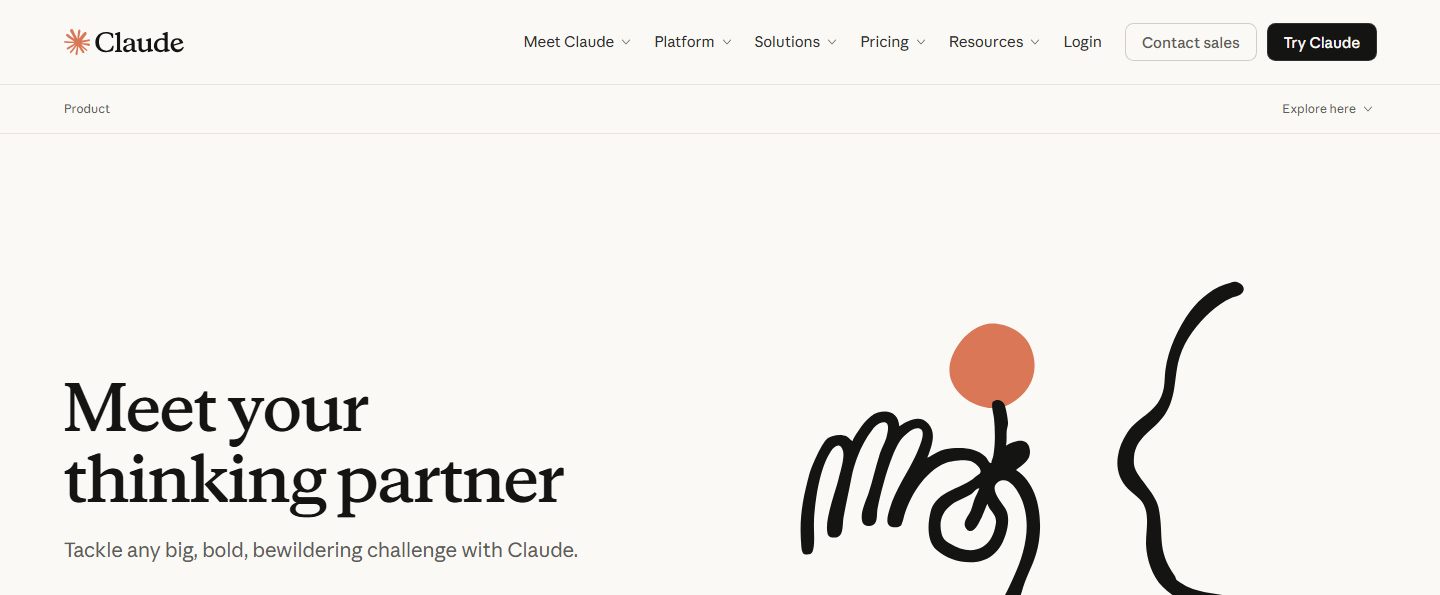
Claude’s strengths are quality and focus. Its current flagship models are Claude Opus 5 and Claude Sonnet 5, which succeeded Opus 4.8 and Sonnet 4.6 and Claude Haiku 4.5. Reviewers and many writers consistently rate Claude highly for natural prose and for following detailed instructions, which makes it a strong choice for drafting, editing, and summarizing long documents.
Claude also leans into structured work. Projects group related chats, files, and instructions into one persistent workspace, and Artifacts open a live side panel for code, documents, and diagrams you can edit and export. Claude Code, Anthropic’s agentic coding tool, runs in the terminal to search a codebase, edit files, and run tests. Consumer Claude plans provide a 200K token context window, which is large enough to work across very long files in a single conversation.
Pricing compared
Both assistants offer a free plan and a paid entry tier at the same headline price. ChatGPT Plus is $20 per month, and OpenAI also sells lower and higher tiers including Go, Pro, Business, and Enterprise. Claude Pro is $20 per month, or $17 per month when billed annually, and Anthropic offers Max plans that start at $100 per month with 5x or 20x the usage of Pro, plus Team and Enterprise options. The free plans differ in approach: ChatGPT gives all users its current default model with capped message windows, while Claude applies daily usage limits across its web and app clients. Check each provider’s pricing page before you buy, since plans and limits change often.
Which should you choose?
- If you write long documents or code,: pick Claude because its output quality, large context window, Artifacts, and Claude Code suit sustained writing and software work.
- If you want one tool for everything,: pick ChatGPT because it bundles image generation, voice, custom GPTs, and deep research in a single product.
- If you mostly create or edit images and use voice,: pick ChatGPT because Claude does not offer native image generation or a comparable voice mode.
- If careful, instruction-following answers matter most,: pick Claude because it is widely praised for tone, accuracy on detailed prompts, and clean formatting.
Frequently asked questions
Is ChatGPT or Claude free to use?
Both offer a free plan. ChatGPT’s free tier gives access to its current default model, GPT-5.5 Instant, with limited message windows. Claude’s free tier covers web and mobile apps with daily usage limits. Paid plans on either service raise those limits and unlock more features.
Which is better for coding, ChatGPT or Claude?
Both code well, but Claude is a common favorite for software work thanks to its model quality, Artifacts for live previews, and Claude Code, an agentic tool that edits files and runs tests in the terminal. ChatGPT also handles coding and adds a built-in code interpreter for running and analyzing code.
Which assistant has the larger context window?
On their consumer plans, Claude provides a 200K token context window, which lets it work across very long documents in one conversation. ChatGPT’s context size varies by plan and model, with the largest windows reserved for its higher tiers.
Can I switch between them or use both?
Yes. Many people keep both, using ChatGPT for images, voice, and research and Claude for long-form writing and code. Because each has a free plan, you can test both before committing to a paid subscription.