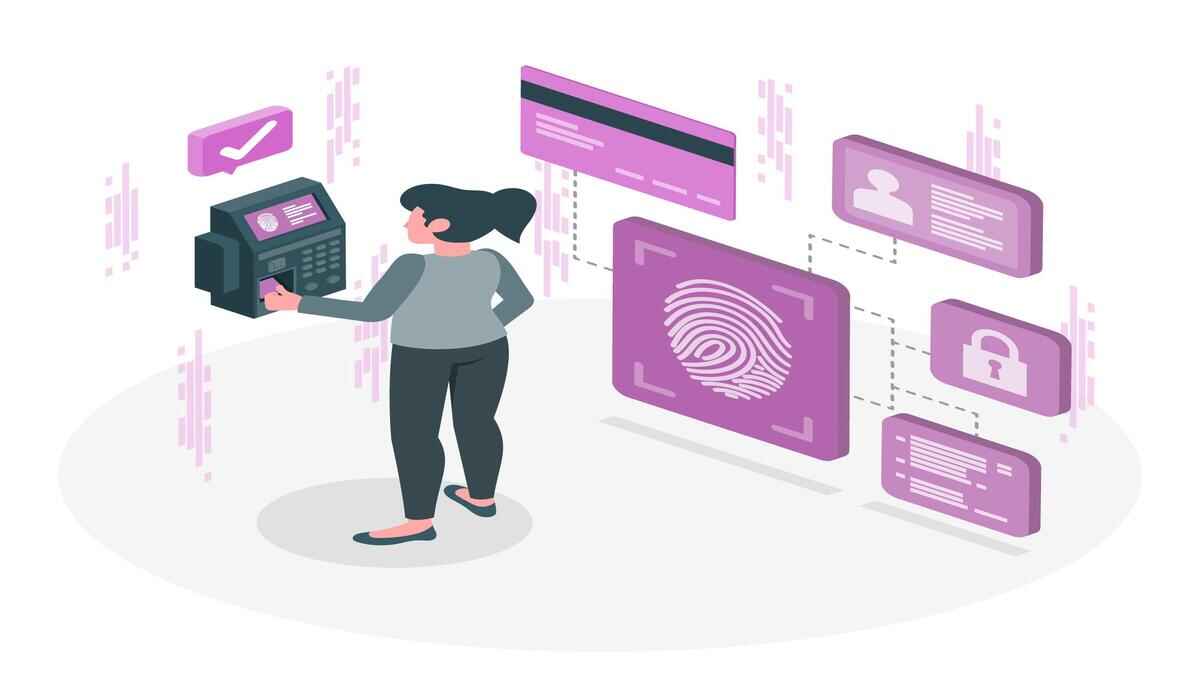
Where online interactions are ubiquitous, making sure the authenticity of individuals has become paramount. Traditional identity verification methods, while effective, often prove to be time-consuming and prone to errors. Artificial intelligence (AI) has emerged as a powerful tool to change this process, offering a more efficient and secure approach to identity verification, helping businesses reduce fraud while speeding up onboarding for legitimate users.
What is Identity Verification?
Identity verification is the process of confirming the true identity of an individual. It involves verifying personal details, such as name, date of birth, address, and government-issued identification documents. This process is crucial for various applications, including online banking, e-commerce, and government services.
What are the Common Identity Verification Methods?
Traditional identity verification methods often rely on manual processes, such as:
Know Your Customer (KYC) checks
This involves collecting and verifying personal information, such as proof of address and identification documents.
Biometric authentication:
This uses unique biological characteristics, like fingerprints, facial recognition, or voice recognition, to verify identity.
While these methods have been effective, they are time-consuming and susceptible to fraud.
Benefits of AI Identity Verification
Enhanced Security
Advanced Pattern Recognition:
AI algorithms can analyze vast datasets to identify subtle patterns and anomalies that may indicate fraudulent activity.
Real-time Threat Detection:
AI systems can monitor emerging threats in real time, allowing immediate response and mitigation.
Biometric Authentication:
AI-powered biometric verification, such as facial recognition and fingerprint analysis, provides highly accurate and secure identification.
Increased Efficiency
Automated Processes:
AI-driven automation simplifies the verification process, reducing manual effort and accelerating turnaround times.
Scalability:
AI systems can easily scale to accommodate increasing verification requests, making sure efficient handling of large-scale operations.
24/7 Availability:
AI-powered verification services are available around the clock, enabling smooth operations and global accessibility.
Improved Accuracy
Precise Document Analysis:
AI algorithms can accurately analyze various identification documents, including passports, driver’s licenses, and national ID cards.
Data Quality Assurance:
AI can identify and correct errors in submitted data, improving the overall accuracy of the verification process.
Reduced Human Error:
By minimizing human intervention, AI helps to eliminate the risk of mistakes and oversights.
Reduced Fraud
Proactive Fraud Detection:
AI can proactively identify and flag suspicious activities, such as identity theft and synthetic identity fraud.
Adaptive Security Measures:
AI systems can adapt to evolving fraud tactics, making sure ongoing protection against new threats.
Enhanced Risk Assessment:
AI-powered risk assessment tools can evaluate the risk associated with each verification request, enabling targeted security measures.
Enhanced User Experience
Smooth Verification:
AI-driven verification processes are designed to be user-friendly and efficient, minimizing friction and improving customer satisfaction.
Personalized Experiences:
AI can personalize the verification process based on individual needs and preferences, creating a more tailored experience.
Faster Onboarding:
AI-powered automation accelerates onboarding, enabling businesses to acquire new customers and partners quickly.
Top AI Identity Verification Tools
Jumio
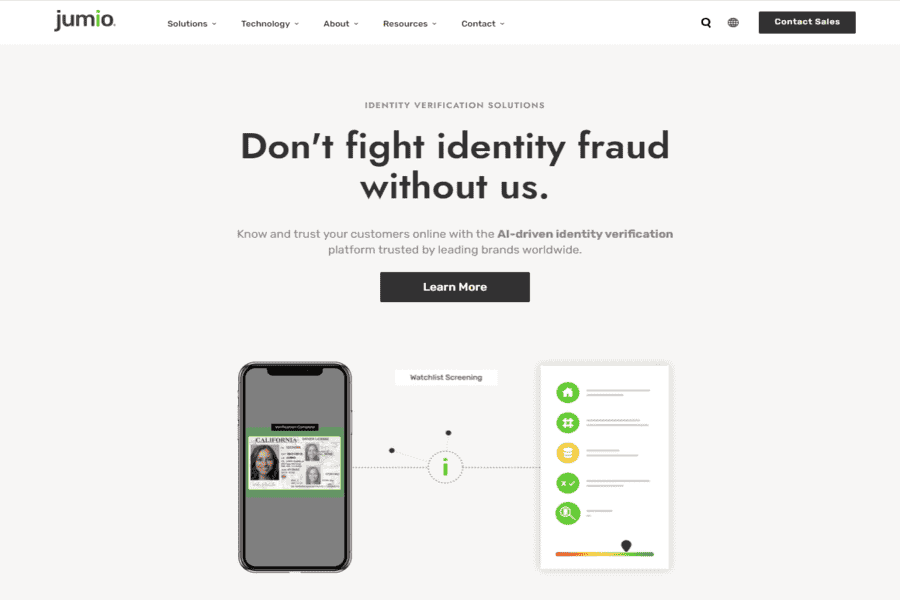
Jumio offers a comprehensive suite of AI-powered identity verification solutions, including document verification, face verification, and age verification.
Pros:
- Strong security features
- Global coverage
- Easy integration
Cons:
- Pricing can be higher for large-scale operations
Pricing package:
Contact Jumio for custom pricing
Social media links:
IDnow
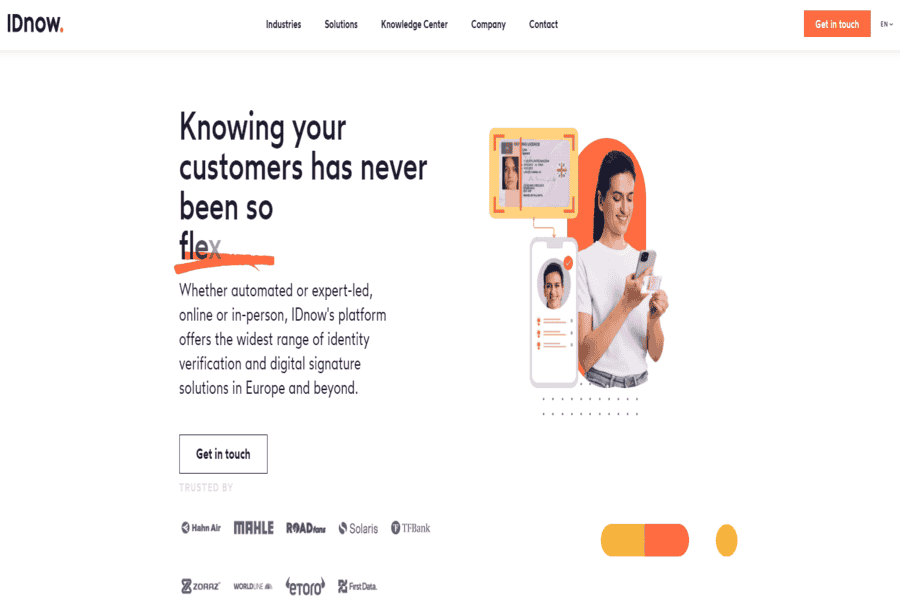
IDnow provides various identity verification solutions, including video identification, eID, and document verification.
Pros:
- User-friendly interface
- High accuracy rates
- Customizable solutions
Cons:
- Limited language support in some regions
Pricing package:
Contact IDnow for custom pricing
Social media links:
Onfido
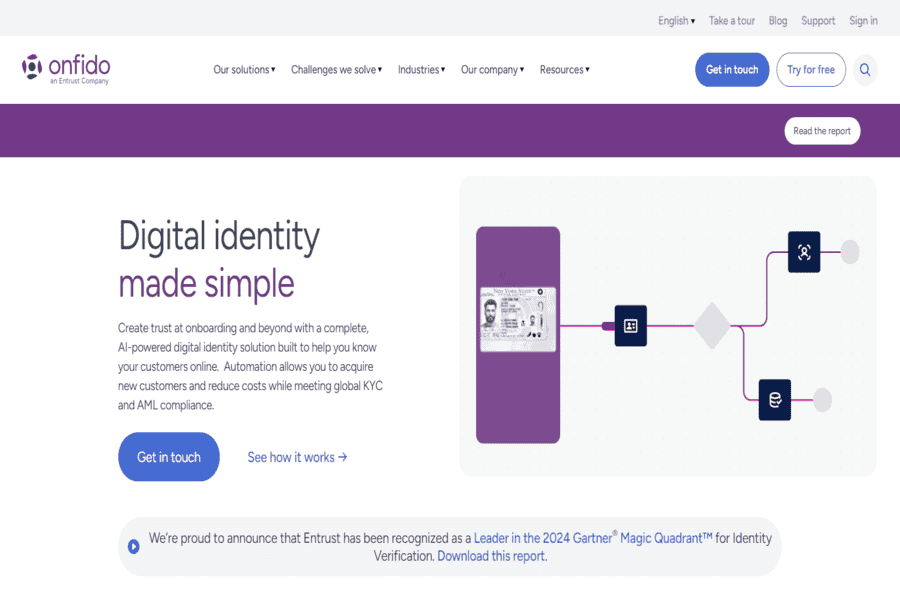
Onfido specializes in AI-powered identity verification, focusing on document verification, facial recognition, and liveness detection.
Pros:
- Strong focus on fraud prevention
- Global coverage
- Scalable solutions
Cons:
- Pricing can be higher for complex use cases
Pricing package:
Contact Onfido for custom pricing
Social media links:
IDenfy
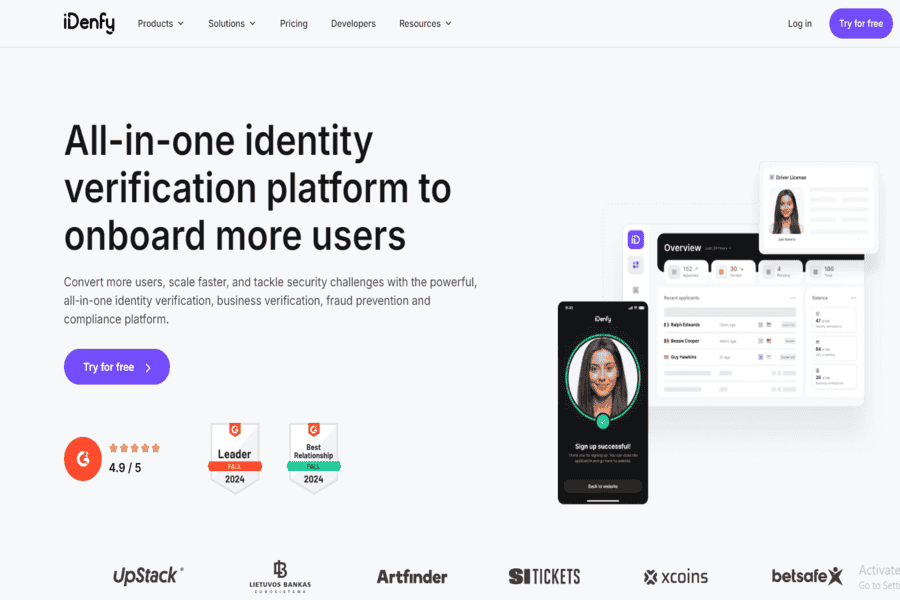
IDenfy offers a variety of identity verification solutions, including video identification, document verification, and biometric verification.
Pros:
- User-friendly platform
- Fast verification process
- Affordable pricing
Cons:
- Limited customization options
Pricing package:
Contact iDenfy for custom pricing
Social media links:
Trulioo

Trulioo’s GlobalGateway platform verifies individuals and businesses across 195 countries, drawing on thousands of data sources and ID document types to power KYC, AML, and fraud-prevention workflows.
Pros:
- Extensive global coverage (195+ countries)
- Verifies both individuals and businesses
- Strong AML and watchlist screening
Cons:
- Custom pricing can be a barrier for small businesses
Pricing package:
Contact Trulioo for custom pricing
Social media links:
YouID
YouID provides various identity verification solutions, including video identification, document verification, and biometric verification.
Pros:
- High accuracy rates
- Global coverage
- Strong security features
Cons:
- The complex integration process for some solutions
Pricing package:
Contact YouID for custom pricing
Persona

Persona provides configurable identity verification and KYC/KYB infrastructure, letting businesses build custom verification flows without writing their own fraud and compliance logic from scratch.
Pros:
- Highly configurable, no-code verification flows
- Used by major platforms for KYC/AML compliance
- Flexible case review and orchestration tools
Cons:
- Initial flow setup requires upfront configuration time
Pricing package:
Contact Persona for custom pricing
Social media links:
Acuant (now part of GBG)
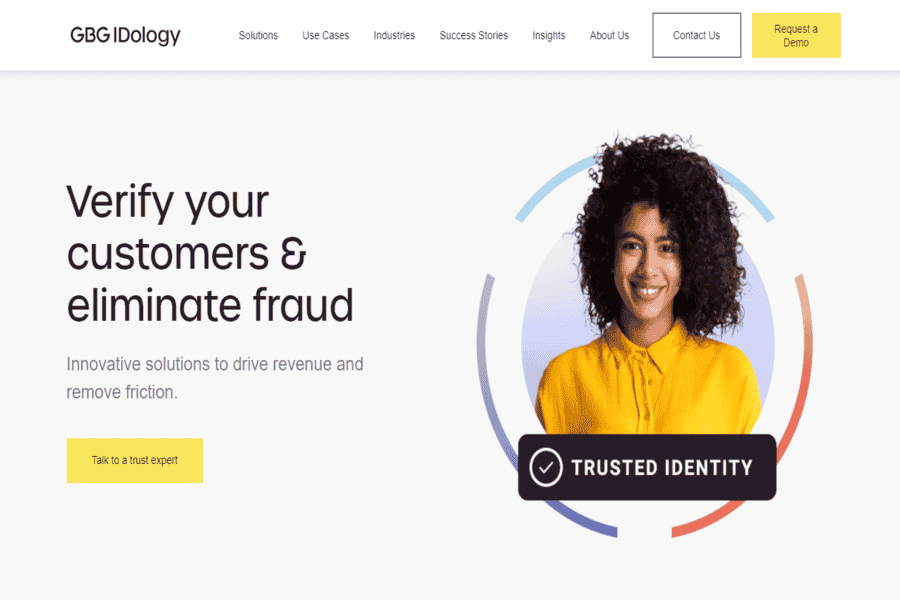
Acuant’s identity verification technology, including document verification, facial recognition, and biometric verification, is now part of GBG (GB Group) following GBG’s 2021 acquisition of Acuant.
Pros:
- Global coverage
- Strong security features
- Customizable solutions
Cons:
- The complex integration process for some solutions
Pricing package:
Contact GBG for custom pricing
Social media links:
Mitek
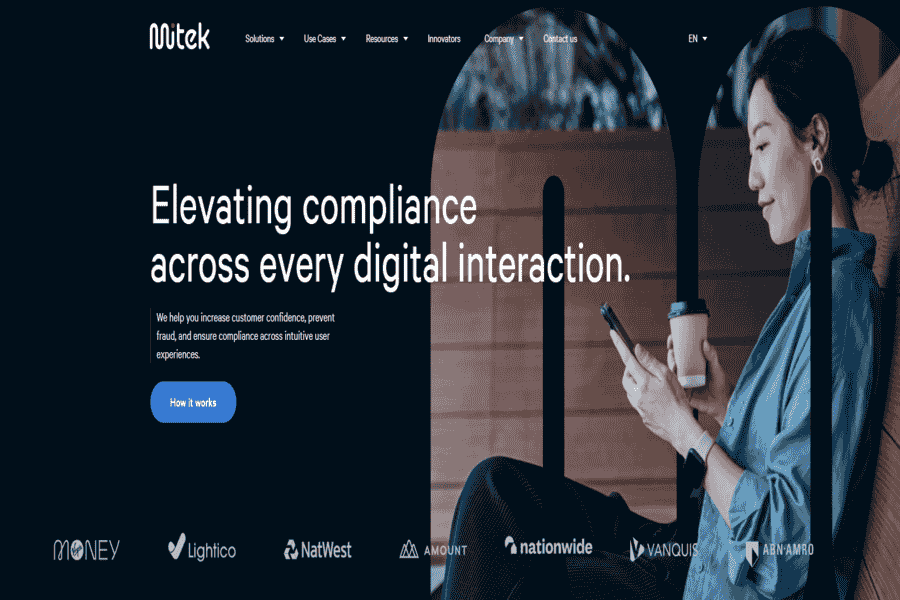
Mitek specializes in mobile capture and identity verification solutions, including mobile check deposit and ID capture.
Pros:
- User-friendly mobile solutions
- High accuracy rates
- Strong security features
Cons:
- Primarily focused on mobile solutions
Pricing package:
Contact Mitek for custom pricing
Challenges of AI Identity Verification
Data Privacy and Security
Sensitive Data Exposure:
AI systems often process highly sensitive personal information, such as biometric data and financial records. Any data breach could have severe consequences for individuals and organizations.
Data Protection Regulations:
Stringent data protection regulations like GDPR and CCPA are essential to make sure compliance and maintain public trust.
Secure Data Storage and Transmission:
Strong security measures must be in place to protect data from unauthorized access, theft, and tampering.
Bias and Discrimination
Algorithmic Bias:
AI algorithms can inadvertently perpetuate biases in the training data, leading to discriminatory outcomes.
Fairness and Equity:
It’s key to develop AI systems that treat all individuals fairly, regardless of their race, gender, or other protected characteristics.
Transparency and Accountability:
Transparent and accountable AI systems can help mitigate bias and build public trust.
Technical Complexity
AI Expertise:
Implementing AI-powered identity verification requires specialized machine learning, data science, and cybersecurity expertise.
Infrastructure and Resources:
Significant infrastructure, hardware, and software investments are necessary to support AI systems.
Continuous Improvement:
AI systems require ongoing maintenance, updates, and retraining to adapt to evolving threats and technologies.
Additional Challenges
User Experience:
Making sure a smooth and user-friendly experience can be challenging, especially for individuals unfamiliar with technology.
Regulatory Hurdles:
Navigating complex regulatory landscapes and obtaining necessary approvals can be time-consuming and costly.
Ethical Considerations:
Addressing ethical concerns related to data privacy, surveillance, and potential misuse of AI technology is key.
Future Trends of AI Identity Verification
Real-Time Verification
Instantaneous Authentication:
AI can process biometric data and document verification in real time, enabling swift authentication for online transactions, access control, and other applications.
Continuous Authentication:
By continuously monitoring user behavior, AI can detect anomalies and potential security threats, providing an extra layer of protection.
Biometric Fusion
Multi-Factor Authentication:
Combining multiple biometric modalities (e.g., facial, voice, fingerprint) can significantly enhance security and reduce the risk of spoofing attacks.
Behavioral Biometrics:
Analyzing user behavior patterns, such as typing speed and mouse movements, can provide additional verification factors.
Blockchain Integration
Immutable Records:
Blockchain technology can create a tamper-proof and transparent record of identity verification events, making sure data integrity and accountability.
Self-Sovereign Identity:
Individuals can control their digital identities, securely storing and sharing verified information with various organizations.
AI-powered identity verification is transforming how we authenticate individuals in the digital age. By using the power of AI, businesses and organizations can enhance security, improve efficiency, and provide a smooth user experience. We expect even more innovative and secure solutions to emerge as AI technology evolves.