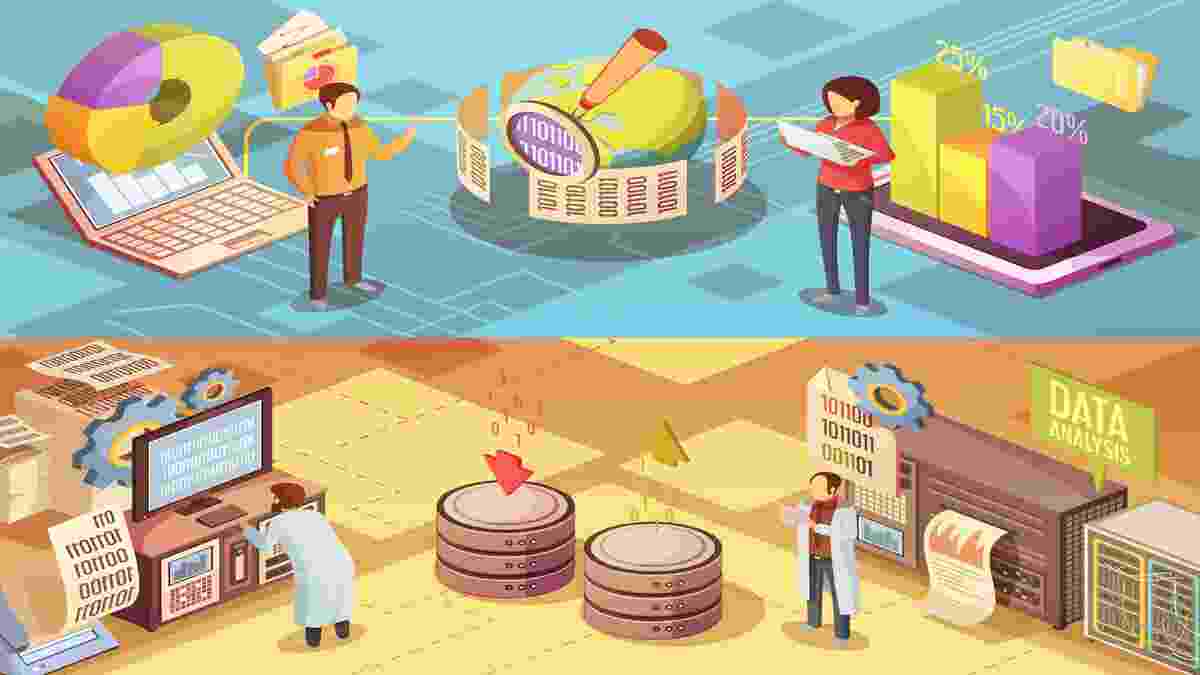
Not every data-cleaning job needs an IT-managed enterprise platform. Individual analysts and data scientists often just need a tool they can open, point at a messy CSV or database export, and clean up directly. No procurement process, no dedicated administrator. AI helps here too: smart suggestions for fixing inconsistent values, automated pattern detection, and one-click transformations that used to take a page of code. This guide covers the hands-on tools built for that kind of direct, individual work. For data-cleaning platforms built for IT-managed, organization-wide pipelines instead, see ourCompanion guide to enterprise AI data cleaning tools.
Why This Matters for AI
Data cleaning removes errors, inconsistencies, and missing values; data transformation reshapes raw data into a structured format ready for analysis and modeling. Both matter for AI work specifically. A model trained on messy or incomplete data inherits those problems, and for an individual analyst or data scientist working directly with a dataset, catching that early saves rework later. Clean data improves model performance and the reliability of whatever analysis or decision comes out of it. AI tools now handle much of the tedious part directly: suggesting fixes for inconsistent values, flagging likely errors automatically, standardizing formats, and helping with the feature engineering that used to be entirely manual.
Top Hands-On Tools for Analysts and Data Scientists
OpenRefine
Free, open-source tool for exploring and cleaning messy data directly, with faceted browsing that makes it fast to spot and fix inconsistent values across a dataset. A longtime favorite among journalists, researchers, and analysts who need power without a subscription.
Pros:
- Completely free and open-source.
- Faceted browsing makes spotting inconsistencies fast.
Cons:
- Runs locally; not built for massive, cloud-scale datasets.
Pricing Package:
Free, open-source.
Microsoft Power BI (Data Prep)
Power Query, built into Power BI, lets analysts clean, reshape, and merge data with a visual step-by-step editor that also generates reusable code, bridging the gap between point-and-click and scripted transformation.
Pros:
- Already included for anyone using Power BI.
- Visual step editor with automatically generated, reusable code behind it.
Cons:
- Tied to the Power BI/Microsoft ecosystem.
Pricing Package:
Included with Power BI; free version available with limitations.
Alteryx Designer
Drag-and-drop desktop tool for building data-cleaning and transformation workflows without code, popular with individual analysts who want automation without becoming a programmer.
Pros:
- No-code workflow builder, approachable for non-programmers.
- Large library of pre-built transformation tools.
Cons:
- Desktop license cost is real even for a single user.
Pricing Package:
Subscription-based, per user.
RapidMiner
Visual data science platform covering data prep, machine learning, and model deployment, letting analysts and data scientists clean data as the first step in a larger modeling workflow.
Pros:
- Data prep and modeling in the same visual workflow.
- Free tier for smaller datasets and learning.
Cons:
- Free tier caps out quickly for real-world dataset sizes.
Pricing Package:
Free tier available; paid plans for larger datasets and team features.
Altair Monarch
Self-service data prep tool specialized in extracting clean, structured data out of hard-to-parse sources like PDFs and printed reports. A common analyst pain point most general tools handle poorly.
Pros:
- Genuinely strong at pulling structured data out of PDFs and reports.
- No coding required.
Cons:
- More specialized than a general-purpose data-cleaning tool.
Pricing Package:
Subscription-based, per user.
Hevo Data
No-code data pipeline tool that cleans and transforms data in transit between sources and a destination warehouse, with pre-built connectors that individual analysts can set up without engineering help.
Pros:
- No-code setup for pipelines that would otherwise need an engineer.
- Large library of pre-built source/destination connectors.
Cons:
- Pricing scales with data volume, worth watching as usage grows.
Pricing Package:
Free tier available; paid plans scale with data volume.
Tableau Prep
Visual data-prep tool from Salesforce’s Tableau, built for analysts who want to clean and reshape data with an immediate visual preview before building a Tableau dashboard on top of it.
Pros:
- Immediate visual preview of each cleaning/transformation step.
- Tight integration with Tableau dashboards.
Cons:
- Most valuable if you’re already building in Tableau.
Pricing Package:
Included with a Tableau Creator license.
Datameer
Spreadsheet-like interface for cleaning and transforming data directly inside a cloud data warehouse, aimed at analysts who think in spreadsheet logic but need to work at warehouse scale.
Pros:
- Familiar spreadsheet-style interface lowers the learning curve.
- Works directly against warehouse-scale data, not just local files.
Cons:
- Requires an existing cloud data warehouse to connect to.
Pricing Package:
Custom pricing, quoted per team.
Challenges, Best Practices, and Where This Is Headed
Working solo or in a small team has its own version of the same challenges enterprise teams face: messy, inconsistent source data, the domain knowledge needed to know what counts as an error versus a legitimate outlier, and the computational limits of running heavier cleaning jobs on a laptop rather than a cluster. The practices that help most: understand the data before automating fixes on it, spot-check results rather than trusting a tool blindly, work iteratively instead of trying to write one perfect cleaning pass, and keep your own judgment in the loop for anything ambiguous. Automation is very good at consistent rules and much worse at knowing when a rule doesn’t apply. Looking ahead, expect these tools to keep getting smarter about suggesting fixes automatically, faster real-time cleaning as you work rather than as a separate batch step, and better explanations for why a tool is recommending a given change, so you can actually evaluate its suggestions instead of just accepting them.
The tools above cover the range of hands-on data cleaning: free and open-source options for anyone (OpenRefine), tools bundled into a platform you may already use (Power BI’s Power Query, Tableau Prep), no-code workflow builders (Alteryx Designer, RapidMiner), and specialists for a specific pain point (Altair Monarch for PDFs, Hevo Data for pipelines, Datameer for warehouse-scale spreadsheet work). If you’re working at organization scale with IT-managed infrastructure instead, our Companion guide to enterprise AI data cleaning platforms Covers the tools built for that.