Telemedicine delivers healthcare services remotely, and AI adds to that by improving diagnostic support, personalizing treatment recommendations, powering patient-facing virtual assistants, and streamlining the administrative work (like appointment scheduling) that eats into clinician time. The tools below span dedicated telehealth platforms, AI-powered diagnostic support, and general video-conferencing tools that many practices use for virtual visits. None of this replaces a real clinical relationship or emergency care — for urgent symptoms, contact emergency services or your doctor directly. AI robotics tools extend this same shift toward tech-assisted care into surgical precision and remote procedures.
Top Tools of Telemedicine and Virtual Healthcare
Teladoc
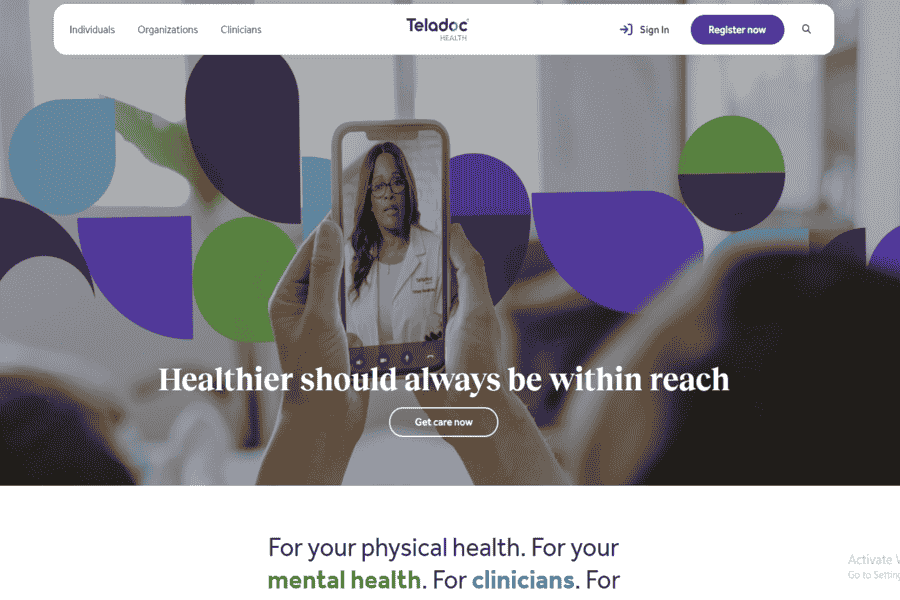
A leading telehealth platform that connects patients with licensed physicians for virtual consultations.
Pros:
24/7 availability, wide range of specialties, easy-to-use platform.
Cons:
Limited availability in some areas, potential wait times.
Pricing Package:
Varies depending on the plan and coverage.
Social Media:
- Facebook: https://www.facebook.com/TeladocHealth/
- Instagram: https://www.instagram.com/teladochealth/?hl=en
- LinkedIn: https://www.linkedin.com/company/teladoc-health
- Twitter: https://twitter.com/teladochealth
- YouTube: https://www.youtube.com/channel/UC7Bkk2PvrcYfs3_-9-fiKOg
Contact Information:
- Email: https://www.teladochealth.com/contact
- Contact Number: 1-800-835-2362
Amwell
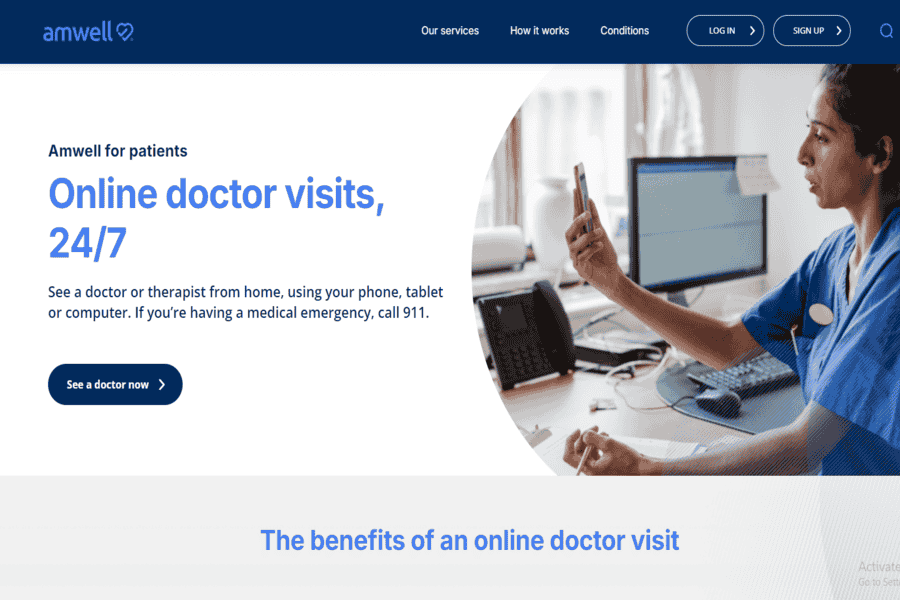
A comprehensive telehealth platform offering virtual visits with doctors, therapists, and specialists.
Pros:
Wide range of services, user-friendly platform, secure communication.
Cons:
Pricing can be higher than other options; not all insurance plans are accepted.
Pricing Package:
Varies depending on the plan and services.
Social Media:
- Facebook: https://www.facebook.com/AmwellPatient/
- Instagram: https://www.instagram.com/amwell/
- LinkedIn: https://www.linkedin.com/company/amwellcorp
- Twitter: https://twitter.com/amwell?lang=en
- YouTube: https://www.youtube.com/watch?v=c4dG99kLWzY
Contact Information:
- Email: https://business.amwell.com/contact-us
- Contact Number: 1-888-798-0400
Doctor on Demand
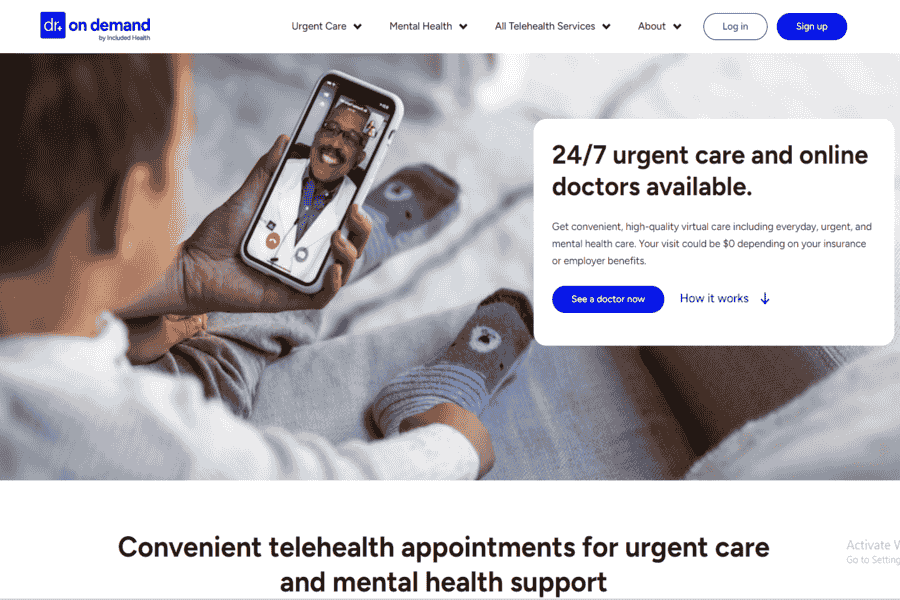
A telehealth platform providing on-demand access to doctors and mental health professionals. Merged with Grand Rounds in 2021 to form Included Health, but continues to operate under its own name (“Doctor On Demand by Included Health”).
Pros:
Easy to use, quick appointment scheduling, and convenient for urgent care needs.
Cons:
Some areas have limited availability; pricing can be higher than other options.
Pricing Package:
Varies depending on the plan and services.
Social Media:
Contact Information:
- Contact Number: 1-800-588-0000
PlushCare
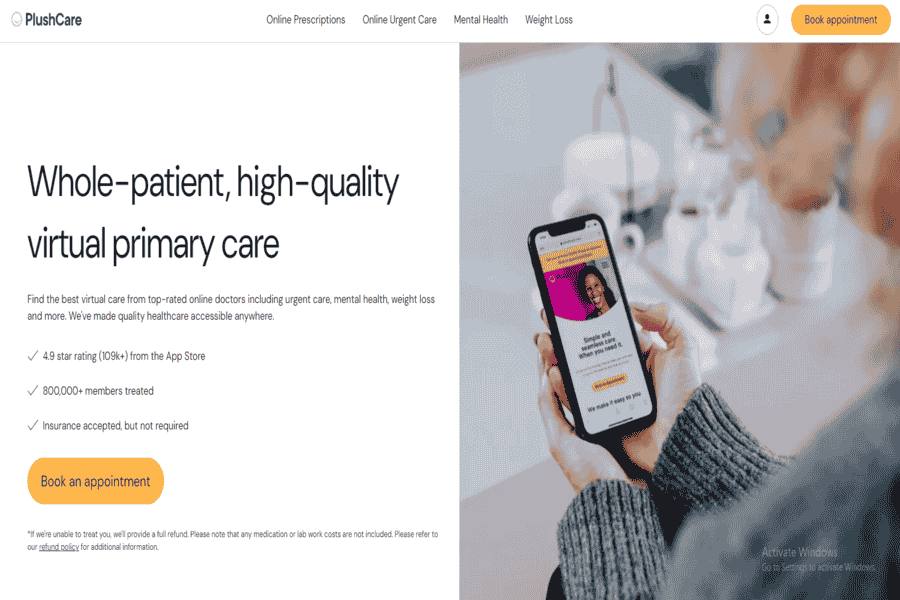
A telehealth platform offering primary care, mental health services, and prescription refills.
Pros:
Affordable pricing, convenient for routine care, and easy-to-use platform.
Cons:
Limited availability in some areas, not suitable for urgent care needs.
Pricing Package:
Varies depending on the plan and services.
Social Media:
Contact Information:
- Contact Number: 1-888-798-0400
MDLive
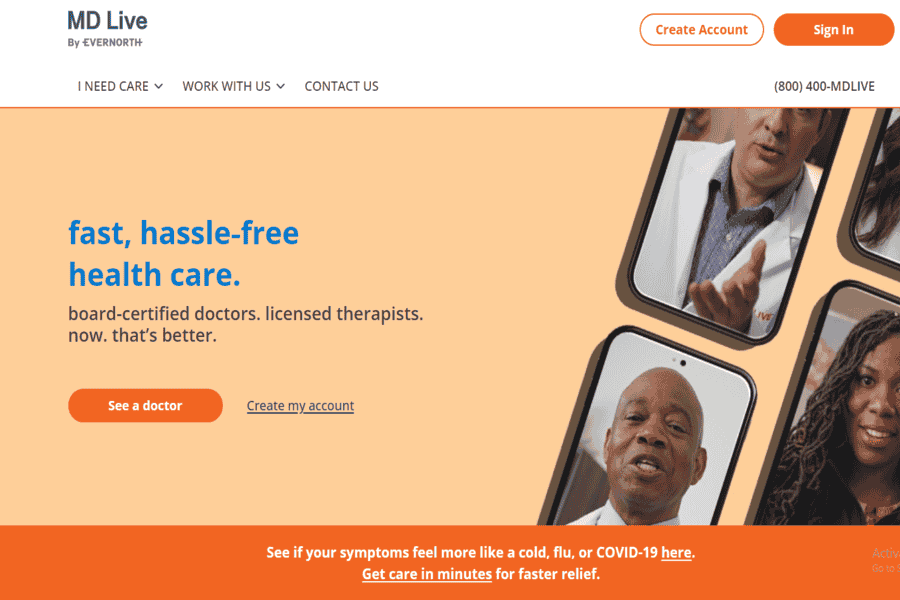
A telehealth platform offering virtual visits with doctors, therapists, and specialists.
Pros:
Wide range of services, 24/7 availability, easy-to-use platform.
Cons:
Pricing can be higher than other options; not all insurance plans are accepted.
Pricing Package:
Varies depending on the plan and services.
Social Media:
Contact Information:
- Contact Number: 1-800-633-5483
Doxy.me
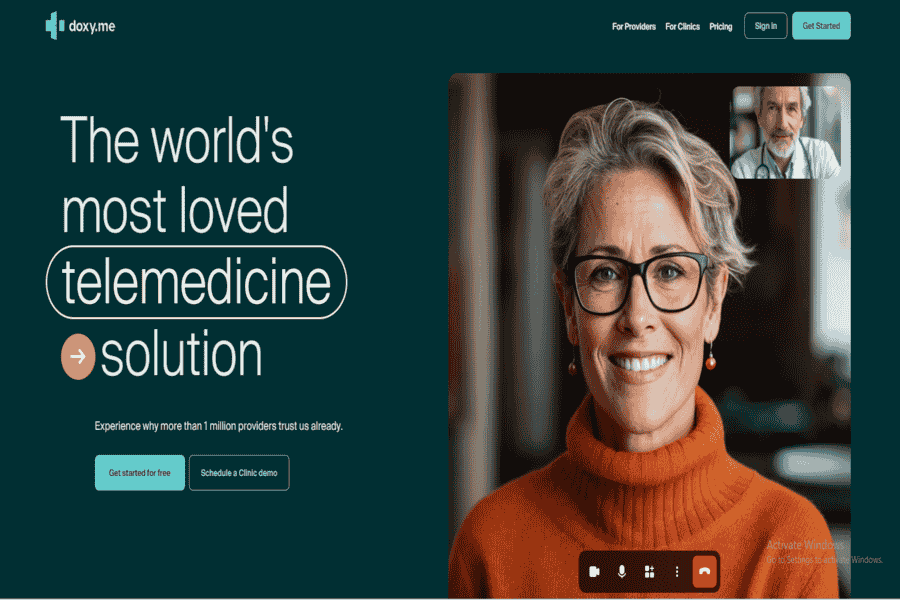
A HIPAA-compliant telehealth platform designed for healthcare providers.
Pros:
Easy to use, free basic plan, integrates with electronic health records.
Cons:
Limited features in the free plan, less robust than enterprise-level solutions.
Pricing Package:
Free, Basic, Professional, Enterprise.
Social Media:
Zoom
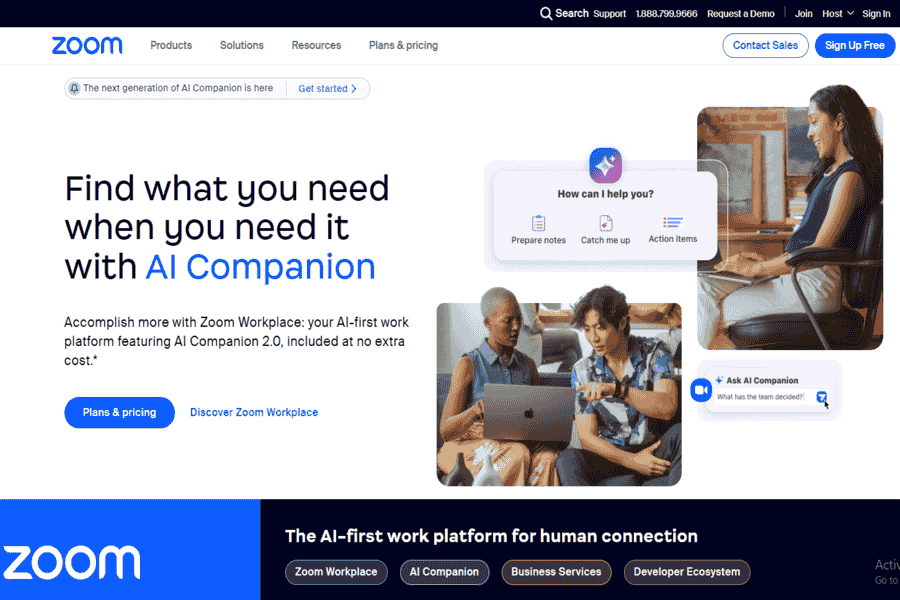
A popular video conferencing tool widely used for telehealth consultations.
Pros:
User-friendly, robust features, strong security measures.
Cons:
Not specifically designed for healthcare, additional integrations may be needed.
Pricing Package:
Free, Pro, Business, Enterprise.
Social Media:
Microsoft Teams
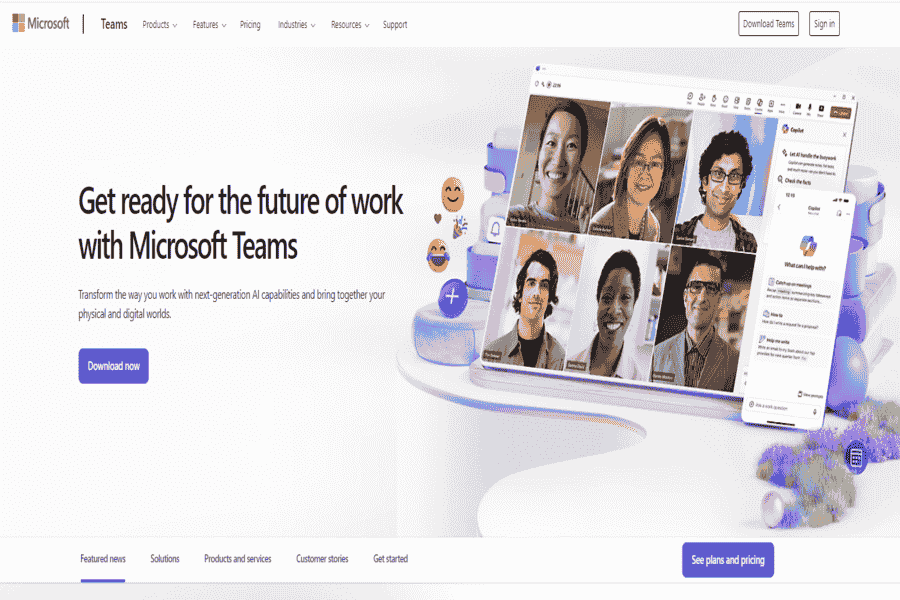
A collaboration and communication tool with telehealth capabilities.
Pros:
Integrated with Microsoft 365, robust features, and a secure platform.
Cons:
It can be complex for some users and may require additional setup.
Pricing Package:
Microsoft 365 plans.
Social Media:
Cisco Webex
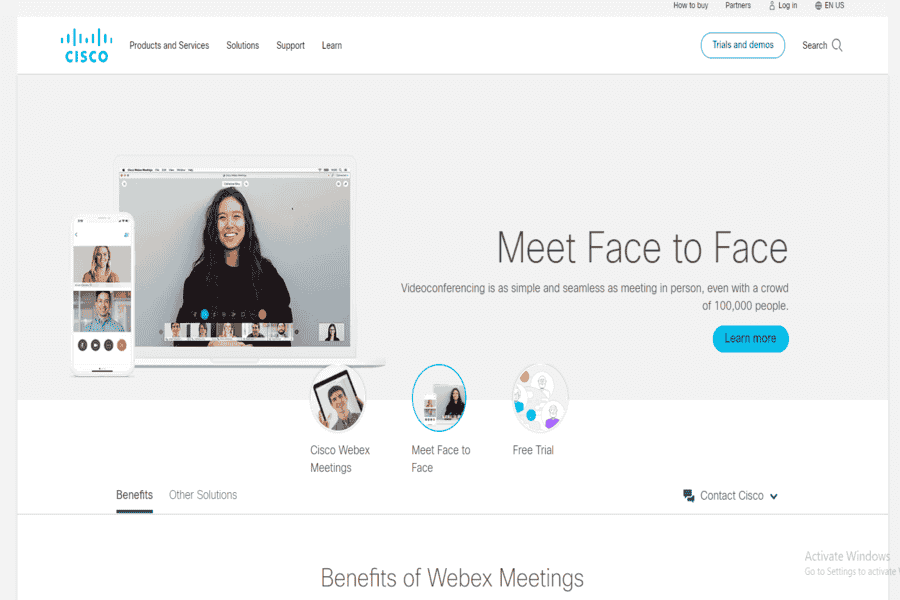
A comprehensive video conferencing and collaboration platform.
Pros:
Strong security, high-quality video and audio, and integration with other Cisco products.
Cons:
It can be complex to set up; pricing can be high.
Pricing Package:
Varies depending on the plan and features.
Social Media:
Google Meet
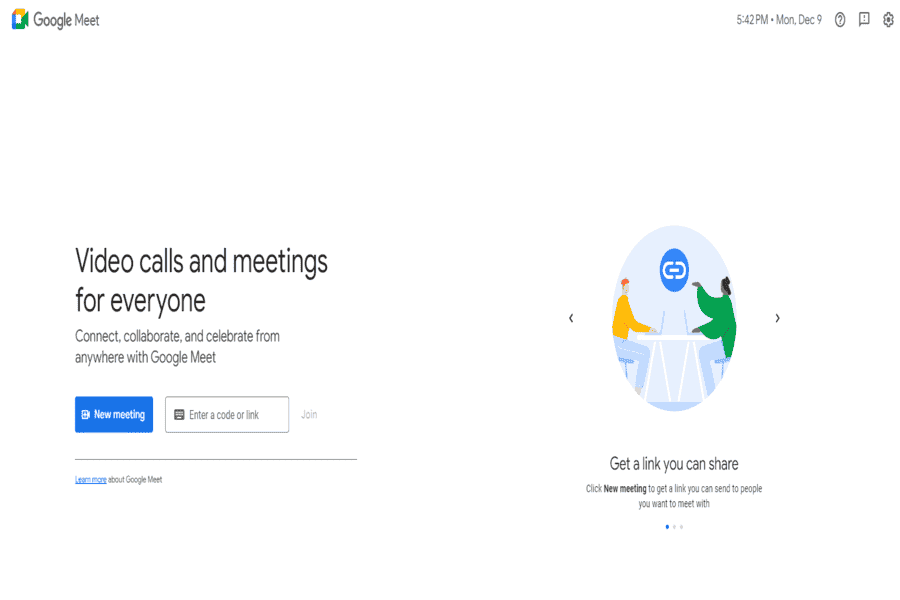
A video conferencing tool integrated with Google Workspace.
Pros:
Easy to use, free for personal use, and integrates with other Google products.
Cons:
Limited features compared to other platforms, less robust security measures.
Pricing Package:
Free Google Workspace plans.
Social Media:
Doctor Anywhere

A comprehensive telehealth platform offering a wide range of services, including consultations with doctors, therapists, and specialists.
Pros:
User-friendly interface, wide range of services, affordable pricing.
Cons:
Limited availability in certain regions.
Pricing Package:
Varies depending on the services and region.
Social Media:
Lemonaid Health
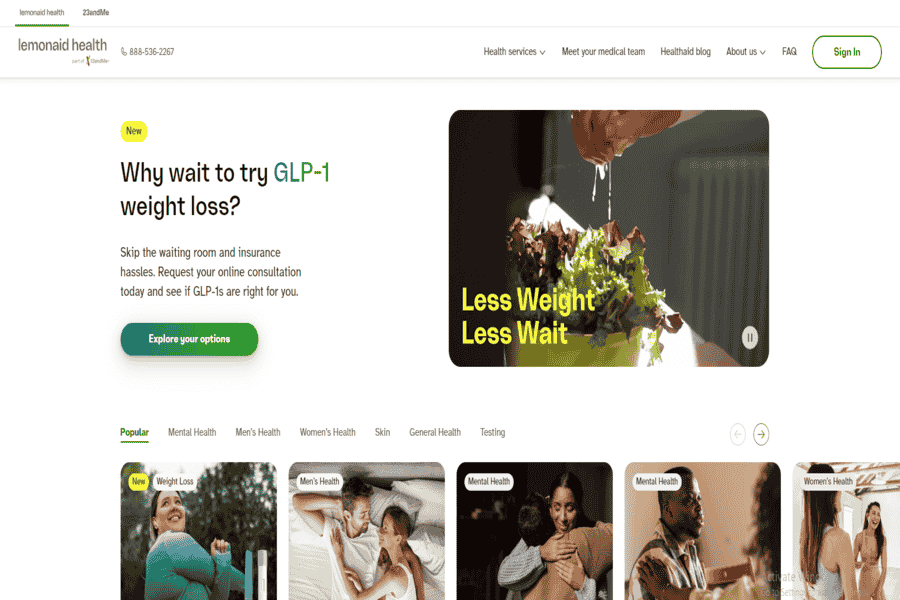
A telehealth platform focused on providing affordable healthcare for common conditions, including sexual health, mental health, and chronic disease management.
Pros:
Affordable pricing, convenient, discreet.
Cons:
Limited scope of services.
Pricing Package:
Varies depending on the service.
Social Media:
K Health
AI-powered symptom checker and virtual primary care platform, trained on real, anonymized clinical data to help patients understand symptoms before connecting with a clinician. Replaces a duplicate Teladoc entry already listed above (same company, same URL).
Pros:
- AI symptom assessment trained on real clinical data, not generic scripts.
- Low-cost flat membership option.
Cons:
- Not a substitute for emergency or specialist care.
Pricing Package:
Flat monthly membership fee, with or without insurance.
One Medical
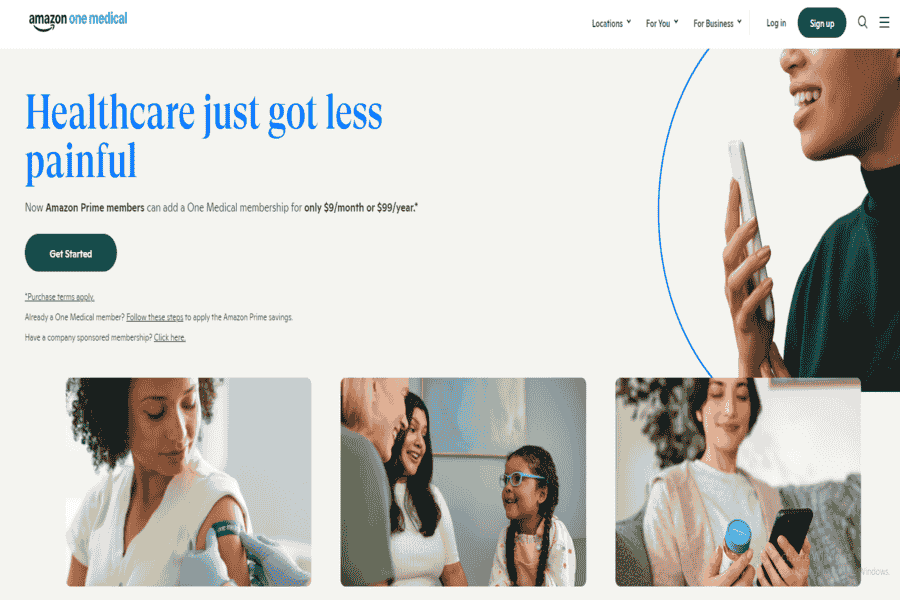
A membership-based primary care practice that offers in-person and virtual care.
Pros:
High-quality care and convenient access to healthcare providers.
Cons:
Membership fees can be expensive, and limited land is available in certain areas.
Pricing Package:
Membership fees vary by region.
Social Media:
Ethical Considerations and Where This Is Headed
Telehealth’s core challenges are data privacy and security (medical data is uniquely sensitive, and remote consultations widen the attack surface), quality of care (a virtual visit isn’t always equivalent to an in-person exam, and knowing when it isn’t matters), and reimbursement (insurance coverage for telehealth varies by state, payer, and service type, and policy is still catching up). Looking ahead, faster connectivity (5G) will make higher-quality video and remote monitoring more reliable, AI algorithms will keep improving diagnostic support and triage, the Internet of Medical Things will expand what can be monitored remotely, and virtual/augmented reality is starting to find real applications in remote physical therapy and surgical training. None of this replaces the judgment of a licensed clinician — these tools support care, they don’t substitute for it.
Conclusion
The tools above split into dedicated telehealth platforms (Teladoc, Amwell, Doctor on Demand, PlushCare, MDLive, Doctor Anywhere, Lemonaid Health, One Medical), AI-driven virtual primary care (K Health), video infrastructure many practices build telehealth on (Doxy.me, Zoom, Microsoft Teams, Cisco Webex, Google Meet). Which one fits depends on whether you need a full clinical platform with billing and prescriptions built in, or just reliable video for a practice that handles the clinical workflow elsewhere.