AI object recognition tools let AR devices identify and understand real-world objects from camera and sensor data, so digital content can be overlaid onto physical objects accurately and in real time — the technical foundation underneath things like virtual try-on, interactive product info, and industrial AR guides.
What Are AI Object Recognition Tools for AR?
These are software platforms that identify and track real-world objects (furniture, landmarks, products) from a camera feed, giving AR applications the accurate positioning data they need to overlay virtual objects, information, or interactive elements onto the physical world seamlessly.
How to Use Them
Start by choosing a commercial platform (Vuforia, ARKit, ARCore) for faster setup or an open-source option (OpenCV, TensorFlow) if you need more control and have the technical resources. Prepare optimized 3D models of the objects you want to recognize, train a custom model on your own image dataset if the built-in recognition isn’t specific enough, then integrate via the tool’s SDK and configure it to detect your target objects. From there, the tool’s APIs handle overlaying digital content accurately onto the recognized surface — and for production use, factor in device hardware and scene complexity, since techniques like occlusion culling and level-of-detail rendering matter for keeping performance smooth on real devices.
Benefits
The real value: precise real-time detection and tracking makes AR overlays feel accurate rather than jittery; understanding object context (not just “there’s an object” but “that’s this specific product”) enables genuinely relevant AR experiences rather than generic overlays; and automatic detection removes the manual setup/calibration that would otherwise get in a user’s way. This underpins real applications already in use — virtual try-on for retail and fashion, interactive educational tools, industrial maintenance and repair guides, and gaming — and in industrial and construction settings specifically, real-time object recognition can improve both worker safety and efficiency by surfacing relevant information exactly when and where it’s needed.
Top AI Object Recognition Tools for Augmented Reality (AR)
Google Cloud Vision API

Google’s AI-based image analysis service includes powerful object recognition and labeling features.
Pricing Package:
Free tier available; usage-based pricing starts at $1.50 per 1,000 images.
Pros:
Accurate object recognition, robust API, extensive AR support.
Cons:
Limited customization and high costs at scale.
Contact and Social Media:
- Facebook: Google Cloud
- Instagram: Google Cloud
- Twitter: @googlecloud
- LinkedIn: Google Cloud
Amazon Rekognition
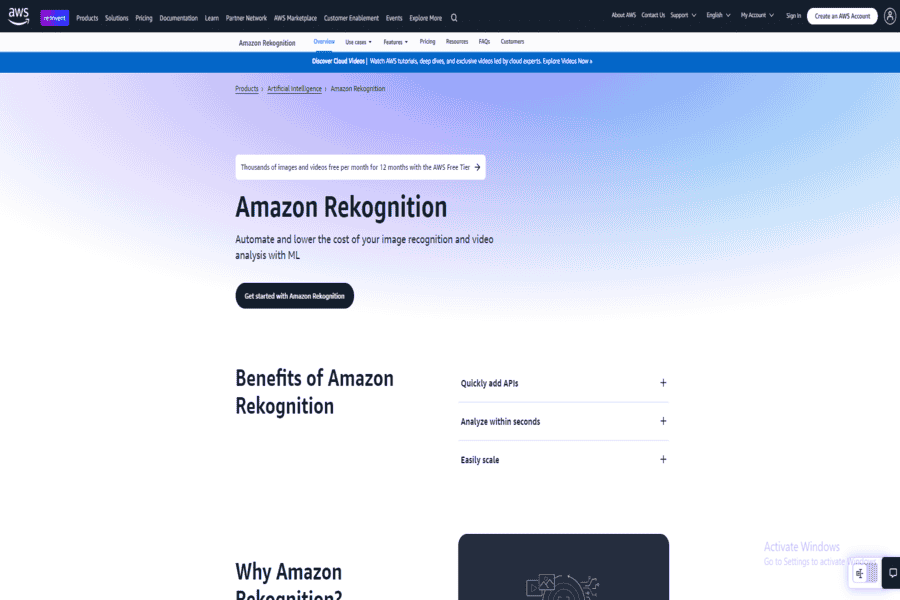
Amazon’s powerful image and video analysis tool supports object, text, and activity recognition.
Pricing Package:
Free tier available; starts at $1.00 per 1,000 images.
Pros:
Real-time recognition, scalable, comprehensive labeling.
Cons:
Limited customization and complex pricing structure.
Contact and Social Media:
- Facebook: AWS
- Instagram: AWS
- Twitter: @awscloud
- LinkedIn: Amazon Web Services
Microsoft Azure Computer Vision

Microsoft’s AI-powered vision service includes object detection, face recognition, and OCR.
Pricing Package:
Free tier: usage-based plans start at $1.00 per 1,000 transactions.
Pros:
High accuracy, customizable models, extensive documentation.
Cons:
Limited offline capabilities, dependent on Azure infrastructure.
Contact and Social Media:
- Facebook: Microsoft Azure
- Instagram: Microsoft Azure
- Twitter: @Azure
- LinkedIn: Microsoft Azure
Clarifai
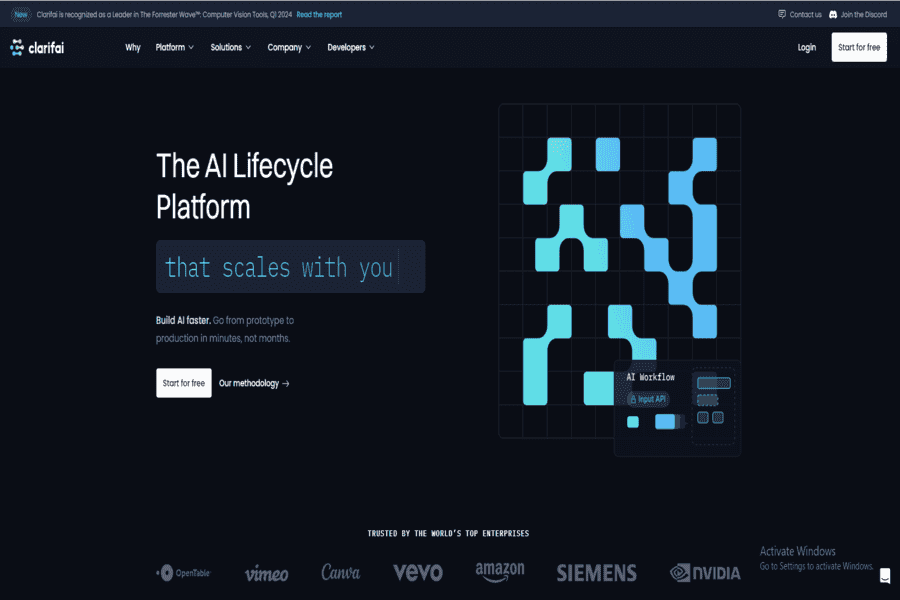
An AI-powered image and video recognition tool for detecting objects, concepts, and more in AR applications.
Pricing Package:
Free trial; plans start at $30/month.
Pros:
Customizable models, high accuracy, and developer-friendly.
Cons:
Limited free tier, pricing for heavy users can be high.
Contact and Social Media:
- Phone: +1-800-579-0210
- Email: [email protected]
- Facebook: Clarifai
- Instagram: Clarifai
- Twitter: @Clarifai
- LinkedIn: Clarifai
Roboflow

Note: IBM Watson Visual Recognition, previously listed here, was discontinued in 2021 — replaced with Roboflow, an object detection and computer vision platform widely used for training and deploying custom detection models, including AR-relevant use cases.
Pricing Package:
Free tier available. Starter $49/month, Core $79/month, Growth $299/month, Enterprise custom.
Pros:
Strong developer tooling for training and deploying custom object detection models, large community model library to start from.
Cons:
Credit-based usage pricing takes some getting used to; more developer-oriented than a plug-and-play API.
Contact and Social Media:
Vuforia Engine
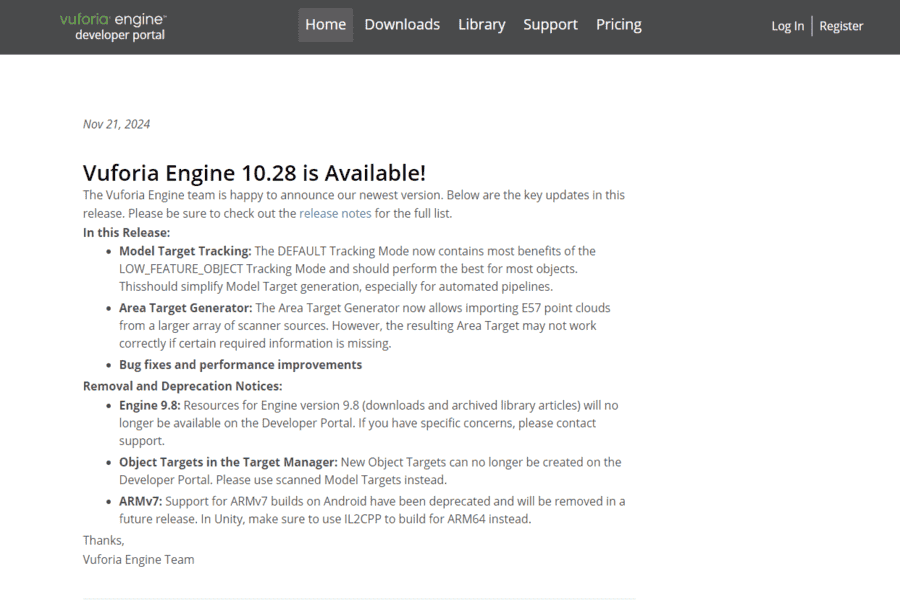
Vuforia’s AR development platform includes object recognition for creating interactive AR experiences.
Pricing Package:
Free version; pro plans start at $504/year.
Pros:
Excellent AR integration, real-time tracking, and robust support.
Cons:
Limited free version, higher-cost plans.
Contact and Social Media:
- Email: [email protected]
- Facebook: Vuforia
- Instagram: Vuforia
- Twitter: @Vuforia
- LinkedIn: Vuforia
Blippar
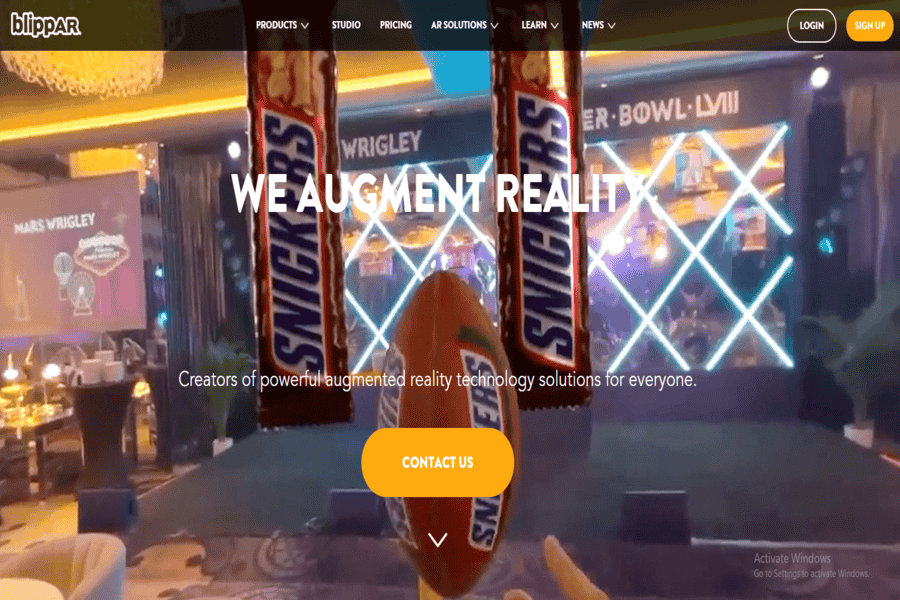
A leading AR platform that offers advanced object recognition capabilities for real-time AR experiences.
Pricing Package:
Custom pricing.
Pros:
High precision, easy-to-use, strong AR features.
Cons:
Premium pricing is limited for small projects.
Contact and Social Media:
- Email: [email protected]
- Facebook: Blippar
- Instagram: Blippar
- Twitter: @Blippar
- LinkedIn: Blippar
Sighthound Cloud
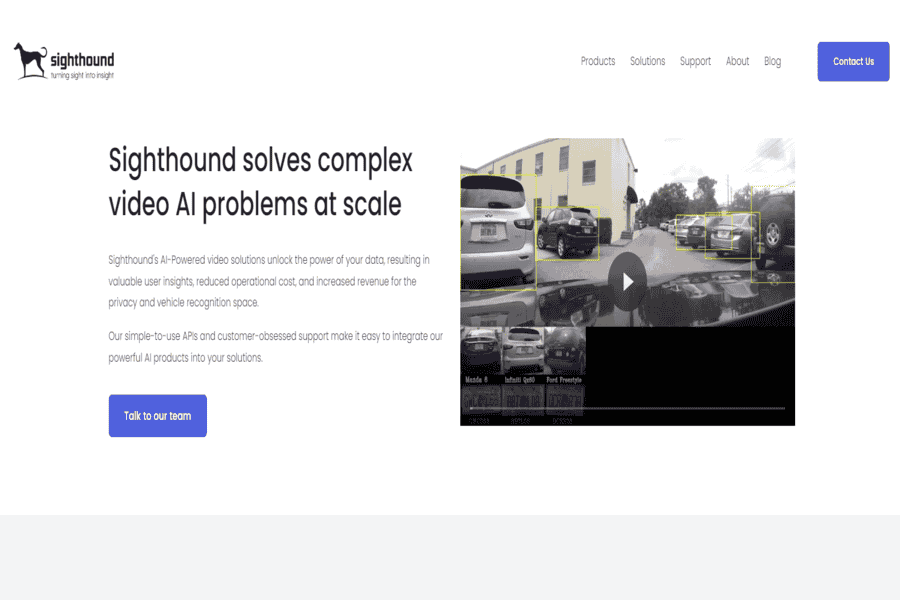
AI-based object recognition tool with real-time detection for AR and security applications.
Pricing Package:
Free trial; starts at $50/month.
Pros:
Highly accurate, fast detection, user-friendly API.
Cons:
Limited customization, cost-intensive.
Contact and Social Media:
- Phone: +1-800-672-7247
- Email: [email protected]
- Facebook: Sighthound
- Twitter: @Sighthound
- LinkedIn: Sighthound
TensorFlow Object Detection API
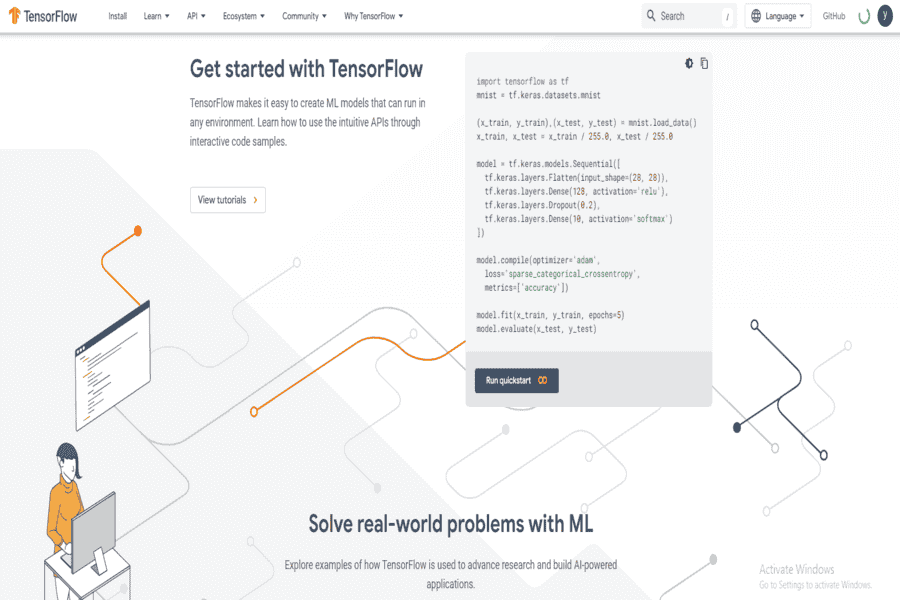
Google’s open-source object detection toolkit is suitable for custom AR solutions.
Pricing Package:
Free.
Pros:
Highly customizable, extensive community support, flexible.
Cons:
Requires technical expertise, no direct support.
Contact and Social Media:
- Facebook: TensorFlow
- Instagram: TensorFlow
- Twitter: @TensorFlow
- LinkedIn: TensorFlow
Ximilar
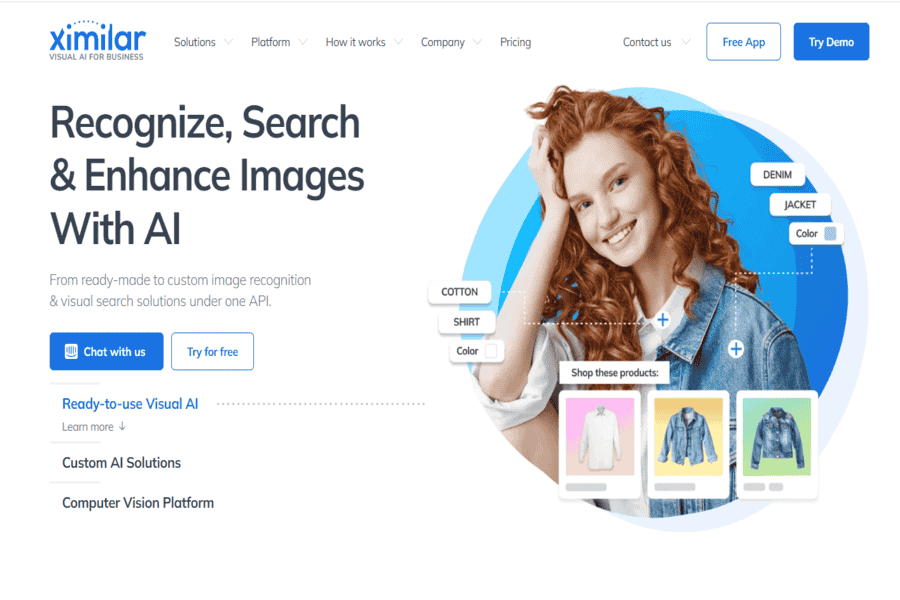
Ximilar is an AI-powered visual recognition platform that offers customizable object detection and image classification for AR and other applications.
Pricing Package:
Free trial available; pricing starts at €49/month for the basic package.
Pros:
Customizable object recognition models, scalable API, real-time detection, and easy integration.
Cons:
With the limited free tier, the cost may increase for large datasets.
Contact and Social Media:
- Email: [email protected]
- Facebook: Ximilar
- Twitter: @Ximilar_com
- LinkedIn: Ximilar
Challenges and Where This Is Headed
The real technical hurdles: real-time processing of camera data is genuinely demanding on mobile hardware, partially obscured objects and changing lighting both degrade recognition accuracy, and camera calibration in uncontrolled real-world environments is harder than in a lab. On the AI side, models need substantial high-quality training data, often struggle to generalize to objects or environments unlike their training set, and more capable models cost more compute to run — a real tradeoff between accuracy and what will actually run smoothly on a phone or headset.
Where this is headed: more processing moving on-device (edge-based) for lower latency and better responsiveness, semantic scene understanding and real-time 3D reconstruction for more context-aware AR, and integration with natural language and generative AI so users can interact with AR content by voice rather than just visually. Expect continued work on the harder accuracy problems too — lighting robustness, occlusion handling — especially as this technology moves onto wearable AR glasses, where hands-free, always-on object recognition becomes the whole point rather than an add-on feature.
Conclusion
In conclusion, AI object recognition tools are revolutionizing the field of augmented reality by enabling devices to perceive and interact with the physical world. These tools unlock many possibilities by accurately identifying and tracking objects, from immersive gaming experiences to practical industrial applications. As AI technology advances, we can anticipate even more sophisticated and innovative AR experiences that seamlessly integrate the digital and physical realms.