AI has changed language learning from static courseware into something that adapts to how each learner actually progresses — adjusting difficulty in real time, giving instant pronunciation feedback, and simulating conversation practice that used to require a human tutor. This guide covers why language learning matters, how AI actually improves the process, and the 9 apps worth knowing.
Why Language Learning Matters
Beyond the practical case for a new skill, learning a language has real cognitive benefits (better memory and multitasking, evidence of delayed cognitive decline), career advantages in an increasingly global job market, and the kind of cultural understanding and personal enrichment that only comes from engaging with a culture in its own language rather than through translation.
How AI Improves Language Learning
The real advantages: personalized learning paths that adjust to what a specific learner struggles with instead of a fixed curriculum everyone follows the same way; real-time feedback and pronunciation correction that used to require a live tutor in the room; immersive practice through simulated conversation and cultural content; and speech recognition accurate enough to catch pronunciation errors a learner wouldn’t hear in their own voice. The result is more accessible and affordable than traditional instruction, and improves continuously as the underlying models get better, rather than staying static like a printed textbook.
AI Tools for Language Learning
Duolingo
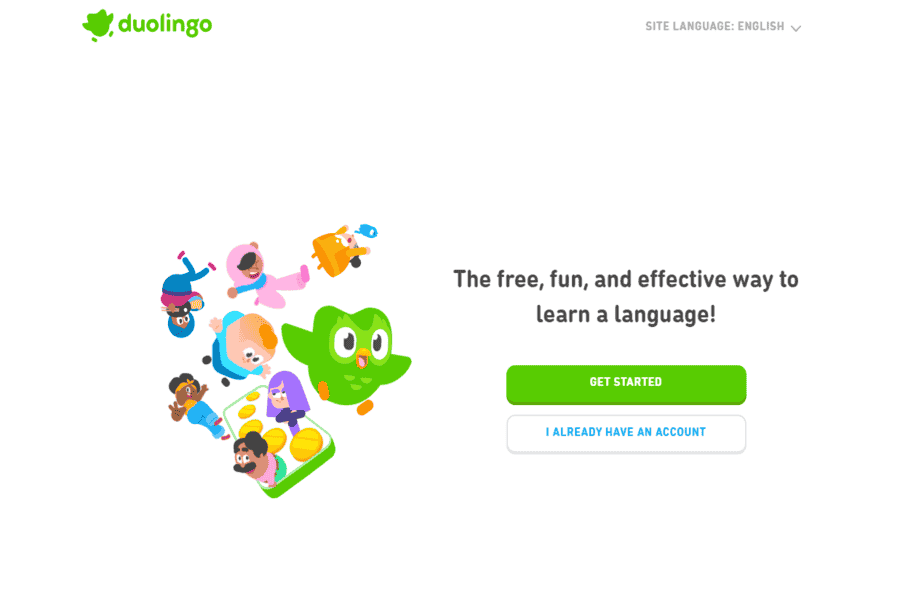
I gamified a language learning platform with a focus on vocabulary and grammar.
Pros:
It is free, engaging, and offers a variety of languages.
Cons:
Limited conversation practice.
Pricing Package:
Free Duolingo Plus (monthly or yearly subscription)
Social Media Links:
- Facebook: https://www.facebook.com/duolingo/
- Instagram: https://www.instagram.com/duolingo/
- Twitter: https://twitter.com/duolingo
- LinkedIn: https://www.linkedin.com/company/duolingo/
Babbel
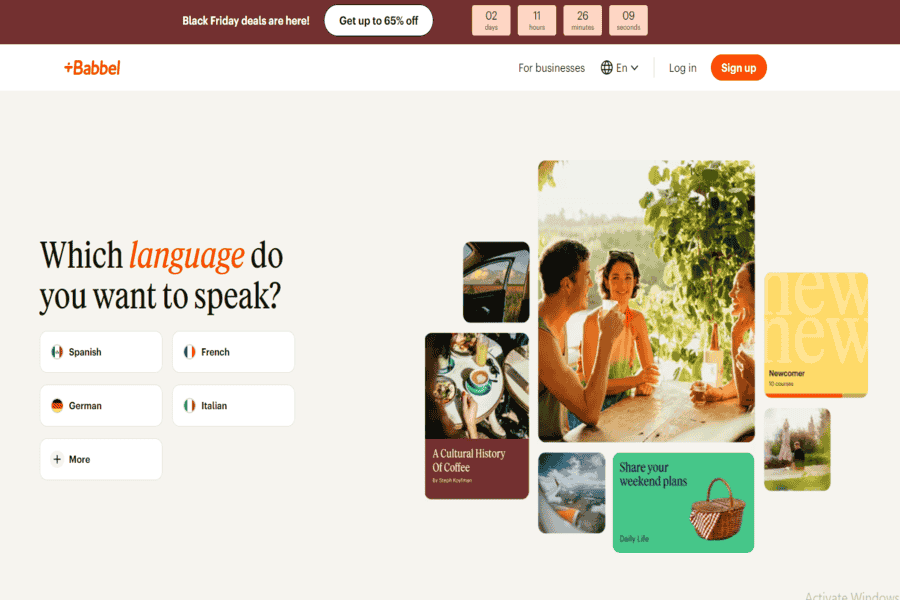
The language learning app is focused on practical conversation skills.
Pros:
Real-life scenarios, professional voice actors.
Cons:
Limited language options compared to Duolingo.
Pricing Package:
Monthly or yearly subscription.
Social Media Links:
- Instagram: https://www.instagram.com/babbel/
- Twitter: https://twitter.com/Babbel
Memrise

A language learning app uses a spaced repetition system for vocabulary and grammar.
Pros:
Effective for memorization humor-based learning.
Cons:
Less focus on speaking and listening skills.
Pricing Package:
Free Memrise Pro (monthly or yearly subscription)
Social Media Links:
- Facebook: https://www.facebook.com/memrise/
- Instagram: https://www.instagram.com/memrise/
- Twitter: https://twitter.com/memrise
- LinkedIn: https://www.linkedin.com/company/memrise/
Rosetta Stone
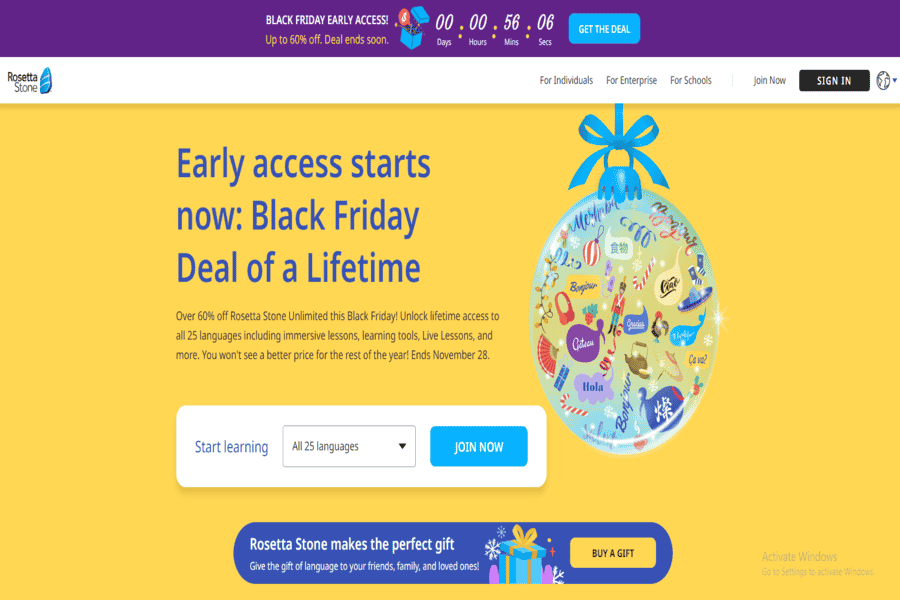
Immersive language learning program with a focus on visual learning.
Pros:
Effective for language immersion, visually appealing.
Cons:
It can be expensive and less interactive than other apps.
Pricing Package:
Monthly or yearly subscription.
Social Media Links:
- Facebook: https://www.facebook.com/RosettaStone/
- Instagram: https://www.instagram.com/rosettastone/
- Twitter: https://twitter.com/RosettaStone
italki
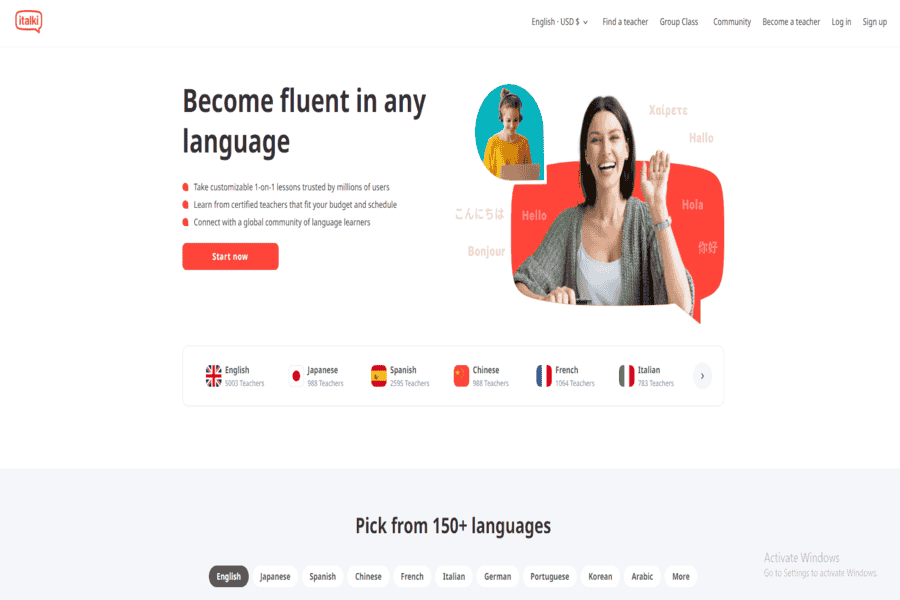
Language learning platform for one-on-one lessons with native speakers.
Pros:
Personalized lessons and flexible scheduling.
Cons:
It can be expensive and requires commitment.
Pricing Package:
Varies depending on the tutor and lesson length.
Social Media Links:
- Instagram: https://www.instagram.com/italki/
- Twitter: https://twitter.com/italki
- LinkedIn: https://www.linkedin.com/company/italki/
HelloTalk
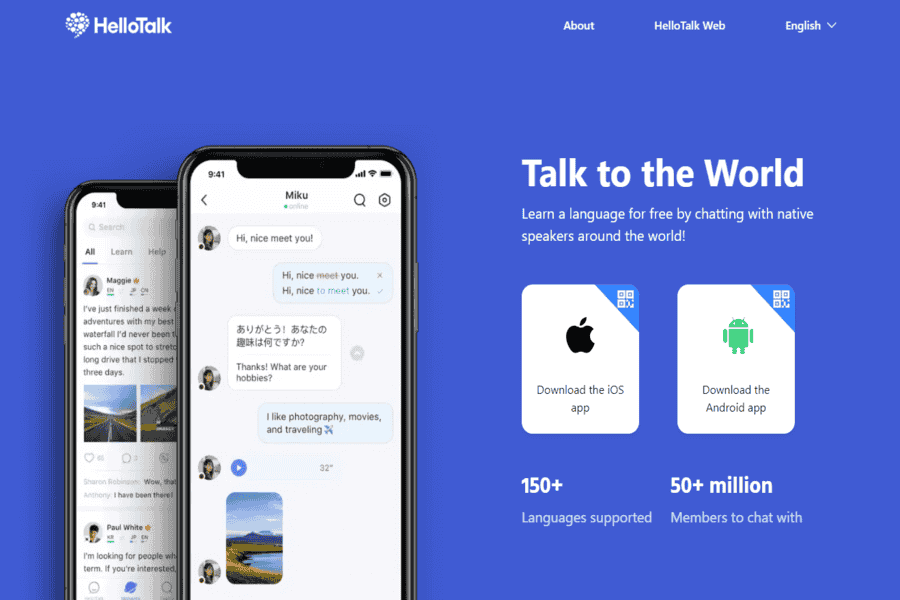
Language exchange app for practicing speaking and writing skills.
Pros:
Real-time language exchange, cultural exchange.
Cons:
Relies on user engagement.
Pricing Package:
Free
Social Media Links:
- Facebook: https://www.facebook.com/hellotalk/
- LinkedIn: https://www.linkedin.com/company/hellotalk/
Rype
Language learning platform with personalized tutoring and AI-powered lessons.
Pros:
Personalized learning plans, experienced tutors.
Cons:
It can be expensive, limited language options.
Pricing Package:
Monthly or yearly subscription.
LingQ
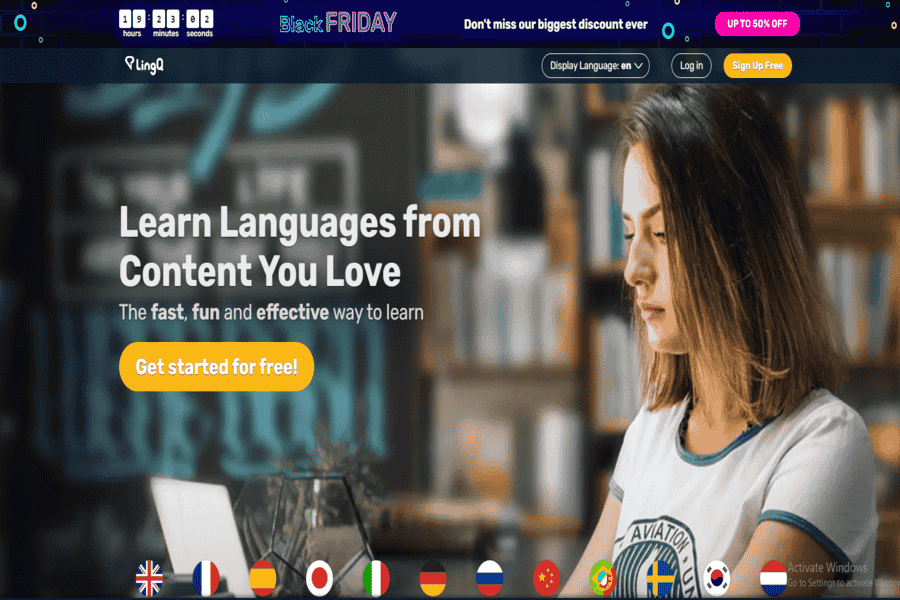
Language learning platform with a focus on reading comprehension and vocabulary building.
Pros:
Immersive learning experience, large language library.
Cons:
It can be overwhelming for beginners.
Pricing Package:
Monthly or yearly subscription.
Social Media Links:
- Twitter: https://twitter.com/lingq
Drops
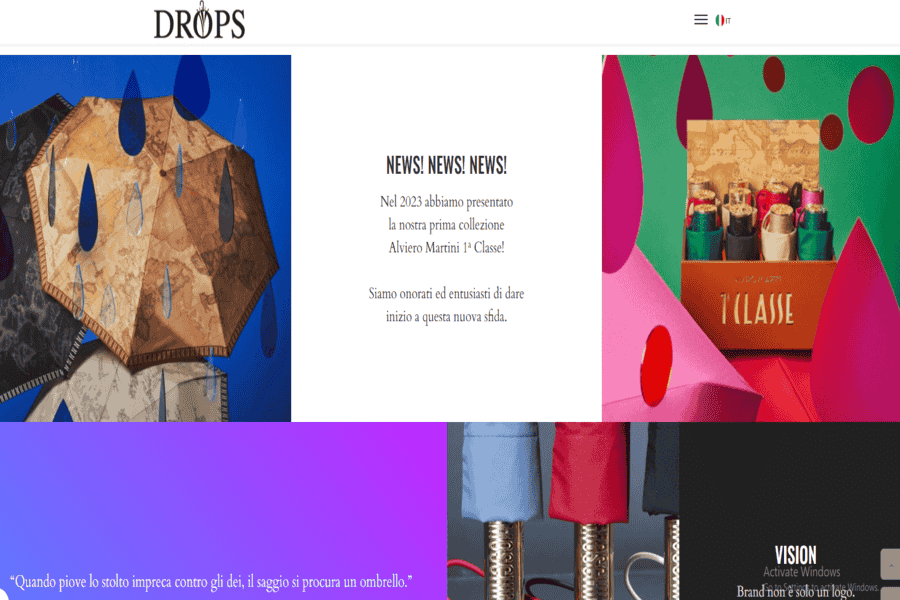
The language learning app is focused on vocabulary and pronunciation.
Pros:
Short, fun lessons, visually appealing.
Cons:
Limited grammar and conversation practice.
Pricing Package:
Free, Drops Premium (monthly or yearly subscription)
Busuu
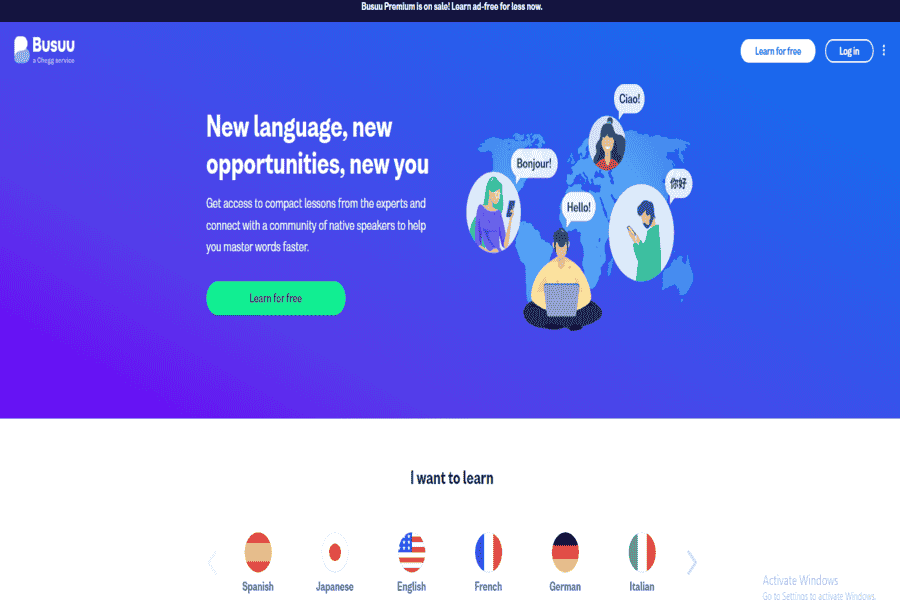
Language learning app with a focus on vocabulary and grammar.
Pros:
Community-based learning offers a variety of languages.
Cons:
Limited conversation practice.
Pricing Package:
Free Busuu Premium (monthly or yearly subscription)
Social Media Links:
- Instagram: https://www.instagram.com/busuu/
- Twitter: https://twitter.com/Busuu
Challenges in AI-Powered Language Learning
These apps have real limits worth knowing before you rely on one exclusively. AI still gets language nuance wrong sometimes — idioms, cultural context, and ambiguous phrasing can produce confidently wrong feedback, and speech recognition still struggles with heavy accents, background noise, and fast natural speech. No app fully replaces human interaction: cultural context and the improvisational give-and-take of a real conversation are hard to simulate, and leaning entirely on an app instead of real-world practice limits how far fluency actually develops. And like any screen-based habit, overreliance can mean fatigue, reduced motivation, and weaker independent learning skills if the app becomes a crutch instead of a supplement.
Conclusion
The 9 apps above split into a few groups: gamified daily-practice apps (Duolingo, Drops, Memrise, Busuu) built for consistency and habit-forming; structured course platforms (Babbel, Rosetta Stone, LingQ) for a more traditional curriculum; and human-connection tools (italki, HelloTalk, Rype) that pair learners with real tutors or native speakers, which AI alone still can’t fully replace. Most serious learners end up combining an app for daily practice with real conversation practice somewhere in the mix — the tools work best as acceleration, not a complete substitute for using the language with people.