AI Image Generators are changing the creative process by allowing users to generate unique and imaginative images from simple text descriptions. These powerful tools use advanced machine learning algorithms to understand and interpret user prompts, translating them into stunning visuals. From photorealistic portraits to abstract art, AI image generators offer diverse styles and possibilities, helping artists, designers, and content creators to explore new creative avenues and bring their imaginations to life. By effectively using AI art generators, artists can explore new creative avenues, experiment with different styles, and push the boundaries of their artistic expression.
What are Image Generators?
Image generators are digital tools that create images based on specific inputs, such as text descriptions or sketches. Traditional image generators often rely on predefined templates or stock images. However, AI-powered image generators take this concept to a new level, using advanced algorithms to generate original and creative visuals.
How do AI Image Generators Work?
AI image generators employ a variety of techniques, including:
Generative Adversarial Networks (GANs):
GANs consist of two neural networks: a generator and a discriminator. The generator creates Images while the discriminator evaluates their realism. Through a competitive process, the generator learns to produce increasingly realistic images that can fool the discriminator.
Variational Autoencoders (VAEs):
VAEs encode images into a latent space, a compressed representation of the image’s features. By manipulating this latent space, new images can be generated.
Diffusion Models:
Diffusion models start with noise and gradually refine it into a coherent image through denoising.
Benefits of AI Image Generators
AI image generators have changed the way we create and consume visual content. Here are some of the key benefits they offer:
Increased Creativity and Innovation
Unleashing Imagination:
AI tools can help spark new ideas and inspire creative thinking by generating unique and unexpected visual concepts.
Breaking Creative Blocks:
AI can provide fresh perspectives and alternative approaches when artists face creative roadblocks.
Enhanced Productivity and Efficiency
Automating Tasks:
AI can automate repetitive tasks such as background removal, image resizing, and style transfer, saving time and effort.
Rapid Prototyping:
AI-powered tools can quickly generate multiple image variations, allowing rapid prototyping and iteration.
Cost-Effective Solutions
Reducing Costs:
By automating image creation processes, businesses can reduce the need to hire professional designers or purchase expensive stock photos.
Scaling Content Production:
AI can help scale content production, enabling businesses to generate a large volume of high-quality images efficiently.
Accessibility for All
Democratizing Creativity:
AI image generators help individuals with limited artistic skills to create visually appealing content.
Leveling the Playing Field:
These tools help bridge the gap between professional designers and amateur creators, allowing everyone to express their creativity.
Top AI Image Generator Tools
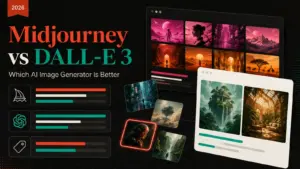
Midjourney
A powerful AI image generator that produces high-quality images from text prompts. It’s known for its artistic style and ability to generate unique and imaginative visuals.
Pros:
- High-quality image generation
- Unique artistic style
- Active and supportive community
Cons:
- Discord-based interface can be confusing for new users
- Limited free trial
Pricing Package:
Subscription-based with various plans
Social media links:
- Twitter: Https://twitter.com/midjourney
- LinkedIn: Https://www.linkedin.com/company/midjourney
DALL-E 3
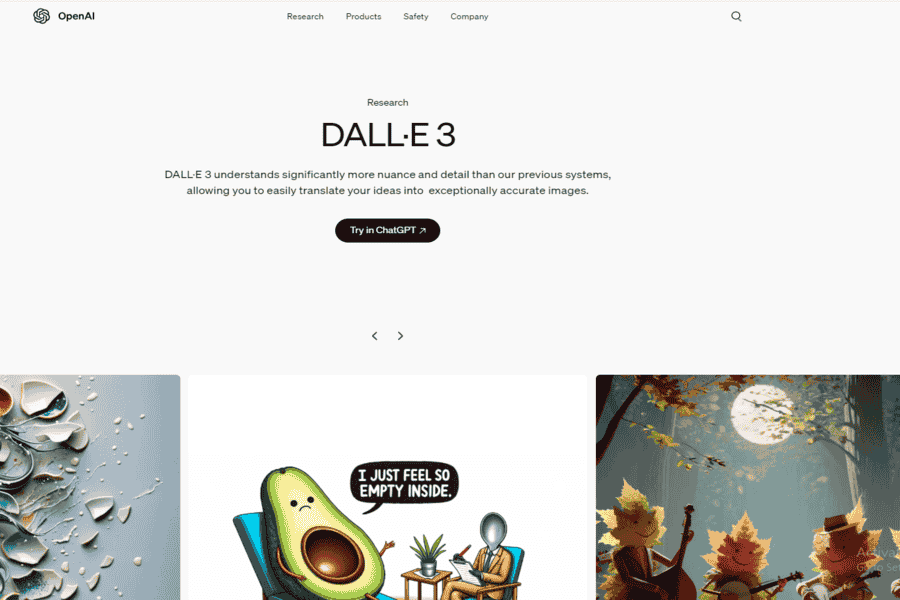
A versatile AI image generator that excels at generating realistic images, artistic styles, and creative concepts. It’s known for its ability to understand and respond to complex prompts.
Pros:
- High-quality image generation
- Versatile capabilities
- Easy-to-use interface
Cons:
- Limited free credits
- It can be slow to generate images
Pricing Package:
Subscription-based with various plans
Social media links:
- Facebook: Https://www.facebook.com/OpenAI/
- Instagram: Https://www.instagram.com/openai/
- Twitter: Https://twitter.com/OpenAI
- LinkedIn: Https://www.linkedin.com/company/openai/
Stable Diffusion
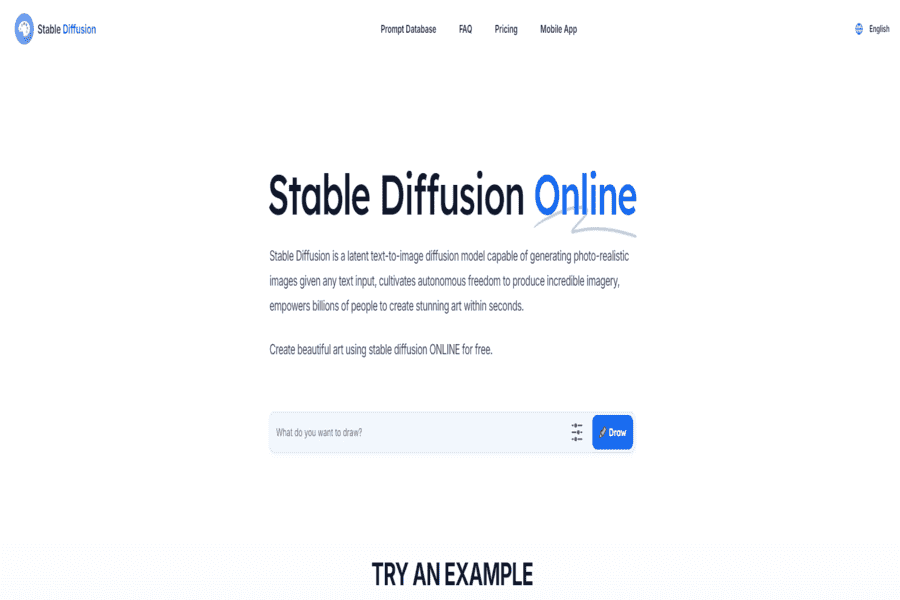
An open-source AI image generator that allows for customizing and fine-tuning generated images. It’s popular among developers and artists who want to experiment with AI art.
Pros:
- Open-source and customizable
- High-quality image generation
- Large and active community
Cons:
- Requires technical knowledge to set up and use
- It can be computationally intensive
Pricing Package:
Free, but requires powerful hardware to run
Social media links:
- Twitter: Https://twitter.com/StabilityAI
- LinkedIn: Https://www.linkedin.com/company/stability-ai/
Adobe Firefly
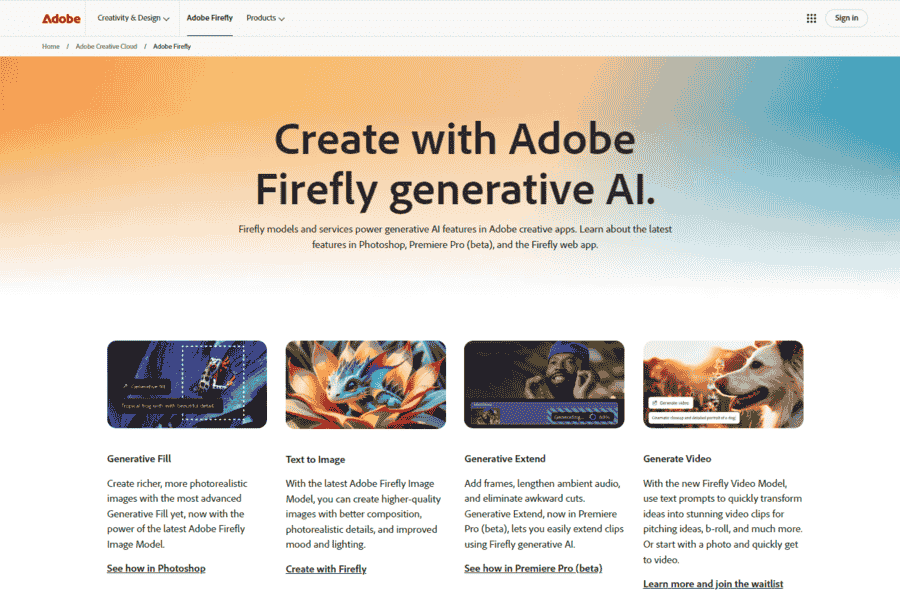
An AI image generator integrated into Adobe’s Creative Cloud suite. It smoothly integrates with other Adobe tools and focuses on professional-grade image generation.
Pros:
- Integration with Adobe Creative Cloud
- High-quality image generation
- Easy-to-use interface
Cons:
- Limited to Adobe Creative Cloud users
- It can be expensive for non-subscribers
Pricing Package:
Included in Adobe Creative Cloud subscriptions
Social media links:
- Facebook: Https://www.facebook.com/adobe
- Instagram: Https://www.instagram.com/adobe/
- Twitter: Https://twitter.com/adobe
- LinkedIn: Https://www.linkedin.com/company/adobe/
NightCafe
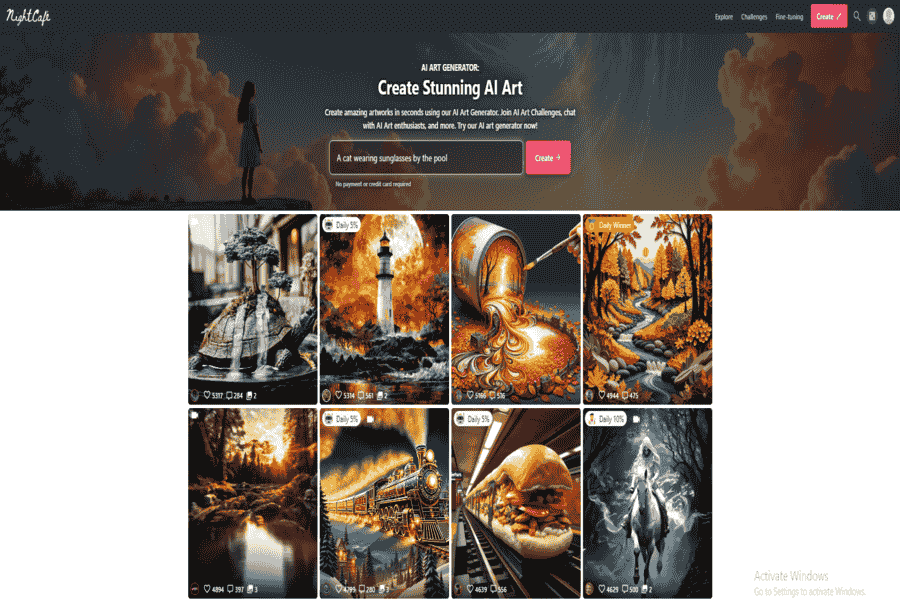
A user-friendly AI image generator that offers a variety of styles and effects. It’s popular among artists and hobbyists who want to experiment with AI art.
Pros:
- Easy-to-use interface
- Variety of styles and effects
- Community-based platform
Cons:
- Limited free credits
- It can be slower than other tools
Pricing Package:
Subscription-based with various plans
Social media links:
- Facebook: Https://www.facebook.com/nightcafestudio
- Twitter: Https://twitter.com/nightcafestudio
Dream by Wombo
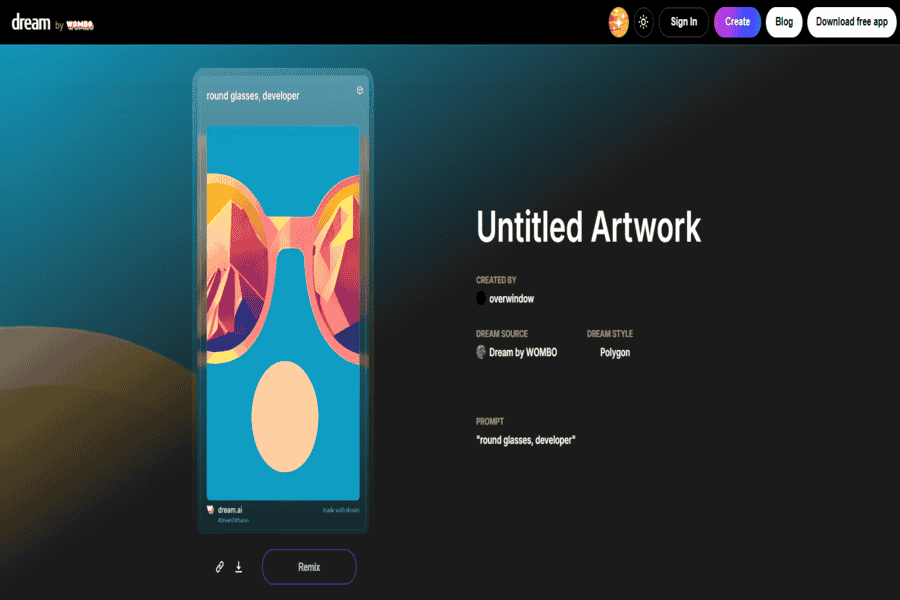
A mobile app that allows users to create AI-generated art directly from their phones. It’s known for its user-friendly interface and wide range of artistic styles.
Pros:
- Mobile app for easy access
- User-friendly interface
- Variety of artistic styles
Cons:
- Limited control over the image generation process
- It can be less powerful than desktop-based tools
Pricing Package:
Free with in-app purchases
Craiyon
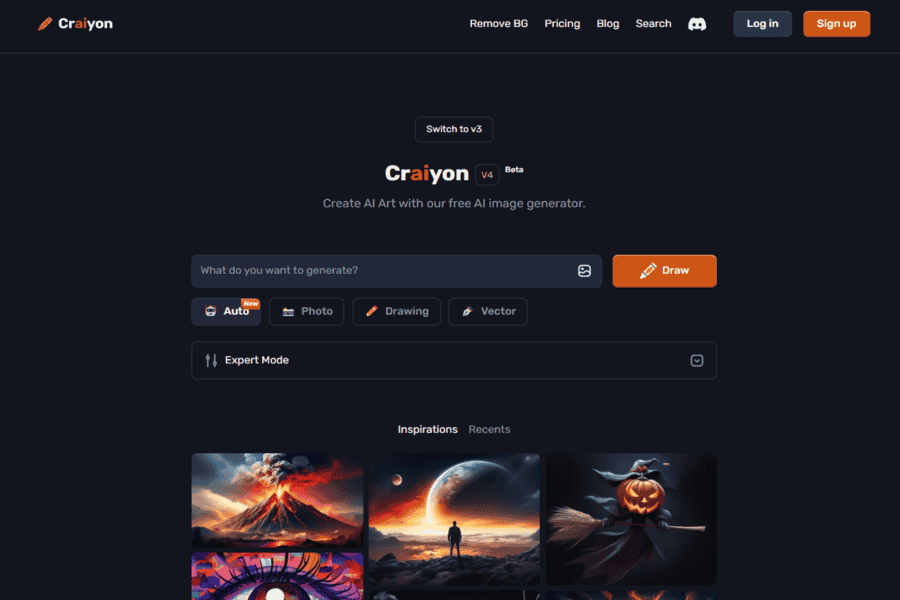
A free and open-source AI image generator that can produce a wide range of realistic and abstract images. It’s a great option for those who want to experiment with AI art without spending money.
Pros:
- Free to use
- Open-source
- Wide range of image styles
Cons:
- It can be less powerful than commercial tools
- Image quality can vary
Pricing Package:
Free
RunwayML
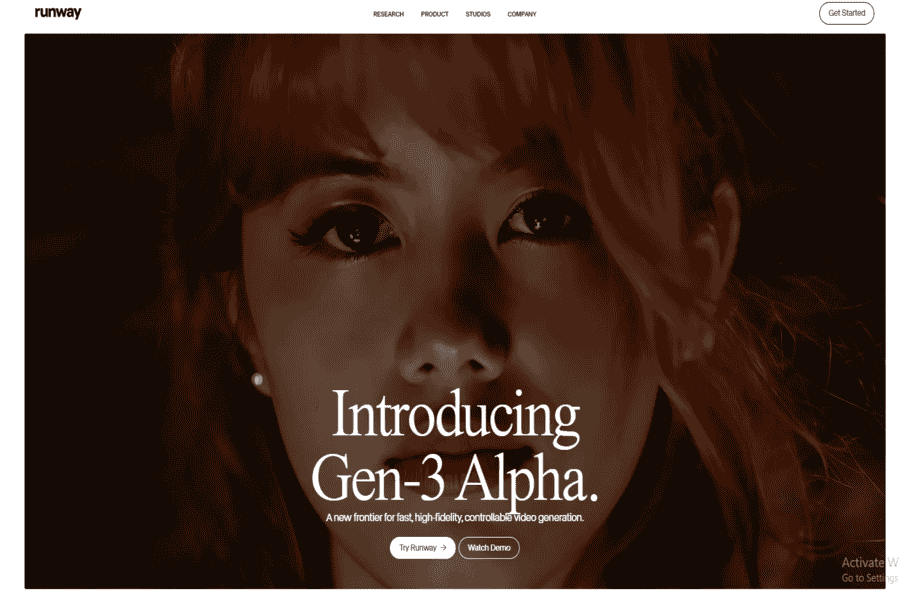
A powerful AI platform that offers a variety of tools for image generation, video editing, and more. It’s a popular choice among creative professionals and researchers.
Pros:
- Powerful and versatile platform
- Wide range of AI tools
- Active community
Cons:
- Requires technical knowledge to use
- It can be expensive for professional use
Pricing Package:
Subscription-based with various plans
Social media links:
- Facebook: Https://www.facebook.com/runwayml/
- Twitter: Https://twitter.com/runwayml
Artbreeder
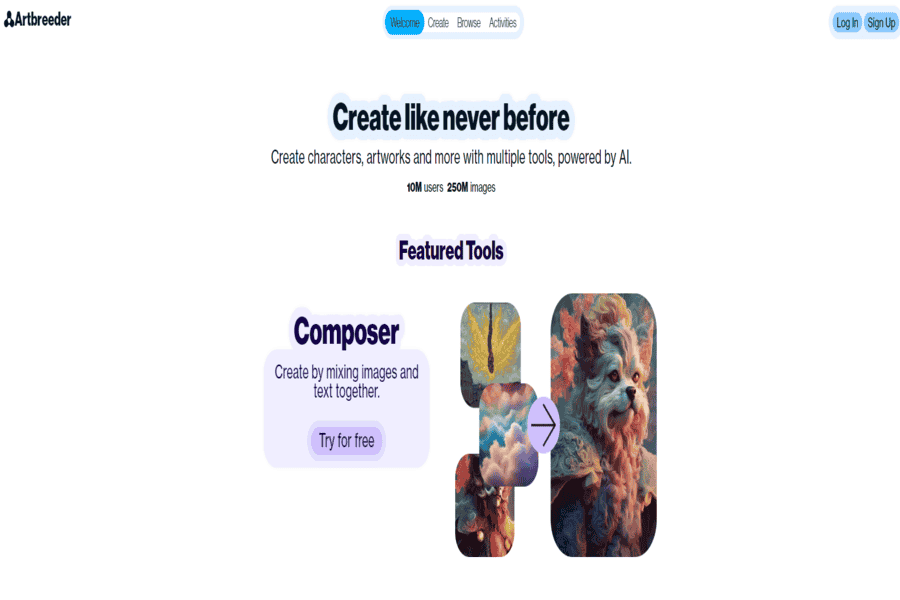
A unique AI image generator that allows users to breed images to create new and original artworks. It’s a great tool for exploring creative possibilities and generating unique visual styles.
Pros:
- Unique breeding system for creative control
- Wide range of artistic styles
- User-friendly interface
Cons:
- It can be less powerful than other tools for complex image generation
- Limited free usage
Pricing Package:
Subscription-based with various plans
Social media links:
- Instagram: Https://www.instagram.com/artbreeder/
- Twitter: Https://twitter.com/artbreeder
Pixray
An open-source AI image generator that offers a wide range of styles and techniques. It’s a popular choice among developers and artists who want to experiment with AI art.
Pros:
- Open-source and customizable
- Wide range of styles and techniques
- Active community
Cons:
- Requires technical knowledge to use
- It can be computationally intensive
Pricing Package:
Free
Challenges of AI Image Generators
As AI image generators continue to advance, they bring forth a host of ethical, legal, and technical challenges that must be addressed:
Ethical Considerations
Deepfakes and Misinformation:
One of the most pressing concerns is the potential for AI-generated images to create deepfakes, highly realistic but fabricated media that can deceive and manipulate. In these scenarios, using a dedicated Face search Tool helps users quickly verify if a suspicious profile image matches a real individual online. This can have serious implications for individuals, organizations, and society.
Bias and Discrimination:
AI models are trained on vast datasets, which can inadvertently introduce biases in the data. This can lead to the generation of images that perpetuate stereotypes, discrimination, and harmful stereotypes.
Copyright Issues
Ownership and Intellectual Property:
Determining the ownership of AI-generated content can be complex. If an AI system is trained on copyrighted material, who owns the rights to the generated images?
Fair Use and Creative Commons:
The boundaries of fair use and creative commons licensing become blurred when AI is involved in the creative process.
Quality Control
Image Quality and Consistency:
Making sure the quality and consistency of AI-generated images is a significant challenge. Factors such as the quality of training data, the complexity of the model, and the specific prompt can influence the output.
Technical Limitations:
AI models may struggle with generating images that accurately depict specific details, emotions, or concepts, particularly when dealing with complex prompts or niche subjects.
Addressing the Challenges
To mitigate these challenges, researchers, developers, and policymakers must work together to:
Develop Ethical Guidelines:
Establish clear ethical guidelines for developing and using AI image generators, including responsible AI and data privacy principles.
Implement Strong Watermarking and Detection Techniques:
Develop techniques to identify AI-generated content and distinguish it from genuine human-created content.
Promote Transparency and Accountability:
Encourage transparency in developing and deploying AI image generators, including disclosing the training data and algorithms used.
Invest in Research and Development:
Continue to invest in research to improve AI image generation’s quality, accuracy, and ethical implications.
Collaborate with Legal Experts:
Work with legal experts to develop frameworks for addressing copyright and intellectual property issues related to AI-generated content.
Future Trends of AI Image Generators
The rapid advancement of AI technology is poised to change the field of image generation. Here are some of the most promising future trends:
Real-time Image Generation
Interactive Experiences:
AI tools can generate images in real-time, enabling interactive experiences such as virtual and augmented reality.
Dynamic Content Creation:
This technology will help content creators to generate dynamic visuals on the fly, adapting to user input and real-world events.
Hyperrealistic Image Generation
Photorealistic Imagery:
AI models will generate virtually indistinguishable images from real-world photographs, pushing the boundaries of visual realism.
As this technology advances, using an AI-powered image search helps researchers and creators track down original source photos.
Enhanced Detail and Texture:
AI algorithms can capture intricate details, textures, and lighting conditions, creating highly immersive visual experiences.
Personalized Image Creation
Tailored Visual Experiences:
Users can customize AI-generated images to their preferences, including artistic style, color palette, and subject matter.
User-Centric Design:
AI tools will learn from user feedback and preferences to generate increasingly personalized and satisfying results.
Ethical AI and Responsible Development
Bias Mitigation:
Developers will prioritize addressing biases in AI models to make sure fair and equitable image generation.
Transparent Algorithms:
Efforts will be made to make AI algorithms more transparent, allowing users to understand how images are generated and make informed decisions.
Integration with Other AI Technologies
Multimodal AI:
AI image generators will integrate with other AI technologies, such as natural language processing and speech recognition, to create more comprehensive and interactive experiences.
AI-Powered Design Tools:
AI will be embedded in design tools to automate tasks, generate creative ideas, and assist in design.
AI image generators are rapidly transforming the landscape of digital art and design. By understanding their capabilities, limitations, and ethical implications, we can use their power to create innovative and visually stunning content. As technology advances, we can expect even more groundbreaking developments in this exciting field.