In game development, the pursuit of creating vast, dynamic, and endlessly replayable worlds has long been a driving force. Procedural Content Generation (PCG), a technique that utilizes algorithms to generate game content automatically, has emerged as a powerful tool to achieve this goal. By leveraging the capabilities of artificial intelligence (AI), developers can now push the boundaries of creativity and innovation, crafting immersive experiences that captivate players. Game developers can effectively utilize AI marketing automation tools to promote their games to a wider audience, increasing visibility and attracting potential players.
What is Procedural Content Generation (PCG)?
PCG(Procedural Content Generation) is a process that involves the automated creation of game assets, such as levels, characters, items, and stories. This is accomplished through algorithms that follow specific rules and constraints, often inspired by natural phenomena or artistic principles. By employing these algorithms, developers can generate a virtually infinite amount of content, ensuring each playthrough offers a unique and fresh experience.
Core AI Techniques for PCG(Procedural Content Generation)
Procedural Content Generation (PCG) is revolutionizing game development by automating the creation of game assets. To achieve this, developers leverage a variety of AI techniques:
Machine Learning
Training AI Models:
By feeding AI models with existing game data, such as levels, characters, or items, developers can train them to recognize patterns and styles.
Generative Models:
Once trained, these models can generate new content that adheres to the learned patterns. For instance, an AI model trained on a specific art style can generate new character designs that fit seamlessly within the game’s aesthetic.
Genetic Algorithms
Evolutionary Process:
Inspired by natural selection, genetic algorithms start with a population of initial content (e.g., level layouts).
Fitness Evaluation:
Each piece of content is evaluated based on predefined criteria, such as difficulty, aesthetics, or player engagement.
Selection and Mutation:
The fittest content is selected to reproduce, while less fit content is discarded. Mutations (random changes) are introduced to create genetic diversity.
New Generation:
The process repeats, leading to the evolution of increasingly better content over generations.
Neural Networks
Learning Complex Patterns:
Neural networks, particularly deep learning models, can learn intricate patterns and relationships within data.
Content Generation:
By training a neural network on a massive dataset of game content, developers can generate new content that is both realistic and creative. For example, a neural network can generate realistic landscapes, character animations, or even entire game levels.
Style Transfer:
Neural networks can also be used to transfer the style of one piece of content to another. This allows for the creation of unique and visually appealing content.
The Role of AI in PCG(Procedural Content Generation)
AI has become an indispensable tool in the realm of PCG(Procedural Content Generation), significantly enhancing the capabilities and potential of this technology. Its impact can be seen in various aspects of game development:
Automation of Creative Processes:
Reduced Development Time:
AI-powered tools can automate repetitive tasks, such as level design, character creation, and item generation, freeing developers to focus on more strategic aspects of game development.
Increased Productivity:
By automating content creation, developers can significantly increase the overall productivity of their teams.
Enhanced Content Quality and Diversity:
Data-Driven Optimization:
AI algorithms can analyze vast amounts of data to identify patterns and trends, generating more engaging and diverse content.
Adaptive Content:
AI can dynamically adjust the difficulty, pacing, and style of generated content based on player feedback and performance.
Personalized Gaming Experiences:
Player-Centric Content:
AI can tailor the generated content to suit individual tastes by analyzing player behavior and preferences, creating more immersive and personalized experiences.
Dynamic Storytelling:
AI-powered narrative generation can adapt to player choices, leading to unique and branching storylines.
Innovation and Experimentation:
Novel Content Creation:
AI can generate unexpected and innovative content that human designers may not have conceived.
Rapid Prototyping:
AI-powered tools can accelerate the prototyping process, allowing developers to experiment with different ideas and iterate on their designs quickly.
Top AI Tools for PCG(Procedural Content Generation) in Games
Promethean AI

Assists in designing realistic game environments by suggesting optimal object placements and creating balanced spaces.
Pros:
It speeds up scene design, has a user-friendly interface, and reduces manual workload.
Cons:
Focused primarily on environmental design.
Pricing Package:
Contact for pricing.
Social Media:
- Facebook: Promethean AI
- Instagram: Promethean AI
- Linkedin: Promethean AI
Contact Information:
- Email: [email protected]
SpeedTree

Generates detailed vegetation for games using procedural algorithms.
Pros:
High-quality outputs integrate with popular game engines.
Cons:
Requires design expertise for optimal use.
Pricing Package:
Plans start at $19/month.
Social Media:
Contact Information:
- Email: [email protected]
Face++ for Facial Animation
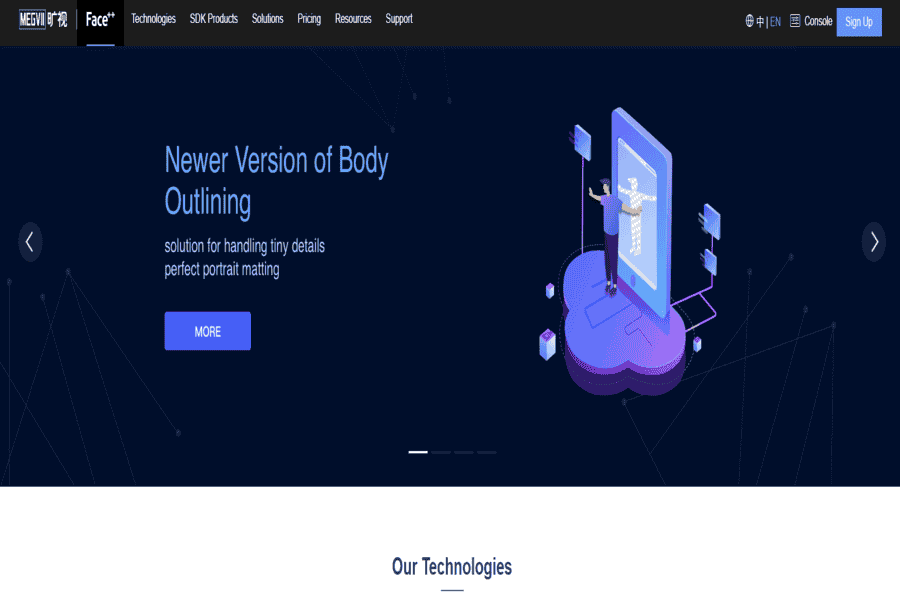
It uses AI to generate realistic facial animations by analyzing voice inputs and gameplay context.
Pros:
It improves character realism and enhances storytelling.
Cons:
Limited to character animations.
Pricing Package:
Contact for details.
Social Media:
Contact Information:
- Email: [email protected]
Artomatix (Unity ArtEngine)
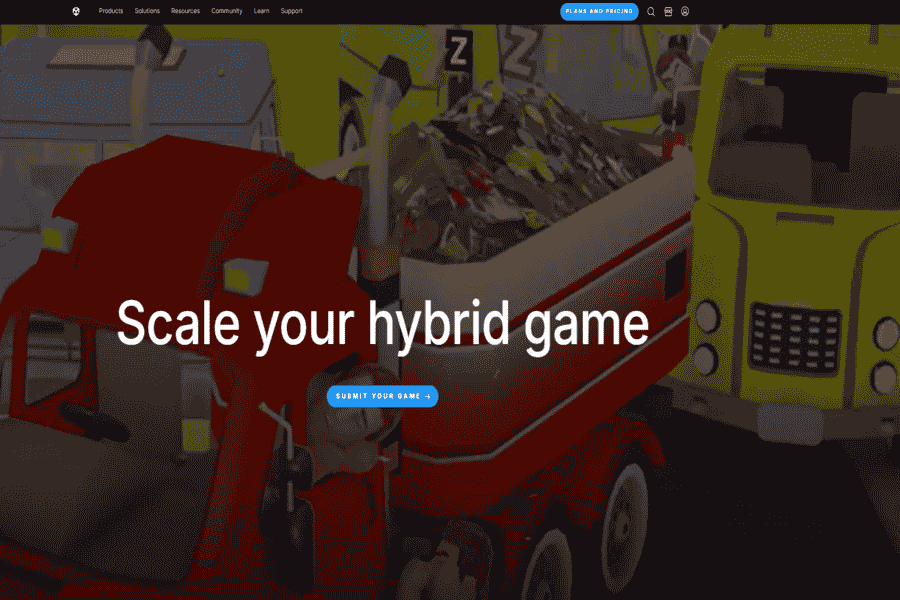
Automates texture creation and enhancement for 3D environments.
Pros:
Advanced material synthesis reduces the time for asset creation.
Cons:
Best used by experienced designers.
Pricing Package:
Available as part of Unity’s subscription plans.
Social Media:
Contact Information:
- Email: [email protected]
Dungeon Alchemist
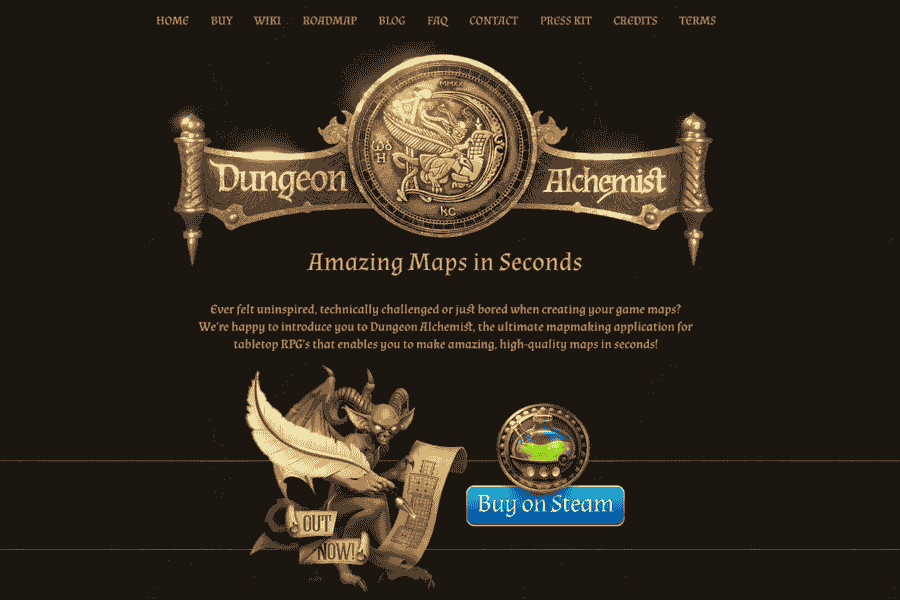
AI-powered tool for generating detailed tabletop maps that can inspire video game designs.
Pros:
Intuitive interface, wide customization options.
Cons:
I geared more toward tabletop RPGs.
Pricing Package:
One-time purchase at $39.99.
Social Media:
- Facebook: Dungeon Alchemist
- Instagram: Dungeon Alchemist
- Linkedin: Dungeon Alchemist
Contact Information:
- Email: [email protected]
Charisma.ai
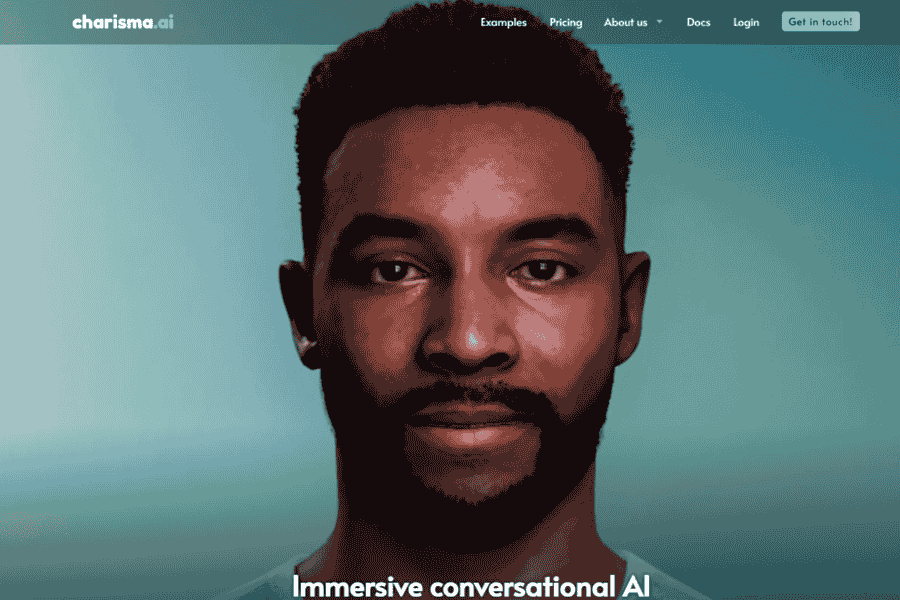
An AI platform that creates interactive stories, characters, and dialogues. It enhances storytelling by dynamically responding to player interactions.
Pros:
Creates dynamic narratives, realistic dialogues, and deep player engagement.
Cons:
Best suited for narrative-heavy games; less focus on non-linear content.
Pricing Package:
Free plan available; paid plans start at $5 per 50,000 credits.
Social Media:
- Facebook: Charisma.ai Facebook
- Instagram: Charisma.ai Instagram
- LinkedIn: Charisma.ai LinkedIn
- Twitter: Charisma.ai Twitter
Contact Information:
- Email ID: [email protected]
Unity ML-Agents

An open-source tool enabling the training of intelligent game agents in the Unity engine for procedural content and gameplay optimization.
Pros:
Seamless Unity integration; powerful machine learning models.
Cons:
The steep learning curve for non-technical users.
Pricing Package:
Free and open-source.
Social Media:
- Facebook: Unity Facebook
- Instagram: Unity Instagram
- LinkedIn: Unity LinkedIn
- Twitter: Unity Twitter
Contact Information:
- Email ID: [email protected]
- Contact Number: +1 617-412-3785
Wwise Interactive Music System
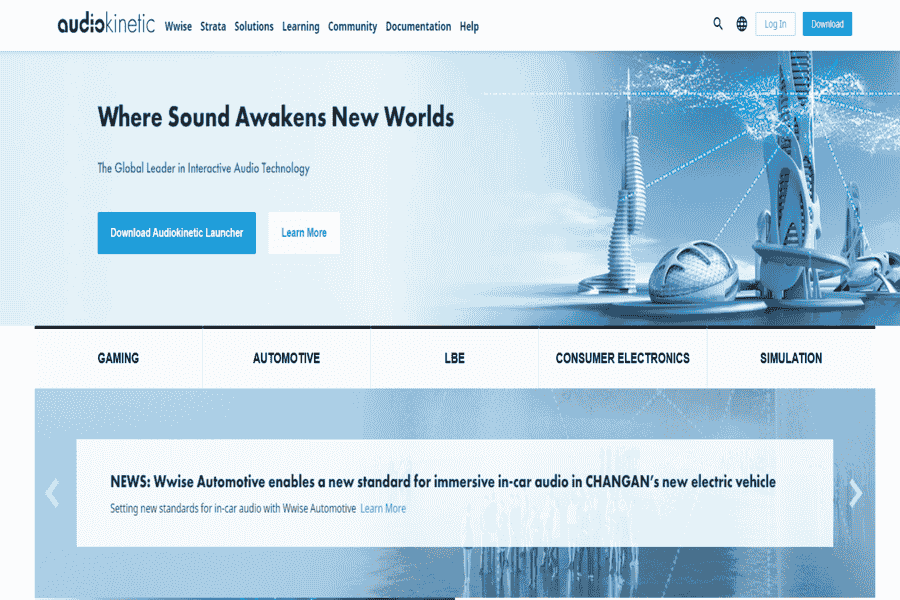
Generates adaptive soundtracks tied to game events, creating an immersive auditory experience that adjusts dynamically to gameplay.
Pros:
Enhances immersion through real-time music adaptation.
Cons:
Focused on audio design; less suitable for broader content generation.
Pricing Package:
Pricing varies; contact sales for details.
Social Media:
- Facebook: Wwise Facebook
- Instagram: Wwise Instagram
- LinkedIn: Wwise LinkedIn
- Twitter: Wwise Twitter
Contact Information:
- Email ID: [email protected]
Face++ for Facial Animation
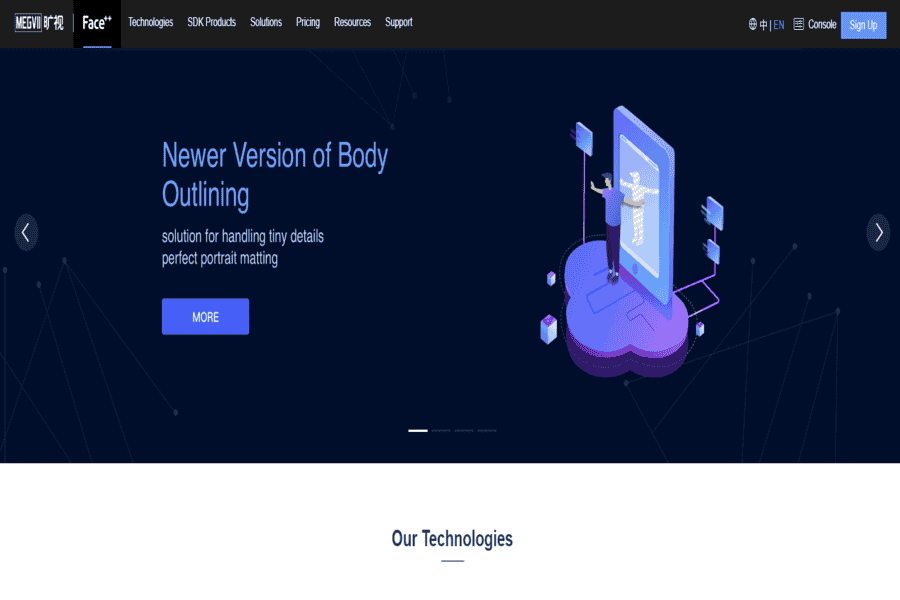
Provides AI-powered tools to animate character expressions based on dialogue and gameplay context.
Pros:
Hyper-realistic facial animations; real-time adaptability.
Cons:
Requires high computational resources for real-time use.
Pricing Package:
Contact sales for pricing.
Social Media:
- Facebook: Face++ Facebook
- Instagram: Face++ Instagram
- LinkedIn: Face++ LinkedIn
- Twitter: Face++ Twitter
Contact Information:
- Email ID: [email protected]
Google Cloud AI for Game Testing
Offers AI-powered tools for automated game testing, identifying bugs, and optimizing game performance.
Pros:
Scalable and efficient testing processes; reduces QA cycles.
Cons:
High initial setup costs for smaller studios.
Pricing Package:
Contact Google Cloud for customized pricing.
Social Media:
- Facebook: Google Cloud Facebook
- Instagram: Google Cloud Instagram
- LinkedIn: Google Cloud LinkedIn
- Twitter: Google Cloud Twitter
Contact Information:
- Email ID: [email protected]
- Contact Number: +1 650-253-0000
World Machine

World Machine is a terrain generation tool that uses procedural methods to create realistic game landscapes. It integrates various algorithms to generate mountains, valleys, rivers, and other natural features.
Pros:
It offers highly detailed and customizable terrain and integrates well with game engines like Unreal and Unity.
Cons:
It can be complex for beginners and requires significant computing power for large terrains.
Pricing Package:
Offers a free trial, with paid versions starting at $99.
Social Media:
- Facebook: @WorldMachine
- Youtube: World Machine Channel
Contact Information:
- Email: [email protected]
Houdini by SideFX

Houdini is a powerful procedural generation tool that creates dynamic simulations and procedural content in game development. It excels in creating environments, characters, and assets for 3D games.
Pros:
Highly flexible and powerful with a node-based system for procedural workflows; used in major AAA game titles.
Cons:
Steep learning curve; expensive for individual users.
Pricing Package:
Offers a free version (Apprentice), with paid licenses starting at $299/year.
Social Media:
- Facebook: @SideFX
- Instagram: @sidefxsoftware
- Linkedin: SideFX
- Twitter: @sidefx
- Youtube: SideFX YouTube Channel
Contact Information:
- Email: [email protected]
Promethean AI

This AI tool helps artists and developers generate game environments procedurally. It uses machine learning to understand the artist’s style and help automate aspects of environment creation.
Pros:
It saves time in environment modeling and is an intuitive interface for artists.
Cons:
It is still in development; some features require powerful hardware.
Pricing Package:
Free trial, subscription model for businesses.
Social Media:
- Linkedin: Promethean AI
Contact Information:
- Email: [email protected]
Algodoo

Algodoo is a 2D physics simulation software supporting procedural generation for interactive gameplay design. It’s primarily used for prototyping game physics and interactive scenarios.
Pros:
User-friendly, great for educational purposes, and simple game mechanics prototyping.
Cons:
Limited to 2D environments; basic features compared to other procedural tools.
Pricing Package:
Free for personal use, the Pro version is available for $49.
Social Media:
- Facebook: @Algodoo
- Twitter: @Algodoo
- Youtube: Algodoo YouTube Channel
Contact Information:
- Email: [email protected]
Kozynski Generator

Kozynski Generator is an AI-based tool for generating detailed game environments using procedural methods. It creates random and repeatable landscapes, making it ideal for open-world games.
Pros:
Flexible and fast; capable of creating diverse landscapes based on input parameters.
Cons:
It could be more robust for fine detail in more complex environments.
Pricing Package:
The subscription is paid at $50/month.
Social Media:
- Facebook: @KozynskiGenerator
Contact Information:
- Email: [email protected]
Artbreeder
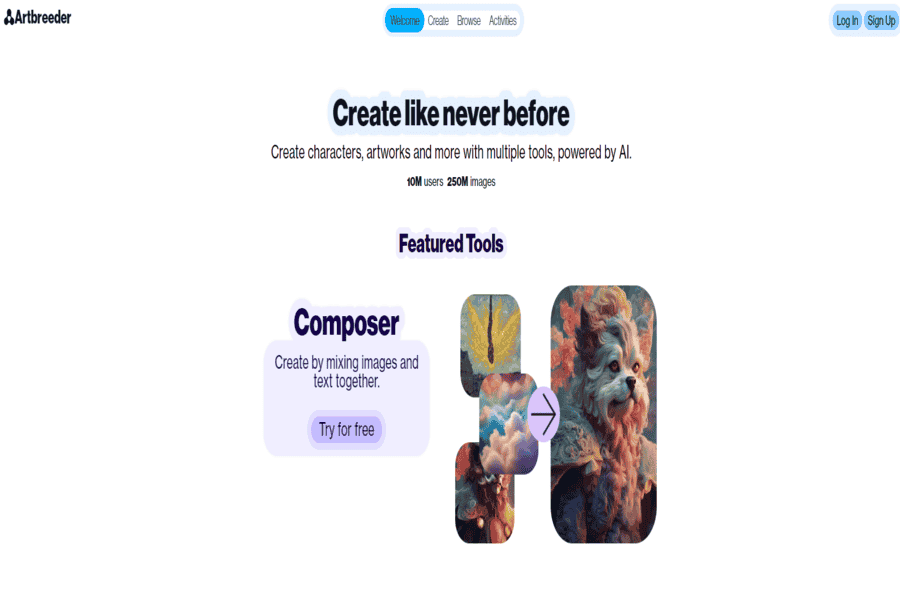
Artbreeder allows users to blend and generate new images and 3D models using AI. While it’s often used for art, its capabilities in generating character designs, landscapes, and other creative assets make it useful for game content generation.
Pros:
Intuitive interface, strong for generating diverse art, and highly customizable.
Cons:
It may only produce realistic game-ready assets with refinement.
Pricing Package:
Free tier, paid plans for more advanced features.
Social Media:
- Facebook: Artbreeder
- Instagram: @artbreeder
- LinkedIn: Artbreeder
- Twitter: @Artbreeder
- YouTube: Artbreeder
Contact Information:
- Email: [email protected]
No Man’s Sky Procedural Generation

The procedural generation system behind No Man’s Sky allows players to explore an infinite universe with procedurally generated planets, creatures, and entire ecosystems. The game’s technology uses AI to create unique content based on player interactions.
Pros:
Infinite, procedurally generated worlds; highly immersive universe.
Cons:
Limited to the scope of game mechanics; not a general-purpose tool but a game.
Pricing Package:
It is a paid game currently available for purchase on multiple platforms.
Social Media:
- Facebook: No Man’s Sky
- Instagram: @nomanssky
- LinkedIn: Hello Games
- Twitter: @NoMansSky
- YouTube: No Man’s Sky
Contact Information:
- Email: [email protected]
AI-Powered PCG(Procedural Content Generation) in Game Development
AI-driven PCG(Procedural Content Generation) has revolutionized the way games are developed, offering a multitude of applications across various aspects of game design:
Level Generation
Procedural Level Design:
AI algorithms can generate intricate and varied levels, from sprawling open worlds to labyrinthine dungeons.
Adaptive Difficulty:
AI can adjust the difficulty of levels based on player skill and progress, ensuring a challenging and rewarding experience.
Coherent World Building:
AI can generate levels that seamlessly connect and form a cohesive world, ensuring a consistent and immersive experience.
Character and Item Generation
Unique Character Design:
AI can create diverse and distinctive characters with unique abilities, backstories, and appearances.
Item Variety:
AI can generate many items with properties and effects, adding depth and strategy to gameplay.
Dynamic Itemization:
AI can dynamically adjust the availability and power of items based on player progress and difficulty level.
Narrative Generation
Branching Narratives:
AI can create branching narratives that adapt to player choices, leading to unique and personalized storylines.
Dynamic Dialogue:
AI can generate realistic and engaging dialogue that responds to player actions and choices.
Immersive Storytelling:
AI can create immersive storytelling experiences, combining narrative, gameplay, and environmental cues to create a cohesive world.
Procedural Music and Sound Design
Dynamic Soundtracks:
AI can generate music that adapts to the mood and intensity of the gameplay, enhancing the player’s experience.
Realistic Sound Effects:
AI can create realistic sound effects, such as footsteps, weapon impacts, and environmental sounds, adding depth and realism to the game world.
Personalized Soundtracks:
AI can generate personalized soundtracks based on player preferences and behavior.
Benefits of AI-Driven PCG(Procedural Content Generation)
AI-driven PCG(Procedural Content Generation) offers a multitude of benefits that can significantly enhance the gaming experience:
Enhanced Replayability:
Endless Variation:
By generating vast amounts of diverse content, AI-powered PCG(Procedural Content Generation) ensures that each playthrough offers a unique and fresh experience.
Increased Longevity:
This constant stream of new content keeps players engaged longer, extending the game’s lifespan.
Reduced Development Costs:
Automated Content Creation:
AI can automate many aspects of content creation, reducing the need for manual labor and accelerating development timelines.
Efficient Resource Allocation:
By streamlining the content creation process, developers can allocate resources more effectively, leading to cost savings.
Increased Creativity:
Inspiration and Innovation:
AI algorithms can uncover unexpected patterns and generate novel ideas, inspiring developers to push the boundaries of creativity.
Rapid Prototyping:
AI-powered tools enable rapid prototyping, allowing developers to experiment with different concepts and iterate quickly.
Personalized Experiences:
Tailored Content:
AI can analyze player behavior and preferences to generate content tailored to individual tastes.
Adaptive Difficulty:
AI can adjust the difficulty level dynamically to match the player’s skill level, ensuring a challenging and rewarding experience.
Challenges and Future Directions
While AI-driven PCG(Procedural Content Generation) offers numerous benefits, it also presents significant challenges:
Quality Control:
Consistency and Coherence:
Ensuring that generated content is consistent with the game’s aesthetic and narrative can be challenging.
Error Detection and Correction:
Identifying and correcting errors or inconsistencies in generated content can be time-consuming.
Computational Complexity:
Hardware Requirements:
Generating high-quality content can be computationally intensive, requiring powerful hardware.
Algorithm Efficiency:
Developing efficient algorithms is crucial to minimize processing time and resource usage.
Player Expectations:
Balancing Realism and Creativity:
Striking a balance between realistic and creative content can take time and effort.
Managing Player Expectations:
Players may have high expectations for the quality and variety of generated content, which can be challenging.
Conclusion
AI-driven PCG(Procedural Content Generation) is revolutionizing how games are developed and experienced. By automating content creation and tailoring experiences to individual players, PCG(Procedural Content Generation) empowers developers to create vast, dynamic, and endlessly replayable worlds. As AI continues to evolve, the future of PCG(Procedural Content Generation) holds immense promise, unlocking new frontiers of creativity and innovation in the gaming industry.