AI helps agriculture use resources more efficiently: precision farming that targets water and pesticide exactly where needed, weather and yield prediction, and continuous crop-health monitoring via satellite, drone, or ground sensors. The environmental case is real — reduced pesticide use, water conservation, healthier soil, and a smaller carbon footprint — alongside the practical case for farmers of higher yields and lower input costs. AI tools for content creation also help agricultural organizations communicate these practices clearly to the public and to policymakers.
Top AI Tools for Sustainable Agriculture
CropX
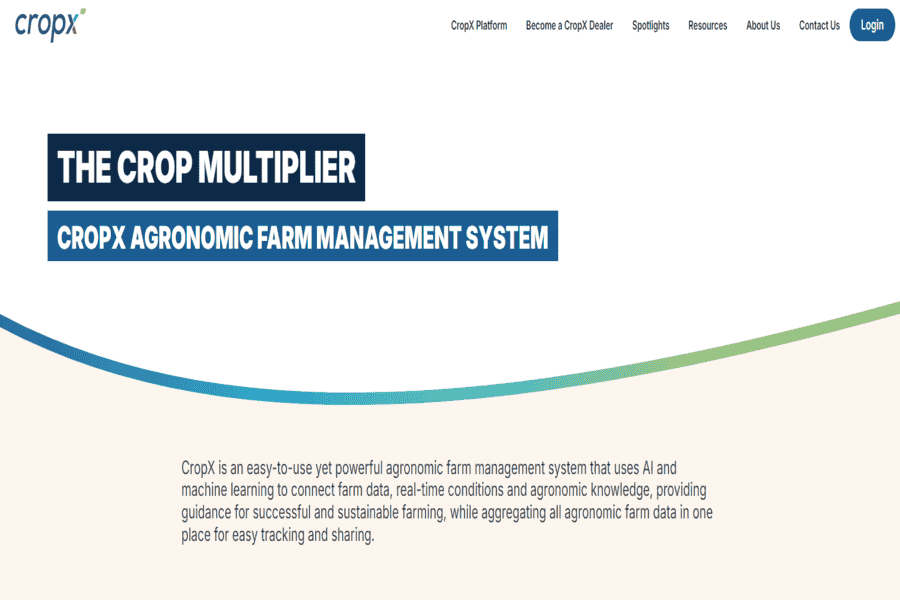
CropX uses AI-powered soil sensors to monitor moisture and soil health, providing farmers with real-time data to optimize irrigation.
Pros:
It saves water, boosts yield, easy-to-use.
Cons:
Requires installation of soil sensors.
Pricing Package:
Subscription-based pricing varies by farm size.
Social Media:
- Facebook: CropX
- Instagram: @cropx
- Linkedin: CropX LinkedIn
- Twitter: @cropx
- YouTube: CropX YouTube
Contact:
Email [email protected]
Taranis
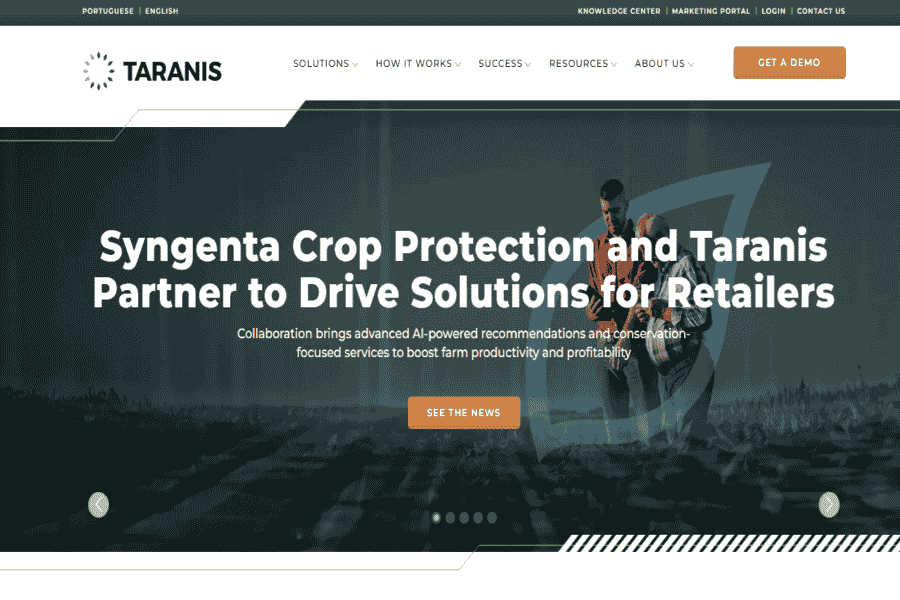
Taranis provides AI-powered aerial imaging to detect pests, diseases, and nutrient deficiencies early.
Pros:
Accurate, real-time crop health monitoring and automated pest detection.
Cons:
Mainly, large-scale operations require UAV drones.
Pricing Package:
Contact for pricing.
Social Media:
- Facebook: Taranis
- Instagram: @taranis.ag
- Linkedin: Taranis LinkedIn
- Twitter: @TaranisAg
- YouTube: Taranis YouTube
Contact:
Email: [email protected]
Fermata
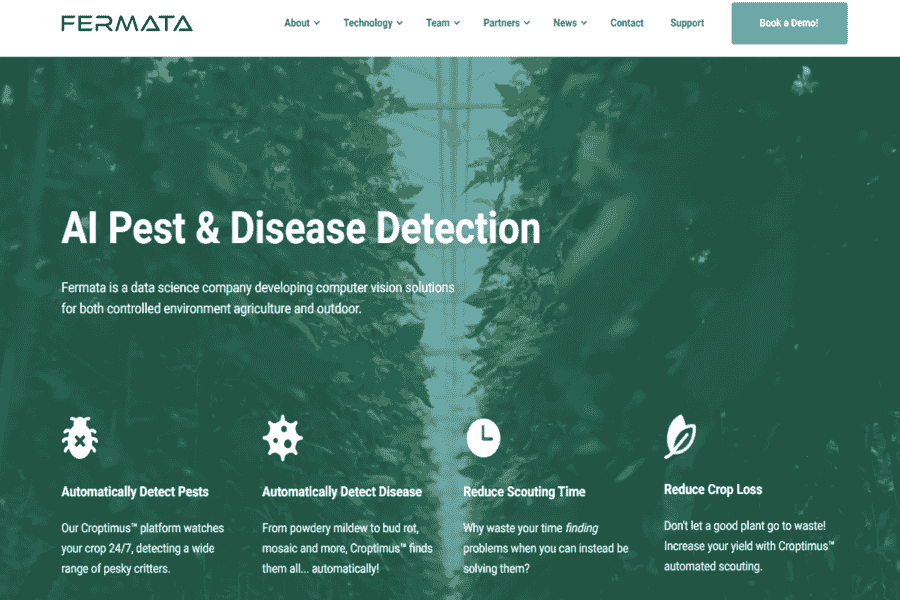
An AI solution tailored to greenhouse farmers for predictive analytics on optimal growing conditions.
Pros:
Tailored for greenhouse, predictive analytics.
Cons:
Best for indoor farming, it may not suit outdoor farms.
Pricing Package:
Custom pricing.
Social Media:
- LinkedIn: Fermata
Contact:
Email: [email protected]
OneSoil
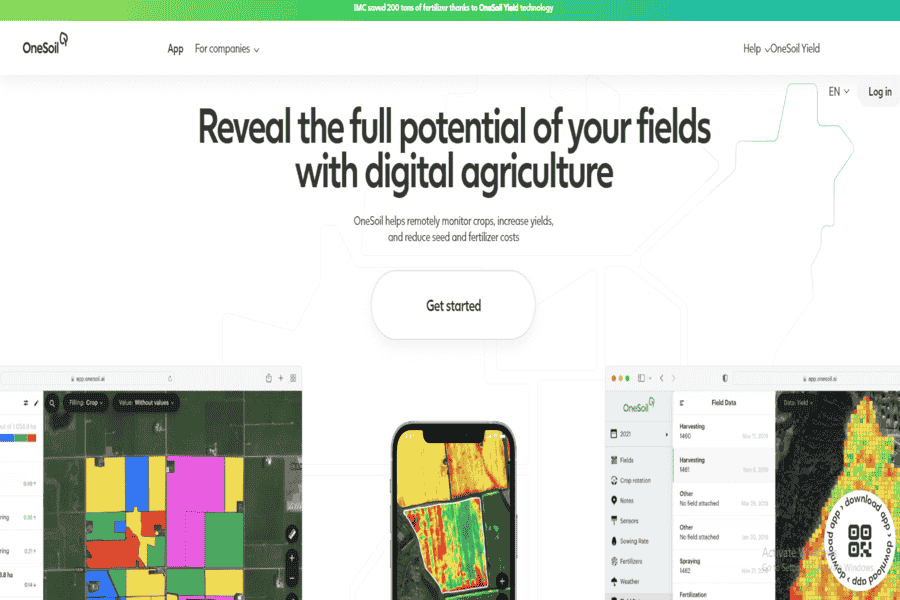
OneSoil uses AI and satellite imagery for precision agriculture, providing yield predictions and crop monitoring.
Pros:
Satellite-driven, free access to some features.
Cons:
Less detailed for small-scale farms.
Pricing Package:
Free basic features, subscription for advanced features.
Social Media:
- Facebook: OneSoil
- Instagram: @onesoil
- Linkedin: OneSoil LinkedIn
- Twitter: @OneSoil_AI
- YouTube: OneSoil YouTube
Contact:
Email: [email protected]
Agremo
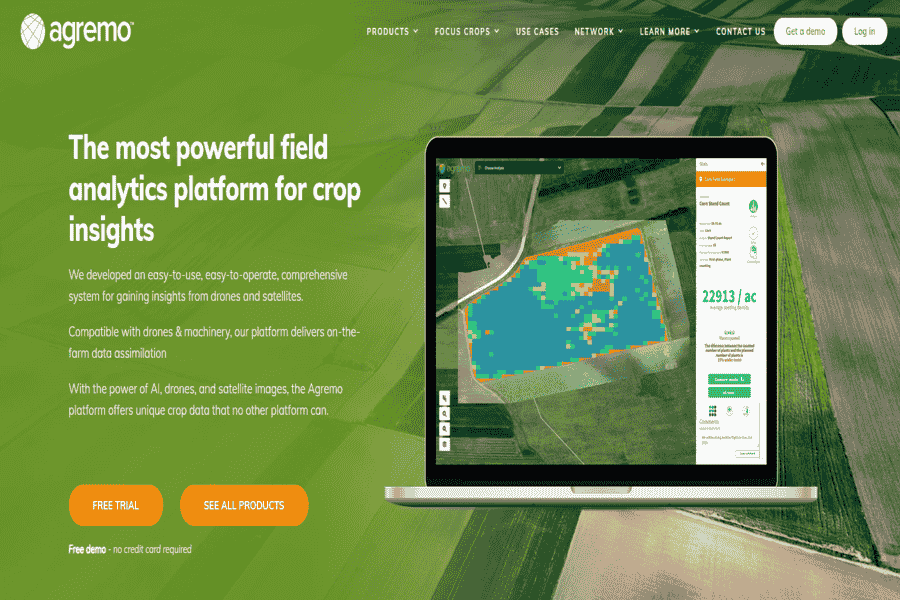
AI-driven platform for analyzing aerial imagery and providing insights for crop management.
Pros:
Precise crop health insights that are easy to integrate with drones.
Cons:
More suited for large-scale operations.
Pricing Package:
Contact for pricing.
Social Media:
- LinkedIn: Agremo
- Twitter: @AgremoAnalytics
Contact:
Email: [email protected]
Granular
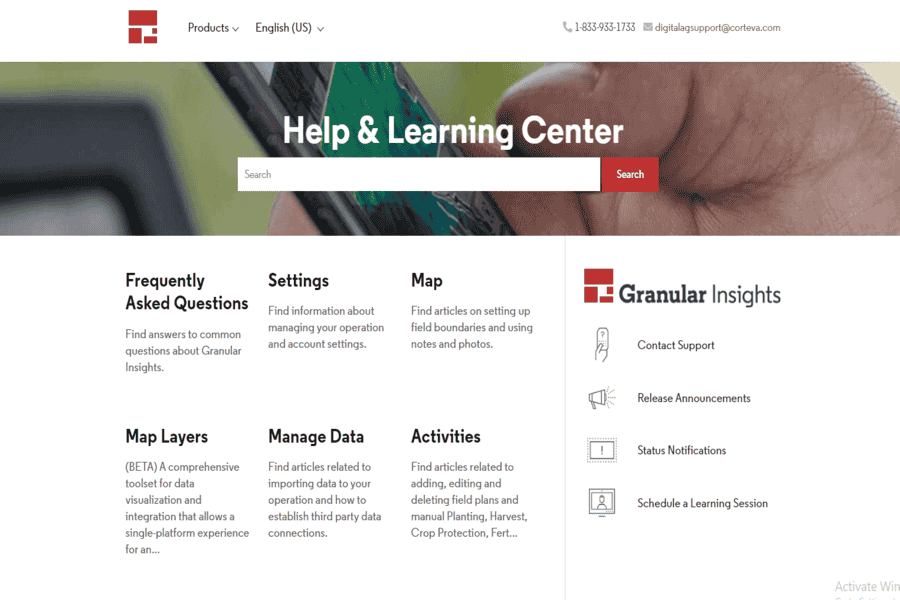
Granular uses AI to optimize farm operations by analyzing large datasets for actionable insights. It helps with crop management, energy efficiency, and resource use, all while promoting sustainability.
Pros:
Increases productivity, provides actionable insights, and reduces energy consumption.
Cons:
High upfront costs for implementation.
Pricing Package:
Custom pricing based on farm size and needs.
Social Media:
Contact Information:
- Email: [email protected]
- Contact Number: +1 888-236-4329
Climate FieldView
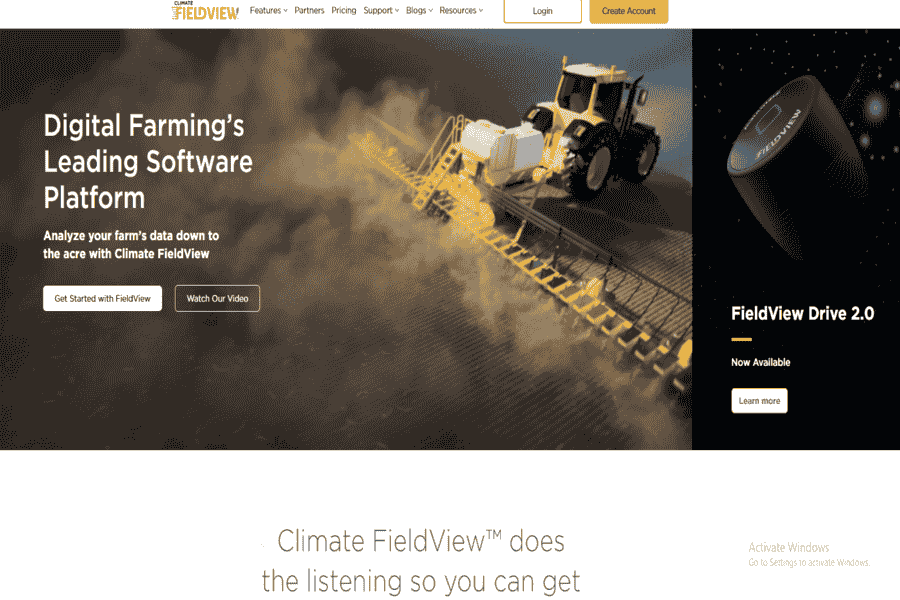
Bayer’s FieldView platform integrates AI-powered tools that help farmers collect and analyze field data to optimize yields, reduce resource waste, and enhance crop management.
Pros:
Boosts crop yields, reduces input costs, and aids in decision-making with real-time data.
Cons:
Requires reliable internet connectivity for full functionality.
Pricing Package:
Subscription-based, customizable packages.
Social Media:
Contact Information:
- Email: [email protected]
- Contact Number: +1 877-371-3080
Netafim
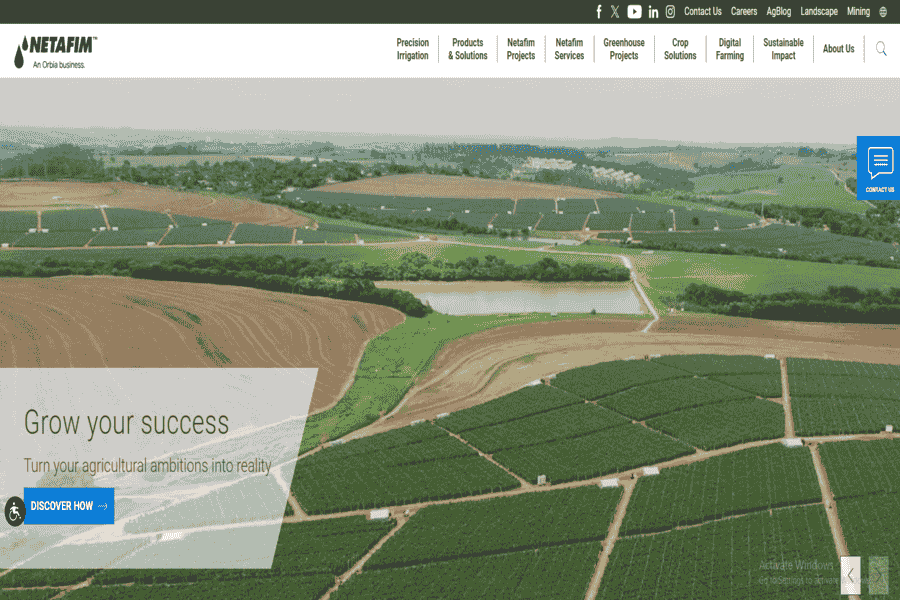
Specializing in precision irrigatNetafim’sfim’s AI-driven systems help monitor soil moisture, weather, and plant health, creating personalized irrigation plans to conserve water while boosting crop growth.
Pros:
Reduces water usage significantly while ensuring optimal crop growth.
Cons:
Requires initial investment in smart irrigation systems.
Pricing Package:
Custom pricing based on farm needs.
Social Media:
Contact Information:
- Email: [email protected]
- Contact Number: +1 877-638-2346
Enviro (Waste Management AI)
Enviro uses machine vision and deep learning to sort agricultural waste efficiently, transforming it into valuable resources such as compost or biogas, supporting a circular economy in farming.
Pros:
Reduces waste sent to landfills and supports sustainable farming by turning waste into energy.
Cons:
It requires the installation of sorting hardware and may only be suitable for some farm sizes.
Pricing Package:
Custom pricing based on farm and waste volume.
Social Media:
Contact Information:
- Email: [email protected]
- Contact Number: +1 800-234-1234
Microsoft FarmBeats

FarmBeats integrates AI with IoT and cloud computing to help farmers collect and analyze weather, soil, and crop health data, enabling sustainable decision-making.
Pros:
Provides actionable insights on weather patterns and resource management.
Cons:
Cloud-based, requiring reliable internet.
Pricing Package:
Subscription-based, customizable pricing.
Social Media:
Contact Information:
- Email: [email protected]
- Contact Number: +1 800-642-7676
Cropin Sage
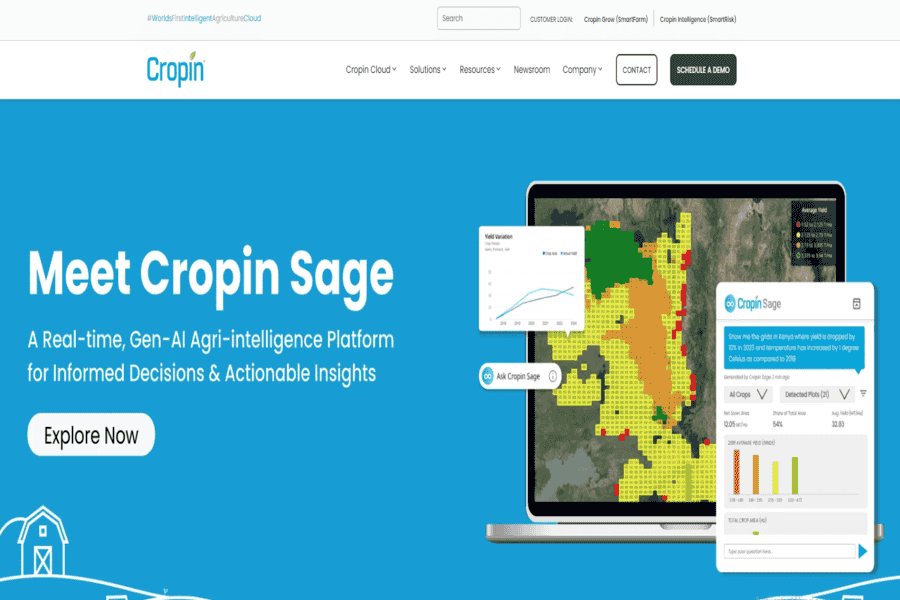
Cropin Sage is an AI-powered agri-intelligence platform that combines real-time data, including global climate and crop knowledge graphs, to help with crop production planning and forecasting. It offers granular insights to improve sustainability by enhancing decision-making for farmers and agri-businesses.
Pros:
Provides a dynamic, global food and agriculture map; enhances resource management, real-time forecasting, and predictive insights.
Cons: It requires integration with existing enterprise systems and is tailored more for large-scale use.
Pricing Package:
Custom pricing based on enterprise requirements.
Social Media:
Contact Information:
- Email: [email protected]
Sentera
AI-powered drone and imagery analytics platform giving agronomists field-level plant counts, stand health, and crop-stress data to guide input decisions. Replaces a duplicate Taranis entry already listed above.
Pros:
- Detailed, field-level imagery analytics.
- Used by agronomists and seed companies for research-grade data.
Cons:
- Requires drone or aerial imagery capture to get full value.
Pricing Package:
Custom pricing based on acreage and services needed.
Semios
AI-driven pest and disease monitoring for orchards and vineyards, using in-field sensors and predictive models to reduce pesticide use through precisely-timed intervention. Replaces a duplicate Agremo entry already listed above.
Pros:
- Purpose-built for orchard/vineyard pest and disease management.
- Precision timing reduces unnecessary pesticide application.
Cons:
- Focused on tree/vine crops, not row crops.
Pricing Package:
Custom pricing based on acreage.
Arable
Combines a field-mounted sensing device with AI-driven analytics to track crop growth, weather, and irrigation needs in real time. Replaces a duplicate FarmBeats entry already listed above (Microsoft FarmBeats).
Pros:
- Combines hardware sensing with AI analytics in one product.
- Real-time field-level data, not just satellite estimates.
Cons:
- Requires physical hardware installation in the field.
Pricing Package:
Custom pricing based on farm size and device count.
AgriWebb
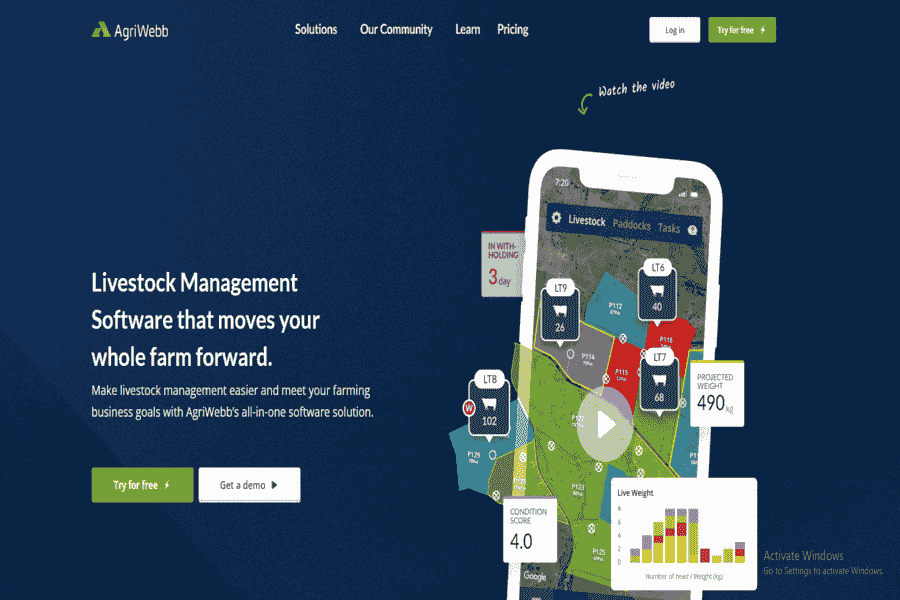
AgriWebb provides a farm management platform that uses AI to help farmers optimize operations, track livestock, and manage land more efficiently. It focuses on data-driven insights to improve sustainability in farm management.
Pros:
Easy-to-use interface; focuses on farm management beyond just crop health.
Cons:
It is less specialized in crop health monitoring; it focuses more on livestock.
Pricing Package:
Custom pricing.
Social Media:
Contact Information:
- Email: [email protected]
Challenges and Government Support
Adoption still faces real barriers: high upfront costs put many of these tools out of reach for smaller farms, gathering reliable field data is genuinely harder in remote areas with poor connectivity, and the digital divide means the farms that could benefit most from efficiency gains are often the ones least able to access the technology. Ethical questions around data ownership (whose data is it when a sensor sits on a farmer’s land?) remain unsettled too. Government support helps close these gaps in places where it exists — financial incentives for adoption, R&D funding, rural broadband and infrastructure investment, and policy frameworks that address data ownership and environmental standards.
Conclusion
The tools above cover the main categories of AI-driven sustainable agriculture: soil and irrigation management (CropX, Netafim), aerial/drone crop monitoring (Taranis, Sentera, Agremo, Semios, Fermata), satellite and imagery analytics (OneSoil, Cropin Sage), farm management platforms (Granular, Climate FieldView, AgriWebb), and integrated sensor/IoT systems (Microsoft FarmBeats, Arable). Precision agriculture with AI-powered robotics, predictive analytics, and climate-resilient crop breeding are the clearest next steps for the field — all aimed at the same goal of using fewer resources to grow more, with less environmental impact.