AI contract analysis reads an agreement, pulls out the clauses and dates that matter, and flags the terms that differ from your standard. For reviewing a contract someone else drafted, Spellbook is the most direct fit here. For managing agreements across their whole life, Ironclad and LinkSquares are built for that instead.
Those are two different purchases, and the category name hides it. One reads documents. The other runs the process around them, and costs accordingly.
What AI contract analysis does
Three jobs sit under the label. Extraction pulls parties, dates, values and renewal terms out of a document into fields you can search. Clause comparison checks the wording against a standard you supply and marks what deviates.
The third is obligation tracking: knowing that a notice period expires in thirty days, before it expires rather than after. That is where most of the money saved comes from.
What none of these tools do is decide whether a term is acceptable. They surface the clause and the deviation. A lawyer still decides whether to sign.
Review or lifecycle: pick the problem you have
Contract review software helps with the document in front of you. You have a supplier’s paper, you need to know what is unusual in it, and you need a redline back. Spellbook and Kira sit here.
Contract lifecycle management runs the whole pipeline: request, draft, approve, sign, store, renew. Ironclad, LinkSquares and Docusign sit here, and they are bought by operations and procurement rather than by a reviewing lawyer.
Buying a CLM to solve a review problem is the expensive mistake in this category. It is also the easy one to make, because both are sold as AI contract analysis.
The 6 tools in our catalogue
| Tool | Rating | Built for | Pricing |
|---|---|---|---|
| Ironclad | 4.2 | Lifecycle management | Quoted |
| Luminance | 4.2 | Procurement review | Quoted |
| LinkSquares | 4.2 | Lifecycle management | Quoted |
| Spellbook | 4.2 | Review and drafting | Quoted |
| Kira Systems | 4.1 | Due diligence review | Quoted |
| Docusign | 3.9 | Signing and agreements | Published plans |
Five of the six publish no price and route you to a demo. That’s normal at this end of the market. The real cost depends on seat count and contract volume, so treat any figure you read elsewhere as someone else’s quote.
1. Spellbook, rated 4.2, for reviewing and drafting
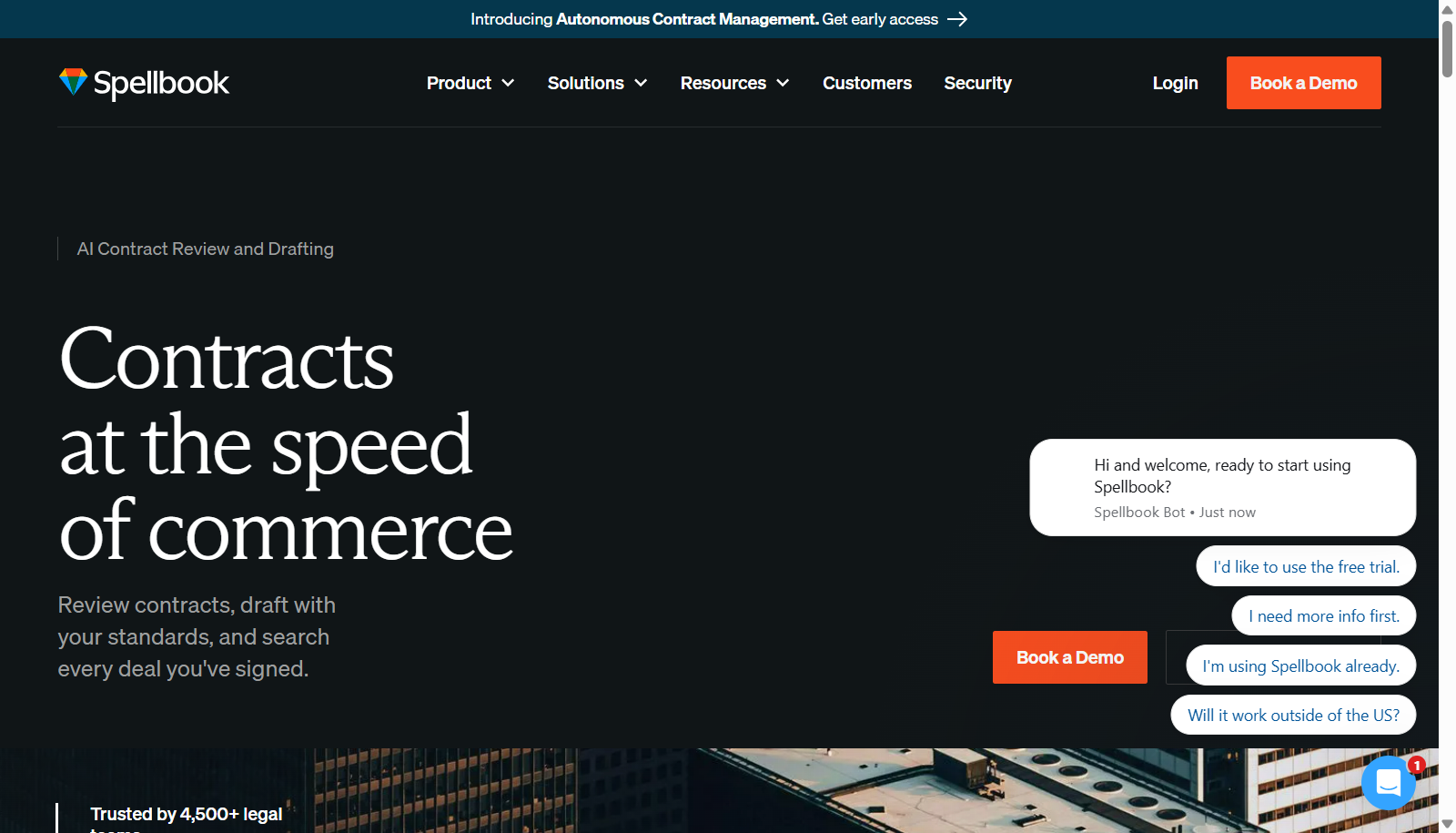
Spellbook is the closest match to what most people mean by AI contract analysis. Its page describes AI contract review and drafting: review against your standards, draft, and search every deal you have already signed.
It’s also pushing further, advertising autonomous contract management as an early-access product. Judge it on the review workflow you can use today.
2. Ironclad, rated 4.2, for the whole lifecycle
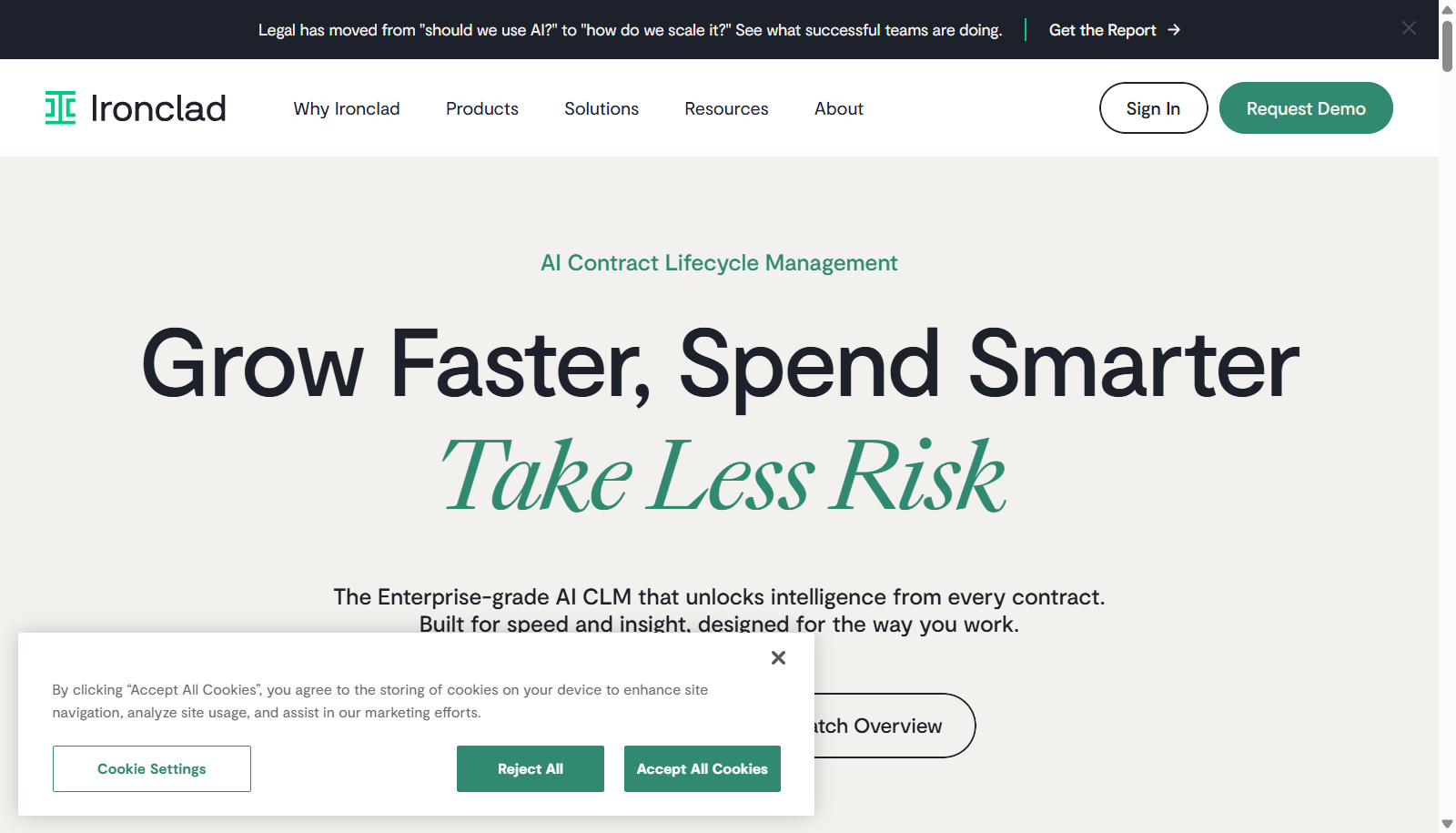
Ironclad calls itself enterprise-grade AI contract lifecycle management, and frames the pitch as growing faster while taking less risk. It is the heaviest product here and the one that changes how a company works rather than how a lawyer reads.
Its site publishes no pricing and asks for a demo. Our listing records a five-figure annual figure, which the vendor does not confirm publicly, so treat it as indicative rather than a quote.
3. LinkSquares, rated 4.2, agentic lifecycle
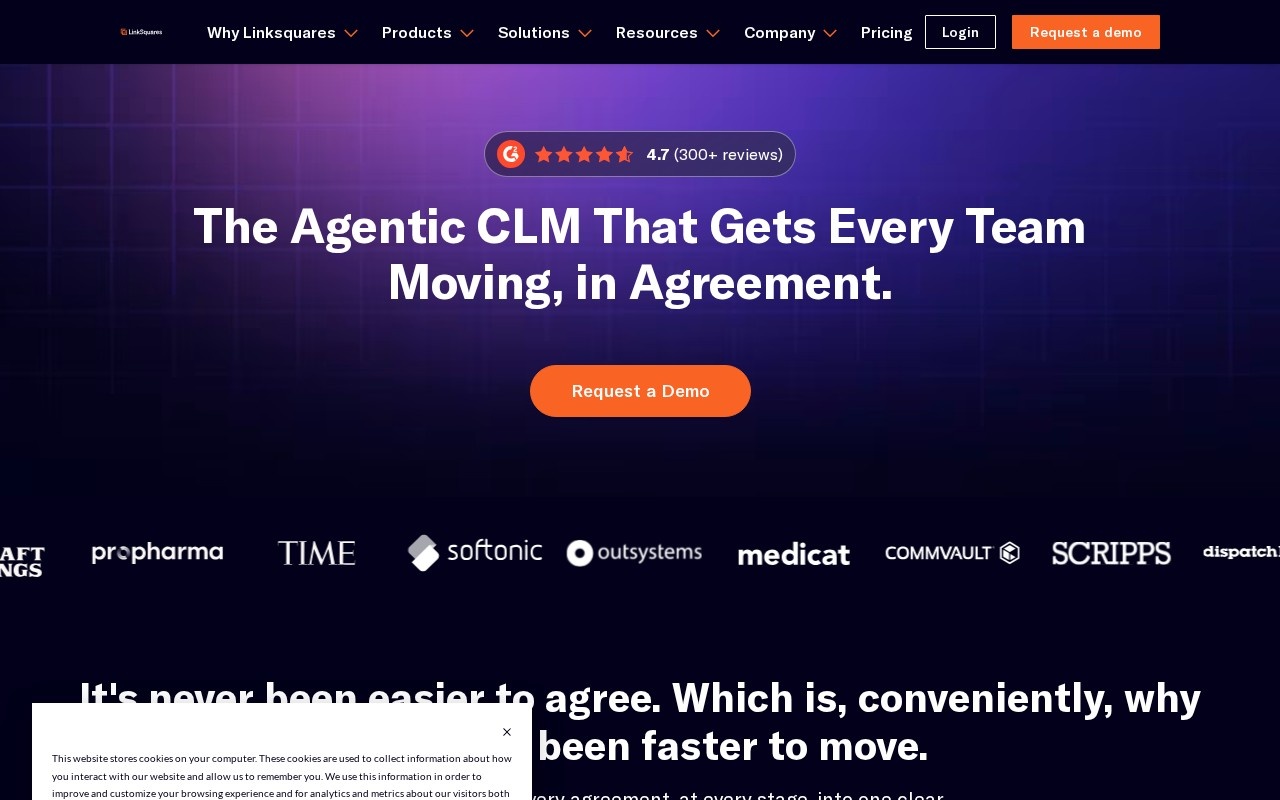
LinkSquares now describes itself as an agentic CLM, meaning the software is meant to move work forward rather than wait to be asked. It sits alongside Ironclad rather than against Spellbook.
4. Luminance, rated 4.2, procurement-first
Luminance has moved. Its page now leads with Legal-Grade AI for procurement, automating and enhancing every touchpoint a business has with a supplier.
If you arrived looking for general legal review, note the shift before you book the demo. Procurement is a different buyer from a legal team.
5. Kira Systems, rated 4.1, due diligence
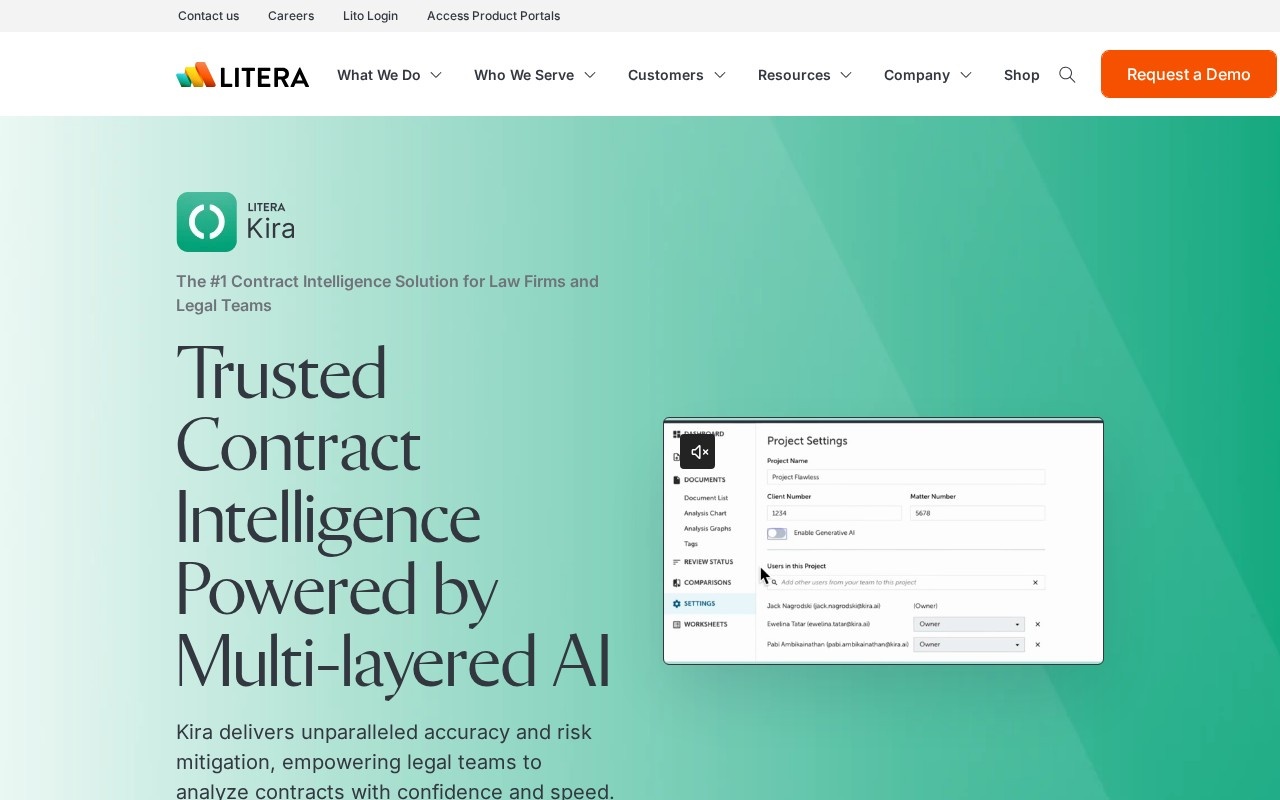
Kira Systems now trades as LITERA Kira and positions itself as contract intelligence for law firms and legal teams. That is the due-diligence end of this category: reading a stack of contracts at once to find what is in them.
6. Docusign, rated 3.9, signing and storage
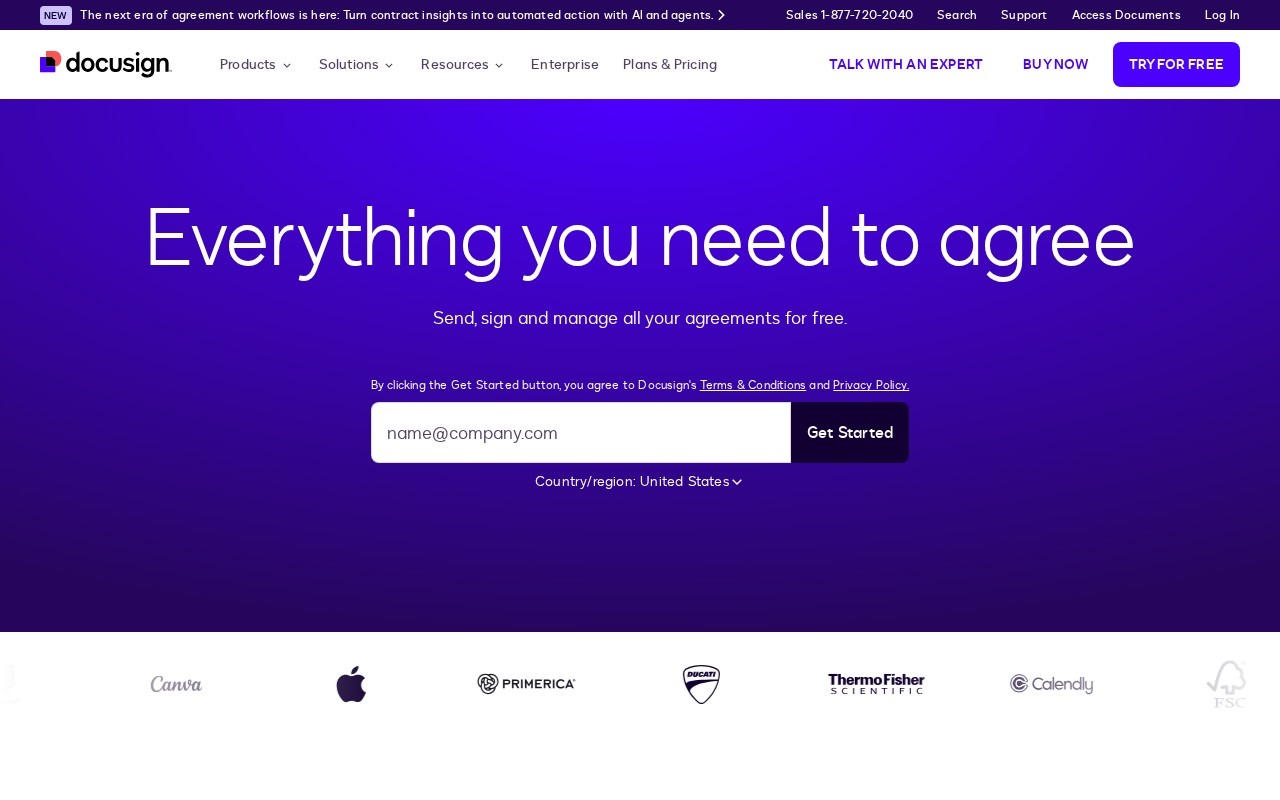
Docusign is the name everyone knows, and it is here for agreement workflow rather than clause analysis. Its page advertises sending, signing and managing agreements free, while our listing records no free plan.
It’s the only one of the six with published plans, which makes it the easiest to budget and the least specialised at reading contracts.
What this catalogue does not cover
Being straight about the gap: five products people shortlist for contract review are not in our catalogue, so we cannot link them or rate them. Evisort, LawGeex, Robin AI, Juro and Lexion all sit in that group.
The same applies to the enterprise CLM names beyond Ironclad and LinkSquares: Icertis, Agiloft, ContractPodAi and SirionLabs are absent. If your shortlist is built around those, this page covers part of your market rather than all of it.
Related reading on adjacent jobs: AI legal research tools for case law rather than contracts, and AI document tools for legal teams for the wider document workflow.
How to choose
To pick one quickly, match the problem to the line below.
- You review contracts other people drafted: Spellbook.
- You read a stack of contracts for diligence: Kira Systems.
- Your contracts get lost between teams: Ironclad or LinkSquares.
- The problem is supplier agreements: Luminance.
- You mainly need signing and storage: Docusign.
The full category sits in Legal AI.
Common questions
Can AI review a contract without a lawyer?
It can read one and tell you what deviates from your standard. Whether the deviation is acceptable is a legal judgement, and every tool here is built to hand that decision to a person.
What is the difference between contract analysis and CLM?
Contract analysis is the reading step: it works on a document you already have. Contract lifecycle management is the process around it, from request through renewal. Spellbook and Kira do the first; Ironclad and LinkSquares do the second.
How much does AI contract analysis cost?
Five of the six tools here publish no price and quote per company, based on seats and contract volume. Only Docusign lists plans openly. Expect a demo before a number.