Best AI Avatar Generators in 2026: 8 Tools Compared
June 17, 2026


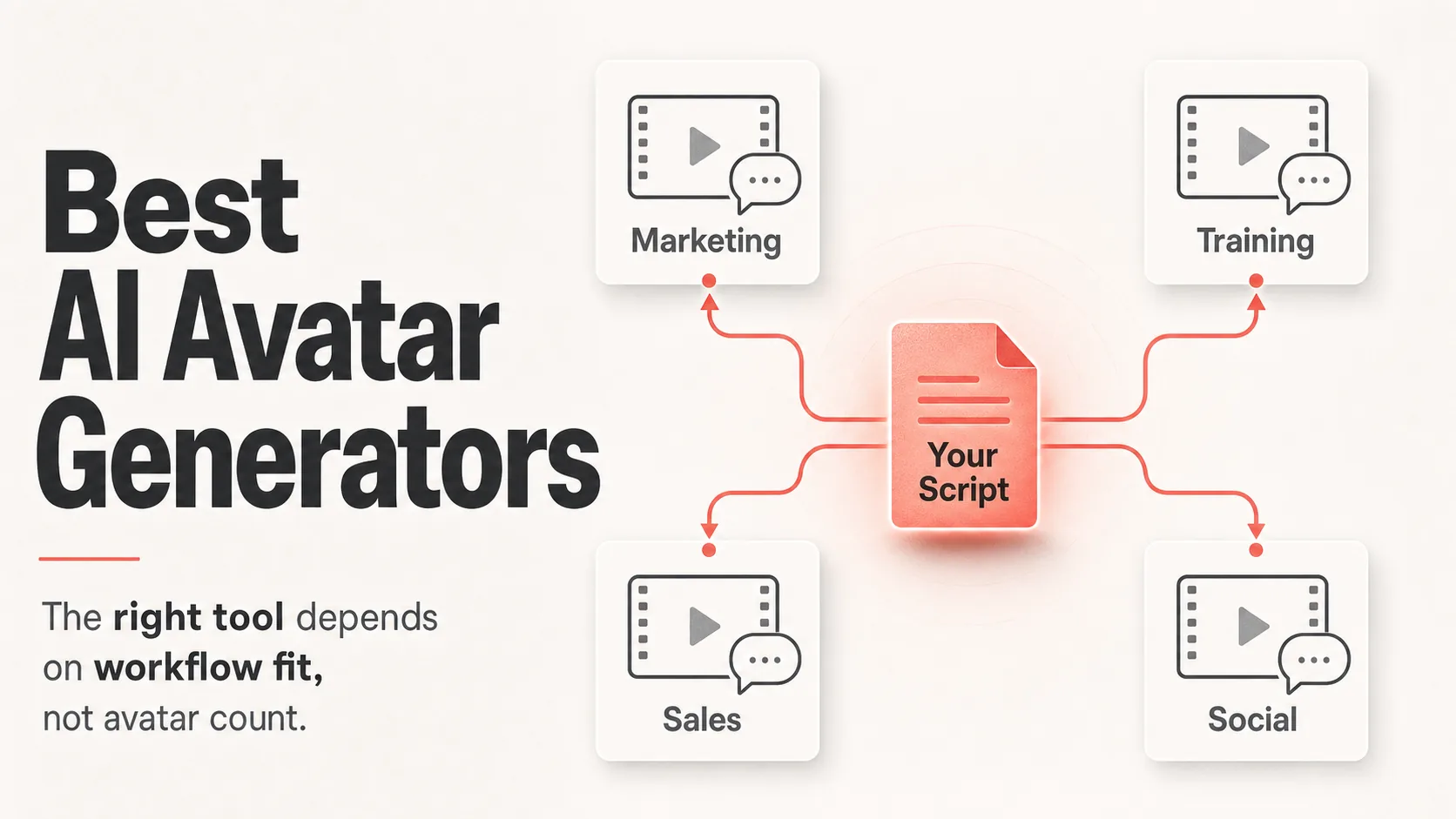
If you need to turn a script, selfie, or training deck into a talking video, the best AI avatar generators are the ones that match your workflow, not just the ones with the most avatars. The strongest all-around pick for most buyers is HeyGen, which balances realistic avatars, easy custom-avatar creation, and multilingual output. Training teams lean toward Colossyan or Synthesia, budget and short-form creators do better with D-ID or VEED, and anyone who only needs animated explainers can skip photorealism entirely with Vyond or Animaker. This guide ranks eight tools by realism, price, and best-fit use case so you can choose without testing all of them yourself.
We ranked these tools on the criteria that actually decide which one you keep: avatar realism, ease of use, pricing and value, customization, localization, output quality, and how well each fits a real job like marketing, training, or social content. The list favors tools that are actively used to make talking avatar videos, not static profile-picture makers, so headshot generators and game-style avatar apps sit outside it.
The ranking reflects what search results repeatedly surface for this query: business training, marketing ads, social content, sales outreach, and multilingual localization. Pricing and ratings appear only where the underlying research confirms them, so a missing number here means the figure was not verified, not that the tool is hiding it.
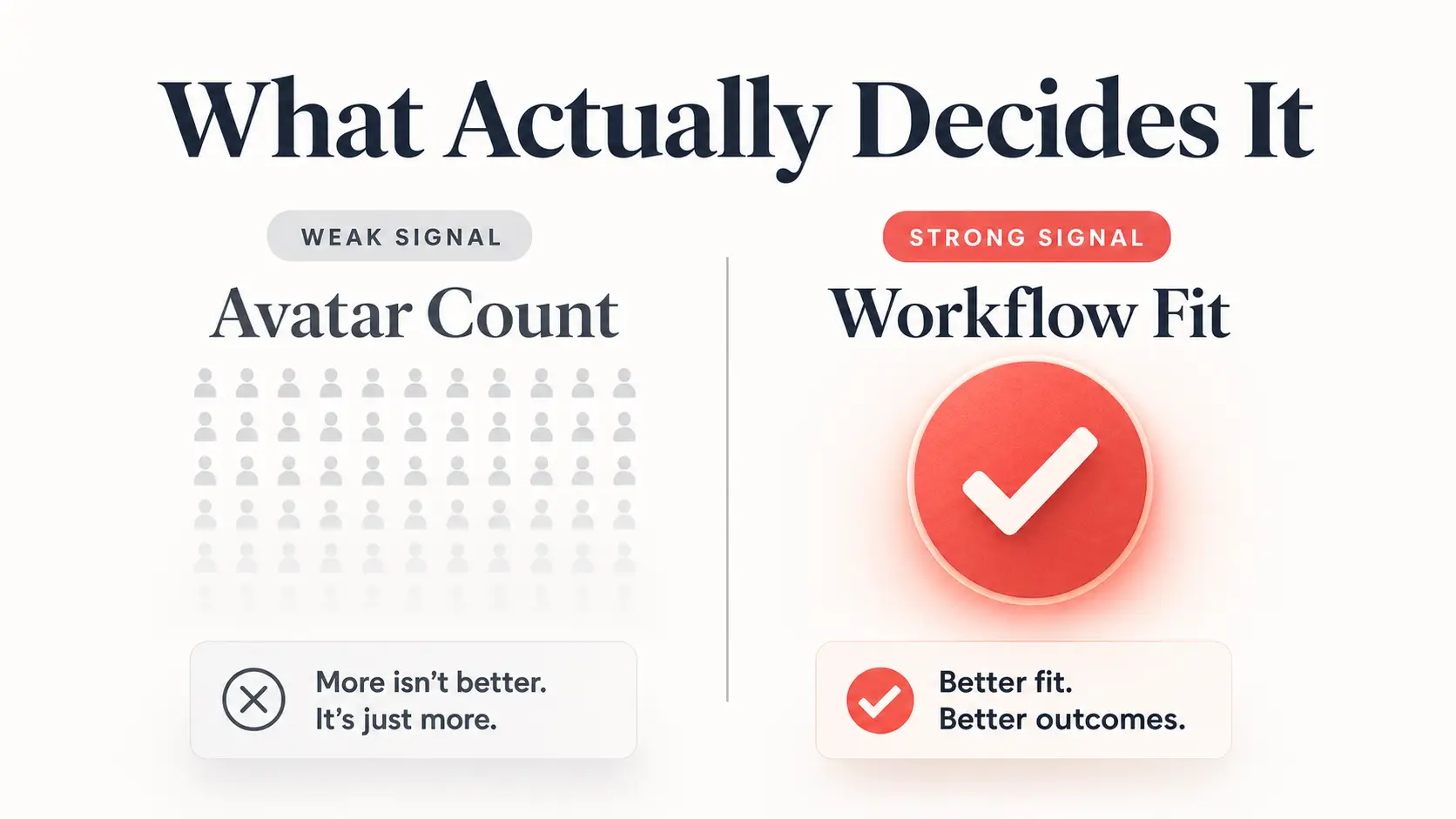
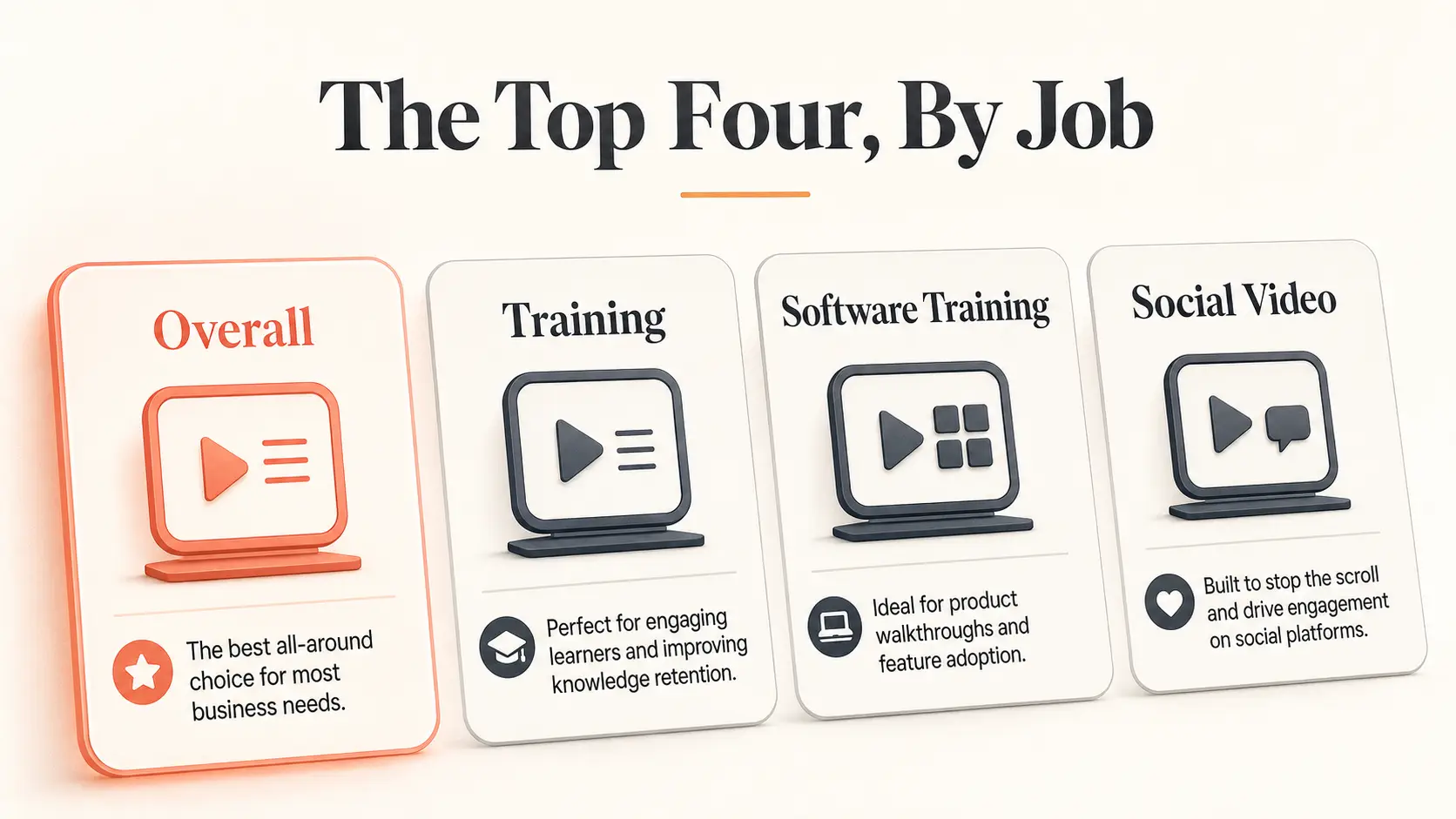
These four lead the list because they handle the most common jobs well: realistic talking avatars, business training, and multilingual video at scale. Each entry names the use case it wins and the one tradeoff worth knowing before you commit.
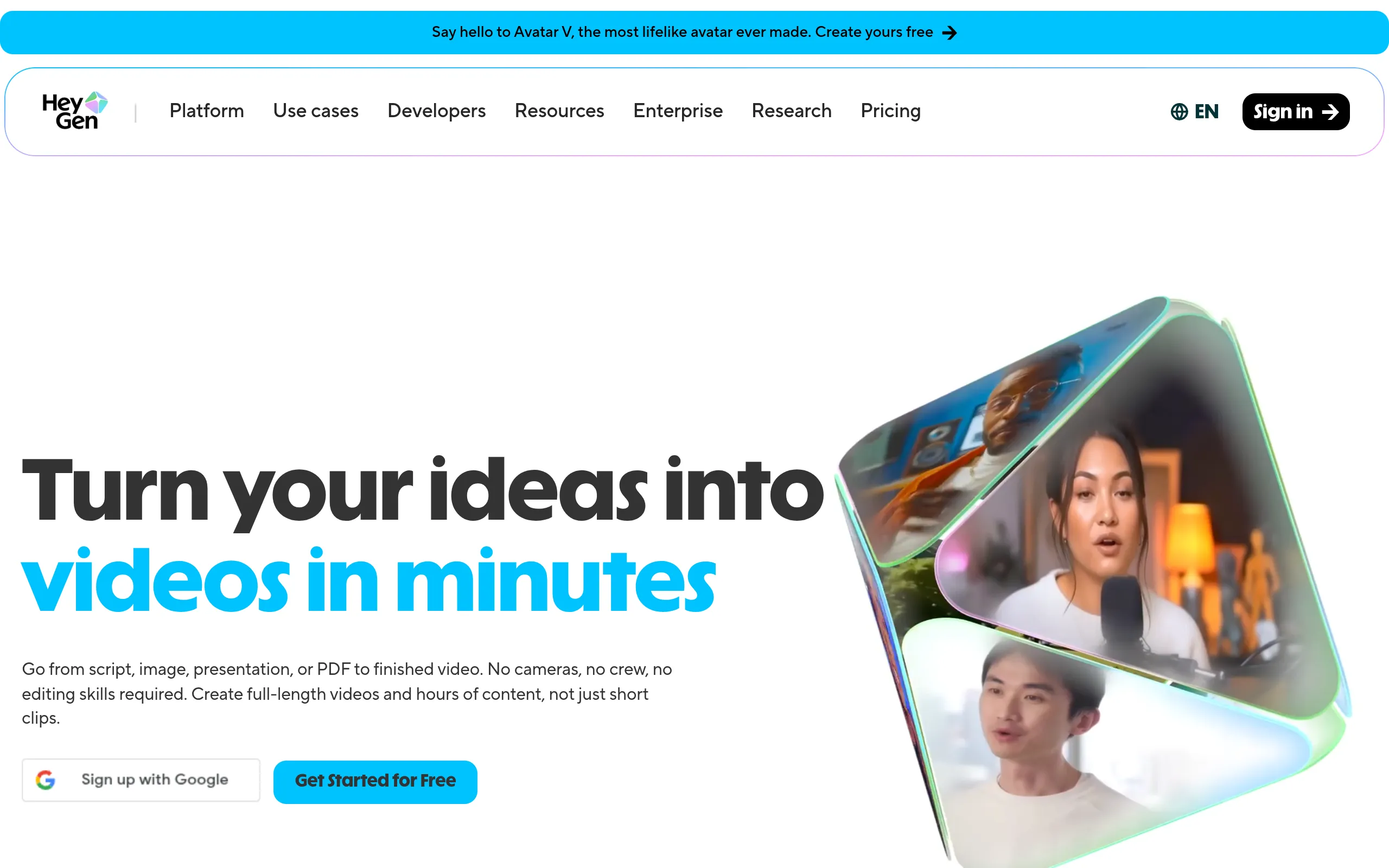
HeyGen turns scripts, images, or audio into talking-avatar videos, and it is the best fit for teams that want realistic avatars plus easy custom-avatar creation. It earns the top spot because it balances three things most tools trade off against each other: avatar realism, day-to-day usability, and a custom avatar studio you can actually use without a production crew.
The script-based editor, automatic subtitles, and multilingual voice and lip-sync make it practical for turning one spokesperson script into a localized promo. Realism does vary by use case, and it is not built for cinematic or entertainment-style projects, so treat it as a business-video workhorse rather than a film tool.
Synthesia generates business videos from scripts using a large avatar library and localization-focused workflows. It is more enterprise-oriented than HeyGen, which makes it the stronger pick for training, product demos, tutorials, and multilingual internal communication.
The deep avatar selection and language coverage suit an L&D team building an onboarding module for a global workforce. The tradeoff is creative flexibility: Synthesia is less useful when you want heavy visual experimentation or playful, non-avatar formats, so creative-first teams will feel boxed in.
Colossyan produces training-oriented avatar videos with screen recording support and learning-system-friendly export. It is more specialized than Synthesia for corporate learning, which is why it wins for onboarding and software instruction rather than general marketing.
Screen recording integration is the genuine differentiator here, since it lets a training team pair an avatar narrator with an actual software walkthrough, then export to a learning management system. The catch is polish and pricing: it has less cinematic finish than creator-first tools, and custom avatars sit behind enterprise pricing.
VEED uses stock avatars and a built-in editor to turn text into talking videos, then lets you layer captions, music, and branding in one place. It is less about avatar specialization and more about being an all-in-one editor with avatar creation built in, which makes it a natural fit for social clips, video ads, and UGC-style content.
The free stock avatars and full editing suite let a social marketer build a captioned product demo without jumping between apps. Platform breadth is the strength and the limitation at once: the avatar tooling is one feature among many rather than the deepest in this list.
These four cover the niches the top tier does not: photo-driven talking heads, fast internal video, and animated explainer characters. Two of them, Vyond and Animaker, are stylized rather than photorealistic, so they belong on this list only if human realism is not your priority.
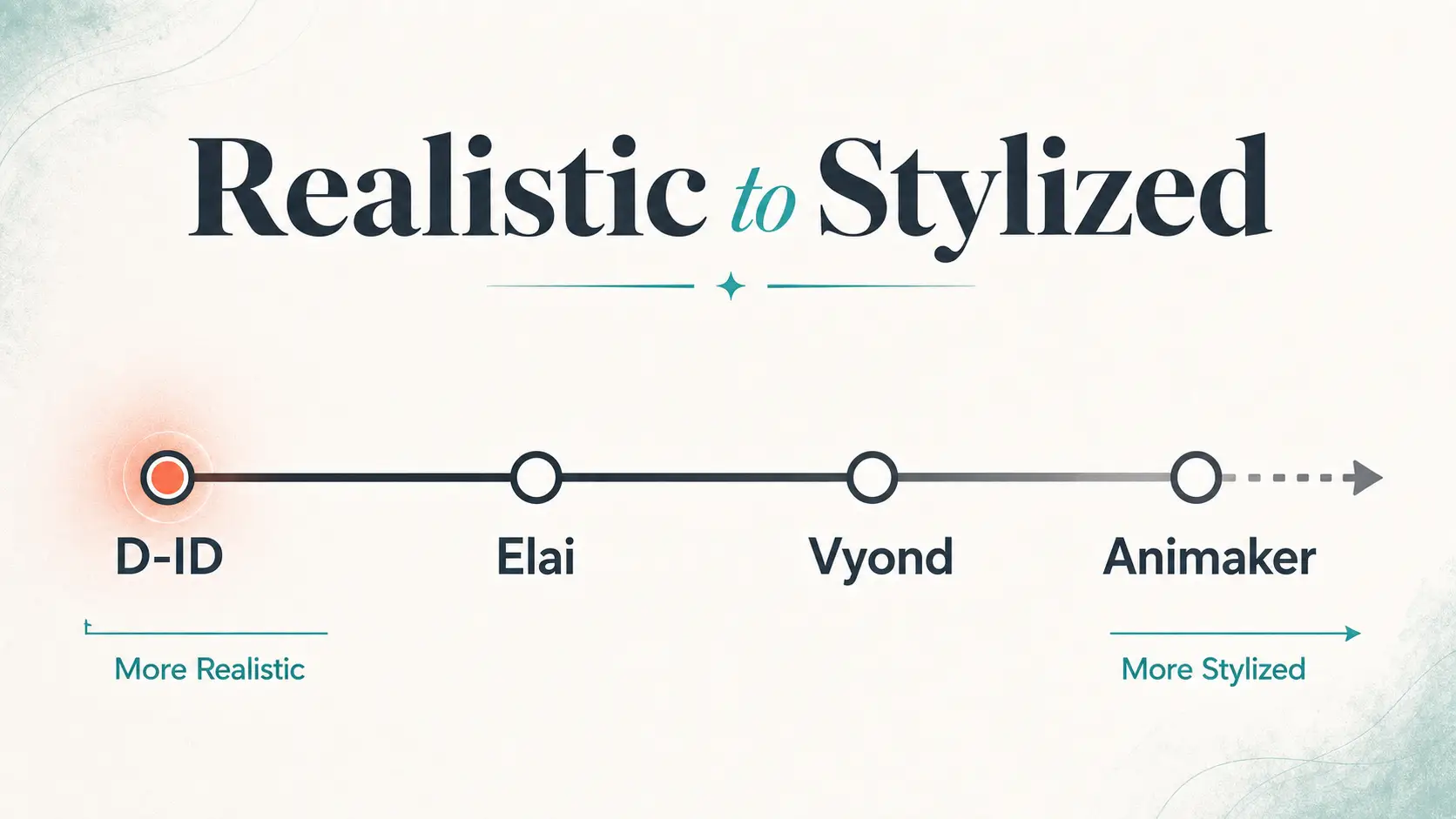
D-ID synthesizes facial motion and lip-sync from a single source photo to create short talking-avatar videos, with an API-first workflow for automation. It is more developer-driven than HeyGen and more focused on photo-to-avatar motion than full studio production.
That makes it a good fit for a sales team generating personalized outreach videos from one headshot, or a marketer producing short social clips at speed. It is weaker for formal training or heavy branding, and its customization is more limited than full studio tools.
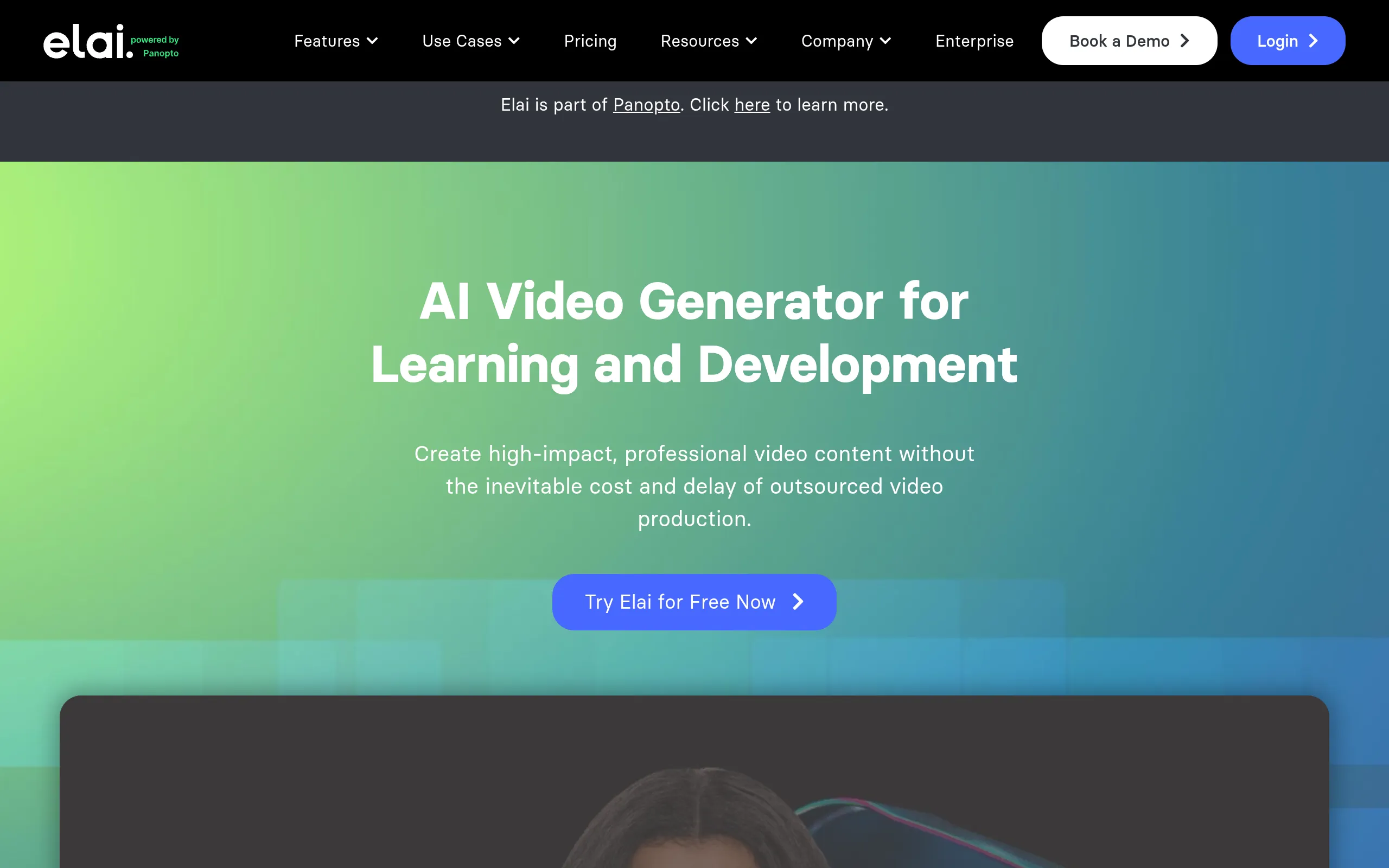
Elai creates avatar videos quickly with minimal onboarding, built for fast internal communication and training output. Next to Colossyan, it is the lighter option when speed matters more than training-system depth.
An HR team can use it to push out a quick onboarding clip without learning a complex editor. The tradeoff is range: it is less flexible for creative or highly customized content, and it is not positioned for cinematic marketing work.
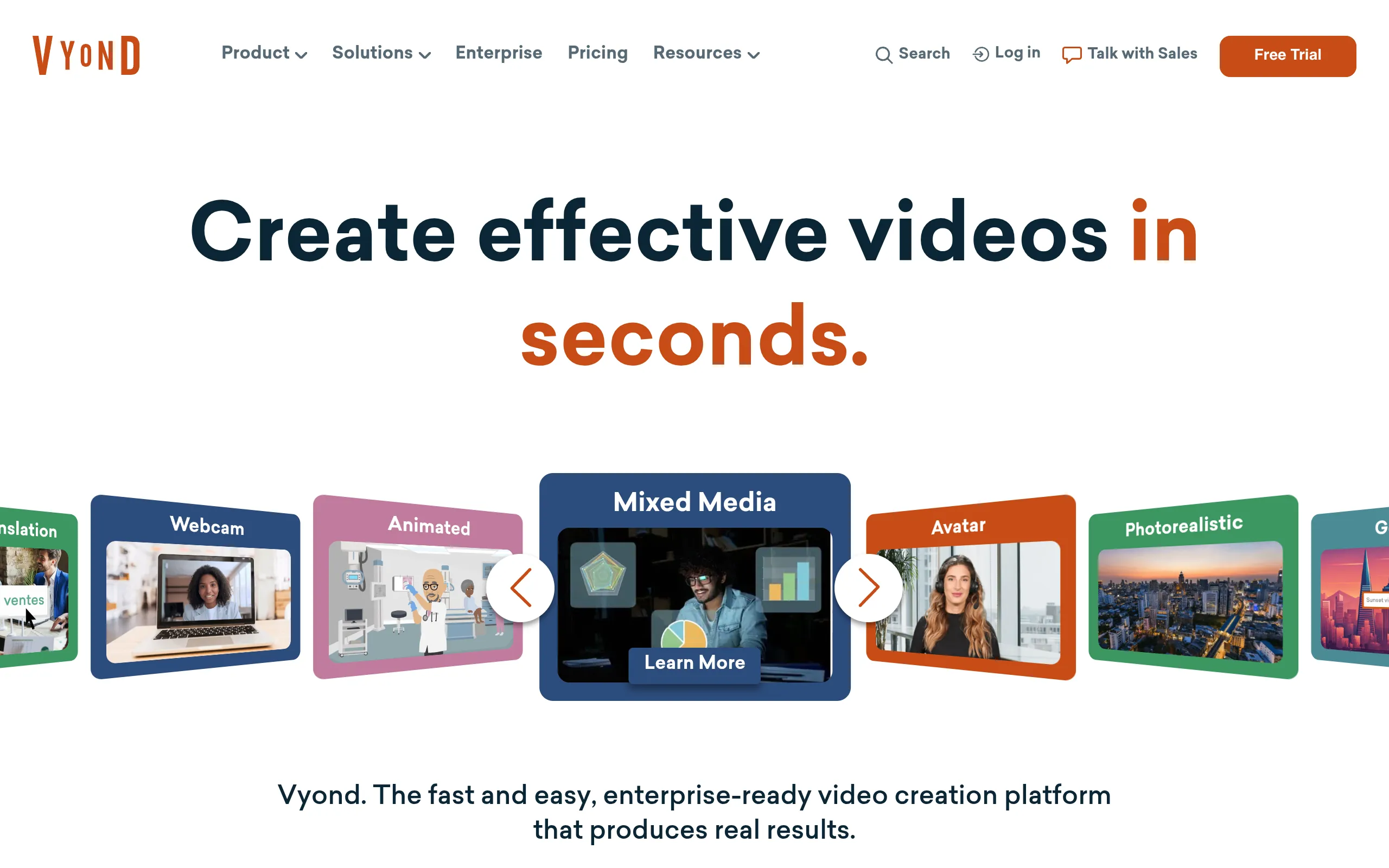
Vyond builds animated character videos rather than photorealistic talking heads, leaning into stylized motion graphics and explainer storytelling. It is the more established stylized option of the two animation-first tools here.
It fits a brand team making a casual explainer or a mascot-driven internal message, where personality matters more than looking human. Because it is animation-first, it is the wrong choice when realism is the main thing you are buying for.
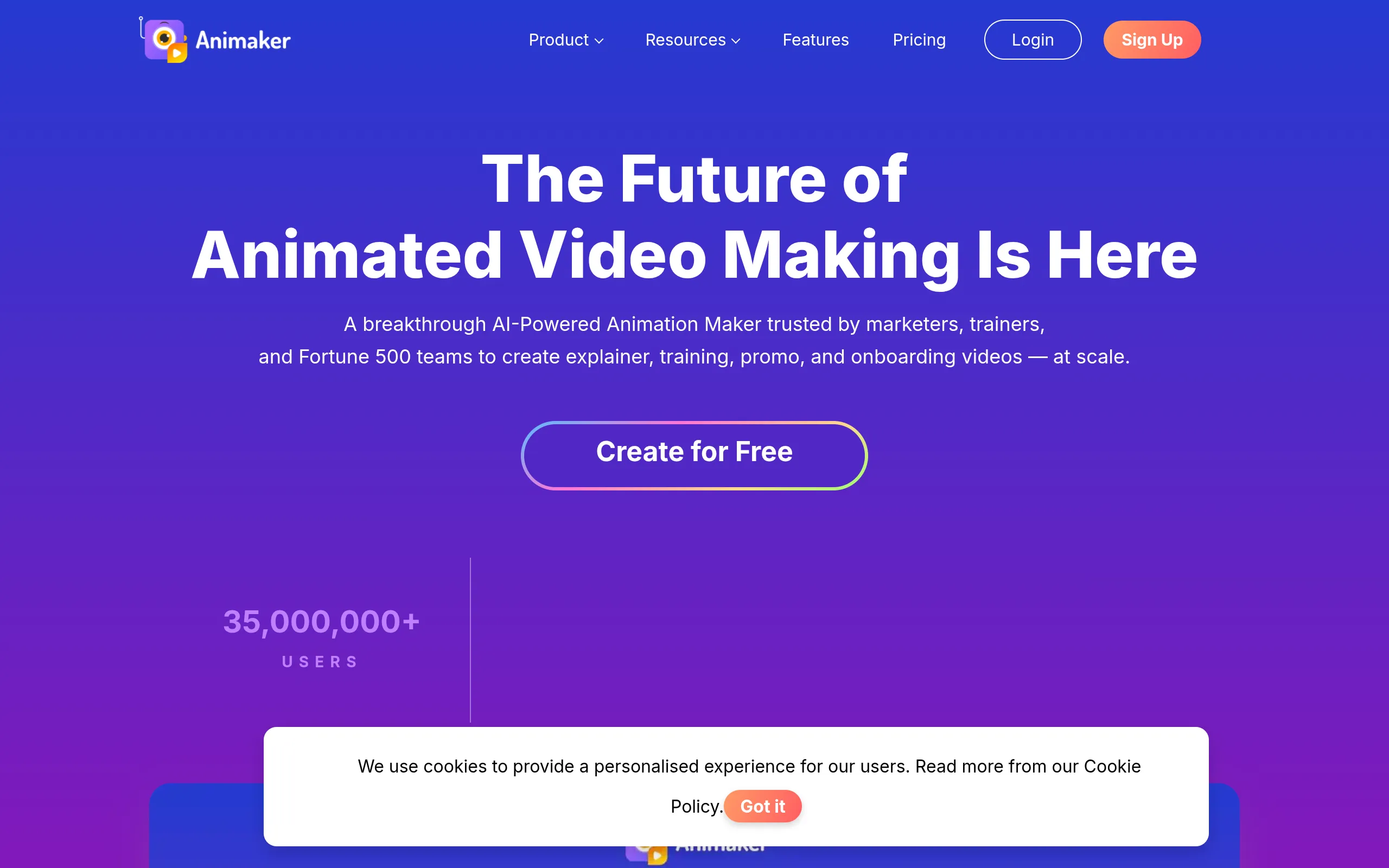
Animaker generates approachable animated character videos for simple avatar-based explainers and casual communications. Compared with Vyond, it is the more beginner-friendly animation tool for non-editors, though it still leans stylized.
A small business can use it to make a straightforward explainer without touching photorealistic avatars. Like Vyond, it is animated rather than lifelike, so it is weaker for buyers who specifically want human realism.
Use this as a fast decision layer after the entries above. Free-tier status, realism, and language support are covered in each tool’s section, so this table sticks to the fields confirmed across most tools.
| Name | Best For | Starting Price |
|---|---|---|
| HeyGen | Best overall, custom avatars | $29/month |
| Synthesia | Multilingual business video | VERIFY |
| Colossyan | Corporate training | $28/month |
| VEED | Social and UGC content | VERIFY |
| D-ID | Photo-based talking heads | ~$49/month |
| Elai | Fast internal video | $23/month |
| Vyond | Animated explainers | VERIFY |
| Animaker | Simple animated content | VERIFY |
If you would rather not reread the whole list, match your goal to one of these picks.
If you are choosing avatars as part of a wider production stack, it helps to see where they sit among the broader set of AI video generators rather than treating them in isolation.
HeyGen is the best overall pick for most buyers because it balances realistic avatars, easy custom-avatar creation, and multilingual output. It works well when you want one tool to handle marketing, internal video, and localized clips without juggling separate products. Teams with narrower needs, like heavy corporate training, may still prefer a more specialized option.
Colossyan is the strongest fit for business training and onboarding. Its screen recording integration lets you pair an avatar narrator with an actual software walkthrough, then export the result to a learning management system. Synthesia is the close alternative if your training is mostly script-driven and needs broad language coverage rather than software demos.
HeyGen, Synthesia, Colossyan, VEED, and D-ID all confirm a free tier or trial, so you can produce at least a short avatar video before paying. Exact free-plan limits, such as video length and export quality, vary by tool and change often, so confirm the current caps on each product’s pricing page before you commit.
Yes, several tools let you create a custom digital twin from your own footage or a photo. HeyGen offers this through its custom avatar studio, and D-ID can animate a single photo into a talking head. If you want an avatar that looks and sounds like you across many videos, look for tools that pair custom avatar creation with voice cloning, and check whether that sits behind a paid or enterprise tier.
Synthesia is built around localization and is the strongest choice for multilingual avatar videos at scale. HeyGen is a capable second option, with multilingual voice and lip-sync that suits localizing marketing content. For teams that need to translate and dub existing footage rather than generate new avatars, a tool with dedicated video translation will serve better.
The honest read is that no single tool wins for everyone, and the right pick comes down to three tradeoffs: realism versus price, customization versus simplicity, and business features versus creator flexibility. HeyGen is the safe default for most buyers, Colossyan or Synthesia suit training-heavy teams, and D-ID or VEED fit budget and short-form work. Start with the tool that gives you the best mix of realism, pricing, and customization for the job in front of you, then pair it with a voice cloning tool if you want every video to sound like you.
