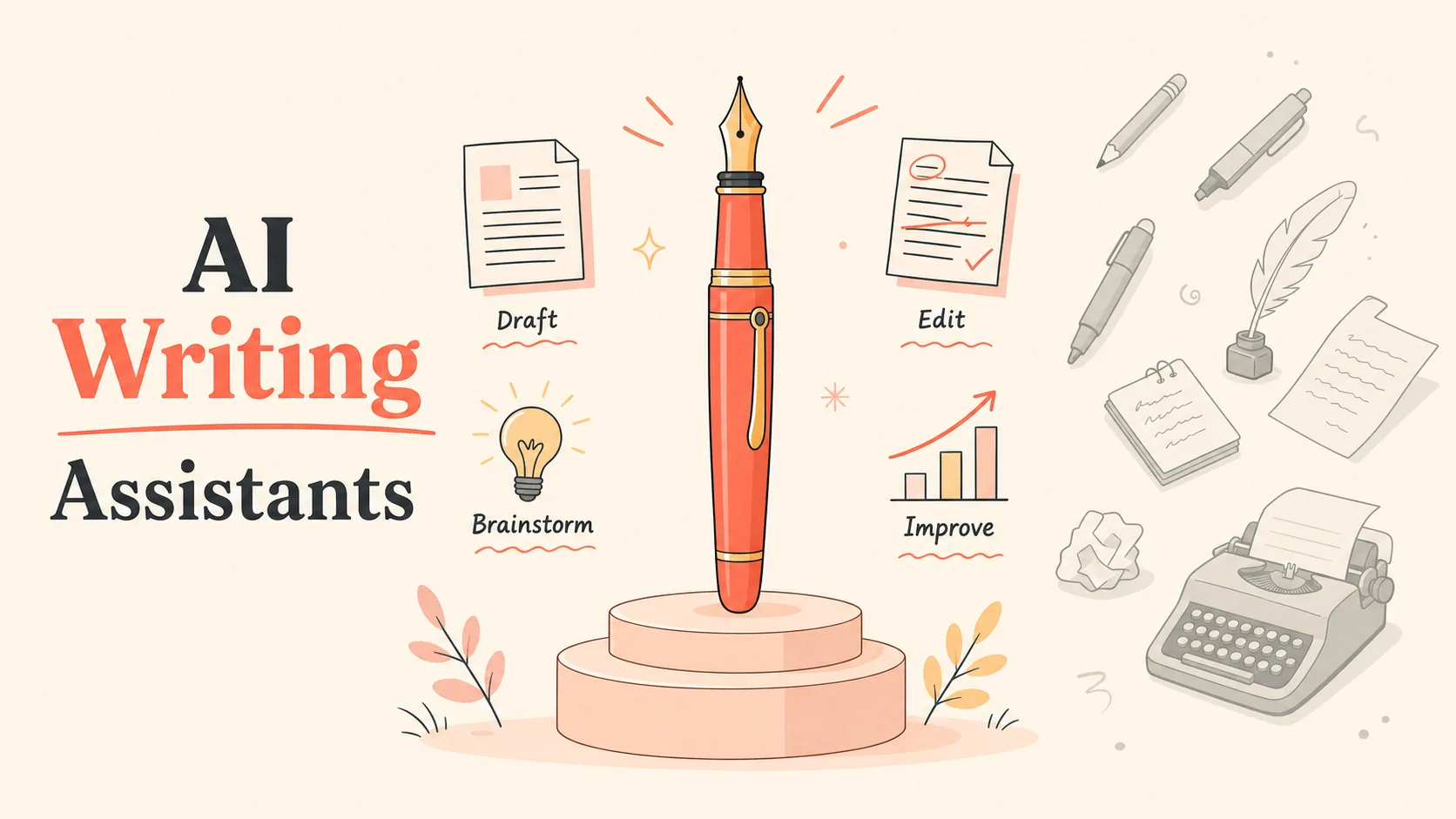
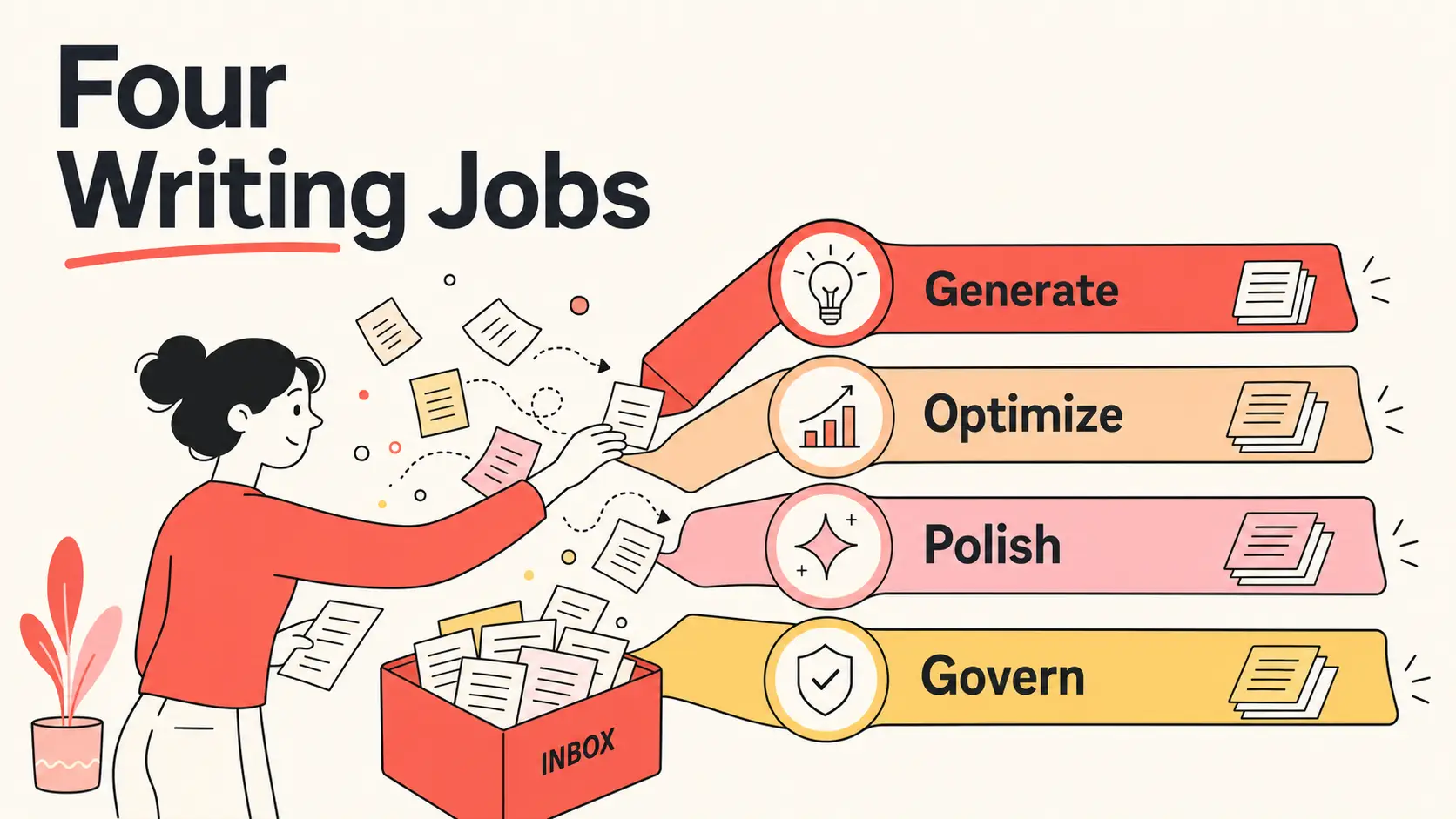
Too many AI writing assistants promise the same thing, but the right one depends on what you actually write and how you work. An AI writing assistant is software that drafts, rewrites, or polishes text for you, and the category now splits into clear jobs: drafting from scratch, optimizing for search, polishing existing copy, and keeping a team’s voice consistent. For most people the best all-around pick is ChatGPT, but the right tool shifts fast once you name your real task: Surfer SEO for ranking, Rytr for tight budgets, Jasper for brand voice, Claude for long-form drafts, ProWritingAid for editing, Sudowrite for fiction, QuillBot for free polishing, Copy.ai for marketing teams, and Writer for enterprise governance. This is a curated roundup organized by buyer need, not a generic tool dump. You’ll get a fast comparison table first, then honest detail on each pick.
How We Picked These 10 AI Writing Assistants
We prioritized tools that match six criteria readers actually compare: writing quality, use-case fit, pricing and value, free plan or trial access, ease of use, and integrations. The list is grouped by primary need so you can jump to your job instead of reading every entry.
Pricing and free access sit near the top of every entry because that’s what commercial-intent readers scan for first. Can I try it? How much is it? What job does it solve? Those three questions drive the order of the data in each section.
This is a comparison-focused roundup built from public product details, not a lab test with a formal scoring rubric. Where a tool wins, we name the exact use case it wins. And every pick carries at least one honest limitation, because a list where every option looks flawless reads like an ad.
Quick Comparison Table
Here’s the fast scan before the detail. Free plans and trials are explained inside each tool’s section below.
| Name | Best For | Starting Price |
|---|---|---|
| ChatGPT | All-around drafting and ideation | Free plan; Plus from $20/month |
| Surfer SEO | SEO content optimization | $89/month billed annually |
| Rytr | Budget general writing | $9/month |
| Jasper | Brand voice and team use | $39/month single seat |
| Claude | Long-form writing and brainstorming | Free plan; Pro from $20/month |
| ProWritingAid | Proofreading and editing | $20/month |
| Sudowrite | Creative and fiction writing | |
| QuillBot | Free rewriting and polishing | Premium from $6.25/month |
| Copy.ai | Marketing copy at speed | $49/month |
| Writer | Enterprise content governance | $29/month per user |
The 10 Best AI Writing Assistants, Ranked
Each entry below answers the same questions in the same order: what it is, who it’s for, what stands out, and one honest tradeoff. Find your job, then read that pick first.
1. ChatGPT: Best Overall
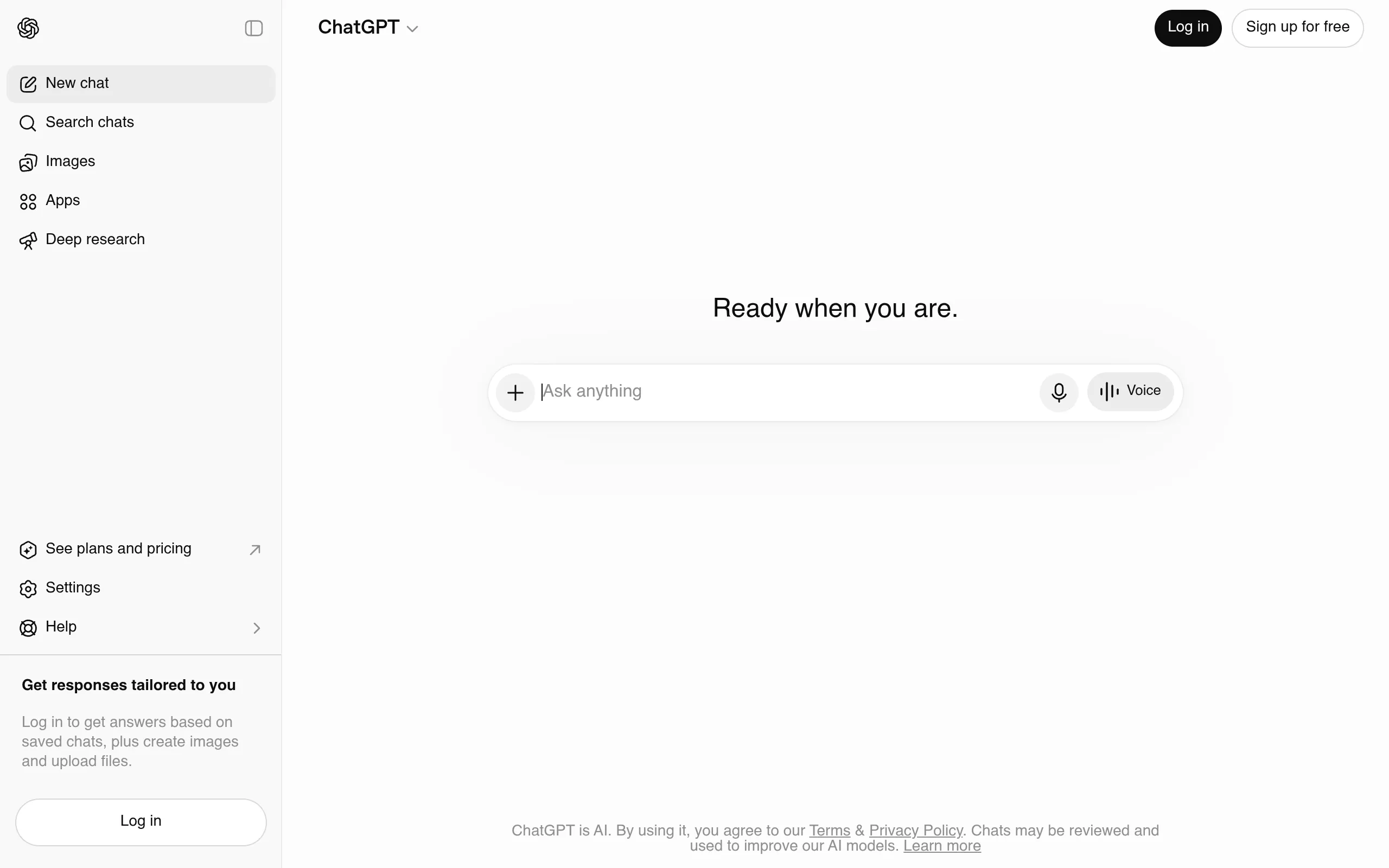
ChatGPT is a conversational AI chatbot that drafts, rewrites, and iterates on text through back-and-forth prompting, and it’s the best fit for anyone who wants one flexible tool for almost any writing task. You can move from a rough idea to a draft to a tighter rewrite in a single thread.
Its strength is open-endedness. You steer the direction with each prompt, which makes it strong for ideation, drafting, and quick content research. That same flexibility is the catch: it rarely produces print-ready copy on the first try, so you still edit. If you only need one assistant and don’t mind refining the output, this is where to start.
- Best for: Ideation, drafting, and rewrites where you want full control of direction
- Standout feature: Open-ended chat that keeps you in charge of every prompt
- Starting price: Free plan available; ChatGPT Plus from $20/month
- Free tier: Yes
2. Surfer SEO: Best for SEO Content

Surfer SEO analyzes the top-ranking pages for your keyword and turns them into on-page writing guidance, so it’s built for writers who care whether content ranks, not just whether it reads well. Its content editor scores your draft against the current SERP and hands you a practical checklist of terms and structure.
That checklist is the real value. It translates “rank for this keyword” into concrete word-count targets and topics to include while you write. The tradeoff is cost and focus: it starts higher than most picks here and does little for creative or casual writing. For search-driven content teams, the price pays for itself in fewer ranking misses.
- Best for: SEO writers who want on-page optimization guidance while drafting
- Standout feature: Content editor that turns the live SERP into a writing checklist
- Starting price: $89/month when billed annually
- Free tier: No
If ranking is your whole goal, pair an optimizer like this with a guide to the broader stack in our AI content writing tools roundup.
3. Rytr: Best Budget Option
Rytr is a template-driven writing assistant that generates text from more than 40 use cases, and it’s the strongest pick for budget-conscious writers who want a capable tool without a heavy monthly commitment. You can also build your own custom use cases when the presets don’t fit.
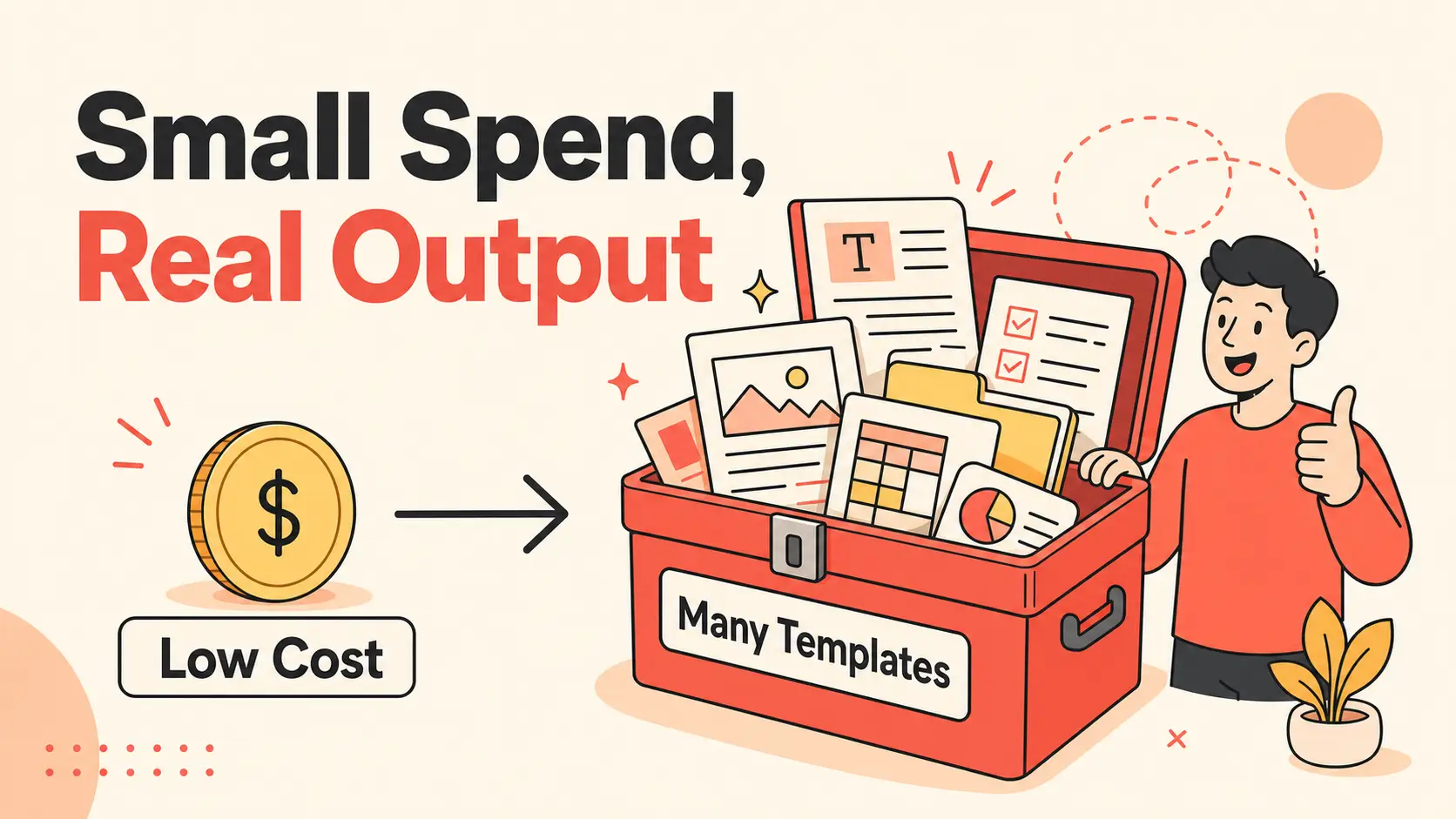
The template library does most of the work, covering everyday copy from emails to blog sections. The honest catch is its limits are counted in characters, not words, which makes plans harder to judge if you think in pages. For freelancers and small business owners watching every dollar, that’s a small price for the savings.
- Best for: Budget users who want a general AI writer without a big monthly bill
- Standout feature: 40-plus templates, plus custom use cases you can build yourself
- Starting price: $9/month for 100k characters; free plan includes 10k characters/month
- Free tier: Yes
4. Jasper: Best for Brand Voice and Team Use
Jasper is a brand-aware writing platform that learns from your existing content and applies that tone consistently through its Brand Voice system, making it the right fit for teams that need the same voice across many writers. It keeps campaign copy and articles sounding like one author instead of ten.
Brand Voice is the differentiator. Once trained, it carries your tone into everything it generates, which saves the endless tone fixes that come with shared content. The tradeoff is setup time and rising cost as you add seats, so it’s overkill for casual solo use. For a publishing team, the consistency is worth the learning curve.
- Best for: Teams that need repeatable brand voice across multiple writers
- Standout feature: Brand Voice that learns your tone and applies it everywhere
- Starting price: $39/month single seat; team accounts $99/month for 3 seats
- Free tier: Yes
5. Claude: Best for General Writing and Brainstorming
Claude is a long-form conversational writer that uses dialogue to produce coherent, reflective drafts, and it’s the pick for general writing and brainstorming where prose quality matters. It holds a thread of reasoning across longer pieces better than most chatbots.
Its output tends to carry a genuine point of view, which makes essays, thought-leadership drafts, and brainstormed outlines feel less generic. The honest catch is that same creativity can drift off your intended tone, so you still steer and trim. If you write long and care how the words read, this is the strongest balance of ideas and natural prose.
- Best for: Long-form drafting and brainstorming that needs coherence and voice
- Standout feature: Thoughtful, point-of-view writing across longer pieces
- Starting price: Free plan available; Claude Pro from $20/month
- Free tier: Yes
Weighing it against the obvious default? Our breakdown of ChatGPT alternatives covers where each chatbot pulls ahead.
6. ProWritingAid: Best for Proofreading and Polishing
ProWritingAid is an editing engine that scans your text and returns more than 20 writing-improvement reports for clarity, style, and grammar, making it the practical pick for editing-heavy work. It’s built to improve copy you already have, not invent it.
The depth of its reports is the standout, breaking your draft down across readability, pacing, repetition, and more. The clear limit is that it doesn’t generate text from scratch, so it’s an editor, not a drafting engine. For novelists, students, and business writers who mostly clean up, that focus is exactly the point.
- Best for: Proofreading, clarity, and style-heavy editing workflows
- Standout feature: More than 20 detailed writing-improvement reports
- Starting price: $20/month, or $80/year; lifetime access $399
- Free tier: Yes
7. Sudowrite: Best for Creative Writing
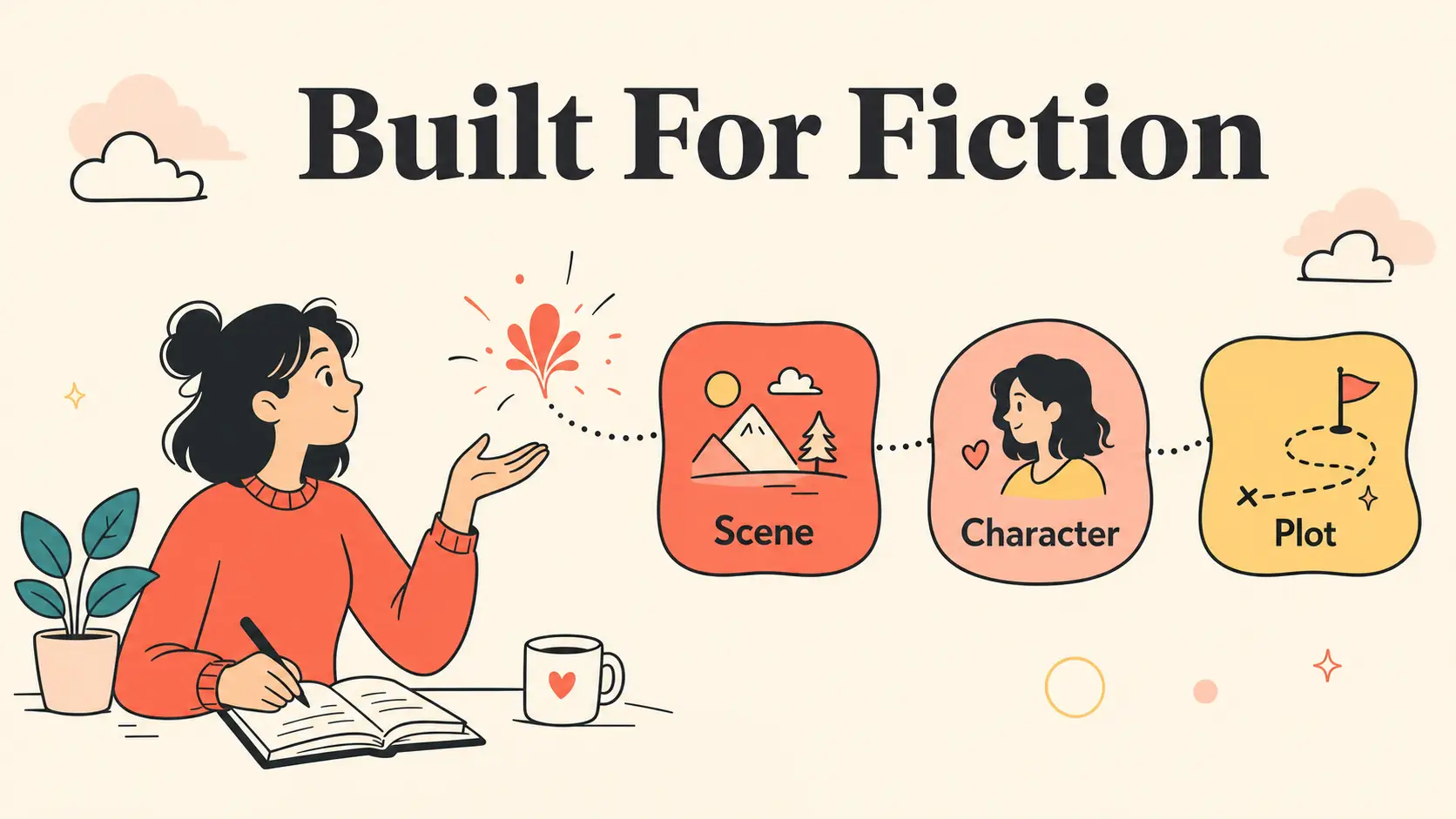
Sudowrite is a fiction-focused writing assistant built around a specialized model and a step-by-step creative workflow, so it’s the specialist pick for novelists and storytellers. It handles scene drafting, alternate phrasing, and plot or character brainstorming in a way general chatbots don’t.
Its fiction model and structured creative steps are the differentiator, guiding you through the messy parts of a draft. The honest caveats are real: the product is narrow, and its pricing structure is confusing enough that we won’t quote a figure until it’s confirmed. If you write fiction and want a tool made for it, this beats a general assistant.
- Best for: Fiction writers drafting scenes, brainstorming, and revising prose
- Standout feature: A fiction-specific model with a step-by-step creative workflow
- Free tier: Yes
8. QuillBot: Best Free AI Writing Assistant
QuillBot is a rewriting and polishing suite that bundles paraphrasing, grammar checking, summarizing, citation generation, and translation, and it’s the strongest no-cost option for practical utility. You get real value before paying anything.
Packing that many cleanup tools into one place is the standout, especially for students and budget writers who need quick fixes. The free tier has a clear ceiling: paraphrasing is capped at 125 words at a time, which slows longer rewrites. If you want a cheap all-in-one polisher and can work within tight limits, this is the free pick to beat.
- Best for: Free or low-cost rewriting, paraphrasing, and polishing
- Standout feature: Grammar, summarizing, citations, and paraphrasing in one suite
- Starting price: Premium from $6.25/month
- Free tier: Yes
9. Copy.ai: Best for Marketing Teams
Copy.ai is a marketing copy generator that uses a chat interface plus 45 text-type templates to produce short-form text across many channels, making it the pick for marketing teams that need copy fast. It covers ad copy, social posts, and email angles without starting from a blank page.
Its template breadth and quick iteration are the standout, letting a team spin up variations across formats in minutes. The honest tradeoff is that output can read generic, so it still needs an editor when brand nuance matters more than speed. For high-volume channel work, that speed is the whole point.
- Best for: Marketing teams producing fast short-form copy across channels
- Standout feature: Chat interface plus 45 text-type templates
- Starting price: $49/month; free plan includes 2,000 words/month
- Free tier: Yes
Building a wider marketing stack? See how copy tools fit beside the rest in our guide to AI marketing tools.
10. Writer: Best Enterprise Option

Writer is an enterprise writing platform that uses a brand library and inline guidance to enforce style and content standards as people type, so it’s the pick for large organizations that need consistency across departments. It keeps every writer aligned to the same rules in real time.
Its governance approach is the differentiator, grading clarity and word choice and surfacing standards while you write. The clear limit is that it’s better at enforcing rules than filling a blank page quickly, so it’s not your fastest drafting tool. For a company that needs control and consistency at scale, that’s a feature, not a flaw.
- Best for: Enterprise teams that need content consistency across departments
- Standout feature: Brand library with inline guidance that enforces standards
- Starting price: Team plan from $29/month per user; enterprise pricing is custom
FAQ
What is the best AI writing assistant overall?
ChatGPT is the best all-around AI writing assistant for most people because it handles ideation, drafting, and rewrites in one flexible tool. The catch is that it rarely produces final copy on the first try, so you still edit. If your work is narrower, a specialist like Surfer SEO for ranking or ProWritingAid for editing will serve that one job better.
Is there a free AI writing assistant worth using?
Yes. QuillBot is the strongest free pick for rewriting, summarizing, and polishing, though its free paraphraser caps at 125 words at a time. ChatGPT and Claude also offer capable free plans for drafting and brainstorming, so you can cover most everyday writing without paying, as long as you accept usage limits.
Which AI writing assistant is best for SEO content?
Surfer SEO is the best pick for SEO content because it analyzes top-ranking pages and turns them into an on-page checklist you write against. It starts at $89/month billed annually and has no free plan, but for teams whose main goal is ranking, the optimization guidance is what separates it from general drafting tools.
Which AI writing tool is best for creative writing?
Sudowrite is the best tool for creative and fiction writing because it uses a fiction-specific model and a step-by-step workflow for scenes and brainstorming. Picture a novelist stuck mid-chapter: instead of a generic chatbot, they get prompts tuned to character and plot. Confirm current pricing before subscribing, since its plan structure is unclear.
Is ChatGPT good enough as a writing assistant?
For most general writing, yes. ChatGPT covers drafting, rewriting, and research in one tool and works well on its free plan. It falls short when you need native SEO scoring, enforced brand voice, or deep editing reports, which is where Surfer SEO, Jasper, or ProWritingAid each beat it at their specific job.
Choosing Your Writing Assistant
The best assistant depends on your main task, not the most familiar name. Choose Rytr for a tight budget, Surfer SEO to rank, Jasper or Writer for team and enterprise consistency, ProWritingAid to polish, Sudowrite for fiction, and ChatGPT or Claude for everyday drafting. Start with the tool that fits your workflow, run your real use case through its free tier or trial first, and only move up a plan once you actually hit a limit. If you want your finished drafts to read less like a machine wrote them, our guide to making AI text sound more human is the natural next read.