Image upscaling, the process of increasing the resolution of an image, has been revolutionized by the advent of artificial intelligence. AI-powered tools can significantly enhance image quality, detail, and clarity, making them invaluable for various applications, from digital art and photography to medical imaging and security surveillance. By effectively utilizing AI Image Generator tools in conjunction with image upscaling techniques, artists and designers can create high-resolution images from low-resolution concepts, expanding the creative possibilities and enabling the production of stunning visuals.
What Are AI Tools for Image Upscaling and Enhancement?
AI image upscaling tools use machine learning models trained on large sets of image pairs (low-resolution and high-resolution versions of the same picture) to intelligently increase resolution rather than just stretching pixels. Instead of the blurry results you’d get from traditional resizing, they predict plausible detail, reduce noise and compression artifacts, and sharpen edges — producing results that look genuinely higher-resolution rather than just larger.
How to Use an AI Image Upscaler
Most tools follow the same basic flow: pick a web-based tool (like Let’s Enhance) or desktop software (like Topaz Gigapixel AI) depending on whether you need occasional touch-ups or heavy batch processing; upload your image via drag-and-drop or file picker; choose your scale factor (2x, 4x, or 8x is typical) and, on tools that offer them, a model tuned for your image type (photo, illustration, anime); then run the upscale and download the result. For web-sourced assets, running a quick reverse image search can often help you locate an original, higher-resolution upload before running the model. A clean, well-lit source image will always upscale better than a heavily compressed or blurry one, since the AI is predicting detail from what’s already there, not inventing it from nothing.
Core Features to Look For
The core feature set across these tools is fairly consistent: super-resolution algorithms that generate high-resolution output from low-resolution input, noise reduction that removes grain without softening real detail, color enhancement (some tools bundle in unblurring to sharpen edges on soft or out-of-focus photos), and artifact removal for compression blockiness and ringing. Beyond that baseline, individual tools differentiate on extras like texture restoration for old or damaged photos, face-specific restoration, and style transfer.
Top AI Tools for Image Upscaling and Enhancement
Topaz Gigapixel AI
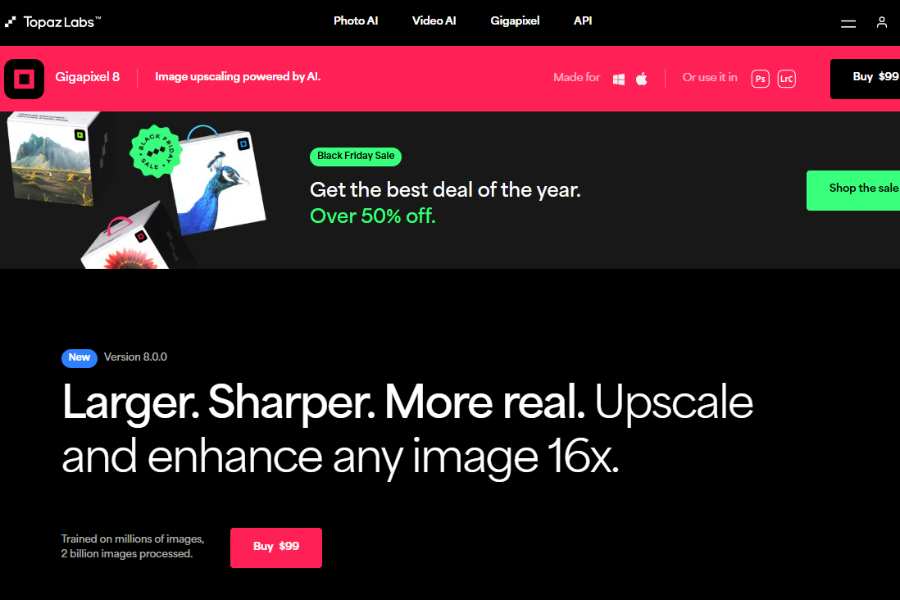
An AI-driven tool designed specifically for high-quality image upscaling up to 6x without loss of detail.
Pricing Package:
Topaz Labs ended perpetual licenses in September 2025 — Gigapixel is now subscription-only, from about $29/month standalone, or $199/year as part of the Topaz Photo AI bundle.
Pros:
High-quality upscaling, excellent detail preservation, batch processing.
Cons:
Heavier system requirements.
Let’s Enhance
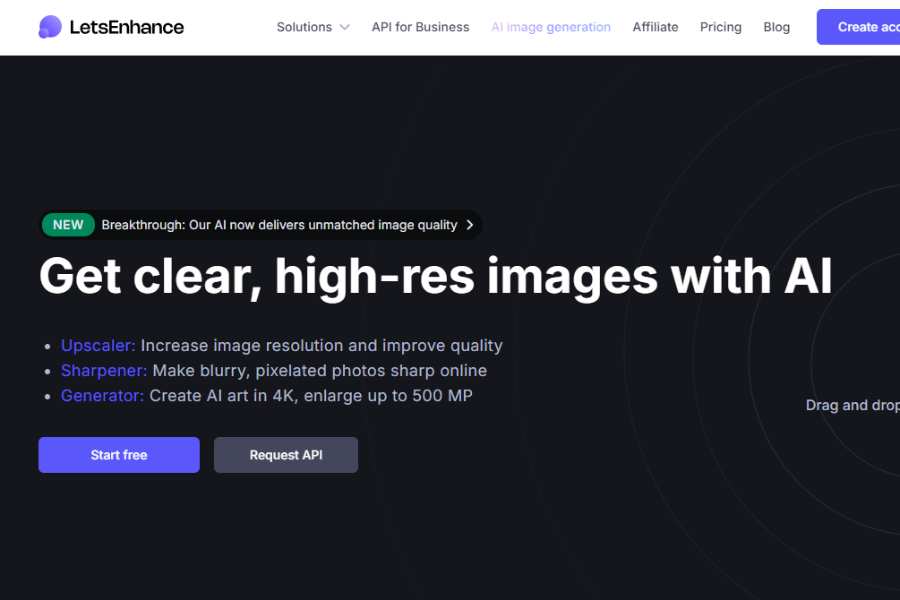
A web-based image enhancement tool that uses AI to upscale and optimize image quality.
Pricing Package:
Starts at $9/month.
Pros:
Web-based, easy to use, supports batch processing.
Cons:
Limited to web usage; expensive for occasional use.
BigJPG
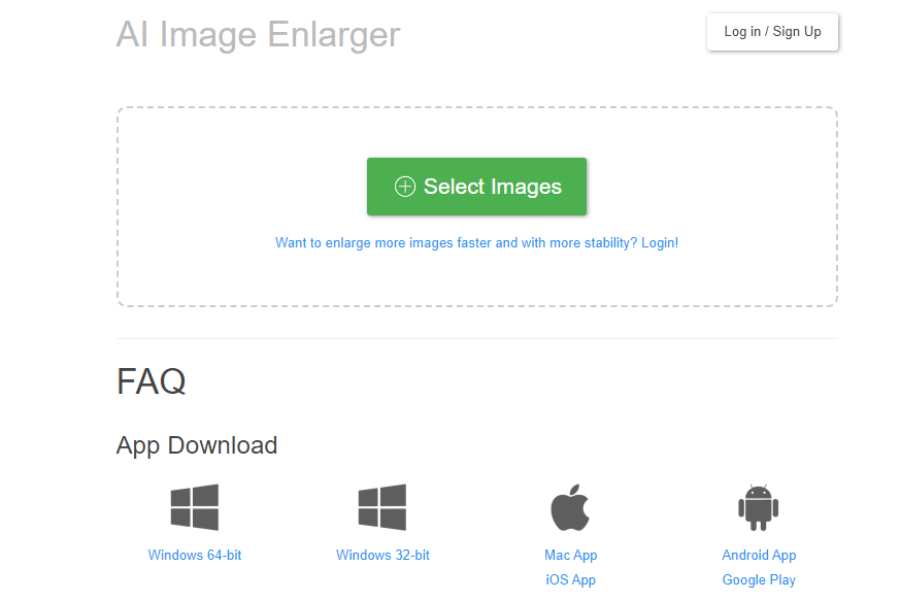
AI-based images are more upscale and tailored for anime and artwork, enhancing without losing artistic details.
Pricing Package:
Free; pro plans start at $6/month.
Pros:
Great for anime/artwork, simple interface.
Cons:
Limited support for photos, slower on large files.
Remini
A mobile app for enhancing photos with AI, known for restoring quality in low-resolution images.
Pricing Package:
Free version available. Paid plans now bill weekly rather than monthly — Personal from $6.99/week, Business from $9.99/week (exact pricing varies by offer, so confirm in-app before subscribing).
Pros:
Mobile-friendly, quick results, good for photo restoration.
Cons:
Limited control over enhancement; best for casual use.
Enhance.Pho.to
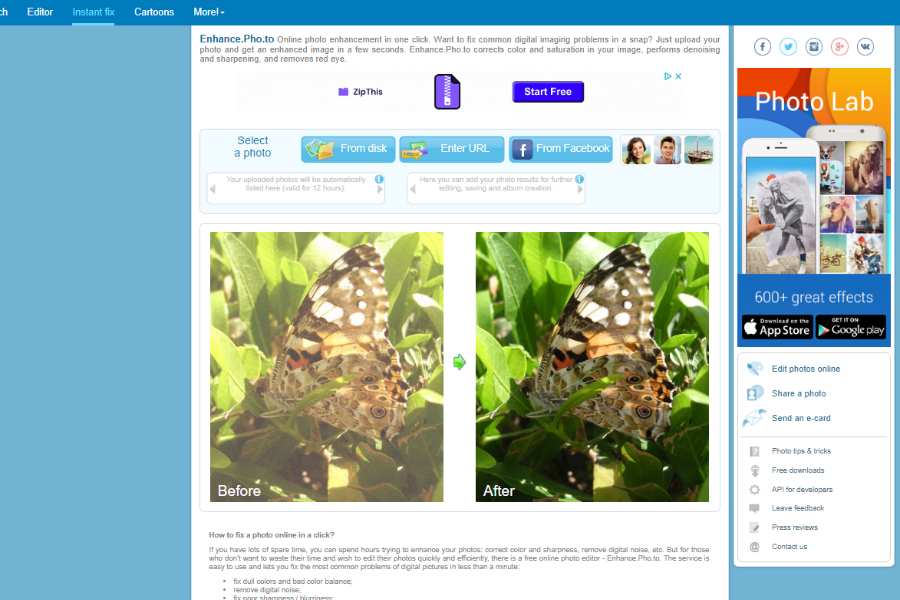
A free web-based image enhancer offering basic fixes like color correction, brightness, and sharpness.
Pricing Package:
Free.
Pros:
Easy and free, quick adjustments.
Cons:
Basic features, limited upscaling options.
AI Image Enlarger
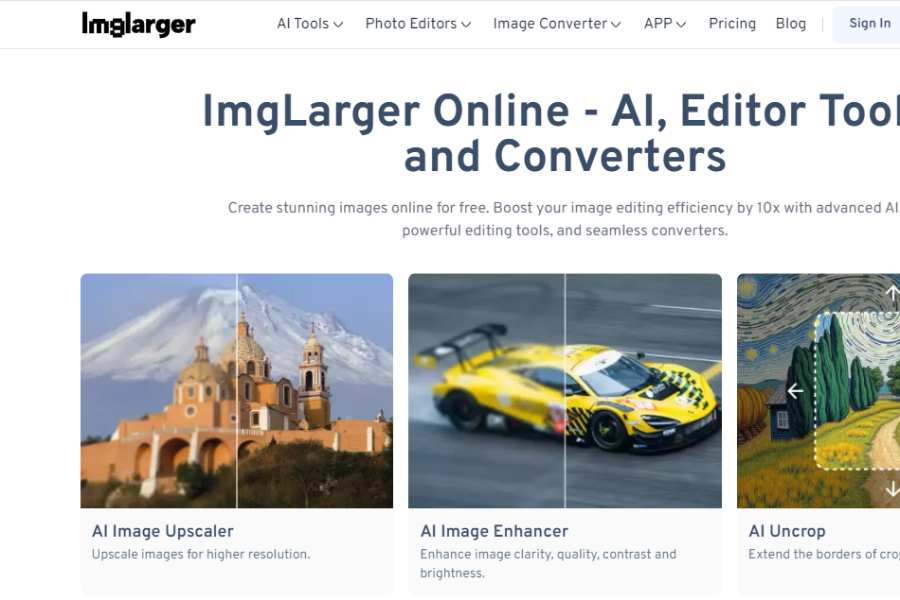
AI-powered tool for image enlargement with four upscaling options.
Pricing Package:
Free; pro plans start at $9/month.
Pros:
High-quality enlargements, web and desktop versions.
Cons:
Limited free version; best for smaller upscales.
Upscale Pics
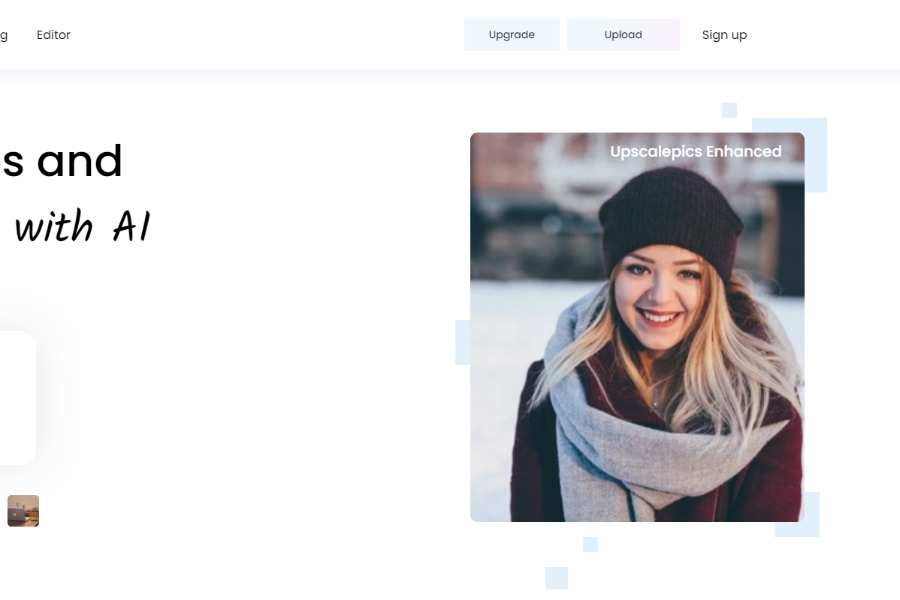
An online AI tool for upscaling and enhancing images without quality loss.
Pricing Package:
Free; premium at $12/month.
Pros:
Easy interface, supports batch processing.
Cons:
They limited high-resolution processing on the free tier.
VanceAI Image Enlarger
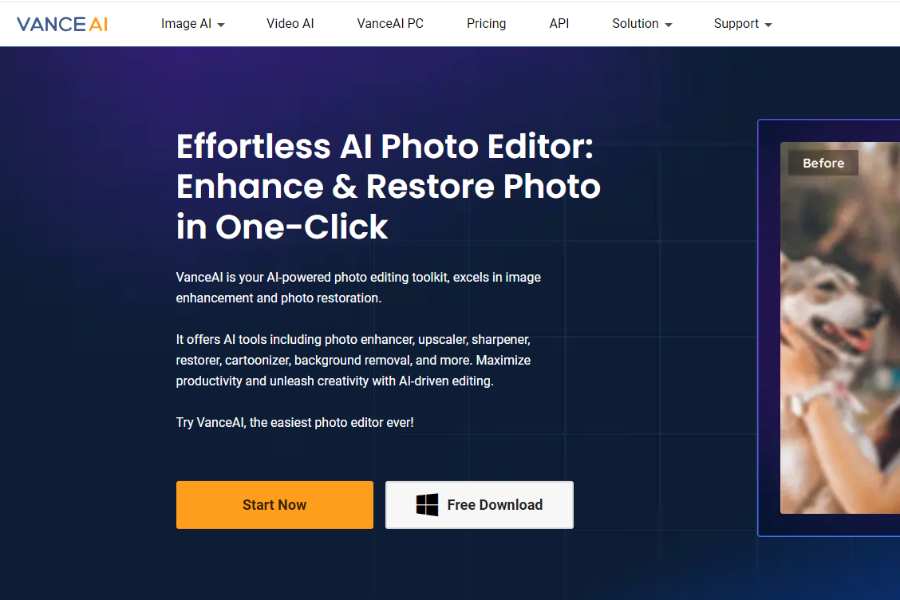
AI-based image enlarger supporting upscaling up to 8x without losing quality.
Pricing Package:
Free version available; premium plans from $9.99/month.
Pros:
High-quality results support multiple image formats.
Cons:
Limited free features.
Deep Image
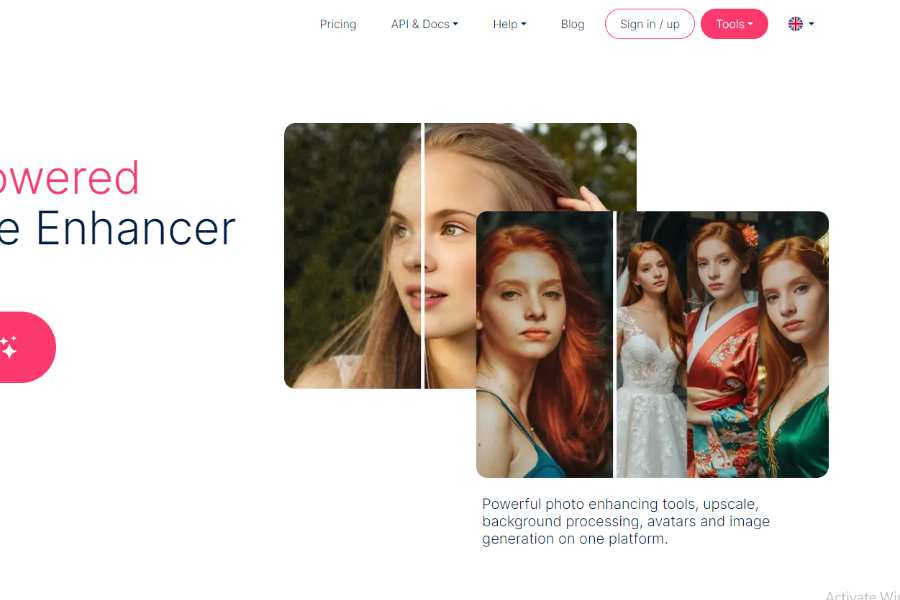
AI-driven upscaling tool designed for photographers, enhancing image quality and resolution.
Pricing Package:
Free trial; plans from $9/month.
Pros:
High-quality photo enhancements, as well as web and app versions.
Cons:
Paid features can be costly for occasional use.
Pixbim Enlarge AI
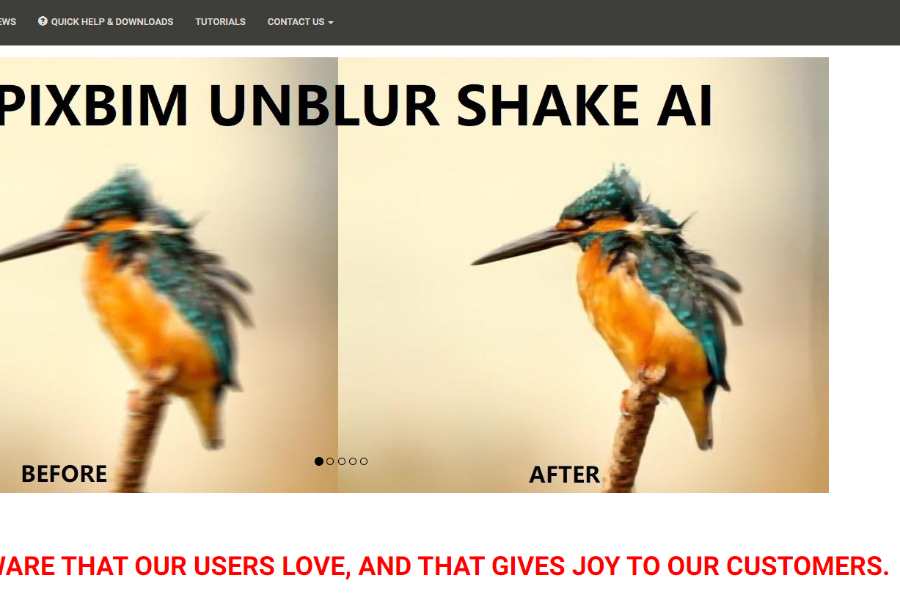
A downloadable tool offering AI-based upscaling and enhancement for various image types.
Pricing Package:
One-time purchase of $49.99.
Pros:
There are no monthly fees and great detail retention.
Cons:
Desktop only, slower on high-res files.
DVDFab Photo Enhancer AI
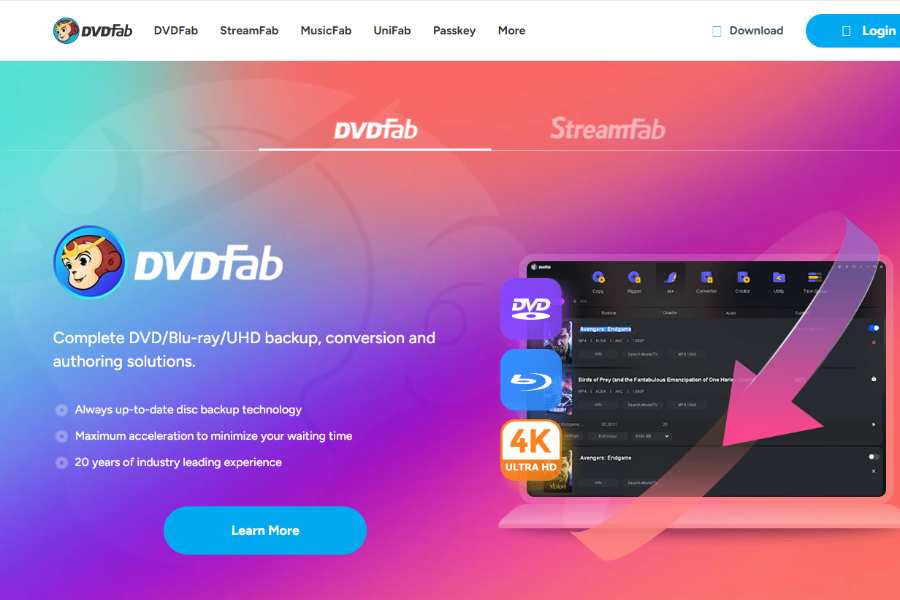
AI-powered image enhancer designed for upscaling, denoising, and sharpening.
Pricing Package:
One-time purchase at $79.99.
Pros:
High-quality upscaling multiple enhancement features.
Cons:
Requires powerful computer specs.
PhotoZoom Pro
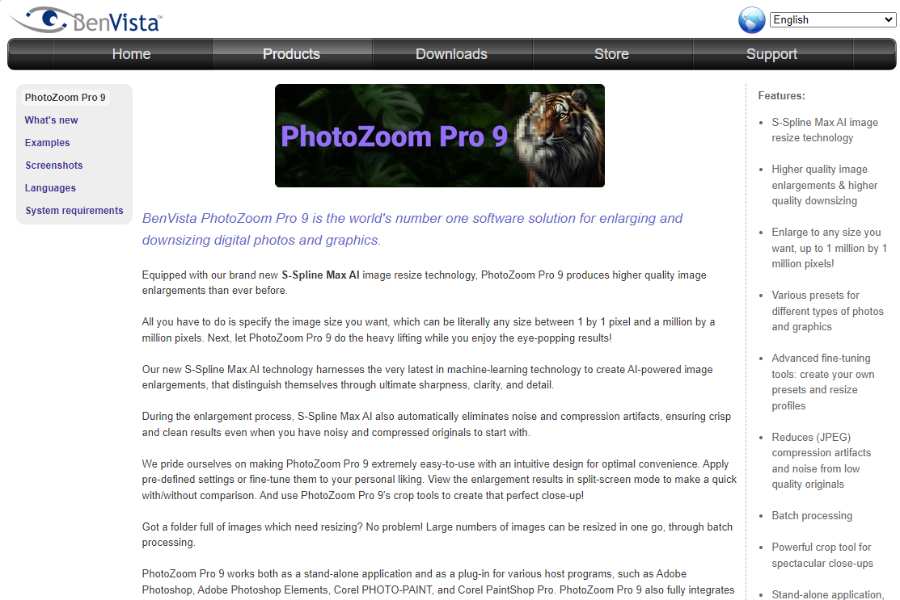
Specialized software for high-quality enlargement of images, ideal for professional use.
Pricing Package:
One-time license at $159.
Pros:
Precise control and high-quality enlargements.
Cons:
It’s pricey for occasional users.
PhotoAI
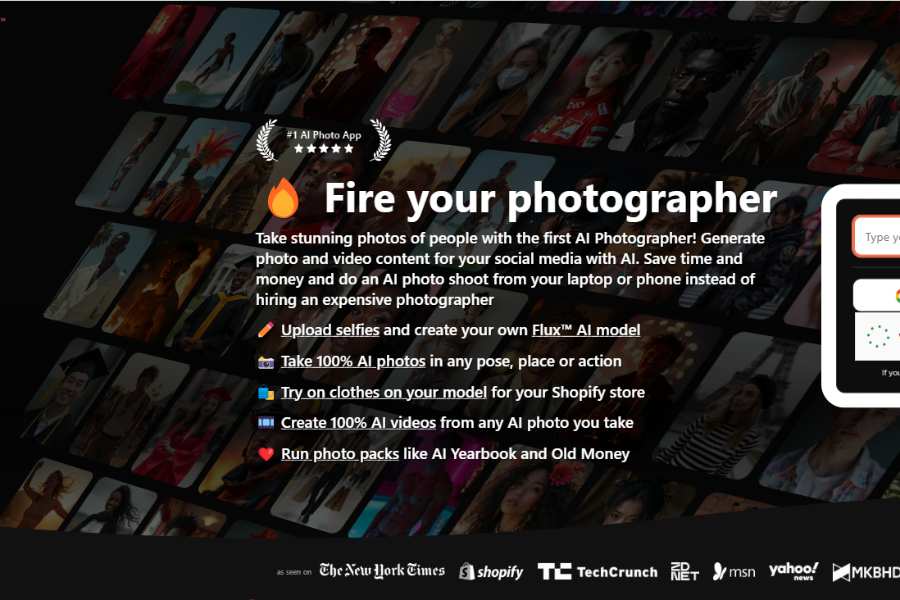
AI-driven upscaling tool that helps restore and enhance images, including face refinement.
Pricing Package:
Subscription plans start at $8/month.
Pros:
Excellent face enhancement, easy to use.
Cons:
Limited batch processing options.
Imgupscaler
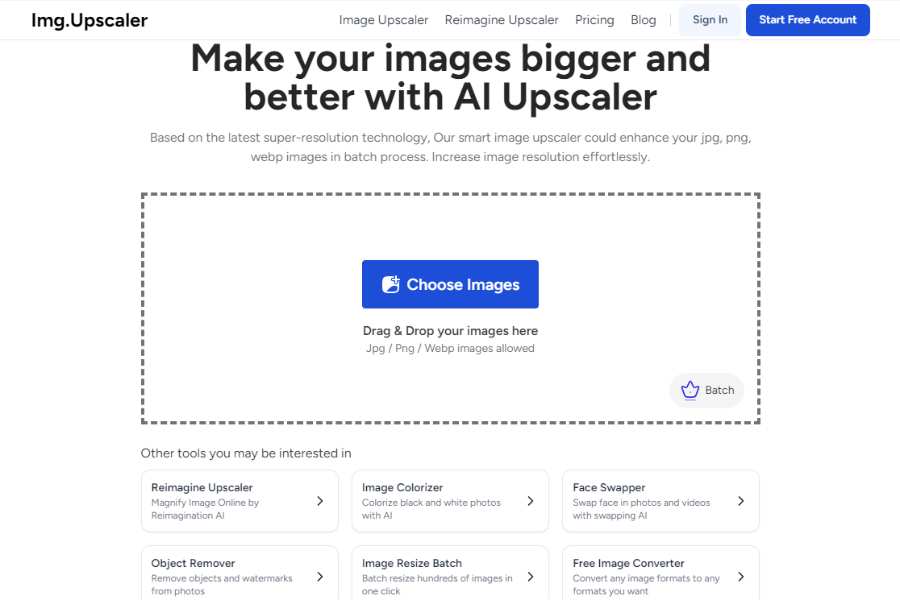
Online tool for AI-based image upscaling, focusing on preserving details.
Pricing Package:
Free version; premium at $9/month.
Pros:
Simple interface, good for general use.
Cons:
Limited free resolution.
Imglarger
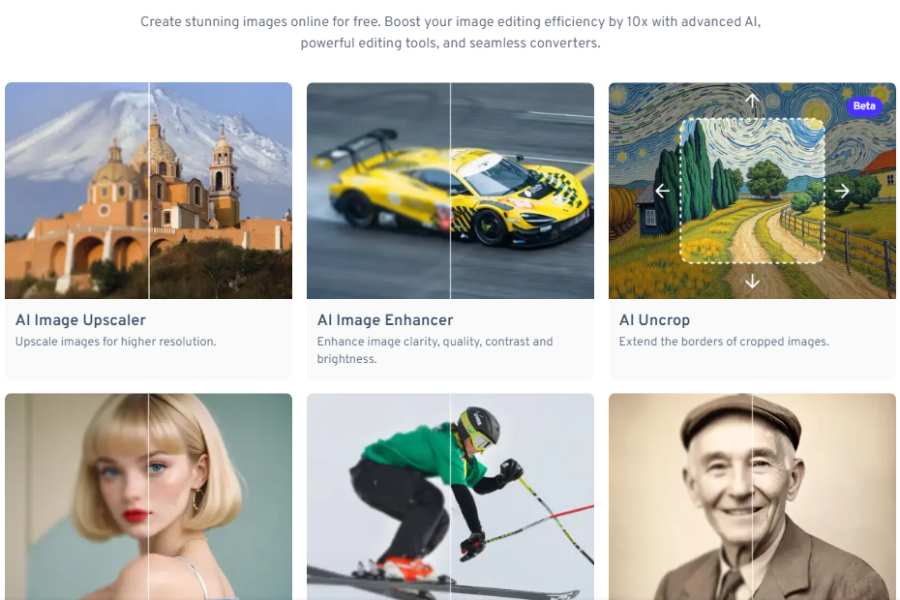
AI upscaling tool that supports high-resolution enlargements with strong detail preservation.
Pricing Package:
Free for low-res; pro plans from $9/month.
Pros:
Quality results, fast processing.
Cons:
Best suited for standard photos.
Waifu2x
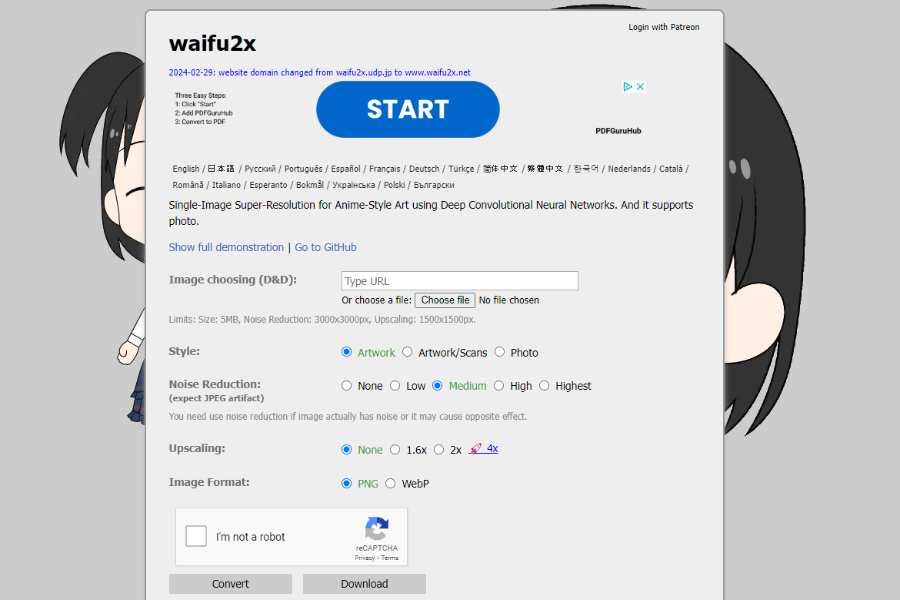
Open-source AI tool for upscaling anime images and artwork without losing detail.
Pricing Package:
Free.
Pros:
Excellent for anime, free to use.
Cons:
Limited to anime and artwork.
Upscaler
Simple AI tool for online image upscaling, especially for product images and designs.
Pricing Package:
Free; paid options start at $12/month.
Pros:
Easy for commercial use, high-quality output.
Cons:
Limited on the free tier.
Pixelup AI
A mobile app that uses AI to upscale images and enhance quality is ideal for social media use.
Pricing Package:
Free version; premium at $4.99/month.
Pros:
Mobile-friendly, easy for quick enhancements.
Cons:
Limited control over enhancement settings.
Icons8 Smart Upscaler
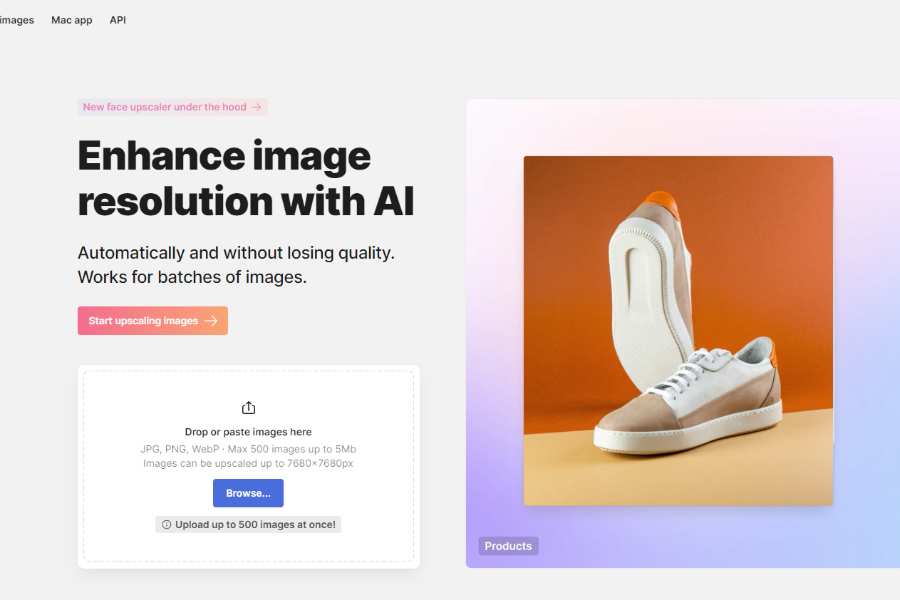
An online tool by Icons8 for AI-powered image upscaling, focusing on commercial images.
Pricing Package:
Free for low-res; pro plan at $9/month.
Pros:
Fast and reliable, great for business use.
Cons:
Limited features in the free version.
Challenges and Limitations
AI upscaling isn’t magic: results depend heavily on the quality of the model’s training data, and models can struggle to generalize to unusual images — heavy compression, extreme close-ups, or unconventional art styles are common failure cases. Higher scale factors and video upscaling in particular are computationally demanding, which is why real-time upscaling (for live streaming or video calls) remains harder than upscaling a single static photo. Removing compression artifacts like blockiness gets progressively harder the more compressed the source image already is.
Where This Is Headed
The clearest trend is real-time and video upscaling maturing enough for live use — streaming and video calls delivered at higher perceived quality without extra bandwidth, and full video restoration (old films, damaged footage) using multi-frame super-resolution, which pulls detail from several nearby frames instead of just one. Expect more tools to bundle upscaling into broader AI editing suites (color correction, object removal, restoration) rather than selling it as a single-purpose feature.
Conclusion
AI image upscaling tools are transforming how we perceive and interact with images. By leveraging the power of AI, these tools can significantly enhance image quality, enabling us to uncover hidden details, restore old photos, and create stunning visual experiences. As AI technology advances, we expect even more sophisticated and powerful image-upscaling tools to emerge.