An AI visibility tool tracks whether your brand shows up when someone asks ChatGPT, Perplexity or Google AI Overviews a question. If you want the cheapest honest starting point, that’s Otterly.AI At $29 a month. If you want the deepest coverage, it’s Profound.
This is a new category, and that matters more than any feature list. Nobody has agreed on how to measure AI visibility yet, so two tools pointed at the same brand can return different answers and both be defensible.
How this list is ordered
These seven are Ordered by our editorial rating, with starting price and free-plan availability noted for each. The rating comes from reviewing each product’s coverage, pricing and positioning against the rest of our SEO tools catalogue.
We don’t run these tools against a controlled set of brands and prompts, so There’s no accuracy score from us here. Nobody publishing one has a test set you can check either.
| Tool | Rating | From | Free option | Distinctive angle |
|---|---|---|---|---|
| Profound | 4.3 | Quote only | One-off report | Agents that act, not only report |
| Peec AI | 4.2 | $90 | No | Sentiment and framing |
| Semji | 4.2 | Quote only | No | Traditional search and AI search together |
| Otterly.AI | 4.1 | $29 | Time-limited trial | Widest platform coverage |
| AthenaHQ | 4.1 | $295 | Yes | Hallucination detection |
| Goodie AI | 4.0 | Quote only | Free tools | AI-shopping visibility |
| Scrunch AI | 4.0 | Quote only | 7-day trial | Rebuilds the site for AI crawlers |
1. Profound
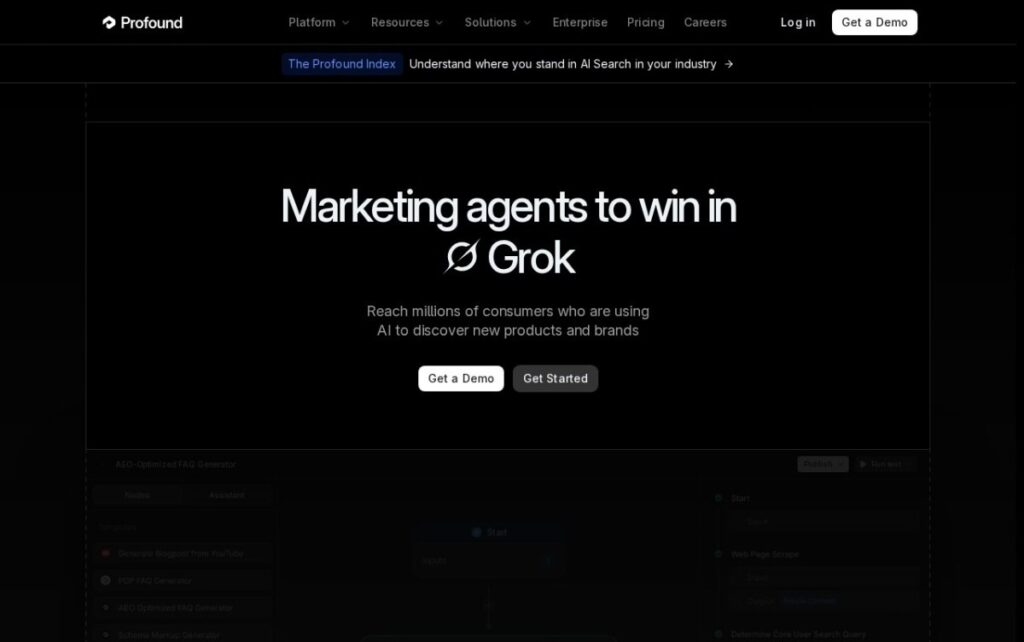
Profound launched in 2023 and tracks how brands are represented across ChatGPT, Perplexity, Claude and Gemini. That much it shares with most of this list.
What separates it is that its agents Execute optimization work rather than only recommending it. Its Aim feature turns monitoring data into a prioritized action plan, which is the step most tools in this category leave to you.
The catch is commercial. There’s No published pricing, so you’re booking a sales call to find out, and the free report is a one-time snapshot rather than an ongoing tier.
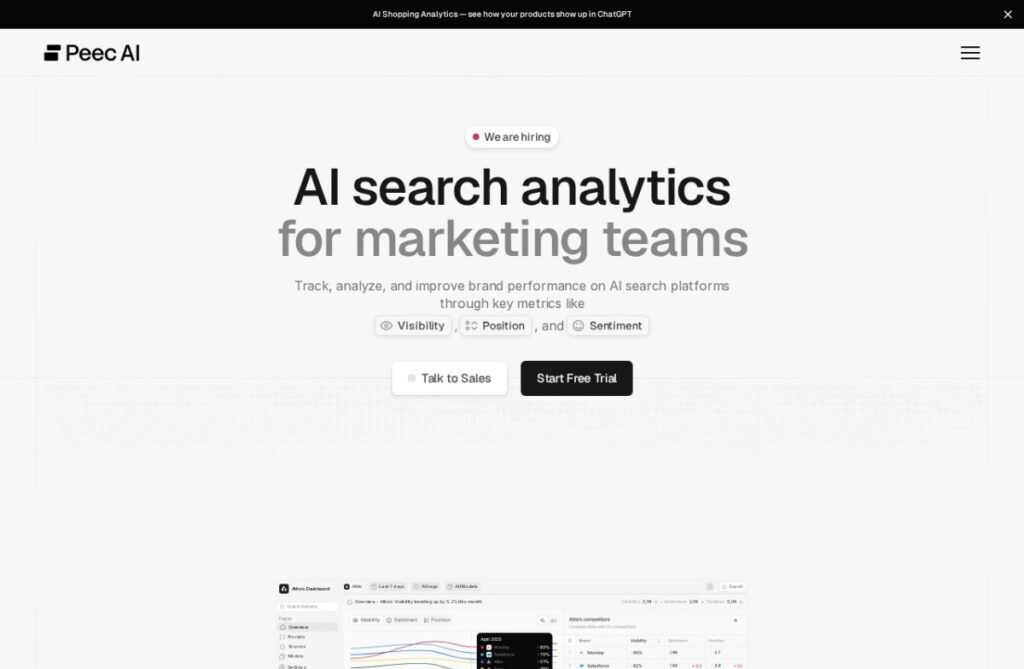
2. Peec AI
Peec AI Monitors ChatGPT, Perplexity and Gemini, and asks a question the others mostly skip: not whether you appear, but How the model talks about you.
That sentiment and framing analysis is the reason it sits this high. Its recommendations also point at specific sources, so you know which channel to work on rather than being handed a score.
Two limitations. It was founded in 2025, making it the Shortest track record here, and pricing past the $90 entry point isn’t published.
3. Semji
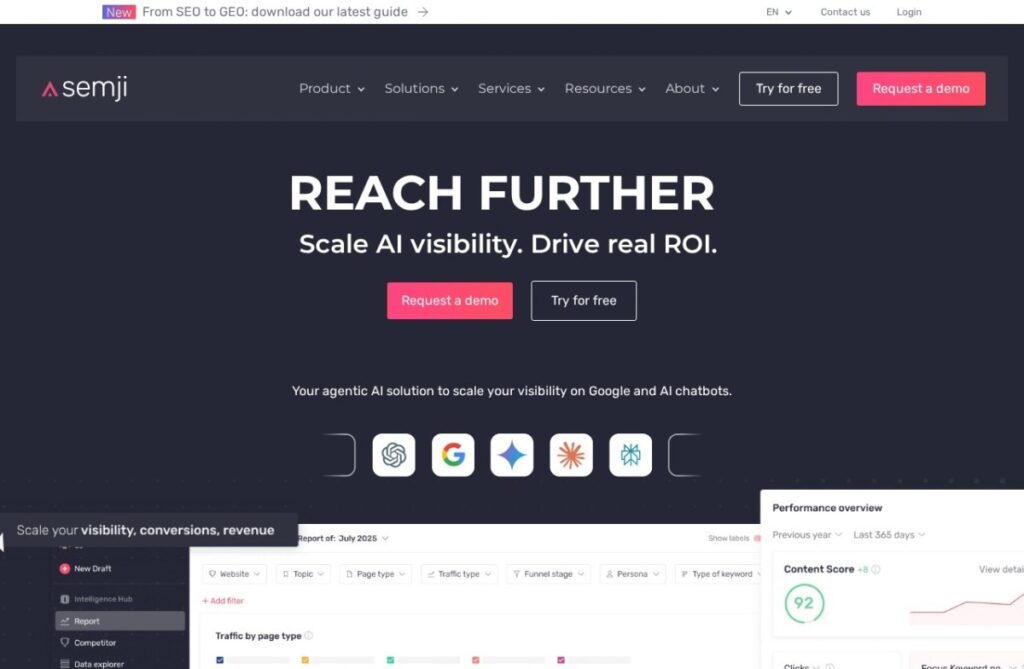
Semji Is the outlier, and deliberately so. Founded in 2019, it predates this category and Treats traditional search and AI search as one problem Rather than two products.
If your Google traffic still matters more than your ChatGPT mentions, that combined scope is the argument for it. It also fact-checks its own generated content, which most content tools don’t attempt.
The same breadth is the drawback. There’s More surface area to learn Than a single-purpose monitor, and pricing needs a sales conversation.
4. Otterly.AI
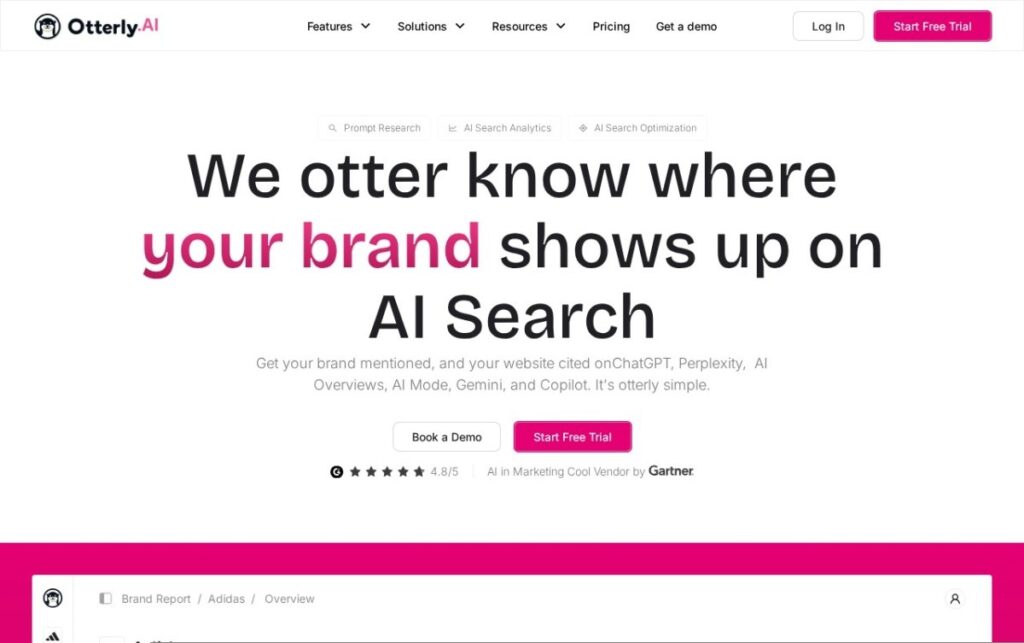
Otterly.AI covers the widest spread of platforms here: ChatGPT, Perplexity, Google AI Overviews, Google AI Mode, Gemini, Microsoft Copilot and Claude. At $29 it’s also The cheapest way into this category.
Its monitoring is explicitly neutral, meaning results aren’t skewed by a personalized account history. It adds a crawlability audit for AI engines on top.
The limitation is the free option. It’s a Time-limited trial, not an ongoing free tier, so evaluation runs against a clock.
5. AthenaHQ
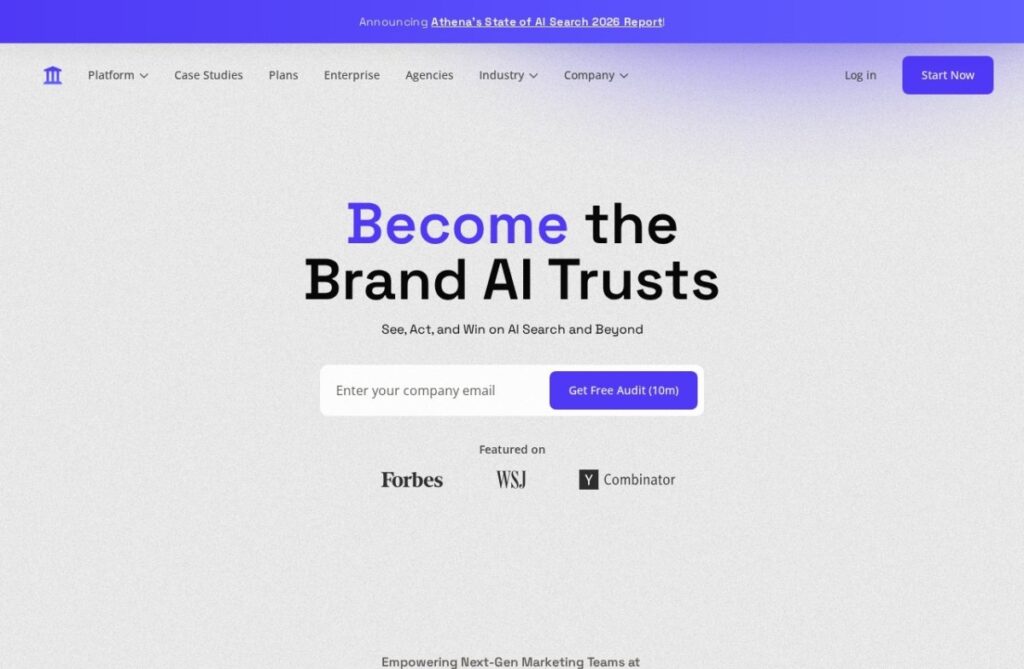
AthenaHQ Tracks visibility across ChatGPT, Perplexity and Google AI Overviews, and adds something the rest don’t: Hallucination detection, flagging where a model states something false about you.
That’s a risk specific to this category. A wrong ranking costs you traffic, while a confident wrong answer about your product costs you the customer.
There’s a free plan to start monitoring, but the jump is steep. Full visibility and API access start at $295, the highest entry price on this list.
6. Goodie AI
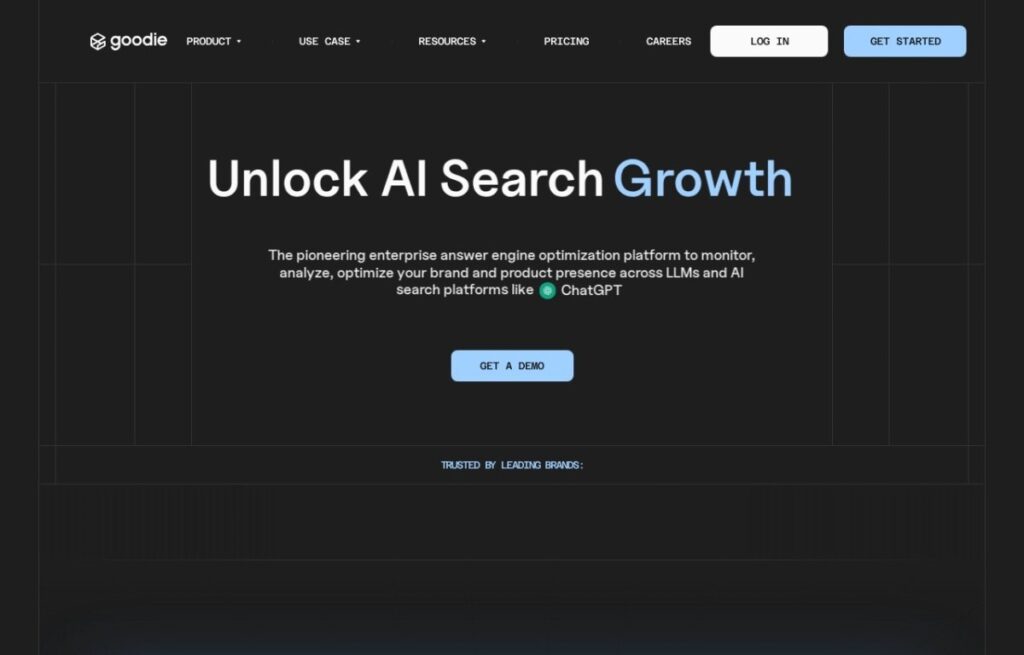
Goodie AI Positions itself at the enterprise end, working through a four-stage process: prompt research, visibility monitoring, optimization and reporting across ChatGPT, Claude, Perplexity and Gemini.
Its Agentic Commerce Suite is the distinctive part, aimed at Product visibility when people shop through AI assistants. That’s a real and separate problem from brand mentions in answers.
Free tools are available without a plan. Beyond those, Pricing is a sales conversation, and the product has a shorter track record than the established search platforms.
7. Scrunch AI
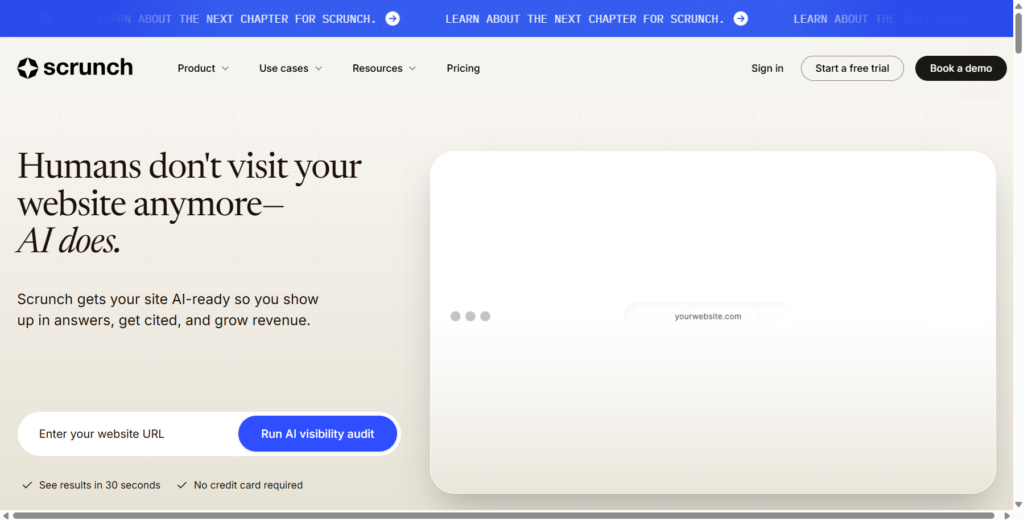
Scrunch AI Was founded in late 2023 by Chris Andrew and Robert MacCloy and launched publicly in November 2024. It monitors the usual platforms, then does something none of the others do.
Its Agent Experience Platform Rebuilds your site into a lightweight version for AI crawlers, treating the fix as an infrastructure job rather than a content one.
It’s the smallest company here, with a $4M seed round to date. Exact pricing isn’t shown Without visiting the site.
AI visibility is not rank tracking
A rank tracker asks a fixed question: where does this page sit for this keyword. The answer is a position, and it’s the same position for everyone who searches.
An AI answer works differently. There’s no ranked list and no fixed result, so the same prompt can produce different answers on different days. Your brand either appears in the sentence or it doesn’t.
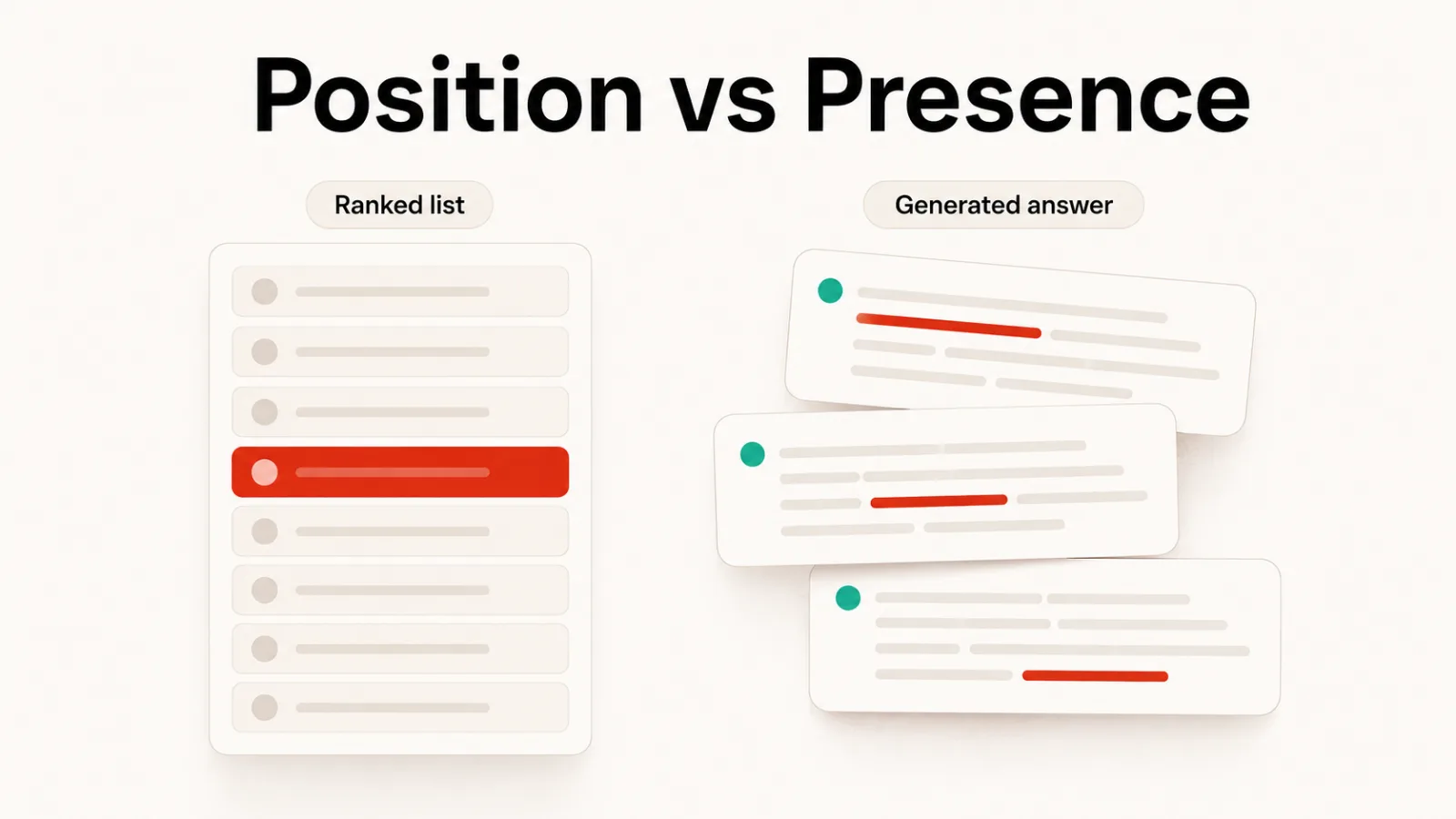
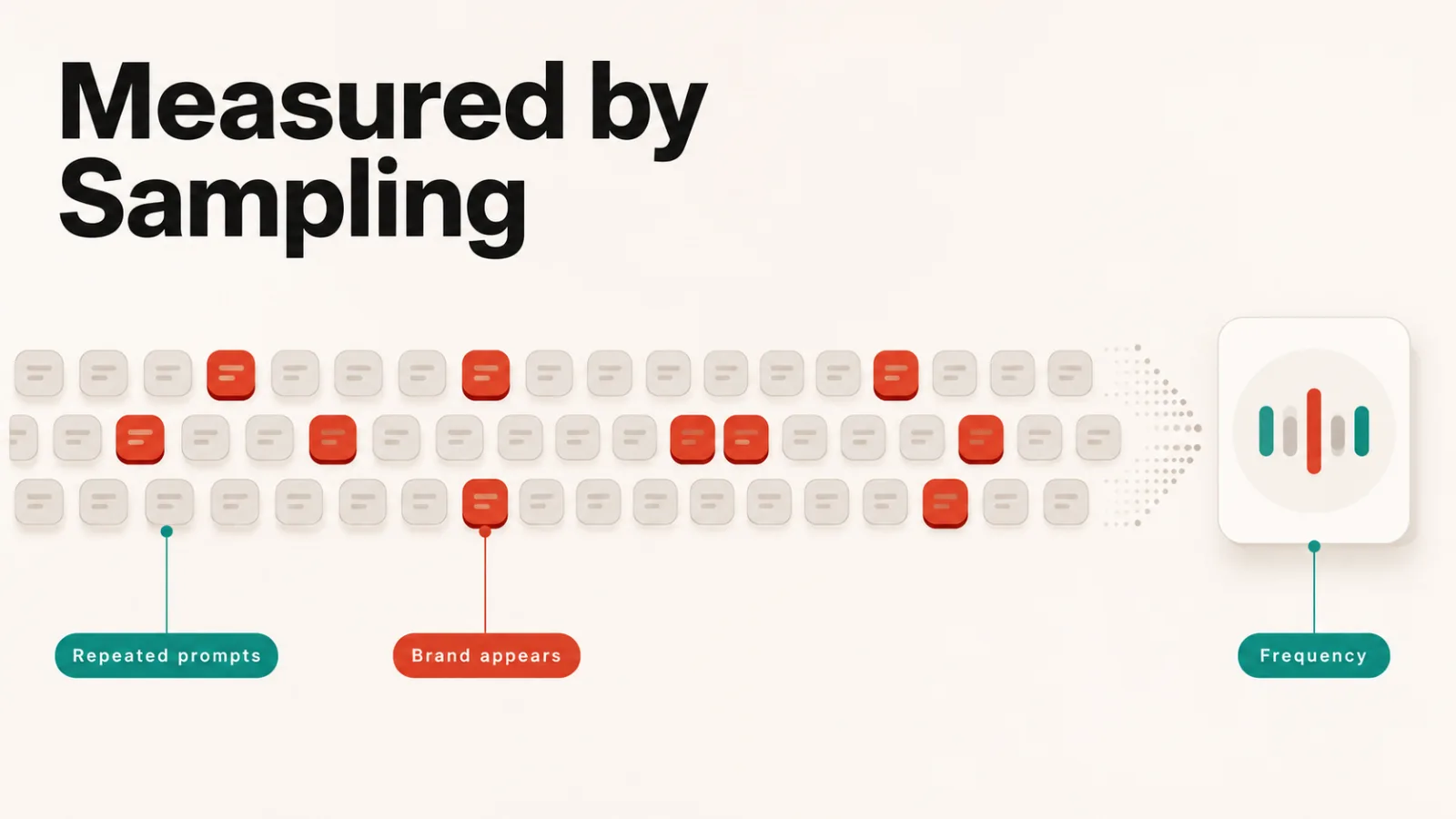
This is why every tool here samples. Each one runs a set of prompts repeatedly and reports how often you turn up, which is a Measurement of frequency, not of position.
It also explains the disagreement between tools. Two products running different prompt sets against different platforms will produce different visibility numbers for the same brand.
What to check before you buy one
Ask which platforms are covered, because the spread here is wide. Otterly.AI monitors seven, while others watch three or four, and A platform your buyers use is worth more than a platform they don’t.
Then ask what happens after the measurement. Monitoring tells you where you stand, and Profound, Semji and Scrunch AI each go further in different directions: acting, optimizing content, or restructuring the site.
Finally, check the prompt set. Whoever chooses the prompts decides the score, so a tool that lets you set your own is measuring your market rather than its own.
Tools we haven’t reviewed yet
The category is moving fast and a few names aren’t in our catalogue yet, so We’re not ranking them here: Evertune, Brandlight, Rankscale, Knowatoa, Conductor and seoClarity. We’ll add them once each has a full review, and this page gets updated then.
We’d rather name them without a link than rank a product we haven’t written up.
Choosing between them
- Teams testing the category on a small budget: Otterly.AI, at $29 with the widest platform coverage.
- Teams wanting the work done rather than reported: Profound, for its acting agents.
- Brands worried about being described wrongly: AthenaHQ, for hallucination detection.
- Marketers still earning most traffic from Google: Semji, which covers both at once.
- Retailers selling through AI assistants: Goodie AI, for the shopping suite.
- Engineering-led teams treating this as infrastructure: Scrunch AI.
- Communications teams tracking tone rather than reach: Peec AI, for sentiment.
Earlier in this and want the foundations? Our guides to How search engine optimization works And B2B SaaS SEO strategy Cover the ground these tools build on.
Frequently asked questions
What is an AI visibility tool?
An AI visibility tool runs prompts against assistants like ChatGPT, Perplexity and Gemini, then reports how often your brand appears in the answers and how it’s described. It measures presence in generated answers rather than position in a results page.
Is there a free AI visibility tool?
Partly. AthenaHQ has a free plan, Goodie AI offers free tools, and Profound gives a one-time report. Otterly.AI and Scrunch AI run time-limited trials instead, and no product here has a generous permanent free tier.
Why do two tools report different visibility scores?
Because they ask different questions. Each product picks its own prompt set and its own platforms, and answers vary between runs, so the numbers aren’t comparable across tools. Track the trend inside one product rather than comparing two.
Does this replace search engine optimization?
No. Assistants draw heavily on pages that already rank and on sources they can crawl, so the work overlaps. Semji is built on that assumption, treating both as one job rather than separate disciplines.