If you want an AI survey tool and you’re starting from a blank form, forms.app is the highest-rated in our catalogue and free to begin with. Parliant.AI is the pick if you want answers with reasoning attached rather than a row of ratings.
The six below do three different jobs. Some build the form, some replace it with a conversation, and one generates respondents instead of collecting them. That distinction is worth getting right before you buy.
How this list is ordered, and what it leaves out
These six are ordered by our editorial rating, then by whether a free plan exists, then by starting price. That rating comes from comparing features, pricing and positioning against the rest of our research tools catalogue.
We don’t field the same questionnaire through every platform, so you won’t find a response-rate figure from us. Every price and limitation comes from that product’s listing, and each listing carries its own last-reviewed date.
Six, not ten. A loose keyword scan returns hundreds of listings that mention surveys in passing, including checklist builders and popup tools. Only six are genuinely survey products, and padding the list would mean naming tools that don’t do the job.
| Tool | Rating | Free plan | From | What it does |
|---|---|---|---|---|
| forms.app | 4.2 | Yes | $29 | Builds the form |
| BlockSurvey | 4.0 | Yes | Free | Encrypts the responses |
| Fairgen | 4.0 | Trial only | On request | Generates respondents |
| Metaforms | 3.9 | No | On request | Programs research surveys |
| Perspective AI | 3.9 | No | On request | Replaces forms with chat |
| Parliant.AI | 3.7 | Yes | $49 | Replaces forms with chat |
1. forms.app
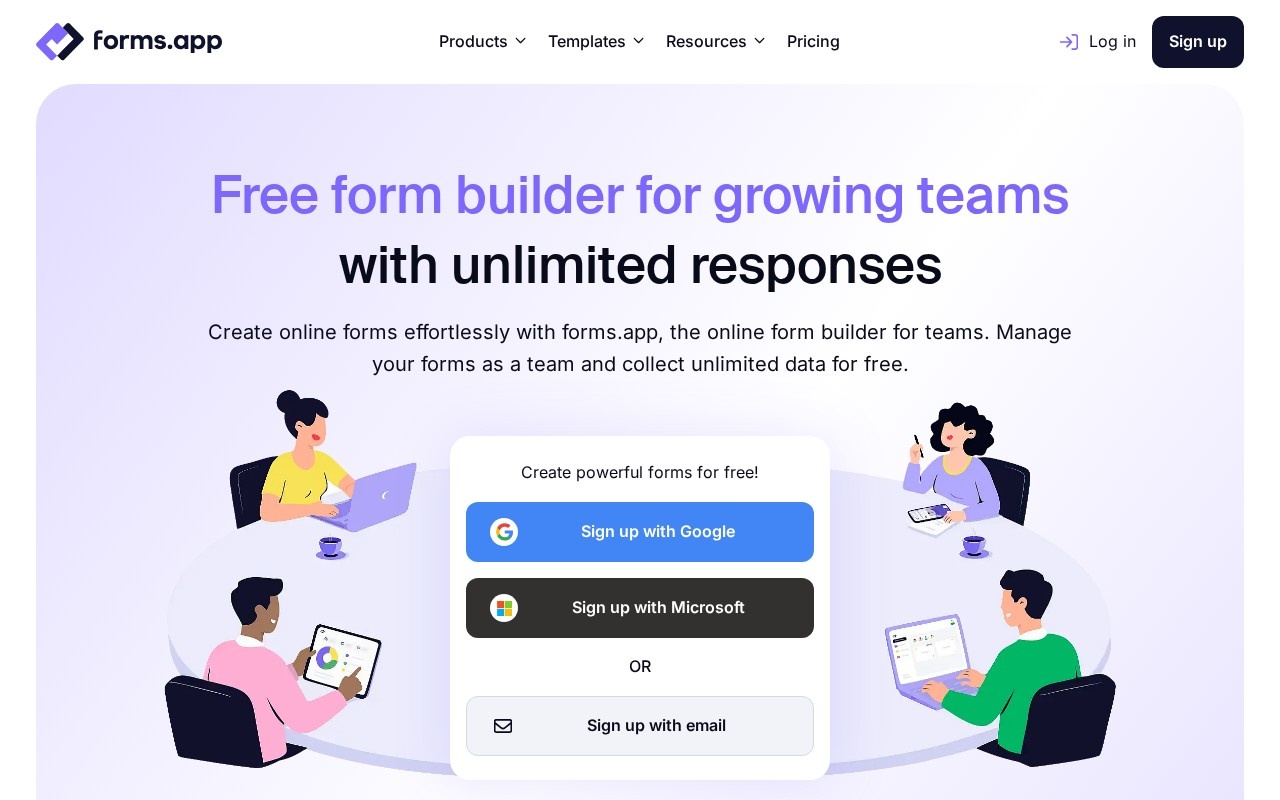
forms.app builds forms, surveys and quizzes in a browser, with AI drafting the questions and the conditional logic rather than leaving you to start from an empty page.
It reaches further than most survey builders. Payments and electronic signatures are supported, so an order form or a consent form comes from the same tool as the feedback survey.
A free tier collects unlimited responses, which is unusually generous, and paid plans start at $29 a month. Security certifications cover teams handling regulated or payment data.
Two costs. Paid tiers run higher than no-frills form builders, and the useful extras sit on the upper plans. AI-drafted questions still need editing to sound like your organisation rather than a template.
2. BlockSurvey
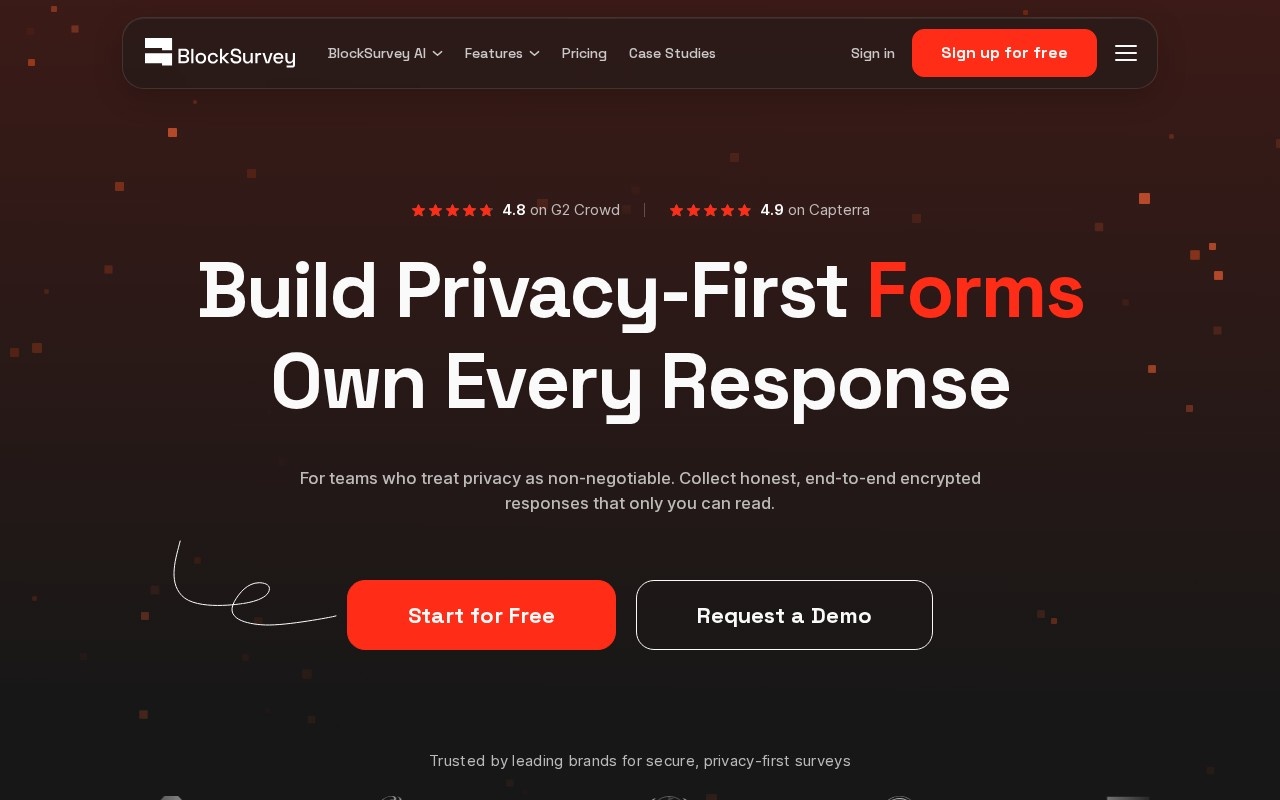
BlockSurvey encrypts responses end to end, so the answers are readable by the survey owner and by nobody else, including the vendor running the platform.
That changes what people are willing to tell you. Encryption is the default here rather than a paid upgrade, which matters for health, wellbeing or whistleblowing questions where a truthful answer carries a cost.
There’s a free tier, though its exact limits aren’t published. The product is aimed squarely at teams who treat privacy as a requirement rather than a feature.
The trade-off is structural and unavoidable. Analysis that needs to read plaintext is limited by the encryption itself, and the integration ecosystem is smaller than mainstream survey platforms.
3. Fairgen
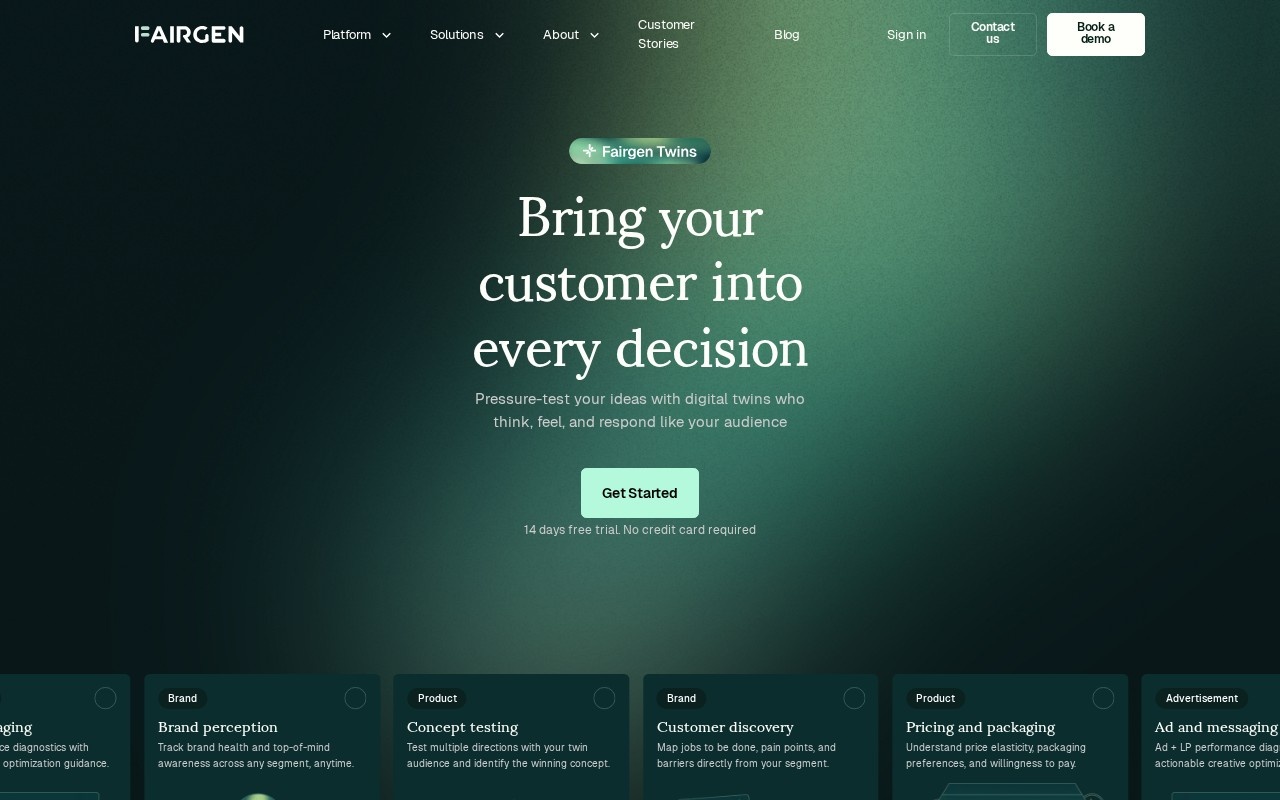
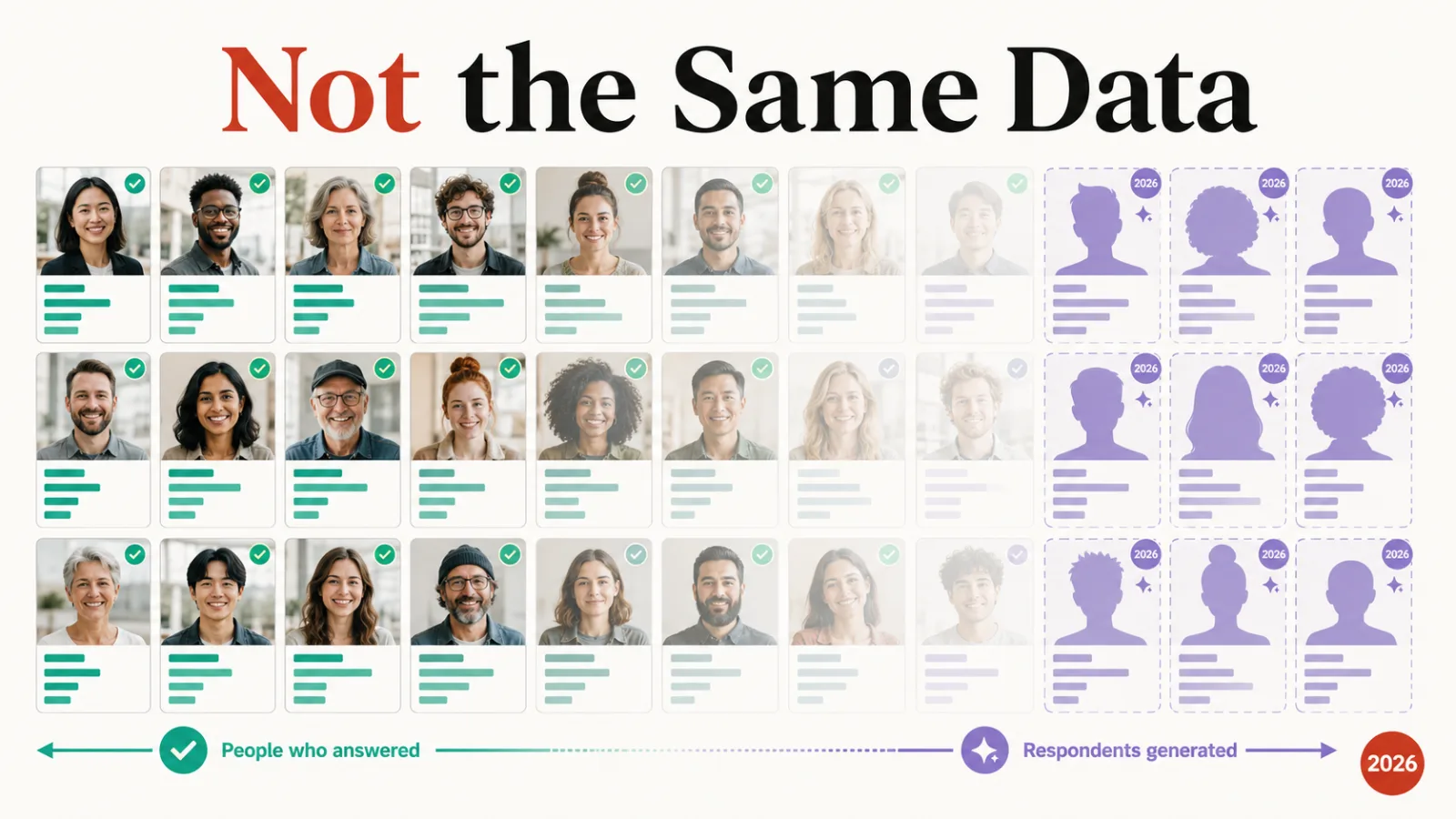
Fairgen is the odd one here, and it belongs on the list only if you read what it does carefully. It doesn’t collect answers from real people. It generates synthetic respondents, which its own site calls digital twins, to enlarge a sample you already have.
The use case is a real one in market research. A study with too few responses in a segment can’t say much about that segment, and commissioning more fieldwork is slow and expensive.
Say the limit plainly, because the product does. Its own listing calls synthetic respondents a directional supplement, not a replacement for fielded research. Treat the output as a hypothesis, never as evidence you surveyed anyone.
Quality depends on how well the digital twins reflect the real population being modelled, which is hard to confirm from outside.
Pricing isn’t published beyond a 14-day trial with no card required. A six-dimension validation process checks the synthetic output, which is more than most tools in this space offer.
4. Metaforms
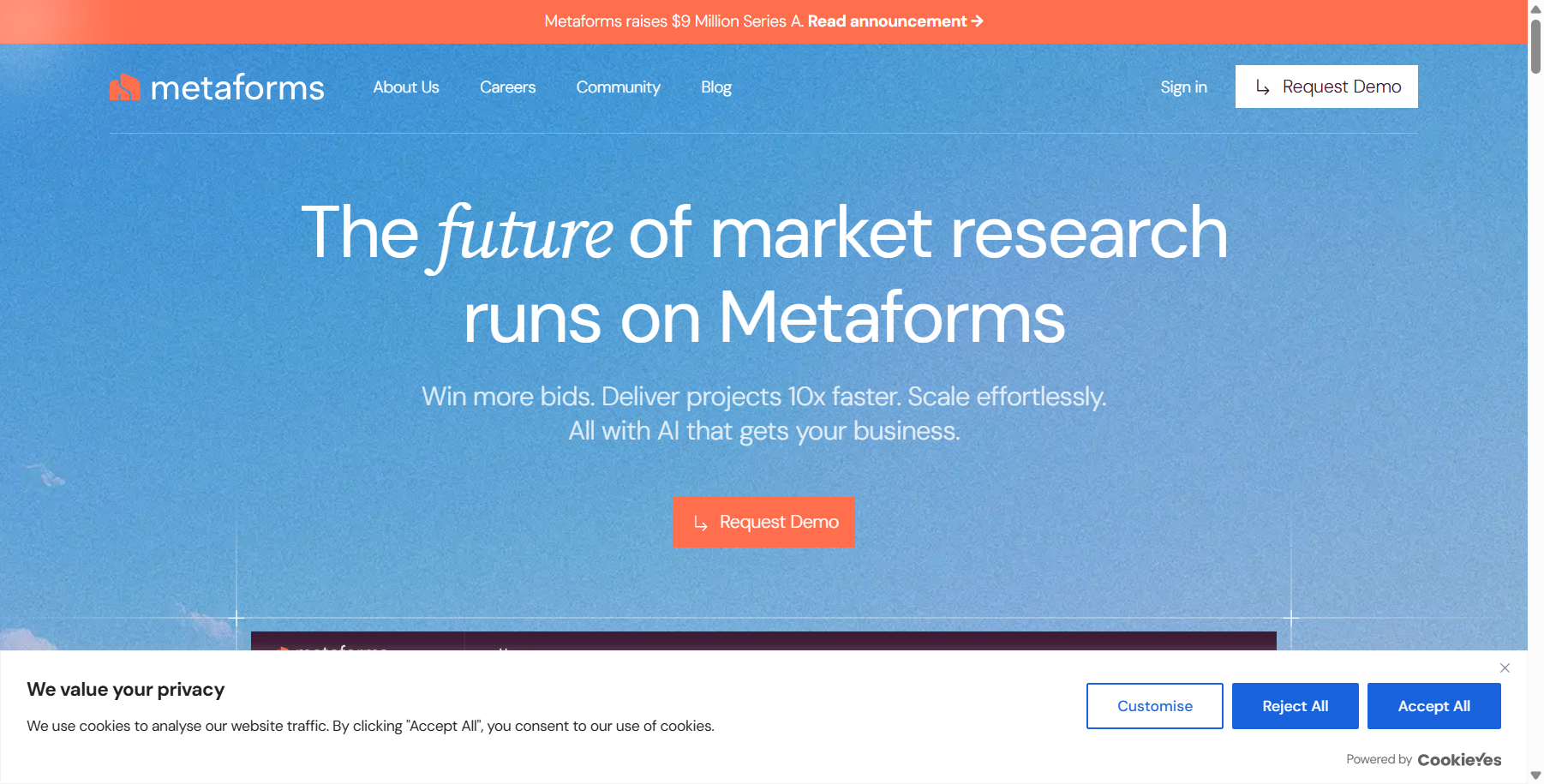
Metaforms targets one narrow job inside market research agencies: programming the survey itself, plus managing the vendors around it. Its site leads on winning more bids and delivering projects faster.
Survey programming is a genuine agency bottleneck, and picking it deliberately is why this is a product rather than another form builder. It raised a $9 million Series A, announced on its own banner.
Its headline claim is a 90% reduction in build time. That figure is company-reported rather than independently audited, which its own listing says, so weigh it accordingly.
Nothing is published on price, so an agency can’t self-serve a quote. The narrow focus is the point and also the limit: outside market research, there’s little reason to choose it.
5. Perspective AI
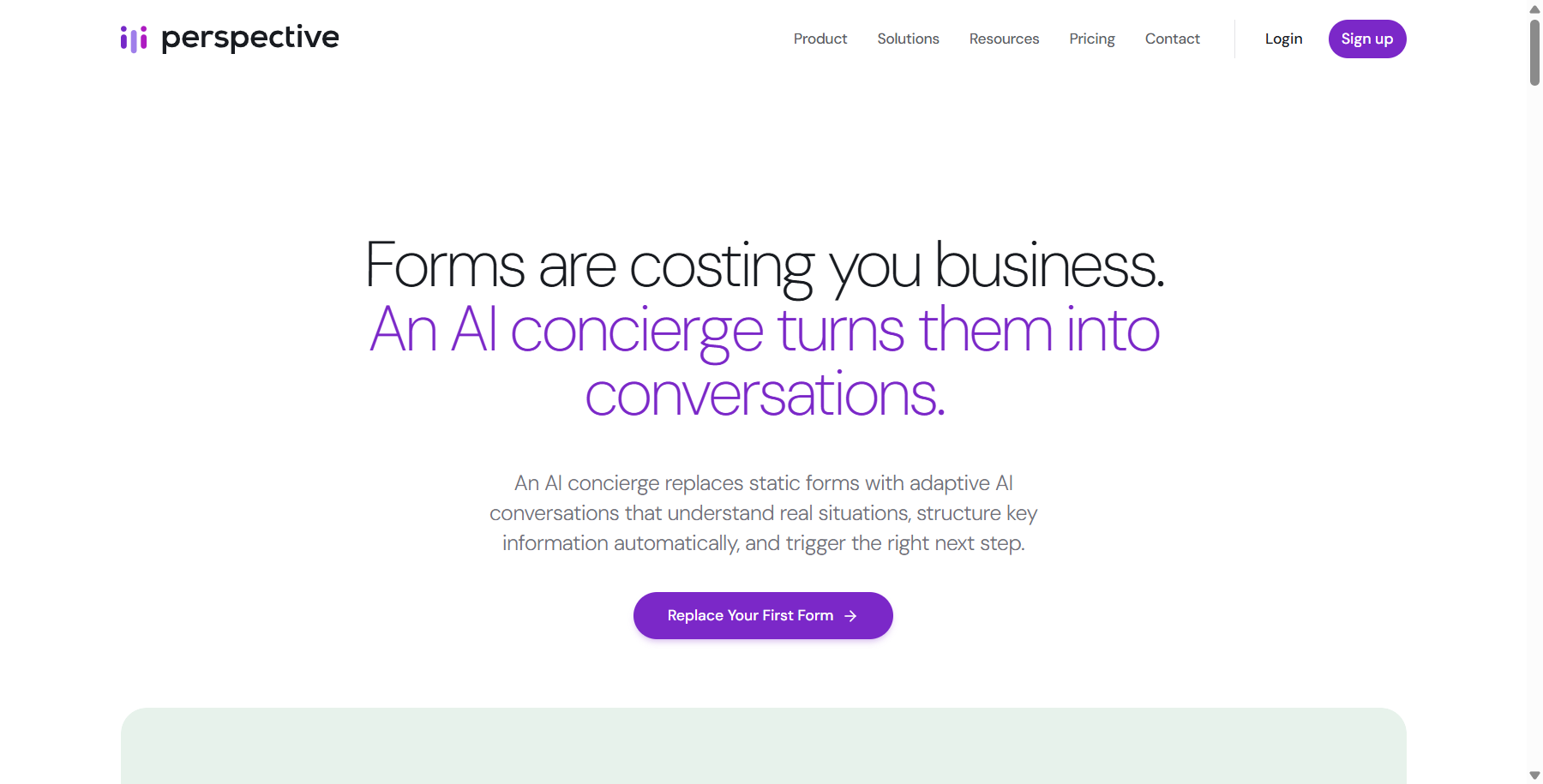
Perspective AI replaces a static form with an AI-moderated conversation that asks follow-up questions, then structures the result so it can feed existing systems.
Check which product you’re buying before you talk to them. Our listing describes course-feedback surveys for education, while its own site now leads with forms costing you business and an AI concierge for general use. That’s a broader positioning than we record.
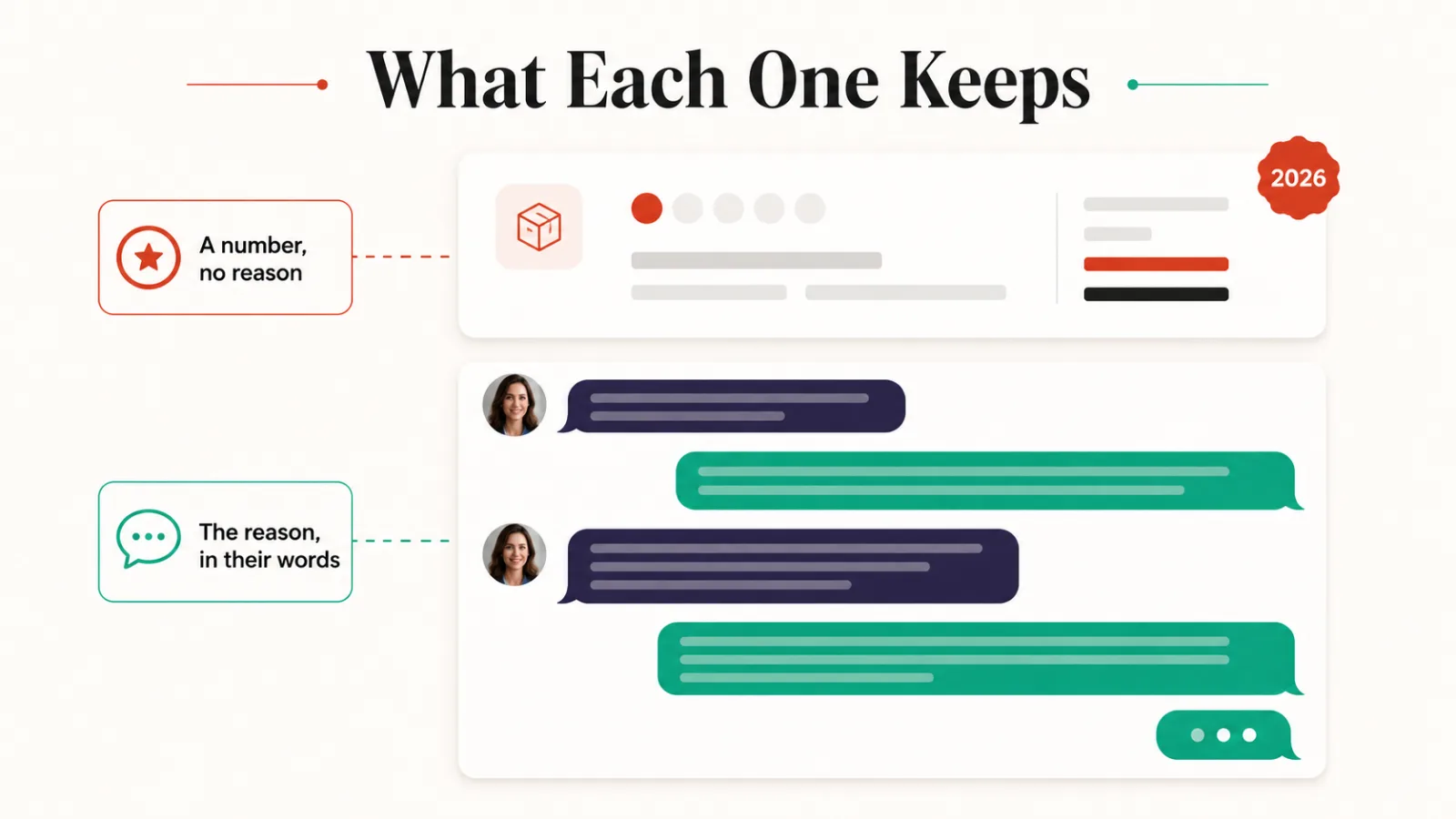
The appeal is the same either way: a conversation captures the reasoning behind an answer, which a rating scale throws away. Structured output means that reasoning still lands somewhere usable.
Pricing goes through a sales conversation. The company was founded in 2024, so the track record is short, and a broad platform tends to be shallower in any one setting than a specialist.
6. Parliant.AI
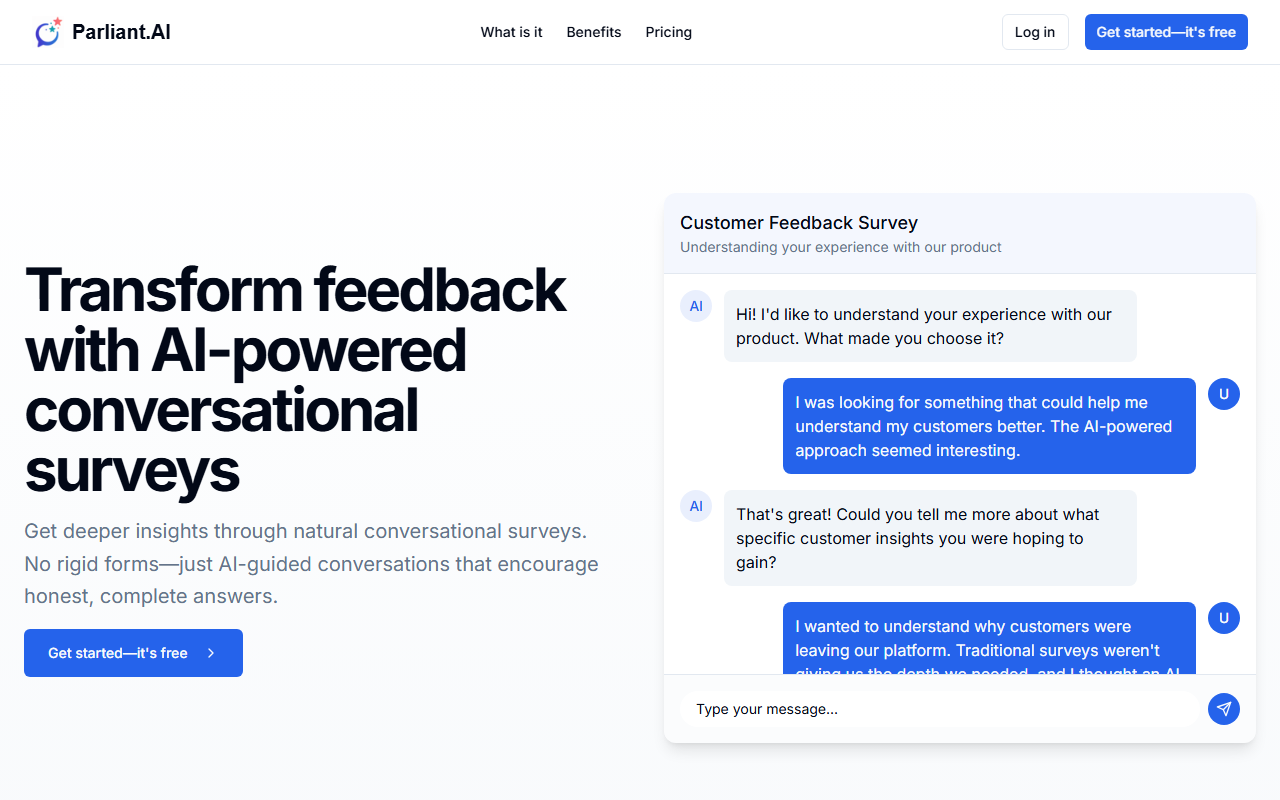
Parliant.AI runs surveys as a chat rather than a form, with the AI asking why when an answer is thin. Its own example shows a customer-feedback survey unfolding as a back-and-forth.
The gain is specific and worth naming. You collect reasoning instead of a one-word free-text box that most respondents skip, which is where the useful part of feedback usually hides.
Pricing is flat and published, starting at $49 a month, and a free plan makes a side-by-side pilot against your current form cheap to run. That published pricing is unusual among conversational survey tools.
Two honest limits from its listing. A conversation takes longer per respondent than a form, and a badly written prompt leads the respondent toward the answer you were hoping for.
How we rate these
Our rating comes from comparing published features, pricing and positioning against the rest of the catalogue. It isn’t a lab score, and we don’t field one questionnaire through all six to produce it.
What would be worth measuring is completion rate on the same questions, form against conversation, with the same audience. Every conversational tool implies it wins that comparison and none publishes it.
Where a vendor’s figure appears above, we’ve said whose it is. Metaforms’ build-time claim is company-reported, and Fairgen’s respondents are synthetic by design rather than a sample of anyone.
What to check before you buy
- Source: real respondents or synthetic ones, which is the difference between evidence and a hypothesis.
- Format: a form people skim, or a conversation that takes longer and returns reasoning.
- Privacy: who can read the answers, including the vendor.
- Price shape: flat published plans against a quote after a demo.
- Export: whether structured output reaches the system you already report from.
- Question quality: AI-drafted questions still need a human read before they go out.
How to choose between them
Start with what you’re missing. If responses arrive but say nothing useful, the format is the problem and a conversational tool addresses it. If nobody responds at all, a better form won’t fix distribution.
If the subject is sensitive, privacy is the deciding feature rather than a nice one. BlockSurvey is the only entry here where the vendor cannot read what your respondents wrote.
For general business use, forms.app and Parliant.AI both publish prices and both have a free way in, so a pilot costs time rather than budget. Metaforms only makes sense inside a research agency.
Our piece on user feedback in product development covers what to do with responses once you have them, and AI employee engagement tools covers internal listening specifically.
Questions buyers ask
What is an AI survey tool?
An AI survey tool uses a model somewhere in the survey process: drafting the questions, running the survey as a conversation, or analysing what comes back. It doesn’t mean the answers are generated, with one exception on this list that says so plainly.
Which of these have a free plan?
Three: forms.app, BlockSurvey and Parliant.AI. Fairgen runs a 14-day trial with no card. Metaforms and Perspective AI both quote after a sales conversation.
Are AI-generated survey responses real data?
No. Synthetic respondents are modelled, not surveyed, and Fairgen’s own listing calls them a directional supplement rather than a replacement for fielded research. Presenting them as what customers said would be a false claim, whatever the validation process behind them.
Do conversational surveys get better answers?
They collect reasoning a rating scale throws away, which is the honest claim. Whether more people finish one is a separate question, and no vendor here publishes a comparison you could check. Run both against the same audience before committing.
What does an AI survey tool cost?
Published pricing here runs from free to $49 a month. Three of the six publish nothing and quote after a demo. That usually signals a product sold to agencies or institutions rather than to a team with a card.
Can AI write the questions for me?
It can draft them, and forms.app is built around that. Someone still has to read them before they go out, because a leading question produces confident answers to something you didn’t mean to ask.