Enterprise data cleaning and transformation tools handle the scale, governance, and integration demands that come with organization-wide data pipelines — not a single analyst cleaning one spreadsheet, but IT-managed platforms feeding dozens of downstream systems and AI models. AI speeds up the actual cleaning work (automated error detection, intelligent imputation, standardization) while these platforms add the governance layer enterprises need: access controls, lineage tracking, and integration with the rest of the data stack. This guide covers the platform-scale tools built for that job. For a lighter, more hands-on set of tools built for individual analysts and data scientists, see our companion guide to AI data cleaning tools for analysts.
Why This Matters for AI
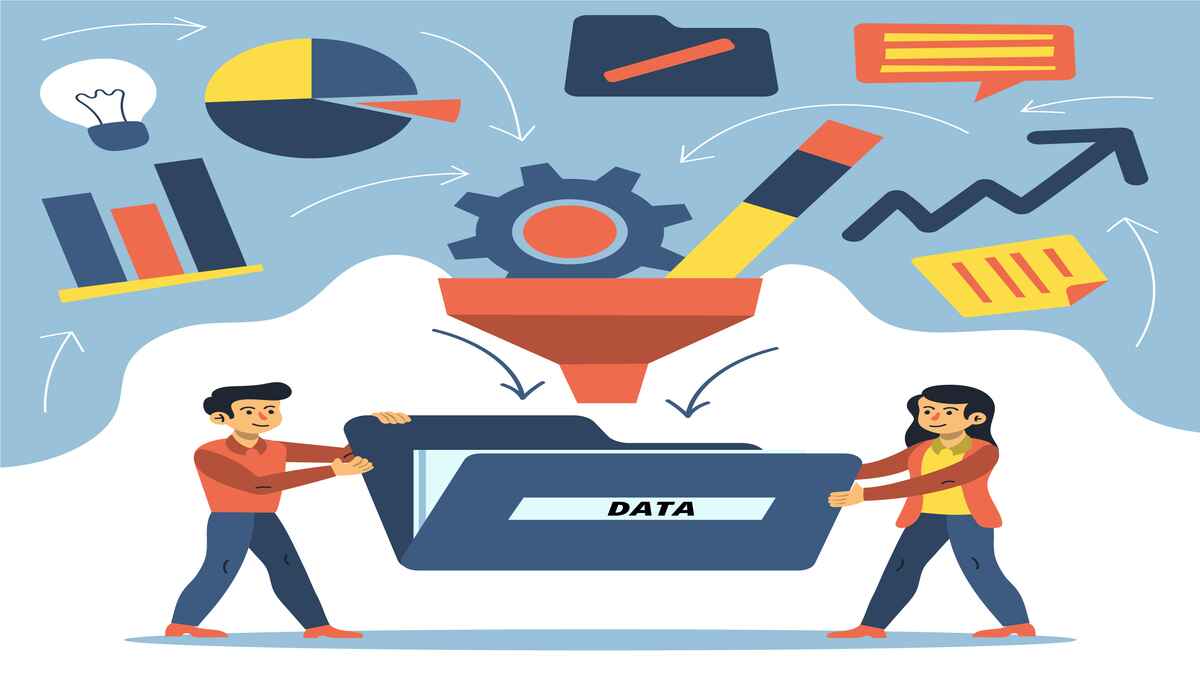
Data cleaning removes errors, inconsistencies, and missing values; data transformation reshapes raw data into a structured format ready for analysis and modeling. Both matter enormously for AI specifically — a model trained on messy, biased, or incomplete data inherits those problems, however sophisticated the algorithm. Clean, well-transformed data improves model performance, supports better decision-making, reduces bias by ensuring training data actually represents what it’s supposed to represent, and cuts the time data teams spend on prep work instead of analysis. AI itself now automates much of this: automated error detection, intelligent imputation for missing values, standardization across inconsistent formats, and automated feature engineering that used to require a data scientist’s manual judgment.
Top Enterprise & Platform-Scale Tools
Talend Data Fabric
Unified platform combining data integration, quality, and governance, with AI-assisted data quality scoring and cleansing suggestions built in. Strong fit for organizations that need one platform covering the full pipeline from ingestion to governance.
Pros:
- Integration, quality, and governance in one platform.
- AI-assisted data quality scoring.
Cons:
- Enterprise pricing and implementation timeline.
Pricing Package:
Custom pricing, quoted per organization.
Informatica Data Quality
Enterprise data quality platform with AI-powered profiling, matching, and cleansing rules that scale across an organization’s full data estate. One of the most established names in enterprise data quality, widely used in regulated industries.
Pros:
- Deep data quality and matching capabilities at scale.
- Strong track record in regulated industries.
Cons:
- Steep learning curve; typically needs dedicated administrators.
Pricing Package:
Custom pricing, quoted per organization.
SAS Data Preparation
Visual, self-service data prep built on SAS’s long-established analytics platform, with automated profiling and cleansing suggestions aimed at both IT and business users.
Pros:
- Backed by SAS’s decades of analytics and statistics expertise.
- Visual interface accessible to business users, not just engineers.
Cons:
- Best value requires buy-in to the broader SAS ecosystem.
Pricing Package:
Custom pricing, quoted per organization.
IBM Data Refinery
Visual data-shaping and cleansing tool built into IBM’s Watson Studio/watsonx platform, letting users profile, cleanse, and transform data before feeding it into IBM’s broader AI and analytics tools.
Pros:
- Tightly integrated with IBM’s broader AI/ML platform.
- Visual data-shaping accessible to non-programmers.
Cons:
- Most valuable inside the IBM ecosystem specifically.
Pricing Package:
Custom pricing, quoted per organization.
TIBCO Clarity
Data cleansing and quality tool built for large, complex datasets, with automated profiling and matching designed to run as part of a broader TIBCO data-integration pipeline.
Pros:
- Handles very large, complex datasets well.
- Integrates cleanly with the rest of the TIBCO stack.
Cons:
- Most value comes from pairing it with other TIBCO products.
Pricing Package:
Custom pricing, quoted per organization.
Apache Spark (Databricks)
Distributed processing engine for cleaning and transforming datasets at massive scale, with Databricks adding a managed platform, AI-assisted notebooks, and governance on top of open-source Spark.
Pros:
- Scales to genuinely massive datasets that overwhelm single-machine tools.
- Open-source core, with Databricks providing a managed layer.
Cons:
- Requires engineering skill to use well; not a point-and-click tool.
Pricing Package:
Usage-based pricing on Databricks; Spark itself is free and open-source.
Dataiku
End-to-end data science and ML platform with visual data-prep tools that let both technical and non-technical users clean and transform data as part of a larger AI project pipeline.
Pros:
- Visual workflow accessible to both analysts and data scientists.
- Data prep sits inside a broader end-to-end ML platform.
Cons:
- Full platform pricing is a bigger commitment than a standalone prep tool.
Pricing Package:
Free tier available; paid plans scale with team size and usage.
AWS Glue
Serverless ETL service with AI-assisted schema discovery and data-quality rule suggestions, built to run cleaning and transformation jobs natively inside the AWS data ecosystem.
Pros:
- Serverless, no infrastructure to manage.
- Native integration across the AWS data stack.
Cons:
- Costs and configuration are easiest to reason about if you’re already on AWS.
Pricing Package:
Pay-per-use, billed by compute time.
KNIME Analytics Platform
Open-source visual workflow platform for data prep, analysis, and machine learning, widely used by enterprise data teams that want scale without vendor lock-in.
Pros:
- Free, open-source core with a large library of nodes/connectors.
- Visual workflow builder, no coding required for most tasks.
Cons:
- Enterprise features (collaboration, deployment) require the paid Business Hub.
Pricing Package:
Free desktop application; paid tiers for team collaboration and deployment.
Domo
Cloud BI and data platform with AI-assisted data prep (Magic ETL) that lets business teams clean and blend data from hundreds of connectors without writing code.
Pros:
- Very large connector library for pulling in source data.
- No-code visual ETL builder.
Cons:
- Pricing scales quickly with data volume and user count.
Pricing Package:
Custom pricing, quoted per organization.
DataRobot
End-to-end AI platform with automated data preparation and feature engineering built in as part of its broader automated machine learning workflow. Acquired Paxata’s data-prep technology in December 2019 and folded it directly into the core platform rather than maintaining it as a separate branded product.
Pros:
- Automated feature engineering alongside data prep, not just cleaning.
- Part of a full automated ML pipeline, not a standalone point tool.
Cons:
- Full platform commitment, not ideal if you only need data prep.
Pricing Package:
Custom pricing, quoted per organization.
Alteryx Designer Cloud
Visual, self-service data prep and automation platform. Alteryx acquired Trifacta in February 2022 and rebranded its cloud-native data-prep product (which had also powered Google Cloud Dataprep) as Alteryx Designer Cloud — both are now the same underlying product.
Pros:
- Visual, drag-and-drop workflow with strong data-quality automation.
- Cloud-native and desktop options available.
Cons:
- Pricing scales with data volume and can get expensive at enterprise scale.
Pricing Package:
Custom pricing, quoted per organization.
Ataccama ONE
Unified data management platform combining AI-driven data quality, master data management, and governance, aimed at enterprises that need cleansing to happen alongside broader data-governance controls.
Pros:
- Combines data quality with master data management in one platform.
- AI-driven anomaly detection built in.
Cons:
- Full feature set is more than teams that just need basic cleaning will use.
Pricing Package:
Custom pricing, quoted per organization.
Challenges, Best Practices, and Where This Is Headed
At enterprise scale, the real challenges are less about the algorithms and more about the organization: data complexity across dozens of source systems, the domain expertise needed to know what “clean” actually means for a given dataset, the computational cost of processing at volume, and data privacy/security requirements that get stricter as more systems touch the data. The practices that work best mirror good engineering practice generally — understand the data and its lineage before automating anything, assess quality before and after each transformation step, treat cleaning as iterative rather than one-and-done, and keep a human reviewing edge cases rather than trusting full automation blindly. Looking ahead, expect more advanced ML-based cleaning, automated feature engineering that further reduces manual data-science work, real-time cleaning for streaming data rather than only batch jobs, more explainable AI in why a tool flagged or changed a given value, and tighter integration between data quality and broader AI governance requirements.
Conclusion
The platforms above cover enterprise data cleaning and transformation from a few different angles: full data-fabric suites (Talend, Informatica, TIBCO Clarity), platform-native tools tied to a specific cloud or vendor ecosystem (IBM Data Refinery, AWS Glue, Apache Spark/Databricks), broader AI/ML platforms with data prep built in (Dataiku, DataRobot, SAS Data Preparation), and dedicated data-quality/governance platforms (Ataccama ONE, Alteryx Designer Cloud, KNIME, Domo). If you’re an individual analyst or a small team rather than an IT-managed organization, our companion guide to hands-on AI data cleaning tools covers lighter, more accessible options built for that use case.