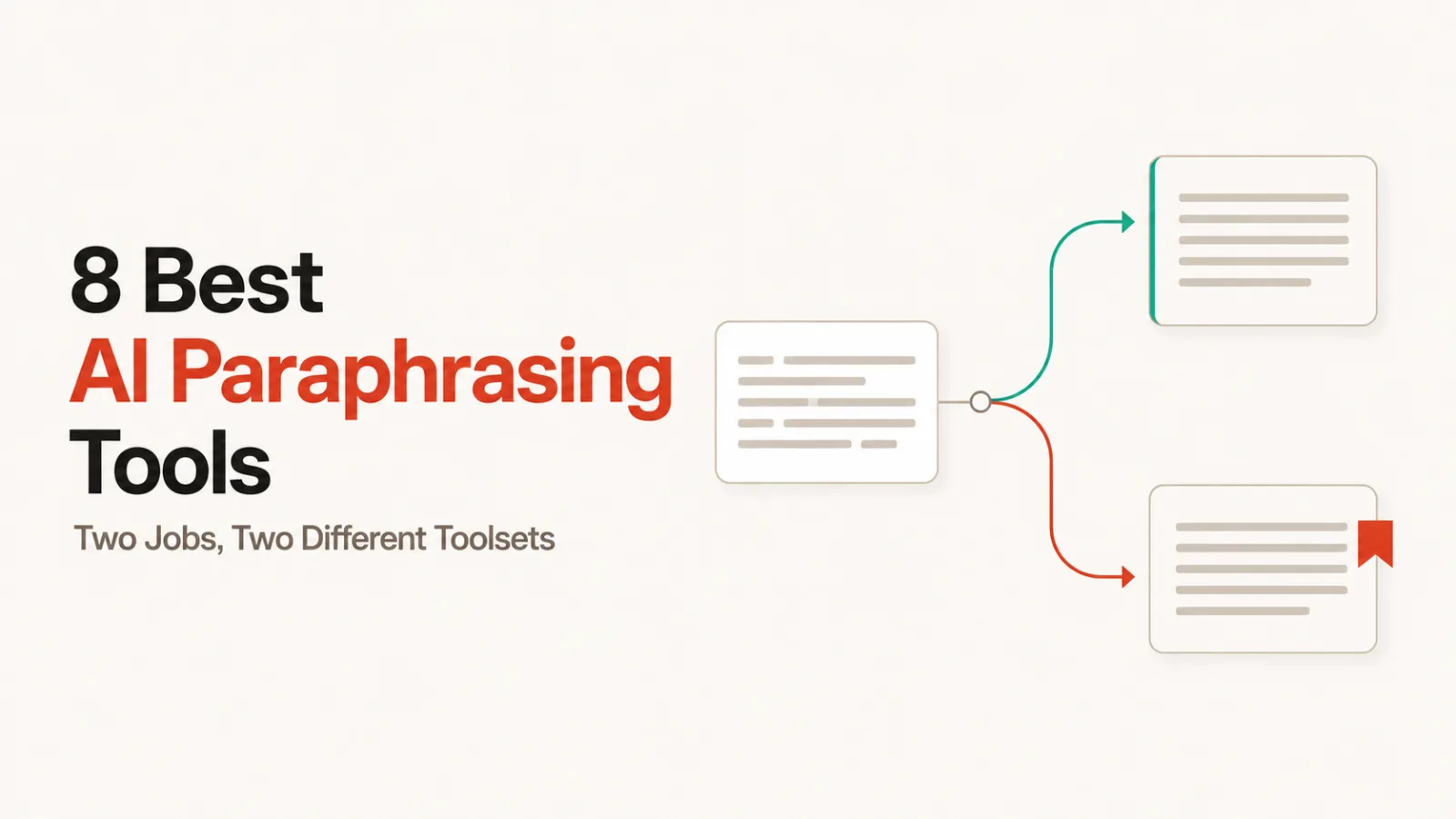
Most people looking for an AI paraphrasing tool want one of two different things, and the tools split along that line. If you want to rewrite your own drafts more clearly, start with QuillBot. If you want AI-written text to read as human, that’s a different set of products with different risks.
This list covers both, ranked together but Labelled by the job each one does. Blurring the two is how people end up with a tool that doesn’t do the job they bought it for.
How this list is ordered
These eight are Ordered by our editorial rating, with starting price and free-tier availability noted for each. That rating comes from reviewing features, pricing and positioning against the rest of our Writing tools catalogue.
The ranking is not a judgement about which purpose is more legitimate. It happens that The detection-bypass tools cluster at the bottom, because they’re newer, smaller and more exposed to a shifting market.
| Tool | Rating | From | Free tier | Built for |
|---|---|---|---|---|
| Grammarly | 4.6 | $12 | Yes | Correcting as you write |
| QuillBot | 4.5 | $10 | Yes | Paraphrasing, its original job |
| Wordtune | 4.3 | $7 | Yes | Rewriting sentences you drafted |
| Smodin | 4.2 | $10 | Yes | Five writing utilities in one account |
| Paraphraser.io | 4.0 | $7 | Yes | Six rewriting modes on a budget |
| Netus AI | 3.6 | $30 | Yes | Rewriting to pass detectors |
| Humanize AI Pro | 3.6 | $4.99 | Yes | Rewriting to pass detectors |
| GPTinf | 3.5 | $19 | No | Rewriting to pass detectors |
1. Grammarly
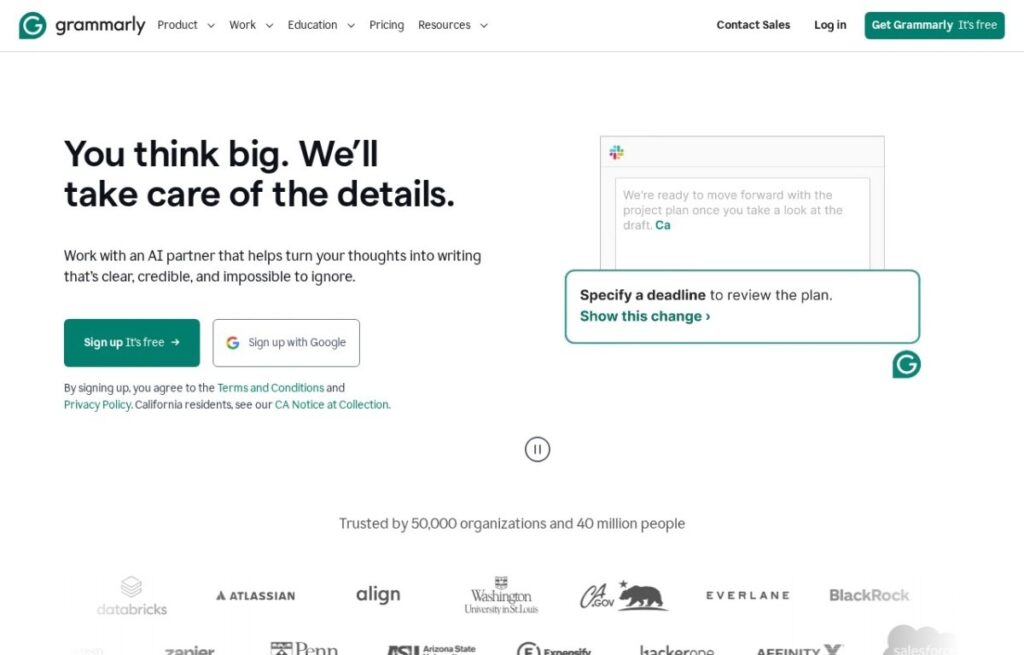
Grammarly Predates this whole category. Three founders launched it in 2009 as a grammar and plagiarism checker, and the rewriting features arrived much later as GrammarlyGO.
It ranks first because of reach rather than paraphrasing depth. It Runs inline almost everywhere you write, so there’s no copy-pasting into a separate workspace, and the free tier stays useful long-term rather than expiring.
The limitation follows from the history. The Generative features feel bolted onto an older core, and its tone suggestions lean conservative, so it rewrites more cautiously than a dedicated paraphraser.
2. QuillBot
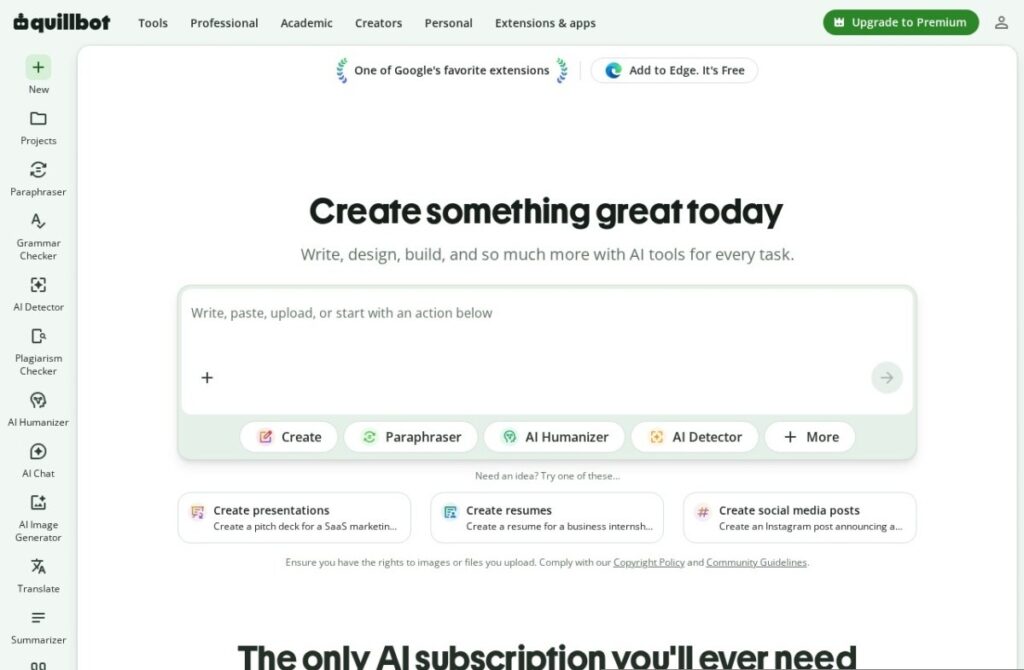
QuillBot is the one most people mean by a paraphraser. Founded in 2017, its Signature feature is still rewording: paste a passage, pick a style from formal to fluent to shorten, and get it back rephrased.
That focus is the argument for it. Where most of this category leads with generating text from scratch, QuillBot starts from text you already have, and its citation and plagiarism tools fit academic work neatly.
Two limitations worth knowing. Free-tier word limits push real use to Premium, and its heavy student association means some institutions treat it with suspicion.
3. Wordtune
Wordtune Comes from AI21 Labs, an Israeli research company better known for its Jurassic language models. That’s an unusual pedigree for a consumer writing app.
The product stays narrow deliberately. It Rewrites what you’ve already drafted Rather than generating from nothing, offering alternate phrasings that shift formality or length, and it starts at $7.
That narrowness is the trade. It Won’t write content from scratch, and free-tier daily rewrite limits push regular users to paid quickly.

4. Smodin
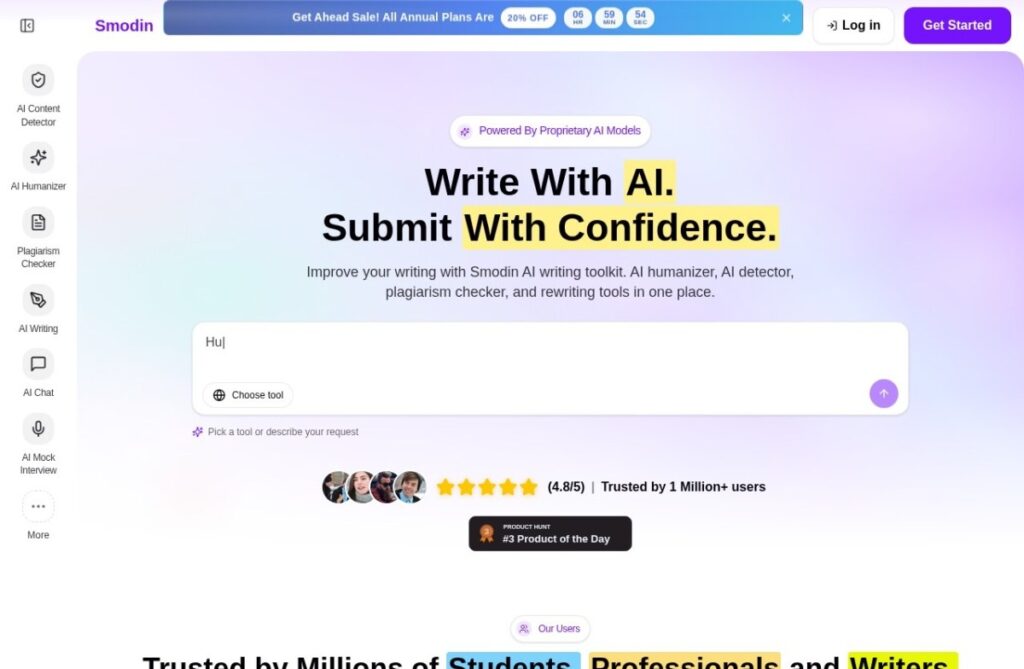
Smodin Takes the opposite approach to Wordtune. Rather than one sharp feature, it bundles paraphrasing, a plagiarism checker, essay tools, an AI detector and translation across more than 100 languages into one account.
At $10 that breadth is Cheaper than buying two specialists, which is the reason a student on a budget picks it.
The cost is depth. No single feature matches a dedicated tool, and the interface reads as a toolbox rather than one workspace.
5. Paraphraser.io
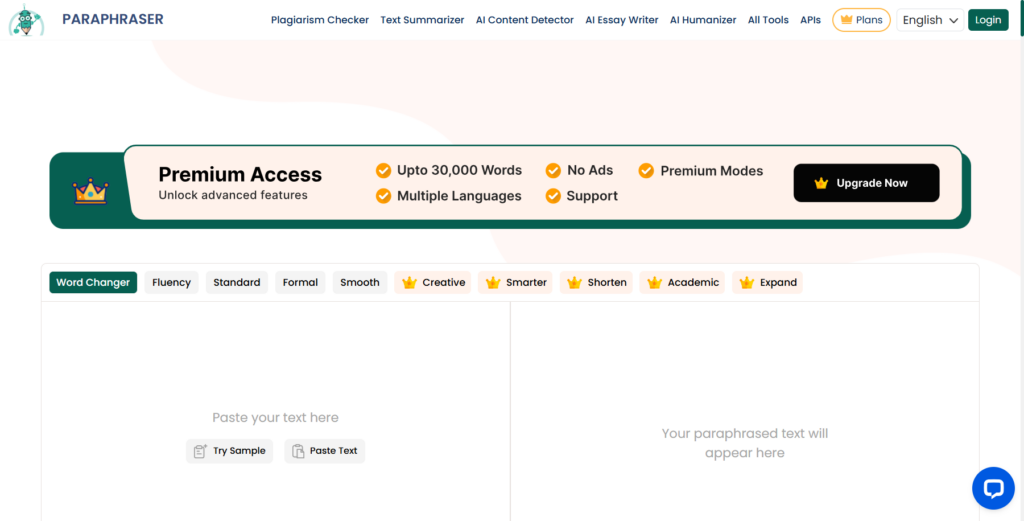
Paraphraser.io Has operated since 2021 from Lahore, Pakistan, and runs text through six rewriting modes, from subtle rewording to more creative reimagining.
At $7 it Undercuts most subscription paraphrasers, and it bundles grammar and plagiarism checking. Its image-to-text rewriting isn’t standard among direct competitors.
Two drawbacks. Output can still Sound mechanical on longer passages, and the name collides with the similarly branded Paraphrasing.io, which causes real buyer confusion.
The next three do a different job
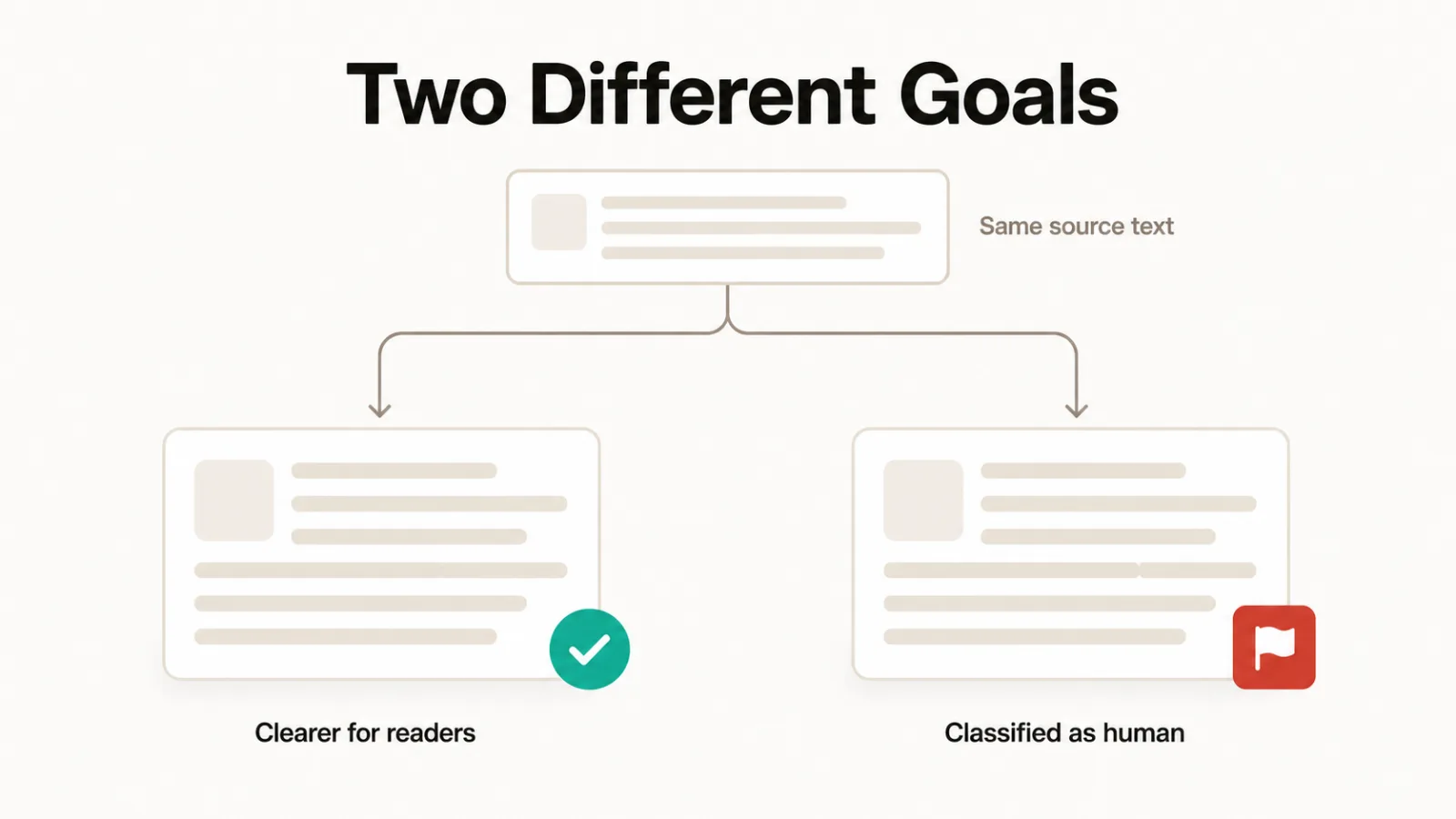
Everything above rewrites text so a reader understands it better. The three below rewrite text so An AI detector classifies it as human, which is a different goal with different consequences.
They’re included because they’re real products people search for, and leaving them out wouldn’t make them go away. They’re described honestly, including where the risk sits.
If you’re on the other side of this problem, our guide to AI detection tools Covers what these products are built to defeat.
6. Netus AI
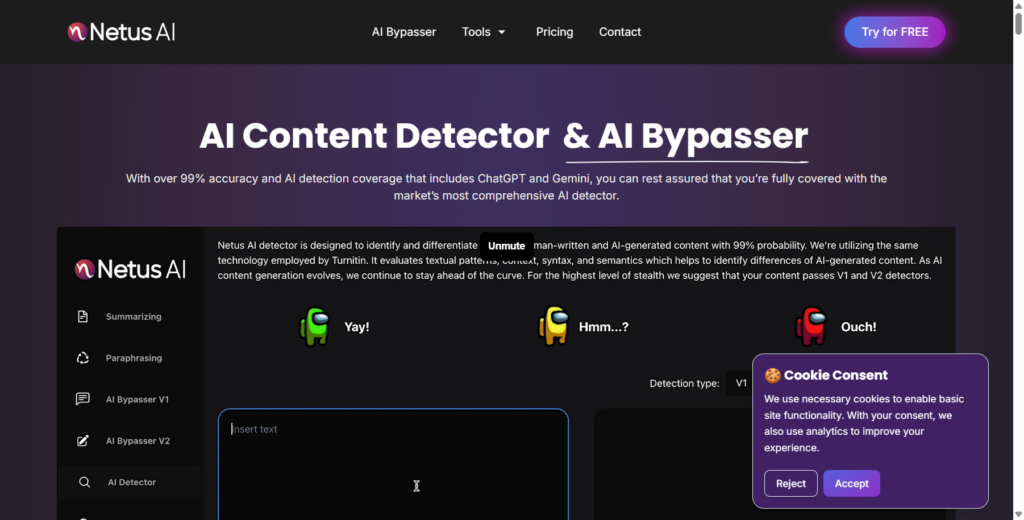
Netus AI Was founded in 2023 in New York City and joined the JFreaks group in April 2025. It Bundles a detector and a bypasser In one subscription, and covers 36 languages.
It runs on credits, and a free Starter tier lets you judge output quality before paying. At $30 it’s the most expensive tool on this list.
Two things to weigh. Reported team size is around one person, which raises real questions about long-term support, and credit consumption differs sharply between its two tools.
7. Humanize AI Pro
Humanize AI Pro Launched in early 2024 and does one thing: a text-in, text-out pass that rewrites generated text while trying to preserve meaning, tone and search value.
At $4.99 it’s the cheapest entry point here, and its search-value positioning aims at content marketers rather than students.
It sits in a crowded look-alike market with near-identical names, and there’s Little public information about the team Beyond its founder.
8. GPTinf
GPTinf Shares a founder with the entry above. Artur Zhdan started it in Lviv in February 2023 after his own AI-assisted application essays were flagged, and it reports 25 million users across more than 70 countries.
It combines detection and rewriting in one interface, with Multiple rewrite modes as a fallback When one style gets flagged.
The limitations are the most concrete on this list. Independent tests have shown it Failing to get past detectors such as GPTZero, and pushing it harder to evade can introduce awkward phrasing and grammatical errors.
Why a bypass tool is an unstable purchase
It stops working because the thing it beats keeps changing. A paraphraser that improves clarity works regardless of what anyone else builds. A tool whose value depends on defeating a detector is Competing against a product that updates against it.
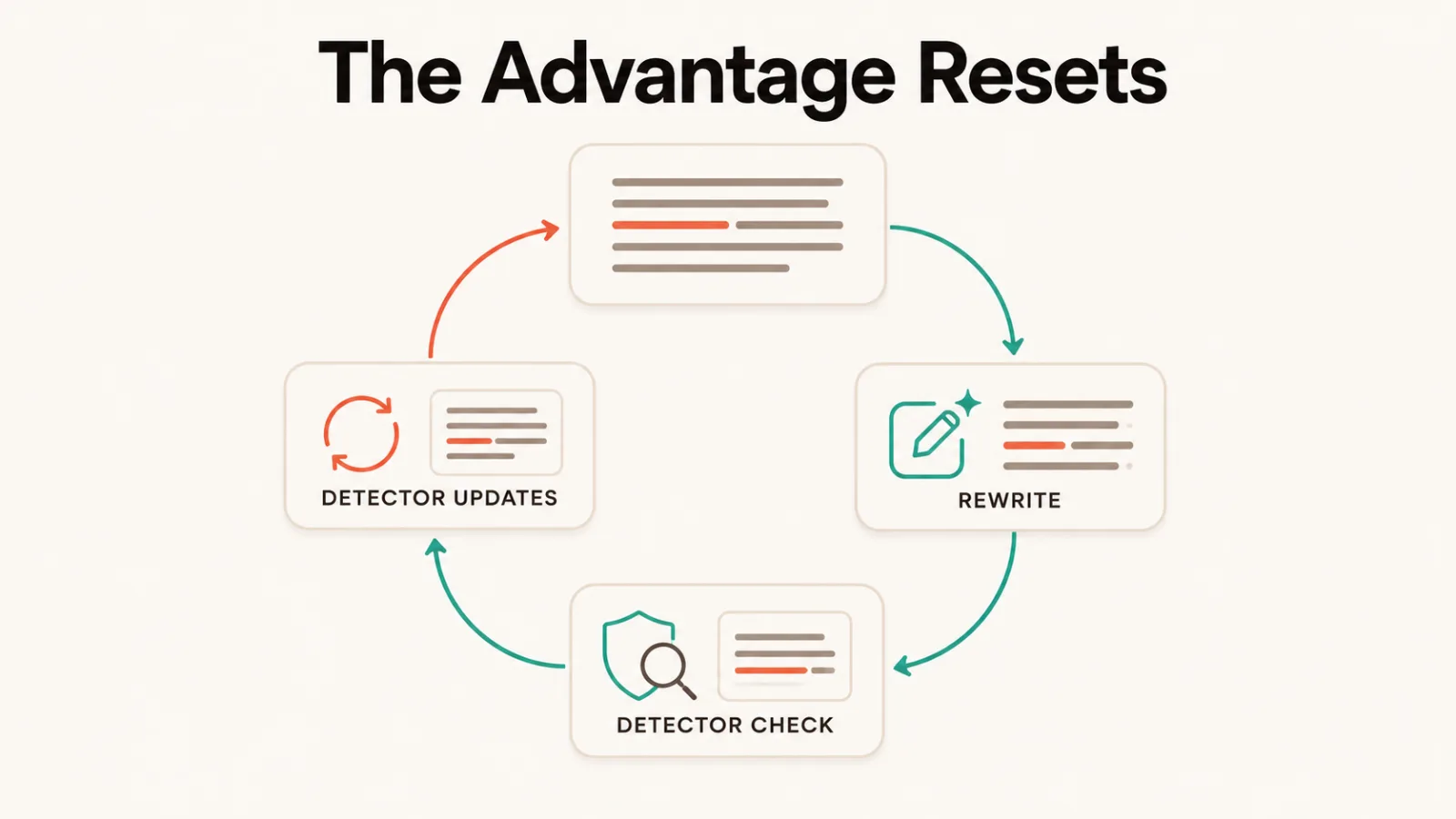
That’s why the vendors here publish multiple rewrite modes: when one stops working, you try another. It’s also why independent test results for these tools change from month to month.
Schools and publishers are moving too, adding process-based checks such as revision history. A subscription bought against today’s detectors is Not a durable purchase.
Choosing between them
- Writers wanting correction everywhere they type: Grammarly, for its inline reach.
- Students and researchers rewording sources: QuillBot, for the paraphraser and citation tools.
- Professionals polishing their own drafts: Wordtune, for sentence-level rewriting at $7.
- Budget buyers needing five tools at once: Smodin, for breadth over depth.
- Cost-conscious users wanting rewriting modes: Paraphraser.io, the cheapest full paraphraser.
- Marketers rewriting generated drafts: Humanize AI Pro, at the lowest entry price.
For writing rather than rewriting, our guides to AI writing assistants And Free AI writing tools Cover that side.
Frequently asked questions
What is an AI paraphrasing tool?
An AI paraphrasing tool rewrites text you give it while keeping the original meaning, usually offering modes that shift formality, length or tone. It starts from your existing text rather than generating new content from a prompt.
Is there a free AI paraphrasing tool?
Yes. Grammarly, QuillBot, Wordtune, Smodin, Paraphraser.io, Netus AI and Humanize AI Pro all have free tiers, though most cap words or daily rewrites. GPTinf is the only one here with no free option.
Does paraphrasing count as plagiarism?
Rewording someone else’s ideas without attribution is still plagiarism, whatever produced the wording. Most institutions judge the source and the citation, not the phrasing, so a paraphraser doesn’t remove the need to credit the original.
Can a paraphrasing tool make AI text undetectable?
Not reliably. Independent tests have shown these tools passing some detectors and failing others, with results changing as detectors update. Any vendor promising permanent, guaranteed evasion is describing something the category can’t deliver.